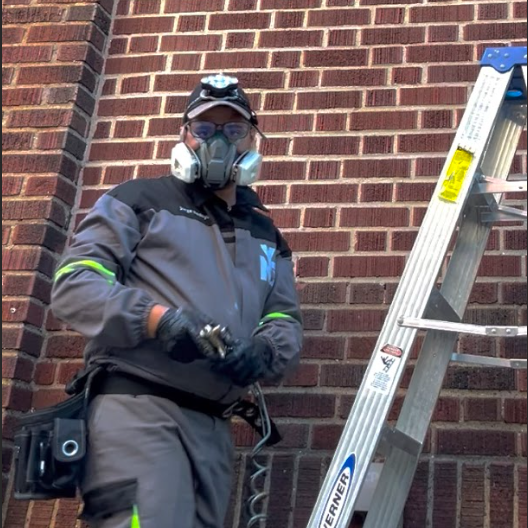
New York Exterminating provides professional rodent control and exclusion in Midwood Brooklyn (11230) for apartments, private homes, co-ops, mixed-use buildings, basements, restaurants, and multi-unit properties.
If you are seeing mice or rats in Midwood, the real problem is usually not the rodent you saw — it is the structure that allowed it to get in. That is why we center our work on inspection, exclusion, and long-term control instead of just placing traps and hoping activity slows down.
Many rodent problems in Midwood persist because entry points remain open behind radiators, under sinks, around utility penetrations, inside basement voids, near service lines, behind appliances, and at perimeter defects that were never properly sealed. Killing a few rodents without fixing access almost always leads to reinfestation, which is why our process starts with finding the source and not just treating the symptom. You can request service here or call +1 (347) 210-4646.
We offer free inspections in many cases and free quotes over the phone when possible. We are open 24/7 for urgent pest situations, and se habla español. Existing customers can use the Access Customer Portal, and property owners can email us directly to Request Free Pest Identification.
Midwood is not a simple pest environment. The neighborhood includes apartment buildings, attached homes, older residential construction, mixed-use properties, and structures with shared utility infrastructure. That matters because mice and rats do not respect apartment lines, lease lines, or storefront walls. They move through buildings. This is why a landlord may treat one unit, a tenant may clean aggressively, and activity still continues. For broader pest pressure across Brooklyn building types, see our Flatbush pest control page and Kensington pest control page.
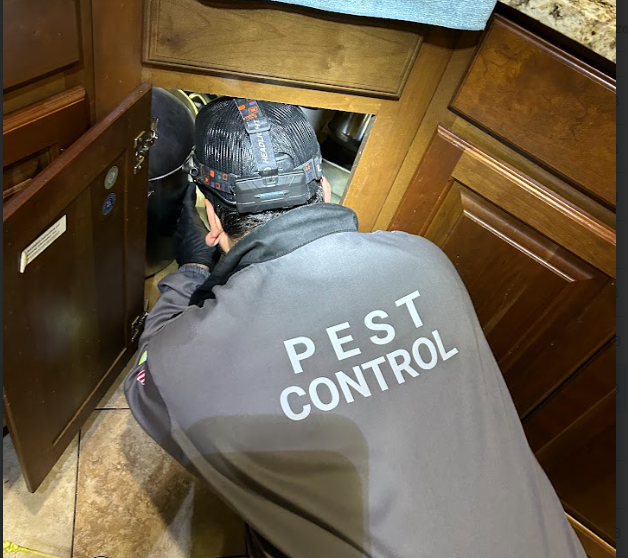
Rodents commonly exploit pipe chases, wall voids, drop ceilings, subfloors, foundation defects, basement penetrations, utility line openings, cellar doors, door sweeps, rear-yard defects, and garbage exposure. If those conditions exist, the infestation can keep rebuilding even after visible rodents are removed. That is why our work overlaps with true building correction, not just pesticide or trap placement. You can read more about our approach on our rodent control and exclusion service page.
Most recurring rodent jobs fail for one reason: the structure was never brought under control. Traps can reduce numbers. Poison can reduce numbers. But if Midwood buildings stay open, the pressure stays active. That is the core distinction between temporary extermination and actual elimination.
Most companies are selling a treatment. We are selling structural control of the infestation. Our work is inspection-driven, behavior-based, and built around long-term suppression through exclusion, monitoring, population reduction, and correction of the exact conditions allowing mice or rats to survive.
Our technicians are licensed, and our operation is built to go beyond a generic “spray and leave” model. We emphasize inspection quality, structural understanding, follow-up, and real-world elimination strategy for dense urban buildings. We also maintain on-staff entomology depth, including an Associate Certified Entomologist perspective within the business, which matters because pest control done correctly depends on biology, harborage analysis, food-source interpretation, movement patterns, and reproduction pressure — not just product application. That same technical standard also supports other service lines like German cockroach control, bed bug treatment, and ant control.
We are especially strong when the problem is chronic, the building is complicated, prior companies failed, or the infestation keeps returning because the root cause was never addressed. If a customer says, “We already tried traps,” that usually confirms the exact issue: someone treated the rodents but did not control the structure. Our answer is different. We inspect where rodents enter, how they travel, where they nest, and what allows the cycle to continue. Then we shut that system down. Start by booking an inspection or by calling +1 (347) 210-4646.
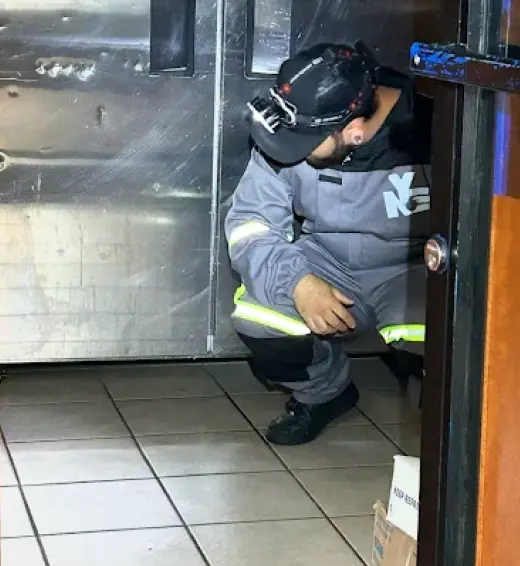
Our inspection is not just a visual walk-through. We are looking for evidence of entry, travel, harborage, pressure zones, food competition, sanitation failures, and structural vulnerabilities. In Midwood buildings, that often means tracking rodent movement between cellar areas, kitchens, bathroom penetrations, wall lines, risers, meter areas, and basement ceiling voids. If the building has shared infrastructure, we evaluate the infestation as a system, not as an isolated sighting.
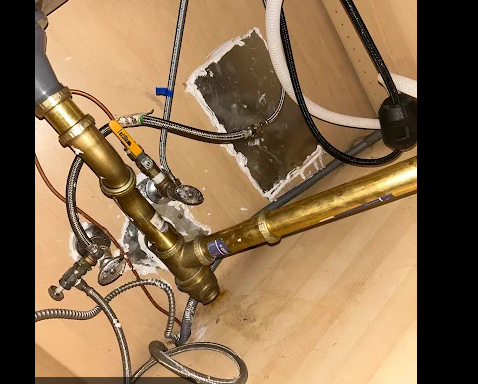
During inspection, we commonly evaluate utility penetrations, pipe chases, sink penetrations, radiator line gaps, appliance voids, basement transitions, foundation defects, crawl-like voids, ceiling drop points, service penetrations, and door gap problems. On properties with exterior pressure, we also look at perimeter defects, garbage exposure, and areas where rats can establish movement routes before entering the structure. This is the same logic that drives strong exclusion work on our rodent exclusion page.
If the inspection is weak, the job is weak. That is why we do not treat the inspection as a formality. It determines how fast the infestation can be brought under control and whether the result will hold.
Mice and rats do not need large openings. Mice can exploit surprisingly small gaps, while rats will exploit larger structural openings, basement breaches, utility defects, rear-yard gaps, cellar door issues, and compromised masonry. In attached homes and apartment buildings, rodents may move from one side of the structure to the other without ever becoming visible in the occupied space until pressure builds. That is why “I only saw one” is often misleading.
Rodents commonly move through hidden routes such as floor voids, wall cavities, cabinet voids, suspended ceilings, rear service corridors, plumbing penetrations, boiler and utility areas, and vertical risers. When food and shelter conditions are favorable, the infestation can persist for long periods before residents understand how extensive it is. If your property also has cockroach activity, that often signals the same kind of concealed harborage and sanitation complexity we address on our German cockroach service page.
This is why isolated trap placement is often too shallow. You are seeing the result, not the route. We focus on both.
Exclusion is the line between temporary control and long-term elimination. Once rodents are able to re-enter, the customer is trapped in a repeated cycle of sightings, service calls, baiting, and frustration. We break that cycle by identifying and closing access.
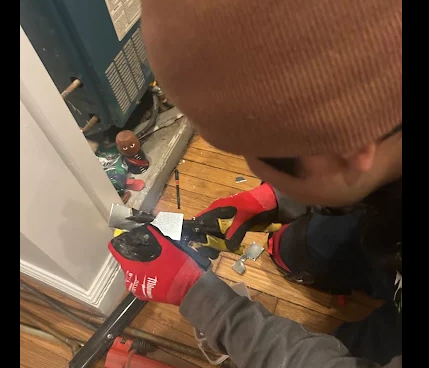
Depending on the structure, exclusion can involve sealing pipe penetrations, reinforcing vulnerable gaps with rodent-resistant materials, addressing basement entry routes, correcting door gaps, sealing service penetrations, closing foundation defects, reinforcing vulnerable transitions, and recommending related structural corrections that reduce the chance of re-entry. Our main service framework for this is detailed on the rodent control and exclusion page.
We do not rely on weak cosmetic sealing. The goal is not to make an opening look better. The goal is to stop rodent access in a way that holds up under pressure. That is also why our work is often more effective in chronic properties than bargain service that only focuses on quick visible treatment.
After access routes are addressed or at least mapped and prioritized, we reduce the active rodent population using targeted methods based on behavior and pressure. Trap placement is strategic. Monitoring is strategic. Follow-up is strategic. We are not scattering devices randomly and hoping for captures.
We evaluate where rodents are feeding, where they are moving, where they are nesting, and how they are using the structure. We then place traps and monitoring tools based on that analysis. On the follow-up side, we assess what changed, what remains active, and whether the building is closing down properly. Customers who want long-term building-wide protection often combine correction work with recurring service planning through our customer portal.
When needed, we also advise on sanitation, storage, clutter reduction, and related harborage issues. Rodent elimination is strongest when the biological pressure and the structural access are both addressed.
Most failed rodent jobs share the same pattern: the company focused on killing visible rodents but did not fully inspect the building, did not map travel routes, did not seal important entry points, did not account for basement pressure, and did not perform meaningful follow-up. In other words, the infestation was treated as a one-time nuisance instead of a structural problem.
Another common failure point is over-reliance on bait or traps without enough attention to building conditions. That may reduce activity briefly, but it does not stop new rodents from exploiting the same openings. If the cellar is open, if the utility lines are open, if the perimeter is open, and if sanitation remains poor, the infestation is still being fed. For customers dealing with multi-pest pressure, the same logic applies to services like ant control and bed bug treatment: wrong diagnosis leads to weak results.
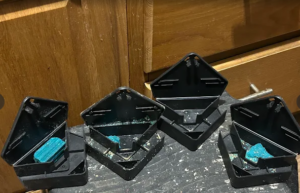
We eliminate the cause, not just the visible population. That is the difference.
We work with apartment tenants, landlords, homeowners, co-op boards, condo boards, property managers, mixed-use properties, restaurants, and commercial spaces. Midwood rodent problems are rarely limited to one “bad tenant” or one “dirty unit.” In real buildings, pressure usually spreads through shared structural conditions. That is why our process works especially well for buildings where prior spot treatment did not hold.
For residential clients, we often help with persistent mouse activity in kitchens, bathrooms, basements, and wall voids. For owners and managers, we often address repeated rat or mouse pressure tied to basement access, rear-yard conditions, service penetrations, garbage handling, and building envelope failures. For businesses, we also account for inspection pressure and sanitation expectations that may affect operations. Restaurant operators can review the city’s inspection framework at the NYC restaurant inspection standards page.
Commercial rodent control in Midwood is different from residential work because food activity, deliveries, storage, sanitation timing, trash handling, and structural wear create continuous pressure. A business may eliminate visible activity temporarily while the true rodent route stays active behind equipment, below storage, near floor drains, around utility penetrations, or through rear service areas.
Our commercial approach focuses on inspection, exclusion, monitoring, documentation, and correction of recurring structural or operational conditions that increase risk. That matters for restaurants, delis, groceries, and mixed-use properties where recurring rodent activity can become both an operational problem and a reputation problem. Businesses dealing with broader pest pressure may also need German cockroach control or ongoing site-specific ant control.
When commercial clients need technical discussion about why activity persists, we are able to explain the structural and biological logic clearly. That separates us from companies that only provide a service ticket without a real diagnosis. Start with a commercial inspection request.
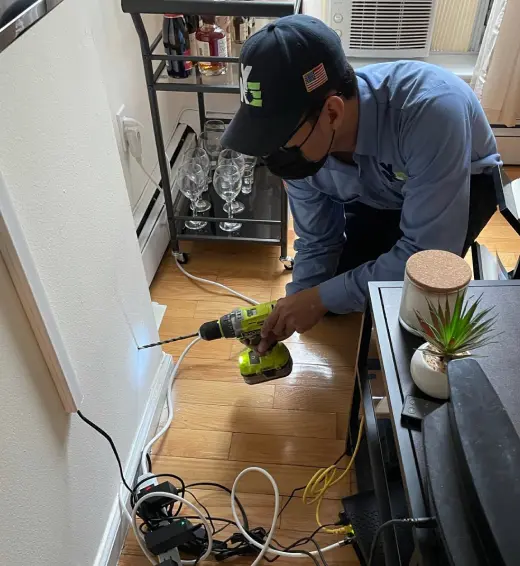
Step 1: Inspection. We identify current entry points, potential entry points, travel routes, harborage zones, sanitation contributors, and structural weaknesses. This step determines whether the plan is going to solve the problem or just touch it lightly. It is the foundation of the entire job and is consistent with the way we approach rodent exclusion work.
Step 2: Exclusion Planning. We decide what needs to be sealed, prioritized, reinforced, or corrected to stop re-entry. Not every opening carries the same risk. Prioritization matters. Some penetrations are active. Others are secondary. Some conditions drive reinfestation faster than others.
 <
<
Step 3: Targeted Population Reduction. We reduce the active population inside the structure using targeted methods based on behavior, movement, and pressure. This is not random trap distribution. It is controlled placement tied to inspection findings.
Step 4: Follow-Up and Adjustment. We confirm what changed, what remains active, and whether the infestation is collapsing as expected. If a pressure zone remains open, we identify it. If activity dropped, we verify why. If conditions shifted, we adapt.
Step 5: Long-Term Prevention. We advise on how to keep the property controlled through structure, sanitation, monitoring, and ongoing maintenance. Long-term results always depend on whether the building stays shut down. Existing customers can manage service through the customer portal.
We often get called after customers already paid for basic extermination that did not hold. Usually the complaint sounds the same: “They came a few times, but the mice came back,” or “The rats are still getting in,” or “We keep hearing activity behind the walls.” That usually means the building was never really inspected or excluded properly.
Our model is better suited for chronic and structural infestations because we are willing to work from the real cause. That includes discussing what is wrong with the building, what is feeding the infestation, what has to be sealed, where the pressure is coming from, and what the realistic path to elimination looks like. We do not soften that analysis because false comfort wastes time and money. If the building is open, we say so. If exclusion is needed, we say so. If the timeline depends on cooperation, we say so. That direct approach is one reason clients dealing with severe roach infestations also turn to our German cockroach specialists and the technical resources on our site, including German cockroach control in high-rise IPM and why German cockroach treatment fails in NYC.
How much does rodent control cost in Midwood Brooklyn?
Pricing depends on the size of the property, the level of activity, how many areas are affected, and whether exclusion work is needed. In many cases we can provide a free quote over the phone, or we can narrow pricing after inspection. Start here to request service.
Do you give free inspections in Midwood?
Yes, in many cases we offer free inspections and free quotes when applicable. The goal is to identify the problem correctly before treatment starts. You can also request free pest identification by email.
Why do mice keep coming back even after traps?
Because the building is still open. Traps reduce visible activity, but they do not stop new rodents from entering through pipe gaps, utility penetrations, basement defects, or perimeter openings. That is why our core service is rodent control and exclusion, not trap-only service.
Do you only set traps?
No. Traps are one tool. Our main focus is inspection, structural analysis, entry-point identification, exclusion, population reduction, and long-term prevention. That is the difference between temporary reduction and actual control.
Are your technicians licensed?
Yes. We emphasize licensed technical service and inspection quality. Our operating standard is built around technical diagnosis, structural understanding, and real pest biology, not generic route-based treatment.
Do you have an entomologist on staff?
Yes. We operate with on-staff Associate Certified Entomologist depth, which strengthens diagnosis, treatment strategy, and our ability to interpret complex infestations correctly. That technical approach supports rodent, roach, bed bug, and ant work across the city, including bed bug service and ant control service.
Can you solve a chronic rodent problem that other companies failed to fix?
Often, yes, especially when the real issue is structural and prior companies treated only the visible activity. Chronic jobs usually require a better inspection, better exclusion, and better follow-up. That is where we are strongest.
How fast can you respond in Midwood?
Same-day response may be available depending on demand and the nature of the situation. We are open 24/7 for urgent pest problems. Call +1 (347) 210-4646 for availability.
Do you service apartment buildings, private homes, and co-ops?
Yes. We service apartments, private houses, co-ops, condos, mixed-use buildings, and commercial properties in Midwood and surrounding Brooklyn neighborhoods. Related service areas include Flatbush, East Flatbush, and Kensington.
Can rodents spread through multiple apartments or units?
Yes. In Midwood buildings, rodents often move through wall voids, pipe chases, ceiling lines, and shared infrastructure. That is why treating one visible area may not solve the full infestation. The building has to be evaluated as a system.
Do you work on basement mouse or rat problems?
Yes. Basements are one of the most common rodent pressure zones in Brooklyn because they often contain utility penetrations, clutter, food sources, shelter, and access defects. Basement work is often central to successful elimination.
What if I hear mice in the walls or ceiling?
That usually suggests active travel routes, nesting nearby, or repeated movement through a concealed void. It is a strong sign that the issue is structural and should be inspected before the infestation spreads further. You can schedule an inspection here.
Are you open now?
Yes. We are open 24/7 every day and can respond quickly to emergency pest situations. For immediate help, call +1 (347) 210-4646.
Do you guarantee rodent control?
Long-term results always depend on building conditions, access-point correction, sanitation, and follow-through. Our goal is full structural control, not empty promises. We give direct recommendations because the truth is what gets infestations solved.
Do you handle rats as well as mice?
Yes. We handle both mice and rats, but the strategy differs depending on the species, access pattern, pressure source, and property type. The inspection determines the right control plan.
Can bad sanitation alone cause rodents?
Poor sanitation can intensify rodent pressure, but it is usually not the only issue. Rodents also need access and harborage. That is why cleaning alone often does not solve the problem unless the building is also closed off.
What should I do before your technician arrives?
Do not disturb suspected nesting areas aggressively, and do not assume one trap means the infestation is under control. It helps to note where activity was seen or heard, secure food sources, and make key access areas available for inspection. If you want to send pictures first, use Request Free Pest Identification.
Why does your company talk so much about exclusion?
Because exclusion is what separates repeated service calls from lasting control. If the structure stays open, the infestation stays possible. That is the central truth of rodent work and the reason our exclusion-focused approach performs better on chronic jobs.
If mice or rats are active in your Midwood property, the problem usually continues until the structure is controlled. Waiting rarely makes it cheaper and often allows the infestation to spread deeper into walls, basements, ceilings, kitchens, and utility areas. The faster the inspection happens, the faster the building can start moving toward control. Start with our contact page, use the customer portal, or call +1 (347) 210-4646.
Rodent Control & Exclusion
German Cockroach Control
Ant Control
Bed Bug Treatment
German Cockroach Control in High-Rise IPM
Why German Cockroach Treatment Fails in NYC
NYC Restaurant Inspection Standards
NYC Pests and Pesticides Information














Designed & Managed with 💛 By