Why New York Exterminating
We’re built to solve your pest problem, not to lock you into a monthly contract. We don’t require monthly spray contracts or forced annual agreements, the same technician handles your property whenever possible, and we never blame your housekeeping. Every job is ACE-led (Jorge Bedoya, Associate Certified Entomologist, NYSDEC #15140), bilingual in English and Spanish, and we serve all five boroughs plus Nassau and Westchester — with a callback rate under 1%.
Real New York Exterminating jobs
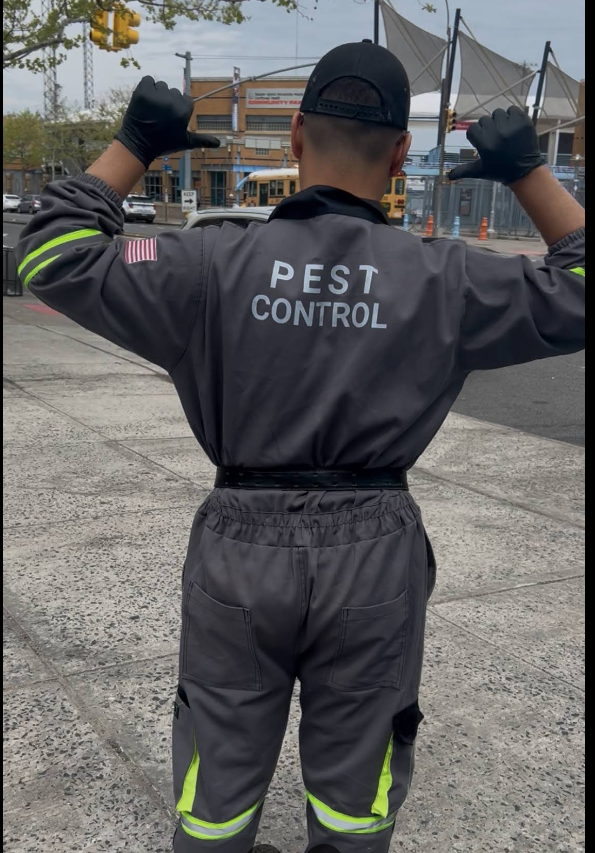
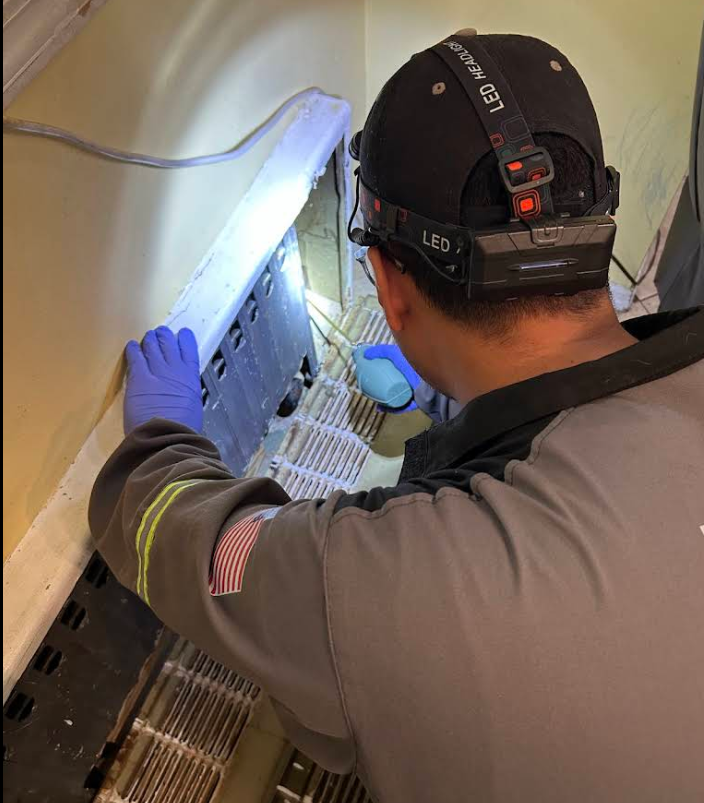
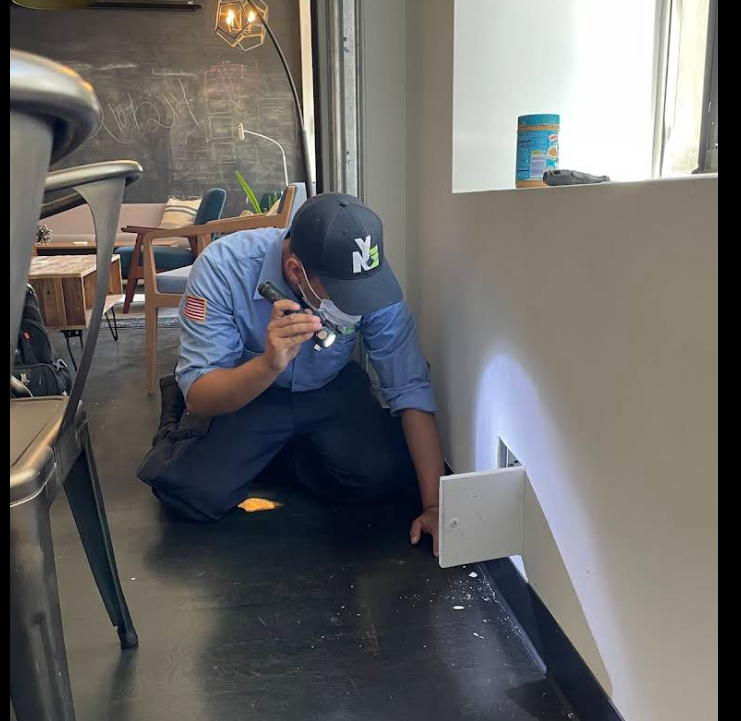
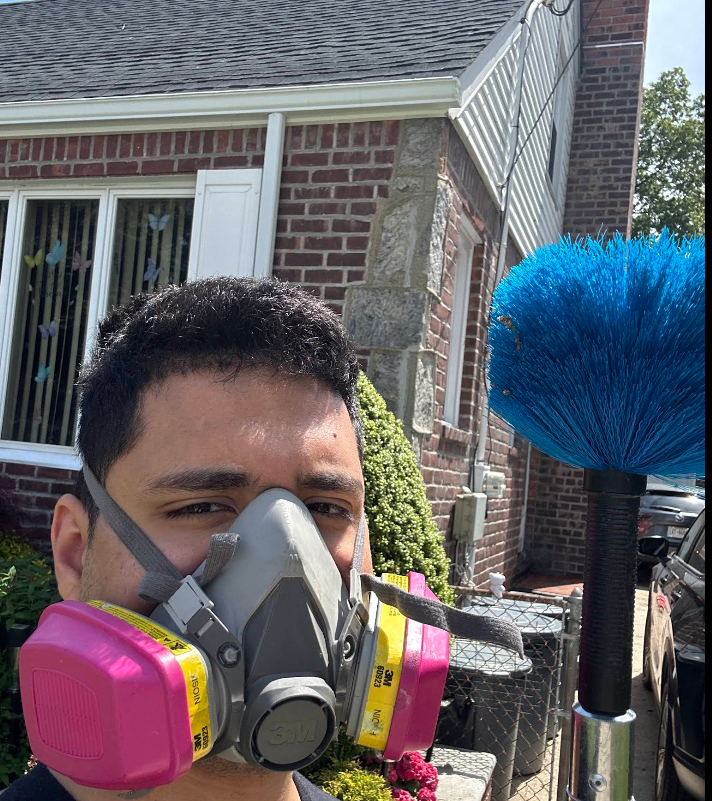
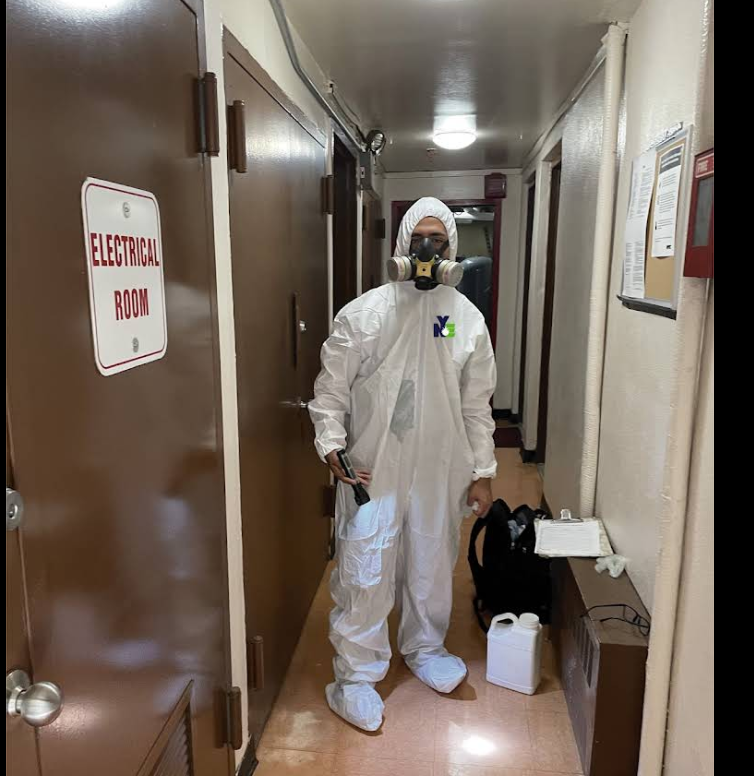
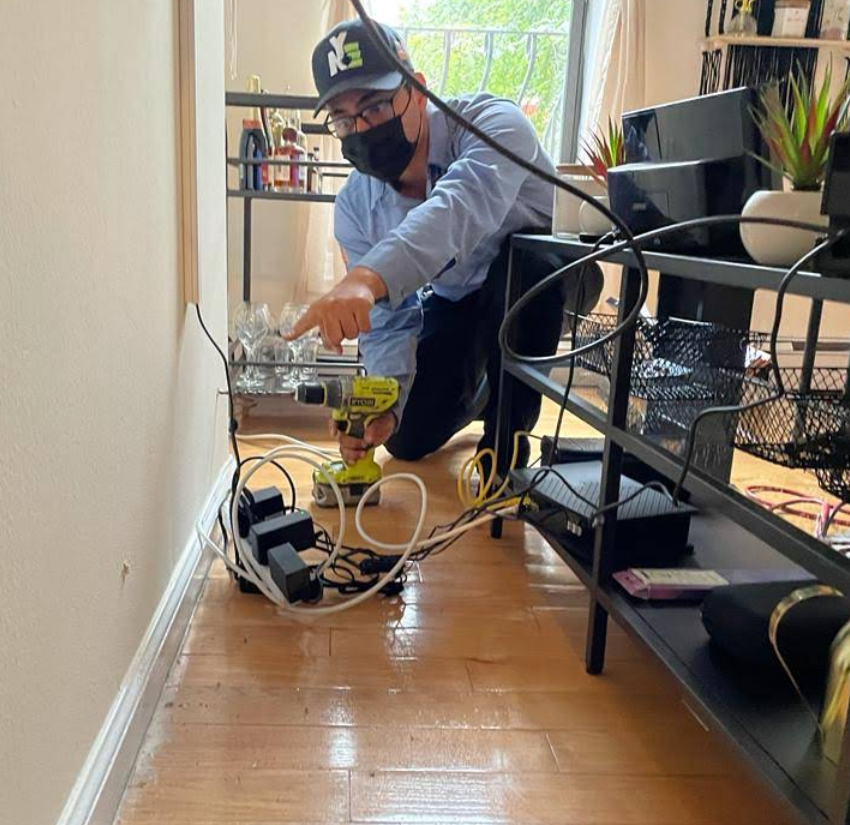
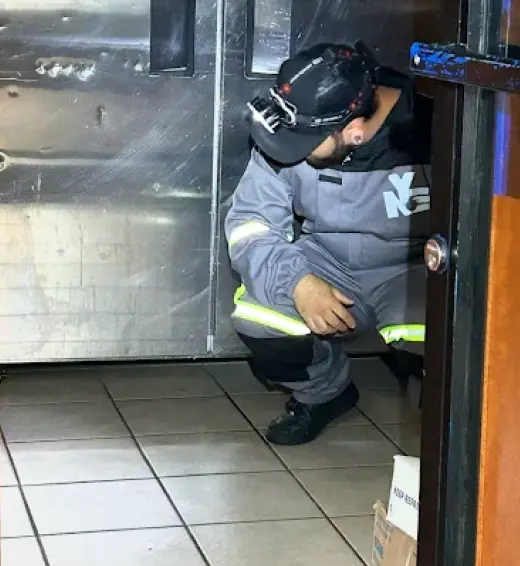
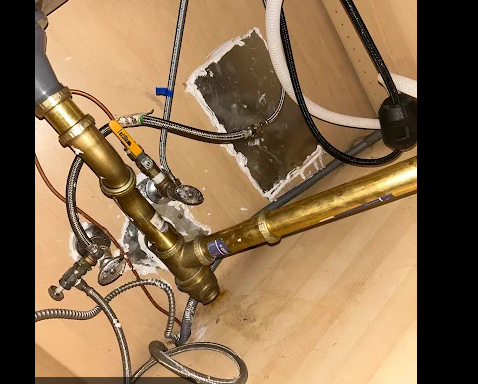
Photos from real NYE service calls across NYC.
Finding spiders in your home isn’t random. Spiders don’t just wander in looking for a place to hang out—they’re predators hunting other insects. If you’re seeing lots of spiders, you’ve got lots of spider food: flies, mosquitoes, ants, roaches, and other small insects.
Most spiders you find indoors are harmless. They’re not interested in biting people. They’re interested in catching prey. But nobody wants webs in corners, spiders dropping from ceilings, or eight-legged surprises in the shower.
Effective spider control means controlling their food source (other insects), removing webs and egg sacs, treating harborage areas, and sealing entry points. Just killing visible spiders won’t solve the problem long-term.
or request service online. We control spiders and the insects attracting them.
Spiders and webs taking over? We clear them out.
We remove webs and egg sacs, treat entry points, and cut their food source. Free estimate.
What they look like: Small to medium (1/4 inch body), tan to brown with darker markings, round abdomen. These are the most common indoor spiders in NYC.
Where they live: Indoors year-round in corners, ceiling edges, closets, basements, garages, and anywhere they can build webs undisturbed. They build tangled, cobweb-style webs.
Are they dangerous? No. House spiders are completely harmless. They rarely bite, and when they do (extremely rare), it’s no worse than a mosquito bite.
Why they’re inside: They’re hunting other insects—flies, mosquitoes, gnats, ants. If you have house spiders, you have spider food. They establish territories and stay put as long as prey is available.
What they look like: Extremely long, thin legs with small body (1/4 inch). Pale gray to light brown. Often mistaken for harvestmen (which aren’t actually spiders).
Where they live: Basements, crawlspaces, cellars, garages, and dark undisturbed areas. They build loose, irregular webs in corners and hang upside down.
Are they dangerous? No. Despite the urban legend, cellar spiders are not dangerous. They can bite humans, but their fangs can barely penetrate skin, and their venom is harmless to people.
Why they’re inside: Seeking cool, damp, dark areas. They’re hunting small insects and even other spiders. Very common in NYC basements and utility rooms.
What they look like: Large (1/2-1 inch body), brown or gray with striped patterns, robust and hairy. They look intimidating but are harmless.
Where they live: Outdoors primarily, but they wander indoors through gaps under doors, cracks, and open windows. They don’t build webs—they’re hunters that chase down prey.
Are they dangerous? No. Wolf spiders can bite if handled or threatened, but their venom is not dangerous to humans. Bites are rare and typically cause only minor, temporary irritation.
Why they’re inside: Usually accidental entry while hunting outdoors. They’re looking for insects, not establishing indoor populations. Common in ground-floor apartments and houses with yards.
What they look like: Small (1/4-1/2 inch), compact body, large front-facing eyes, often colorful or iridescent. They’re actually quite cute if you look closely.
Where they live: Outdoors on plants, fences, and building exteriors. They occasionally wander indoors through windows and doors. They don’t build webs—they stalk and pounce on prey.
Are they dangerous? No. Jumping spiders are harmless and beneficial. They rarely bite, and when they do, it’s insignificant. They’re curious and will actually look at you.
Why they’re inside: Accidental entry while hunting. They’re following flies and other insects. They don’t establish permanent indoor populations.
What they look like: Small to medium (1/4-1/2 inch), pale yellow to light green, elongated body. They build small silken sacs in corners rather than traditional webs.
Where they live: Both indoors and outdoors. They hide in corners, behind furniture, in stored boxes, and in folded clothing during the day. Active hunters at night.
Are they dangerous? Mildly. Sac spiders are responsible for most indoor spider bites in the U.S. Bites are painful but not medically serious—similar to a bee sting with localized swelling and redness.
Why they’re inside: Hunting other insects at night. They’re more aggressive than other common house spiders and more likely to bite if threatened or trapped against skin.
Abundant insect prey indoors — Spiders follow food. If you have flies, gnats, mosquitoes, ants, or roaches, spiders move in to hunt them. Buildings with other pest problems inevitably develop spider issues.
Entry points everywhere — Gaps under doors, cracks around windows, holes where utilities enter, damaged screens, ventilation openings—older NYC buildings have countless spider entry points. Spiders can squeeze through tiny gaps.
Undisturbed areas provide habitat — Basements, crawlspaces, storage areas, closets, and garages provide perfect spider territory. Dark, quiet spaces where webs go undisturbed attract and hold spider populations.
Outdoor lighting attracts prey — Exterior lights near doors and windows attract flying insects at night. Spiders build webs near these lights to catch prey. Once established outside, they eventually wander indoors.
Seasonal migration indoors — In fall, many outdoor spiders seek shelter indoors as temperatures drop. Wolf spiders, jumping spiders, and others that spent summer outdoors move into buildings when cold weather arrives.
Vegetation against buildings — Shrubs, ivy, mulch, and plants touching building exteriors harbor spiders. They travel from vegetation directly onto walls and through entry points into buildings.
Moisture in basements and crawlspaces — Damp environments attract insects (silverfish, roaches, crickets), which in turn attract spiders. Cellar spiders especially thrive in humid basement conditions.
We identify which spider species you’re dealing with and assess the severity. More importantly, we identify what’s attracting them—the underlying insect problems feeding spider populations.
We inspect for:
We physically remove existing webs and egg sacs. This is critical—spider webs contain pheromones that attract other spiders. Old webs signal “good hunting grounds here.”
Web removal includes:
Egg sac removal prevents hundreds of spiderlings from hatching. One missed egg sac can repopulate an entire area.
We apply targeted treatments in spider harborage areas and along travel routes:
Crack-and-crevice applications:
Dust applications in voids:
Web eliminator sprays:
Outdoor treatment creates a barrier preventing spiders from entering:
Foundation treatment:
Entry point treatment:
Vegetation and harborage treatment:
Step 5: Exclusion & Prevention — We identify and recommend sealing entry points:
We also address attractants:
Step 6: Follow-Up & Monitoring — Most properties need a follow-up visit 3-4 weeks after initial treatment:
Timeline depends on spider population, underlying insect problems, building conditions, and whether entry points are sealed.
If you’re seeing these signs, you have an established spider population requiring professional treatment.
Spray insecticides don’t work well on spiders — Spiders don’t groom themselves like insects do. They don’t pick up pesticides from treated surfaces effectively. Contact sprays work, but residual treatments are less effective than on other pests.
Missing egg sacs means re-infestation — One egg sac contains 100-300 spiderlings. If you don’t find and remove them, the problem returns quickly. Egg sacs are often hidden in places you don’t inspect.
Not addressing the food source — Killing spiders doesn’t matter if insects keep attracting new ones. Until you control flies, mosquitoes, and other prey, spiders keep coming.
Can’t reach all harborage areas — Spiders hide in wall voids, crawlspaces, attics, and other inaccessible areas. You can treat visible areas, but hidden populations remain.
Web removal alone is temporary — Physically removing webs helps, but spiders just build new ones. Without treatment, you’re fighting a losing battle of constant web removal.
Exterior entry points remain unsealed — Killing indoor spiders doesn’t prevent outdoor spiders from entering. Without exclusion work, new spiders continuously replace controlled ones.
New York doesn’t have many dangerous spiders, but it’s worth knowing what to watch for:
99.9% of spiders in NYC homes are completely harmless. The vast majority of suspected “spider bites” are actually skin infections, bed bug bites, or reactions to other causes. Spiders rarely bite humans, and when they do, it’s usually defensive (spider was trapped against skin).
If you suspect a dangerous spider, capture it safely (in a jar) and contact us for identification. Don’t assume based on appearance alone.
Here’s the thing: Spiders are actually beneficial. They eat flies, mosquitoes, and other nuisance insects. A single spider consumes hundreds of insects per year. In ecological terms, they’re doing you a favor.
But we understand—most people don’t want spiders in their homes, regardless of benefits. Nobody wants to walk through webs, find spiders in the shower, or have eight-legged roommates.
We control spiders while also addressing the underlying insect problems attracting them. That way, you’re not just moving the problem around—you’re solving it at the source.
Call us at +1 (347) 210-4646 — or request service online. We’ll control spiders, remove webs, treat harborage areas, and address the insect problems attracting them.
1115 E 13th St, Brooklyn, NY 11230
Licensed & Certified Since 2010
Accurate spider identification separates the harmless majority from the few species that warrant action. Our team is led by Jorge Bedoya, an Associate Certified Entomologist (ACE) credentialed by the Entomological Society of America (ESA) — so the work is done with ACE-level expertise and a formal Code of Ethics behind it, not guesswork.
Almost never. The spiders common in NYC homes — house spiders, cellar spiders (daddy longlegs), jumping spiders, and wolf spiders — are harmless and actually hunt other pests. Only sac spiders cause occasional mild bites. We identify the species during inspection so you know exactly what you’re dealing with.
Spiders come for the insects they eat, so lasting control means more than spraying. We remove webs and egg sacs, treat cracks and entry points, and reduce the insect prey that draws them in. Cut the food source and seal the gaps, and spiders stop coming back.
A spike usually means there is plenty of prey (flies, gnats, mosquitoes) or easy entry through gaps around doors, windows, and utility lines. Fall weather also pushes outdoor spiders inside. We find the driver and address it, not just the spiders you can see.
Yes — physical removal is part of every visit. A single egg sac can hold hundreds of spiderlings, so clearing webs and sacs from corners, ceilings, basements, and garages prevents the next generation from hatching indoors.
Yes. We use targeted, low-toxicity products applied to cracks, edges, and entry points — not open living areas — following an integrated pest management approach. We’ll tell you about any short re-entry time before we begin.
You’ll see an immediate drop once webs and visible spiders are removed, with continued decline over the following days as treated entry points and prey insects are knocked down. Heavier infestations may need a follow-up visit.
No. Spider control is performed in and around entry points, basements, and exterior areas, so you can stay home. We’ll let you know if any specific room needs a short window before re-entry.
It depends on the size of the home, the species, and how widespread the activity is — so we give a free estimate up front with no surprises. Recurring exterior plans that keep spiders and their prey down are also available.
Yes. If the same service is needed again within 6 months, it is 50% off the original price. We are a licensed, ACE-certified company serving all five boroughs.
Every job is led by an Associate Certified Entomologist. Meet Jorge Bedoya, ACE — the NYC Exterminator »
New York Exterminating is Brooklyn-based and covers the whole city — the same Associate Certified Entomologist–led service in every borough:
Brooklyn · Manhattan · Queens · The Bronx · Staten Island · Yonkers · White Plains · Nassau County
No. We don’t lock you into monthly spray contracts or forced annual agreements.
Yes. Whenever possible, the same technician services your property, so the plan and history stay consistent.
We serve all five boroughs plus Nassau and Westchester, in English and Spanish, from our Midwood, Brooklyn base.









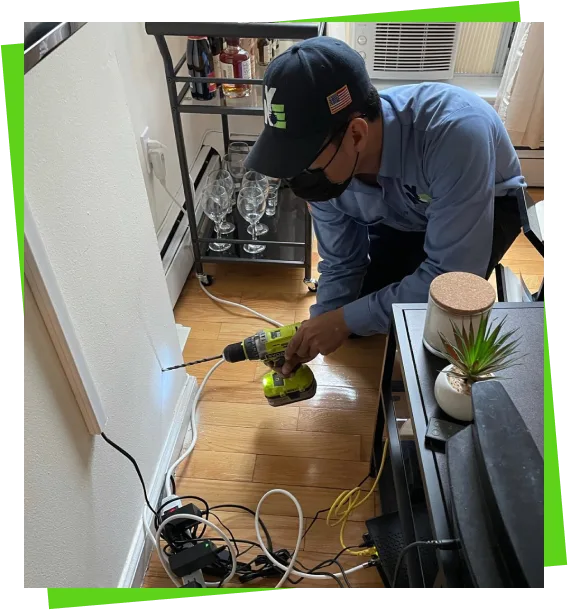


Fast, effective spider control for NYC homes and businesses — we clear webs, treat entry points, and stop them coming back. Dependable results.