Why New York Exterminating eliminates German cockroaches in one visit
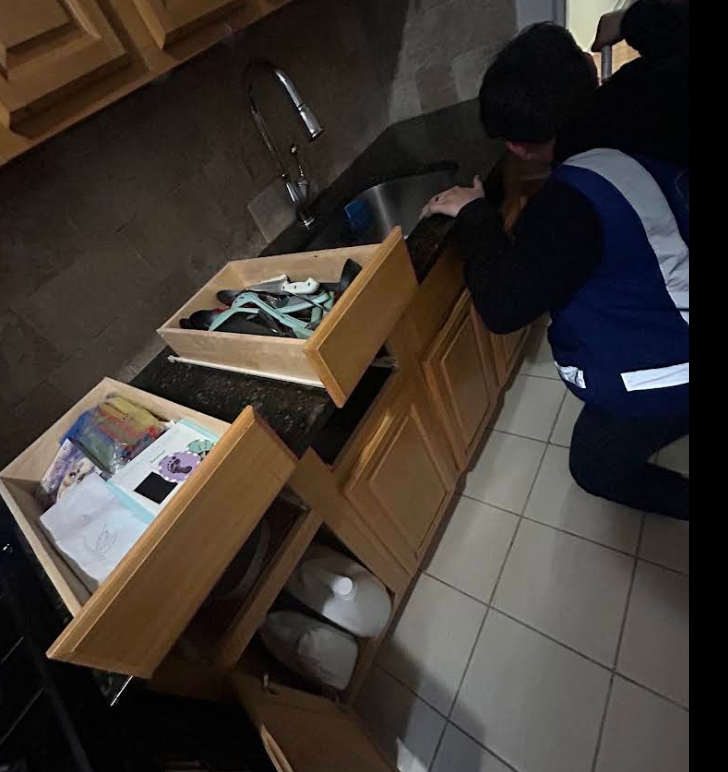
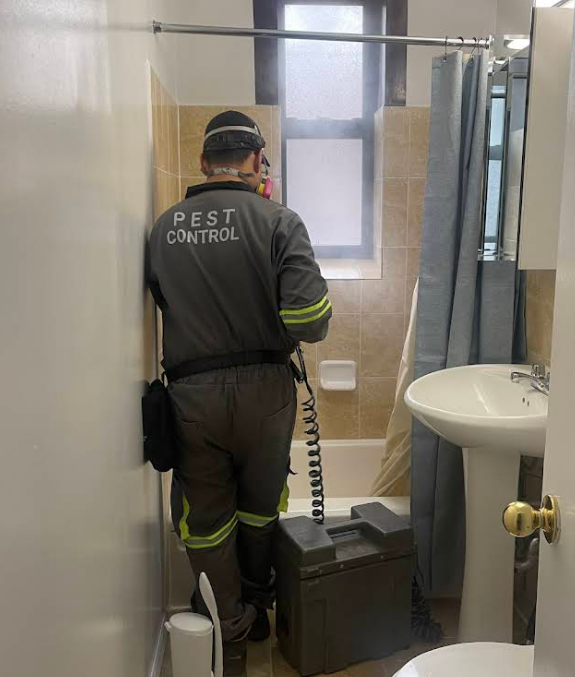
We are built to eliminate German cockroaches, not manage them on a monthly contract. Our German cockroach service is designed to eliminate the infestation in a single visit, and follow-up visits are for verification only — never re-application. Whenever possible, the same technician handles your home, we don’t lock you into monthly spray contracts or forced annual agreements, and we never blame the tenant’s housekeeping. Every job is ACE-led (Jorge Bedoya, Associate Certified Entomologist, NYSDEC #15140), bilingual in English and Spanish, and we serve all five boroughs plus Nassau and Westchester — with a callback rate under 1%. Our German cockroach service averages 1 to 1.5 hours per apartment — not the roughly 5 minutes a building technician spends — because we treat the harborage, not just the baseboards.
German cockroach control in NYC takes more than spraying. Infestations survive inside appliance motors, wall voids, plumbing penetrations, and neighboring units. NYE uses inspection, non-repellent microinjection, insect growth regulators (IGRs), targeted baiting, monitoring, and migration analysis to reduce the source — with most jobs resolved in a single visit and a callback rate under 1%.
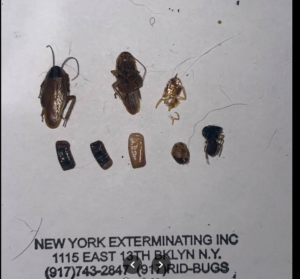
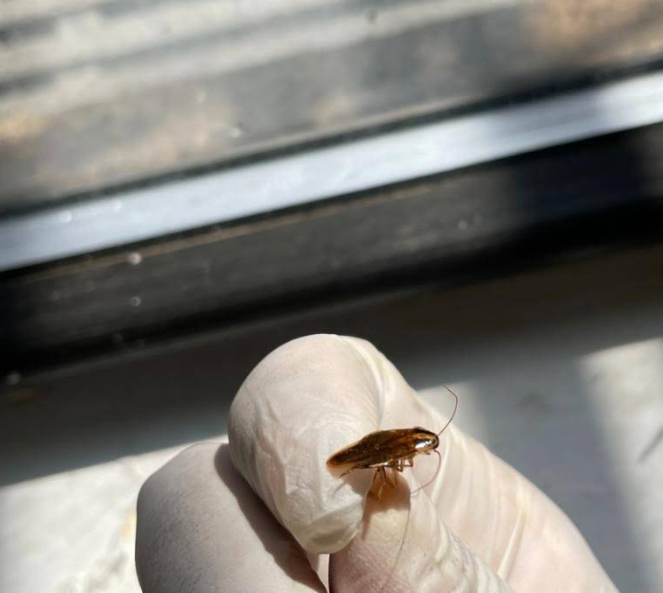
If you’re seeing small tan roaches in your kitchen during the day, the infestation is already advanced.
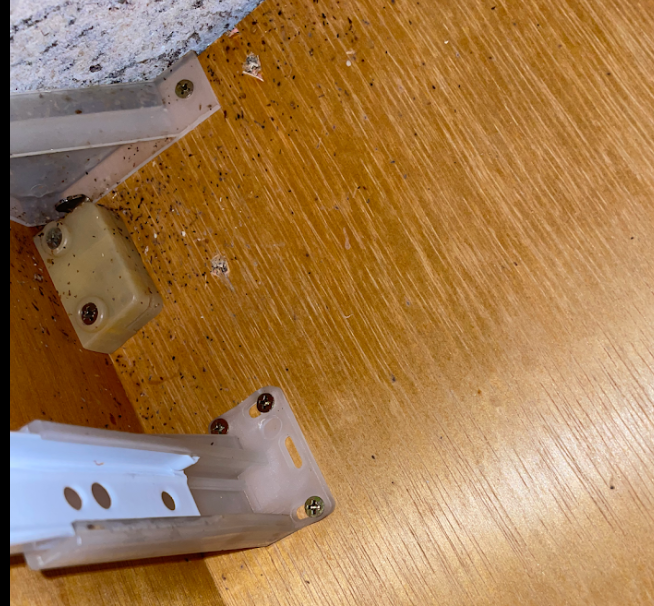
German cockroaches live entirely indoors — inside cabinets, wall voids, appliance motors, plumbing penetrations, and electrical conduits. In NYC apartment buildings, condominiums, and attached houses with shared kitchen walls, they migrate between units.
Spray-only treatments do not control German cockroaches. You need a structured control protocol that shuts down reproduction, prevents rebound, and detects migration.
Call +1 (347) 210-4646 or request service online. Same-day response available.
Related German cockroach resources:
German Cockroach Control in High-Rise Buildings
Why German Cockroach Treatments Fail in NYC
General Cockroach Control
Rodent Control & Exclusion
Commercial Pest Control
In most German cockroach jobs, our Associate Certified Entomologist (ACE) controls the active population in a single visit — often within the first hour. We don’t lean on slow residual sprays that meet resistance and depend on your cleaning; we use a resistance-aware protocol, professional-grade equipment, and products chosen for a documented control record.
What we apply is less toxic than typical store-bought or contractor sprays — yet more lethal to roaches on contact. Faster, more reliable results with a lighter chemical footprint in your kitchen and home.
Can’t wait? We offer 24/7 emergency pest control in NYC — same-day and after-hours response.
Want the full breakdown? Read our Associate Certified Entomologist’s complete guide to getting rid of German cockroaches in NYC »
From Jorge’s experience — Jorge Bedoya, ACE
German cockroaches are the pest I’m called about most in dense NYC buildings, and the one DIY fails on most often. The pattern repeats: someone sprays, the roaches scatter deeper into the wall voids, and the population rebounds within weeks because the eggs were never reached. What I rely on instead is precise gel baiting plus an insect growth regulator placed in the actual harborage, with sanitation and a follow-up. Done right, the visible activity drops within the first day.
Explosive Reproduction
One egg case can contain 30–40 offspring. In warm NYC kitchens, nymphs mature in as little as 5–6 weeks.
Structural Harborages
They hide in appliance motors, cabinet voids, plumbing walls, and electrical lines — areas surface sprays don’t reach.
Resistance & Spray Cycling
Repeated repellent spraying scatters populations, reduces bait performance, and causes reinfestation patterns.
Inter-Unit Migration
In multi-family buildings, cockroaches travel vertically and horizontally through shared plumbing and wall voids.
Treating one apartment incorrectly often pushes them next door — and back again.
Common high-pressure NYC areas include: Brooklyn, Manhattan, Queens, the Bronx, and Staten Island — especially in high-rises, pre-war apartment buildings, attached houses, co-ops, mixed-use buildings, and dense multi-family housing.
German cockroaches spreading? We wipe out the colony.
Microinjection and non-repellent baits that reach the nest. Free estimate, same-day service.
German cockroaches are a health concern, not just a nuisance. Their shed skins, droppings, and saliva contain proteins recognized as a major indoor allergen and a documented asthma trigger — a particular concern for children in multi-family housing. That is part of why we treat the harborage thoroughly rather than only knocking down what is visible.
We do not perform “maintenance sprays.” We implement a biological and structural control protocol designed for high-pressure NYC infestations.
German cockroaches can metabolize or reduce IGR effectiveness if exposure is inconsistent. If repellent pyrethroids are used heavily, roaches avoid treated areas, reducing contact time and limiting internal absorption.
We pair IGRs with non-repellents to allow repeated exposure, horizontal transfer, and retention inside aggregation zones.
We do not chase roaches — we engineer their exposure.
Supporting reading:
Why repellent-heavy German cockroach programs fail
High-rise German cockroach IPM strategy
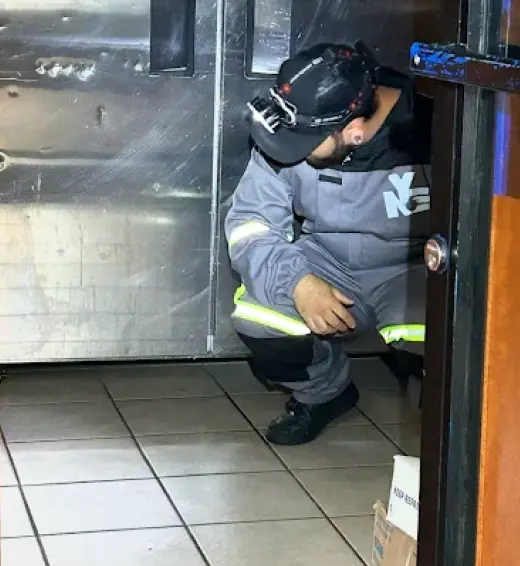
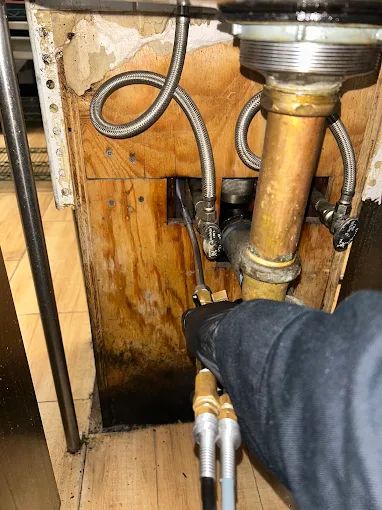
German cockroaches don’t live on your counters. They cluster where it’s warm and hidden — inside appliance motor housings, refrigerator coil compartments, stove cavities, dishwasher pumps, and wall voids. Surface sprays never reach these spaces, which is why spray-only jobs leave the core of the population untouched and the infestation rebounds.
Most companies won’t treat in and around appliances at all. The honest reason is the product: water-based residual sprays are electrically conductive, so applying them near energized components is unsafe. Their method, not the location, is the limitation.
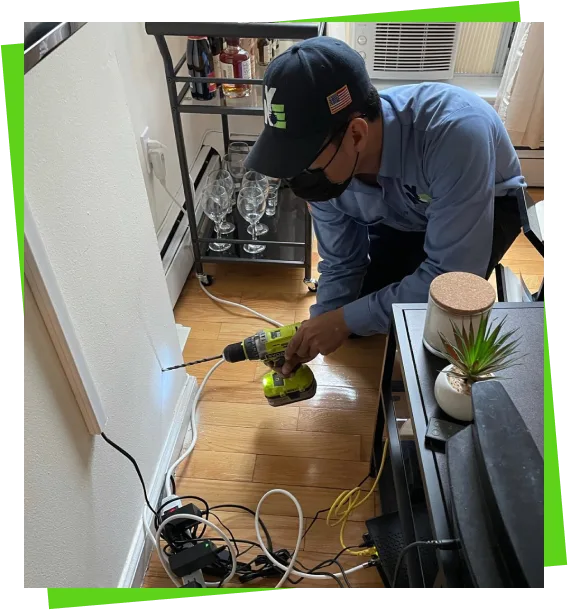
Our Phase 1 uses a different chemistry. We apply a botanically derived pyrethrin in an oil base, paired with the synergists PBO and MGK-264 (synthetic compounds that block the enzymes roaches use to resist pyrethrins). The oil carrier is non-conductive, which lets us safely treat appliance harborages using a precision microinjector and compressed-air aerosolization.
How a typical appliance treatment runs:
Why this matters for results: appliance motors are among the warmest, most protected spots in a kitchen — prime harborage. Reaching them addresses the part of the population that drives rebound, not just the roaches you happen to see. Because the carrier is non-conductive and pyrethrins break down quickly, this is also a lower-residue approach in the room where your family spends the most time.
For a deeper explanation of how this technique works, see our guide: What is microinjection in pest control?
In NYC multi-unit housing, we plan for worst-case structural migration.
Our goal is not just to reduce the population in your apartment — but to determine whether the cockroaches are:
Step 1: Adult Suppression
Exposed adults are heavily affected during initial treatment, particularly when pyrethrins are used for immediate knockdown.
Surviving adults must then encounter:
Step 2: Developmental Pattern Analysis
Nymphs exposed to hydroprene and novaluron show developmental disruption over time.
If we monitor and see:
One random adult may arrive in a box. Repeated captures of fully normal adults strongly indicate active migration.
Migration Activation Protocol — If migration is confirmed:
Once the neighboring infestation is controlled, migration pressure stops — and true control is achieved.
This is not spray-and-manage. This is structural control.
Common building types we treat: high-rises in Manhattan, pre-war apartment buildings in Brooklyn, condo buildings in Queens, attached houses in Brooklyn and Queens, and multi-unit rental properties throughout NYC.
We don’t just describe the method — we document it. Here are two recent cases, one residential and one commercial.
A family of four had German cockroaches in kitchen cabinets and inside appliances. They had paid for a lower-cost spray treatment elsewhere about six weeks earlier; activity returned within two weeks. They wanted a lower-exposure approach and no long-term service contract.
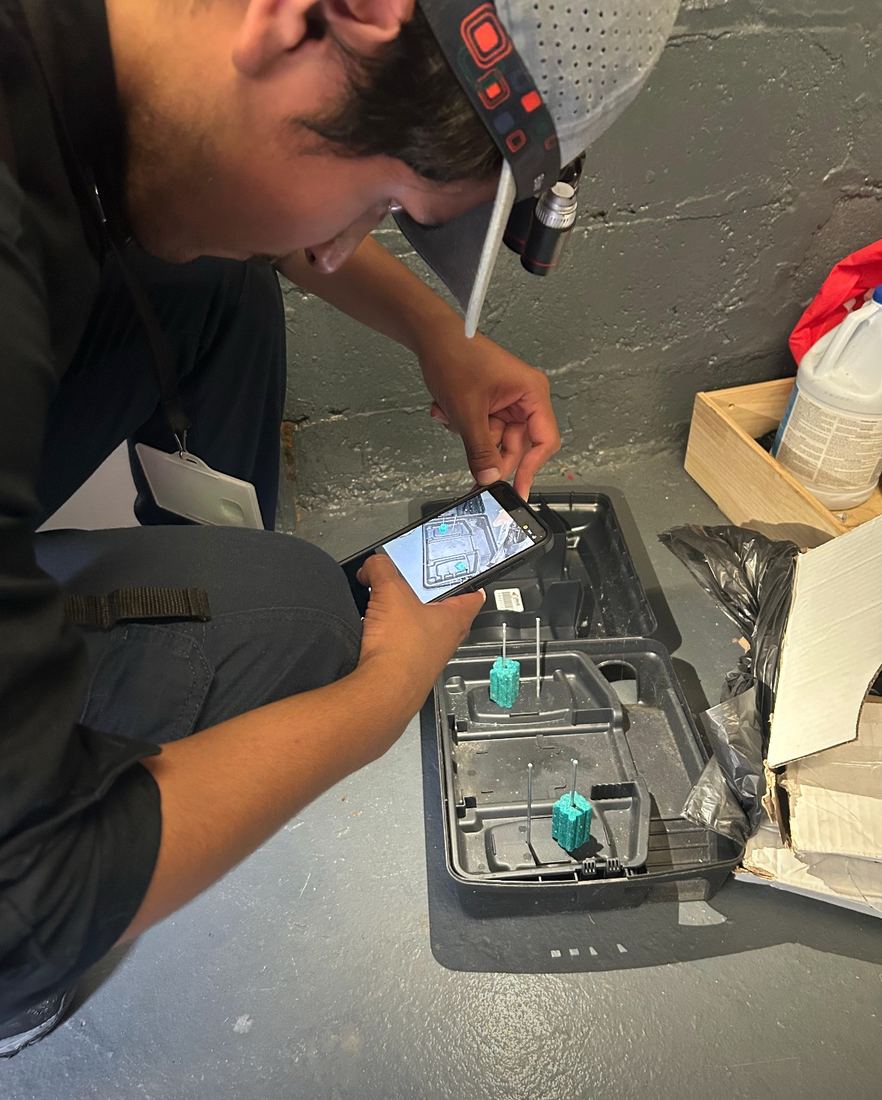
What we did (single visit): oil-based pyrethrin microinjection into the stove motor, refrigerator coils, microwave cavity, and dishwasher pump; a non-repellent residual (Phantom) on porous surfaces; and Tekko Trio (triple-active IGR) placed in aggregation zones to keep any surviving nymphs from maturing into reproductive adults.
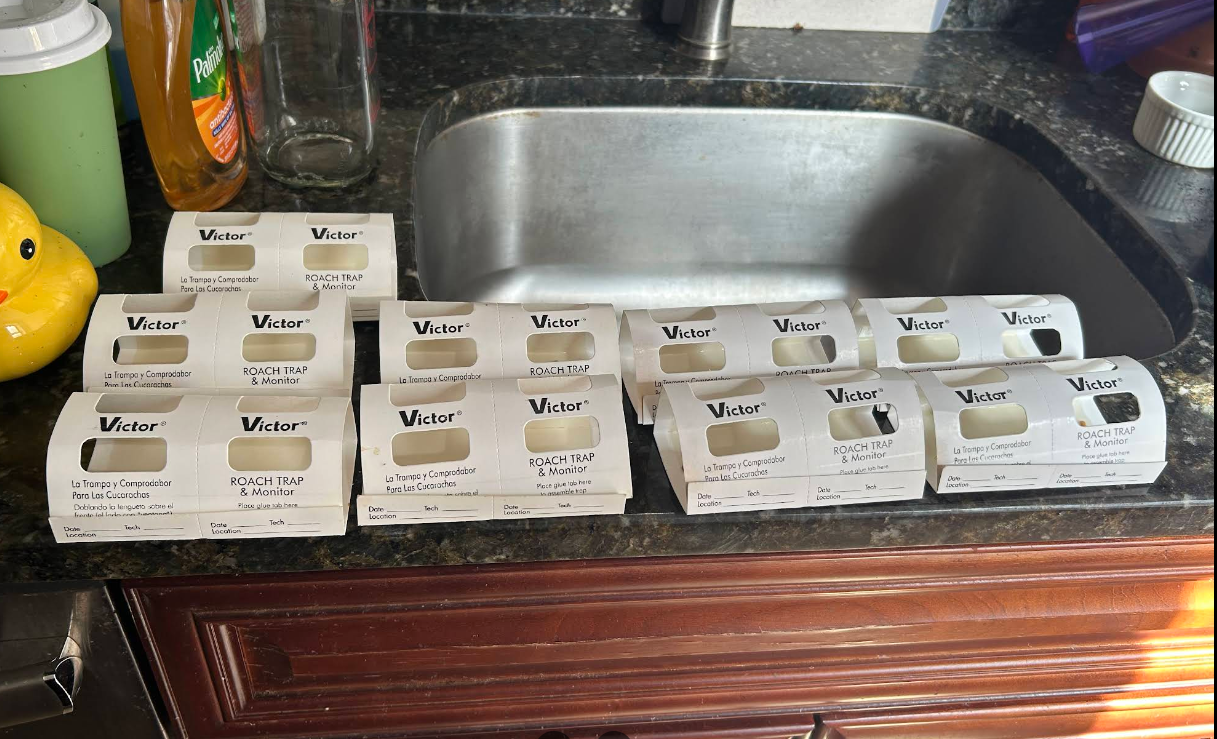
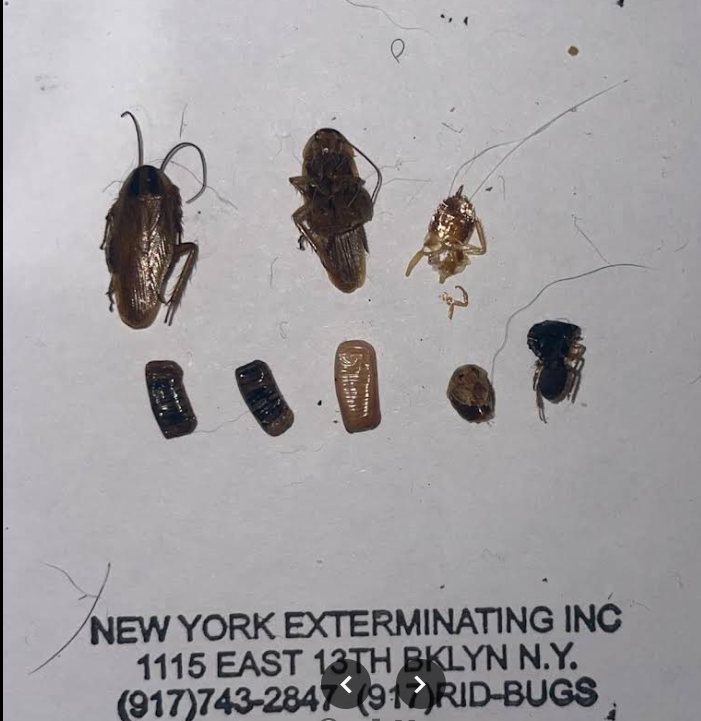
Verification visit (two weeks later, at 50% of the initial fee): 3D monitoring traps installed throughout the kitchen and adjacent rooms came back empty — no live roaches caught. Inside the stove cavity we recovered egg cases that were desiccated and non-viable, plus two dead females. No nymphs were found. A courtesy check at three months found continued zero activity on the traps.
Why it held: reaching the appliance harborage removed the core population, and the IGR meant any survivors could not reproduce their way back. Cost: $950 initial treatment + $475 verification visit = $1,425 total. One treatment plus a verification visit; no callbacks on this job.
A casual-dining restaurant was dealing with a heavy infestation introduced through deliveries. A previous exterminator had used repellent-based residual sprays, which had driven the roaches deeper into wall voids and equipment instead of reducing them — a common failure mode under health-code pressure.
Why the prior approach backfired: repellent products trigger avoidance. Roaches detect the chemical and flee to inaccessible harborage, breeding continues out of reach, and the population rebounds.
What we did (single visit): non-repellent oil-based pyrethrin microinjection with compressed-air aerosolization into cracks, crevices, equipment bases, and accessible harborage, producing immediate knockdown on contact without scattering the population; then Alpine WSG (a non-repellent residual suited to food-prep environments) tank-mixed with Tekko Trio, applied only in non-food-contact zones (wall voids, equipment bases, utility chases).
What followed: sharp knockdown the first day; minimal activity through the first two weeks, supported with gel bait and monitors. As expected in a restaurant, new roaches kept arriving from supply deliveries — but they contacted the IGR-treated surfaces and could not establish a reproducing population, so activity stayed at or near zero rather than rebounding. Cost: about $1,200 plus monitoring — versus the $3,000–$5,000+ a multi-week, repeat-visit spray program would typically run while inspection risk continued.
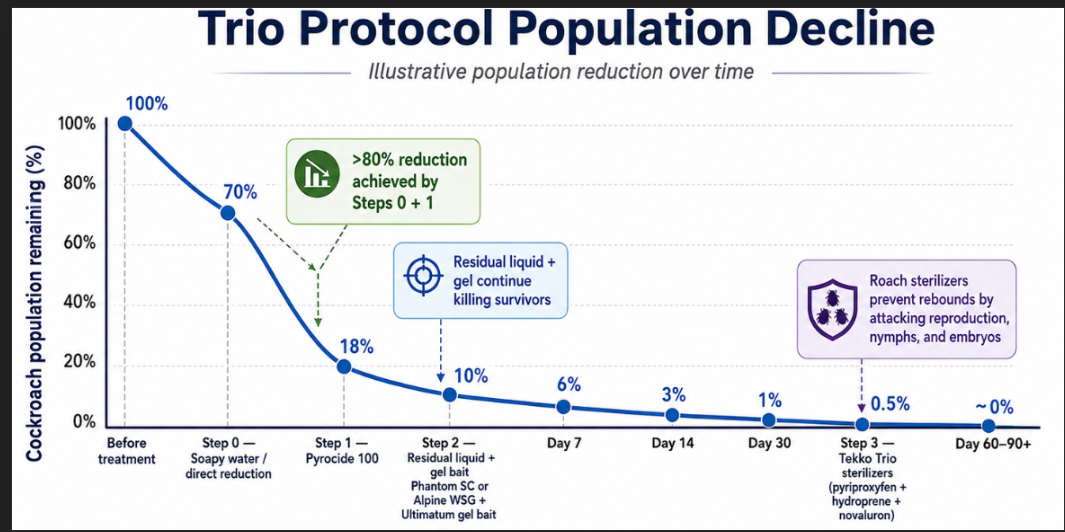
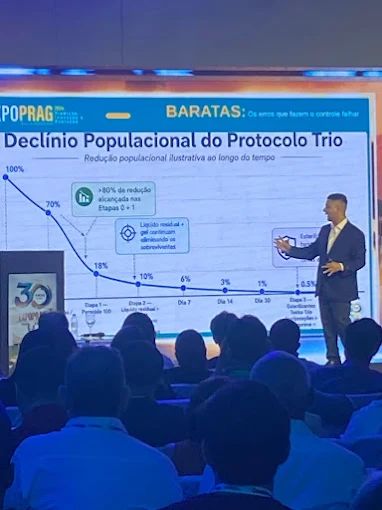
Our Trio Protocol is built to resolve a German cockroach infestation in one visit. When we schedule a follow-up, it is a verification visit, not another round of spraying. On that visit we:
In high-density NYC housing, verification is how we prove the job is done instead of assuming it.
If a reintroduction occurs months later, properly disrupted reproduction prevents rapid population explosion.
One roach should remain one roach — not become forty.
A roach that cannot reproduce cannot become a pest population.
Days 1–3: Possible increased visible activity as roaches contact treated zones.
Week 1: Significant population reduction.
Week 2–3: Minimal to near-zero activity in properly prepped units.
Most residential German cockroach jobs we take resolve in a single, thorough treatment — and we tell you honestly when a case is likely to need more (heavy neighboring pressure in a multi-unit building is the usual reason).
Visit 1 — Population collapse. A resistance-aware protocol: microinjection into all harborage, including appliances where relevant; non-repellent residuals (Alpine WSG, Phantom SC) so roaches do not avoid treated zones; and Tekko Trio (triple-active IGR) to shut down reproduction. You typically see steep knockdown within the first day — visible, on-the-spot evidence the treatment is working.
Visit 2 — Verification and monitoring (about two weeks later, 50% off). Not a re-do — quality control. We install 3D monitoring traps, confirm activity is gone, and catch early any sign of pressure from a neighboring unit. The reduced price reflects that this visit is light on labor. It is optional, but it is the professional-grade monitoring most low-cost services never include.
If roaches come back. If the same service is needed again within 6 months, it is 50% off the original price. In our experience that is rare when the protocol is followed and there is no untreated neighboring source.
No contracts, no auto-renewal, no lock-in. One thorough treatment, an optional verification visit, and you are done. Cancel anytime; no standing service agreement.
German cockroaches (Blattella germanica) are the most resistance-prone pest in the city, so we never rely on a single product:
That combination is how our Associate Certified Entomologist controls most German roach jobs in a single visit, often within the first hour.
Flexible payment options — pay over time
Larger job? You don’t have to pay it all at once. When you settle your invoice online you can pay by card, or split it into smaller payments with Klarna, Affirm, or Afterpay — and we still get your service started right away. Pay-over-time is subject to eligibility; terms are set by each provider.
We provide German cockroach extermination throughout New York City, including:
We commonly work in high-rises, co-ops, condos, pre-war apartment buildings, mixed-use properties, attached homes, and multi-family buildings where inter-unit migration is a constant concern.
Internal resources:
German Cockroach Control in High-Rise Buildings
Why German Cockroach Treatments Fail in NYC
General Cockroach Control Service
Commercial Pest Control
External references:
EPA: Integrated Pest Management
CDC: Cockroaches and Health
NYC 311
German cockroaches are Jorge’s signature specialty — he has presented on them at professional conferences across Mexico, Colombia, Peru, and Costa Rica. Our team is led by Jorge Bedoya, an Associate Certified Entomologist (ACE) credentialed by the Entomological Society of America (ESA) — so the work is done with ACE-level expertise and a formal Code of Ethics behind it, not guesswork.
Every job is led by an Associate Certified Entomologist. Meet Jorge Bedoya, ACE — the NYC Exterminator »
New York Exterminating is Brooklyn-based and covers the whole city — the same Associate Certified Entomologist–led service in every borough:
Brooklyn · Manhattan · Queens · The Bronx · Staten Island · Yonkers · White Plains · Nassau County
Roach identification guides
Premium pest control, made affordable. Finance your treatment with Klarna, Affirm, or Afterpay and pay over time — money shouldn’t be the reason pests stay.
Finance with Klarna, Affirm, or Afterpay. Checking your rate is a soft check — no credit impact.
Example at 14.9% APR; 0% APR plans may be available. Actual rate shown when you prequalify. New York Exterminating is not a lender.
Not sure it is a German cockroach? Identify it first
Treatment depends on the species. Compare with our guides to German cockroach egg cases, baby cockroaches (nymphs) and the brown-banded cockroach — the look-alike found in bedrooms and furniture rather than kitchens. Worried about health effects? Read cockroach allergy and asthma in NYC and do cockroaches bite?
Infestation that keeps coming back?
New York Exterminating specializes in chronic infestations: we find the source other treatments missed, treat it with a method built for the pest, and verify the result instead of re-spraying.
Most German cockroach jobs are resolved in a single visit. Any follow-up visit is for verification only, never a fresh round of spraying.
At New York Exterminating, German cockroach treatment runs $299 to $699, depending on the size of the apartment or building and how established the infestation is. The price is confirmed after an inspection, before any work starts. If the same service is needed again within 6 months, it is 50% off the original price.
The first visit does the heavy lifting. The second is monitoring and quality control: installing traps, confirming zero activity, and spotting any neighboring-unit pressure early. It is priced lower because it is light on labor, not because the first visit fell short.
No. You get one thorough treatment and an optional verification visit at 50% off, with no auto-renewal and no minimum term. If the same service is needed again within 6 months, it is 50% off the original price.
Often, yes. We answer pest emergencies 24/7 at (347) 210-4646. Same-day service is often available when you call before 3 pm, and most inspections are scheduled within 48 hours.
Because they rely on repellent sprays. Repellent pyrethroids push cockroaches deeper into walls, reduce bait contact, and shorten exposure time to IGRs. If roaches avoid treated areas, reproduction is not properly disrupted and rebound occurs. We use non-repellents specifically to prevent avoidance and allow transfer.
Yes. NYC populations frequently show resistance patterns. That is why we rotate modes of action and use non-repellent transfer strategies instead of relying on a single chemistry.
Yes, and most companies will not. The pyrethrin we use in Phase 1 is in a non-conductive oil base, so after we disconnect and pull the appliance we can microinject into motor cavities, coils, and pump housings, let it set, then reconnect — the appliance works normally. This matters because roaches gather in appliance motors for warmth; treating there reaches the part of the population that drives rebound.
We analyze developmental patterns. If we catch mostly fully developed normal adults (especially males) after treatment, it suggests metamorphosis occurred in an untreated unit. If we see adultoid deformities, exposure occurred inside the treated environment. Monitoring tells us whether the source is local or structural.
They usually hitchhike in — in grocery bags, secondhand appliances, cardboard, deliveries, or through shared walls and pipes in NYC apartment buildings. German roaches are about access to food, water, and warmth, not cleanliness. Even spotless kitchens get them.








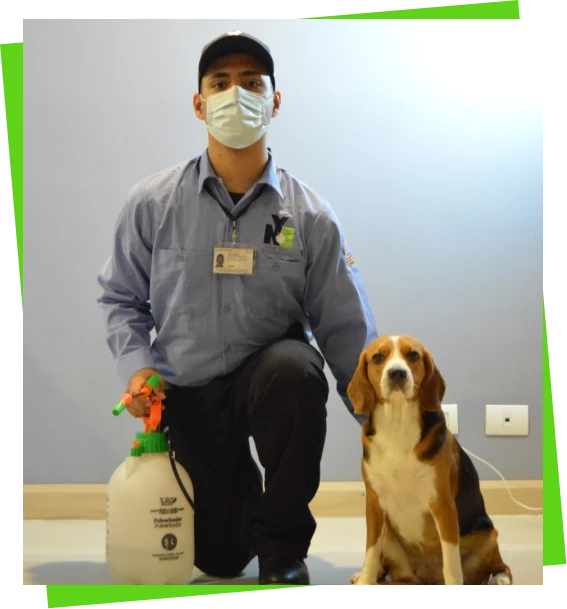
German cockroach extermination in NYC using microinjection and non-repellent baits that sterilize the colony at its source. Dependable.