Trusted extermination services to keep your home, business, and customers pest-free
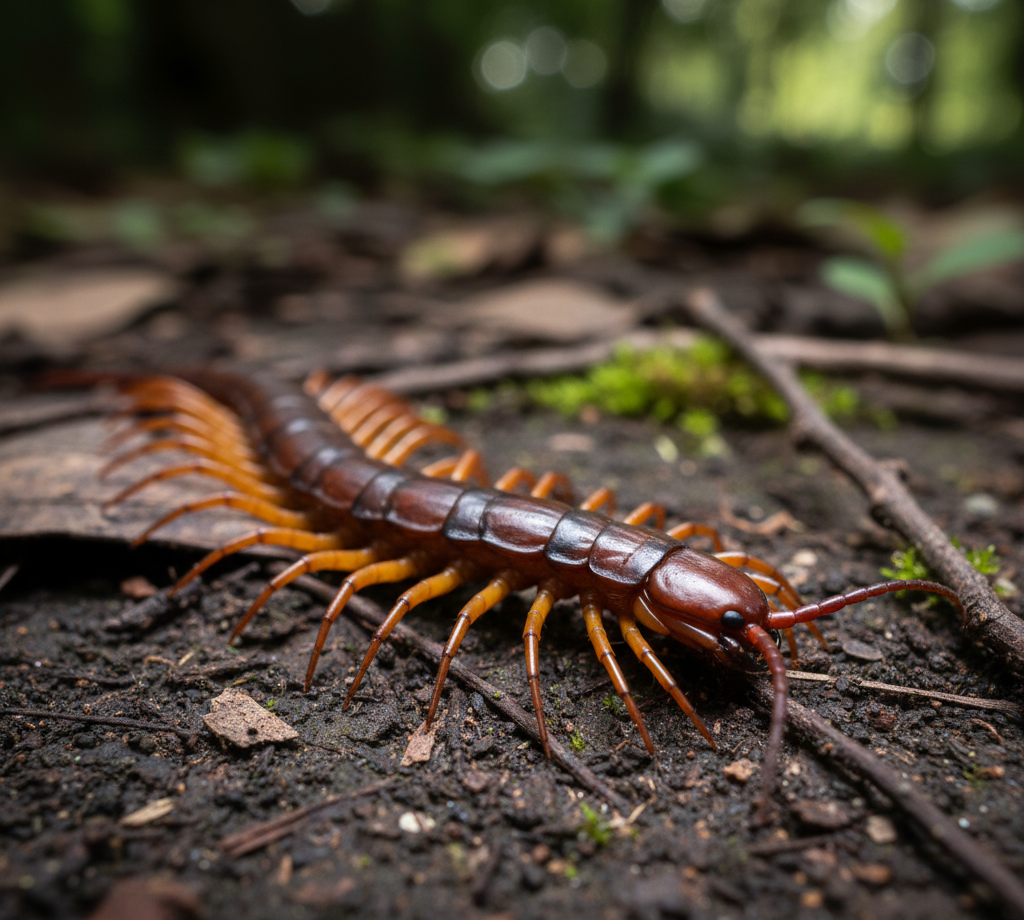
Found a centipede racing across your bathroom floor at 2 AM? Spotted one climbing your basement wall? Seeing multiple centipedes in your home isn’t just unsettling—it means you have conditions attracting them, and likely other pests they’re hunting.
Here’s what matters: Centipedes don’t infest homes like roaches or ants. They’re predators hunting other bugs. If you have centipedes, you have prey insects—silverfish, spiders, roaches, or something else. Killing visible centipedes doesn’t solve anything. You need to eliminate what’s attracting them and seal how they’re getting in.
We’ve been dealing with centipede problems in NYC since 2010. We find the root cause, eliminate their food sources, and keep them out.
Centipedes making you uncomfortable in your own home? Call +1 (347) 210-4646 or request service online. We’ll find out why they’re there and fix it.
House Centipedes (Scutigera coleoptrata)
What they look like: 1-1.5 inches long with extremely long legs (15 pairs). Yellowish-gray with dark stripes. Incredibly fast—can run up to 16 inches per second. Those legs make them look much bigger than they are.
Where they live: Damp areas—basements, bathrooms, laundry rooms, crawlspaces. Active at night. They hunt other bugs aggressively—silverfish, spiders, bed bugs, roaches, flies, moths.
The concern: They’re harmless to humans but terrifying to see. Their presence means you have moisture issues and other bugs for them to eat. They can live for years, reproducing slowly but steadily in favorable conditions.
Stone Centipedes (Lithobiomorpha)
What they look like: Smaller than house centipedes, about ½-¾ inch long, reddish-brown. 15 pairs of legs but much shorter than house centipede legs. Slower moving.
Where they live: Outside under stones, mulch, leaf litter, and wood. Come inside through foundation cracks, door gaps, and basement windows. Prefer cool, dark, damp locations.
The concern: Usually accidental invaders but can establish populations in damp basements or crawlspaces with good hiding spots. Like house centipedes, they’re predators indicating other pest activity.
Moisture problems attract them – Centipedes need humid environments. Damp basements, plumbing leaks, poor ventilation, condensation on pipes, wet crawlspaces—these create ideal conditions. They’ll die in dry environments, so their presence indicates moisture issues.
Food source availability – Centipedes are predators. They’re in your home because there are bugs to hunt. Common prey includes silverfish, spiders, roaches, carpet beetles, and bed bugs. Multiple centipedes means you have an ongoing food supply.
Easy access points – Foundation cracks, gaps around pipes and utility lines, deteriorated weather stripping, basement window wells, door thresholds with gaps, crawlspace vents—older NYC buildings have endless entry points.
Outdoor harborage near buildings – Mulch beds against foundations, stacked firewood, leaf piles, dense vegetation, stones and debris—these create breeding grounds right next to your home. When weather changes, centipedes migrate inside.
Dark hiding places – Clutter in basements and storage areas provides perfect daytime hiding spots. Cardboard boxes on floors, stored items touching walls, piles of newspapers—centipedes hide in these during the day and hunt at night.
Cool basement temperatures – Centipedes thrive in cool (60-75°F), damp conditions. Many NYC basements maintain these temperatures year-round, creating permanent habitat.
Step 1: Inspection & Problem Diagnosis
We inspect for centipede activity and, more importantly, what’s attracting them. We identify moisture sources, locate prey insects, find entry points, and assess environmental conditions. Centipedes are symptoms—we treat the cause.
Step 2: Eliminate Food Sources
Before addressing centipedes directly, we eliminate what they’re eating:
Starve them out before you seal them in.
Step 3: Moisture Control Recommendations
Centipedes need humidity. We identify moisture problems:
We don’t do plumbing work, but we tell you exactly what needs fixing.
Step 4: Targeted Treatment
Interior treatment:
Exterior treatment:
Step 5: Exclusion Work Guidance
We identify gaps, cracks, and entry points that need sealing:
We provide detailed recommendations. Major repairs are on you, but we seal what we can during treatment.
Step 6: Follow-Up & Monitoring
One follow-up visit 2-3 weeks after initial treatment catches any remaining centipedes and verifies that prey insects are eliminated. We adjust treatment if activity continues.
Week 1-2: Visible centipede activity drops significantly as treatment takes effect and food sources are eliminated.
Week 3-4: Occasional sightings of stragglers. These are dying centipedes, not new infestations.
Week 4-6: Near-zero activity if moisture and food sources have been addressed.
Long-term: If you fix moisture problems and seal entry points, centipedes don’t come back. If conditions remain favorable, expect occasional reentry requiring maintenance treatment.
Centipedes live for several years, so trapped individuals may appear for weeks after treatment. Dead and dying centipedes are success, not failure.
Direct sightings:
Environmental indicators:
Seasonal patterns:
If you’re seeing centipedes regularly, you have favorable conditions that won’t improve without intervention.
We address root causes – Killing centipedes with spray doesn’t fix moisture problems or eliminate prey insects. We treat the whole problem—food sources, harborage, entry points.
We use residual products – Our treatments continue working for weeks, eliminating centipedes as they move through treated areas. Consumer sprays only kill on contact.
We treat where they hide – Centipedes hide in cracks, voids, and crawlspaces during the day. Surface treatments don’t reach them. We apply product in actual harborage areas.
We identify related pest problems – If centipedes are hunting silverfish or roaches, you need to eliminate those too. We diagnose and treat all contributing pest issues in one visit.
We provide exclusion guidance – We’ll show you every gap, crack, and entry point that needs attention. Most homeowners don’t notice these until someone points them out.
Fix moisture problems:
Eliminate food sources:
Reduce outdoor harborage:
Seal entry points:
Reduce indoor hiding spots:
Look, centipedes aren’t dangerous, but they’re disturbing as hell when you encounter them. That split-second of seeing those legs racing across your bathroom floor at night? Nobody should live with that.
The good news: Centipedes respond well to proper treatment—if you address why they’re there. We’ll eliminate their food sources, treat harborage areas, and show you what needs fixing to keep them out.
Call us at +1 (347) 210-4646 or request service online. We’ll inspect, explain what’s happening, and start treatment this week.
New York Exterminating, Inc.
1115 E 13th St, Brooklyn, NY 11230
Licensed & Certified Since 2010
Centipede-free homes start with eliminating what attracts them.
See how homeowners and businesses rate our pest control services across New York.
Posted onTrustindex verifies that the original source of the review is Google. So let’s start with professionalism, great! Communication, great! Results, great!!! I was recommended to this company by a friend who experienced great results and i decided to give them a try. Everything there after exceeded my expectations. They have officially become my annual exterminator by choice.Posted onTrustindex verifies that the original source of the review is Google. Estoy muy satisfecha , un trabajo muy profesional , dedico mucho tiempo y es una persona muy pasientePosted onTrustindex verifies that the original source of the review is Google. Gorge did what he is supposed to do exterminated the rodents. Not only does he possess the skills necessary to get the job done but he has the needed customer service skills of Courtesy, Professional, and Respect. Muchas gracias for a job well done.Posted onTrustindex verifies that the original source of the review is Google. Jorge is sweet, patient, communicative and honest. Had a company try to quote me $2500 for a job, luckily I contacted Jorge right in time and he did the same job for me for $220. HIGHLY recommend.Posted onTrustindex verifies that the original source of the review is Google. Showed up on short notice, found the problem and provided guidance to assist with resolving our issue. Thank you!!Posted onTrustindex verifies that the original source of the review is Google. Jorge was really thorough and did an excellent job. Thank you 🙏Posted onTrustindex verifies that the original source of the review is Google. Today I had an appointment with Jorge. He was on time. Explained me everything. Perfectly did his work. Very nice and knowledgeable man. I can highly recommend him if you need an exterminator.Posted onTrustindex verifies that the original source of the review is Google. George is outstanding! He came out in the middle of the night when we had an urgent issue and handled everything with professionalism and care. He was patient, thorough, and fully committed to solving the problem, taking the time to explain what he was doing and making sure the job was done right. It’s rare to find someone so dependable and dedicated—George is the person you want to call if you need an exterminator you can trust.Posted onTrustindex verifies that the original source of the review is Google. Jorge was fast, responsive, and knowledgable. I recommend him.

Our expertise goes beyond simple extermination. Backed by certified specialists and proven methods, we combine science, precision, and care to deliver pest solutions that last. Every treatment is designed with your safety, comfort, and environment in mind.
Many of our clients have remained with us since 2010, demonstrating strong trust and long-term satisfaction.


Licensed by NYSDEC – Reg. #15140
Serving property managers, senior facilities, shelters, affordable-housing programs, and businesses across NYC since 2010 — many long-term clients trust our work.
Botanical/organic options, German-cockroach elimination and rodent-exclusion programs, full bilingual support (EN/ES), plus a client portal with reports, photos, and chemical logs for total transparency.
NYSDEC Registered — Reg. #15140 — with fully licensed technicians (Jorge Bedoya, Tomas Cusati, Jason Mendoza). We follow all regulations for safe, legal treatments.
Led by an Associate Certified Entomologist (Jorge Bedoya) and technicians trained in urban entomology, we use IPM and proven methods for lasting results.
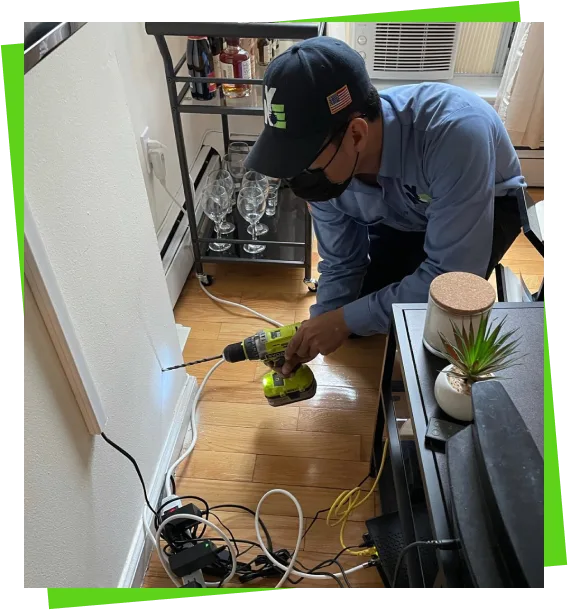
From first inspection to final follow-up, our science-based process ensures every pest problem is solved with precision, safety, and lasting protection
Find quick answers to common questions about our services, safety practices, and customer support
Yes. We use eco-friendly and low-toxicity treatments designed to protect your family, pets, and the environment.
Yes. We offer bilingual services in English and Spanish to ensure clear communication and support for all our clients across New York City.
We proudly serve all five boroughs of New York City — Brooklyn, Queens, Manhattan, the Bronx, and Staten Island — as well as surrounding areas.
You can access all your service reports, invoices, and treatment details through our secure online Client Portal. Simply log in anytime to view records, photos, and chemical logs for full transparenc
We specialize in removing rodents, insects, raccoons, and other common pests, providing thorough inspections and effective solutions to keep your home or business pest-free.
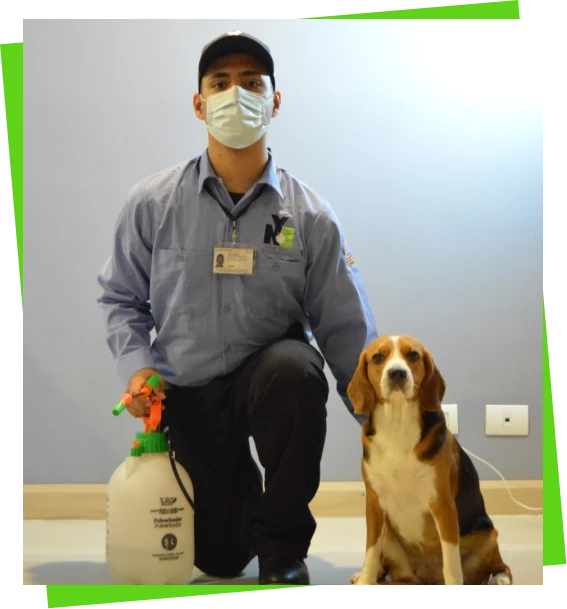
We proudly serve residential, commercial, and institutional clients throughout:
Providing reliable pest control solutions for homes, businesses, and institutions across the NYC metro area


Designed & Managed with 💛 By