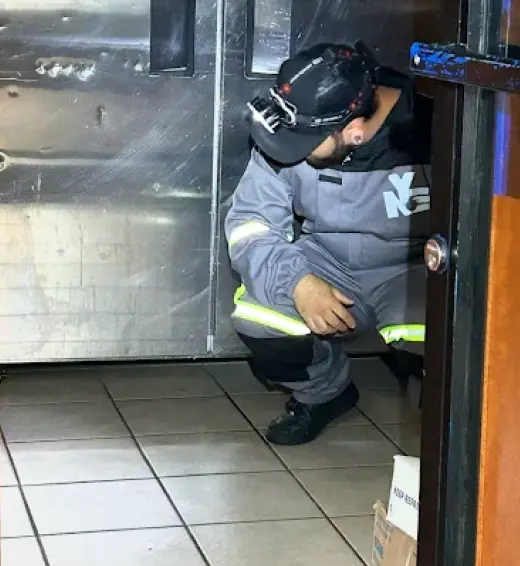
Trusted extermination services to keep your home, business, and customers pest-free
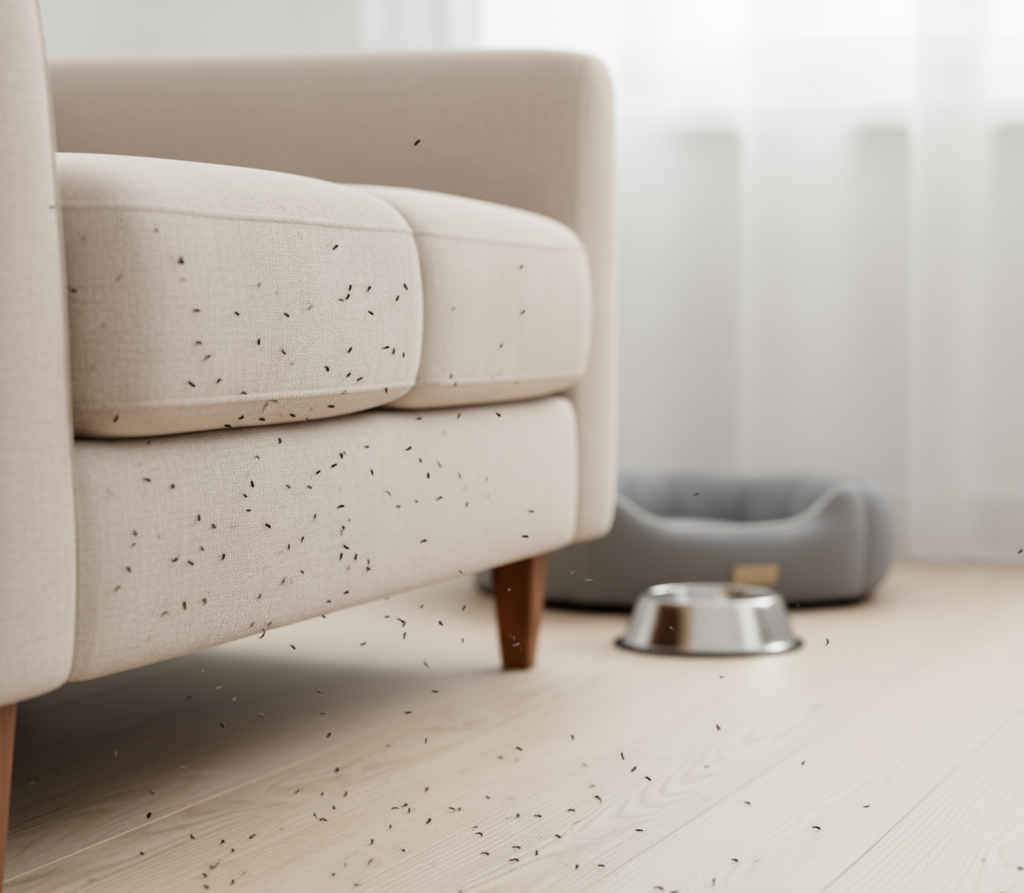
You’ve treated your dog or cat with flea medication. You’re still getting bitten. You’re still seeing fleas jump across the carpet. Your pet is still scratching.
Here’s why: Adult fleas on your pet are only 5% of the infestation. The other 95%—eggs, larvae, and pupae—are living in your carpets, furniture, bedding, and floor cracks. Treating your pet kills adult fleas, but doesn’t eliminate the developing population in your home.
Effective flea control requires treating both your pet (with veterinary products) and your environment (carpets, furniture, floors). You need to kill all life stages—adults, larvae, eggs, and pupae—or the infestation continues.
Dealing with fleas? Call +1 (347) 210-4646 or request service online. We treat your home to eliminate all flea life stages while you treat your pet.
Adult Fleas (5% of infestation):
Eggs (50% of infestation):
Larvae (35% of infestation):
Pupae (10% of infestation):
Why this matters: If you only kill adult fleas, eggs keep hatching, larvae keep developing, and pupae keep emerging. You need a treatment program that addresses all life stages over time.
From pets:
From previous tenants:
From wildlife:
From visiting pets:
From used furniture:
High pet ownership in close quarters – Lots of dogs and cats in NYC apartments. Buildings with many pets create opportunities for flea spread through shared hallways, elevators, and outdoor spaces.
Carpeted floors in older buildings – Many older NYC apartments have wall-to-wall carpeting. Carpet fibers provide perfect habitat for flea eggs, larvae, and pupae. Hardwood floors are less hospitable to fleas.
Tenant turnover brings re-infestation – New tenants move into apartments where previous tenants had pets. Dormant flea pupae emerge when activity resumes. Landlords often don’t treat between tenants.
Shared outdoor spaces – Building courtyards, dog runs, and nearby parks allow flea transfer between pets. One infested dog spreads fleas to other dogs, who bring them home.
Rodent and wildlife presence – NYC buildings often have mice, rats, or wildlife in walls and voids. These animals carry fleas that can bite humans when animal hosts are eliminated or inaccessible.
Delayed professional treatment – People try DIY methods for weeks or months while populations explode. By the time they call professionals, thousands of eggs, larvae, and pupae are established throughout the home.
Step 1: Inspection & Assessment
We identify the source and extent of infestation:
Check for:
We determine:
Step 2: Pre-Treatment Preparation (Critical)
You must prep before we treat. This ensures treatment effectiveness:
Required prep:
Why prep matters: Vacuuming stimulates pupae to emerge (so treatment kills them). It also removes eggs and debris. Washing kills eggs and larvae in bedding. Without proper prep, treatment effectiveness drops significantly.
Step 3: Treatment Application
We treat all areas where fleas live and develop:
Interior treatment:
IGR (Insect Growth Regulator):
Adulticide:
Step 4: Follow-Up Treatment (If Needed)
Flea pupae are nearly impossible to kill with insecticides (cocoon protects them). Pupae that survive initial treatment will emerge over the following 2-3 weeks. Most infestations need a follow-up treatment:
Follow-up at 14-21 days:
Why follow-up is often necessary: Pupae emerging after initial treatment become adults. One follow-up treatment catches this wave of emerging fleas before they lay eggs and restart the cycle.
Step 5: Prevention & Monitoring
Once fleas are eliminated, keep them from returning:
Pet protection:
Home maintenance:
Step 6: Post-Treatment Instructions
After treatment:
Important: Seeing fleas for 2-3 weeks post-treatment is NORMAL. These are pupae emerging. They’ll contact treated surfaces and die. Don’t panic—this doesn’t mean treatment failed.
Minor infestation (caught early):
Moderate infestation (established population):
Severe infestation (months-long problem):
Wildlife-related infestations:
Timeline depends on infestation severity, proper preparation, pet treatment compliance, and whether wildlife sources are present.
Bites on humans:
Pets scratching and biting:
Flea dirt (flea feces):
Visible fleas:
Fleas jumping on you:
Pet behavior changes:
If you’re seeing these signs, you have an active flea infestation requiring professional treatment.
Store-bought products are weaker – Consumer flea treatments use lower concentrations of active ingredients. Professional products are stronger and include IGRs (insect growth regulators) that prevent reproduction.
People don’t treat thoroughly enough – You need to treat every carpeted surface, piece of furniture, and crack in the floor. Most DIY efforts miss significant areas where larvae and pupae hide.
No IGR means quick re-infestation – Without insect growth regulators, surviving eggs and larvae develop into adults and restart the cycle. IGRs provide months of protection—consumer products rarely include them.
Flea bombs don’t work well – Foggers only affect exposed surfaces. Flea larvae live deep in carpet fibers where fog doesn’t penetrate. Bombs also don’t reach under furniture or into cracks.
People give up too soon – Seeing fleas 2-3 weeks after treatment is normal (emerging pupae). People assume treatment failed and stop. Continued pupae emergence is expected—they die when they contact treated surfaces.
Not treating pets properly – Home treatment doesn’t work if pets keep bringing in new fleas. Pets need veterinary flea prevention—over-the-counter pet products are often ineffective.
Missing the preparation step – Vacuuming before treatment stimulates pupae to emerge so treatment kills them. Skipping prep significantly reduces treatment effectiveness.
Keep pets protected year-round:
Maintain cleanliness:
Control wildlife access:
Be cautious with used items:
Monitor regularly:
In apartments:
Fleas aren’t just annoying—they pose real health risks:
Flea bites cause:
Fleas transmit diseases:
Pets suffer significantly:
For young children:
These risks make professional flea elimination a health priority, not just a comfort issue.
Look, fleas are miserable. They bite constantly, multiply rapidly, and won’t go away on their own. DIY products rarely work because they don’t address all life stages or reach deep enough into carpets and furniture.
We use professional-grade products with IGRs that prevent reproduction and provide months of protection. We treat all life stages—adults, larvae, eggs, and emerging pupae.
Call us at +1 (347) 210-4646 or request service online. We’ll inspect, treat your home, and eliminate fleas while you treat your pets.
New York Exterminating, Inc.
1115 E 13th St, Brooklyn, NY 11230
Licensed & Certified Since 2010
Flea-free homes require treating the environment, not just the pet.
See how homeowners and businesses rate our pest control services across New York.
Posted onTrustindex verifies that the original source of the review is Google. So let’s start with professionalism, great! Communication, great! Results, great!!! I was recommended to this company by a friend who experienced great results and i decided to give them a try. Everything there after exceeded my expectations. They have officially become my annual exterminator by choice.Posted onTrustindex verifies that the original source of the review is Google. Estoy muy satisfecha , un trabajo muy profesional , dedico mucho tiempo y es una persona muy pasientePosted onTrustindex verifies that the original source of the review is Google. Gorge did what he is supposed to do exterminated the rodents. Not only does he possess the skills necessary to get the job done but he has the needed customer service skills of Courtesy, Professional, and Respect. Muchas gracias for a job well done.Posted onTrustindex verifies that the original source of the review is Google. Jorge is sweet, patient, communicative and honest. Had a company try to quote me $2500 for a job, luckily I contacted Jorge right in time and he did the same job for me for $220. HIGHLY recommend.Posted onTrustindex verifies that the original source of the review is Google. Showed up on short notice, found the problem and provided guidance to assist with resolving our issue. Thank you!!Posted onTrustindex verifies that the original source of the review is Google. Jorge was really thorough and did an excellent job. Thank you 🙏Posted onTrustindex verifies that the original source of the review is Google. Today I had an appointment with Jorge. He was on time. Explained me everything. Perfectly did his work. Very nice and knowledgeable man. I can highly recommend him if you need an exterminator.Posted onTrustindex verifies that the original source of the review is Google. George is outstanding! He came out in the middle of the night when we had an urgent issue and handled everything with professionalism and care. He was patient, thorough, and fully committed to solving the problem, taking the time to explain what he was doing and making sure the job was done right. It’s rare to find someone so dependable and dedicated—George is the person you want to call if you need an exterminator you can trust.Posted onTrustindex verifies that the original source of the review is Google. Jorge was fast, responsive, and knowledgable. I recommend him.

Our expertise goes beyond simple extermination. Backed by certified specialists and proven methods, we combine science, precision, and care to deliver pest solutions that last. Every treatment is designed with your safety, comfort, and environment in mind.
Many of our clients have remained with us since 2010, demonstrating strong trust and long-term satisfaction.


Licensed by NYSDEC – Reg. #15140
Serving property managers, senior facilities, shelters, affordable-housing programs, and businesses across NYC since 2010 — many long-term clients trust our work.
Botanical/organic options, German-cockroach elimination and rodent-exclusion programs, full bilingual support (EN/ES), plus a client portal with reports, photos, and chemical logs for total transparency.
NYSDEC Registered — Reg. #15140 — with fully licensed technicians (Jorge Bedoya, Tomas Cusati, Jason Mendoza). We follow all regulations for safe, legal treatments.
Led by an Associate Certified Entomologist (Jorge Bedoya) and technicians trained in urban entomology, we use IPM and proven methods for lasting results.
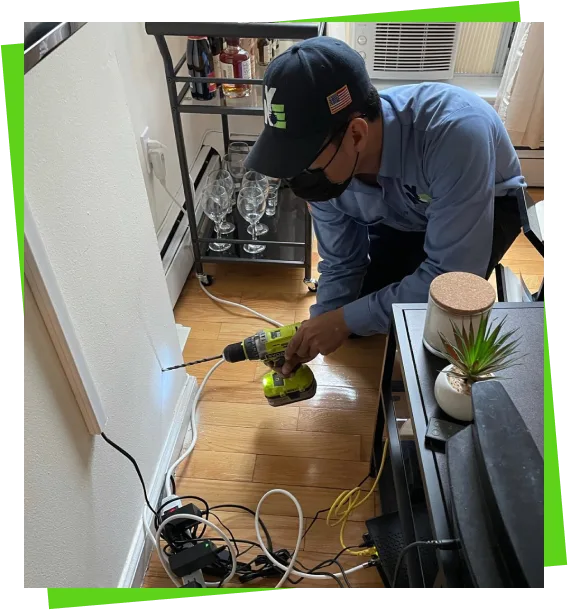
From first inspection to final follow-up, our science-based process ensures every pest problem is solved with precision, safety, and lasting protection
Find quick answers to common questions about our services, safety practices, and customer support
Yes. We use eco-friendly and low-toxicity treatments designed to protect your family, pets, and the environment.
Yes. We offer bilingual services in English and Spanish to ensure clear communication and support for all our clients across New York City.
We proudly serve all five boroughs of New York City — Brooklyn, Queens, Manhattan, the Bronx, and Staten Island — as well as surrounding areas.
You can access all your service reports, invoices, and treatment details through our secure online Client Portal. Simply log in anytime to view records, photos, and chemical logs for full transparenc
We specialize in removing rodents, insects, raccoons, and other common pests, providing thorough inspections and effective solutions to keep your home or business pest-free.
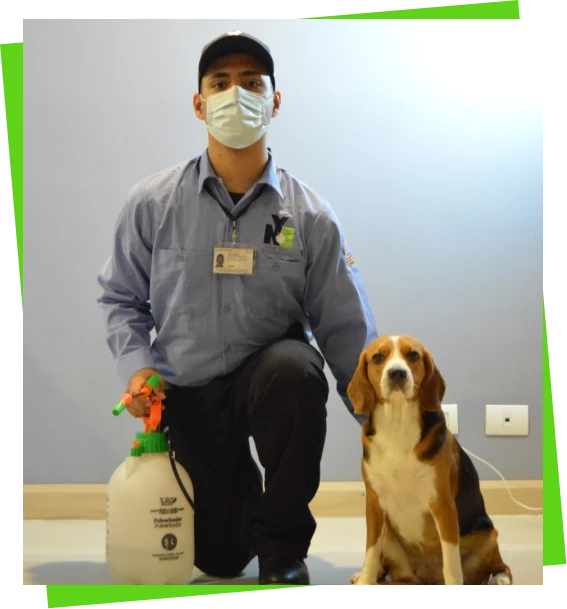
We proudly serve residential, commercial, and institutional clients throughout:
Providing reliable pest control solutions for homes, businesses, and institutions across the NYC metro area


Designed & Managed with 💛 By