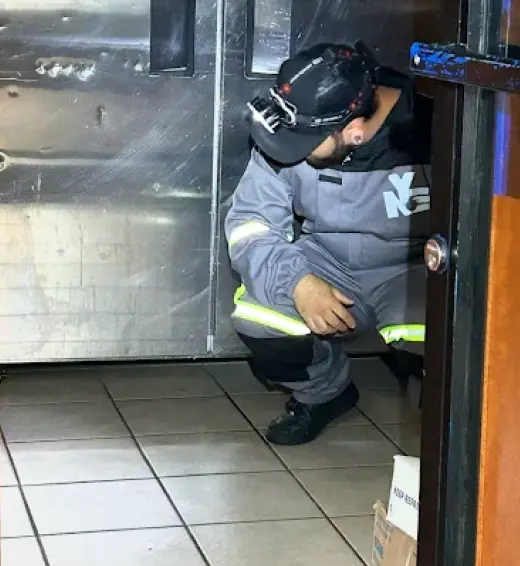
Trusted extermination services to keep your home, business, and customers pest-free
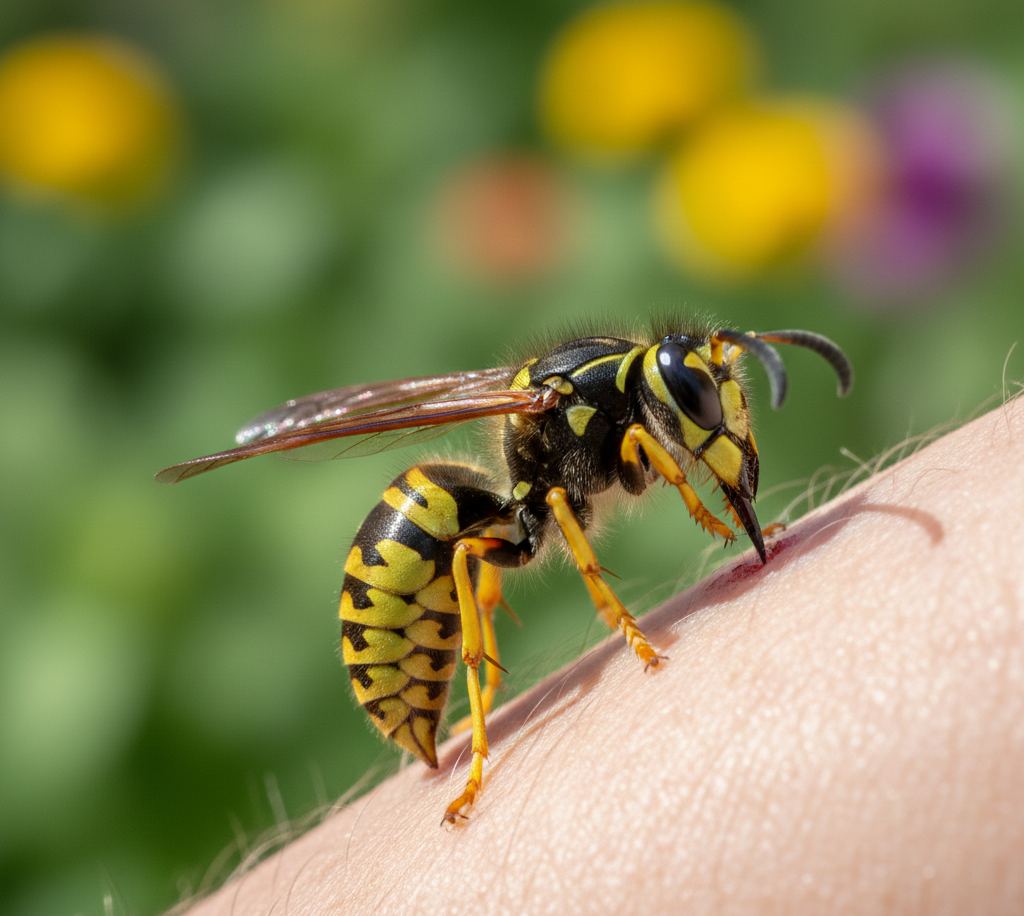
Found a wasp nest on your porch? Yellow jackets swarming around your garbage area? Hornets building under your eaves? When stinging insects establish nests near your home, they’re not just a nuisance—they’re a real safety threat, especially for anyone allergic.
Here’s what you need to understand: Different stinging insects require completely different approaches. Yellow jackets nest in ground and wall voids, wasps build exposed paper nests, hornets construct large aerial colonies. Wrong treatment method means angry insects and potential stings.
We’ve been safely removing stinging insect nests from NYC properties since 2010. We identify the species, use appropriate removal methods, and prevent rebuilding.
Stinging insects too close for comfort? Call +1 (347) 210-4646 or request service online. We’ll remove the nest safely and prevent new colonies.
Yellow Jackets (Vespula species)
What they look like: ½ inch long, bright yellow and black stripes, smooth bodies. Often confused with bees but more aggressive. They’re wasps, not bees.
Where they nest: Ground nests in abandoned rodent burrows, landscape voids, under porches and decks. Wall voids in structures, especially near ground level. They’ll also nest in attics and crawlspaces. Colonies can reach 4,000-5,000 workers by late summer.
Behavior: Extremely aggressive when defending nests. They don’t lose their stingers and can sting repeatedly. They’re attracted to food—especially proteins and sweets—making them problems at outdoor dining areas, garbage cans, and dumpsters.
The danger: Multiple stings are common if you disturb a nest. They’ll chase intruders 50+ feet from nests. Late summer colonies are largest and most aggressive. They’re responsible for most stinging incidents in NYC.
Paper Wasps (Polistes species)
What they look like: ¾ inch long, brownish with yellow markings, narrow waist, long dangling legs in flight. Slower flying than yellow jackets.
Where they nest: Build exposed umbrella-shaped paper nests under eaves, porch ceilings, behind shutters, in attic rafters, under deck railings. Nests start small in spring (few cells) and grow through summer to softball size.
Behavior: Less aggressive than yellow jackets but will defend nests vigorously. Usually won’t bother you if you don’t bother them, but nests in high-traffic areas create unavoidable encounters.
The danger: Painful stings when defending nests. People get stung reaching for items near nests they didn’t notice or during maintenance work near eaves.
Bald-Faced Hornets (Dolichovespula maculata)
What they look like: ¾ inch long, black with white markings on face and thorax. Actually a type of yellow jacket despite the name “hornet.”
Where they nest: Build large, enclosed paper nests—football to basketball size—in trees, shrubs, or attached to building exteriors. Occasionally in attics or wall voids. Colonies contain 400-700 workers.
Behavior: Very aggressive when defending nests, especially late summer. They’ll defend territory aggressively and remember threats, potentially mounting organized attacks.
The danger: Painful stings, multiple attacks if you disturb nest. Their nests are often at eye level in landscaping where people walk or work, creating surprise encounters.
European Hornets (Vespa crabro)
What they look like: Largest stinging insect in NYC—up to 1½ inches long. Brown and yellow striped abdomen, reddish-brown thorax and head.
Where they nest: Tree cavities, wall voids, attics, hollow porch columns. They’ll excavate materials to enlarge cavities. Colonies smaller than yellow jackets—200-400 workers.
Behavior: Active at night unlike other wasps—attracted to lights. Generally less aggressive than yellow jackets but will defend nests. Their large size makes them particularly intimidating.
The danger: Very painful stings due to size. Uncommon to encounter but concerning when nests are in structure voids.
Carpenter Bees (Xylocopa virginica)
What they look like: Large (½-1 inch), resemble bumble bees but with shiny black abdomen (bumble bees are fuzzy). Males have white face markings.
Where they nest: Bore ½ inch diameter holes in untreated wood—fascia boards, porch ceilings, deck railings, siding, window frames. They excavate tunnels for egg-laying, creating galleries that expand over years.
Behavior: Males are territorial and aggressive but cannot sting (they have no stinger). Females can sting but rarely do unless handled. The real problem is structural wood damage, not stinging.
The danger: Minimal sting risk. Primary concern is cumulative wood damage from repeated nesting over seasons.
Structural features provide nesting sites – Eaves, soffits, attics, wall voids, porch ceilings, deck understructure—buildings offer countless protected nesting locations. Older structures with gaps and voids are particularly attractive.
Food sources nearby – Garbage, compost, outdoor dining, flowering plants, aphid-infested trees and shrubs—these provide protein and sugar sources. Yellow jackets especially are drawn to properties with accessible food.
Protected overwintering queens – Mated queens overwinter in structures, emerging in spring to establish new colonies nearby. If queens survive winter in your attic or wall voids, you’ll get new nests the following year.
Landscaping and yard conditions – Dense shrubs, trees close to building, mulched areas, rodent burrows, landscape voids—these provide yellow jacket nesting sites. Ornamental features provide paper wasp attachment points.
Water sources – Birdbaths, ponds, leaky hoses, drainage areas—stinging insects need water for nest construction and cooling. Properties with accessible water attract more colonies.
Previous nesting success – Wasps and yellow jackets return to successful nesting sites year after year. If you had nests last year and didn’t prevent rebuilding, expect them back.
Step 1: Species Identification & Nest Location
We identify which stinging insect you’re dealing with—this determines treatment method, timing, and safety precautions. We locate primary nests and check for satellite colonies.
Critical factors:
Step 2: Safety Assessment & Treatment Planning
Some nests require specialized equipment, specific timing (dusk treatment when workers return), or staged approaches:
Step 3: Nest Treatment & Elimination
Treatment methods vary by species and location:
Exposed paper wasp nests:
Yellow jacket ground nests:
Yellow jacket wall/void nests:
Hornet nests:
Carpenter bee galleries:
Step 4: Removal & Disposal
We remove treated nests when safe and appropriate (exposed nests). Void nests may need to remain in place with sealed entry points. All removed nests are disposed of properly away from property.
Step 5: Prevention & Exclusion Recommendations
We identify conditions attracting stinging insects:
Step 6: Seasonal Monitoring
Spring: Early nest detection and elimination before colonies grow
Summer: Peak colony monitoring and treatment
Fall: Late-season nest removal and overwintering prevention
Properties with recurring problems benefit from spring monitoring service to catch new nests early.
Immediate treatment: Most exposed nests can be treated and removed in single visit.
Ground and void nests: Initial treatment is immediate, but complete colony elimination takes 3-7 days. Follow-up visit confirms elimination.
Wall void colonies: May require 1-2 weeks to ensure complete elimination, especially large yellow jacket colonies.
Carpenter bees: Spring treatment controls active adults. Complete control requires sealing holes (your responsibility) to prevent reentry and future generations.
Best timing: Early season (May-June) when colonies are small and less aggressive. Late season (August-September) colonies are largest and most dangerous but must be addressed.
Visual sightings:
Nest indicators:
Behavior patterns:
Safety concerns:
Don’t wait until someone gets stung. Early detection and elimination prevents problems.
Safety comes first – Disturbing nests without proper equipment and knowledge leads to multiple stings. Large yellow jacket and hornet colonies can attack en masse. We have protective gear and appropriate treatment methods.
We find hidden nests – Wall void and ground nests aren’t always obvious. We locate nests based on insect flight patterns and behavior. Missing nests means continuing danger.
Species-specific treatment – Yellow jackets in voids need dust applications. Exposed wasp nests need different approach. Carpenter bees require specific formulations. Wrong treatment wastes time and money.
Complete elimination – Partial treatment or nest removal leaves remaining workers aggressive and dangerous. We ensure complete colony elimination before considering job finished.
We prevent rebuilding – Treating attachment points and identifying attraction factors reduces likelihood of same-location nesting next year.
Legal and liability protection – In multi-unit buildings, proper professional treatment protects building owners from liability. Documentation of proper pest control is important.
Spring prevention (April-May):
Eliminate nesting sites:
Remove attractants:
Structural maintenance:
Professional monitoring:
Look, you shouldn’t have to worry about getting stung in your own yard or while maintaining your home. Stinging insects near living spaces aren’t just annoying—they’re dangerous, especially for children and anyone allergic.
We’ll identify what you’re dealing with, remove nests safely using appropriate methods, and prevent rebuilding. Don’t risk getting stung trying to handle this yourself.
Call us at +1 (347) 210-4646 or request service online. We’ll assess the situation, remove the threat, and give you your property back.
New York Exterminating, Inc.
1115 E 13th St, Brooklyn, NY 11230
Licensed & Certified Since 2010
Safe stinging insect removal requires proper identification and equipment.
See how homeowners and businesses rate our pest control services across New York.
Posted onTrustindex verifies that the original source of the review is Google. So let’s start with professionalism, great! Communication, great! Results, great!!! I was recommended to this company by a friend who experienced great results and i decided to give them a try. Everything there after exceeded my expectations. They have officially become my annual exterminator by choice.Posted onTrustindex verifies that the original source of the review is Google. Estoy muy satisfecha , un trabajo muy profesional , dedico mucho tiempo y es una persona muy pasientePosted onTrustindex verifies that the original source of the review is Google. Gorge did what he is supposed to do exterminated the rodents. Not only does he possess the skills necessary to get the job done but he has the needed customer service skills of Courtesy, Professional, and Respect. Muchas gracias for a job well done.Posted onTrustindex verifies that the original source of the review is Google. Jorge is sweet, patient, communicative and honest. Had a company try to quote me $2500 for a job, luckily I contacted Jorge right in time and he did the same job for me for $220. HIGHLY recommend.Posted onTrustindex verifies that the original source of the review is Google. Showed up on short notice, found the problem and provided guidance to assist with resolving our issue. Thank you!!Posted onTrustindex verifies that the original source of the review is Google. Jorge was really thorough and did an excellent job. Thank you 🙏Posted onTrustindex verifies that the original source of the review is Google. Today I had an appointment with Jorge. He was on time. Explained me everything. Perfectly did his work. Very nice and knowledgeable man. I can highly recommend him if you need an exterminator.Posted onTrustindex verifies that the original source of the review is Google. George is outstanding! He came out in the middle of the night when we had an urgent issue and handled everything with professionalism and care. He was patient, thorough, and fully committed to solving the problem, taking the time to explain what he was doing and making sure the job was done right. It’s rare to find someone so dependable and dedicated—George is the person you want to call if you need an exterminator you can trust.Posted onTrustindex verifies that the original source of the review is Google. Jorge was fast, responsive, and knowledgable. I recommend him.

Our expertise goes beyond simple extermination. Backed by certified specialists and proven methods, we combine science, precision, and care to deliver pest solutions that last. Every treatment is designed with your safety, comfort, and environment in mind.
Many of our clients have remained with us since 2010, demonstrating strong trust and long-term satisfaction.


Licensed by NYSDEC – Reg. #15140
Serving property managers, senior facilities, shelters, affordable-housing programs, and businesses across NYC since 2010 — many long-term clients trust our work.
Botanical/organic options, German-cockroach elimination and rodent-exclusion programs, full bilingual support (EN/ES), plus a client portal with reports, photos, and chemical logs for total transparency.
NYSDEC Registered — Reg. #15140 — with fully licensed technicians (Jorge Bedoya, Tomas Cusati, Jason Mendoza). We follow all regulations for safe, legal treatments.
Led by an Associate Certified Entomologist (Jorge Bedoya) and technicians trained in urban entomology, we use IPM and proven methods for lasting results.
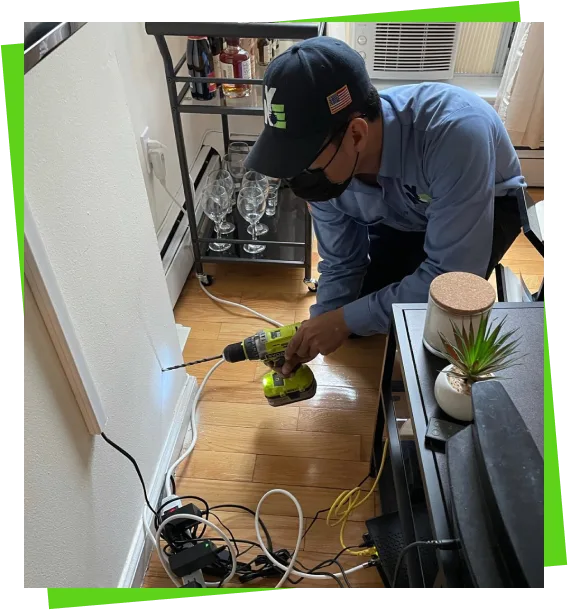
From first inspection to final follow-up, our science-based process ensures every pest problem is solved with precision, safety, and lasting protection
Find quick answers to common questions about our services, safety practices, and customer support
Yes. We use eco-friendly and low-toxicity treatments designed to protect your family, pets, and the environment.
Yes. We offer bilingual services in English and Spanish to ensure clear communication and support for all our clients across New York City.
We proudly serve all five boroughs of New York City — Brooklyn, Queens, Manhattan, the Bronx, and Staten Island — as well as surrounding areas.
You can access all your service reports, invoices, and treatment details through our secure online Client Portal. Simply log in anytime to view records, photos, and chemical logs for full transparenc
We specialize in removing rodents, insects, raccoons, and other common pests, providing thorough inspections and effective solutions to keep your home or business pest-free.
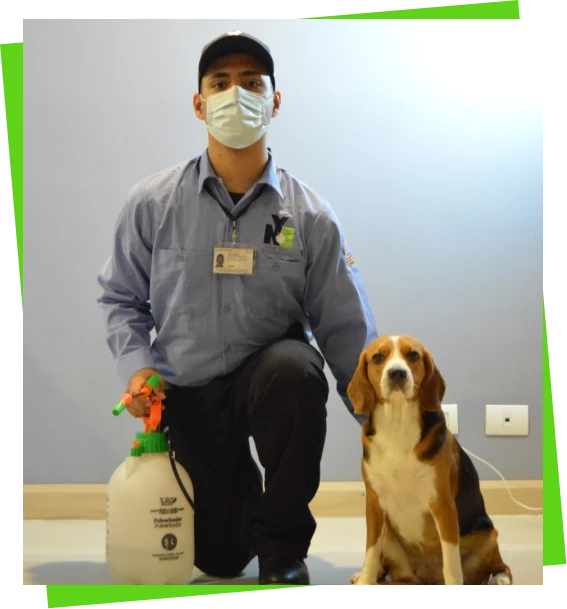
We proudly serve residential, commercial, and institutional clients throughout:
Providing reliable pest control solutions for homes, businesses, and institutions across the NYC metro area


Designed & Managed with 💛 By