Straight answers from a licensed New York exterminator and Associate Certified Entomologist (ACE) — serving all five boroughs, in English and Spanish.
Get a Free Estimate →⏱ 8 min read
Bed bug treatment in NYC costs $450–$900+ — about $450 for a small one-bedroom (two visits) up to $900+ for a 3-bedroom. Over 99% of jobs are resolved in two visits.
Get a free quote: call (347) 210-4646 or request a free assessment. Financing is available on every bed bug job — see pay-over-time options.
Finance with Klarna, Affirm, or Afterpay. Checking your rate is a soft check — no credit impact.
Example at 14.9% APR; 0% APR plans may be available. Actual rate shown when you prequalify. New York Exterminating is not a lender.
Quick answer: In New York City, bed bug treatment typically runs $300–$1,500 per room for chemical treatment and $1,500–$4,000 per unit for whole-apartment heat treatment, with most single-apartment jobs landing around $1,200–$2,500 all-in. NYC sits among the most expensive markets in the country because of multi-unit buildings, walk-up logistics, and the need to inspect adjoining apartments. The honest truth no national chain will tell you: a real number requires an inspection first, because a 4th-floor pre-war one-bedroom and a parlor-floor brownstone duplex are completely different jobs.
If you have searched “how much does bed bug treatment cost,” you have probably found national pages that quote a vague nationwide average and then route you to a sales call. This guide is different. It is written for New York City specifically, by an Associate Certified Entomologist (ACE), and it explains what actually drives the price in this market — so you can read a quote and know whether it is fair.
Typical NYC bed bug treatment costs in 2026
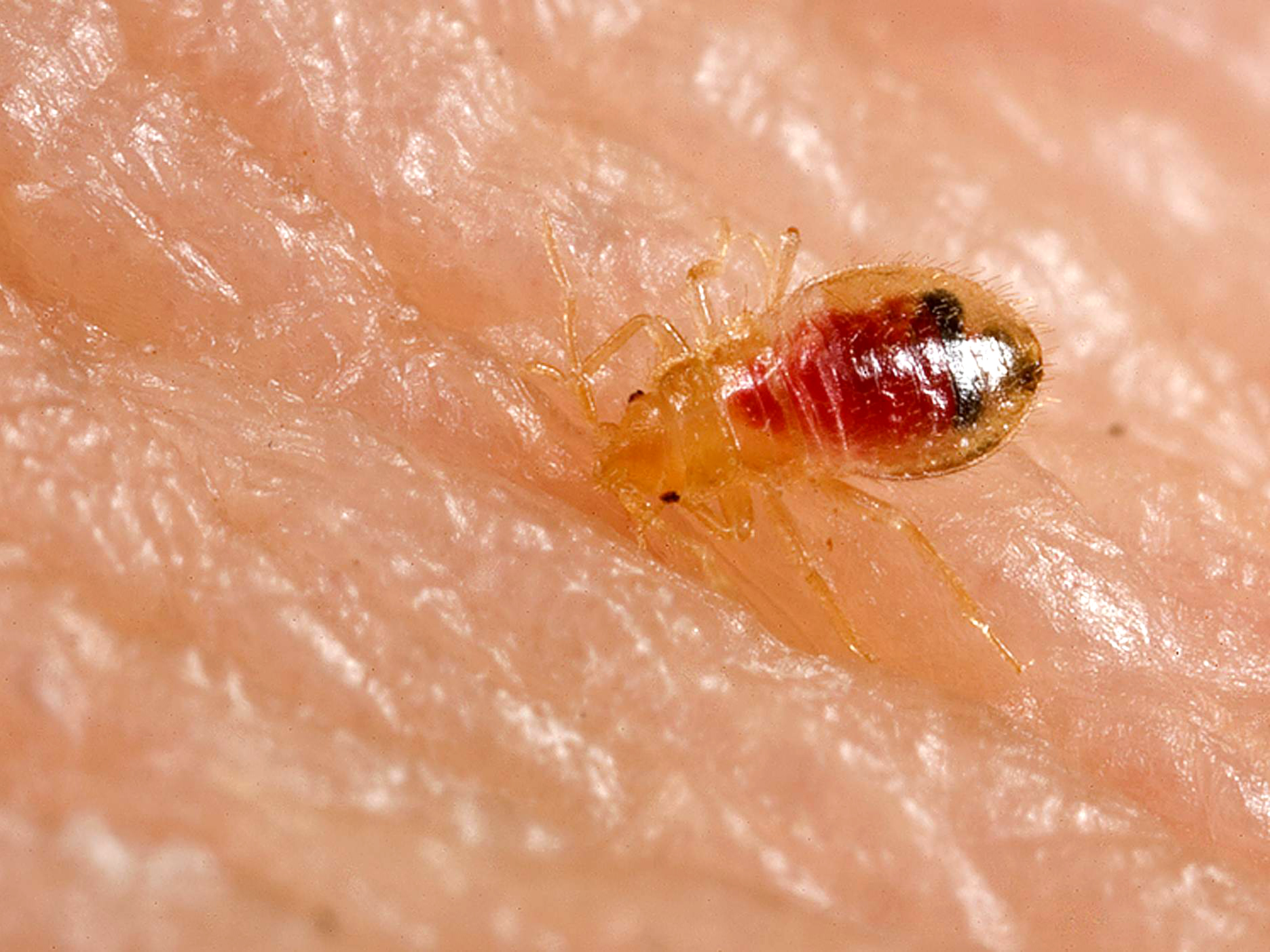
These are real market ranges for New York City, not a national average. Your exact price depends on the variables in the next section.
| Treatment type | Typical NYC range | Suited for |
|---|---|---|
| Targeted chemical treatment (per room) | $300–$1,500 | Early or localized infestations |
| Whole-apartment chemical (multi-visit) | $900–$2,500 | Established infestations across a unit |
| Heat treatment (per unit) | $1,500–$4,000 | Heavy infestations; one-visit resolution |
| K-9 bed bug inspection | $300–$600 | Confirming presence / verifying a clear |
| Studio apartment, full treatment | ~$1,200–$1,800 | Smallest unit footprint |
| 2-bedroom apartment, full treatment | $2,000–$3,500+ | More rooms, more harborage |
Citywide, most single-apartment jobs land between roughly $500 and $5,000, and the often-cited “average” of about $1,500 is a fair midpoint — but averages hide the variables that actually matter in NYC.
What actually drives the price in New York City
National chains quote a single number because they operate one playbook across 400 markets. In NYC, six local factors move the price more than anything in a brochure:
1. Building type
A pre-war walk-up with deep baseboard gaps, radiator penetrations, and shared wall voids is harder to treat than a newer high-rise unit. Bed bugs travel along these pathways between apartments, so the building envelope is part of the job.
2. Multi-unit spread
In a single-family home you treat the home. In an NYC apartment building, a responsible treatment considers adjoining units (next door, above, below). If neighbors are affected and not treated, re-introduction is likely — which is why a cheap “just my apartment” quote can cost more in the long run.
3. Severity and how long it has been going
An infestation caught in week two is a fraction of the cost of one that has been quietly building for six months. Bed bugs reproduce on a predictable timeline, so early detection is the single biggest lever on your bill.
4. Heat vs. chemical
Heat treatment costs more up front but often resolves the problem in one visit and reaches harborage that sprays miss. Chemical treatment costs less per visit but typically requires two or three visits spaced to the bed bug life cycle. Neither is universally “better” — it depends on the unit and the severity.
5. Clutter and prep
NYC apartments are small and storage is scarce. Heavy clutter extends inspection and treatment time and can raise the price, because every harborage point has to be reachable. Good prep on your end genuinely lowers cost.
6. Access and logistics
Walk-up vs. elevator, hallway clearance for heat equipment, and electrical capacity all factor in. This is a cost the nationals bury — and one a local company prices honestly because we deal with these buildings every day.
Who pays in an NYC apartment — you or your landlord?
This is the question that drives most of the panic. In New York City, the Housing Maintenance Code treats bed bugs as a condition the property owner is generally responsible for addressing in rental housing, and under the NYC bed bug disclosure law (Local Law 69 of 2017) landlords must provide tenants an annual bed bug history notice. In practice that means your landlord or managing agent usually arranges and pays for professional treatment in a rental — and a coordinated, building-aware treatment is far more effective than a tenant quietly treating one unit. If you are a tenant, report it in writing to your landlord or super promptly; if you are an owner or property manager, treating affected and adjoining units together is what actually ends the cycle. This is general information, not legal advice — consult HPD or an attorney for your specific situation.
Why no national chain can quote NYC bed bug pricing honestly
A national company has hundreds of markets and cannot publish an accurate single price for any one of them without misrepresenting the others. New York City has its own rules — building types, tenant law, multi-unit spread, walk-up logistics — that simply do not exist in a suburban market. That is exactly why a transparent NYC number has to come from a company that only works here and inspects the actual unit. There is no honest shortcut around the inspection.
How New York Exterminating prices bed bug work
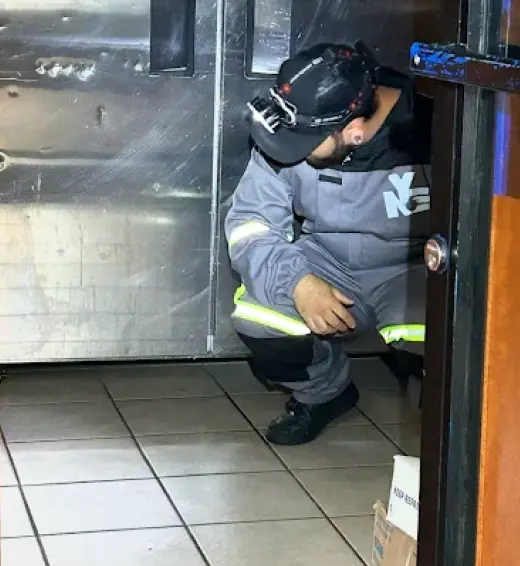
New York Exterminating is a Brooklyn-based, NYSDEC-registered firm led by Jorge Bedoya, an Associate Certified Entomologist (ACE) credentialed by the Entomological Society of America. We give a firm number after an inspection — not a number designed to get a foot in the door and climb later. Depending on the unit and severity, we will recommend heat treatment, a targeted chemical program, or a combination, and we use K-9 inspection to confirm presence and verify a clear. No contracts, fully bilingual (English/Spanish) service, and a client portal with reports and photos. See our bed bug treatment service or our deeper guide on bed bug removal in NYC.
What you are paying for: the treatment methods behind the price
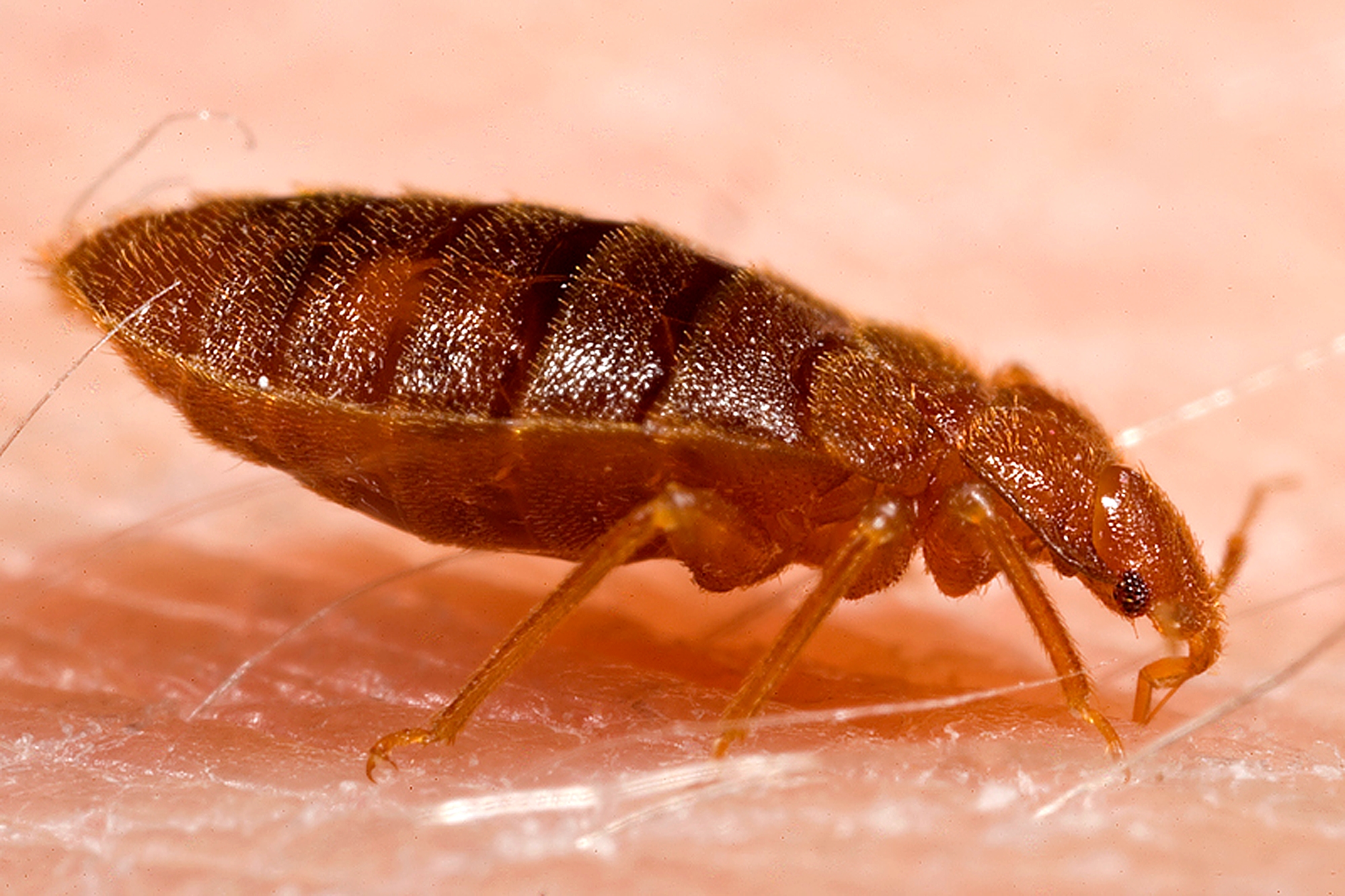
Most of the price difference comes down to method. Bed bugs (Cimex lectularius) can be treated several ways, and each carries a different cost and fit:
- Chemical / residual treatment — the most common and lowest per-visit cost; usually two or three visits spaced to the bed bug life cycle.
- Heat treatment — raises the unit to a lethal temperature in a single visit; higher upfront cost but reaches harborage that sprays miss.
- Cryonite (freezing) — a pesticide-free option that works on contact with rapid cold, useful around electronics and sensitive areas.
- Fumigation — reserved for the heaviest infestations; the highest-cost tier and rarely needed for a single NYC apartment.
- K-9 detection and interceptor monitors — confirm presence before treatment and verify a clear afterward, so you are not paying for treatment you do not need.
- Mattress encasements — a low-cost add-on that protects treated furniture and simplifies monitoring.
A fair quote names the method it includes and why. Be cautious of a flat price with no method specified.
Related pest control costs in NYC
A Brooklyn-based, NYSDEC-registered company (Reg. #15140) led by Jorge Bedoya, an Associate Certified Entomologist (ACE). For bed bugs, NYE provides discreet bed bug treatment (heat and targeted options) verified with a follow-up visit. ACE-led work comes with a client portal of service reports and photos, fully bilingual service, and no long-term contract.
Bed Bug Treatment Cost FAQ
How much does it cost to get rid of bed bugs in one room in NYC?
Targeted chemical treatment of a single room typically runs $300–$1,500 in New York City, depending on severity and clutter. Be cautious of single-room quotes if bed bugs may have spread — treating one room while the unit next door is infested usually leads to re-introduction.
Is heat treatment worth the extra cost?
Often, yes, for heavier infestations. Heat reaches harborage inside furniture and wall voids that sprays can miss and frequently resolves the problem in a single visit, which can make it more cost-effective overall despite the higher upfront price. For light, localized infestations, a targeted chemical program may be the better value.
Why is bed bug treatment so expensive in New York City?
NYC is among the priciest markets because of multi-unit buildings (adjoining apartments often need attention), walk-up and elevator logistics, clutter in small apartments, and high local operating costs. The price reflects the real complexity of treating bed bugs in dense housing, not a markup for its own sake.
Does my landlord have to pay for bed bug treatment?
In NYC rental housing, the property owner is generally responsible for addressing bed bugs, and landlords must provide an annual bed bug history disclosure (Local Law 69). Report the problem in writing to your landlord or super. This is general information, not legal advice.
Can I just buy a bed bug spray and do it myself?
Over-the-counter sprays kill the bugs you hit but rarely reach the eggs and hidden harborage, and some products cause bed bugs to scatter to neighboring rooms or units — which can make the problem worse and more expensive. For anything beyond a single confirmed item, professional treatment is more reliable.
Want a real NYC number instead of a vague estimate? Get a bed bug inspection and a firm, no-contract quote from an Associate Certified Entomologist. New York Exterminating serves all five boroughs. Call (347) 210-4646 or see our bed bug service.
Reviewed by Jorge Bedoya, Associate Certified Entomologist (ACE), New York Exterminating. Price ranges reflect the NYC market in 2026 and are for general guidance; your exact cost depends on an inspection of the specific unit.
Why do some companies quote so much less?
Low quotes usually cover a single spray of one room. Bed bugs hide in furniture seams, outlets and baseboards across the whole unit, so a one-room spray often has to be repeated. Our quote covers the full treatment plan for the unit and is confirmed after an inspection, before any work starts.
How soon can you come?
Same-day service is often available when you call before 3 pm, and most inspections are scheduled within 48 hours. We answer pest emergencies 24/7 at (347) 210-4646.
Do you require a monthly contract?
No. Bed bug treatment is a one-time service. If the same service is needed again within 6 months, it is 50% off the original price.