Straight answers from a licensed New York exterminator and Associate Certified Entomologist (ACE) — serving all five boroughs, in English and Spanish.
Get a Free Estimate →⏱ 13 min read
Before hiring a pest control company in NYC, verify six things: (1) a current NYSDEC pesticide license, (2) real credentials like an Associate Certified Entomologist (ACE) on staff, (3) an inspection-first process (never a price quoted sight-unseen), (4) the actual method they’ll use (correct diagnosis + the right products + exclusion + follow-up, not spray-and-pray), (5) a written, honored guarantee with no lock-in contract, and (6) transparent pricing and genuine reviews. The most common reason people regret a pest-control purchase isn’t price — it’s that the treatment didn’t work and nobody stood behind it.
Choosing who to trust with a pest problem is harder than it should be, because “exterminator” covers everything from a national chain’s door-to-door salesperson to a board-certified entomologist. The wrong choice usually means paying twice. This is the complete, no-spin buyer’s guide — what to check, what to ask, what to expect, what it should cost, and the exact red flags that show up over and over in real customer reviews. Written and reviewed by Jorge Bedoya, an Associate Certified Entomologist (ACE) at New York Exterminating.
- ✓ Current NYSDEC pesticide license (ask for the number)
- ✓ ACE / credentialed expertise on staff — not just a sprayer
- ✓ Inspects first, then quotes — never a price sight-unseen
- ✓ Explains the method: correct ID, right product, exclusion, follow-up
- ✓ Written guarantee they’ll actually honor
- ✓ No forced contract / no auto-renewal
- ✓ Transparent pricing — scope and cost in writing, no hidden fees
- ✓ Reliable (shows up) and communicates (answers, documents)
- ✓ Safe approach for kids & pets (low-impact IPM)
- ✓ Genuine reviews that mention real results
1. Licensing: the legal minimum
In New York, anyone applying pesticides commercially must hold a NYSDEC pesticide applicator license. This is the floor, not a badge of excellence — but a company that can’t produce a license number is a hard no. (New York Exterminating is NYSDEC-licensed, #15140.) Ask for it and verify.
2. Credentials: the difference between a sprayer and an expert
A license means someone passed a basic state exam. An Associate Certified Entomologist (ACE) — certified by the Entomological Society of America — has documented field experience and passed an exam in insect identification, biology, and control. On the hard problems (German cockroaches, bed bugs, mystery bites), correct identification decides the outcome, and that’s exactly where credentials matter. See ACE vs. a regular exterminator and what an ACE is.
3. Inspection first — never a price sight-unseen
The right plan depends on the pest, the severity, and the building — none of which can be known without looking. A good company inspects first, identifies the pest, then quotes a plan. A sight-unseen flat price is a warning sign.
4. The method: how do they actually solve it?
This is the heart of it. Ask how they’ll handle your pest, and listen for whether they treat the source or just the symptom.
What “done right” looks like by pest:
- German cockroaches: gel bait + insect growth regulator placed in harborage, not repellent spray (which scatters them). See German cockroach extermination.
- Bed bugs: confirm first (often K-9), then a documented protocol — conventional, heat, or both — with follow-up timed to the egg hatch. See bed bug treatment and DIY vs. professional.
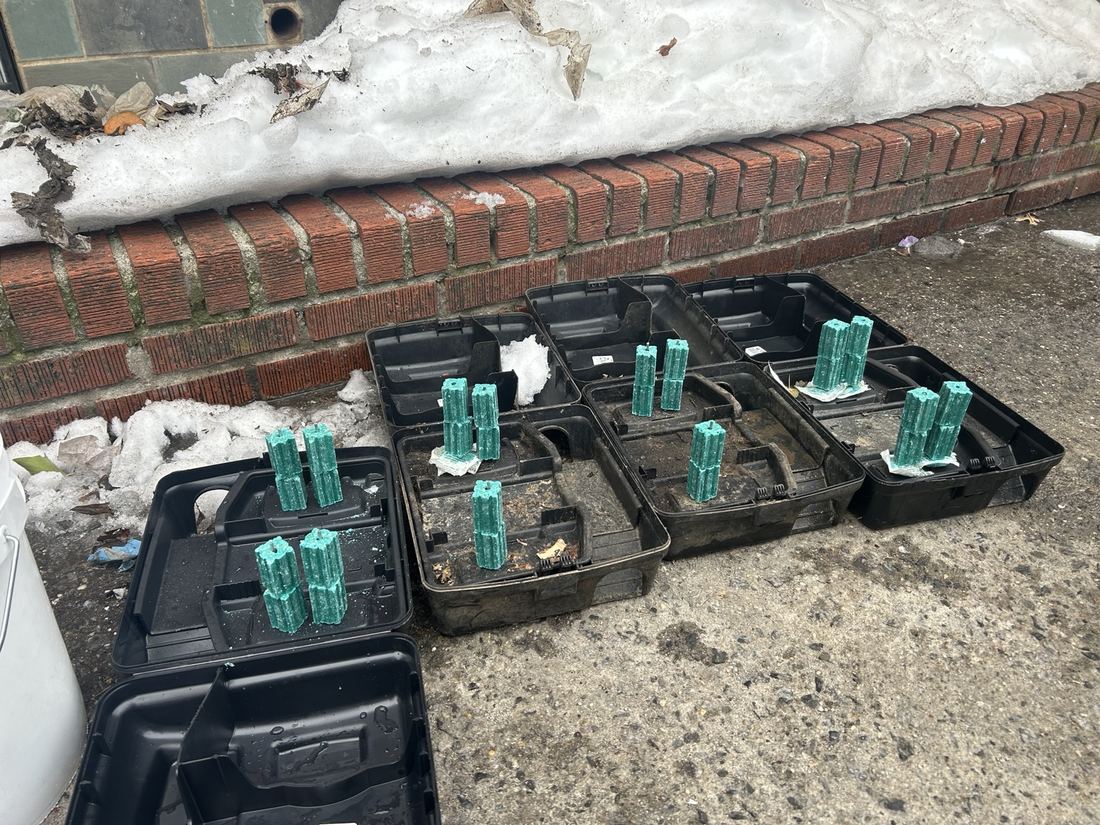
- Rats & mice: seal the entry points with metal exclusion — bait alone never holds. See rodent control & exclusion.
- Termites: a real inspection and honest WDO report — missed or faked inspections cause the most expensive failures.
5. The guarantee — in writing, and honored
Get the guarantee in writing, and ask what happens if the problem isn’t solved. A company confident in its method will stand behind it.
6. Contracts: avoid the lock-in trap
You should be able to get effective service without a forced long-term contract or auto-renewal. Read the cancellation terms before you sign anything — on a tablet or otherwise.
7. Transparent pricing & scope
Insist on the scope and price in writing before work begins: what’s included, how many visits, what’s extra. (More on cost below.)
8. Reliability & communication
A good company shows up in the window it promised, returns calls, and documents what it found and did. Ask whether you’ll get a written report.
9. Safety for kids & pets
Ask about the products and re-entry time. The best companies use Integrated Pest Management (IPM) — the least-invasive effective option — and tell you how to keep children and pets safe (some products, like permethrin, are toxic to cats). A company that won’t discuss what it’s applying is a pass.
10. Reviews & reputation
Read the 1- and 2-star reviews, not just the 5-stars — they tell you how a company behaves when something goes wrong. Look for patterns (does it stand behind the work?), a real address, and a verifiable license and credentials.
Questions to ask before you hire
- What’s your NYSDEC license number?
- Is an ACE or credentialed entomologist involved in my treatment?
- Will you inspect and identify the pest before quoting?
- Exactly how will you treat my pest — and how do you prevent it from coming back?
- What’s the guarantee, and is it in writing?
- Is there a contract or auto-renewal? How do I cancel?
- What’s the total price and scope, in writing? Any added fees?
- How many visits, and how do follow-ups work?
- What products do you use, and how do I keep kids/pets safe?
What to expect from a good pest-control visit
A thorough first visit is not five minutes of baseboard spraying. Expect a real inspection (finding the source and entry points), a clear explanation of what you have and why, a targeted treatment matched to the pest, advice on prevention, and a plan for follow-up where the pest’s biology requires it (e.g., bed bug eggs, roach hatch cycles).
How much should pest control cost in NYC?
Price depends on the pest, the severity, the size and type of building, and whether follow-ups are needed — which is exactly why a credible quote follows an inspection. As a rough frame: a routine one-pest treatment is modest; bed bugs, heavy German-roach infestations, and rodent exclusion cost more because they require specialized methods and multiple visits. The cheapest quote is rarely the cheapest outcome — the reviews are full of people who paid a low price twice. Get a written scope and compare like-for-like. Request a free inspection & estimate.
NYC renters: who pays for pest control?
In NYC, landlords are generally responsible for pest control in rental housing. Bed bugs are a Class B (hazardous) violation that must be addressed within 30 days; rodents and roaches within 21 days. If a landlord won’t act, tenants can file with 311/HPD. Full detail: NYC bed bug laws & tenant rights.
DIY vs. hiring a pro
For a single ant trail or one stray bug, DIY may be fine. For anything that breeds, hides, or spreads — German cockroaches, bed bugs, rats — DIY usually costs more in the long run because store products miss eggs and harborage. Compare honestly in DIY vs. professional bed bug treatment. Not sure what you even have? Try the free What’s Biting Me? identifier.
Why this matters more in 2026
Accurate identification and an accountable, credentialed professional — bound by a code of ethics — is the difference between solving the problem once and paying for it over and over. Every New York Exterminating job is led by an ACE, with no forced contracts and a real commitment to standing behind the work. If you’re comparing companies, that’s the standard to hold them to.
A Brooklyn-based, NYSDEC-registered company (Reg. #15140) led by Jorge Bedoya, an Associate Certified Entomologist (ACE). For pests in your home or building, NYE provides IPM-based, low-exposure control matched to the exact pest and verified with a follow-up. ACE-led work comes with a client portal of service reports and photos, fully bilingual service, and no long-term contract.
Frequently asked questions
How do I choose a good pest control company in NYC?
Verify a NYSDEC license, look for an ACE or credentialed entomologist, require an inspection before any quote, ask exactly how they’ll treat your pest and prevent its return, get a written guarantee with no lock-in contract, and check the 1-star reviews for whether they stand behind their work.
Should an exterminator give a price before inspecting?
No. A price quoted sight-unseen is a red flag — the right plan depends on the pest, the severity, and the building. Expect an inspection first.
Why do pest control treatments fail?
Almost always because of wrong diagnosis or “spray-and-pray” — missing the source, using the wrong product, skipping exclusion, or not following up on the egg/hatch cycle. Pests then return or were never identified correctly.
Should I sign a pest control contract?
You don’t have to. Many complaints involve 12-month lock-ins, auto-renewals, and charges after cancellation. Look for a company that earns repeat business without a forced contract, and always read cancellation terms before signing — even on a tablet.
What license does an NYC exterminator need?
A New York State (NYSDEC) pesticide applicator license. Ask for the number and verify it.
Is professional pest control safe for kids and pets?
It can be, when done with Integrated Pest Management and the least-invasive effective products. Tell the company you have children or pets, ask what they’re applying, and follow the re-entry guidance.
How much does pest control cost in NYC?
It depends on the pest, severity, and building, which is why a credible quote follows an inspection. Routine single-pest service is modest; bed bugs, heavy roach infestations, and rodent exclusion cost more due to specialized methods and follow-ups.
Who is responsible for pest control in a NYC rental?
Generally the landlord. Bed bugs must be addressed within 30 days (Class B violation); rodents and roaches within 21 days. Tenants can escalate to 311/HPD if a landlord won’t act.
Start with a free, no-pressure inspection from an ACE. Get a free estimate or call (347) 210-4646.
About the author: Written and reviewed by Jorge Bedoya, an Associate Certified Entomologist (ACE) at New York Exterminating, who leads the company’s most complex cases across NYC.
Why New Yorkers choose NYE
Led by an ACE
Every job is overseen by Jorge Bedoya, an Associate Certified Entomologist (ESA) — not a call center.
No contracts
One thorough treatment with an optional 50%-off verification visit. No auto-renewal, no lock-in.
Elimination, not spraying
Resistance-aware methods — including our signature microinjection — that target the source, with documentation.
Licensed & local
NYSDEC Reg. #15140, serving all five boroughs since 2010. Fully bilingual (EN/ES).
Backed by science, not guesswork. Your treatment is led by Jorge Bedoya, an Associate Certified Entomologist (ACE) credentialed by the Entomological Society of America — correct pest ID, resistance-aware products, and a documented plan.
What happens after you call
- Fast response. Call (347) 210-4646 — same-day appointments are often available, including after-hours emergencies.
- Inspection & ID. We confirm the pest and find the source, not just where you saw it.
- Targeted treatment. A resistance-aware plan matched to the pest, explained before we start.
- Verification & prevention. Optional follow-up to confirm zero activity, plus reports and photos in your client portal.