Straight answers from a licensed New York exterminator and Associate Certified Entomologist (ACE) — serving all five boroughs, in English and Spanish.
Get a Free Estimate →⏱ 8 min read
A good bed bug dog is an incredible tool. But a K9 inspection is only as reliable as the handler behind it — and there’s one simple test that tells you whether the dog in your home is calibrated and honest. From an Associate Certified Entomologist.
How bed bug dogs actually work
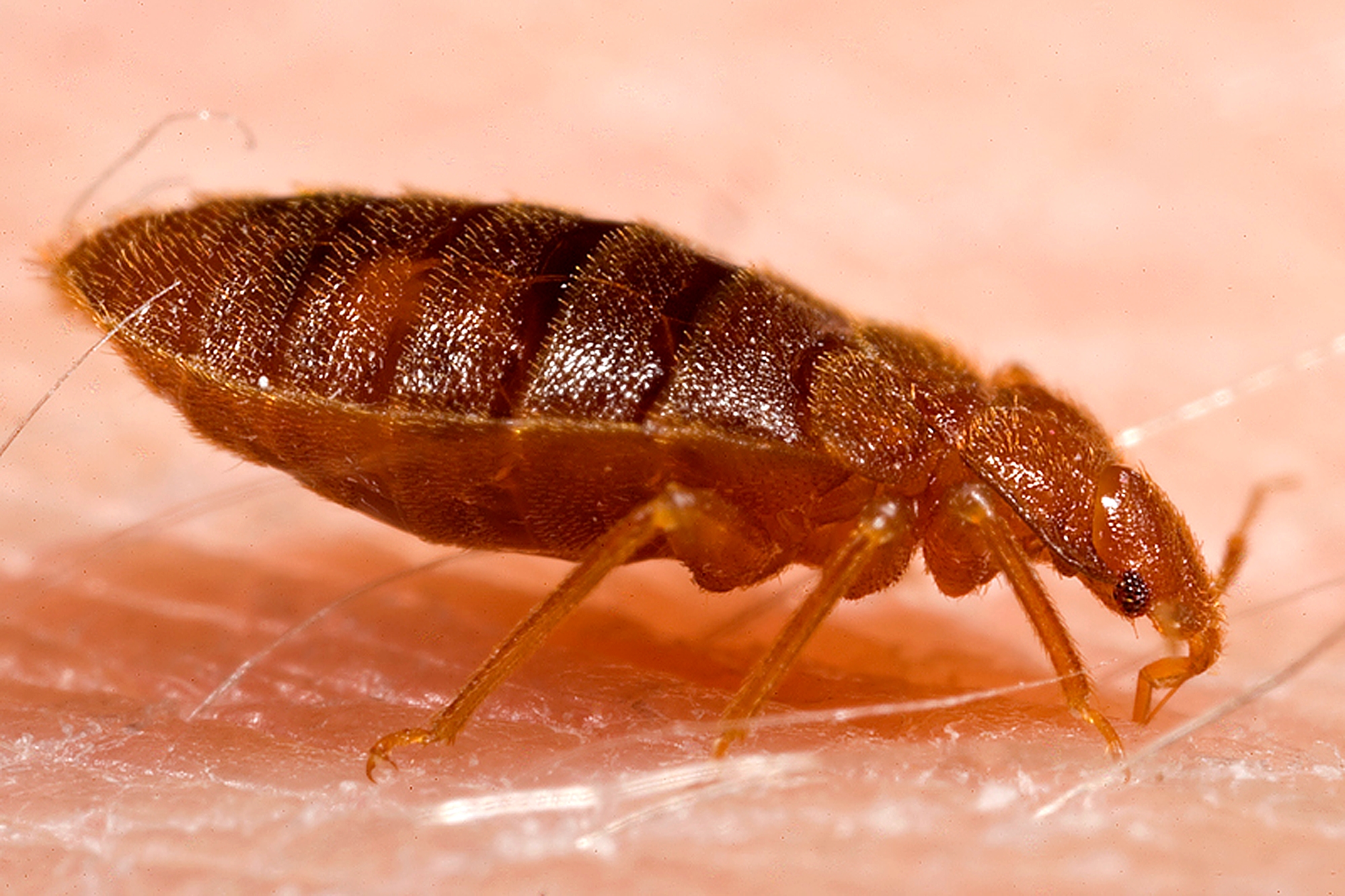
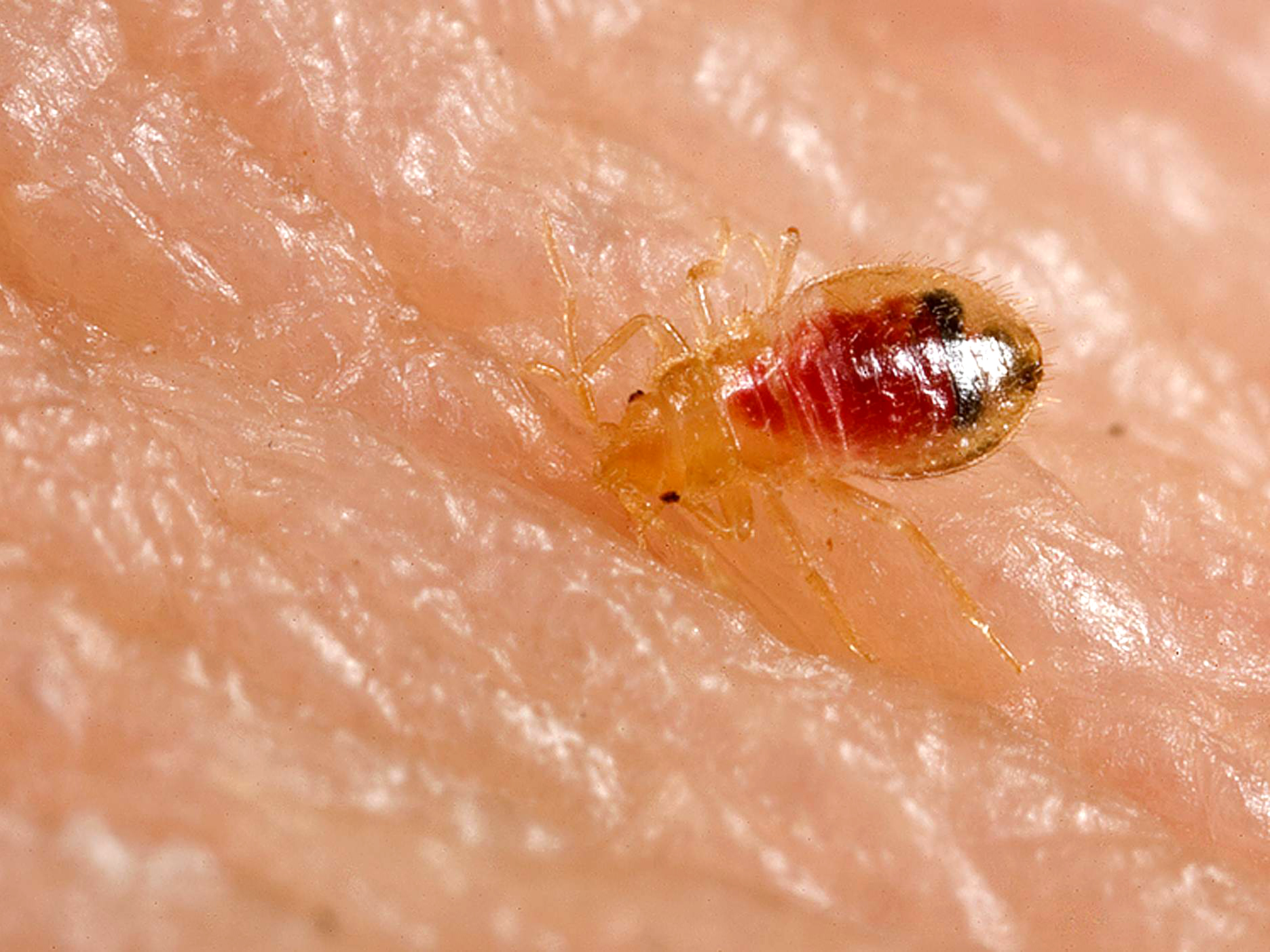
Trained detection dogs are taught to alert to the specific scent of live bed bugs and viable eggs — not dead bugs or old cast skins. In controlled studies, a well-trained dog can be highly accurate, and a good nose can locate a hidden harborage far faster than a visual search. The key words are “well-trained” and “controlled.” In a real, cluttered apartment, with a handler who may or may not maintain the dog properly, results vary enormously.
Why K9 inspections fail
- Reward motivation. Dogs work for a treat or a toy. A dog that isn’t carefully handled can learn that alerting earns the reward — so it alerts whether or not bugs are there.
- Handler cueing (the “Clever Hans” effect). Dogs read body language brilliantly. A handler who expects bugs in a spot can unconsciously signal the dog, which then “confirms” the handler’s hunch.
- Lack of maintenance. Detection dogs need frequent, ongoing training on live samples to stay calibrated. A dog that isn’t proofed regularly drifts — more false alerts, or missed bugs.
- Distractors. Dead bugs, shed skins, old inactive infestations, food, and strong odors can trigger false alerts. Heat, airflow, and clutter also degrade accuracy.
- Incentive conflict. When the same company that runs the dog also sells the treatment, there’s a built-in incentive to over-alert. That’s the failure mode that costs people the most money.
— Jorge Bedoya, Associate Certified Entomologist (ACE)
How to spot a good K9 team
Other signs of a trustworthy inspection:
- Every alert is visually confirmed. The inspector looks for actual evidence — live bugs, shed skins, eggs, or fecal spotting — before calling it an infestation.
- Certification and training logs. A reputable handler can show current scent-detection certification and a record of regular training.
- Independence, or transparency. The most trustworthy result comes from a team that doesn’t automatically profit from finding bugs — or that’s at least upfront about it and welcomes independent confirmation.
- Willingness to explain. A good handler wants you to understand what an alert means and doesn’t rush you into treatment.
An alert is a lead — not a diagnosis
This is the whole point. A K9 alert tells you where to look; it doesn’t, by itself, prove an active infestation. A responsible inspection confirms the alert with real evidence, and reconciles it with your actual symptoms — the same rigor we bring when someone feels bitten but no bugs are found. Just as important: a clean sweep from a well-run dog is genuinely reassuring evidence that there’s nothing active — often exactly what an anxious client needs to hear, backed by proof.
Want to know what real evidence looks like? See our guide on how to check for bed bugs and our bed bug treatment approach.
Book a free consultation → or call (347) 210-4646
A Brooklyn-based, NYSDEC-registered company (Reg. #15140) led by Jorge Bedoya, an Associate Certified Entomologist (ACE). For bed bugs, NYE provides discreet bed bug treatment (heat and targeted options) verified with a follow-up visit. ACE-led work comes with a client portal of service reports and photos, fully bilingual service, and no long-term contract.
Bed bug dog inspection FAQ
Are bed bug dogs accurate?
A well-trained, well-handled dog can be highly accurate in controlled conditions and can find live bed bugs and viable eggs a person would miss. But real-world accuracy varies and depends heavily on how well the handler maintains and reads the dog. Treat an alert as a strong lead, then confirm it visually.
Why do bed bug dog inspections sometimes fail?
Dogs are reward-motivated, so a poorly maintained dog may false-alert to earn a treat, or a handler may unintentionally cue the dog. Accuracy also drops without frequent training on live samples, and it can be thrown off by dead bugs, cast skins, food odors, clutter, heat, and airflow.
What is the best sign of a trustworthy K9 inspection?
The inspector arrives with a live bed bug sample and does an on-site demonstration, proving the dog can find a known live source in your space that day. Combined with visual confirmation of every alert, certification, and training logs, that demonstration is the clearest sign the team is calibrated and honest.
Should I trust a bed bug dog alert on its own?
No. An alert is a lead, not a diagnosis. A responsible inspector will always try to visually confirm the alert with actual evidence before recommending treatment. Treatment based on an unconfirmed alert alone is a red flag.
Can a bed bug dog give a false positive?
Yes. False positives happen when a dog alerts for a reward, responds to handler cues, or reacts to distractors like dead bugs or food. This matters most when the company running the dog also sells the treatment. Independent verification protects you.
Is a negative result from a bed bug dog meaningful?
From a well-trained, well-handled dog, a clean sweep is useful evidence that there is no active infestation, especially combined with an entomologist’s visual inspection and an honest read of your symptoms.
Why an entomologist should stand behind the dog
New York Exterminating is led by Jorge Bedoya, an Associate Certified Entomologist (ACE). A dog is a tool; the diagnosis belongs to a trained professional who confirms what the dog finds and reconciles it with the evidence and your symptoms. We keep our callback rate under 1% because we treat what’s actually there — not what an unconfirmed alert suggests. Call (347) 210-4646 for an honest inspection.