Pest control technician jobs in NYC
Paid, hands-on training from an Associate Certified Entomologist (ACE). No experience needed, just the right attitude, a strong back and the drive to build a real career.
- $20–$32 per hour
- Full-time or part-time
- Paid holidays
- Midwood, Brooklyn · all five boroughs
- English and Spanish
New York Exterminating (NYE Pest Control) is hiring pest control technicians in NYC. Trainees earn $20–$25 per hour and licensed operators $25–$32, plus overtime, commissions, tips, paid holidays and two weeks of paid vacation after six months. Every new hire is trained hands-on by Jorge Bedoya, ACE, out of our Midwood, Brooklyn base. No experience is required to apply.
The work you would be doing
New York Exterminating, Inc. is an ACE-led pest control company in Midwood, Brooklyn. Since 2010 we have served homes, apartment buildings, restaurants and offices across all five boroughs plus Nassau and Westchester, in English and Spanish.
German cockroaches
NYE’s three-step Trio Protocol, designed to resolve most infestations in a single visit.
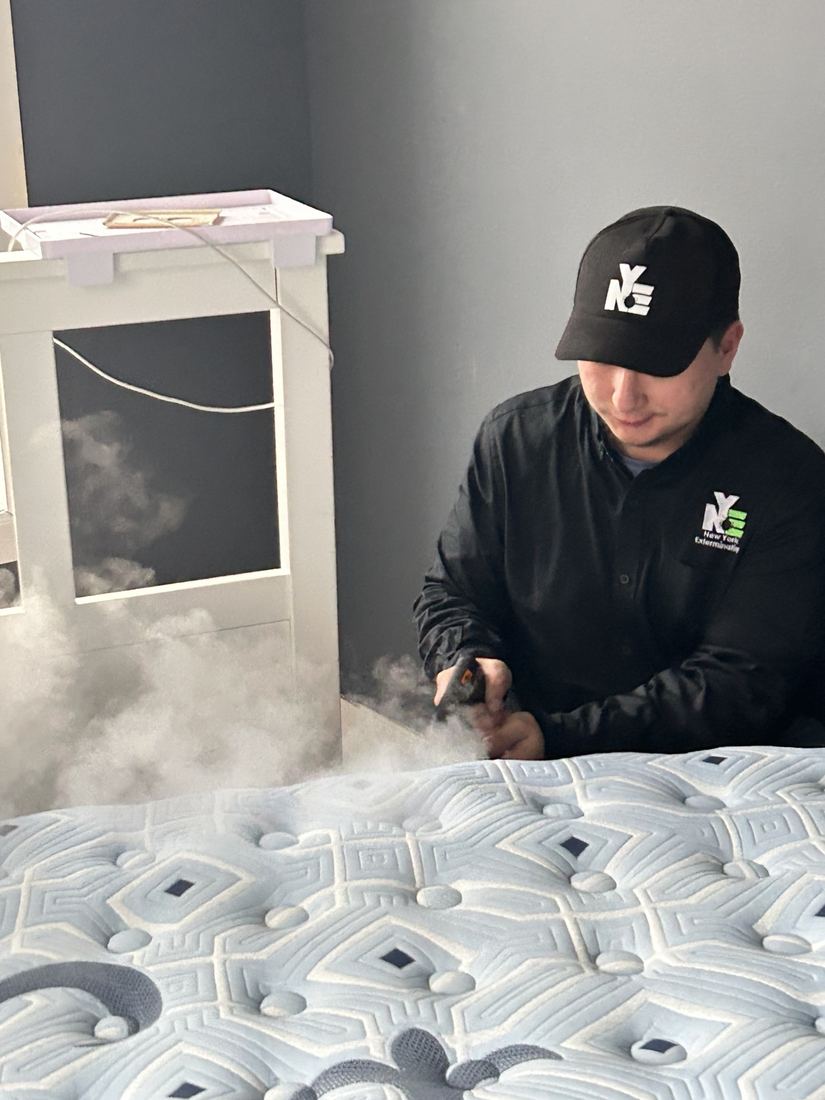
Bed bugs
Inspection, preparation, steam and dust treatment over two visits.
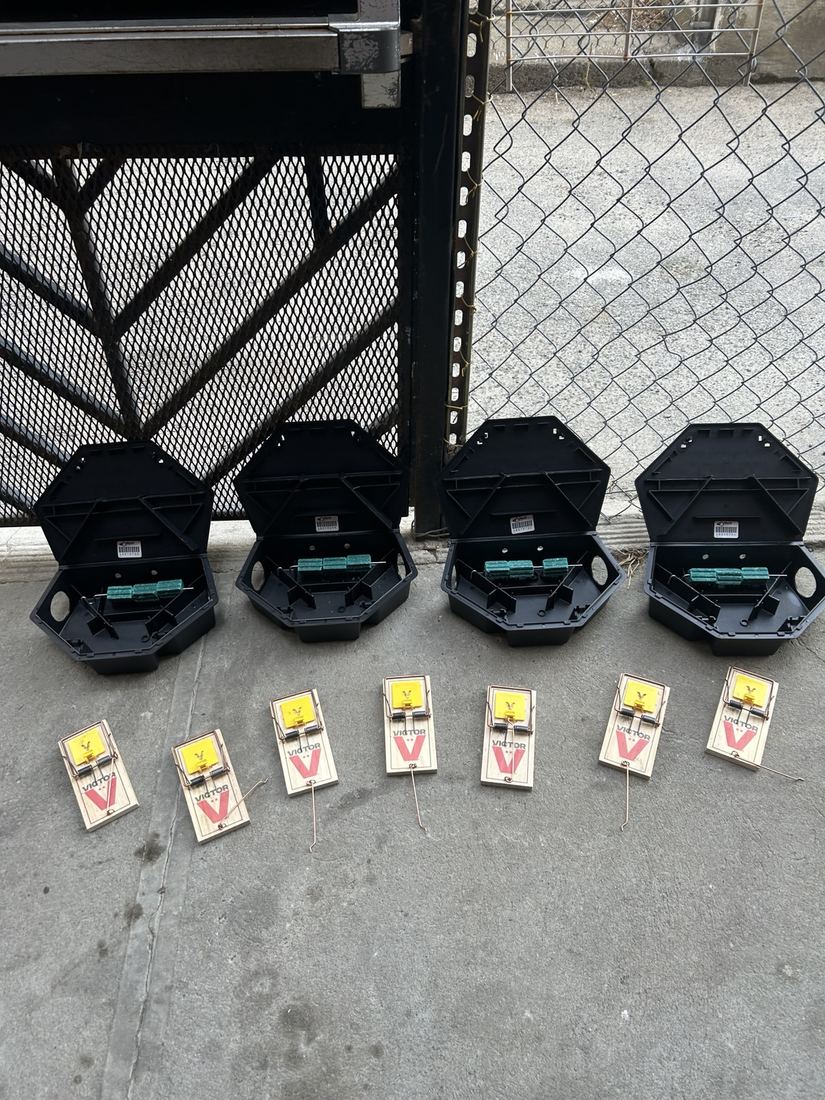
Mice and rats
Inspection, trapping and exclusion: rodents are sealed out, not foamed.
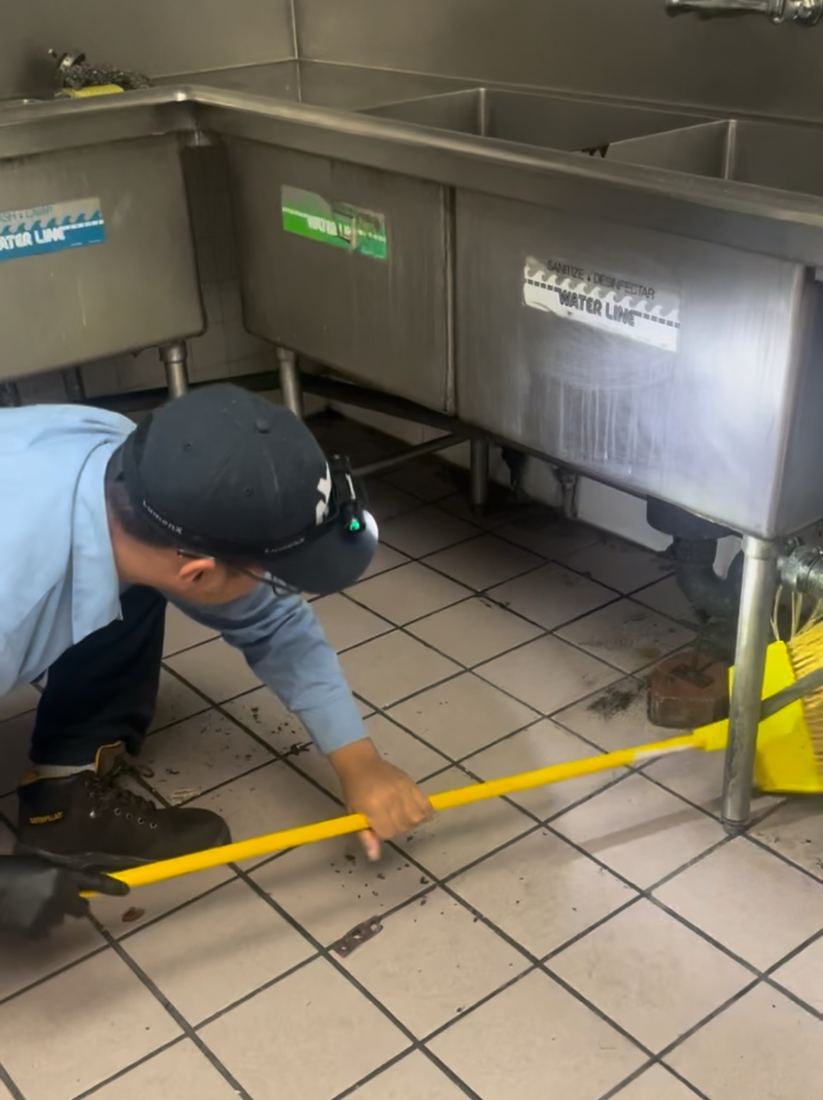
Restaurants and offices
Scheduled service, drain fly treatment and health-department logbooks.
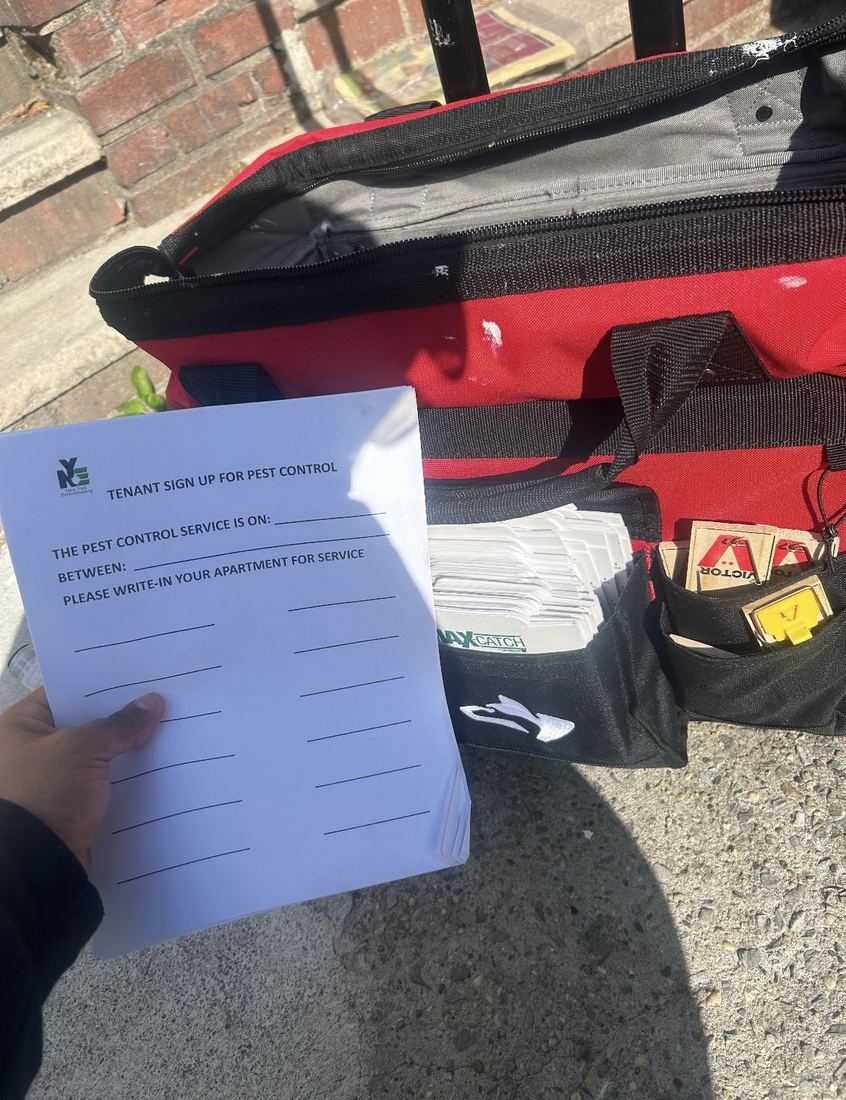
Apartment buildings
Building-wide programs for property managers, unit by unit.
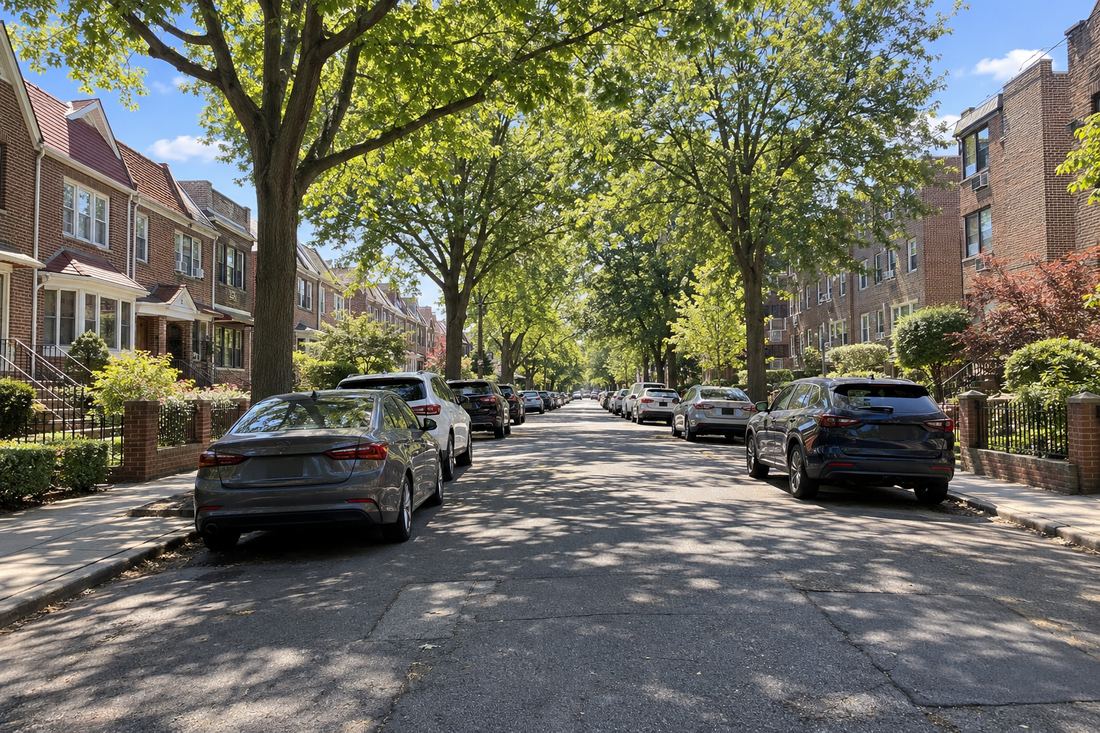
Where we work
All five boroughs plus Nassau and Westchester, from our Midwood base.
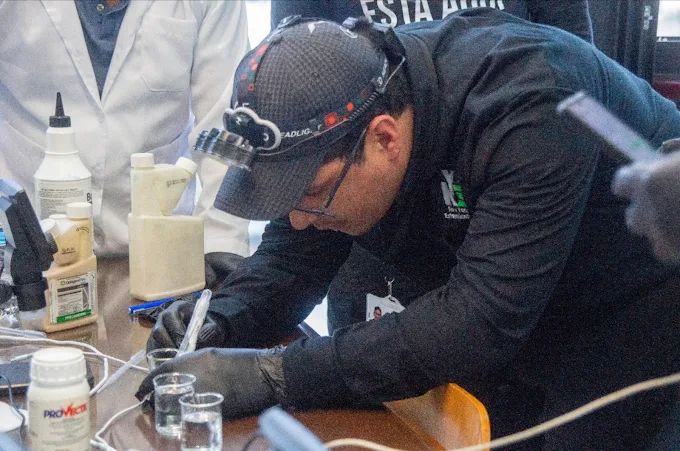
Learn from an ACE, not a manual
NYE technicians learn directly from Jorge Bedoya, Associate Certified Entomologist (ACE), NYSDEC #15140. ACE is the professional credential administered by the Entomological Society of America.
Every new hire shadows an experienced technician for at least a month before working alone. Even licensed technicians go through the full program, because NYE’s methods differ from what most companies teach.
What is an ACE?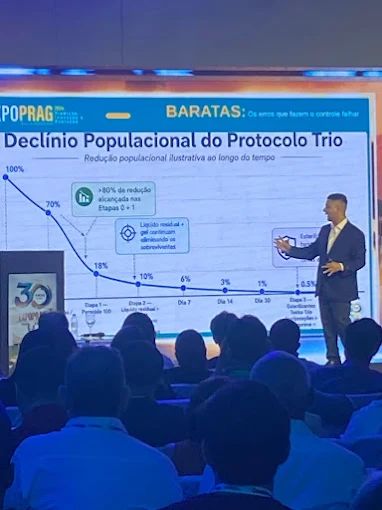
Why train at NYE
Most pest control jobs teach you to spray a baseboard and move to the next door. NYE teaches you to solve the problem the first time, and pays you to get good at it.
Trained by an ACE
You learn directly from Jorge Bedoya, ACE, NYSDEC #15140, on real jobs from your first week.
Work designed to resolve
NYE’s German cockroach service is designed to resolve in a single visit, with a callback rate under 1%. You learn the methods behind that number, including the Trio Protocol.
No spray-and-go routes
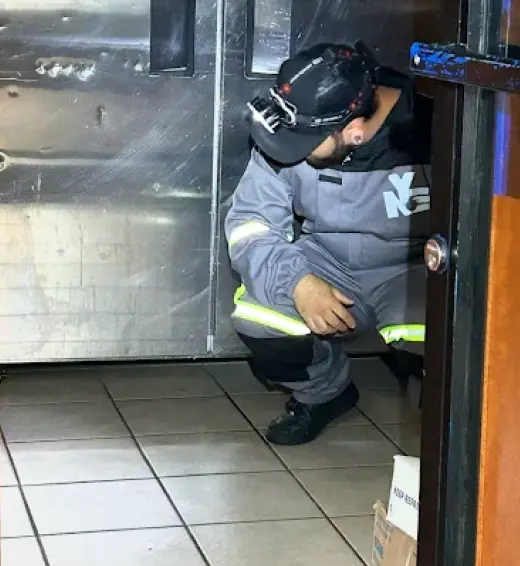
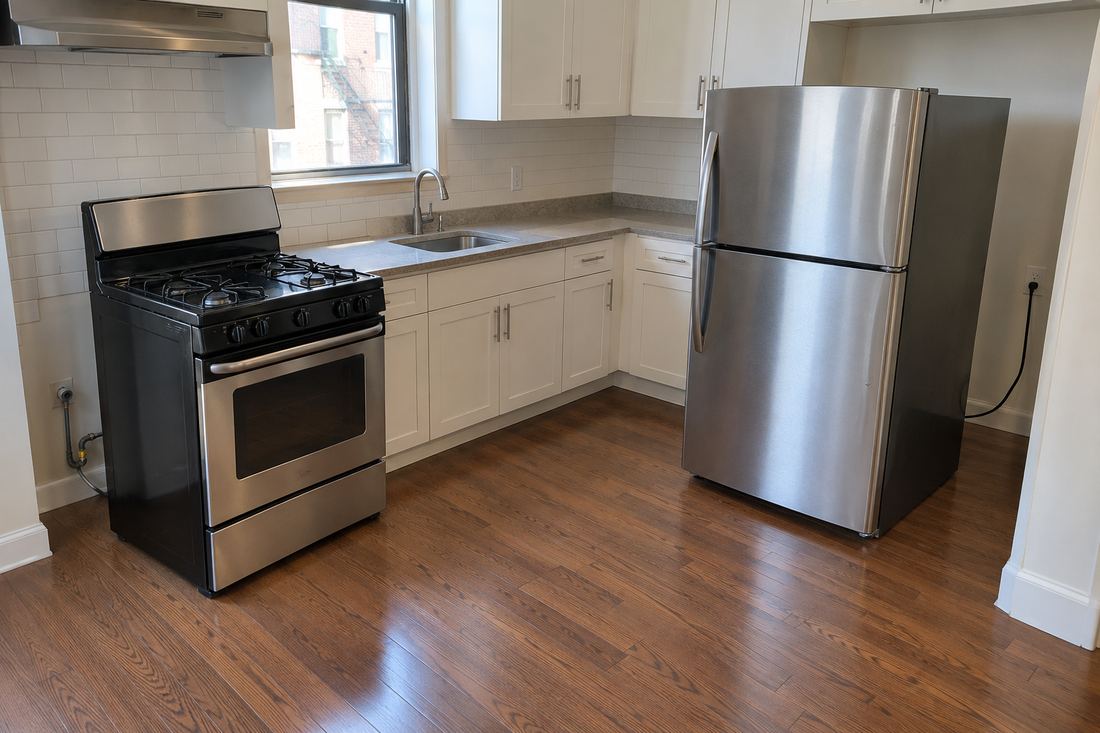
NYE does not sell monthly spray contracts. Technicians spend one to one and a half hours in an apartment, pull out stoves and refrigerators, and document every job.
Skills few companies teach
Micro-injection, sheet metal and elastomeric sealing, tracking and UV powder application, and how insect growth regulators collapse a population.
In business since 2010
Serving all five boroughs plus Nassau and Westchester, in English and Spanish, from 1115 E 13th St in Midwood.
A real career ladder
Every technician is evaluated for a trainer or management role after one year. NYE’s operations manager started as a field technician.
The job at a glance
| Position | Pest Control Technician, hired as a Trainee (no license yet) or a Licensed Operator (current NYSDEC certification) |
|---|---|
| Pay | $20–$25/hr trainee · $25–$32/hr licensed. Where you start depends on experience, license categories held, driver’s license and whether you use your own vehicle for work. |
| Employment | Hourly, non-exempt. Overtime at time-and-a-half over 40 hours. |
| Full-time schedule | 40 hours, ideally Wednesday–Sunday. Tuesday–Saturday also available. |
| Part-time schedule | Friday–Sunday, for students or people with another job |
| Daily hours | 8:00 AM to 5:00 PM with a one-hour lunch. First stop between 8:00 and 8:30 AM. Finish early when the route is done. |
| Base | 1115 E 13th St, Brooklyn, NY 11230 (Midwood). Routes across Brooklyn, Queens, Manhattan, the Bronx and Staten Island. |
| Getting around | Walking routes by foot and public transit. A car helps your pay; it is not required. |
| Customers | Apartments and houses, buildings managed by property companies, restaurants, commercial kitchens and offices |
| Training | At least one month shadowing before working solo, inside a 90-day training period |
| Provided | NYE logo work shirts and cap, equipment, products, the work app, and all training |
Pay, benefits and time off
Base pay rises as you earn your license and build skills. On top of it, there are several ways to earn more by doing more.
How the extra hours work
Extra work is available to anyone who wants it. At 3:00 PM every day, technicians check in with the office. If there are specials, after-hours jobs, or next-day jobs that can be pulled into the 5:00 to 6:00 PM window, that is when they are offered. Steady after-hours work is paid as an hourly premium; a one-off evening call is paid as a per-call bonus.
How the commissions work
Once you are trained on NYE’s pricing procedures, you can bring in new customers through your own network or spot extra service needs on the job. You never quote prices yourself; you pass the opportunity to the office, which confirms and schedules it. When it closes, the commission lands on your next paycheck.
Mileage or gas reimbursement if you use your own vehicle for work. Sick leave follows NYC’s Earned Safe and Sick Time Act.
What a week can look like
Worked examples using NYE’s posted rates, not promises. Your pay depends on your rate, your hours and the extra work you choose to take.
| Example | Hourly rate | Hours | Extras | Week, before taxes |
|---|---|---|---|---|
| New trainee, 40-hour week | $20.00 | 40 | None | $800 |
| Trainee, 40 hours + 5 overtime | $22.00 | 45 | 5 hrs × $33.00 overtime | $1,045 |
| Licensed operator, 40-hour week | $28.00 | 40 | Two 5-star reviews ($60) | $1,180 |
| Licensed with own vehicle, 40 + 5 overtime | $32.00 | 45 | 5 hrs × $48.00 overtime, one new recurring account ($50) | $1,570 |
| Part-time, Friday–Sunday | $21.00 | 24 | None | $504 |
Tips, mileage reimbursement, holiday pay and after-hours call pay are on top of these figures.
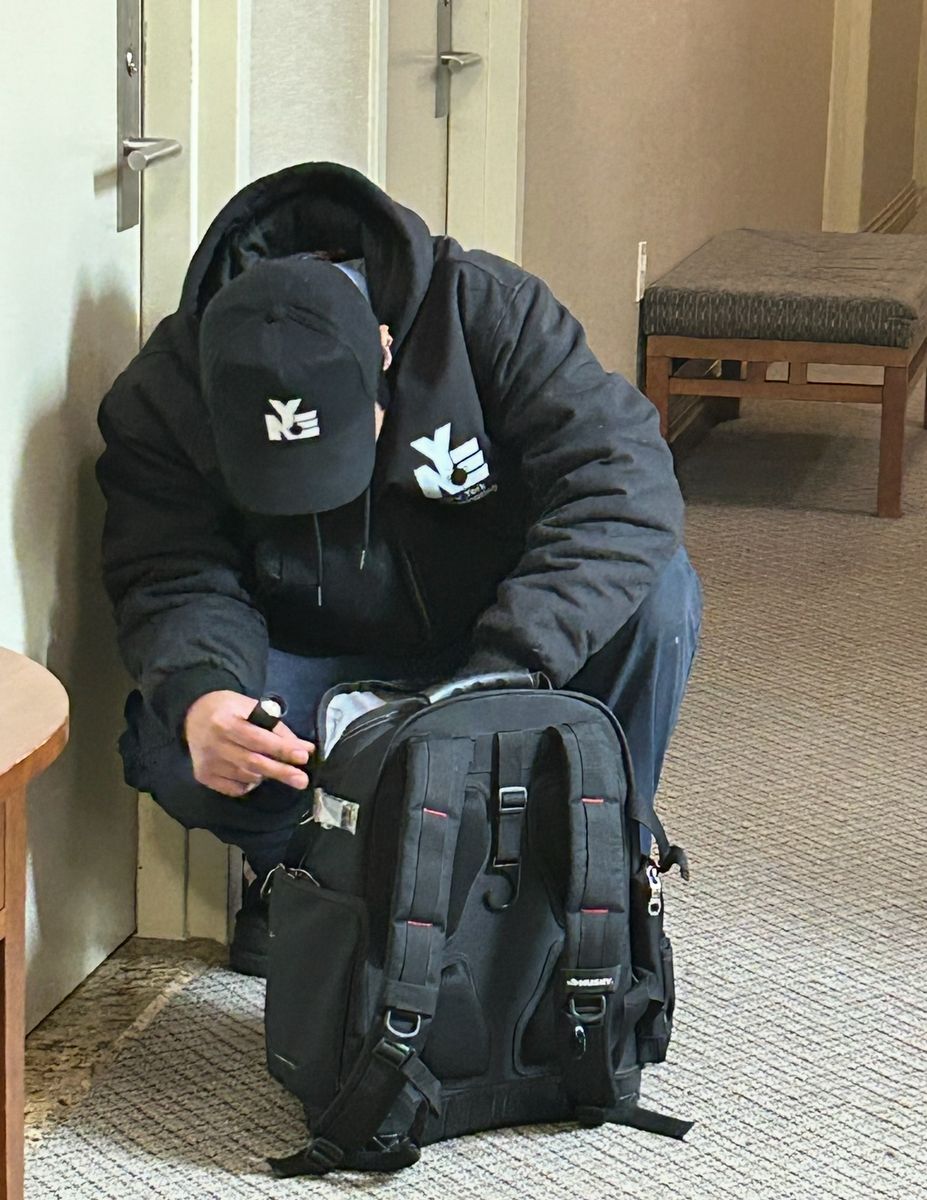
What the work actually is
You will spend your day inside New York City homes and businesses, finding where pests live and treating them precisely.
Apartments and homes
German cockroaches, mice, bed bugs and ants, mostly in walk-up and pre-war buildings.
Building-wide jobs
Every unit on up to five floors for property managers, each treated and recorded separately.
Commercial accounts
Restaurants, kitchens and offices: drain foaming for flies, monitors and health-department logbooks.
Pests you will learn to handle
| Pest | What you will learn |
|---|---|
| German cockroach | NYE’s three-step Trio Protocol, appliance pull-outs, crack-and-crevice baiting, reading a callback |
| American and Oriental cockroaches | Identification, where they come from in NYC buildings, targeted treatment |
| Mice and rats | Inspection for runways and entry points, bait stations, snap and monitoring traps, when to recommend exclusion |
| Bed bugs | Inspection, preparation, and NYE’s multi-visit treatment approach |
| Ants | Baiting so the colony carries it back, instead of scattering it |
| Flies (commercial) | Drain foaming, monitors, sanitation notes for kitchens |
Six stages, every visit
Every NYE visit follows the same six stages, in the same order. Customers notice the difference, and so do the people who train with us.
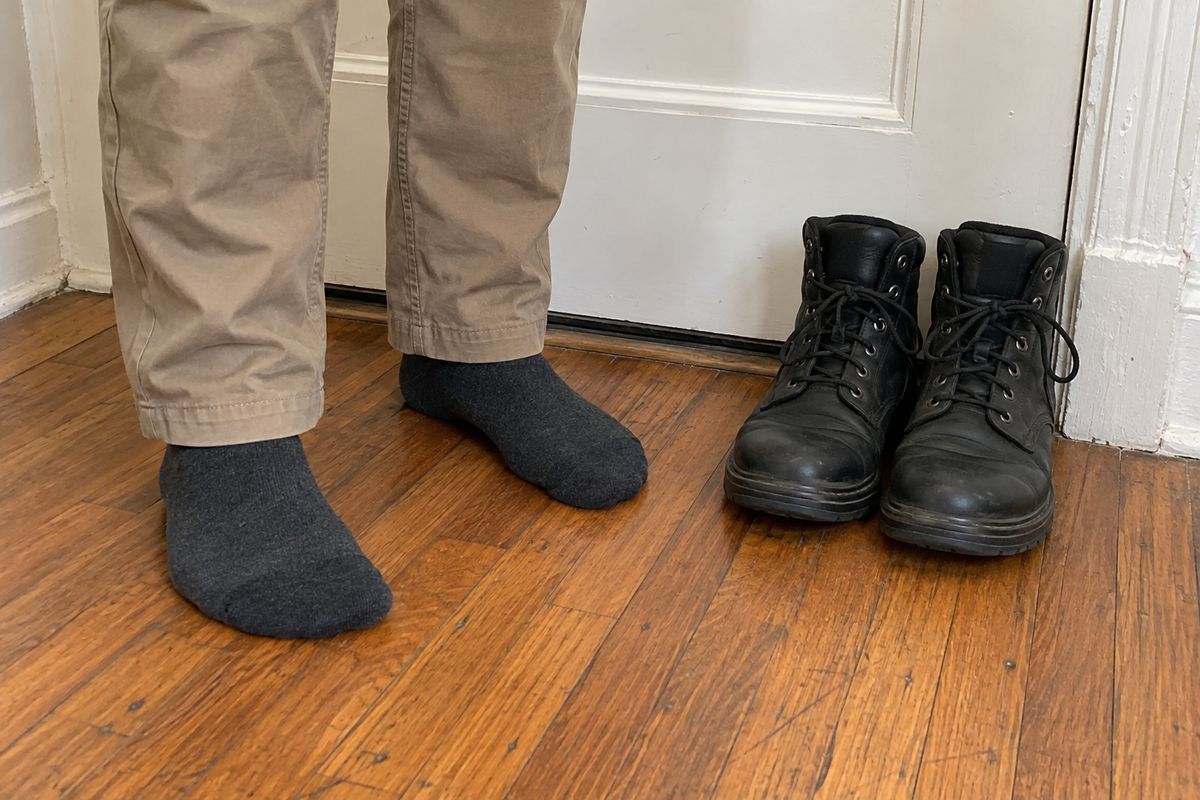
- ArriveOn time, in a clean NYE uniform, work bag neat. Greet the customer by name. Shoes off in a neat home, shoe covers otherwise.
- InterviewEven if the office already spoke with them, ask in person: what are you seeing, where, how long, how often. The customer can point to the spot.
- PrepareCheck the preparation. If something blocks the treatment, like items on top of the refrigerator, you move it and give recommendations.
- ExplainBefore anything is applied: how the treatment works, how children and pets are protected, and when it is safe to go back into treated areas.
- TreatEvery step of the right protocol, every time. Labeled products, labeled rates, proper protective equipment.
- DocumentPhotos of every treated area and every product, detailed notes, a signed service sheet, and a written report sent to the customer.
“If you don’t know an answer, the right answer is: let me confirm that and get back to you. We never guess with a customer.”
The rule every NYE technician learns in week oneFrom first stop to finish
Punctuality is the single most important habit at NYE, because one late start pushes back every stop after it.
Good notes mean fewer phone calls. NYE builds each job’s full service record from the technician’s notes, so a technician who documents well rarely gets called at the end of the day.
- Before you leave homeThe day’s route arrives by email. Check it in the work app, charge your phone and power bank, make sure your bag is stocked.
- 8:00–8:30 AM · First stopText the customer you’re on the way. Arrive no later than 8:30.
- Morning stopsInterview, inspect, treat, photograph, write notes, collect the signature. Text the next customer.
- 12:00–1:00 PM · LunchA full hour, off the clock.
- Afternoon stopsIf a job is added or moved, you get an email or text right away.
- 3:00 PM · Office check-inA quick call to see if anything was added and whether extra or after-hours work is available.
- End of dayClose out your work orders, confirm tomorrow’s route, flag any supplies running low. Done by 4:00 with no more work? Head home.
What NYC routes are really like
Pest control in New York City is physical work. Be honest with yourself about this part before you apply.
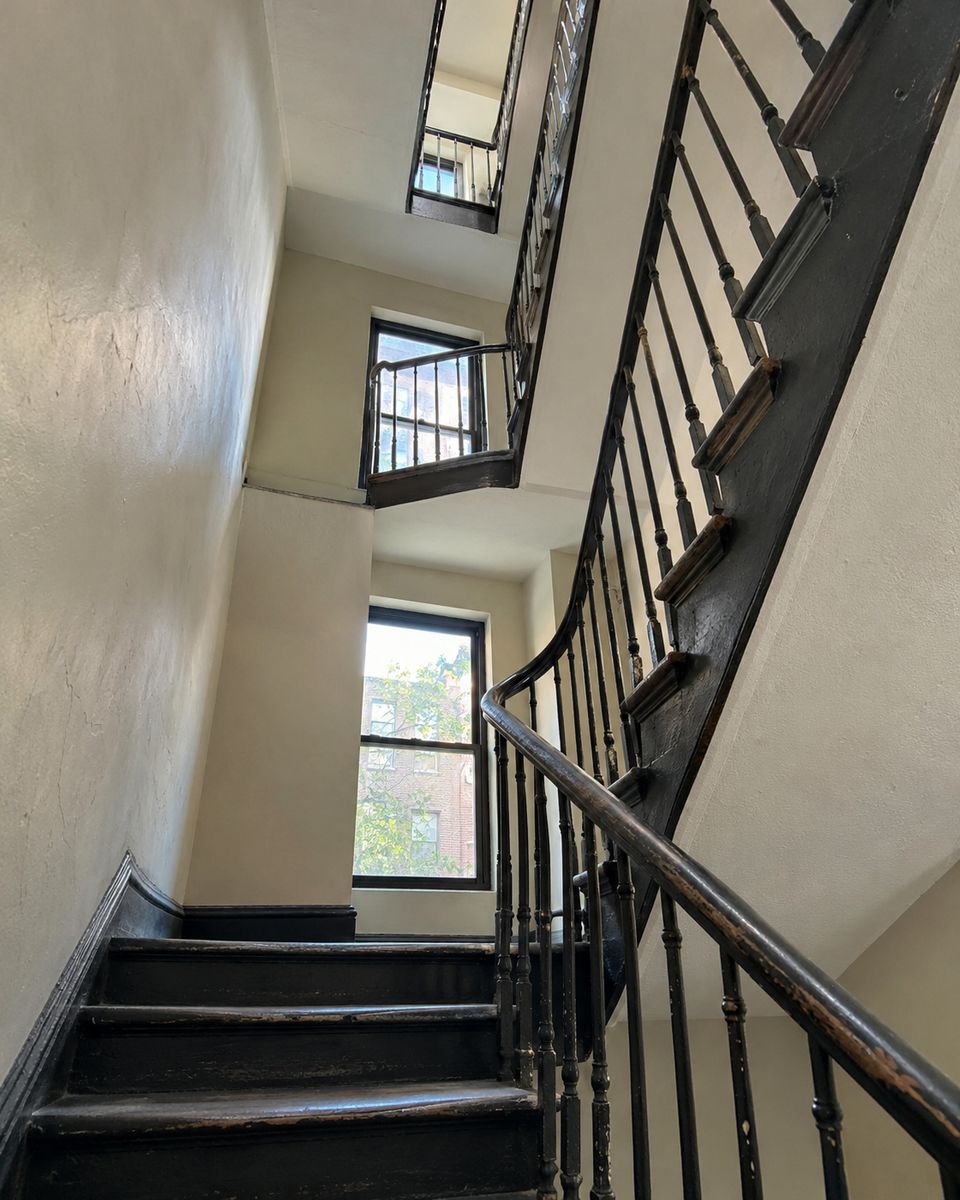
Walk-ups and stairs
Most buildings have no elevator. You carry equipment up to five flights. An aerosol generator alone weighs 30 to 35 pounds; the job requires lifting up to 70.
Tight, dirty spaces
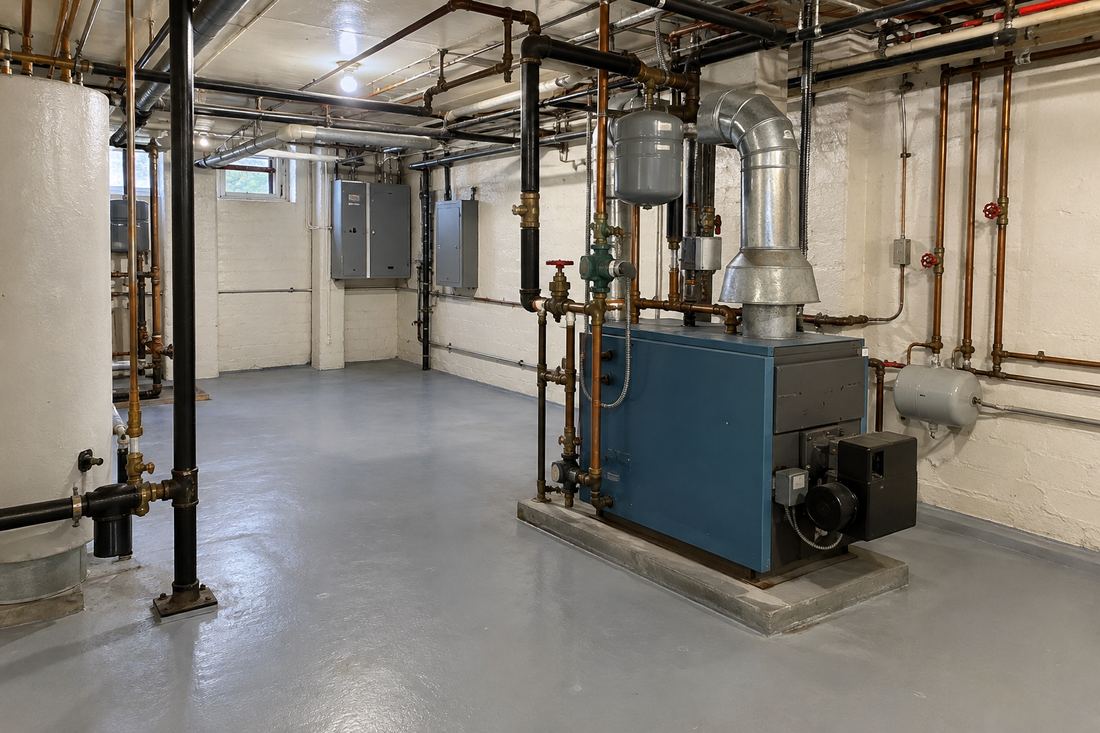
Basements, boiler rooms, crawl spaces, and behind refrigerators that haven’t moved in years.
Weather and transit
Walking routes by foot, subway and bus, in summer heat and winter cold.
People, in two languages
Tenants, supers, managers and restaurant owners. Many NYE customers speak only Spanish.
How training works
No one at NYE treats a home alone until they are ready. Even experienced, licensed technicians go through the full program.
The curriculum
Eleven modules, signed off one by one.
| Module | What it covers |
|---|---|
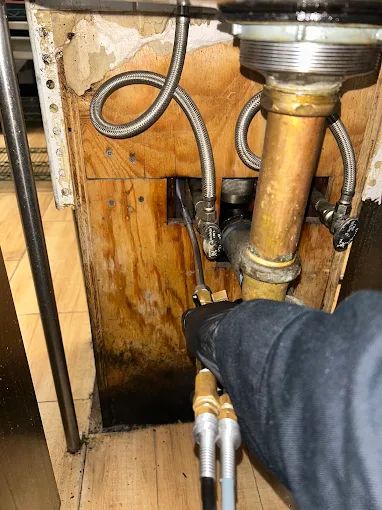
| Safety | Protective equipment, respirator use, labels and safety data sheets, spills, protecting children and pets |
| Biology and identification | Life cycles and hiding places of NYC’s common pests |
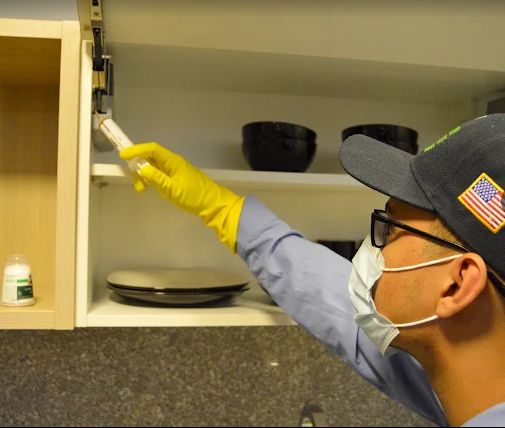
| Application | Gel bait, dusting, aerosol, compressed-air sprayers, foam, bait stations and traps |
| Re-entry and the safety talk | Drying times and exactly what to tell the customer |
| Customer communication | Greeting, the in-person interview, explaining treatment in English or Spanish, handling a frustrated customer |
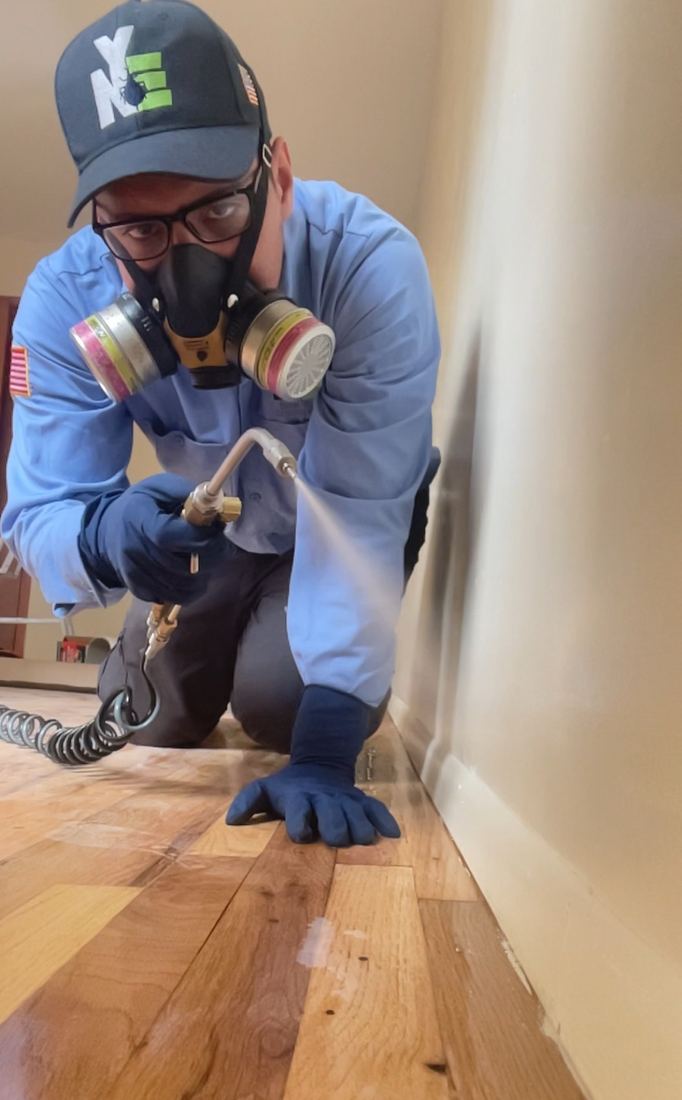
| Trio Protocol | Oil-based micro-injection, a water-based non-repellent with insect growth regulators, and targeted gel bait |
| Rodents | Inspection, device placement, monitoring and exclusion recommendations |
| Commercial accounts | Drain treatment, monitors and health-department records |
| Advanced techniques | Micro-injection, sheet metal sealing, elastomeric sealing, tracking powder, UV powder |
| Equipment care | Cleaning, maintaining and restocking your kit |
| Documentation | Work orders, photos, notes and service sheets in the work app |
What you will carry
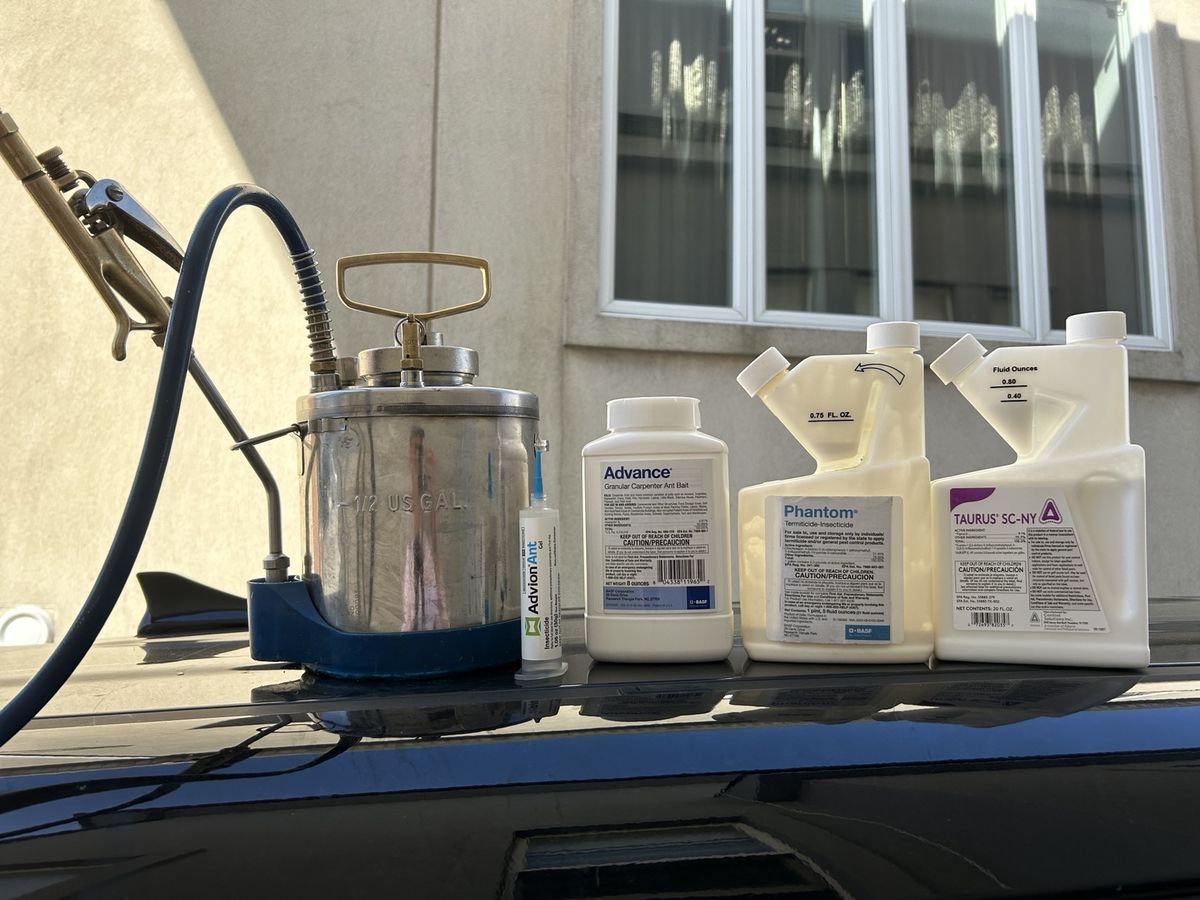
- Compressed-air sprayer
- Duster and bait gun
- Professional products and gel baits
- Bait stations and snap traps
- Glue monitors
- Respirator, gloves, knee pads
- Headlamp and hand tools
- Power bank and the work app
Your path to a NYSDEC license
In New York State, applying pesticides professionally requires certification from the Department of Environmental Conservation. Trainees at NYE are expected to earn theirs within the first year.
How it works at NYE
- You start as a trainee working under a certified applicator, following NYSDEC’s rules for supervised technicians.
- You study while you work, with an ACE answering your questions on the job.
- When you pass, you move into the licensed pay range of $25–$32 per hour.
Free study resources on our site
Where this job can take you
Each step up depends on licensing, skill and the ability to teach others, not on time served.
Shadow an experienced applicator and learn every protocol. $20–$25/hr.
Earn your NYSDEC license within a year and run your own route. $25–$32/hr.
Master a field such as rodents, commercial accounts or bed bugs. Pay rises with skill.
Evaluated after one year. Train new technicians, take on more responsibility, earn more.
What gets someone promoted
- Leadership with customers and technicians
- Clear, reliable communication
- Willingness to take on new tasks
- Being someone management can trust
- Understanding the company deeply
- The ability to train others
Attitude comes first
We will gladly train someone straight out of high school who is willing to work, open to extra hours and ready to study.
A strong plus
- Speaking Spanish
- A current NYSDEC applicator certification
- A driver’s license and your own vehicle
- Customer service or home-service experience
Requirements
- High school diploma or GED
- Able to lift and carry up to 70 lbs up five flights of stairs
- Comfortable on your feet all day, in all weather, in basements and tight spaces
- Comfortable with roaches, mice and rats up close
- Comfortable using a smartphone, GPS and a phone-based work app all day
- Willing to be on time, every day: first stop by 8:30 AM
- Able to earn a NYSDEC pest control license within your first year
- Authorized to work in the United States
You will do well here if you
- Take pride in doing a job right, even when no one is watching
- Like learning how things work
- Can stay calm and polite with a frustrated customer
- Would rather ask a question than guess
“Going from weekend shifts to full-time happened because I kept learning. Jorge shows you exactly how the Trio Protocol works, and then you do it yourself until it’s second nature. Every job, you leave knowing you did it right.”
Alejandro, Technician

How hiring works
- 01ApplyCall, text or send your information.
- 02Interview with JorgeIn person, in English or Spanish.
- 03Field evaluationLicensed applicants only: a short ride-along on a real job.
- 04Written offerPay, schedule and start date in writing.
- 05Start trainingShadow an experienced technician from day one.
Questions you may be asked
- Tell us about a time you learned a hard skill from scratch.
- How do you make sure you’re on time every morning?
- A customer is upset the roaches came back. What do you do?
- What does trustworthiness mean when you’re alone in someone’s home?
What to bring
- A resume, if you have one (not required)
- Your NYSDEC certification card, if licensed
- Your driver’s license, if you have one
- Questions for us
New York Exterminating, Inc. is an equal opportunity employer.
The Trio Protocol for German cockroaches
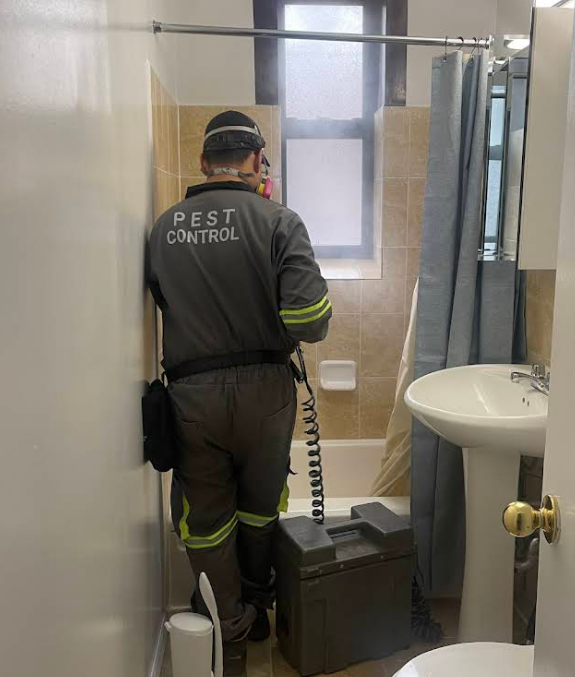
German cockroaches are the most common indoor pest in NYC apartments and restaurants. NYE treats them with a three-step method, the Trio Protocol, designed to resolve most infestations in a single visit. Every NYE technician learns it step by step.
Oil-based micro-injection
A fine oil-based product injected into wall voids, hinges and gaps where cockroaches hide. This is the immediate knockdown.
Non-repellent plus IGRs
A water-based non-repellent with insect growth regulators (hydroprene, novaluron, pyriproxyfen), so survivors cannot reproduce and the population collapses on its own.
Targeted gel bait
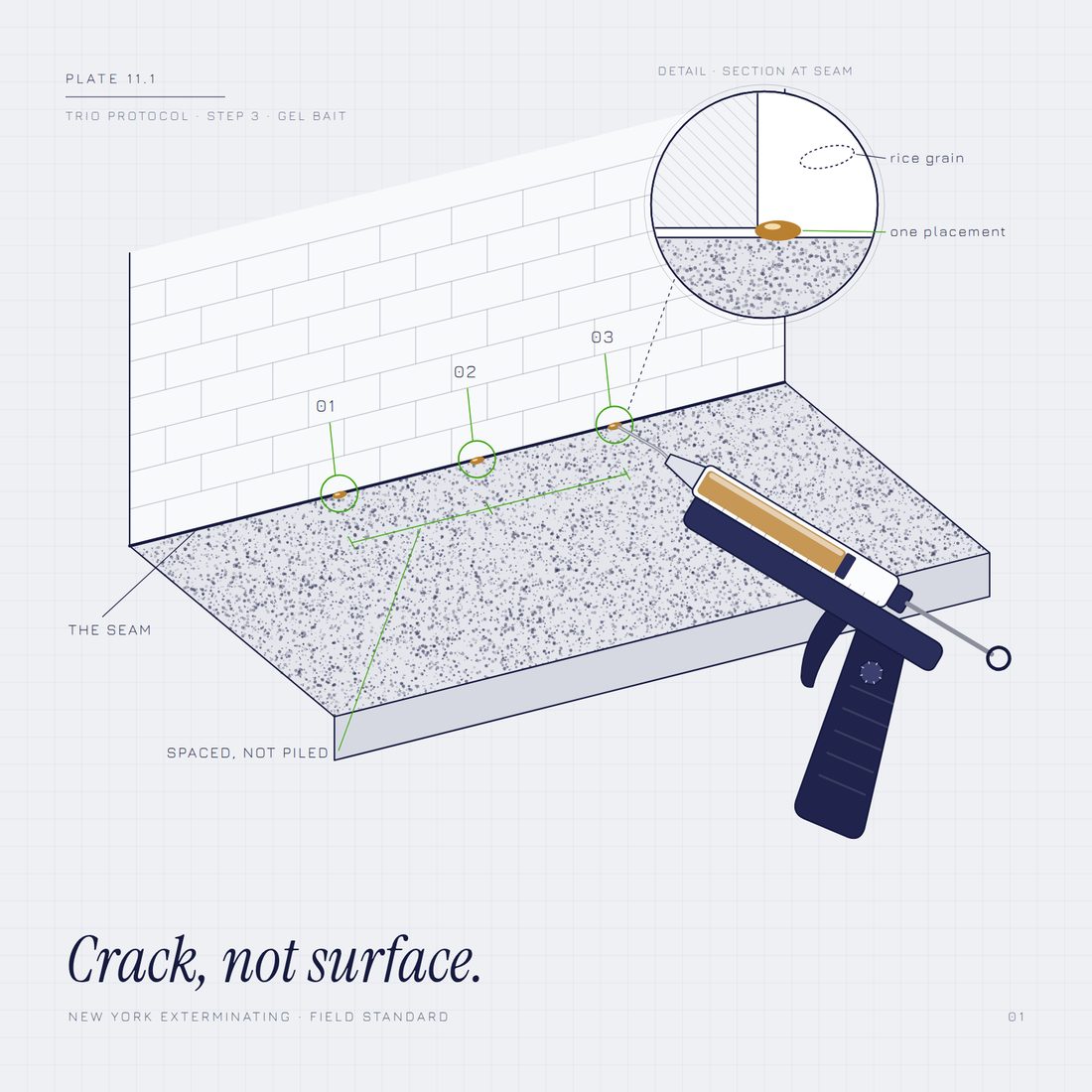
Small placements in cracks and crevices in the kitchen and bathroom: crack, not surface; spaced, not piled.
What the numbers look like
A full Trio visit takes 1 to 1.5 hours per apartment, compared with the roughly five-minute spray many buildings get. The stove and refrigerator come out on every job.
- Callback rate under 1%: the customer still sees activity after the full treatment.
- Planned follow-ups for fewer than 5% of customers: introduced up front when an infestation is severe, and used for verification, not repeat spraying.
- Two built-in checks: how heavily cockroaches flush out on day one shows severity, and around two months later, adults with twisted wings confirm the growth regulator worked.
- No free return visits: any service needed within six months is 50% off the original price.
Read more: German cockroach treatment in NYC · The Trio Protocol at ExpoPrag 2026
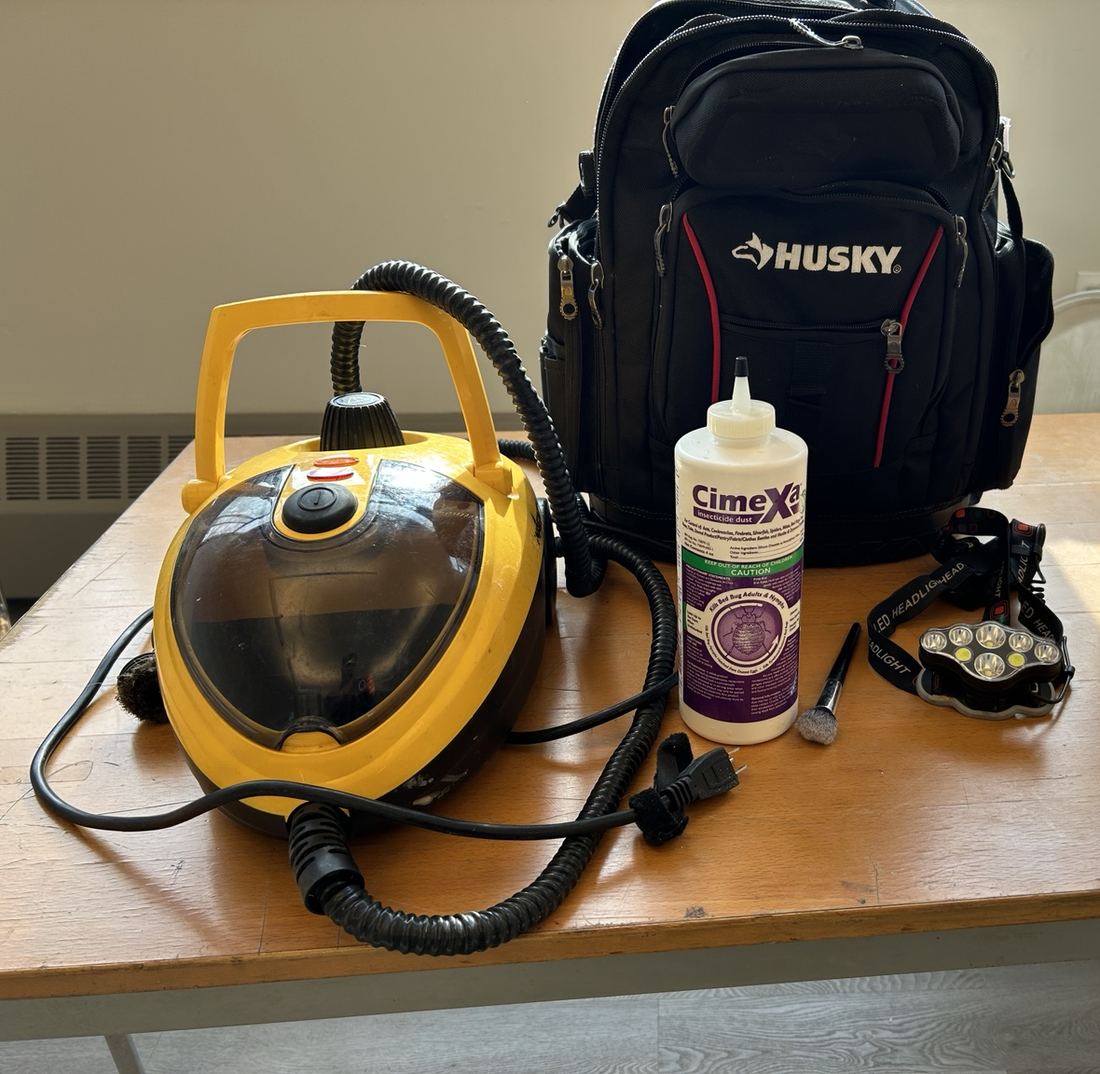
Bed bug treatment, two visits
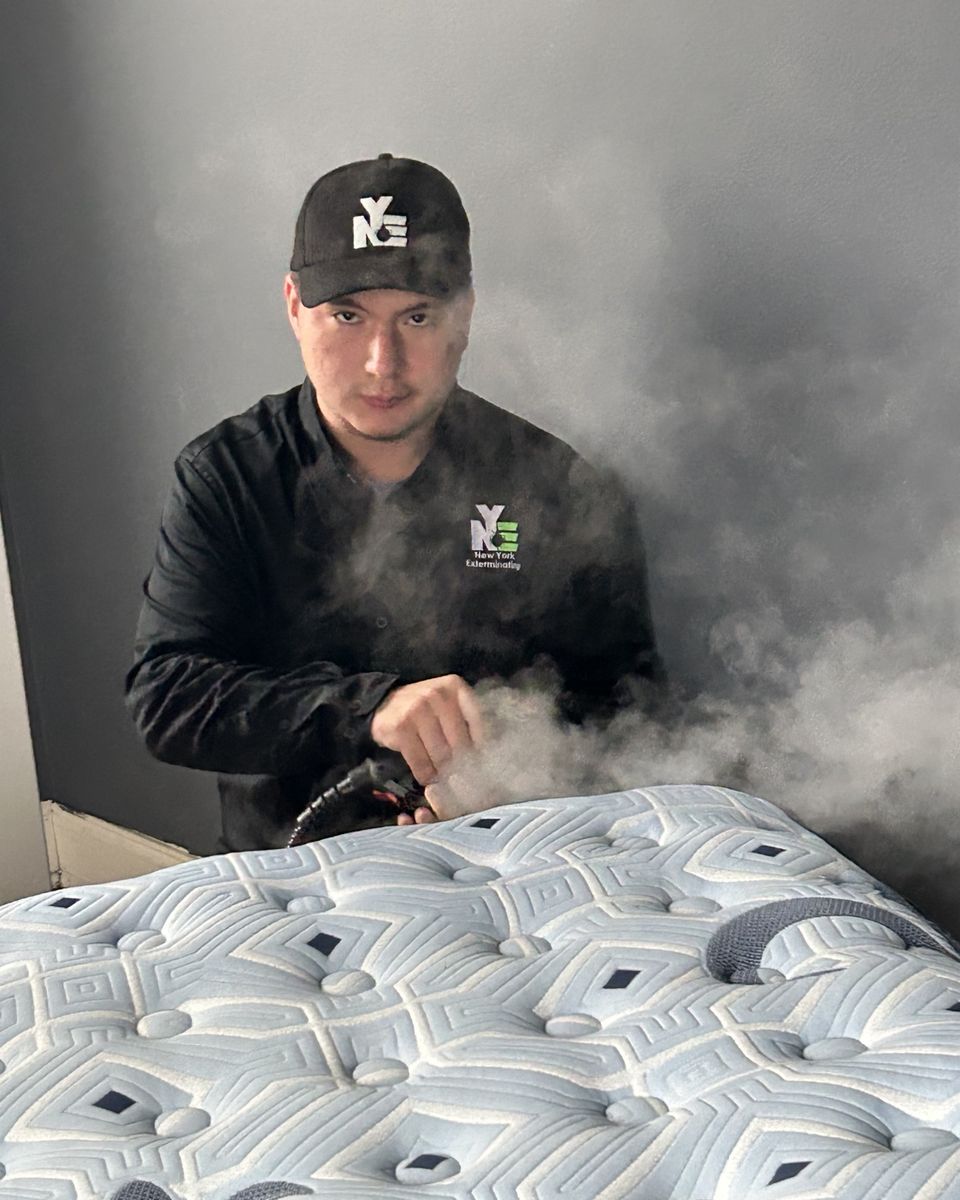
Bed bug work starts with a careful inspection of mattress seams, bed frames, furniture joints and outlets. Customers prepare by stripping beds and sealing clothing in bags. Technicians treat with commercial steam on seams and edges and silica-based insecticide dust in voids and cracks.
- Most jobs are two visits; about 1% need a third.
- Typical price $450 to $900 plus tax, quoted after inspection.
- Technicians learn inspection, prep coaching and treatment during training.
Rodents: sealed out, not foamed
NYE rodent work combines inspection, trapping and exclusion. Entry points are sealed with copper mesh, sealant and sheet metal, materials rodents cannot chew through, instead of expanding foam.
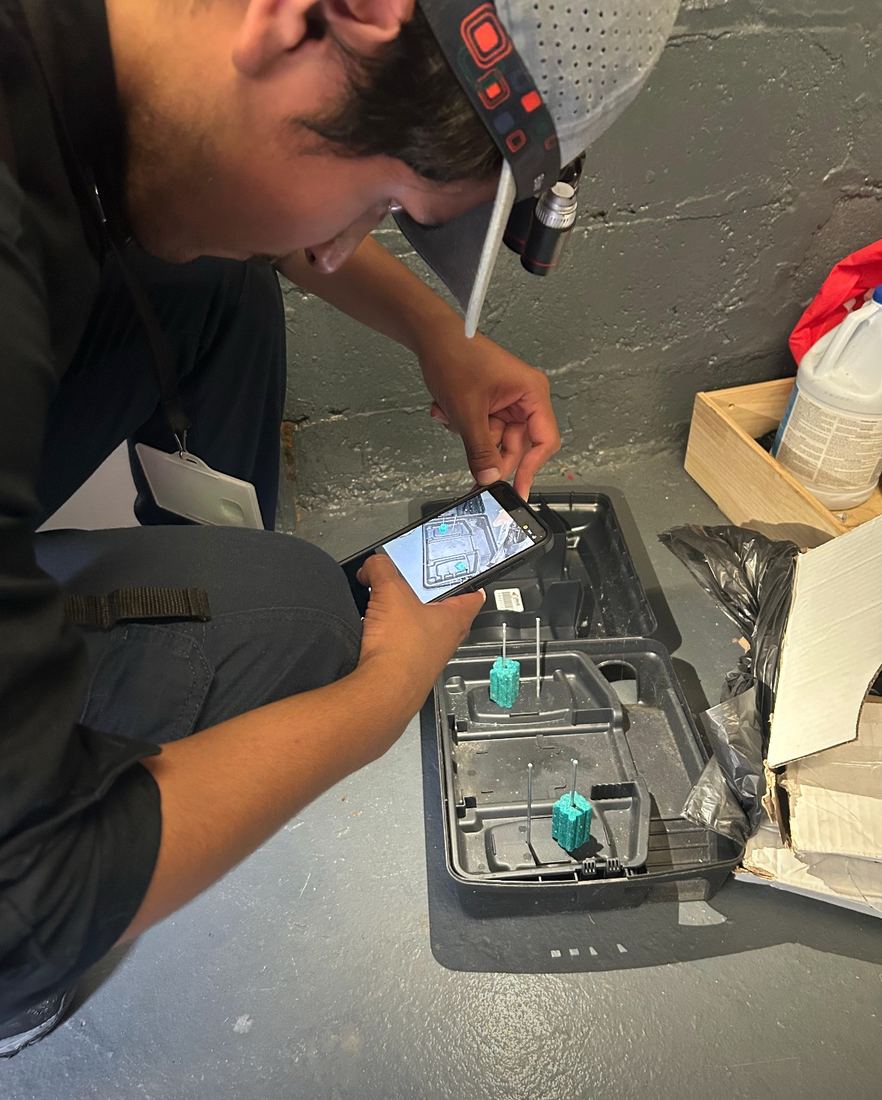
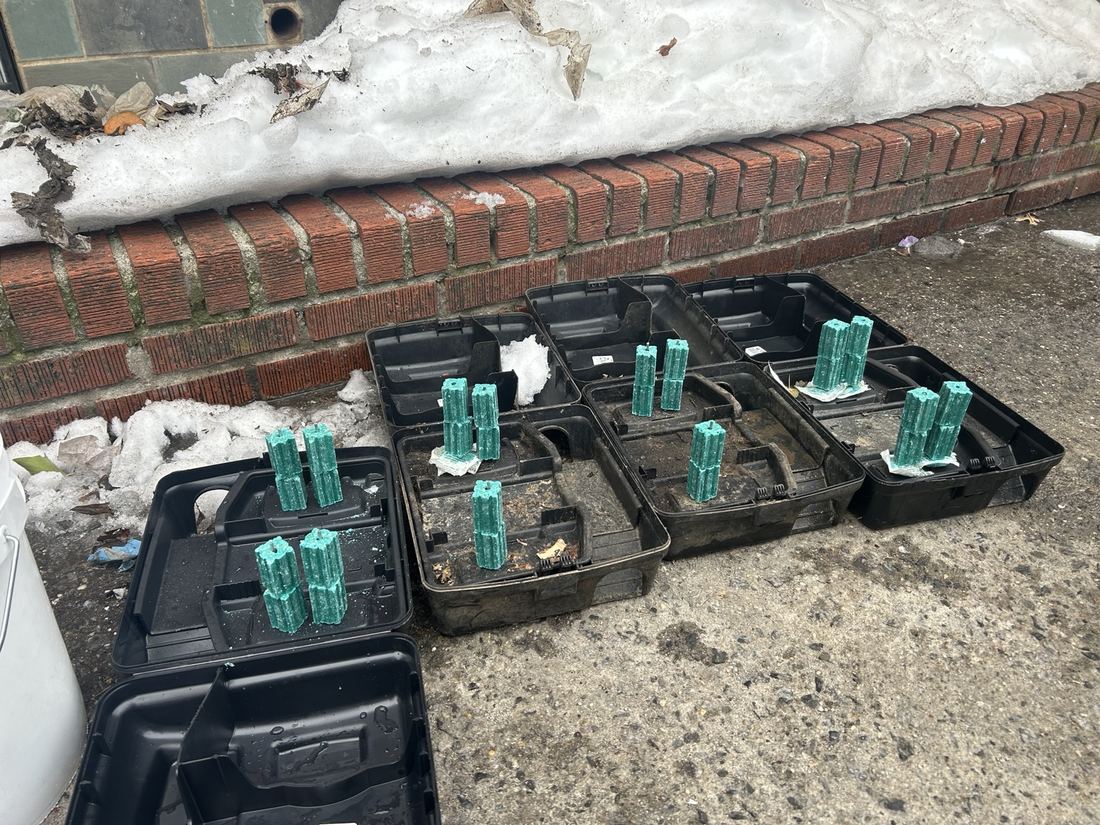
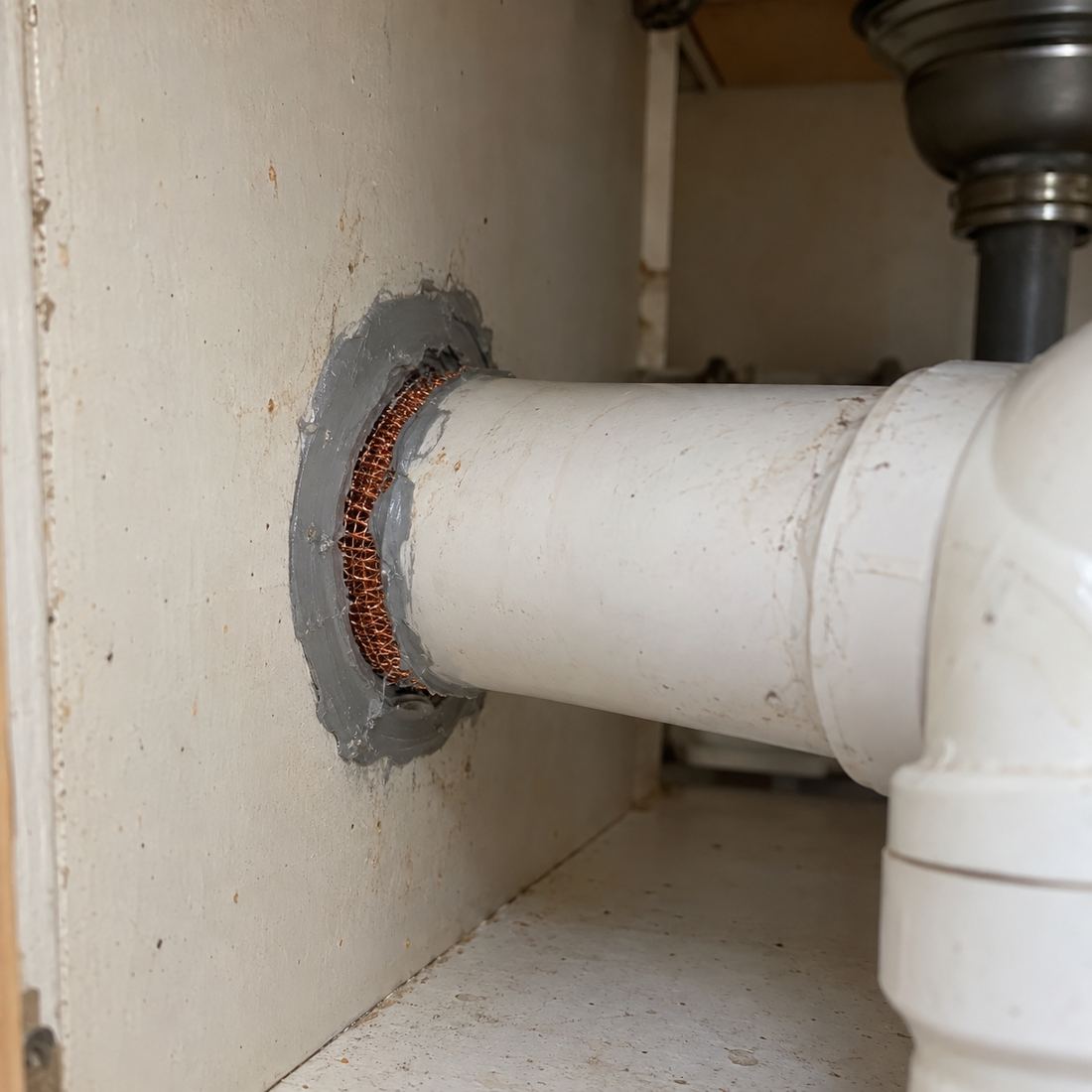
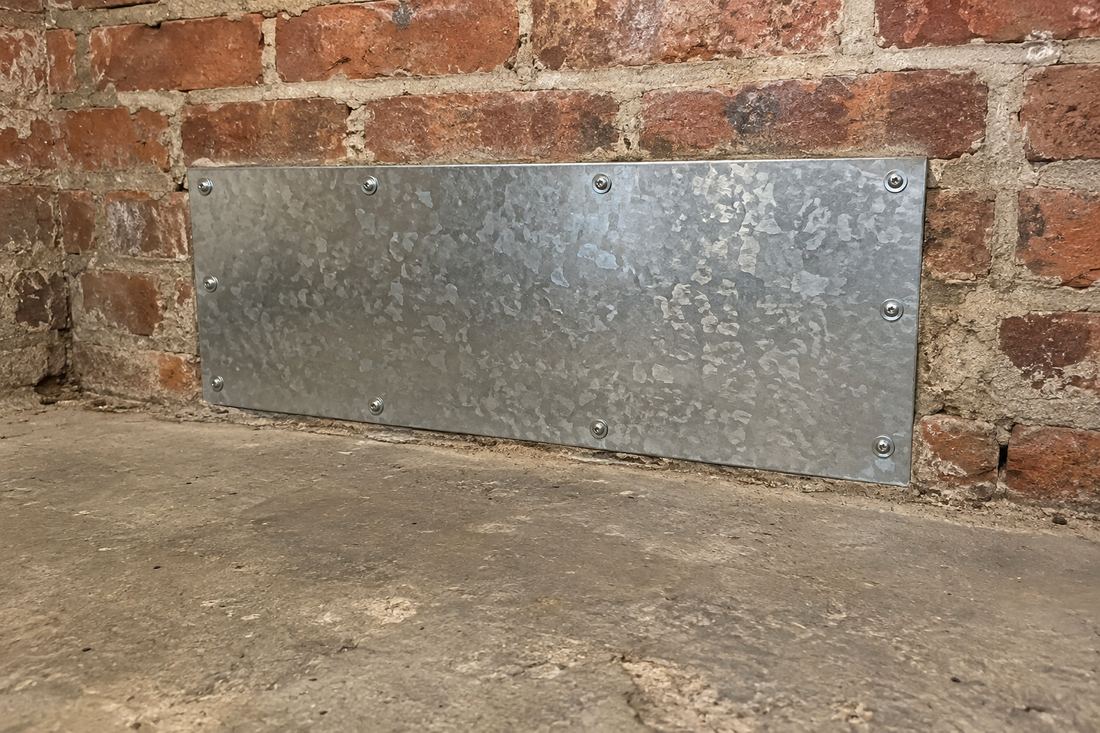
How a rodent job runs
- Inspect: droppings, runways, rub marks and entry points, inside and outside.
- Trap and bait: snap traps, multiple-catch traps and tamper-resistant bait stations, every device logged with a photo.
- Exclude: vehicle-based technicians seal entry points with copper mesh, sealant and sheet metal.
- Typical prices: mice $280 to $600; rats from $320; larger exclusion projects quoted separately.
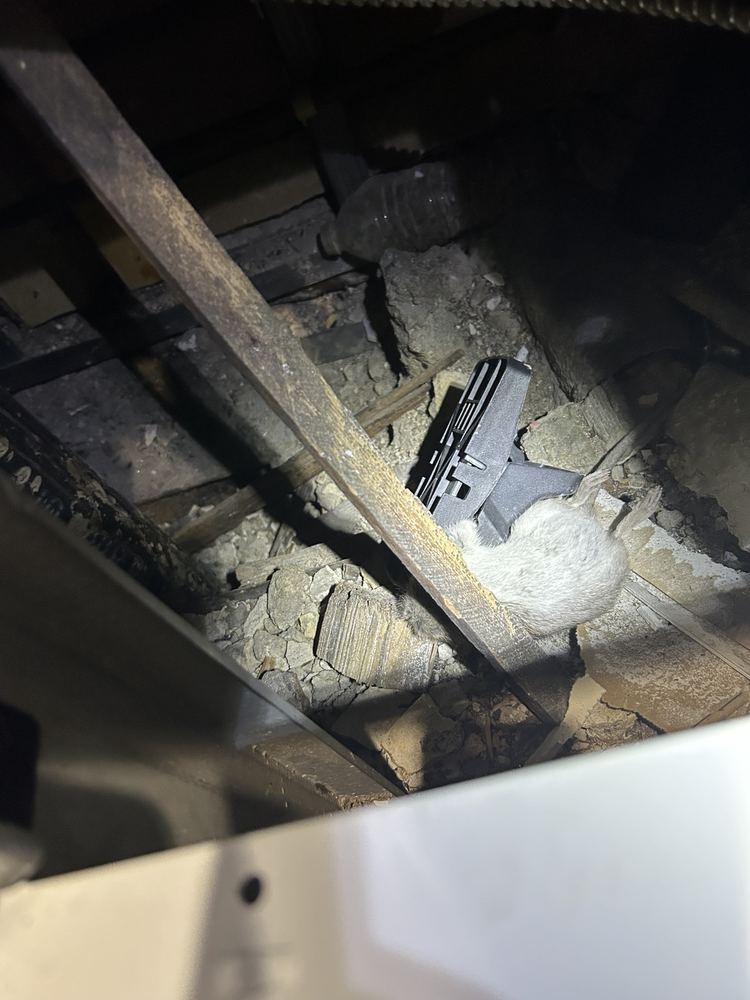
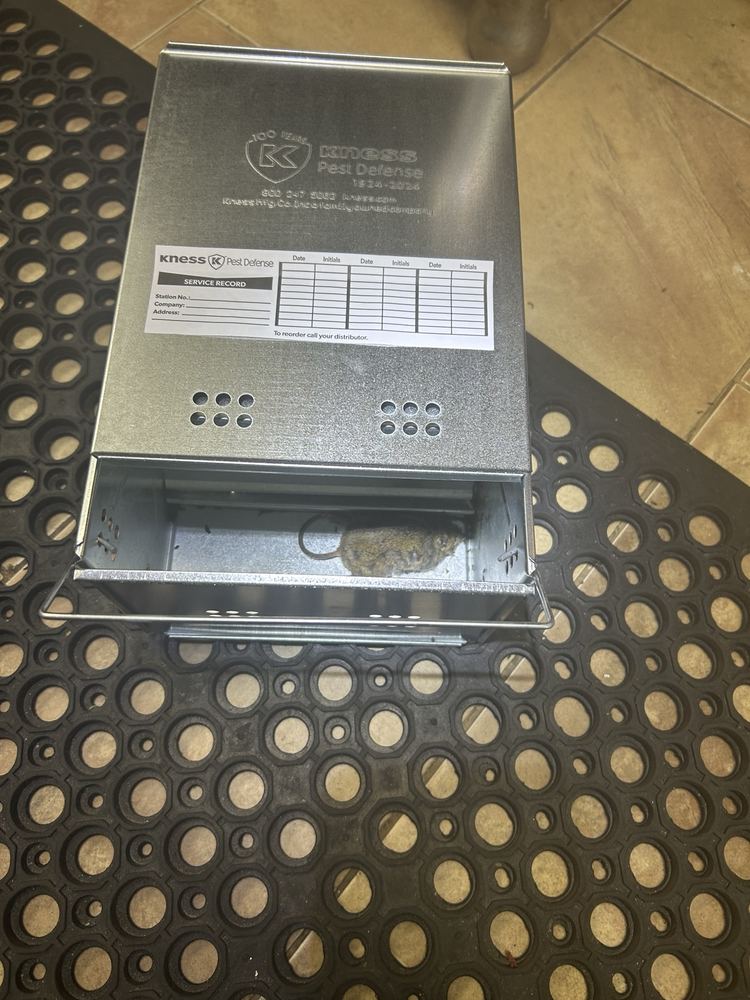
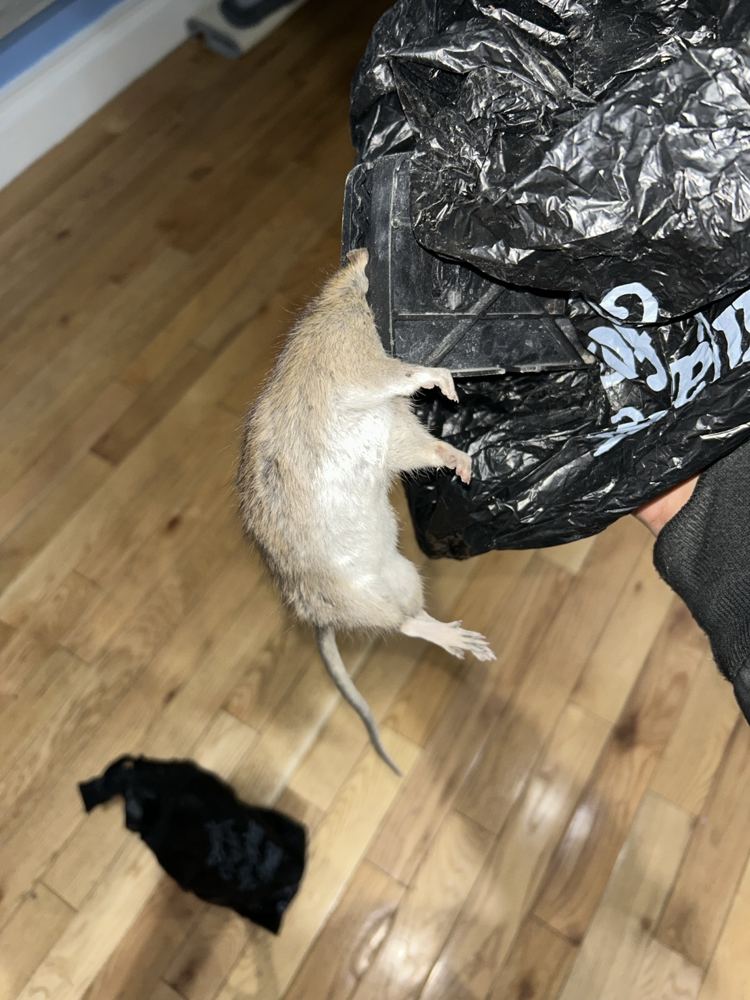
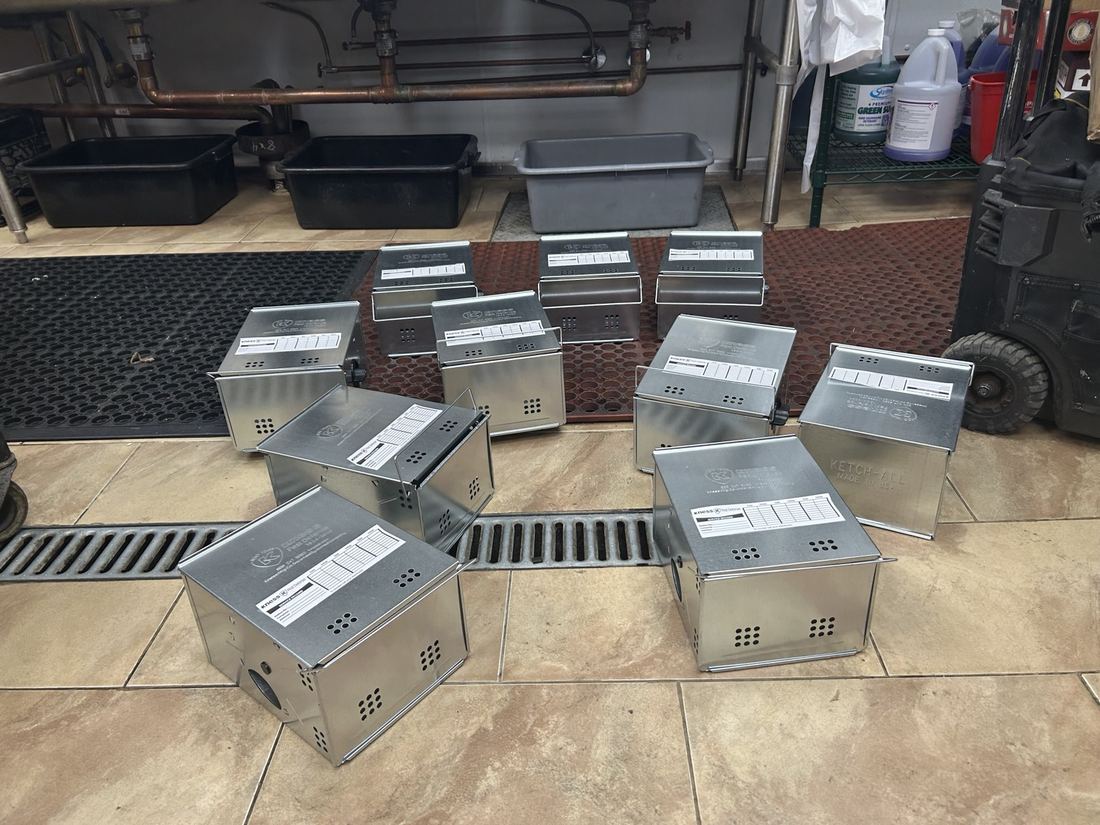
What the traps catch
Real results from NYE rodent jobs. Traps go where rodents actually travel, including voids under floors and behind walls, and every catch is recorded in the work order.
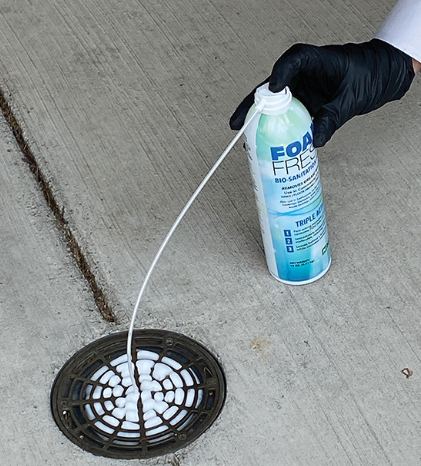
Restaurants, kitchens and offices
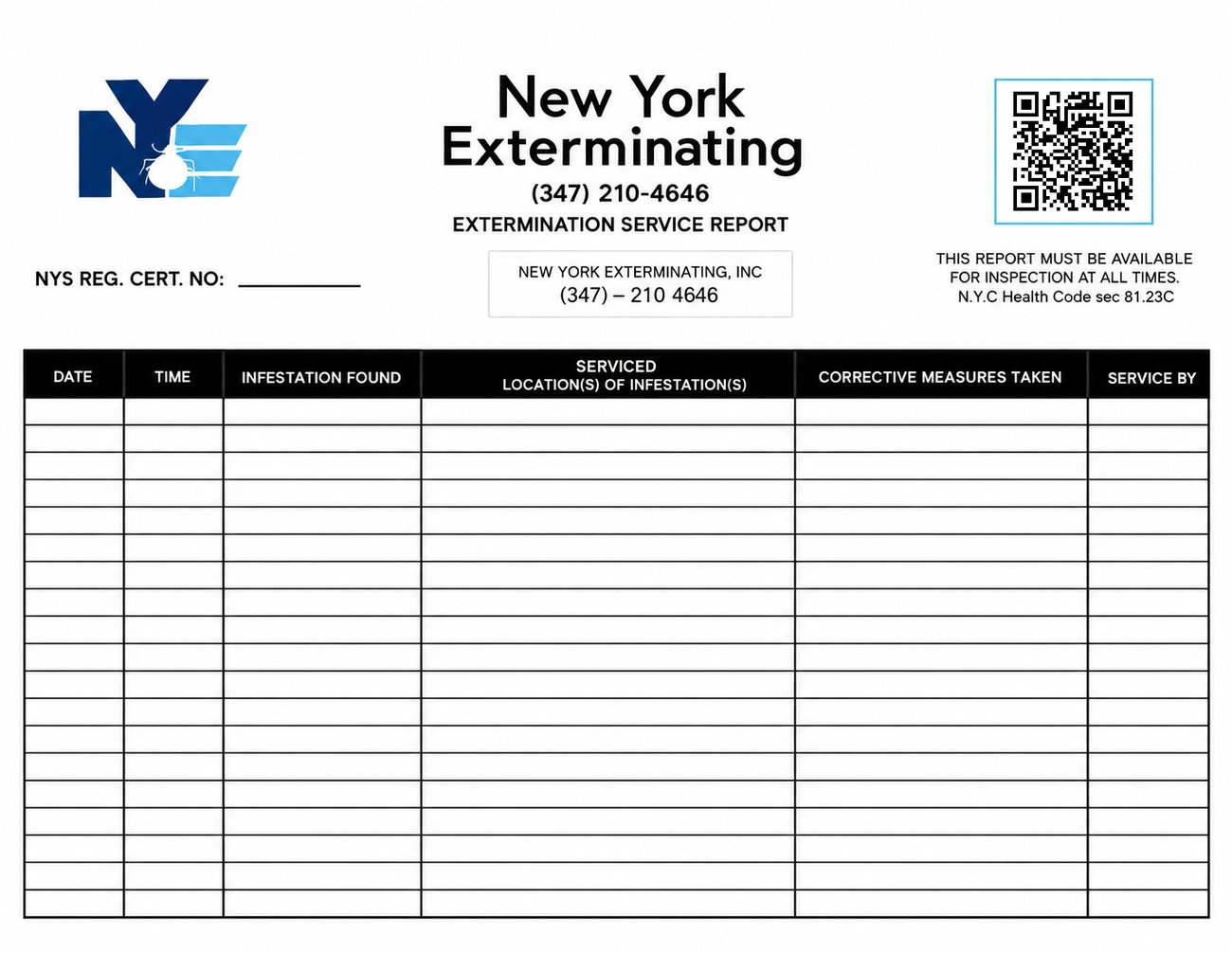
Commercial accounts get scheduled service, rodent and cockroach programs, drain fly treatment and complete records. NYE leaves a service report at every visit so the account is ready for a health inspection.
The service report
Every visit is recorded on NYE’s extermination service report: date, time, infestation found, locations serviced, corrective measures taken and the technician’s name. The report stays on site, available for inspection. Its QR code opens the NYE customer portal.
Building-wide programs for property managers
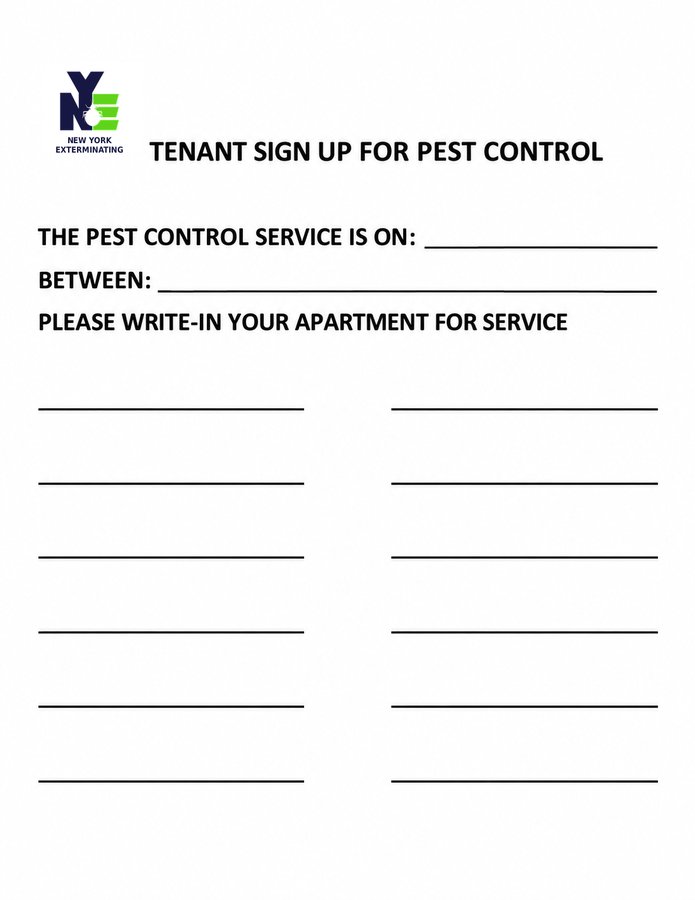
For property managers, NYE treats buildings unit by unit. A tenant sign-up sheet goes up before the service date so residents can request their apartment. On the day, the technician may knock on every door on up to five floors, treats each unit with the same protocol and records each one separately.
- Units with no access are noted so the office can reschedule.
- Each unit’s findings and treatment are reported back to the manager.
- Many tenants speak only Spanish, so bilingual technicians are in demand.
Where NYE works
NYE is based at 1115 E 13th St in Midwood, Brooklyn, and serves:
- Brooklyn
- Queens
- Manhattan
- The Bronx
- Staten Island
- Nassau County
- Westchester
Walking-route technicians cover city neighborhoods by foot and transit; vehicle routes cover Nassau, Westchester and exclusion work.
Typical service prices
Technicians are trained on pricing so they can spot needs, but the office quotes every job. Final prices are set after a free inspection.
| Service | Typical range | Notes |
|---|---|---|
| German cockroach (Trio Protocol) | $299–$699 | Designed to resolve in a single visit |
| American cockroach | From $250 | |
| Bed bugs | $450–$900 + tax | Two visits; about 1% need a third |
| Mice | $280–$600 | |
| Rats | From $320 | Exclusion projects quoted separately |
| Ants | $150–$300 | Baits the colony carries back, instead of scattering it |
| General one-time service | From $360 | |
| Quarterly plans | $49–$79/month | Complimentary re-treatments between visits |
Any service needed within six months of a treatment is 50% off the original price. See pest control cost in NYC.
Pest control terms you will use at NYE
- ACE
- Associate Certified Entomologist, the professional credential of the Entomological Society of America. NYE’s technical director, Jorge Bedoya, holds it.
- NYSDEC certification
- New York State’s commercial pesticide applicator license. NYE trainees earn it within their first year.
- Harborage
- The hidden places pests live and breed: wall voids, hinges, appliance gaps, cracks.
- Micro-injection
- Delivering a fine product directly into a void through a thin tip, so it reaches the harborage instead of the room.
- Non-repellent
- A product insects cannot detect, so they walk through it and carry it back instead of avoiding it.
- IGR
- Insect growth regulator: stops immature insects from becoming breeding adults, so a population collapses over time.
- Bait aversion
- When cockroaches stop eating a bait formulation. Technicians rotate formulations to prevent it.
- Exclusion
- Physically sealing the entry points pests use, with copper mesh, sealant and sheet metal.
- Callback
- When a customer still sees activity after a full treatment. NYE’s rate is under 1%.
- Planned follow-up
- A verification visit scheduled up front for a severe infestation, needed by fewer than 5% of customers.
- Service report
- The record left at every commercial visit, kept on site for health inspectors.
- Work order
- The job record in NYE’s app: notes, photos and products used for every visit.
Trabaje con nosotros: técnico fumigador en NYC
NYE está contratando técnicos de control de plagas. Pagamos $20–$25 por hora a aprendices y $25–$32 a técnicos con licencia del NYSDEC, más horas extra, comisiones, propinas, días feriados pagados y dos semanas de vacaciones pagadas después de seis meses. No se necesita experiencia: Jorge Bedoya, Entomólogo Asociado Certificado (ACE), entrena a cada técnico en persona. Hablar español es una gran ventaja.
Llame al (347) 210-4646 Escríbanos por WhatsAppReady to start your career?
Call or text, or send us your name, phone number, which schedule you want, and whether you hold a NYSDEC license. Se habla español.
(347) 210-4646 Send your informationWorking at NYE: FAQ
Do I need pest control experience to apply?
No. NYE hires for attitude and trains the skills. Trainees start at $20–$25 per hour and shadow an experienced technician for at least a month before working a route alone.
Do I need a pest control license?
Not to start. Trainees are expected to earn their NYSDEC commercial pesticide applicator certification within their first year, and pay moves into the $25–$32 licensed range once they do.
How much do NYE pest control technicians make?
Base pay is $20–$25 per hour for trainees and $25–$32 per hour for licensed operators, plus overtime at time-and-a-half, after-hours pay, $30 or $50 commissions on new accounts you bring in, $30 for each five-star review that names you, paid holidays, and every tip you receive.
What is the schedule?
Full-time is 40 hours a week, 8:00 AM to 5:00 PM with an hour for lunch, ideally Wednesday through Sunday. Tuesday through Saturday is available, and part-time Friday through Sunday works for students or people with another job.
Do I need a car to work at NYE?
No. NYE runs walking routes by foot and public transit across the five boroughs. Licensed operators who use their own vehicle for work qualify for the top of the pay range plus mileage or gas reimbursement.
Is speaking Spanish required?
It is not required, but it is a strong plus. Many NYE customers speak only Spanish, and bilingual technicians serve them directly.
How physical is the job?
Very. Most buildings on NYE routes are walk-ups, so you carry equipment up to five flights of stairs, and the job requires lifting up to 70 pounds. You also kneel, crawl and work in basements and tight spaces.
How long is training?
At least one full month of shadowing before you work alone, inside a 90-day training period that ends with a review. Licensed technicians go through the full program too, because NYE’s methods differ from what most companies teach.
Can I work extra hours?
Yes. Extra and after-hours work is offered at the daily 3:00 PM check-in to anyone who wants it, and every hour over 40 in a week is paid at time-and-a-half.
Is there paid time off?
Yes. Technicians get paid holidays, two weeks of fully paid vacation after six months requested at least two months ahead, and sick leave under NYC’s Earned Safe and Sick Time Act.
What does New York Exterminating do?
New York Exterminating, Inc. (NYE Pest Control) is an ACE-led pest control company in Midwood, Brooklyn. It treats German cockroaches, bed bugs, mice, rats, ants and other pests for homes, apartment buildings, restaurants and offices across all five NYC boroughs plus Nassau and Westchester, in English and Spanish, and has operated since 2010.
Who leads NYE's technical work?
Jorge Bedoya, co-owner and operations manager, is NYE's technical director. He holds the Associate Certified Entomologist (ACE) credential and NYSDEC license #15140 (categories 7A, 7F and 8), and personally trains every new technician.
What is the Trio Protocol?
The Trio Protocol is NYE's three-step German cockroach treatment: oil-based micro-injection into voids, a water-based non-repellent with insect growth regulators, and targeted gel bait in cracks and crevices. It is designed to resolve most infestations in a single visit, with a callback rate under 1%.
How long does a German cockroach treatment take?
A full Trio Protocol visit takes about 1 to 1.5 hours per apartment, including pulling out the stove and refrigerator and treating every crack and crevice in the kitchen and bathroom.
Does NYE sell monthly spray contracts?
No. NYE does not sell monthly spray contracts. Treatments are designed to resolve the problem, and optional quarterly plans are available for customers who want ongoing protection.
Are follow-up visits free?
No. NYE does not offer free return visits. Any service needed within six months of a treatment is 50% off the original price. Planned follow-ups, needed by fewer than 5% of customers, are introduced up front for severe infestations.
Does NYE work with restaurants and property managers?
Yes. NYE runs scheduled programs for restaurants, commercial kitchens and offices, with a service report left at every visit, and building-wide programs for property managers, treating and recording each unit.
Which areas does NYE serve?
Brooklyn, Queens, Manhattan, the Bronx and Staten Island, plus Nassau County and Westchester, from its base at 1115 E 13th St, Brooklyn, NY 11230.