Same-day German roach calls
The Trio Protocol: German Cockroach Treatment in NYC
Collapse the colony.Not just what you see.
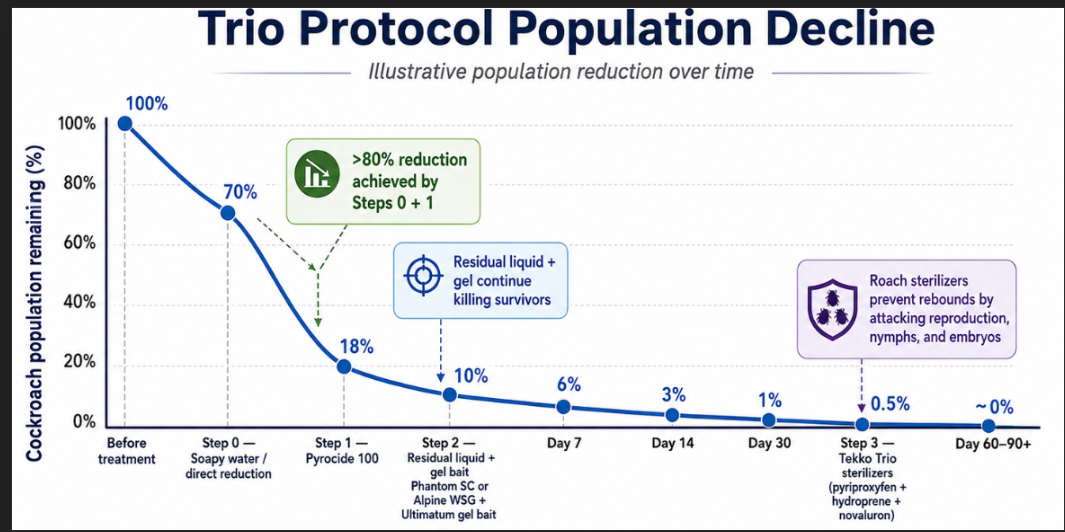
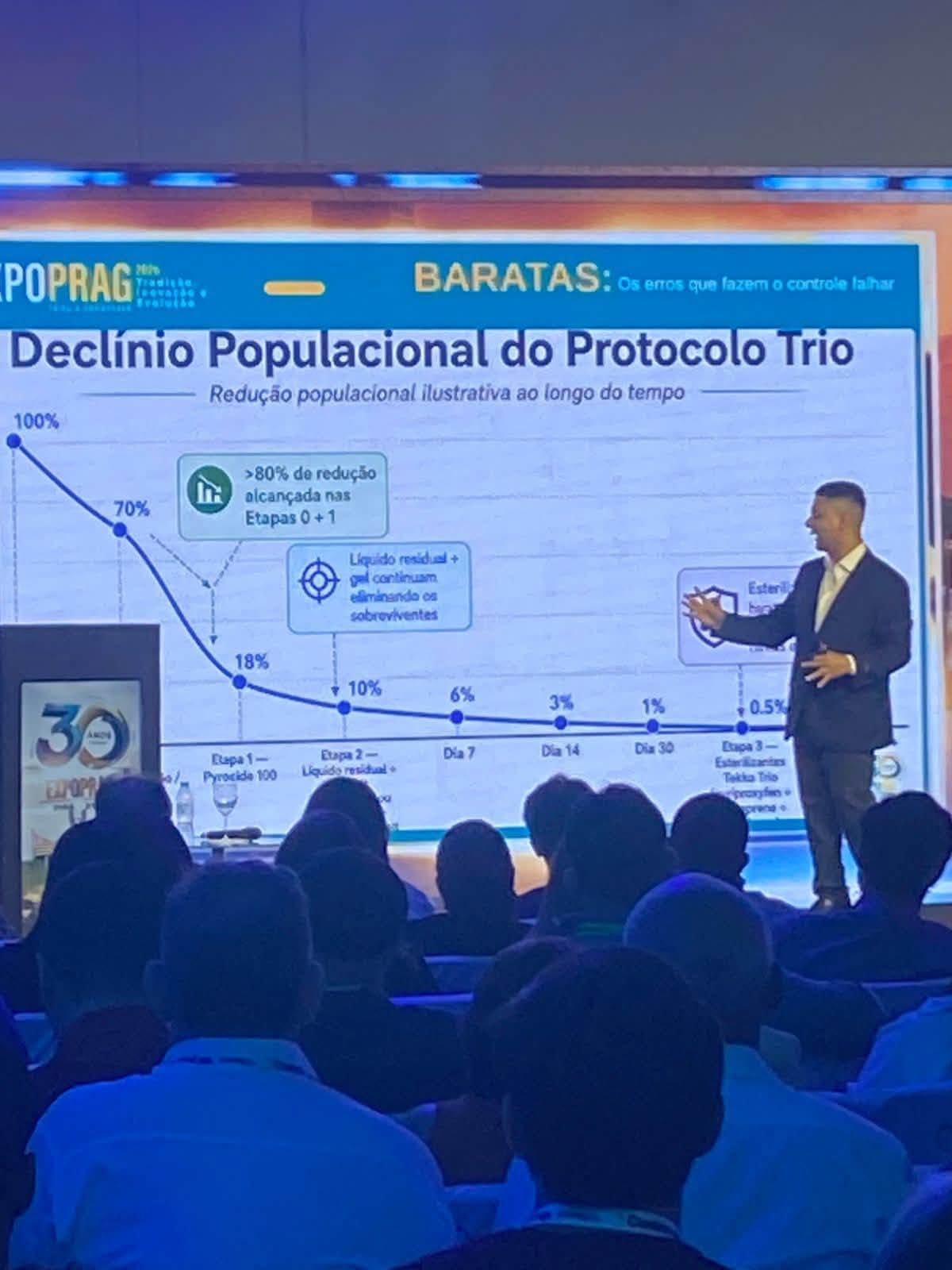
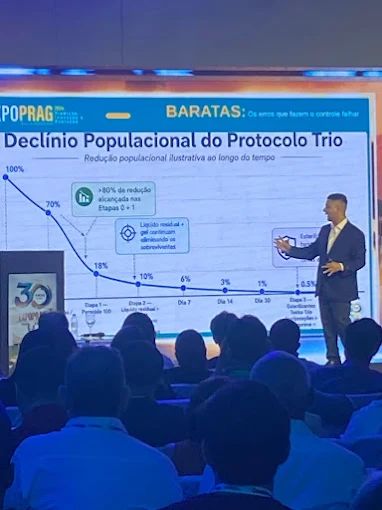
Three mechanisms in a single visit — microinjection into the harborage, non-repellent chemistry plus growth regulators, and heat-stable gel bait. Most cases are finished in one appointment.
Ready to hire? Our German cockroach exterminator in NYC page covers pricing and booking.
Under 1% callback rate
ACE-led every job
Financing available
Associate Certified Entomologist on every jobUnder 1% callback rate4.9 stars on Google$3M insuredSame-day service across NYCSe habla español
They don’t live in your kitchen.
They live inside it.
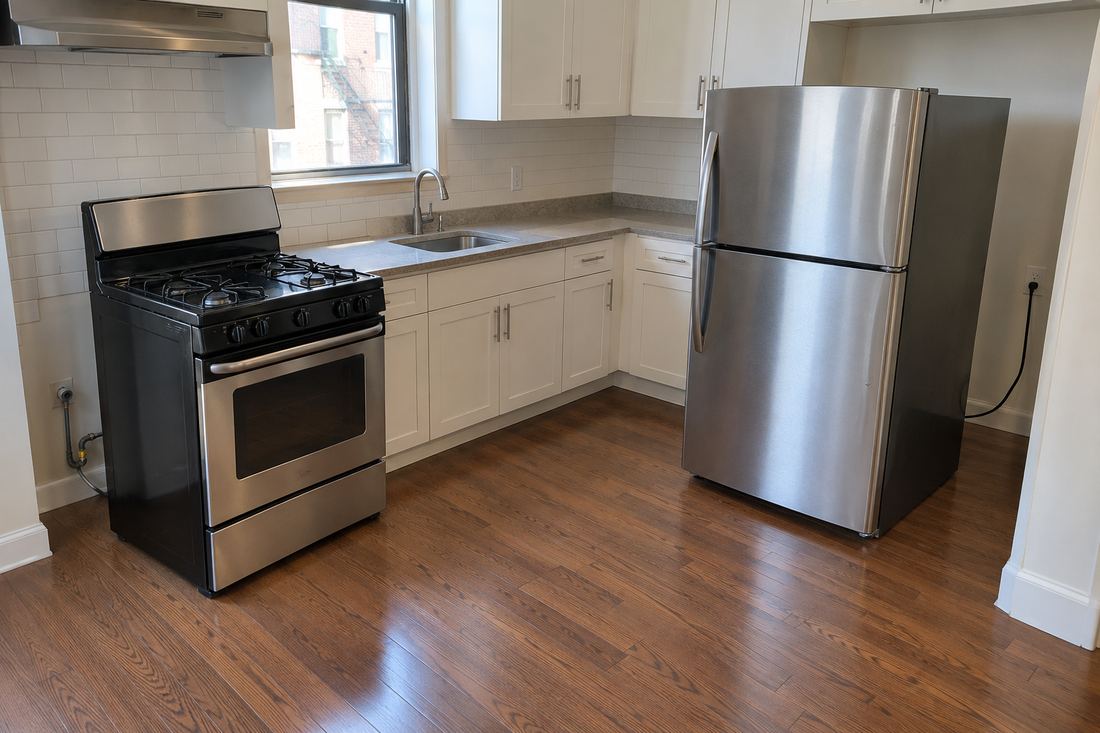
German cockroaches spend almost their entire lives inside refrigerator and stove motor housings, dishwasher cavities, cabinet joints and plumbing voids. They come out briefly at night, then go back in.
Sprays treat the minority
Anything applied to a counter or baseboard only reaches the few insects that happen to be exposed. The breeding colony is untouched.
Egg cases hatch on schedule
Each case carries 30 to 40 nymphs. That’s why the kitchen looks exactly the same two to three weeks after treatment.
One product, one obstacle
NYC populations carry partial tolerance after decades of the same actives. A single-product program gives them one hurdle to clear.
Three mechanisms.
One visit.
Because the non-repellents don’t spook the roaches, they keep moving through treated zones and carry the treatment back to the colony. Our callback rate is under 1%.
Oil-based microinjection
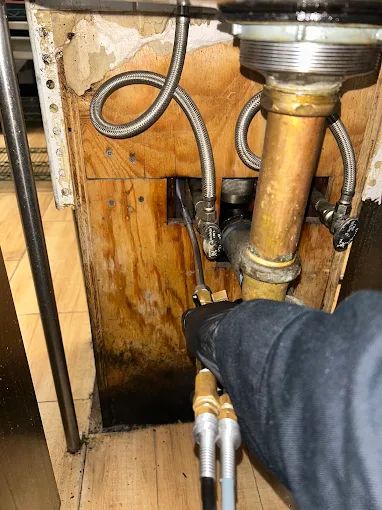
Driven deep into appliance motors, wall voids and cabinet joints. Most companies treat around these areas. We treat inside them.
Non-repellent + IGRs
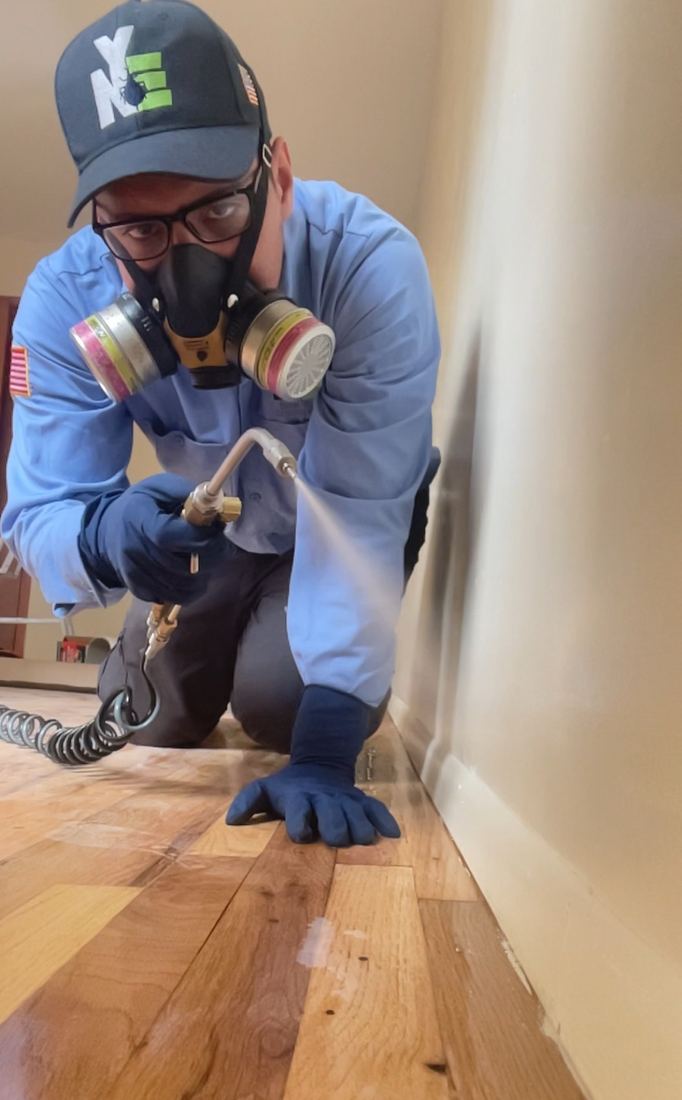
Microinjected through their aggregation zones for long residual, plus growth regulators that shut down the next generation.
Targeted gel baiting
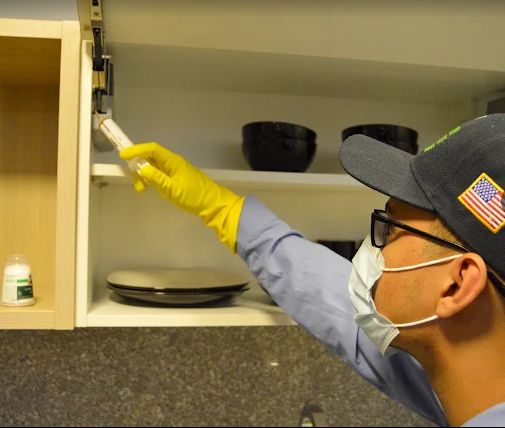
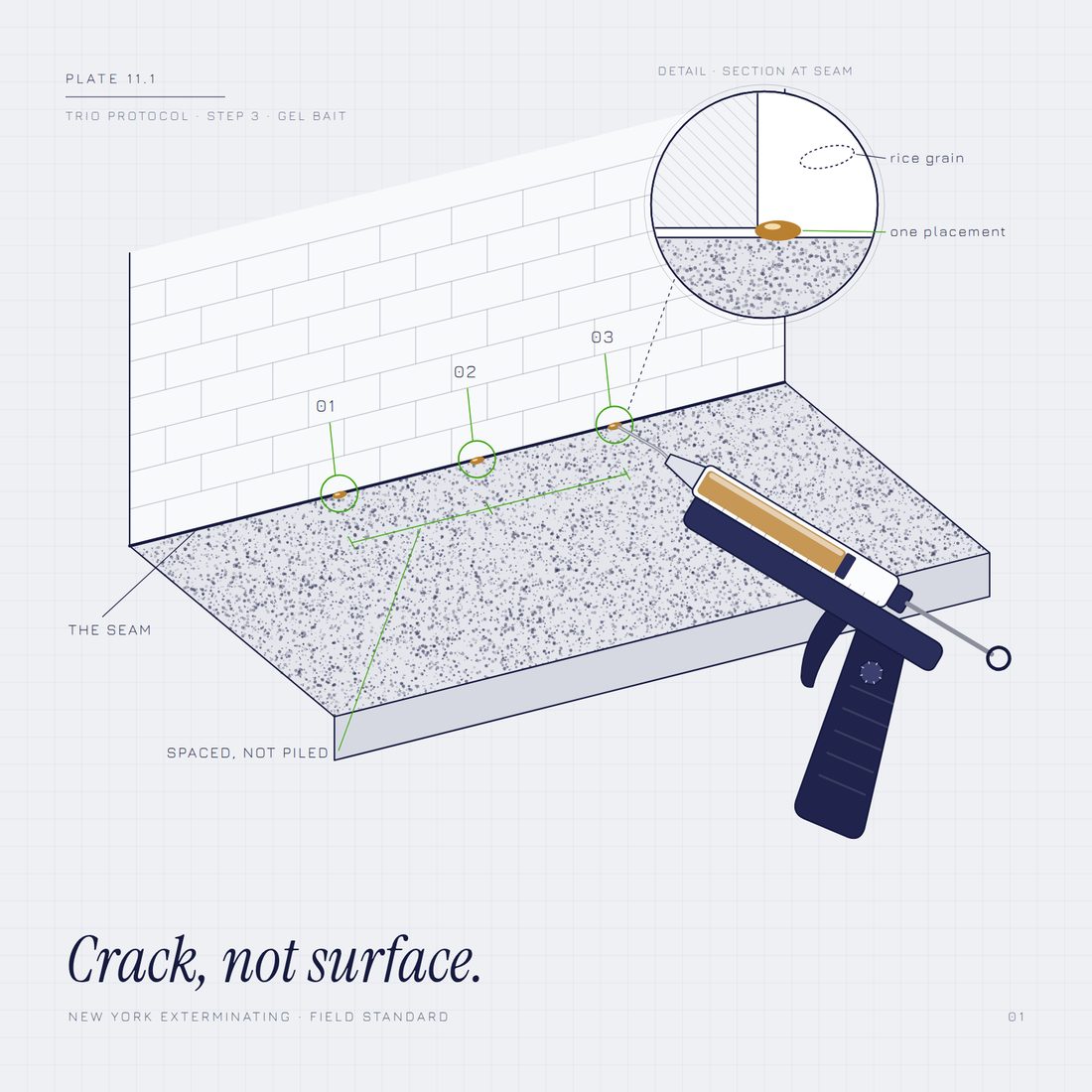
A heat-stable bait with a different mode of action, placed in feeding runs, to finish whatever the first two modes missed.
Because the material is non-repellent, they can’t detect it. They don’t avoid it and they don’t scatter into other rooms. They keep returning to treated harborages hour after hour, so a single application becomes continuous exposure and the dose accumulates. A roach with partial tolerance may survive seconds of contact. It does not survive forty hours of it.
There’s a second effect: horizontal transfer. Insects carry active material back into the void on their bodies, passing it to nymphs that never came out at all. The colony distributes the treatment where our equipment physically can’t reach. More in why roaches come back after spraying and resistance in NYC.
The treatment is also a diagnosis.
Every other cockroach treatment in New York is blind. The technician sprays, leaves, and everyone waits to find out whether it worked. Ours produces two pieces of hard information.
The flush-out shows the true size of the hidden population
The oil-based phase drives roaches out of the voids, giving a direct read on a population that’s normally invisible. In ten to twenty minutes we learn more than an hour of visual inspection, because we’re seeing what was inside the appliance rather than what was on the counter.
| What emerges | What it means |
|---|---|
| A handful of adults | Early or recently introduced. Usually fully handled in the single visit. |
| Dozens, mixed life stages | Established and breeding on site. We’ll set expectations for the next two weeks. |
| Hundreds, heavy nymphs | Long-established, usually building-level pressure. We tell you on day one, not after three failed visits. |
Wing shape tells us whether they grew here or walked in
Growth regulators act on the molt. A nymph developing under IGR exposure can’t complete its final molt and emerges as an adultoid — adult-sized, with visibly twisted or curled wings. German cockroaches take six to eight weeks to mature, so these appear around the two-month mark.
| What you see at ~2 months | What it tells us |
|---|---|
| Twisted, curled wings | They developed inside your unit under our IGR. The internal population is collapsing and the program is working. |
| Normal, formed wings | They did not develop here. They walked in from a neighbor, a plumbing chase, a delivery or cardboard. |
That changes what happens next. Twisted wings, we stay the course. Normal wings, treating your unit harder is the wrong answer because the pressure is external. More on IGR adultoids
A $99 spray and this are not the same service.
Typical treatment
- Repellent products that scatter the population into other rooms
- Surface application that never reaches the harborage
- One mode of action against a partially resistant population
- No growth regulator, so the next generation still arrives
- You learn nothing about severity or where they came from
- Repeat visits as the standard business model
The Trio Protocol
- Non-repellent chemistry, so exposure accumulates instead of scattering
- Microinjected directly inside voids and motor housings
- Three separate modes of action for resistance management
- IGRs that shut down the colony’s ability to rebuild
- Severity graded on day one, origin identified at two months
- Most cases finished in a single visit, under 1% callbacks
The Trio Protocol on a real job.
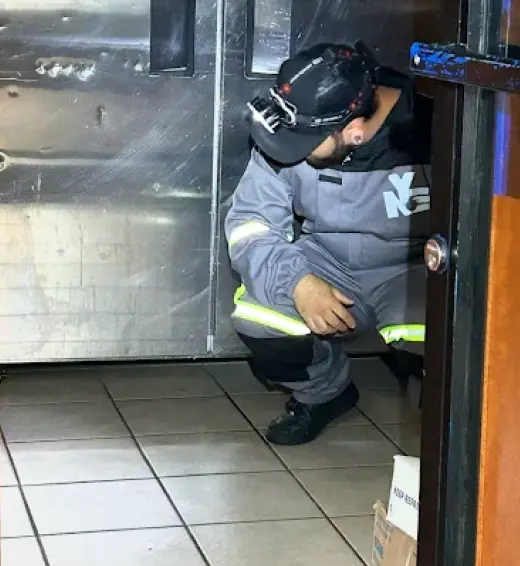
Photos from NYE German cockroach treatments, step by step. The stove and refrigerator come out on every job.
Populations compound.
So does your quote.
The cheapest version of this job is the one you book today
A single female produces multiple egg cases, each carrying 30 to 40 nymphs, and those nymphs reach breeding age in roughly six to eight weeks.
A light, recently-introduced population, the kind usually handled in one visit at the bottom of our range, does not stay light. It becomes an established, multi-room infestation in a single breeding cycle. The apartment that was straightforward in March is a heavy job by June.
And because we price on severity — rooms involved, product required, time on site — waiting doesn’t just make it worse, it raises your number. The customer who calls at “a few in the kitchen” pays near $299. The one who calls at “they’re in every room” pays near $699, and is likelier to need a second visit.
Two other clocks are running. In a building, an untreated population spreads through shared chases into neighboring units and stops being a problem you can solve alone. And German cockroach allergens are a recognized indoor asthma trigger — see EPA guidance and NYC Health.
Every breeding cycle you wait costs more.Same-day and next-day slots across all five boroughs.
Quoted upfront. Most finish in one visit.
Complete Trio Protocol. Follow-ups, if needed, are 50% off.
Where your number lands depends on four things:
- How many rooms are involved — one kitchen is a different job from a kitchen, two baths and a laundry area.
- How many people live in the unit — occupancy drives food availability, clutter and harborage pressure.
- How much product the job requires — a light introduction and a heavy infestation aren’t the same material cost.
- How much time we need on site — microinjecting every void in a heavy unit takes considerably longer.
You get the exact number after inspection, before any work begins. If you need us at 10:00 a.m., we’re there at 10:00 a.m.
Split it into monthly payments
Estimate your payment with Klarna, Affirm or Afterpay. Checking your rate is a soft check with no credit impact.
Estimated payment $41 · 12 monthly payments
Example at 14.9% APR. 0% APR plans may be available. New York Exterminating is not a lender.
Tenants, owners and buildings.
Already failed once or twice?
Nothing was wrong with you. The treatment never reached the harborage. No need to empty the kitchen or leave for the day. Expect a brief spike in activity as they’re pushed out of voids, which is the protocol working.
Stop re-treating the same unit
Roaches move between units through shared chases. Our non-repellent doesn’t push them next door, and the wing diagnostic tells you which line is feeding the problem. Building programs
HPD, DOH & 7A ready
Unit-by-unit records and findings. Jorge Bedoya is an Associate Certified Entomologist, we carry a $3M certificate of insurance, and COIs and W-9s are available on request.
German cockroach resistanceWhy one product fails
IGR adultoids and twisted wingsThe origin diagnostic
Migration between apartmentsHow they move through a building
Apartment building treatmentBuilding-level programs
DIY German cockroach planPrep, PPE, IGR, bait, monitoring
Straight answers.
How much does German cockroach treatment cost in NYC?
The complete Trio Protocol typically runs $299 to $699, and most cases are resolved in a single visit. Price depends on how many rooms are involved, how many people live in the unit, how much product the job requires, and how much time we need on site. You get the exact figure after inspection, and you can split it into monthly payments.
Will I really only need one visit?
Most single-unit cases, yes. Heavy long-established infestations, restaurants and buildings with active migration may need a short program. The flush-out on day one tells us which situation you’re in, so we can say honestly at the start rather than after you’ve paid twice.
Why do I see more roaches right after treatment?
That’s the flushing action of the microinjection phase driving them out of the voids where they live. It’s the treatment reaching the population surface sprays never touch, and it settles within a few days.
What does it mean if the cockroaches have twisted wings?
They developed inside your unit while our growth regulator was active and couldn’t complete a normal final molt. It’s a good sign, because the internal breeding population is being shut down.
What if they still have normal wings after two months?
Then they didn’t develop in your unit. They’re arriving from outside, whether a neighboring apartment, a shared plumbing chase, deliveries or cardboard, and we’ll tell you where to look.
Should I try store-bought products first?
It’s the most expensive way to save money. Retail sprays are repellent, so they scatter the population deeper into voids and into neighboring rooms, and a breeding cycle takes only six to eight weeks.
Do you offer same-day service?
Yes, across most of NYC. Call or text (347) 210-4646 and we’ll usually confirm within the hour.
Stop paying for treatments that never reach the colony.
Jorge Bedoya, ACE, leads every German cockroach program at NYE. If you’ve been through failed treatments, or you manage a building where the problem keeps moving between units, this is the work we do.
$299–$699 · Most resolved in one visit · Financing available · Se habla español
Instant estimate
See your price in 30 seconds.
Service type
Apartment size
How long has it been going on?
The longer it runs, the further it spreads — the single biggest factor in what a job costs.
Your estimate
From $299
German cockroach · studio or 1 bedroom · caught early
One-time treatment · quoted upfront after inspection · financing available
Free quote · No obligation · Residential NYC · Led by Jorge Bedoya, ACE