Straight answers from a licensed New York exterminator and Associate Certified Entomologist (ACE) — serving all five boroughs, in English and Spanish.
Get a Free Estimate →⏱ 2 min read
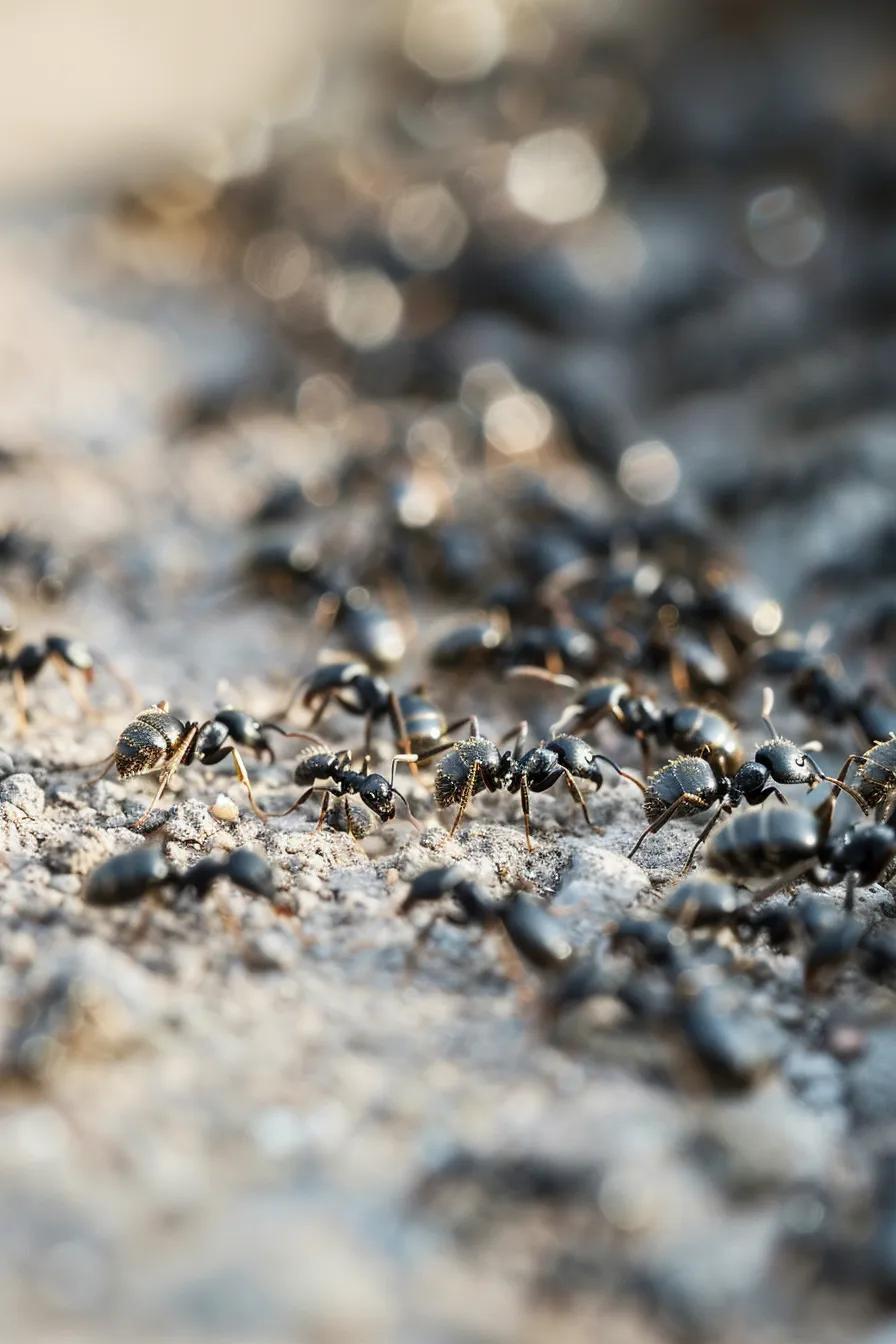
Quick answer: The ants you see in NYC homes are usually pavement ants, odorous house ants, or carpenter ants. Tiny dark ants trailing along floors and counters are most often pavement or odorous house ants (the latter smell like rotten coconut when crushed); large black ants are carpenter ants, which tunnel in wood. They come inside seeking food and water — especially sweets and grease — entering through tiny cracks. Most are a nuisance, but carpenter ants can damage wood.
Common ants in NYC homes
- Pavement ants: small (~3 mm), dark brown/black, trail along floors, baseboards, and sidewalks. The most common indoor ant.
- Odorous house ants: small, dark; crushed, they give off a rotten-coconut smell. Love sweets, form long trails.
- Carpenter ants: large (6–12 mm), usually black; they don’t eat wood but excavate it to nest, leaving sawdust-like shavings. A sign of moisture/wood issues.
- Pharaoh ants: tiny, yellowish; a concern in apartment buildings and healthcare settings because they spread easily and resist DIY sprays.
Why you suddenly have ants
Ants send scouts to find food; when one finds crumbs, grease, pet food, or moisture, it lays a scent trail and others follow. They squeeze through tiny gaps around windows, doors, pipes, and the foundation, and they’re most active in warmer months. A trail indoors almost always leads back to a food source and an entry point.
Carpenter ants — when ants mean more
Large black ants indoors, faint rustling in walls, or small piles of wood shavings can indicate carpenter ants nesting in damp or damaged wood. They don’t eat wood like termites, but their galleries can weaken it over time. If you also saw winged ants, compare with flying ants vs. termites to rule out termites.
How to control ants
Spraying the trail you see often backfires — it scatters them without reaching the colony. Better: remove the food/water, wipe trails to erase the scent, seal entry points, and use targeted baits the workers carry back to the nest. Persistent or carpenter-ant problems are best handled professionally.
Recurring ant trails or large black ants? New York Exterminating’s NYC ant control targets the colony (not just the trail) with a low-exposure plan, led by an Associate Certified Entomologist (ACE). Call (347) 210-4646.
A Brooklyn-based, NYSDEC-registered company (Reg. #15140) led by Jorge Bedoya, an Associate Certified Entomologist (ACE). For ants, NYE provides colony-focused ant control matched to the species. ACE-led work comes with a client portal of service reports and photos, fully bilingual service, and no long-term contract.
NYC Ants — FAQ
Why do I suddenly have ants in my apartment?
A scout found food or water and laid a scent trail others follow. Crumbs, grease, sweets, pet food, and moisture are the usual draws, with entry through tiny cracks.
What kind of ants are in NYC?
Most commonly pavement ants and odorous house ants (small and dark), plus carpenter ants (large and black) and, in buildings, pharaoh ants.
How do I know if they’re carpenter ants?
They’re large (6–12 mm) and usually black, and you may see sawdust-like shavings or hear faint activity in walls. They nest in damp or damaged wood.
Why shouldn’t I just spray the ants I see?
Spraying the visible trail kills foragers but not the colony, and can cause it to split and spread. Baiting and addressing the source work better.