Why New York Exterminating
We’re built to solve your pest problem, not to lock you into a monthly contract. We don’t require monthly spray contracts or forced annual agreements, the same technician handles your property on every visit, and we never blame your housekeeping. Every job is ACE-led (Jorge Bedoya, Associate Certified Entomologist, NYSDEC #15140), bilingual in English and Spanish, and we serve all five boroughs plus Nassau and Westchester — with a callback rate under 1%.
Premium pest control, made affordable. Finance your treatment with Klarna, Affirm, or Afterpay and pay over time — money shouldn’t be the reason pests stay.
Finance with Klarna, Affirm, or Afterpay. Checking your rate is a soft check — no credit impact.
Example at 14.9% APR; 0% APR plans may be available. Actual rate shown when you prequalify. New York Exterminating is not a lender.
Quick answer
New York Exterminating removes stinging pests — wasps, hornets, yellowjackets, and bees — from NYC homes and yards by treating the nest directly and sealing the entry points so they can’t rebuild. We protect honeybees where possible and prioritize fast, safe same-day response for active nests. Service is dependable, with a free estimate.
A wasp or hornet nest by your door, on the fire escape, or inside a wall is not a problem to poke at with a store-bought can — that is exactly how people end up with multiple stings. New York Exterminating removes stinging-insect nests safely, controls the whole colony, and identifies the insect first so honeybees get relocated rather than killed. The work is led by an Associate Certified Entomologist (ACE) trained on stinging insects and licensed in structural pest control, with 24/7 emergency response across the five boroughs.
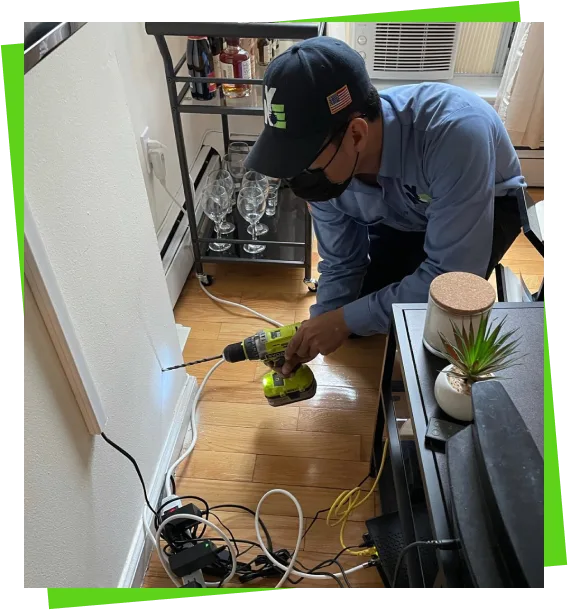
Real New York Exterminating jobs
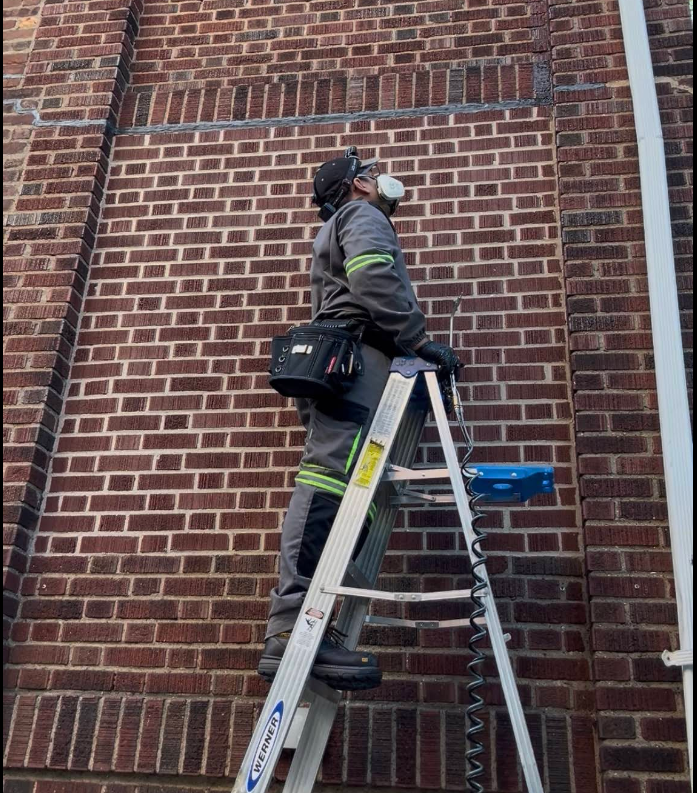
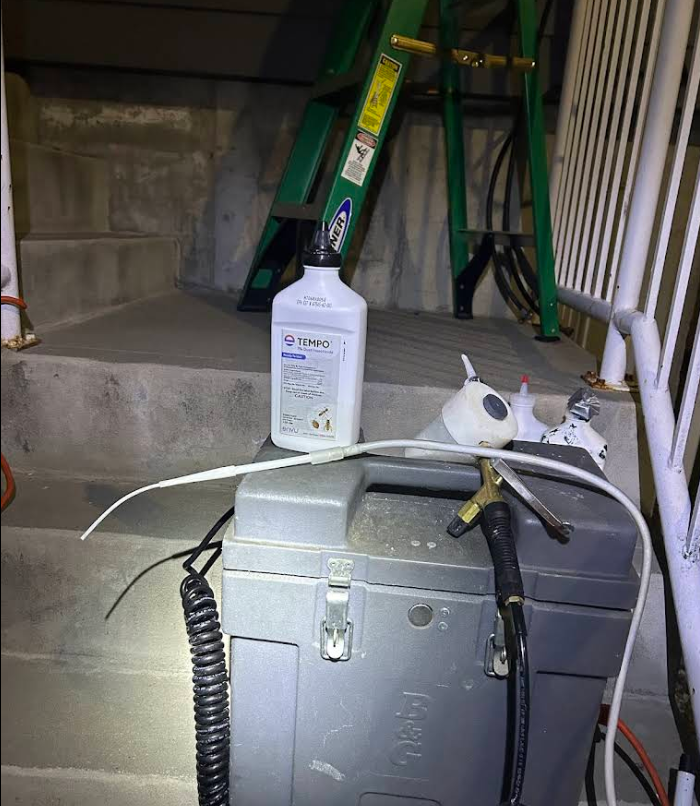
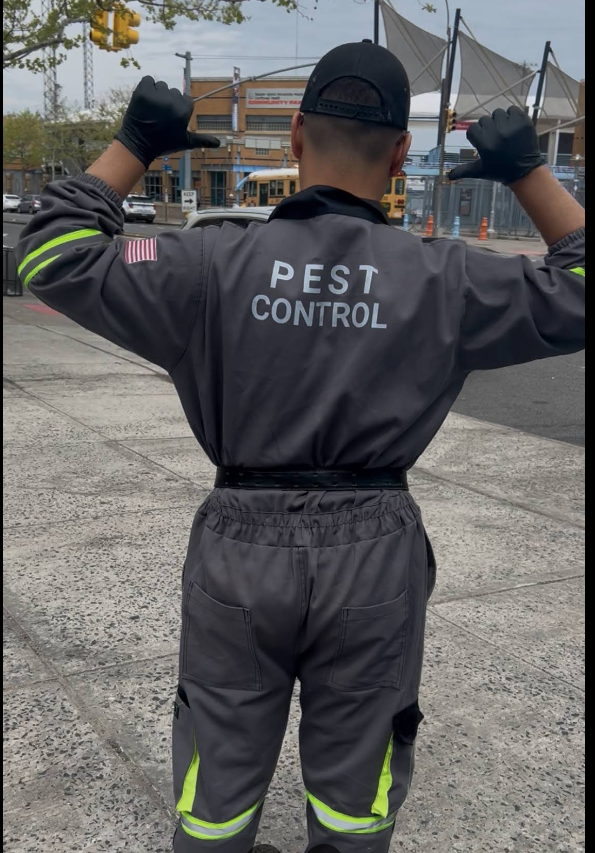
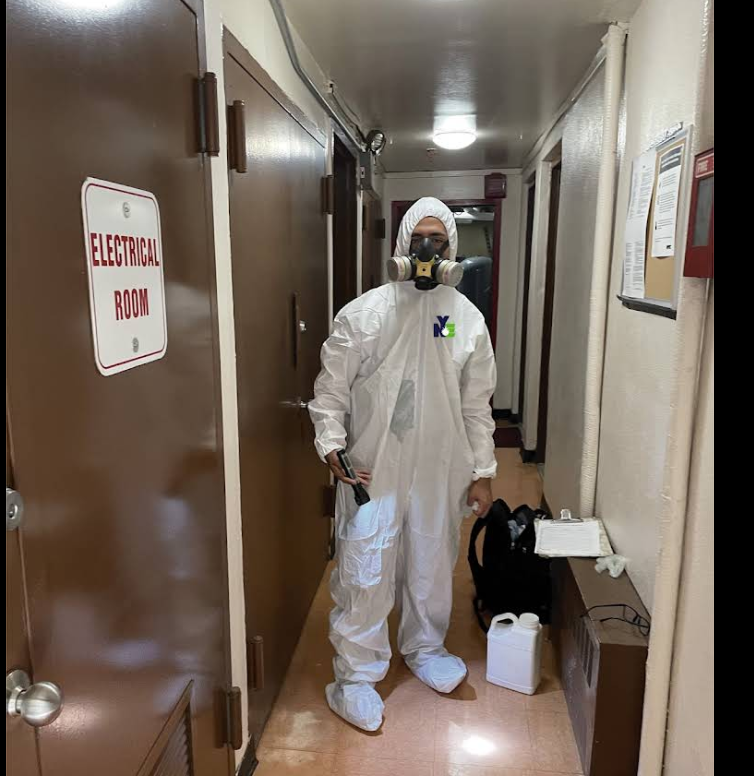
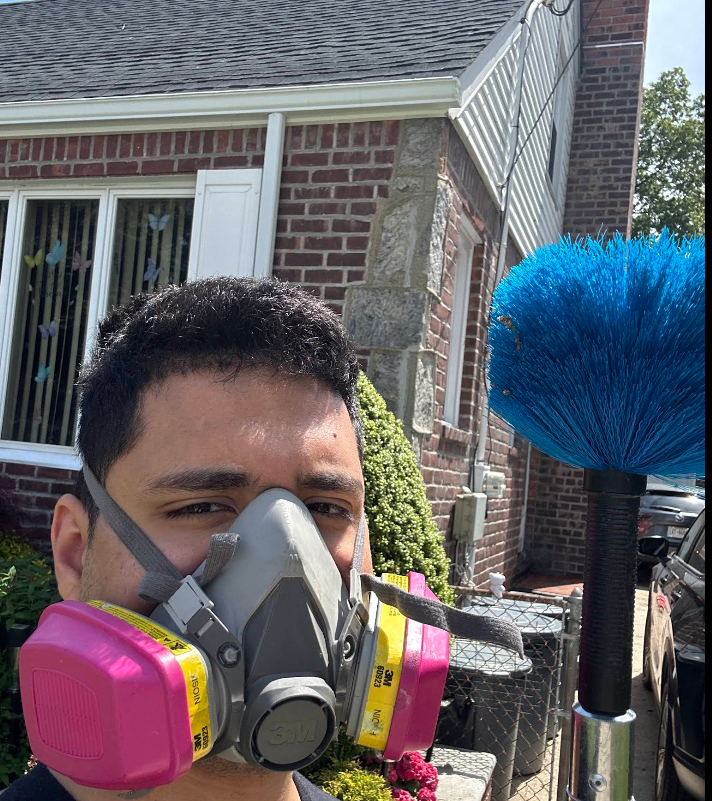
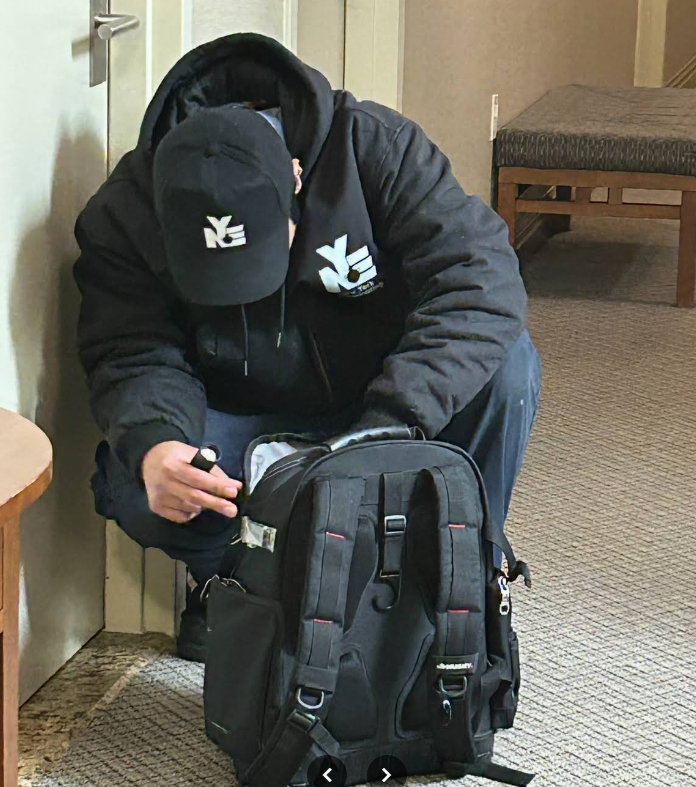
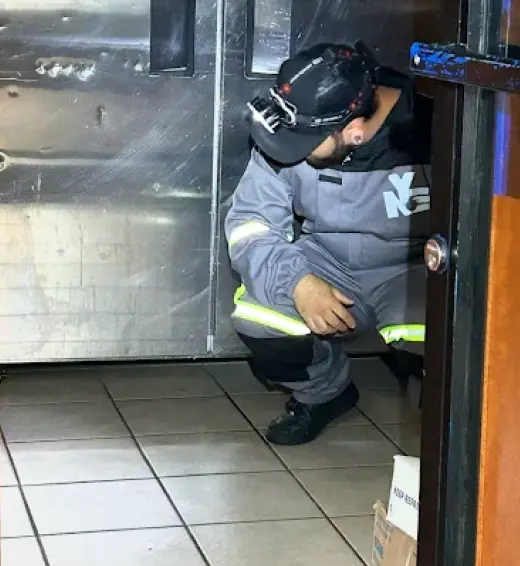
Photos from real NYE service calls across NYC.
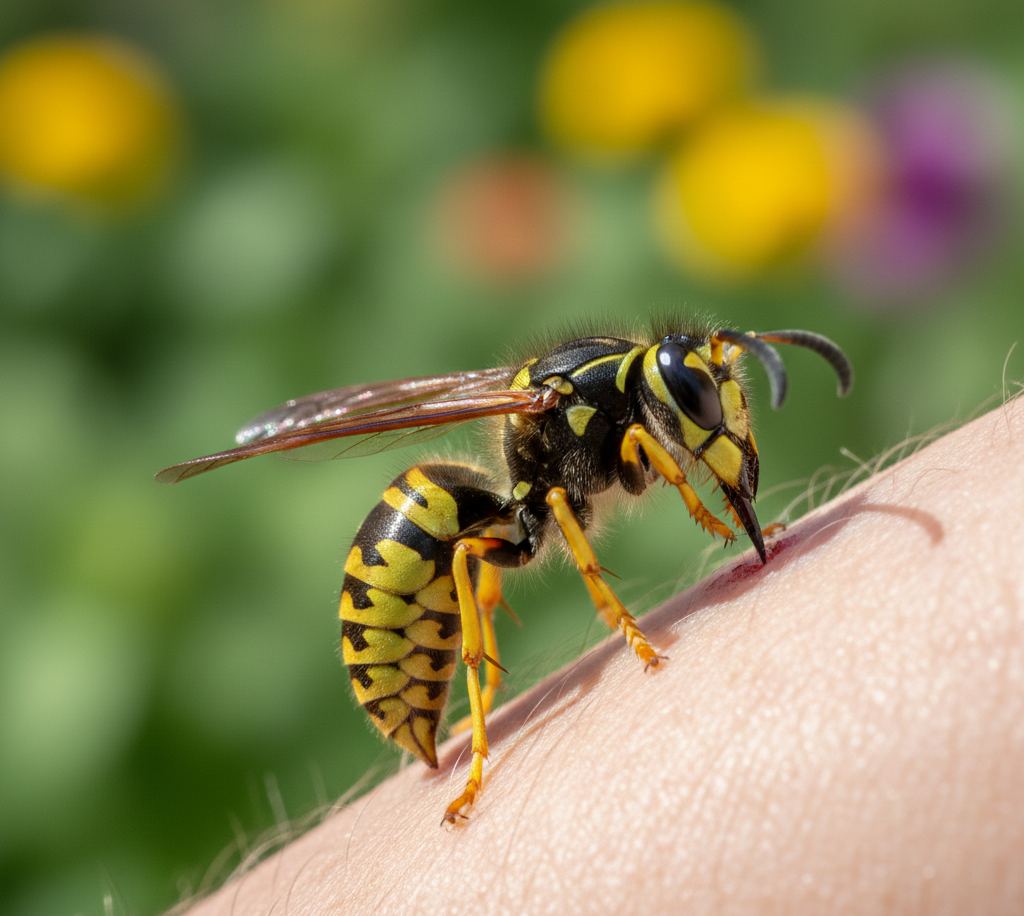
The first decision is what you actually have, because the right response differs sharply. Yellowjackets, paper wasps, and hornets (bald-faced and European) are aggressive nest-defenders that sting repeatedly — these we treat and remove. Honeybees are valuable pollinators, and when it is a genuine honeybee colony the correct, responsible move is relocation by a beekeeper, not extermination. People also confuse harmless lookalikes — large solitary cicada killers and wood-boring carpenter bees — for dangerous wasps. We confirm the species (a clear photo usually does it) and handle each appropriately, so you never pay to exterminate a beneficial colony or under-react to an aggressive one.
Stinging pests near your home? Don’t wait for someone to get hurt.
Safe, same-day nest removal across all five boroughs. Dependable. Free estimate.
Disturbing a nest provokes the colony to defend in numbers, and that is when stings happen. It is worse in the city: nests under eaves and cornices, on shared fire escapes and ledges, and inside wall voids are common, and sealing a wall nest’s entrance drives trapped wasps inward into the living space. In attached buildings a single nest on a shared structure threatens several units. Professional removal controls the entire colony at the source and removes the accessible nest so it cannot be reoccupied — safely, and without turning a back deck or fire escape into a swarm.
1. Identify. We confirm wasp vs. hornet vs. honeybee and assess the risk and location.
2. Treat the colony. We control the colony at the nest or void entry — the whole population, not just the surface.
3. Remove the nest. We remove the accessible nest so it cannot be reoccupied or attract other pests.
4. Prevent. We point out what drew them to the spot and how to discourage a new nest — or arrange beekeeper relocation for honeybees.
Related services: General Pest Control and contact us for 24/7 emergency help.
Yes — 24/7 response, prioritizing nests in high-traffic areas and situations where someone has been stung or is allergic.
Yes — a true honeybee colony is relocated by a beekeeper whenever possible, not exterminated.
Often yes — email a clear photo and we can usually tell you the species and urgency before arriving.
It can be. A nest by a doorway, on a fire escape, near where children or pets play, or anywhere someone has already been stung is urgent — especially if anyone in the building has a sting allergy, where one sting can be life-threatening. Yellowjackets and hornets also defend their nests aggressively in groups. If the nest is in a high-traffic spot or someone is allergic, do not wait — call and we will prioritize it.
No. Disturbing a nest — spraying a store can, hitting it, or sealing the entrance — provokes the colony to defend all at once, which is how most multiple-sting incidents happen. Nests inside wall voids are especially dangerous to seal, because trapped wasps chew inward into the living space. Professional removal handles the entire colony safely and keeps you out of the swarm.
It matters a lot. Wasps and hornets — yellowjackets, paper wasps, bald-faced and European hornets — are aggressive nest-defenders and are treated and removed. Honeybees are valuable pollinators, so whenever it is a true honeybee colony the right move is relocation by a beekeeper, not extermination. We identify the insect first and handle it accordingly — a photo often tells us what you have before we arrive.
Under eaves, soffits, and roof overhangs; on fire escapes, balconies, and window ledges; inside wall voids and attics; in shrubs and trees; and in the ground for some yellowjackets. In dense neighborhoods a nest on a shared fire escape or cornice affects several units at once, so we treat the whole colony, not just the visible nest.
Yes. Stinging insects are one of our most common urgent calls in summer, and we offer 24/7 response across the five boroughs, prioritizing nests in high-traffic areas and any situation where someone has been stung or is allergic.
We control the colony and remove the accessible nest so it cannot be reoccupied or attract other pests. For nests inside wall voids we treat the colony at the entry and make sure it is fully knocked down. We also point out what attracted them and how to keep the spot from being chosen again next season.
New York Exterminating, Inc.
1115 E 13th St, Brooklyn, NY 11230
ACE-Certified · Licensed in Structural & Food-Establishment Pest Control · 24/7 response across the five boroughs
Every job is led by an Associate Certified Entomologist. Meet Jorge Bedoya, ACE — the NYC Exterminator »
New York Exterminating is Brooklyn-based and covers the whole city — the same Associate Certified Entomologist–led service in every borough:
Brooklyn · Manhattan · Queens · The Bronx · Staten Island · Yonkers · White Plains · Nassau County
No. We don’t lock you into monthly spray contracts or forced annual agreements.
Yes. The same technician services your property on every visit, so the plan and history stay consistent.
We serve all five boroughs plus Nassau and Westchester, in English and Spanish, from our Midwood, Brooklyn base.
{“@context”:”https://schema.org”,”@type”:”FAQPage”,”mainEntity”:[{“@type”:”Question”,”name”:”Do you require a monthly contract?”,”acceptedAnswer”:{“@type”:”Answer”,”text”:”No. We do not lock you into monthly spray contracts or forced annual agreements.”}},{“@type”:”Question”,”name”:”Will the same technician handle my property each visit?”,”acceptedAnswer”:{“@type”:”Answer”,”text”:”Yes. The same technician services your property on every visit, so the plan and history stay consistent.”}},{“@type”:”Question”,”name”:”What areas do you serve?”,”acceptedAnswer”:{“@type”:”Answer”,”text”:”We serve all five boroughs plus Nassau and Westchester, in English and Spanish, from our Midwood, Brooklyn base.”}}]}













Designed & Managed with 💛 By
Stinging pest removal in NYC — wasps, hornets, yellowjackets, and bees removed safely and fast. Dependable.