Why New York Exterminating
We’re built to solve your pest problem, not to lock you into a monthly contract. We don’t require monthly spray contracts or forced annual agreements, the same technician handles your property whenever possible, and we never blame your housekeeping. Every job is ACE-led (Jorge Bedoya, Associate Certified Entomologist, NYSDEC #15140), bilingual in English and Spanish, and we serve all five boroughs plus Nassau and Westchester — with a callback rate under 1%.
New York Exterminating provides clothes moth and textile pest control across NYC for apartments, brownstones, co-ops, and homes with wool, cashmere, silk, fur, and fine rugs. If something is putting holes in your sweaters or carpets, the first thing to get right is what is actually doing it.
Clothes moths and carpet beetles are constantly confused, and they are nothing like the moths in your pantry. The larvae, not the adults, cause the damage, and they hide in the places you never check. Treating the wrong pest, or only the room where you saw a moth, is why these infestations drag on for months.
New York Exterminating is led by an Associate Certified Entomologist (ACE), credentialed by the Entomological Society of America and licensed in structural and food-establishment pest control. Your pest is identified correctly before a single treatment, the step that determines whether the problem actually gets solved.
Send us a photo and we will identify it. Call +1 (347) 210-4646 or request service online. Open 24/7. Se habla español.
Related services and resources: Pantry Pest Control · Silverfish Control · Pest Identification Service · Brooklyn Pest Control
Real New York Exterminating jobs
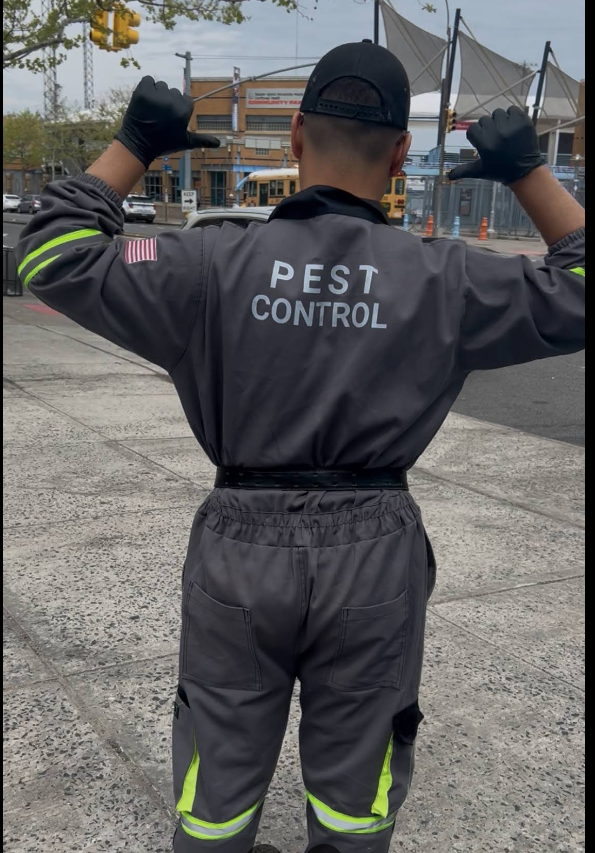
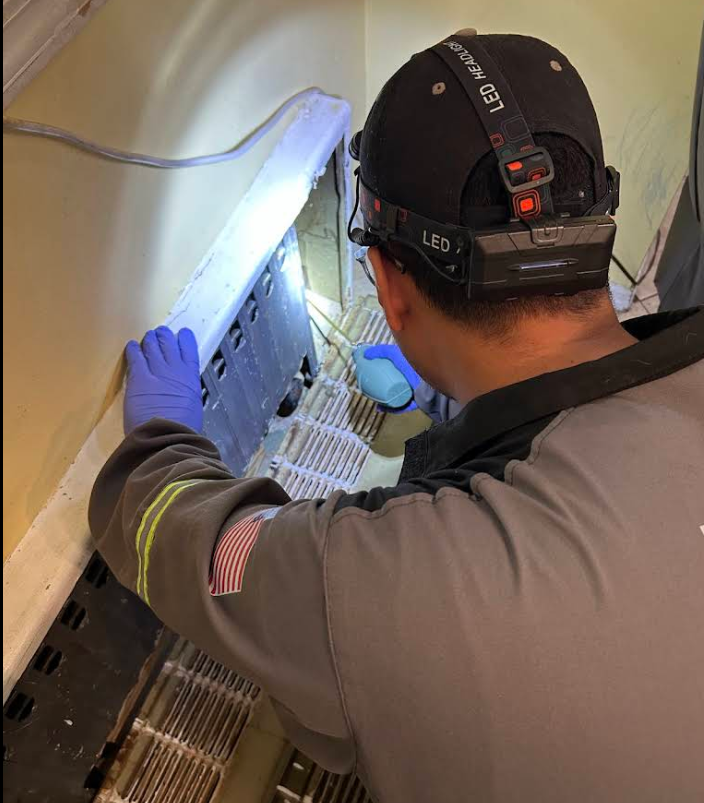
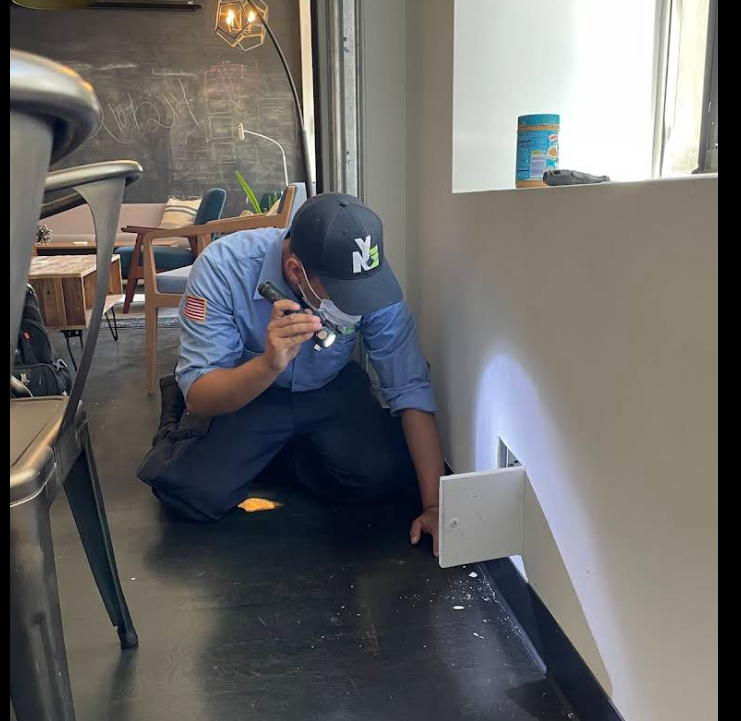
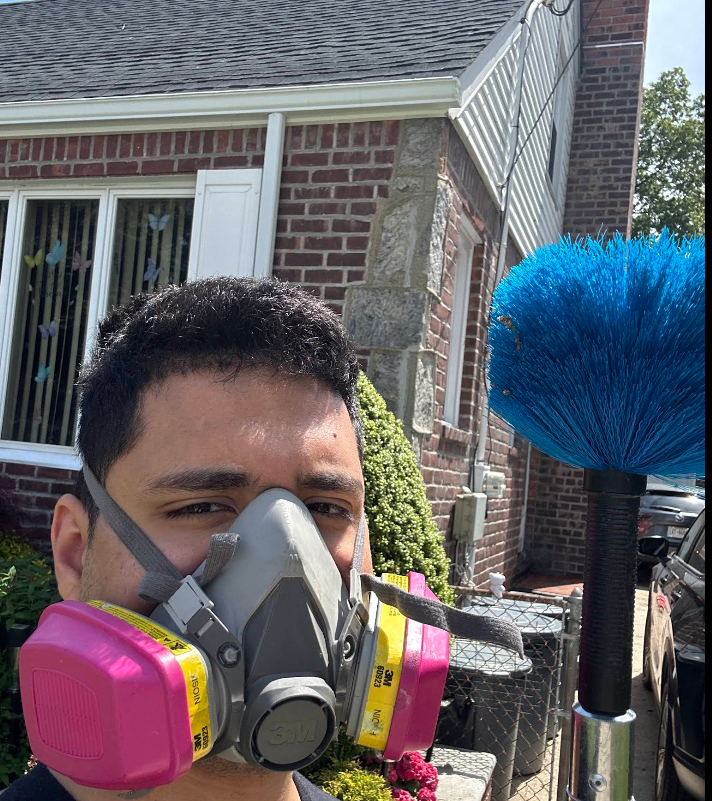
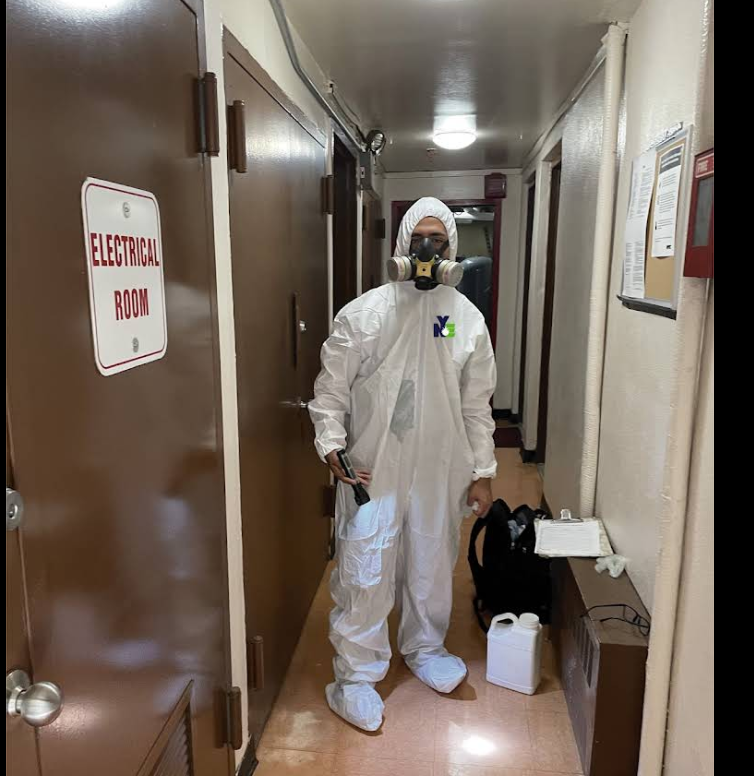
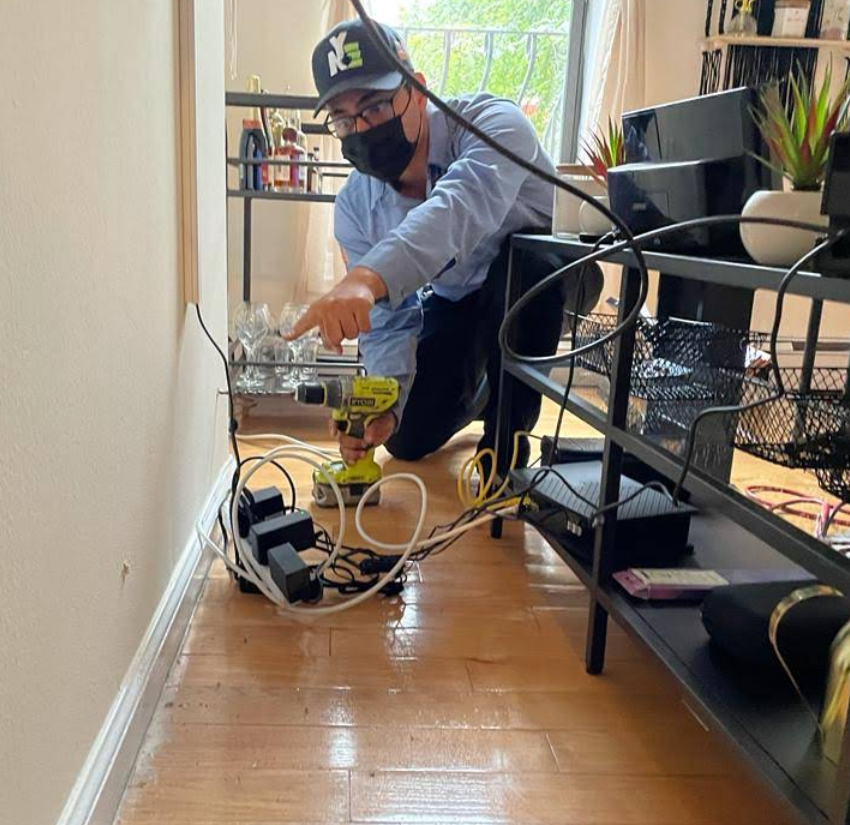
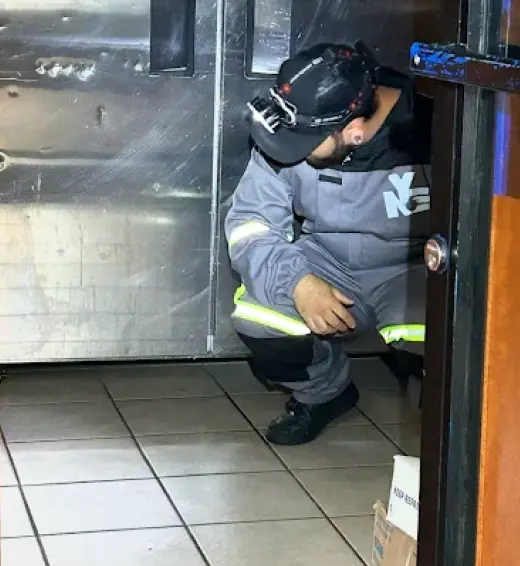
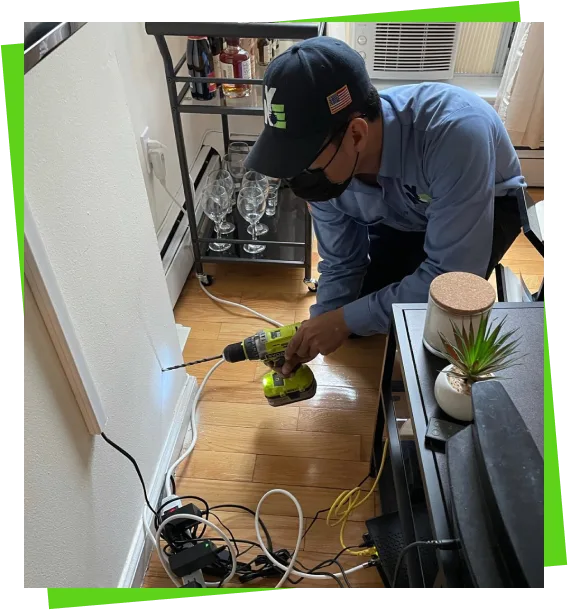
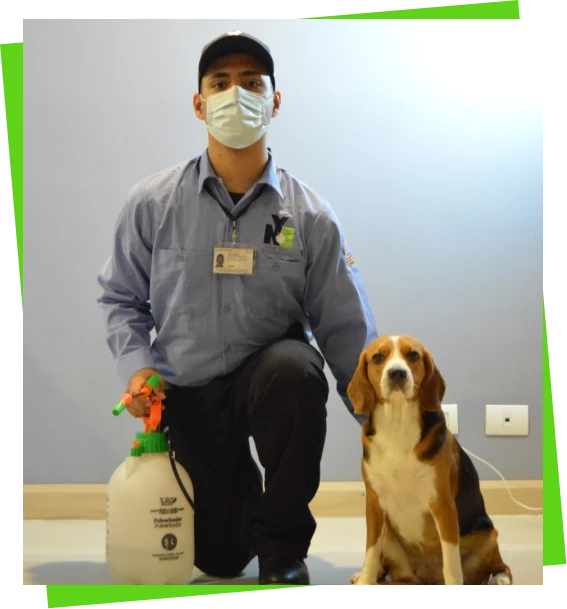
Photos from real NYE service calls across NYC.
Completely different pests with different treatments. Clothes moths eat natural fibers; pantry moths eat food. We confirm which one you have before treating.
Often, yes. Carpet beetles cause near-identical damage and are the most common misidentification. We identify and treat both.
Rarely. Mothballs require sealed conditions most homes cannot achieve and do nothing about the hidden larval source. Source removal is what works.
Holes in your wool or silk? Clothes moth larvae are feeding.
Textile treatment and protection across NYC. ACE-led. Free estimate.
Most failed textile-pest efforts are aimed at the wrong insect. Here is how the three get confused, and why the distinction changes the treatment:
The damage looks similar, but the source and treatment do not. Our ACE confirms which pest you actually have before recommending anything.
NYC living is ideal for clothes moths. Pre-war apartments come with deep, dark, undisturbed closets; residents store wool coats and cashmere through long humid summers; and fine rugs, inherited or bought, line many homes. Add limited storage that forces garments to sit packed and untouched for months, and you have exactly the still, protein-rich environment larvae need. The damage is usually well underway before the first adult moth is ever noticed.
By the time you see an adult clothes moth, the larvae have been feeding for weeks in places you never look. People react by treating the visible item and the room, while the real reservoir, the wool rug pad, the box of stored sweaters, the felt under a piano, keeps producing more. And because carpet beetles look and damage like clothes moths, half of self-treated cases target the wrong insect entirely. Identification first is the only approach that ends it.
Damage wool, cashmere, silk, fur, felt, and blends, plus upholstery and the foundation of natural-fiber rugs. Larvae leave irregular holes and silken webbing or small cases in dark, undisturbed spots.
Cause the same fabric damage and are the textile pest most often mistaken for moths. The bristly larvae feed on wool, silk, feathers, and dried animal materials, and telling moths and beetles apart changes the treatment plan.
We confirm whether you are dealing with clothes moths, carpet beetles, or another fabric pest, because the right treatment depends entirely on the right ID.
We inspect closets, stored textiles, rugs and pads, upholstery, and the hidden lint reservoirs where larvae actually live, to find what is fueling the infestation.
We treat the infested areas and the source with methods appropriate to textiles, and advise on cleaning, heat, freezing, and storage for affected garments and rugs.
We set you up with practical prevention, proper storage, vacuuming routines, and monitoring, and confirm the activity has stopped.
Heat is the one treatment that reaches every life stage of a clothes moth — eggs, larvae, pupae and adults — inside the fibers of a garment, and it leaves no residue on fabric you wear against your skin. We use two purpose-built heat chambers, the ZappBug Oven and the ZappBug Room, and choose between them by the size and shape of the load.
| What needs treatment | Chamber | Why |
|---|---|---|
| Bagged sweaters, wool and cashmere, shoes, handbags, scarves | ZappBug Oven | Fast, even heat for small and medium loads that fit in bags |
| Suitcases, upholstered chairs, cushions, rolled rugs, whole wardrobes | ZappBug Room | Walk-in capacity, so bulky items are treated in one cycle without disassembly |
| Items that cannot be washed or dry-cleaned | Either, by size | Heat treats the whole item, folds and linings included, with no wetting |
Clothes moths die at about 120°F within roughly 30 minutes once the core of the load reaches that temperature, so what matters is the temperature inside the pile, not the setting on the dial. We place a probe thermometer in the middle of the load to confirm it. A full cycle, including warm-up and cool-down, takes several hours.
Heat treats what goes into the chamber; it does not treat the closet. Larvae and eggs can also sit in carpet edges, baseboard cracks, and boxed storage, which is why heat is one mechanism in a larger program alongside closet-structure treatment and pheromone monitoring that confirms the result. Before we arrive, seal garments in bags without shaking them out, and tell us about anything unusual (aerosol cans, candles, vinyl records and some plastics do not belong in a heat chamber). See the full clothes moth treatment program.
EPA: Identify Your Pest Problem · EPA: Safe Pest Control
Natural protein fibers: wool, cashmere, silk, fur, felt, and blends, plus the wool foundation of fine rugs and upholstery. They are drawn to items with body oils, sweat, or food stains, which is why an unwashed sweater put away for the season is a classic target. They do not eat synthetics, though they can graze stains on them.
Often, yes. The adults you see flying are not the ones causing damage, they are the breeding stage, and by the time they are visible the larvae have usually been feeding for weeks somewhere hidden. A couple of fluttering moths near a closet is a signal to inspect, not to ignore.
Yes, and the underside of a natural-fiber rug is one of the most overlooked sources we find. Larvae feed undisturbed beneath rugs, in upholstery seams, and in lint along baseboards. Treating the visible closet while a rug is feeding the population is why these problems recur.
Clean garments before long-term storage, since body oils and stains attract larvae, then store them sealed in hard containers rather than loose in a closet. Cedar and lavender help only modestly; clean clothes in sealed storage are what actually protect them.
Most cases are brought under control over a few weeks as the source is removed and treated areas are cleared of larvae. The timeline depends on how many hidden sources exist, a single closet resolves fast, while rugs and multiple storage areas take longer.
It depends on the extent of the infestation and how many rooms, rugs, and storage areas are involved. We inspect, identify the pest, and provide a clear quote before any work begins.
New York Exterminating, Inc.
1115 E 13th St, Brooklyn, NY 11230
ACE-Certified · Licensed in Structural & Food-Establishment Pest Control · Since 2010
Before you treat the wrong bug, get it identified. Protecting fine textiles starts with knowing exactly what you are up against.
Every job is led by an Associate Certified Entomologist. Meet Jorge Bedoya, ACE — the NYC Exterminator »
New York Exterminating is Brooklyn-based and covers the whole city — the same Associate Certified Entomologist–led service in every borough:
Brooklyn · Manhattan · Queens · The Bronx · Staten Island · Yonkers · White Plains · Nassau County
No. We don’t lock you into monthly spray contracts or forced annual agreements.
Yes. Whenever possible, the same technician services your property, so the plan and history stay consistent.
We serve all five boroughs plus Nassau and Westchester, in English and Spanish, from our Midwood, Brooklyn base.
Premium pest control, made affordable. Finance your treatment with Klarna, Affirm, or Afterpay and pay over time — money shouldn’t be the reason pests stay.
Finance with Klarna, Affirm, or Afterpay. Checking your rate is a soft check — no credit impact.
Example at 14.9% APR; 0% APR plans may be available. Actual rate shown when you prequalify. New York Exterminating is not a lender.








Clothes moth and textile pest control in NYC — we protect your wool, silk, and natural fibers and stop the damage. Dependable.