Straight answers from a licensed New York exterminator and Associate Certified Entomologist (ACE) — serving all five boroughs, in English and Spanish.
Get a Free Estimate →⏱ 6 min read
Quick answer
Cockroaches come from outside and from neighboring units — up through drains, pipes, and gaps, and by hitchhiking in grocery bags, cardboard boxes, used furniture, appliances, and deliveries. They stay and multiply because something is giving them food, water, warmth, and shelter. In NYC apartments, German cockroaches usually arrive on items and spread between units through shared walls and plumbing, while the large “water bugs” come up from sewers, drains, and basements.
Knowing where roaches come from is the key to keeping them out. This guide explains how they get in, what keeps them around, and why NYC buildings are especially prone — written and reviewed by Jorge Bedoya, an Associate Certified Entomologist (ACE).
Where cockroaches actually come from
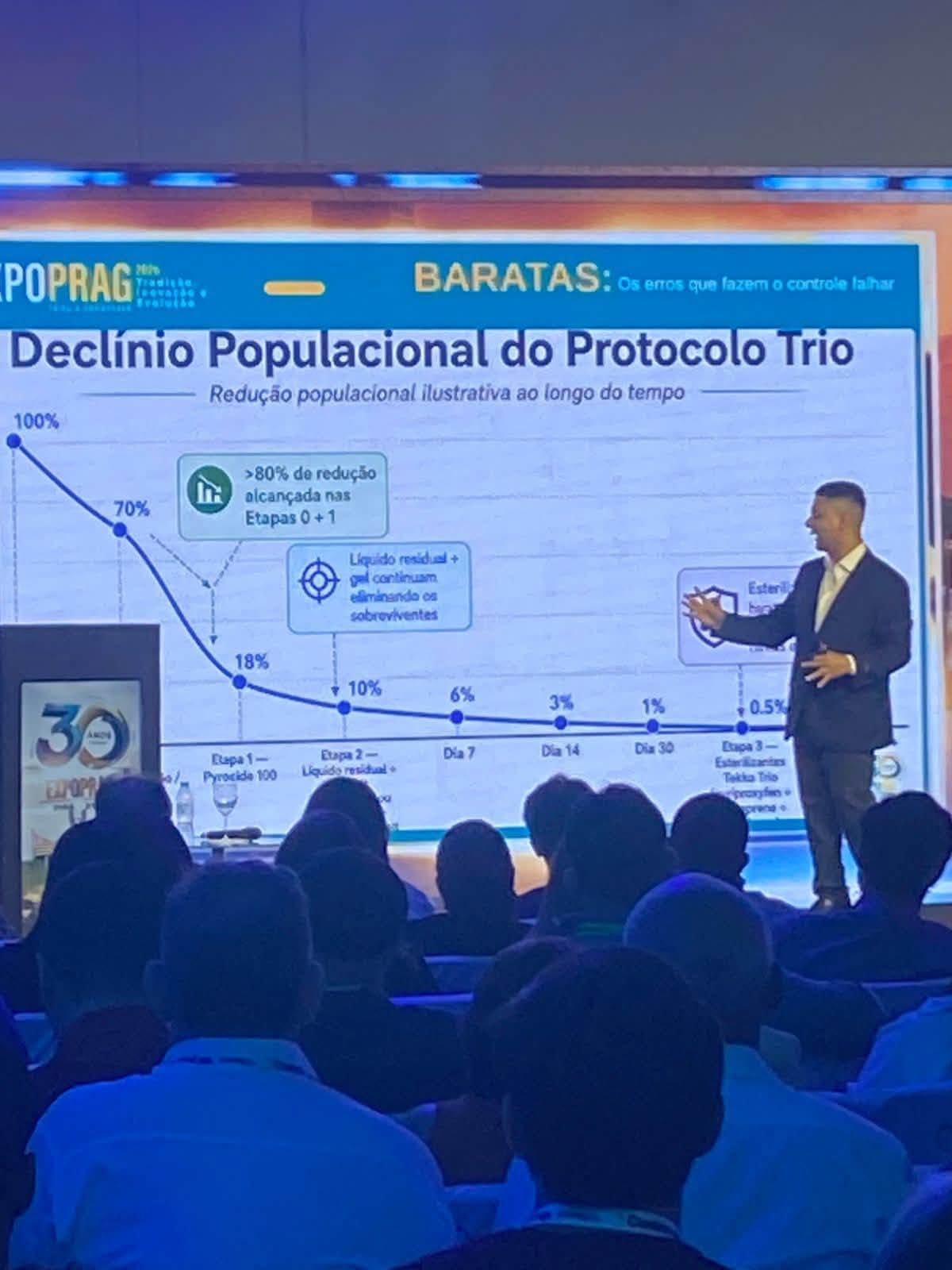
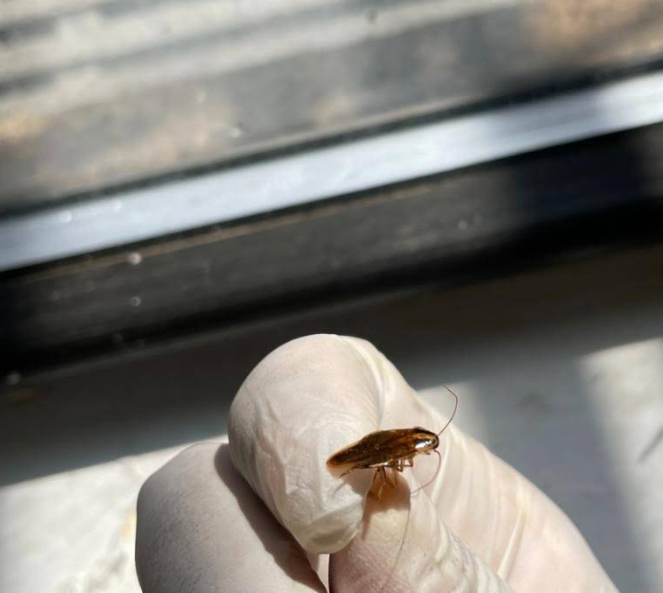
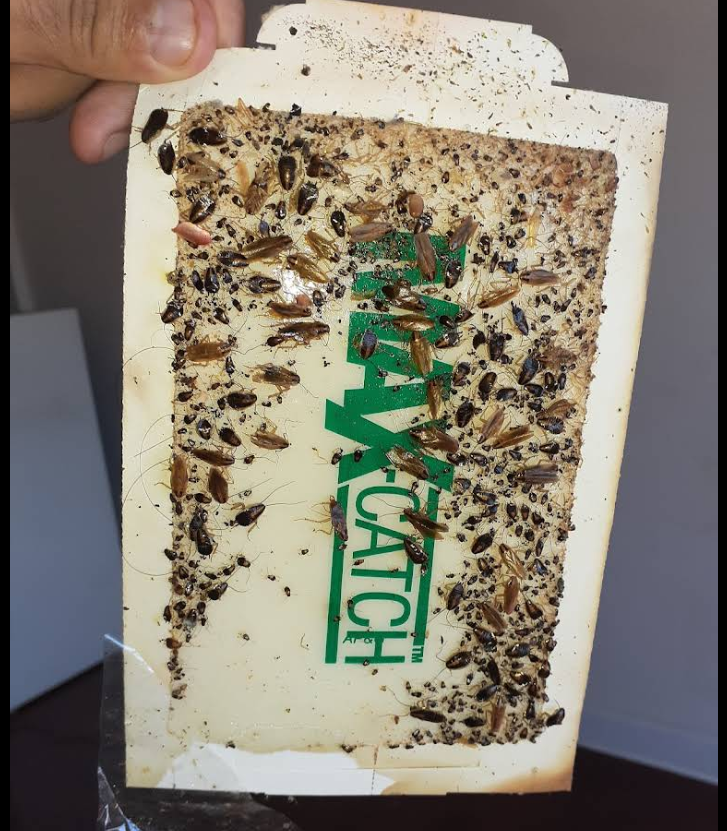
Roaches get into your home three main ways:
- Hitchhiking in. German cockroaches rarely walk in from outside — they ride in on grocery bags, cardboard, secondhand furniture and appliances, electronics, and packages. A single pregnant female carried in on a box can start an infestation.
- From neighboring units. In apartment buildings, roaches travel between units through wall voids, shared plumbing chases, and electrical lines. This is why a clean apartment can still get roaches from a neighbor.
- Up from below. The large “water bugs” (American and Oriental cockroaches) come up from sewers, floor drains, basements, and crawl spaces, especially in warm, humid weather.
What attracts cockroaches
Roaches stay where their basic needs are met:
- Food — crumbs, grease, unsealed pantry items, pet food, and garbage. Grease behind the stove is a magnet.
- Water — leaky pipes, condensation, damp sinks and drains. Roaches need moisture more than food.
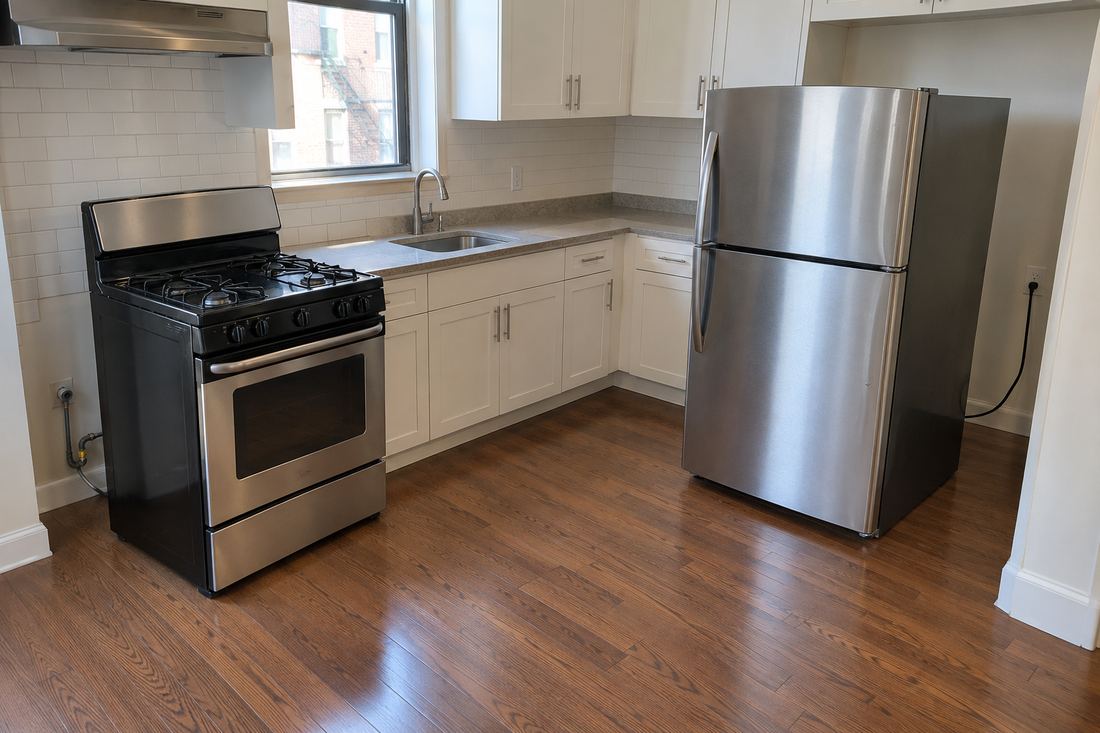
- Warmth — the heat behind refrigerators, dishwashers, and ovens is ideal year-round in heated buildings.
- Shelter & clutter — cardboard, paper bags, and clutter give them dark, tight harborage to breed in.
Why NYC apartments are especially prone
Dense, connected housing is the perfect roach environment: shared walls and plumbing let populations move between units, heated buildings keep German cockroaches breeding all winter, and constant deliveries and secondhand furniture provide a steady ride indoors. That’s also why building-wide problems often need a coordinated approach rather than unit-by-unit spraying.
Which roach do you have?
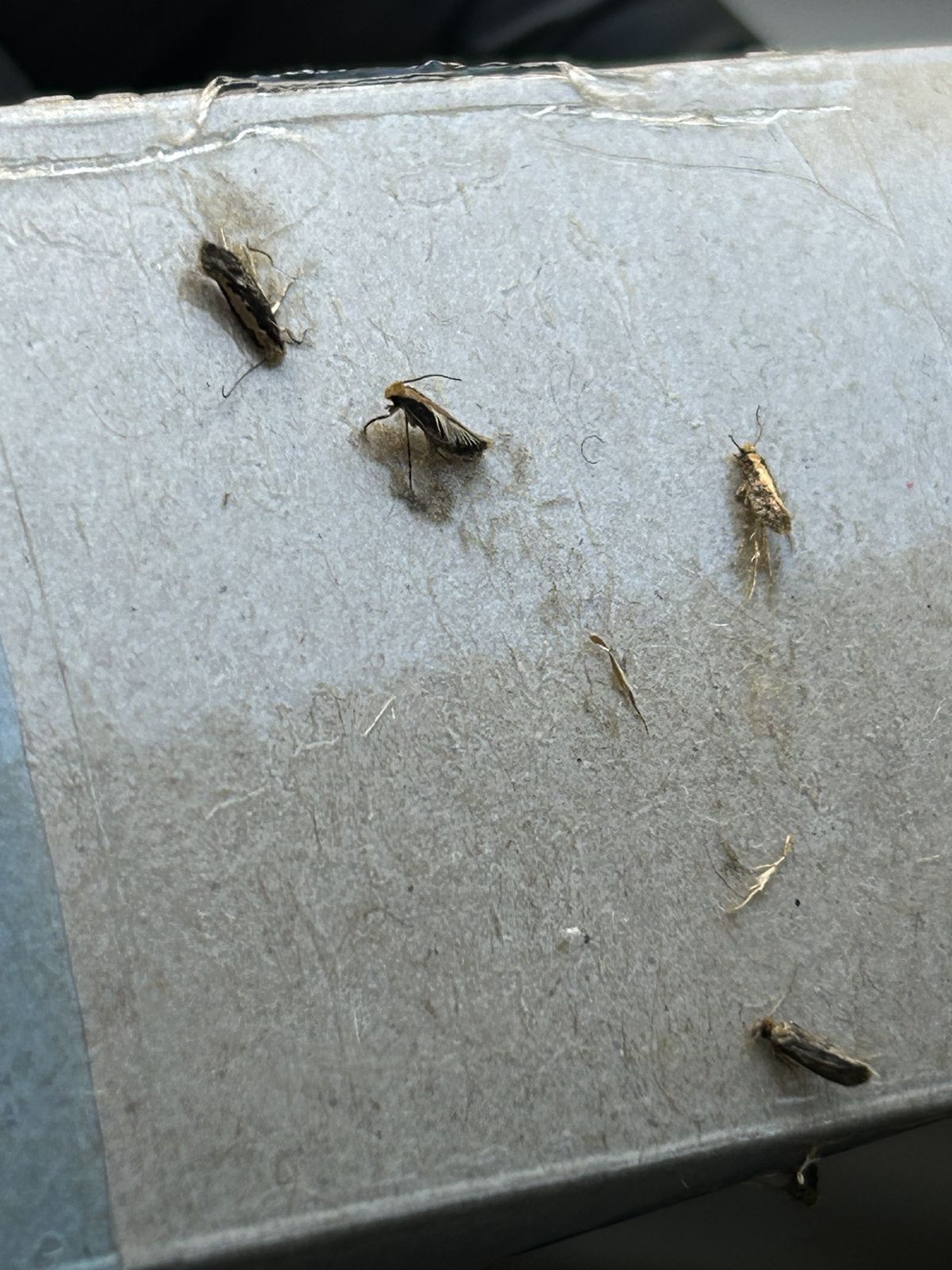
- German cockroach — small, light brown, two stripes; lives in kitchens and bathrooms; arrives by hitchhiking and breeds fastest. Our full plan: how to get rid of German cockroaches.
- American & Oriental cockroaches (“water bugs”) — large, dark; come from drains, sewers, and basements. See what are water bugs.
- Found small ones? Check the baby cockroach guide — nymphs mean active breeding indoors.
How to keep cockroaches out
Prevention is exclusion plus denial of resources: seal gaps around pipes and under doors, fix leaks and dry out sinks at night, store food and pet food sealed, break down and remove cardboard, and keep counters and the area behind appliances clean. When roaches are already established — especially German cockroaches — a gel-bait-plus-IGR program from an ACE-led team clears them far more reliably than sprays, which scatter the population. See our cockroach control service.
Roaches keep coming back?ACE-led roach control that targets the source — same-day across NYC.
Dealing with German cockroaches? Our signature microinjection technique targets the colony in its harborage — including inside appliances — and pairs it with an IGR that shuts down reproduction. See how it works, or go straight to our German Cockroach Extermination service.
A Brooklyn-based, NYSDEC-registered company (Reg. #15140) led by Jorge Bedoya, an Associate Certified Entomologist (ACE). For cockroaches, NYE provides a non-repellent microinjection protocol for German cockroaches, placed at the harborage, plus a triple-active IGR. ACE-led work comes with a client portal of service reports and photos, fully bilingual service, and no long-term contract.
FAQ
Where do cockroaches come from in an apartment?
Usually they hitchhike in on bags, boxes, used furniture, and deliveries, or travel from neighboring units through shared walls and plumbing. Large “water bugs” come up from drains and basements.
What attracts cockroaches?
Food (crumbs, grease, garbage), water (leaks, damp drains), warmth (behind appliances), and clutter that offers shelter. Moisture is the biggest draw.
Does seeing one cockroach mean an infestation?
Often, especially with German cockroaches, which are rarely solitary. One large “water bug” from a drain may be a stray, but repeated sightings indicate a population.
Why do I have roaches if my home is clean?
In apartments, roaches travel from neighboring units and ride in on items, so cleanliness alone can’t always keep them out. Exclusion and professional treatment address the source.
Do cockroaches come from the drains?
The large American and Oriental cockroaches commonly come up through floor drains, sewer lines, and pipe gaps. Sealing gaps and keeping drains maintained helps block them.
How do I stop roaches from coming back?
Seal entry gaps, fix leaks, store food sealed, remove cardboard and clutter, and pair that with an ACE-led baiting program. Sprays alone tend to scatter German cockroaches and don’t resolve the source.
Want them gone for good?
An ACE will find the source and stop the cycle. Get a free estimate or call (347) 210-4646.
About the author: Written and reviewed by Jorge Bedoya, an Associate Certified Entomologist (ACE) at New York Exterminating.
More NYC pest guides & tools
Why New Yorkers choose NYE
Led by an ACE
Every job is overseen by Jorge Bedoya, an Associate Certified Entomologist (ESA) — not a call center.
No contracts
One thorough treatment with an optional 50%-off verification visit. No auto-renewal, no lock-in.
Elimination, not spraying
Resistance-aware methods — including our signature microinjection — that target the source, with documentation.
Licensed & local
NYSDEC Reg. #15140, serving all five boroughs since 2010. Fully bilingual (EN/ES).
Backed by science, not guesswork. Your treatment is led by Jorge Bedoya, an Associate Certified Entomologist (ACE) credentialed by the Entomological Society of America — correct pest ID, resistance-aware products, and a documented plan.
What happens after you call
- Fast response. Call (347) 210-4646 — same-day appointments are often available, including after-hours emergencies.
- Inspection & ID. We confirm the pest and find the source, not just where you saw it.
- Targeted treatment. A resistance-aware plan matched to the pest, explained before we start.
- Verification & prevention. Optional follow-up to confirm zero activity, plus reports and photos in your client portal.