Straight answers from a licensed New York exterminator and Associate Certified Entomologist (ACE) — serving all five boroughs, in English and Spanish.
Get a Free Estimate →⏱ 9 min read
Reviewed by Jorge Bedoya, ACE (environmental scientist, Associate Certified Entomologist, NYSDEC #15140). Last updated October 2026.
How to identify a phorid fly
- Size: about 1/16 to 1/8 inch (2–3 mm) — fruit-fly sized or smaller.
- Shape: a distinctly arched, humpbacked thorax when seen from the side — the reason they are also called humpbacked flies.
- Color: tan, brown or blackish; no red eyes (fruit flies have red eyes).
- Behavior: they prefer to run — quick, erratic dashes across counters, walls and windows — and fly only short distances. That running habit gives them their other name, scuttle flies.
- Where you see them: near floor drains, toilet bases, baseboards, cracks in tile or grout, wall gaps behind sinks and dishwashers — often in a room with no fruit, trash or food out at all.
Phorid flies vs fruit flies vs drain flies vs fungus gnats
| Fly | Looks like | Breeds in |
|---|---|---|
| Phorid fly | Humpbacked, runs in bursts | Broken sewer and drain lines, contaminated soil under slabs, dead animals, decaying matter in voids |
| Fruit fly | Tan with red eyes, hovers | Ripe produce, spills, fermenting trash |
| Drain fly | Fuzzy, moth-like, rests on walls | Slime film inside drains and pipes |
| Fungus gnat | Slender, dark, long legs | Damp potting soil |
The identification matters because each fly points to a different place. Fruit flies are a food-hygiene problem; drain flies live in the drain itself; phorid flies usually signal that something is wrong behind or beneath the surface. More comparisons in drain flies vs fruit flies vs gnats.
Phorid flies are drawn to light. Dark-eyed fruit flies are not.
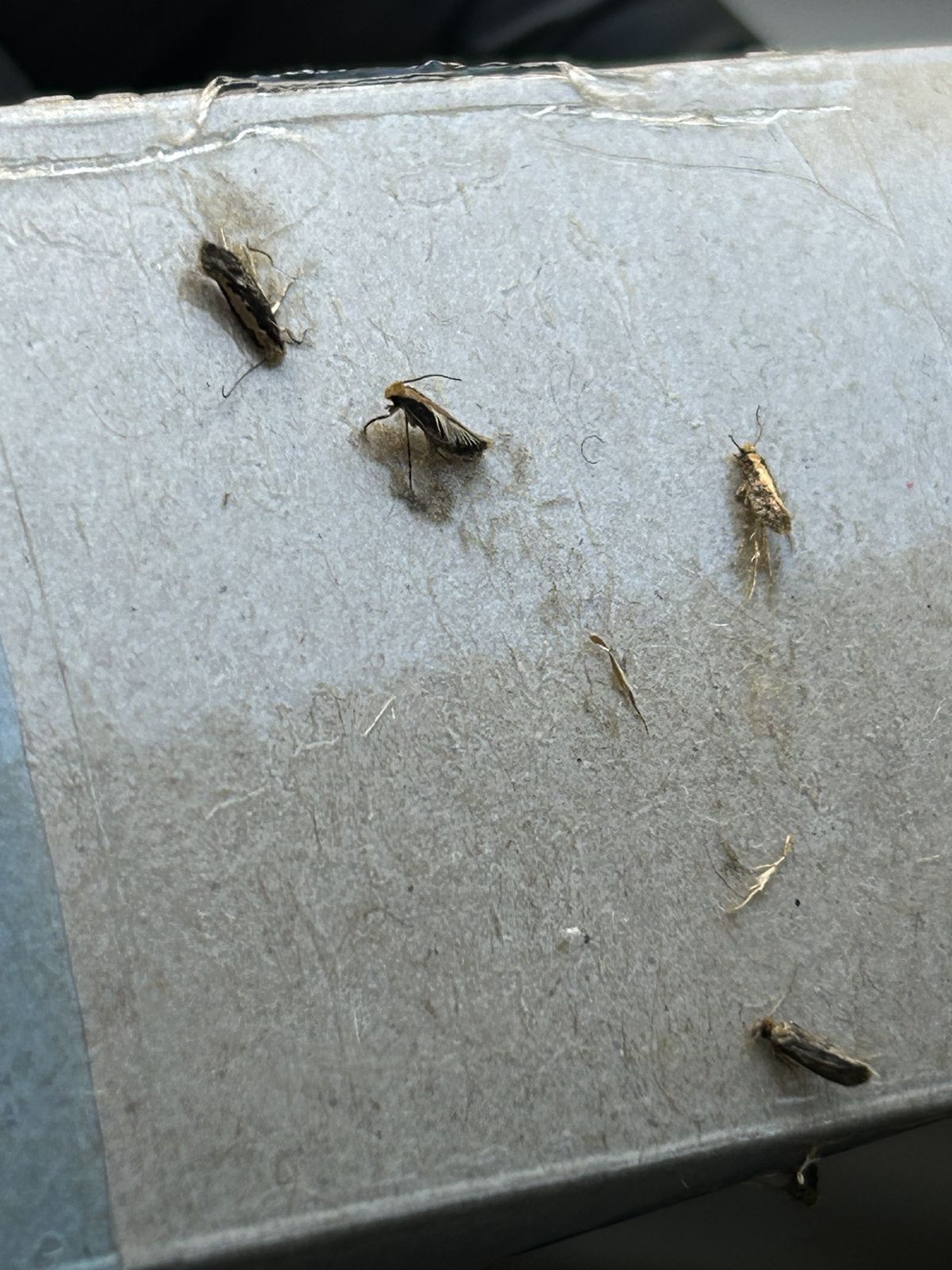
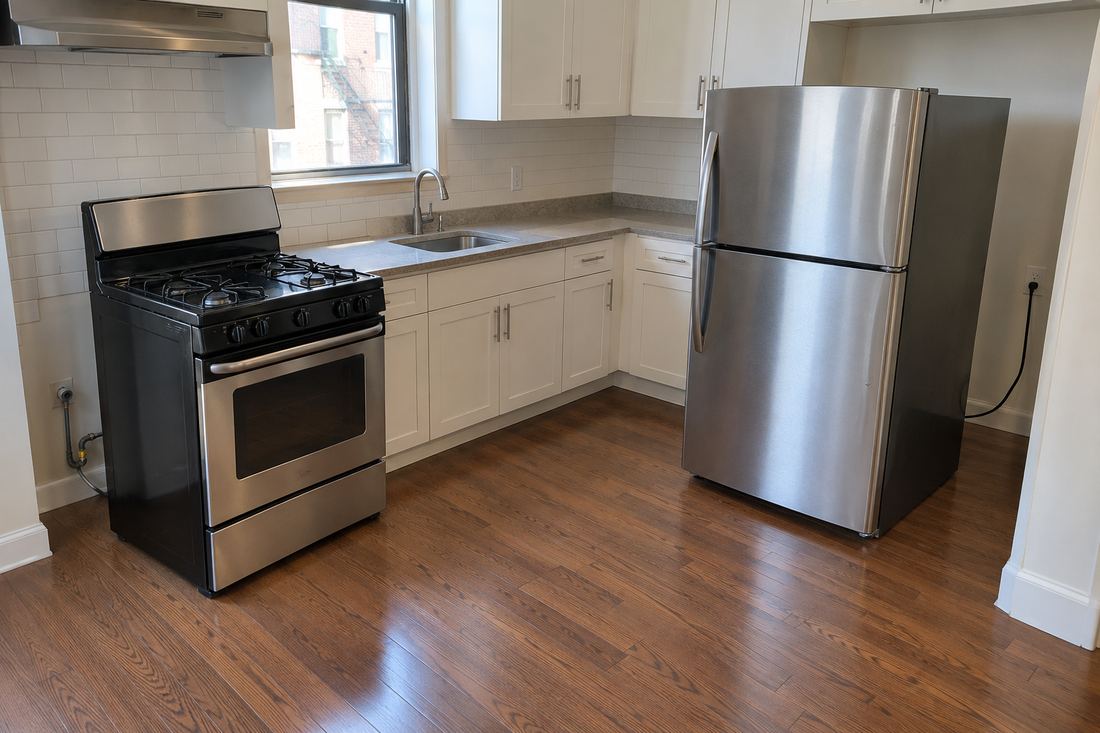
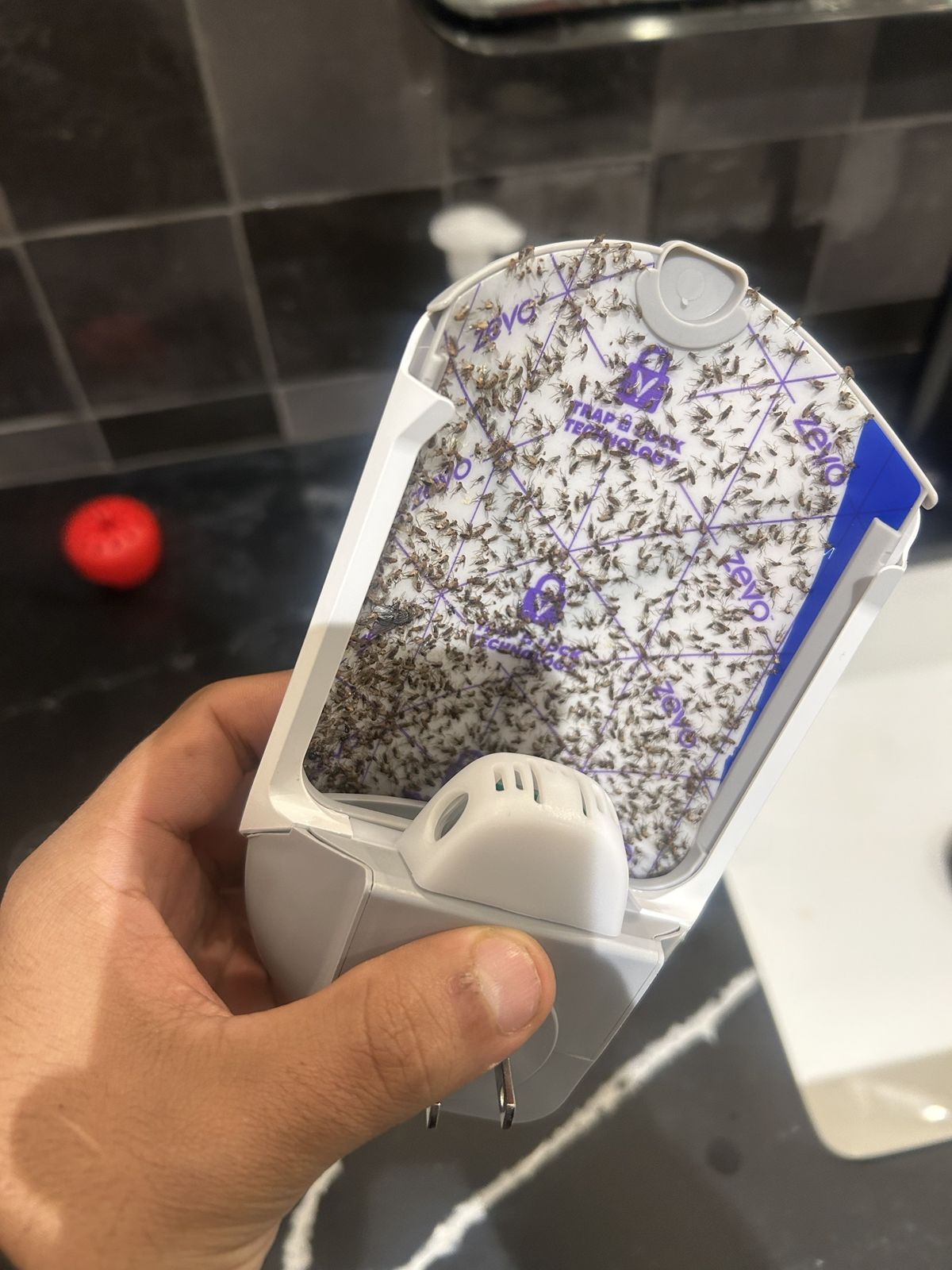
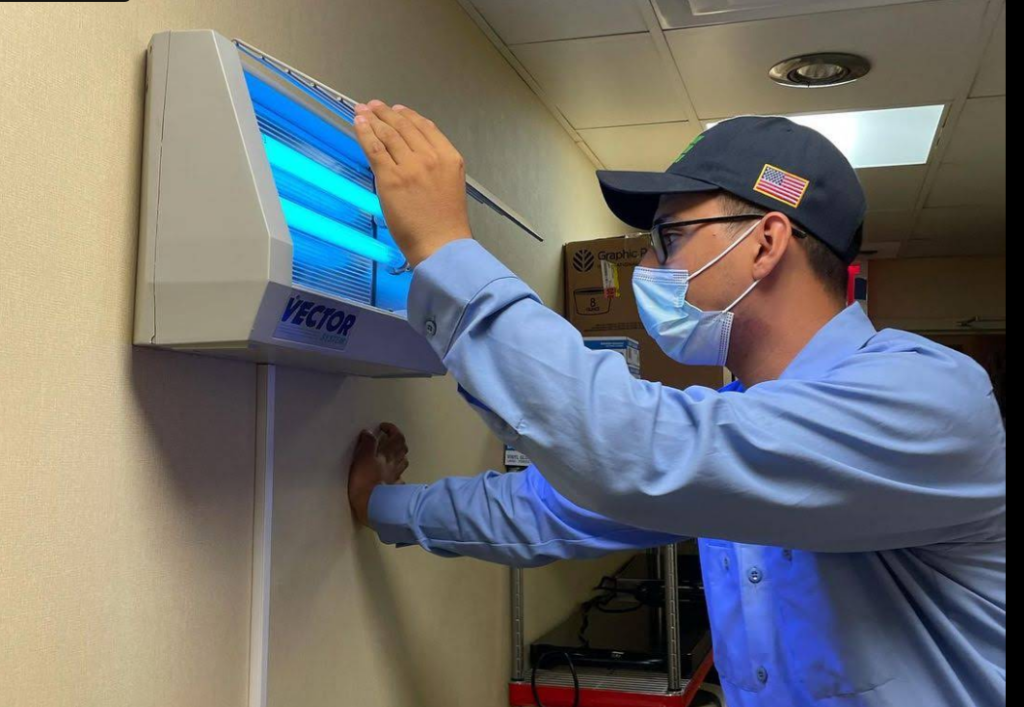
One of the most useful field clues: phorid flies are strongly attracted to light. In NYC apartments and kitchens we find them packed onto plug-in UV light traps, on windows and ceiling fixtures, and around refrigerators, where the interior light, the warm motor compartment and the drip pan underneath all pull them in.
Dark-eyed fruit flies do not behave this way. They are not drawn to light; they go to fermenting food, drains and spills. Both will come to a vinegar trap, so a vinegar trap alone cannot tell you which fly you have. A UV light trap that fills up is a strong sign you are dealing with phorid flies.
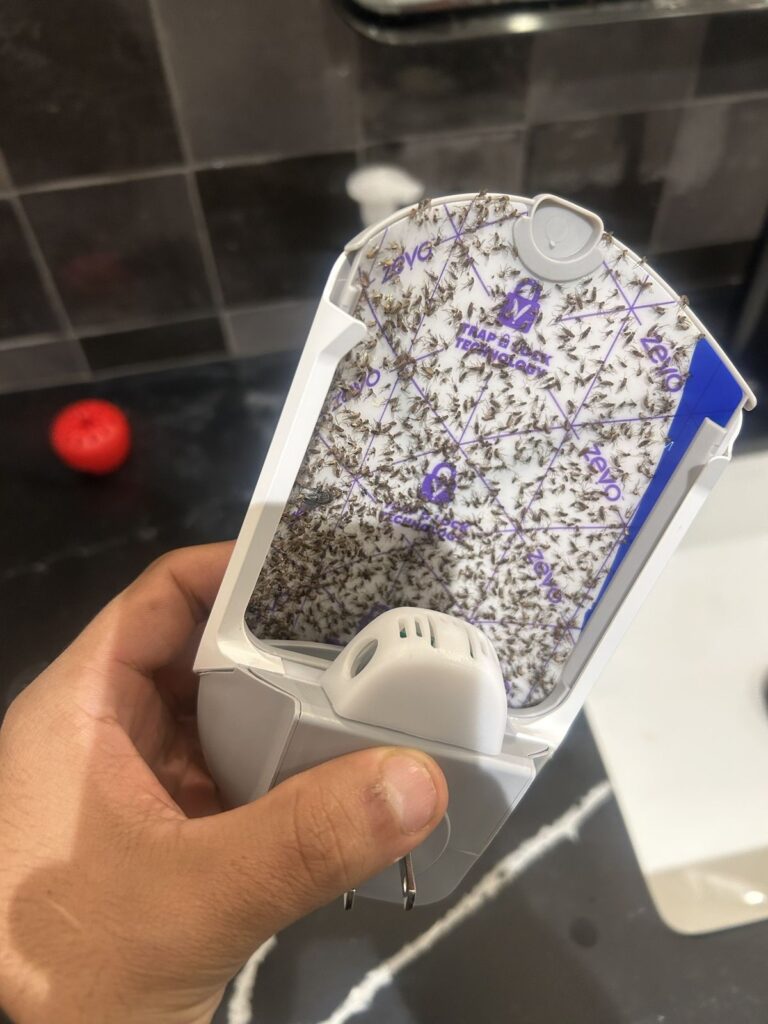
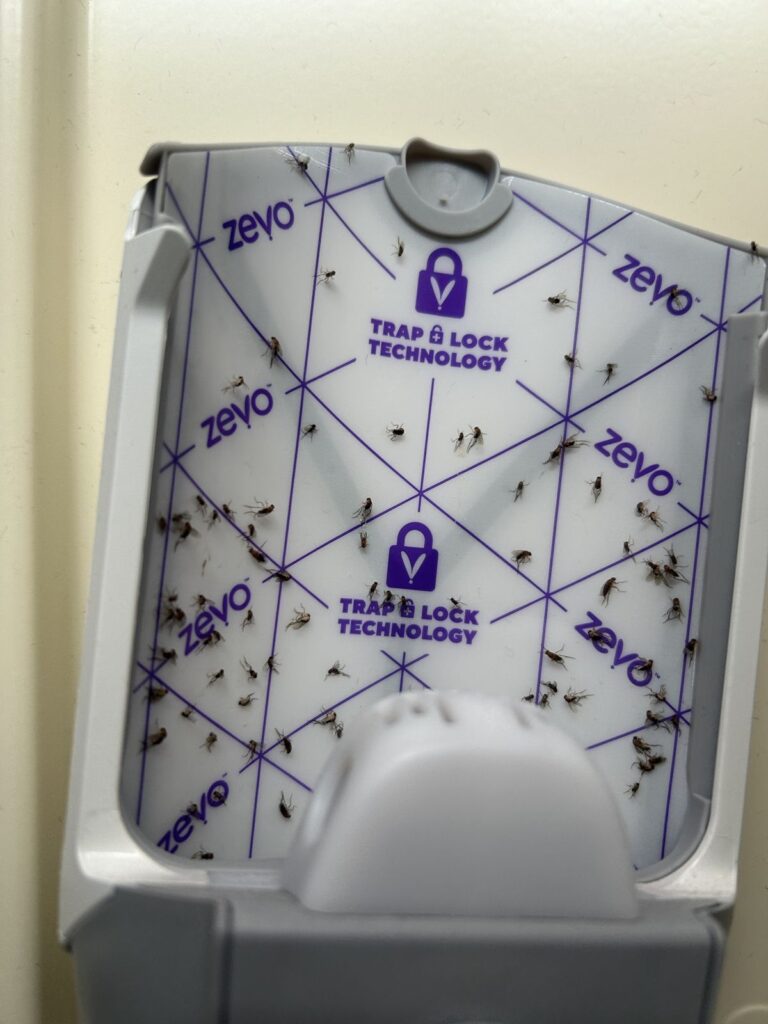
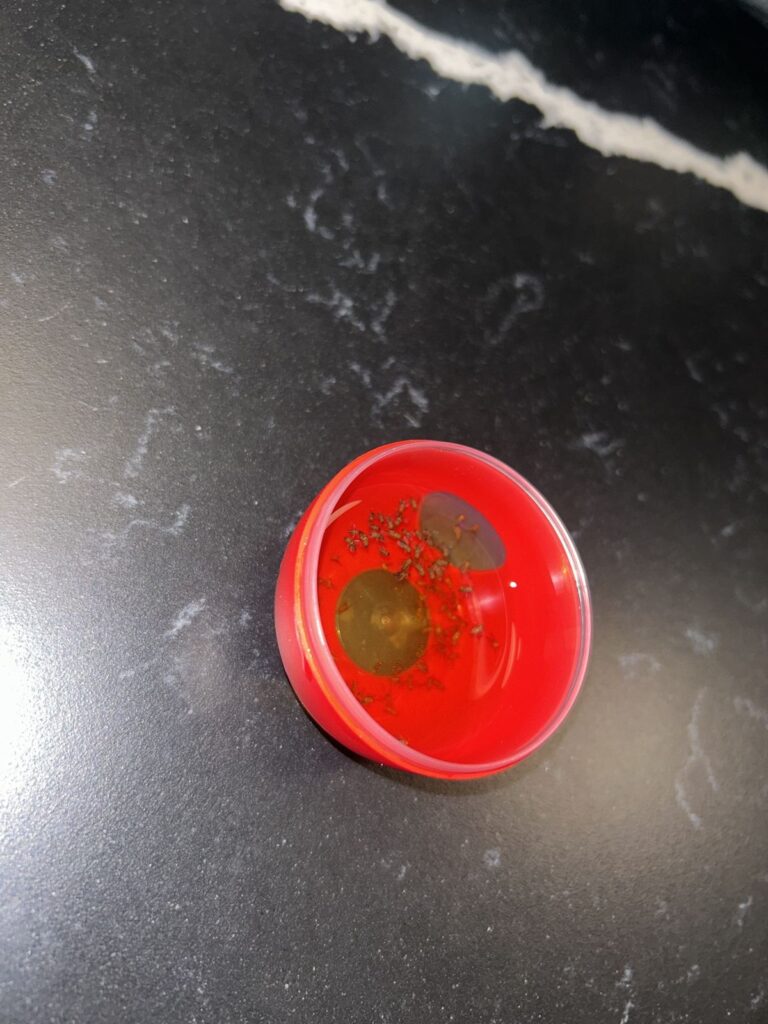
Traps like these are useful for confirming what you have and how much activity there is. They do not stop the problem: the larvae are developing in the source, usually a broken drain line, soil under the slab or a dead animal in a wall, and new adults keep emerging until that source is found and corrected.
Why phorid flies keep coming back after you clean
Phorid fly larvae develop in moist, decaying material, and a generation can turn over in roughly two to four weeks. In NYC buildings the material that keeps feeding them is usually somewhere no mop reaches:
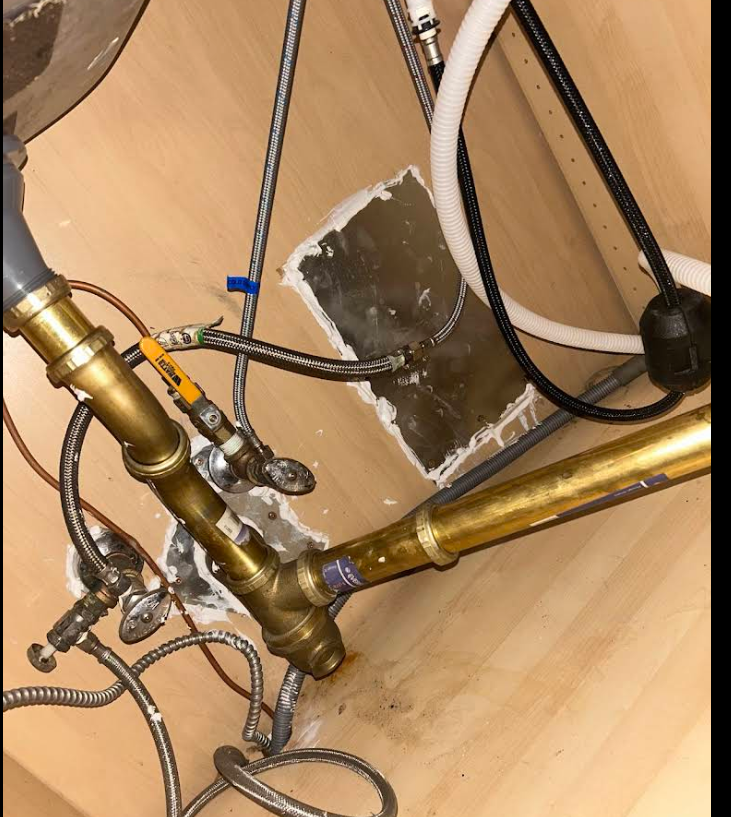
- Broken or separated drain and sewer lines. A cracked cast-iron pipe under a slab, a failed joint inside a wall, or a leaking toilet flange leaks wastewater into soil, fill or wall cavities. The flies breed in that soaked material and emerge through cracks, grout lines, expansion joints and gaps around pipes — which is why they seem to come “out of the walls.”
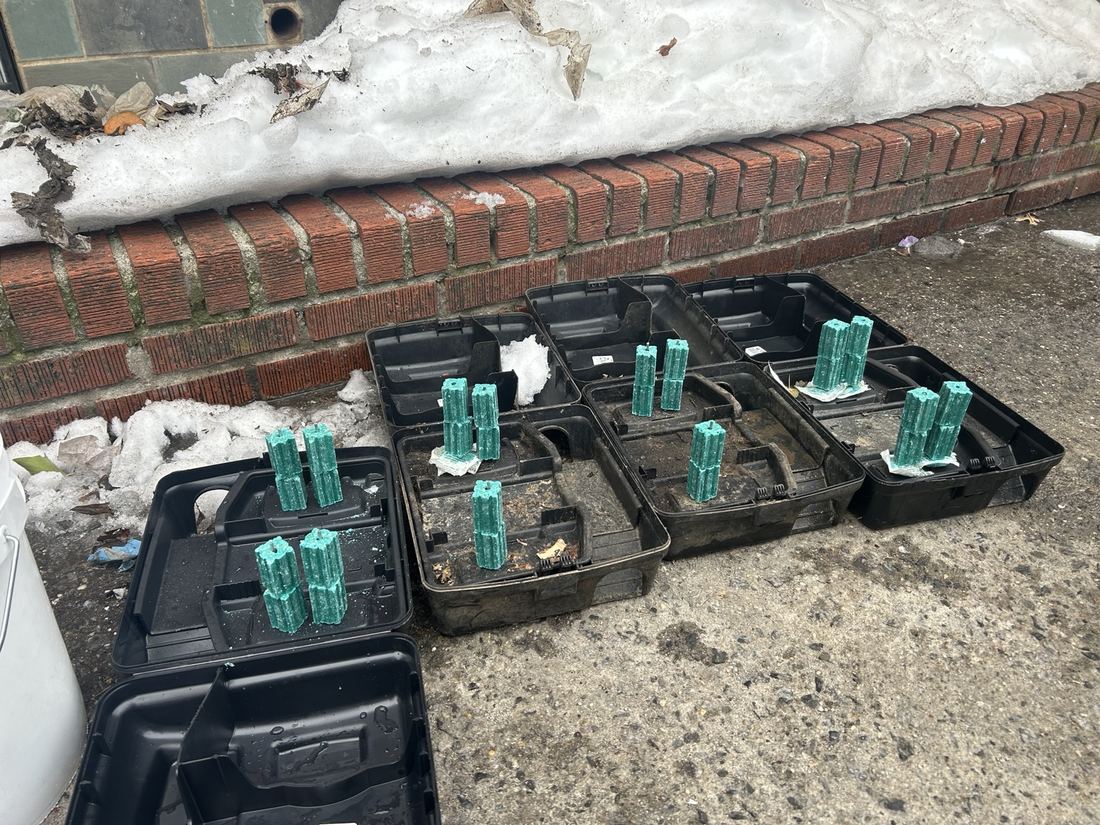
- Dead animals in voids. A mouse or rat that died inside a wall, ceiling or under a floor is a classic phorid breeding site — one more reason poison-only rodent programs backfire.
- Old food and grease buildup in hidden spots — under dishwashers and refrigerators, inside abandoned floor drains, behind kick plates in commercial kitchens.
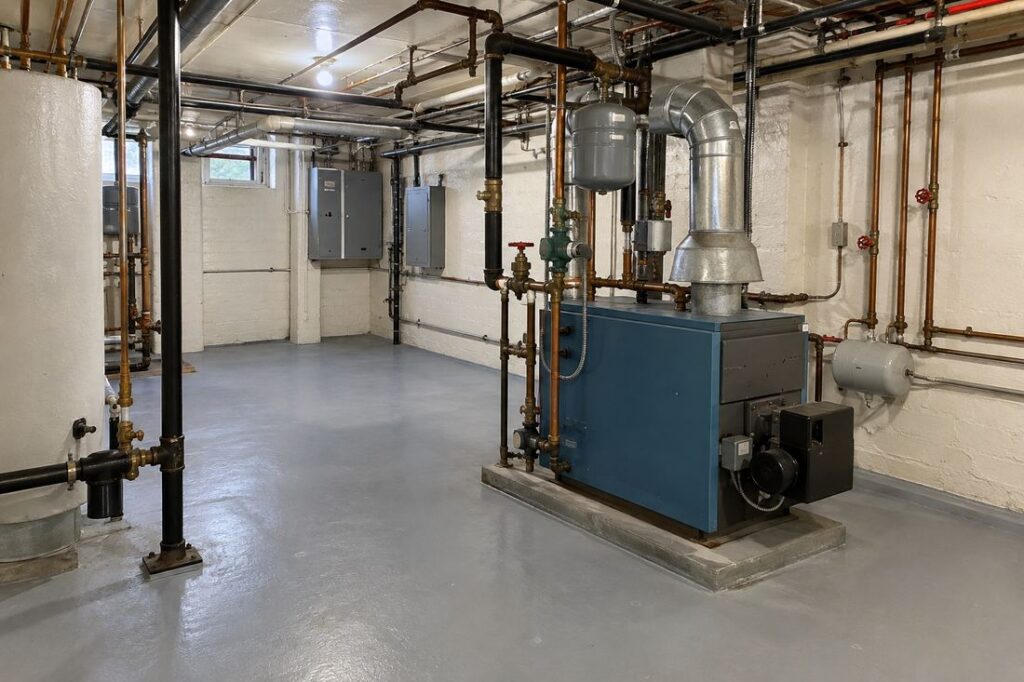
- Contaminated soil under basement and ground-floor slabs after a past sewage backup, which can keep producing flies long after the visible mess was cleaned.
This is the core of a chronic phorid problem: a tenant or restaurant gets told to clean harder, the cleaning is genuinely good, and the flies keep coming because the source is structural. Sprays knock down adults for a day or two; drain gels and enzyme cleaners treat the inside of a working drain, not wastewater leaking behind it.
How we find and end a phorid fly source
Our approach treats phorid flies as an investigation, not a spray job:
- Confirm the species. We identify the fly first — phorid, drain fly, fruit fly or fungus gnat each points to a different source.
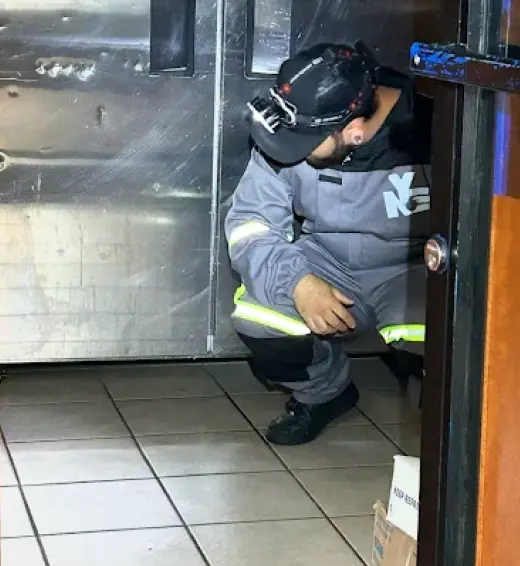
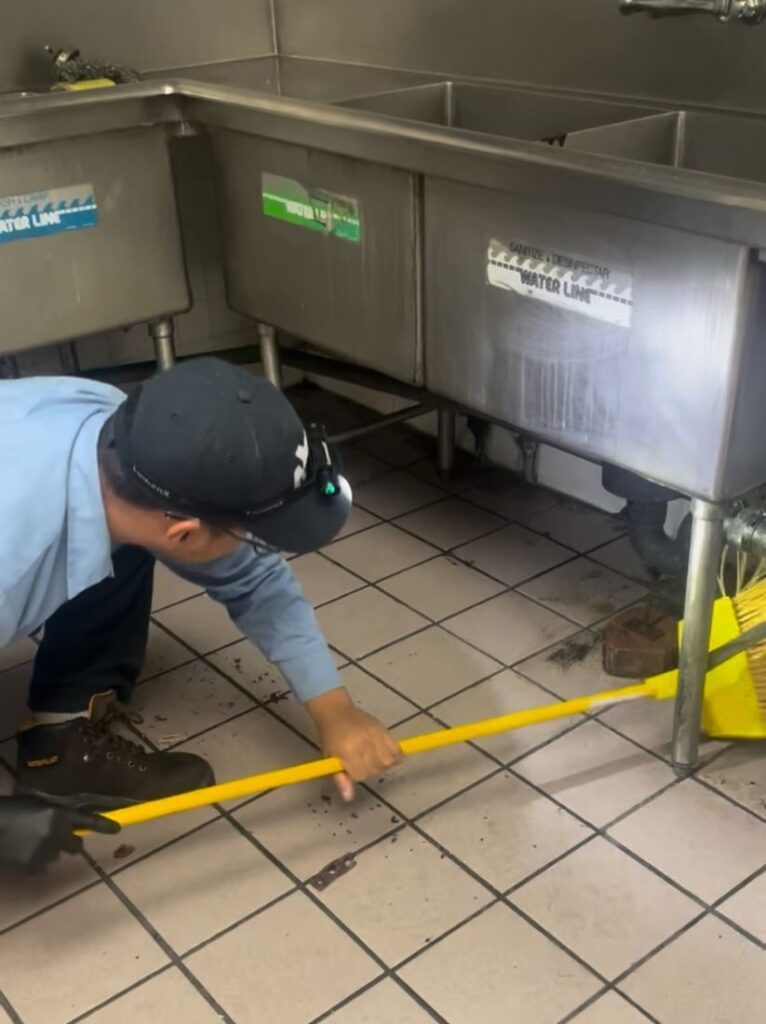
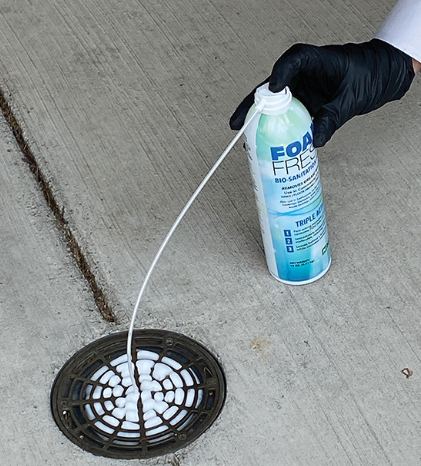
- Map where they emerge. Monitoring traps and tape or cup covers over floor drains, cracks, grout lines and pipe penetrations show exactly which opening the adults come out of, room by room.
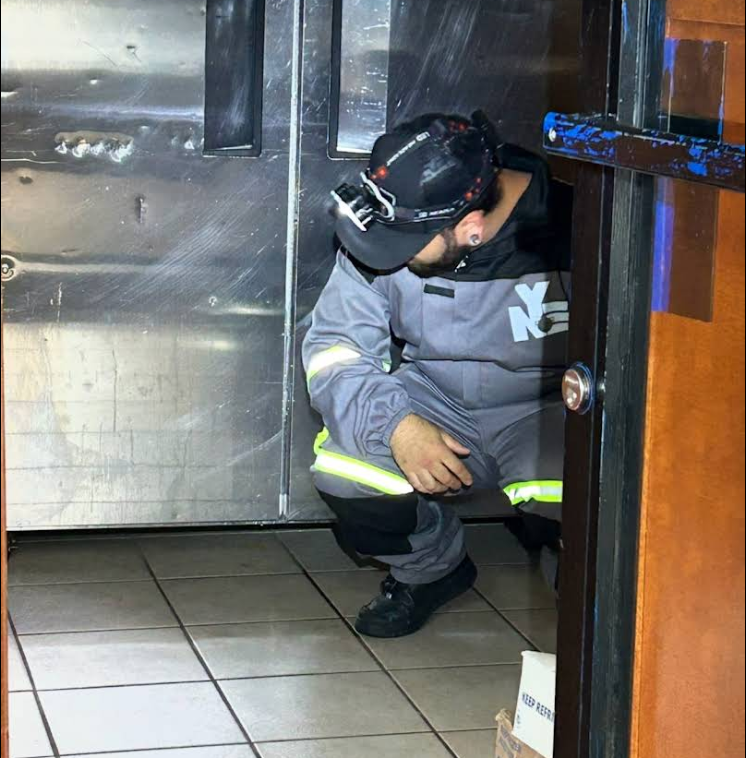
- Trace the source behind it. Plumbing layout, moisture readings, staining, odor and recent history — a past backup, a renovation, a rodent job — narrow it to a pipe run, a wall cavity or a section of slab.
- Bring in the right fix. When the source is a broken line, we document it so your plumber or building can camera-inspect and repair it; contaminated fill must be removed or replaced. Where the source is a carcass, we locate and remove it.
- Treat what remains. Targeted larvicide and growth-regulator treatment of breeding sites and emergence points, biological drain treatment where drains are involved, and monitoring until emergence stops.
Restaurants, bodegas and multi-family buildings see this most, because shared plumbing stacks and floor drains give the flies more hidden places to breed. For commercial kitchens it is also a DOHMH inspection risk — see our fly control service and drain fly treatment.
New York Exterminating specializes in infestations that keep coming back. ACE-led, English and Spanish, across all five boroughs plus Nassau and Westchester — call (347) 210-4646. More on our approach to recurring problems: chronic infestation specialists.
Where phorid flies show up in NYC buildings
In NYC buildings, phorid fly sources tend to sit in the same few places:
- Restaurant and bakery kitchens — floor drains, broken tile under dish stations, the void under walk-in coolers, and cove base that has separated from the wall. These also matter for DOHMH inspections.
- Ground-floor and basement apartments — cast-iron drain lines under the slab that have cracked with age, especially in pre-war buildings.
- Bathrooms — failed toilet wax rings and flanges that leak into the subfloor; the flies appear around the toilet base and baseboards.
- Behind kitchen cabinets — slow leaks from dishwasher and sink connections soaking the cabinet base and wall cavity.
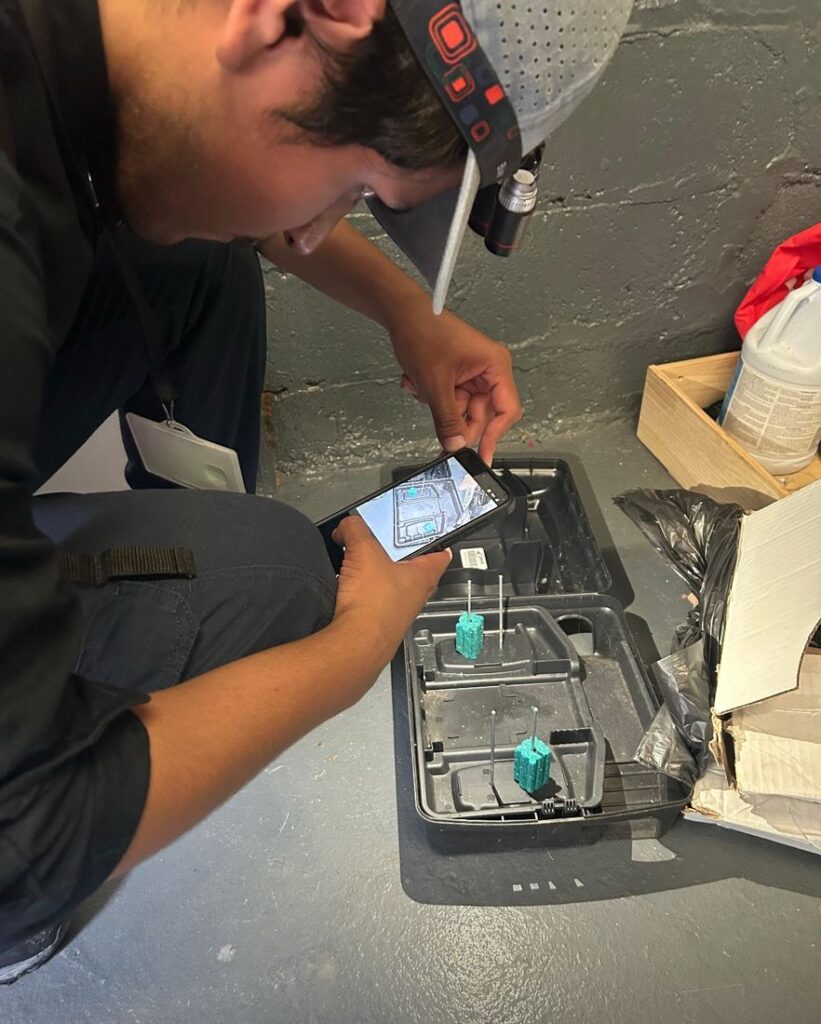
- After a rodent problem — a mouse or rat that died in a wall or ceiling, often after poison-only treatment.
If your flies are fuzzy and moth-like instead of humpbacked, you are more likely dealing with drain flies — see our drain fly treatment page. For infestations of any kind that keep returning, see chronic infestation specialists.
A Brooklyn-based, NYSDEC-registered company (Reg. #15140) led by Jorge Bedoya, an Associate Certified Entomologist (ACE). For pests in your home or building, NYE provides IPM-based, low-exposure control matched to the exact pest and verified with a follow-up. ACE-led work comes with a client portal of service reports and photos, fully bilingual service, and no long-term contract.
Phorid flies FAQ
Are phorid flies caused by a dirty house?
Rarely in NYC buildings. Phorid flies that persist in a clean home usually come from a hidden source – a broken drain or sewer line, contaminated soil under a slab, or a dead animal in a wall. Cleaning removes surface food but cannot reach those sources.
Why do phorid flies come out of the walls?
Wastewater from a cracked pipe or failed joint inside a wall or under the floor soaks the surrounding material, larvae develop there, and adults emerge through gaps around pipes, cracks, grout lines and baseboards.
Are phorid flies attracted to light?
Yes. Phorid flies are strongly drawn to light, so they collect on UV light traps, windows, light fixtures and around refrigerators. Dark-eyed fruit flies are not attracted to light, which makes a UV light trap a quick way to tell the two apart.
Do phorid flies bite?
No. Phorid flies do not bite people. The concern is hygiene: they develop in sewage and decaying matter and can carry bacteria onto surfaces and food.
Will drain cleaner get rid of phorid flies?
Only if the flies are breeding in the film inside a working drain. When the source is a broken line or contaminated soil behind or under the drain, cleaners and enzyme gels miss it and the flies return.
How long does it take to get rid of phorid flies?
Once the source is found and repaired or removed, emergence typically drops within one to two fly generations – roughly two to four weeks – with targeted treatment and monitoring covering the remaining larvae.
Can an exterminator get rid of phorid flies?
Yes, if the exterminator investigates the source instead of only spraying adults. The work is identification, mapping where flies emerge, tracing the breeding site, coordinating the plumbing or removal fix, and treating what remains.