Straight answers from a licensed New York exterminator and Associate Certified Entomologist (ACE) — serving all five boroughs, in English and Spanish.
Get a Free Estimate →⏱ 6 min read
Reviewed by Jorge Bedoya, ACE (Associate Certified Entomologist, NYSDEC #15140). Last updated October 2026. Complaint figures: NYC Open Data, 311 Service Requests, complaint type “Rodent”, pulled October 2026.
What the 311 data shows: sightings peak in summer, not winter
New Yorkers file roughly 30,000–42,000 rodent complaints a year through 311. Month by month, the pattern repeats every year: complaints climb through spring, peak between May and August, then fall steadily through the cold months.
| Year | Peak month | October | December | Full year |
|---|---|---|---|---|
| 2023 | 4,559 (Aug) | 3,461 | 2,560 | 41,748 |
| 2024 | 4,204 (Jul) | 3,213 | 1,870 | 39,726 |
| 2025 | 3,694 (Jun) | 1,935 | 1,133 | 31,312 |
Two things are worth reading correctly. First, 311 counts what people see and report — mostly rats on sidewalks, in yards, around trash and in building common areas. In summer, rats are breeding, foraging longer and sharing the streets with far more people, so sightings spike. In winter they spend more time in burrows and inside structures, out of sight. Second, citywide complaints fell about 21% from 2024 to 2025, a drop that coincides with the city’s trash-containerization rules. Fewer reports outside is good news for the block; it says little about what is already living in your walls.
So when do rats actually move inside?
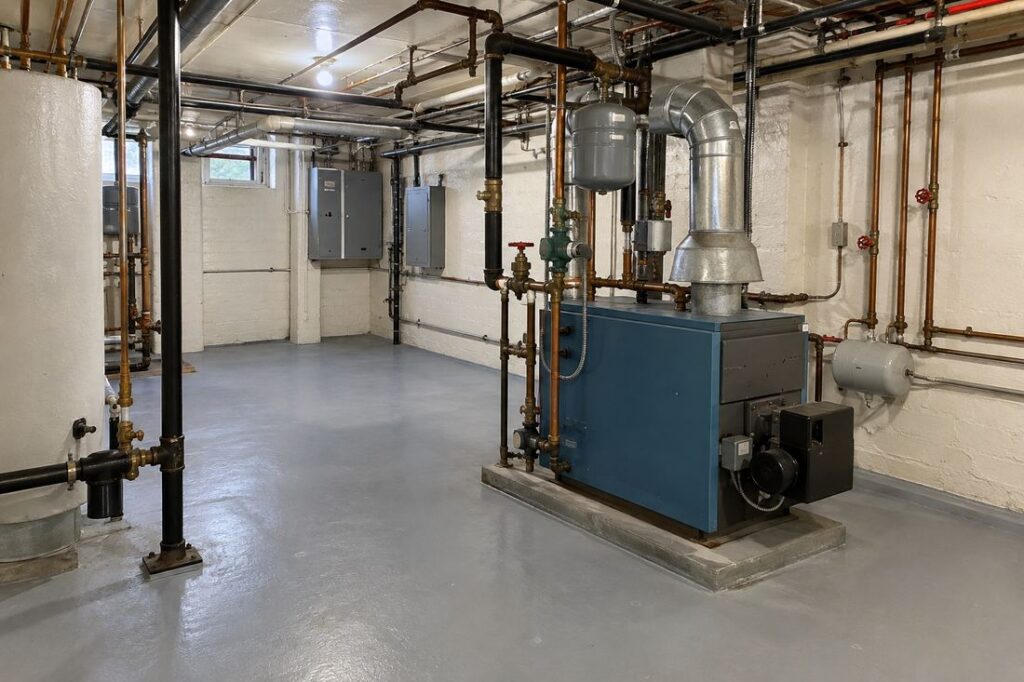
In New York, the shift starts when overnight temperatures settle into the 40s — typically mid-October — and builds through November and December. Rats that spent the summer in yard and tree-pit burrows move into basements, boiler rooms, crawlspaces and wall voids near heat and water. Burrows dug against foundations often connect directly into buildings through cracked masonry and pipe penetrations. House mice make the same move faster and in larger numbers: they need only a dime-sized gap, and a heated apartment building is the warmest thing on the block. The National Pest Management Association estimates rodents invade about 21 million US homes each winter.
Signs rats have moved into your building this fall
- Noise at night in walls, ceilings or behind kitchen cabinets — scratching, gnawing, running. Rats are heavier and louder than mice.
- Droppings 12–19 mm long and blunt-ended along walls, in the boiler room or under the sink. Compare sizes in our droppings identification guide.
- Rub marks — greasy dark smudges along baseboards and pipe runs where rats travel the same path nightly.
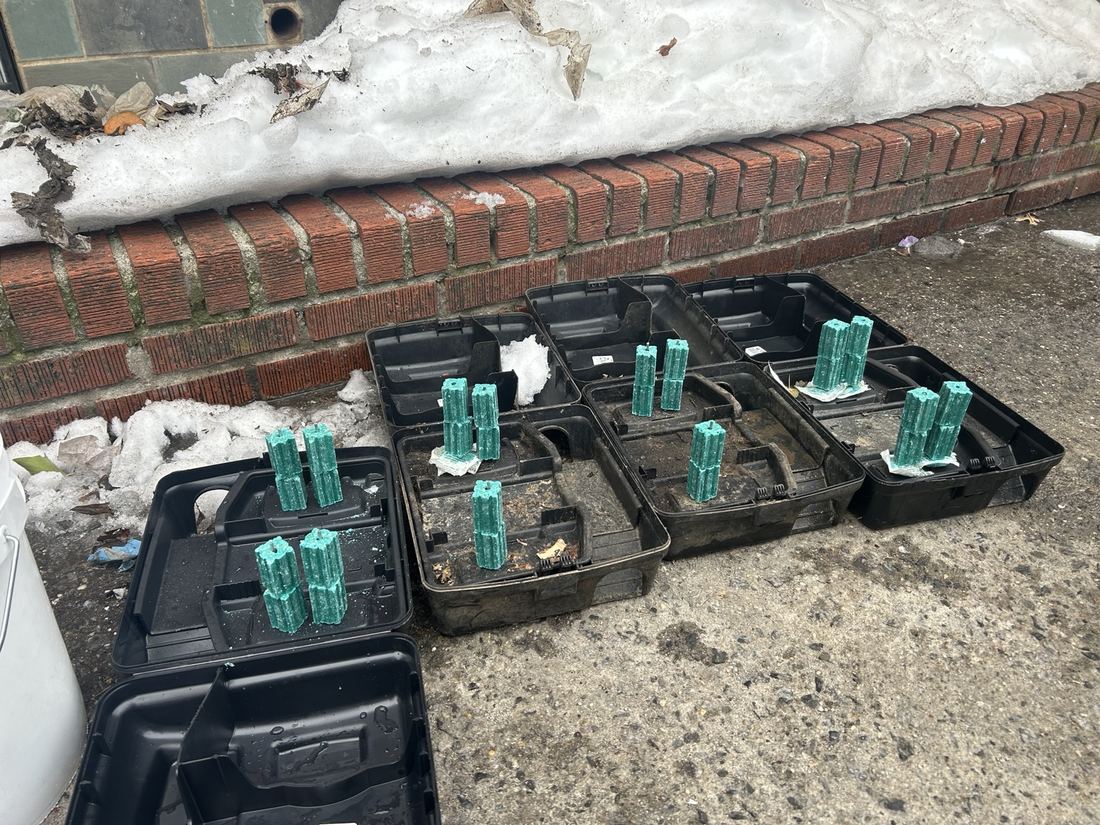
- Fresh burrows against the foundation, under stoops and in tree pits beside the building — often the outdoor end of the indoor problem.
- Gnawing on door bottoms, plastic pipes, trash bins and food packaging.
The full checklist, for both rats and mice, is in signs of mice and rats. If you are not sure which rodent you have, start with rat vs mouse.
Your September–October prevention window
The cheapest rodent job is the one done before the cold. In our experience the openings that matter most in NYC buildings are the same every year:
- Utility penetrations where gas, water and electrical lines enter through foundation walls.
- Street-level doors with worn sweeps or a gap under the threshold. If light shows under the door, a mouse fits.
- Basement windows, vents and floor drains without intact screens or covers.
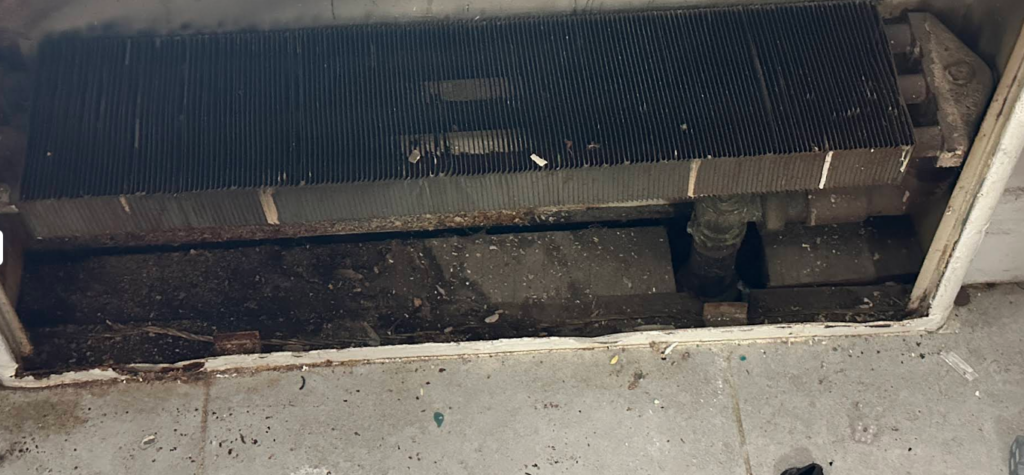
- Pipe chases and radiator risers that let rodents move between floors once they are in.
- Burrow entrances along the foundation, which need to be collapsed and backfilled, not just baited.
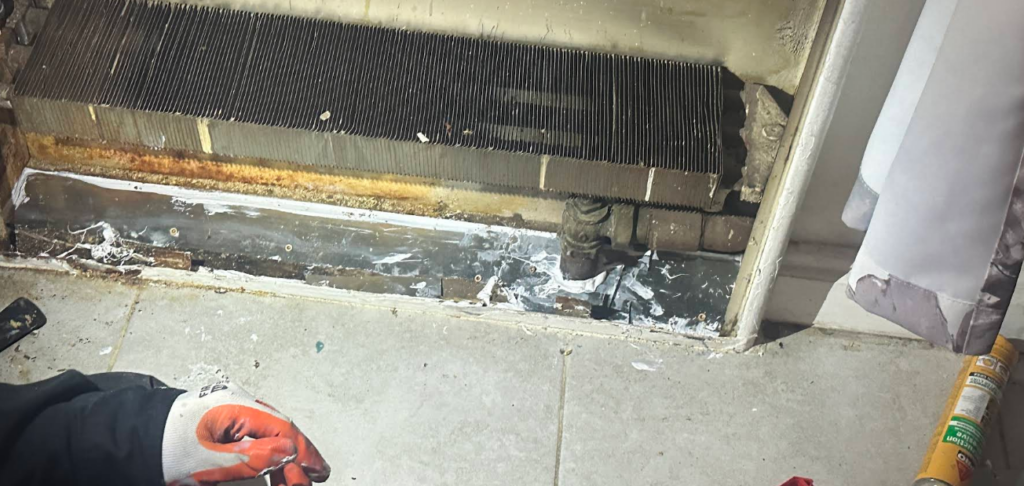
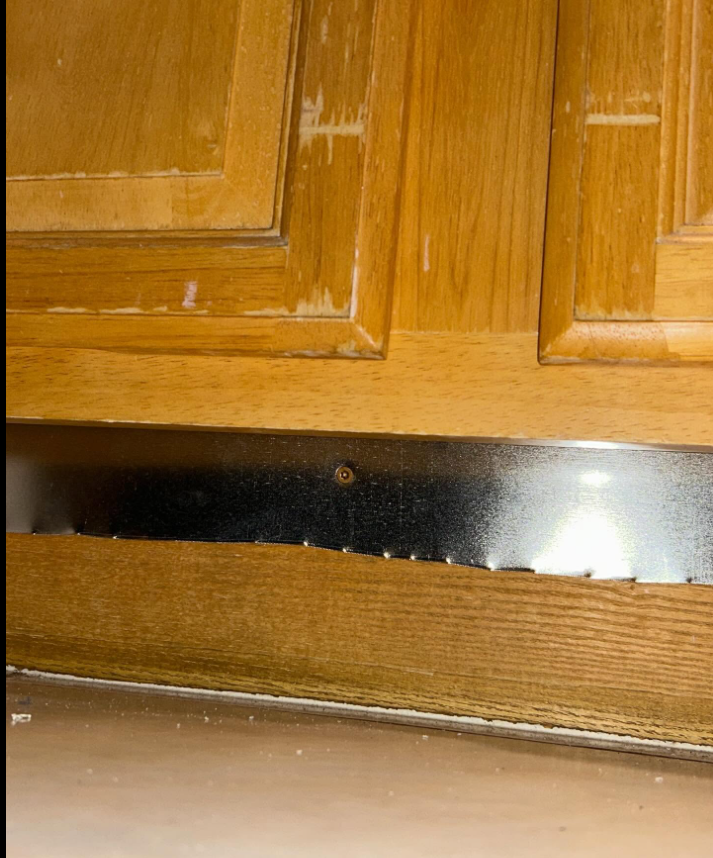
Seal with metal and masonry — stainless steel wool with sealant, galvanized hardware cloth, sheet-metal kick plates, concrete — never expanding foam, which rats chew through overnight. The reasoning is in foam vs metal rodent exclusion.
If they are already inside
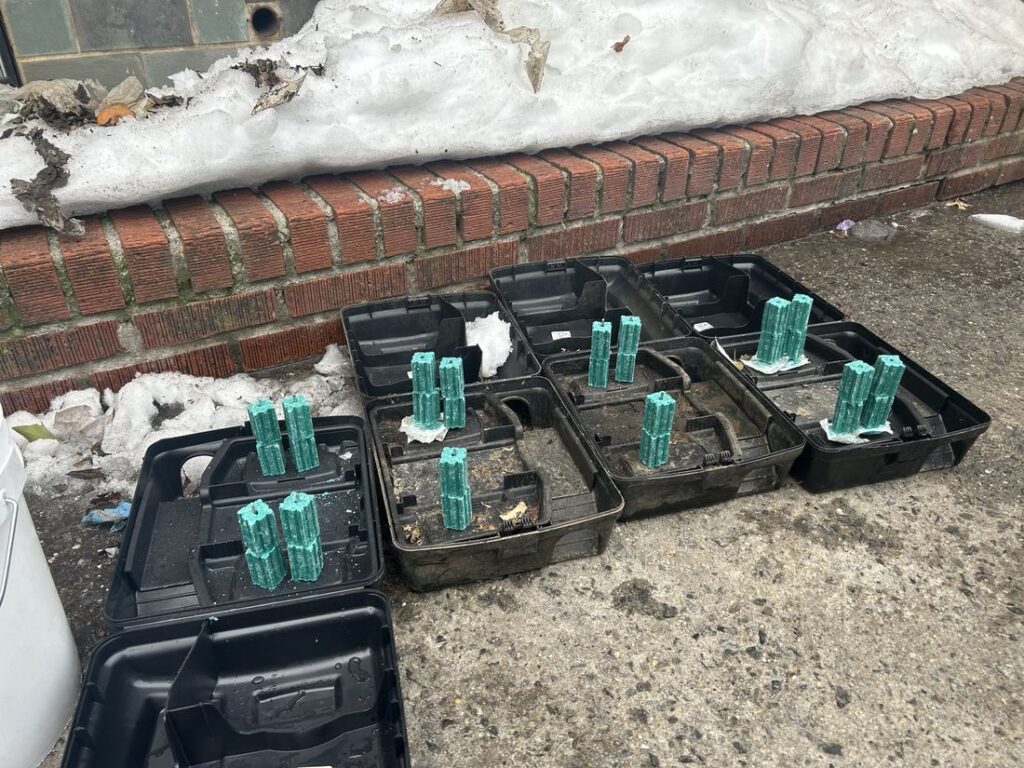
Once rodents are established for the winter, the order is the same as any time of year: find and seal the entries, cut off food and water, then trap the animals inside. Poison-first plans fail indoors in winter more than any other season, because rats that die in heated wall voids produce the worst odor problems we see. Our step-by-step method is in how to get rid of rats in NYC, and for apartments with mice, mouse removal in NYC apartments.
New York Exterminating handles rodent work exclusion-first: metal-and-masonry sealing makes up roughly 90% of a job and trapping the remaining 10%. Mice are $280–$600 and rat work starts at $320, with full exclusion quoted after inspection. ACE-led, English and Spanish, across all five boroughs plus Nassau and Westchester — see the rodent control and exclusion service or call (347) 210-4646. Local rat pressure by neighborhood is mapped in our NYC rattiest neighborhoods study and on the Brooklyn, Queens, Bronx and Manhattan pages. If you need help now, see our rat exterminator service in NYC or our mouse exterminator service.
A Brooklyn-based, NYSDEC-registered company (Reg. #15140) led by Jorge Bedoya, an Associate Certified Entomologist (ACE). For rats and mice, NYE provides rodent exclusion that seals the entry points, not just trapping. ACE-led work comes with a client portal of service reports and photos, fully bilingual service, and no long-term contract.
When do rats move indoors? FAQ
What month do rats come inside in New York City?
Pressure on buildings rises from mid-October, when overnight temperatures settle into the 40s, and builds through November and December. Rats live in and around buildings all year, but cold weather and thinning outdoor food push more of them into basements, wall voids and boiler rooms.
Why are there fewer rat complaints in winter if rats move indoors?
311 records what people see and report, and most sightings happen outside in warm months when rats forage longer and more people are on the street. In winter rats stay in burrows and inside structures, out of view, so complaints drop even when indoor activity rises.
Do mice or rats come inside more in the fall?
Mice. House mice fit through a dime-sized gap and move into heated buildings quickly once nights turn cold. Norway rats are more tied to burrows and basements, but they follow the warmth into lower floors and walls.
When should I rodent-proof my building?
September and October, before the first cold snap. Seal utility penetrations, door gaps, basement windows, vents and burrow entrances with metal and masonry rather than foam.
Will rats leave on their own in spring?
Rarely. A colony that wintered inside has found food, water and shelter and will usually stay and breed. Removal needs sealing first and trapping second.