Straight answers from a licensed New York exterminator and Associate Certified Entomologist (ACE) — serving all five boroughs, in English and Spanish.
Get a Free Estimate →⏱ 6 min read
Reviewed by Jorge Bedoya, ACE (Associate Certified Entomologist, NYSDEC #15140). Last updated October 2026. This article covers the pest-control side of cockroach allergen; for diagnosis and treatment of allergy or asthma, see an allergist or your doctor.
What causes cockroach allergy
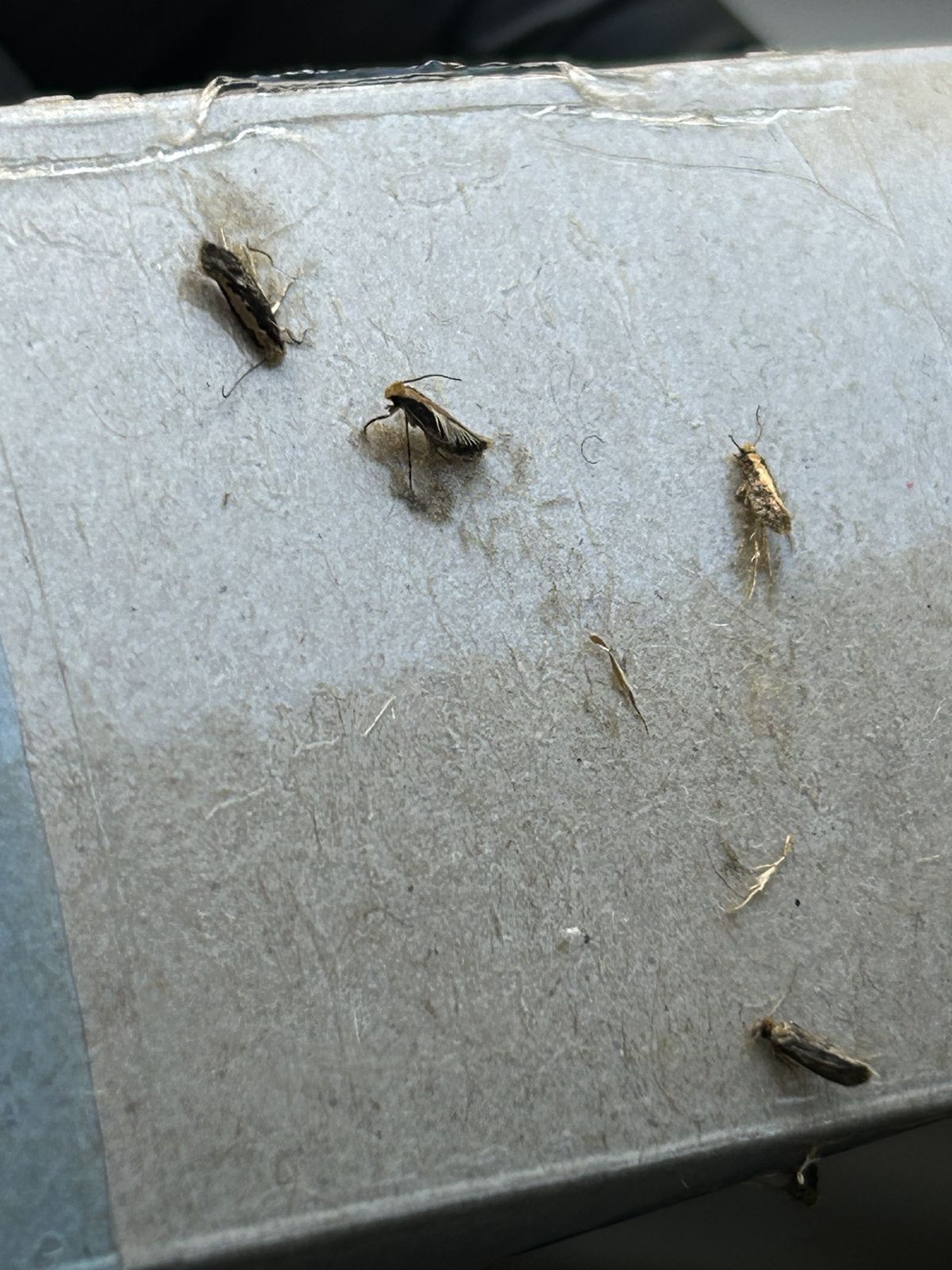
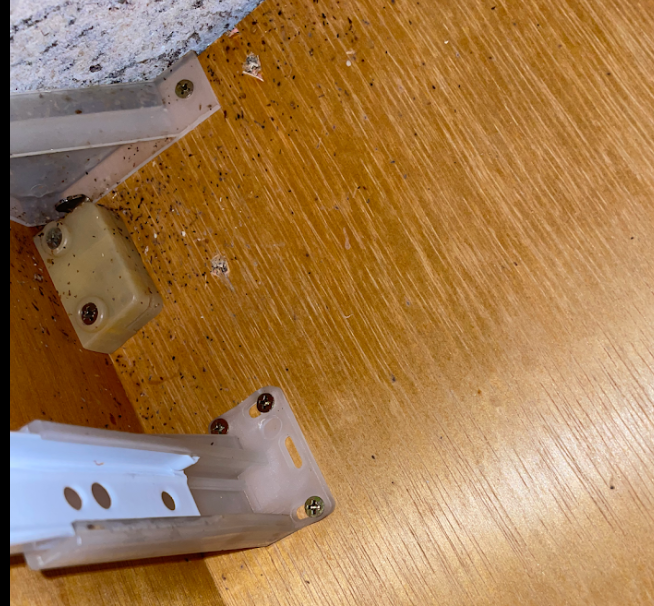
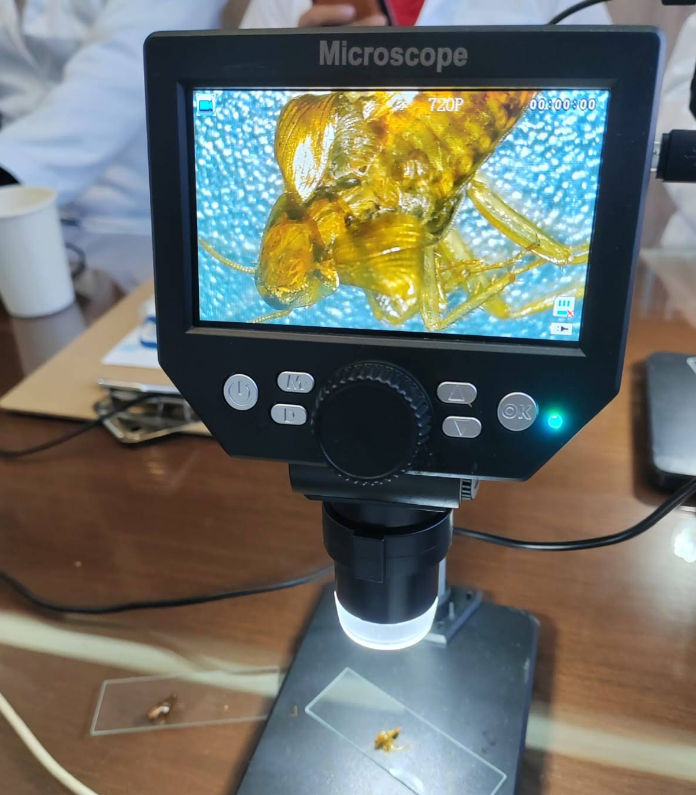
The allergens are proteins — the most studied come from the German cockroach — shed in droppings, saliva, egg cases, molted skins and fragments of dead roaches. These particles break down into dust, settle into carpet, bedding, upholstery and kitchen corners, and become airborne when disturbed by walking, vacuuming or forced-air heat. That is why symptoms are often worst at home, year-round, and indoors in winter — a pattern that separates cockroach allergy from seasonal pollen allergies. Unlike a roach sighting, the allergen is invisible: a kitchen can look clean while cabinet voids hold years of accumulated material from an old infestation.
Cockroach allergy symptoms
- Nasal and eye symptoms: chronic congestion, sneezing, runny nose, post-nasal drip, itchy or watery eyes — persisting across seasons.
- Skin: itching or rash flare-ups in sensitive people, sometimes blamed on bites. If you are finding marks, read do cockroaches bite? — the allergen is the far more common culprit.
- Asthma: coughing, wheezing, chest tightness and nighttime symptoms that worsen at home. For sensitized children living with infestations, cockroach allergen is linked in inner-city asthma research to more symptom days and more hospital visits than most other indoor triggers.
- The ear-nose-throat pattern GPs ask about: symptoms that improve on vacation and return within days of coming home point to an indoor allergen source.
Allergists confirm sensitization with a skin-prick or blood test. What they cannot do from the clinic is remove the source — that is pest work.
Why this matters so much in NYC housing
New York’s housing conditions concentrate the problem: older multi-unit buildings with shared walls and utility chases keep German cockroach populations circulating between apartments, and steady indoor heat keeps them breeding all year. Public-health surveys of NYC neighborhoods have repeatedly tied higher roach exposure to higher childhood asthma rates, with the burden heaviest in the Bronx and upper Manhattan. NYC law reflects this: cockroaches are a Housing Maintenance Code violation landlords must correct, and Local Law 55 (the Asthma-Free Housing Act) requires owners to investigate and remediate pest conditions in rental units using integrated pest management — not just occasional spraying.
Reducing cockroach allergen: the two-part job
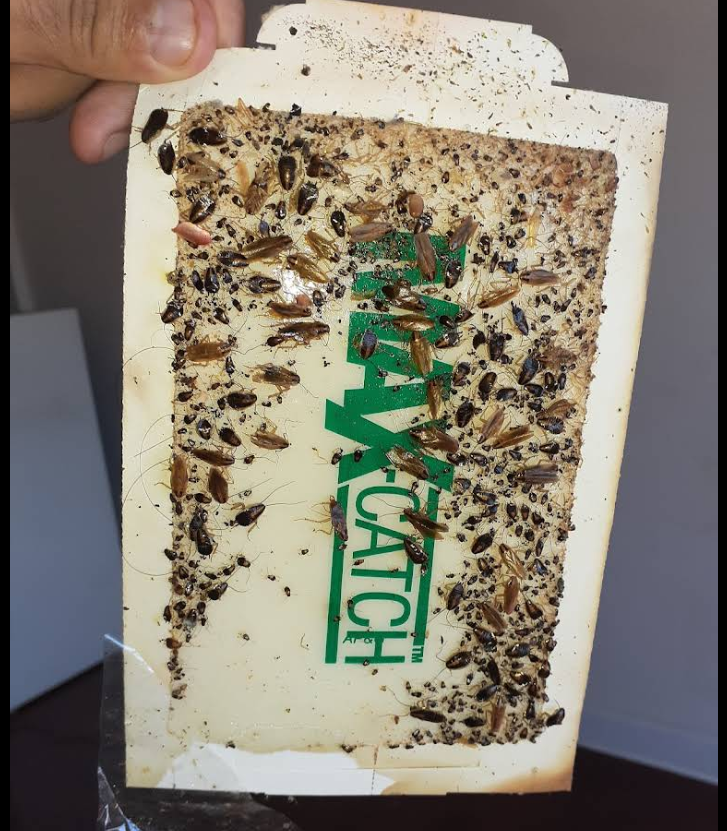
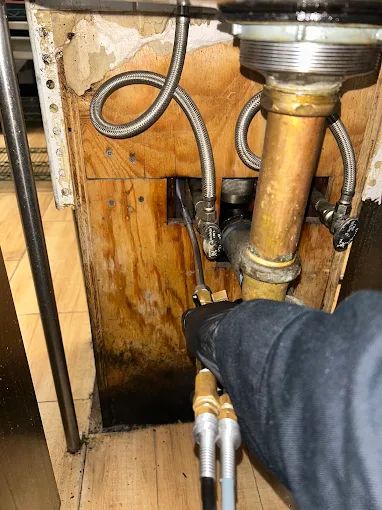
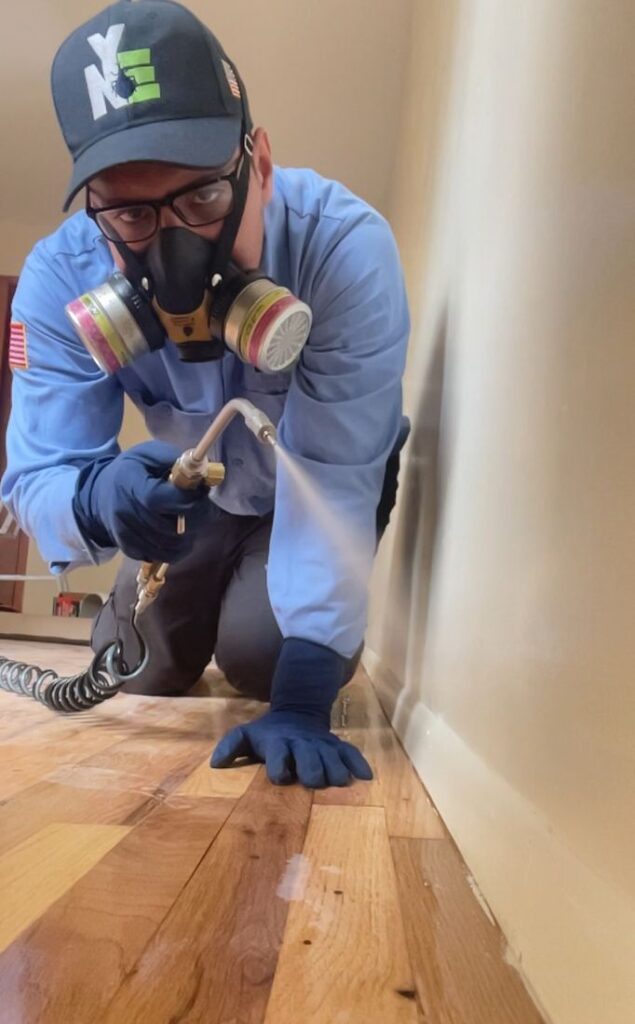
Part one is ending the infestation. Live roaches replenish allergen daily, so no amount of cleaning outruns an active population. Store-bought foggers make the allergen problem worse — they scatter roaches and their debris into new rooms. Our approach on German cockroach work is the Trio Protocol: microinjection into the voids where populations and their debris actually live, a non-repellent with insect growth regulators, and targeted gel bait — most apartments resolved in a single 1–1.5 hour visit, with follow-ups for verification only.
Part two is removing the reservoir. After the population is gone, the allergen it produced remains in dust for months. What measurably lowers it: HEPA vacuuming of floors, cracks and kitchen corners; damp-wiping shelves and cabinet interiors; washing bedding hot weekly; sealing cracks and crevices so debris cannot sift out of wall voids; fixing leaks that attracted roaches in the first place. In studies of inner-city homes, pest elimination combined with this kind of cleaning cut allergen levels sharply within months — and asthma symptoms improved with them.
What to tell your landlord — and what the law requires
In a multi-unit NYC building, report the infestation in writing. Under Local Law 55 the owner must inspect at least annually (and on tenant complaint), correct the conditions causing pests, and use IPM methods: sealing, moisture repair and targeted treatment rather than spray-and-leave visits. If a child in the home has asthma, say so in the complaint — it matters for 311 and HPD follow-up. Chronic building-wide infestations that keep returning through shared walls are covered in how German cockroaches migrate between apartments.
Ready to remove the source? Our German cockroach exterminator service in NYC covers what the visit involves and what it costs.
A Brooklyn-based, NYSDEC-registered company (Reg. #15140) led by Jorge Bedoya, an Associate Certified Entomologist (ACE). For cockroaches, NYE provides a non-repellent microinjection protocol for German cockroaches, placed at the harborage, plus a triple-active IGR. ACE-led work comes with a client portal of service reports and photos, fully bilingual service, and no long-term contract.
Cockroach allergy FAQ
Can you develop a cockroach allergy as an adult?
Yes. Sensitization can develop at any age with ongoing exposure, though it most often begins in childhood. Long-term residents of infested buildings are the classic adult-onset case.
Will the allergy go away once the roaches are gone?
The sensitization itself does not disappear, but symptoms track exposure. Removing the infestation and deep-cleaning the allergen reservoir typically brings a clear reduction in symptoms within weeks to months.
Is cockroach allergen connected to the shellfish allergy I have heard about?
There is documented cross-reactivity: tropomyosin, a protein in shrimp and other shellfish, is similar to one of the cockroach allergens. If you have both patterns, an allergist can test and sort out which exposures matter for you.
Does a clean apartment rule out cockroach allergen?
No. Allergen persists in wall voids, under appliances and in building dust from past or neighboring infestations — one reason symptoms can continue in a spotless unit. Our guide to why clean apartments still get roaches explains the building-level sources.
Can an exterminator fix my allergy?
No — and anyone who claims to is overreaching. What licensed pest work does is remove the exposure: end the infestation, seal the pathways, and leave you a unit where cleaning can actually bring allergen levels down. Diagnosis and treatment stay with your doctor. For the pest side across all five boroughs plus Nassau and Westchester, in English or Spanish, call (347) 210-4646.