Straight answers from a licensed New York exterminator and Associate Certified Entomologist (ACE) — serving all five boroughs, in English and Spanish.
Get a Free Estimate →⏱ 6 min read
Quick answer: Waking up with itchy red marks does not automatically mean bed bug (Cimex lectularius)s. In NYC apartments, the most common look-alikes are mosquito bites, flea bites, carpet beetle (family Dermestidae) skin reactions, bird or rodent mites (often from pigeons nesting on AC units and window ledges), scabies (Sarcoptes scabiei), and stress-related skin reactions. Bed bug bites tend to appear in lines or clusters on skin exposed while sleeping, often arms, shoulders, neck, and legs. The only way to confirm bed bugs is to find the insects or their evidence — bites alone are not proof.
Bites are the worst kind of pest clue: they cause maximum panic and provide minimum information. As an Associate Certified Entomologist working in New York City apartments, I can tell you that a large share of “I think I have bed bugs” calls turn out to be something else — and a few “it is probably nothing” cases turn out to be bed bugs. Here is how to read the evidence before you spend money.
What bed bug bites actually look like
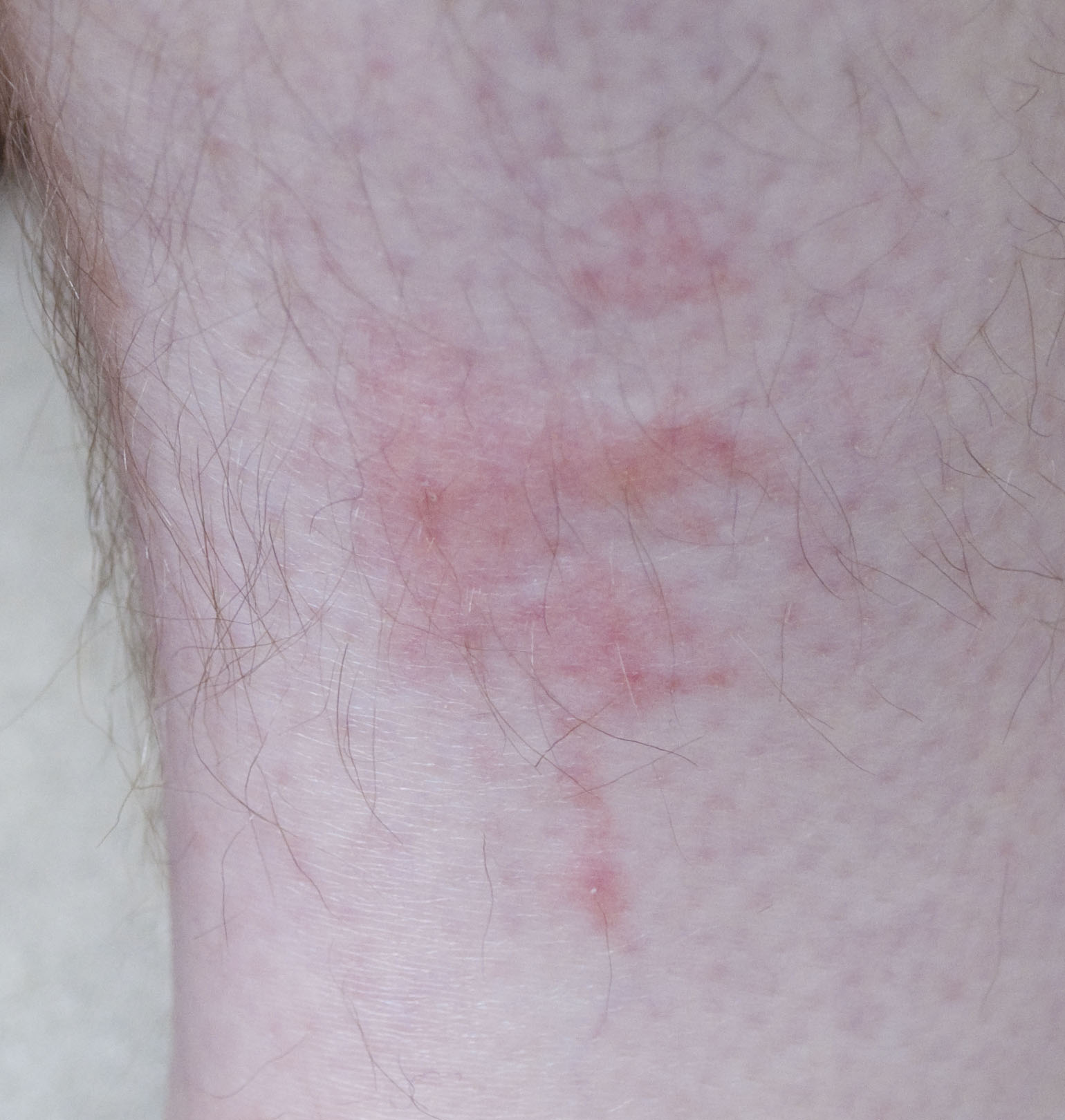
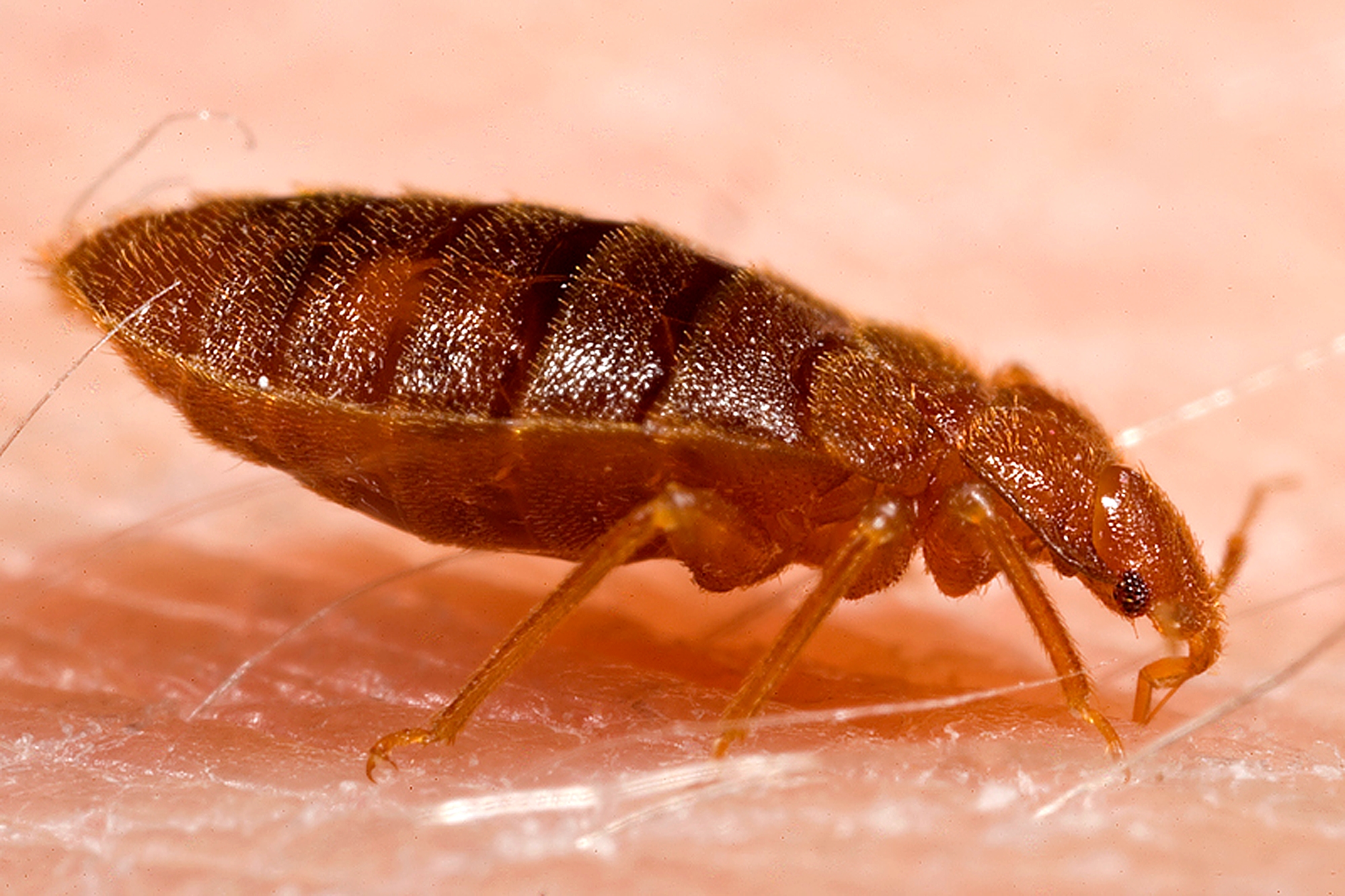
Bed bug bites are typically small, flat or slightly raised red welts, often arranged in a line or a loose cluster — sometimes called the “breakfast, lunch, dinner” pattern because the bug may probe a few times along a path. They show up on skin left exposed during sleep: arms, hands, shoulders, neck, face, and lower legs. Reactions vary enormously between people — some get angry welts, others get nothing at all from the same bites, which is why bites are unreliable on their own.
The catch: none of those features are exclusive to bed bugs. Several other things produce a similar look.
Two facts worth keeping in perspective: bed bugs are not known to transmit disease to people, and roughly a third of people show no visible reaction to their bites at all — which is exactly why bites are unreliable as proof on their own. For symptom relief while you confirm the cause, over-the-counter hydrocortisone cream or an oral antihistamine can ease the itching; for severe or spreading reactions, see a clinician.
The NYC bite look-alikes, ranked by how often I see them
Mosquito bites
Common in NYC spring through fall, especially near windows, AC units, and courtyards. Mosquito bites are usually more isolated, puffier, and intensely itchy right away. If they appear on exposed skin in the evening and you have open or poorly screened windows, suspect mosquitoes before bed bugs.
Flea bites
Usually on the lower legs and ankles, often in small clusters, with a tiny red dot at the center. Strongly associated with pets, but NYC fleas can also arrive via rodents in the building. Location is the tell: bed bugs favor upper body, fleas favor ankles.
Carpet beetle skin reactions
Carpet beetle larvae do not bite, but their tiny hairs can cause an itchy, bumpy rash that people mistake for bites. If you find small fuzzy larvae or shed skins near wool, carpets, or closets — and you never actually find a bed bug — carpet beetles are a strong suspect.
Bird and rodent mites
This is the quintessential NYC case. Pigeons nesting on a window-unit AC, a ledge, or a parapet can host bird mites that migrate indoors when the birds leave or the nest is disturbed, biting people even though no insect is visible in the bed. Rodent mites do the same from a mouse or rat harborage in the walls. The bites are itchy and seem to come from nowhere — because the source is outside the living space. We treat this specifically; see our bird mite and rat mite treatment.
Scabies
A skin condition caused by a microscopic mite that burrows into skin — intensely itchy, especially at night, often between fingers, wrists, and waistline. Scabies is a medical issue, not a pest-control one: if bites are accompanied by relentless nighttime itching in those areas, see a doctor.
Stress and dermatographism
After a bed bug scare, some people develop real, physical itchy marks from anxiety and skin sensitivity, with no insect involved at all. This is genuine — not “in your head” — but it will not be solved by a pesticide.
The decision: bites vs. evidence
Because bites are unreliable, an entomologist diagnoses bed bugs by looking for the insects and their evidence, not the welts:
- Live bugs or shed skins in seams of the mattress, the box spring, the bed frame, and the headboard.
- Tiny dark spots (digested blood) along mattress seams, behind the headboard, or where the wall meets the bed.
- Small pale eggs in cracks and crevices near the bed.
- A sweetish, musty odor in heavy infestations.
If you find none of that after a careful look, bed bugs become much less likely — and one of the look-alikes above moves up the list.
What to do next
If you find physical evidence, do not start spraying — over-the-counter products often scatter bed bugs to other rooms. Get a confirmation. A K-9 bed bug inspection can confirm presence quickly and precisely, and if it is positive we move to targeted bed bug treatment. If you find no evidence but the bites continue, the cause is likely one of the look-alikes — bird/rodent mites and carpet beetles are the ones we resolve most often in NYC apartments. For the deeper case where nothing turns up at all, see our companion guide on identifying NYC apartment pests and read more about bed bug removal.
A Brooklyn-based, NYSDEC-registered company (Reg. #15140) led by Jorge Bedoya, an Associate Certified Entomologist (ACE). For bed bugs, NYE provides discreet bed bug treatment (heat and targeted options) verified with a follow-up visit. ACE-led work comes with a client portal of service reports and photos, fully bilingual service, and no long-term contract.
Bed Bug Bites Differential FAQ
How can I tell bed bug bites from mosquito bites?
Bed bug bites tend to appear in lines or clusters on upper-body skin exposed during sleep and may not itch immediately. Mosquito bites are usually more isolated, puffier, itch right away, and are more common near windows and AC units in warm months. Neither is definitive — finding the insect or its evidence is what confirms bed bugs.
I have bites but cannot find any bugs. What does that mean?
Bites with no findable bed bug evidence frequently point to bird or rodent mites (often from pigeons on AC units), carpet beetle skin reactions, fleas, scabies, or stress-related skin reactions. Because the source is often outside the bed, these need a different approach than bed bug treatment.
Do bed bug bites always itch?
No. Reactions vary widely — some people develop obvious welts, others show no reaction to the same bites. This is exactly why bites alone are an unreliable way to diagnose bed bugs.
Where do bed bugs usually bite?
On skin exposed while sleeping: arms, hands, shoulders, neck, face, and lower legs. Bites concentrated on the ankles and lower legs point more toward fleas; intense itching between the fingers and wrists points toward scabies.
Should I see a doctor or an exterminator?
If you find insects or their evidence, call a pest professional for confirmation and treatment. If bites come with relentless nighttime itching between fingers and wrists, or you cannot find any pest evidence, start with a doctor — some look-alikes (scabies, allergic reactions) are medical, not pest issues.
Not sure what is biting you? An Associate Certified Entomologist can identify the cause instead of guessing. New York Exterminating serves all five boroughs with K-9 inspection and targeted treatment, no contracts. Call (347) 210-4646 or book an inspection.
Reviewed by Jorge Bedoya, Associate Certified Entomologist (ACE), New York Exterminating. This article is for identification guidance and is not medical advice; for persistent skin reactions, consult a physician.