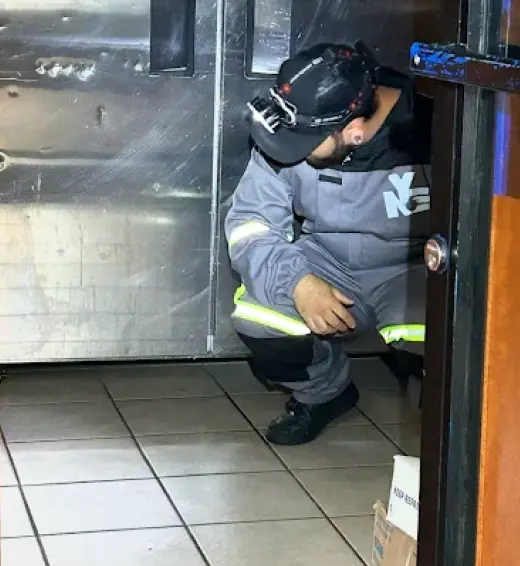
Why New York Exterminating
We’re built to solve your pest problem, not to lock you into a monthly contract. We don’t require monthly spray contracts or forced annual agreements, the same technician handles your property whenever possible, and we never blame your housekeeping. Every job is ACE-led (Jorge Bedoya, Associate Certified Entomologist, NYSDEC #15140), bilingual in English and Spanish, and we serve all five boroughs plus Nassau and Westchester — with a callback rate under 1%.
New York Exterminating provides springtail control across NYC for apartments and homes finding tiny jumping insects in bathrooms, basements, kitchens, and around houseplants. If you are seeing minuscule bugs that hop when disturbed and your first thought was fleas, there is a very good chance they are springtails, and the fix is completely different.
Springtails are a moisture problem, not a pest that lives on you or your pets. They are harmless, they do not bite, and they appear wherever it stays damp enough to grow the microscopic mold they feed on. Treating them like fleas, or simply spraying, never lasts, because as long as the dampness remains, springtails keep coming back.
New York Exterminating is led by an Associate Certified Entomologist (ACE), credentialed by the Entomological Society of America and licensed in structural and food-establishment pest control. That matters here because springtails are routinely confused with fleas, mold mites, and booklice, and confirming the species under magnification is the difference between solving the problem and chasing the wrong one.
Send us a photo and we will identify it for free. Call +1 (347) 210-4646 or request service online. Open 24/7. Se habla español.
Related services and resources: Flea Control · Silverfish Control · Booklice & Psocid Control · Pest Identification Service
Real New York Exterminating jobs
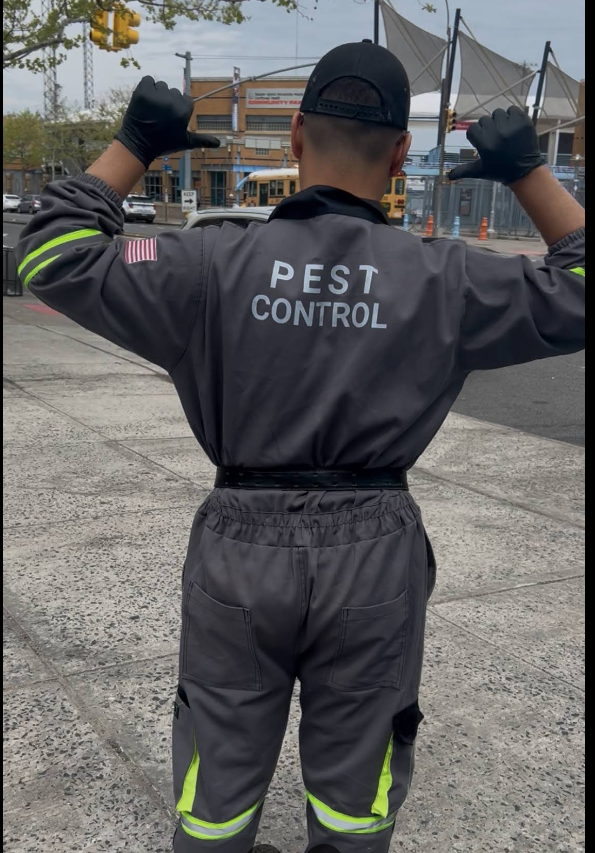
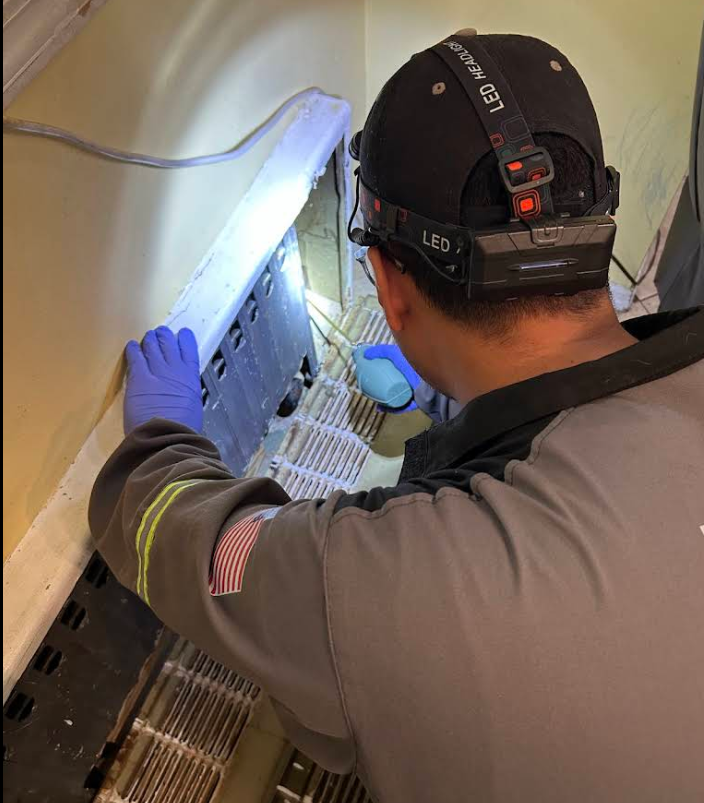
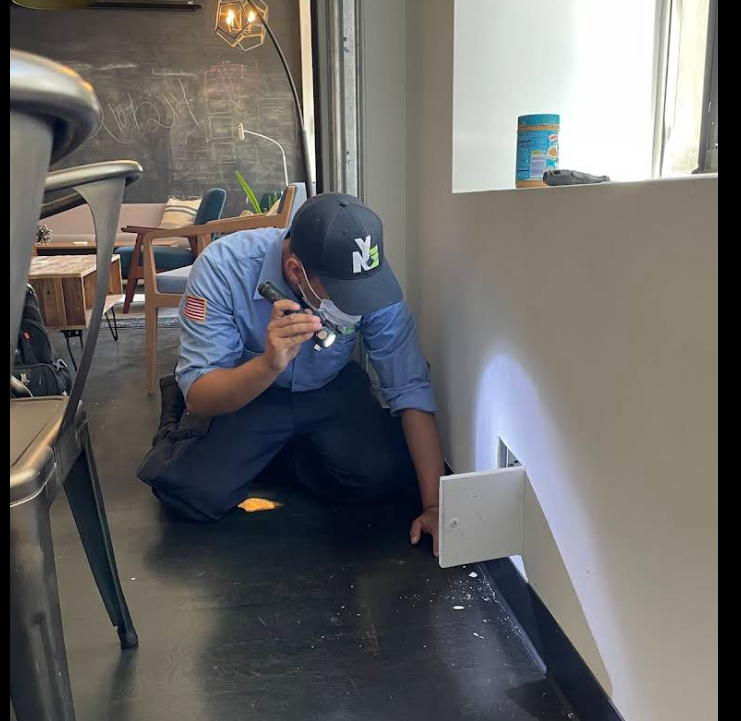
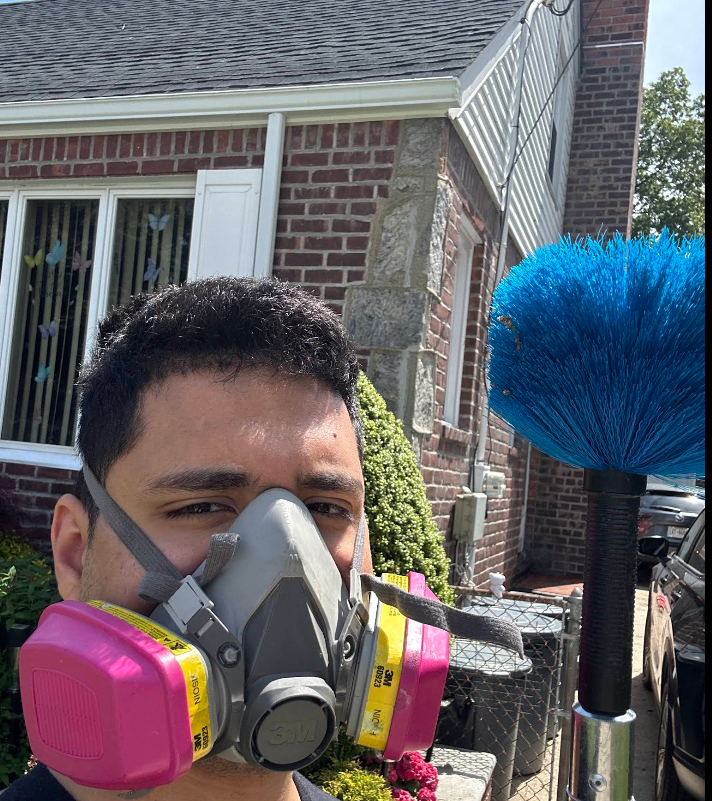
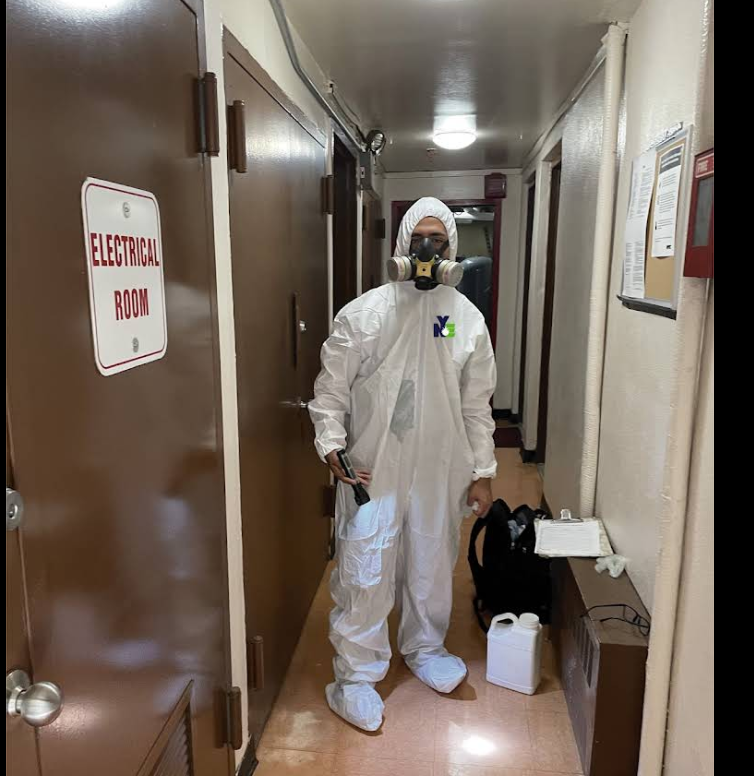
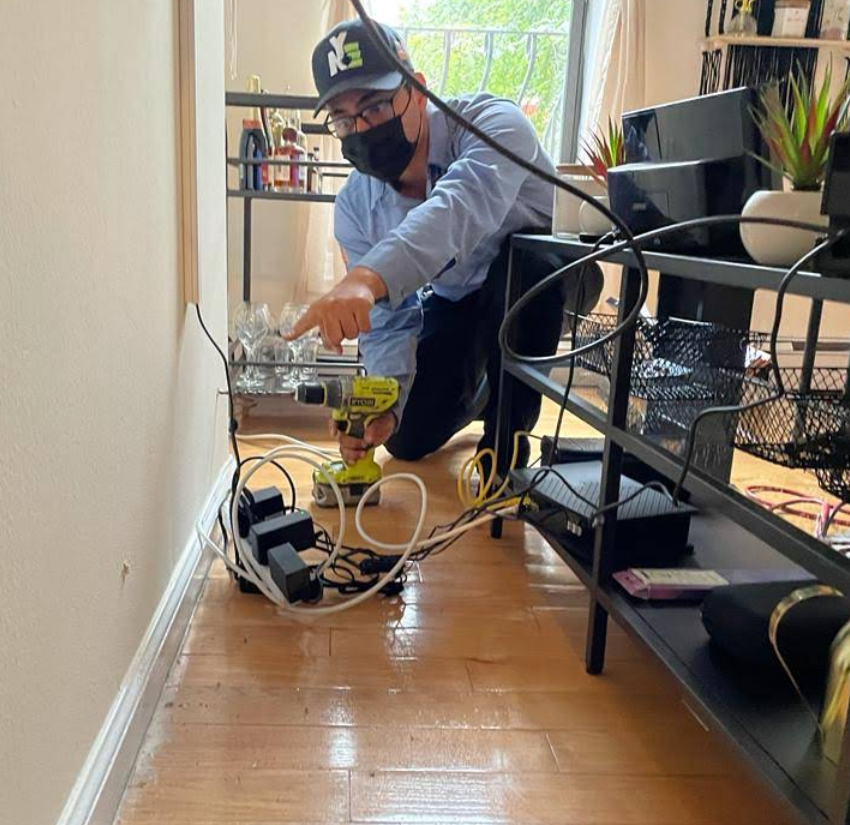
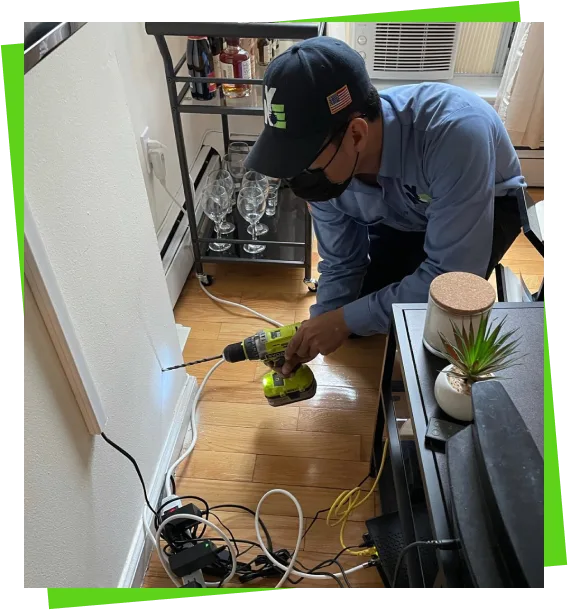
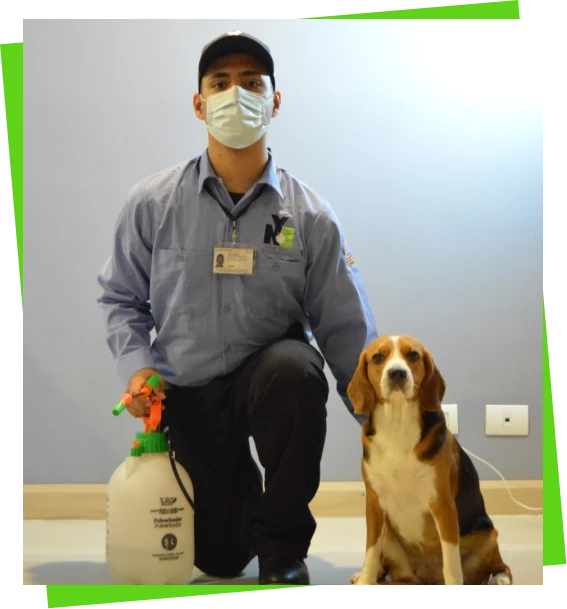
Photos from real NYE service calls across NYC.
Probably not. Springtails jump but do not bite and are tied to moisture, not pets. We confirm it from a photo or sample.
No. They do not bite, spread disease, or damage your home. They are strictly a damp-conditions nuisance.
Because the moisture source is still there. Drying it out, not spraying, is the real fix.
Swarms of tiny jumping bugs? It’s a moisture problem we can fix.
Moisture-source treatment across NYC. ACE-led. Free estimate.
This is the single most common mix-up we see, and getting it right changes everything about the treatment. Here is how they differ:
If you have no pets and the bugs are clustered in a damp area, they are almost certainly springtails. The fastest way to be sure is a photo or a quick sample under magnification, which is exactly what our ACE does before recommending anything.
New York City housing is practically built for springtails. Older pre-war buildings hold humidity in their walls and cellars; garden-level and basement apartments sit against damp soil; and new construction releases moisture from curing plaster and paint for months. Add the everyday triggers, an overwatered windowsill plant, a slow leak under a sink, condensation on a bathroom wall, a humid laundry area, and you have exactly the damp, mold-rich conditions springtails need. They are most noticeable in spring and summer and after heavy rain, when outdoor populations surge and indoor dampness peaks.
Springtails are not living in your walls like a structural pest, they are living in the dampness. You can spray every one you see and a fresh group appears days later from the same moist film of mold they feed on. The only thing that actually ends a springtail problem is finding and correcting the moisture source. Treatment can knock down the active population, but without drying out the cause, it is temporary by definition. That is why our work starts with diagnosis, not a spray can.
Tiny insects, usually under a couple of millimeters, often dark or pale, that spring away when disturbed. They cluster in damp, organic-rich spots and appear in large numbers when conditions are right.
Beyond fleas, springtails are mistaken for mold mites and booklice, both of which are also moisture-driven and also harmless. The treatments overlap, but correct identification confirms the cause and rules out anything that bites, which is the reassurance most clients are really after.
We examine a sample under magnification to confirm springtails and definitively rule out fleas or other small insects. This single step changes the entire approach.
We locate the dampness feeding them, an overwatered plant, a leak, condensation, poor ventilation, or a humid basement, because that source, not the insects, is the real problem.
We advise on drying the source and reducing the mold and organic matter springtails feed on, and treat active areas to bring the visible population down quickly.
We verify the population drops as conditions improve and give you the simple steps that keep it from returning.
EPA: Mold & Moisture · EPA: Identify Your Pest Problem
Yes, and overwatered potted plants are one of the most common indoor sources we find in NYC apartments. Springtails feed on the mold and decaying organic matter in consistently damp potting soil. If you let the top inch of soil dry between waterings and the problem fades, the plants were the source.
They are not breeding in the drain the way drain flies do, but they gather around tubs, sinks, and floor drains because those areas stay damp and grow the thin film of mold they eat. The fix is reducing the moisture and condensation around the fixture, not pouring product down the drain.
Sometimes briefly, when conditions dry out, but they come right back the moment dampness returns, which in a humid NYC bathroom or basement is constant. They do not establish a lasting indoor population on their own, so when they keep reappearing it is a sign of an ongoing moisture source that needs correcting.
No. Springtails do not live in bedding, do not bite, and are not associated with people or pets the way fleas or bed bugs are. If you are being bitten, the cause is something else, and our pest identification service can determine what it actually is.
Once the moisture source is corrected, populations usually drop within days to a couple of weeks. The variable is never the treatment, it is how quickly the underlying dampness, a leak, condensation, an overwatered plant, or a humid basement, can be resolved.
It depends on the source and extent of the moisture problem and the areas involved. We inspect, confirm the species under magnification, and provide a clear quote before any work begins.
New York Exterminating, Inc.
1115 E 13th St, Brooklyn, NY 11230
ACE-Certified · Licensed in Structural & Food-Establishment Pest Control · Since 2010
Those tiny jumpers are almost certainly springtails, not fleas. We confirm it under magnification and fix the moisture that keeps them coming.
Every job is led by an Associate Certified Entomologist. Meet Jorge Bedoya, ACE — the NYC Exterminator »
New York Exterminating is Brooklyn-based and covers the whole city — the same Associate Certified Entomologist–led service in every borough:
Brooklyn · Manhattan · Queens · The Bronx · Staten Island · Yonkers · White Plains · Nassau County
No. We don’t lock you into monthly spray contracts or forced annual agreements.
Yes. Whenever possible, the same technician services your property, so the plan and history stay consistent.
We serve all five boroughs plus Nassau and Westchester, in English and Spanish, from our Midwood, Brooklyn base.










Springtail control in NYC — we target the moisture that breeds them so the tiny jumping pests disappear. Dependable.