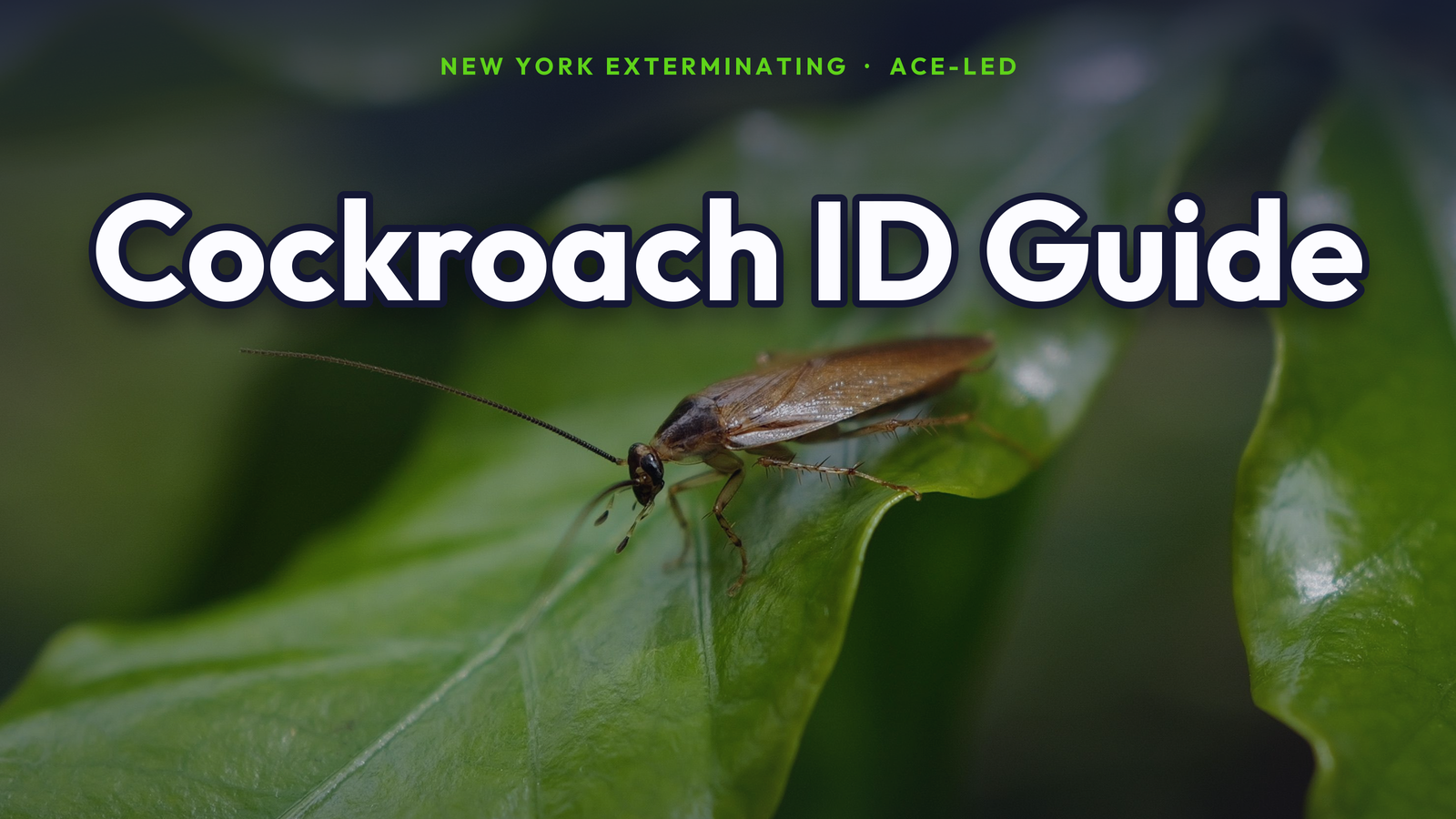
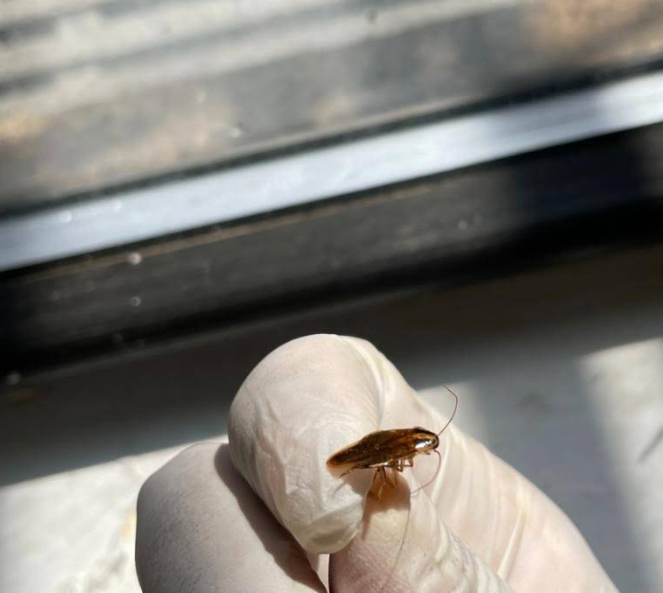
Quick answer: Three cockroach species matter in NYC, and they are different problems. The German cockroach (Blattella germanica) is small (about half an inch), tan with two dark stripes, and breeds fast inside your kitchen — the hardest to control. The American cockroach (Periplaneta americana) is large (up to two inches), reddish-brown, and lives in basements and drains, coming up at night (the classic “water bug”). The Oriental cockroach (Blatta orientalis) is dark, almost black, slow, and favors cold damp basements and floor drains. Same word, three habitats, three control strategies — and treating one like another is why roaches “keep coming back.”
“I have roaches” tells an Associate Certified Entomologist almost nothing until I know which roach. In New York City buildings, the three common species live in different places, behave differently, and require completely different approaches. Here is how to tell them apart and why it changes everything about getting rid of them.
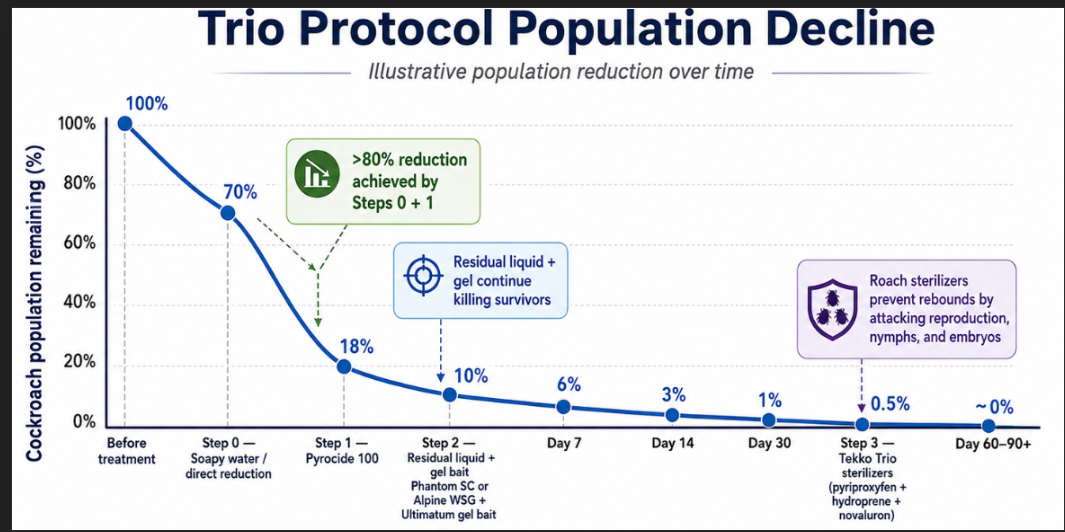
The three NYC cockroaches at a glance

| German | American (“water bug”) | Oriental (“water bug”) | |
|---|---|---|---|
| Size | ~0.5 in (small) | 1.5–2 in (very large) | ~1–1.25 in |
| Color | Tan, two dark stripes behind head | Reddish-brown, glossy | Dark brown to black |
| Lives | Inside kitchens/baths, near appliances | Basements, drains, risers | Cold damp basements, floor drains |
| Breeds | Inside your unit, very fast | In building wet areas | In building wet areas |
| Comes from | An established in-unit population | Plumbing pathways up from below | Damp common areas |
| Control focus | Targeted in-unit control + IGR | Exclusion, drains, moisture | Exclusion, moisture, harborage |
American vs German cockroach at a glance
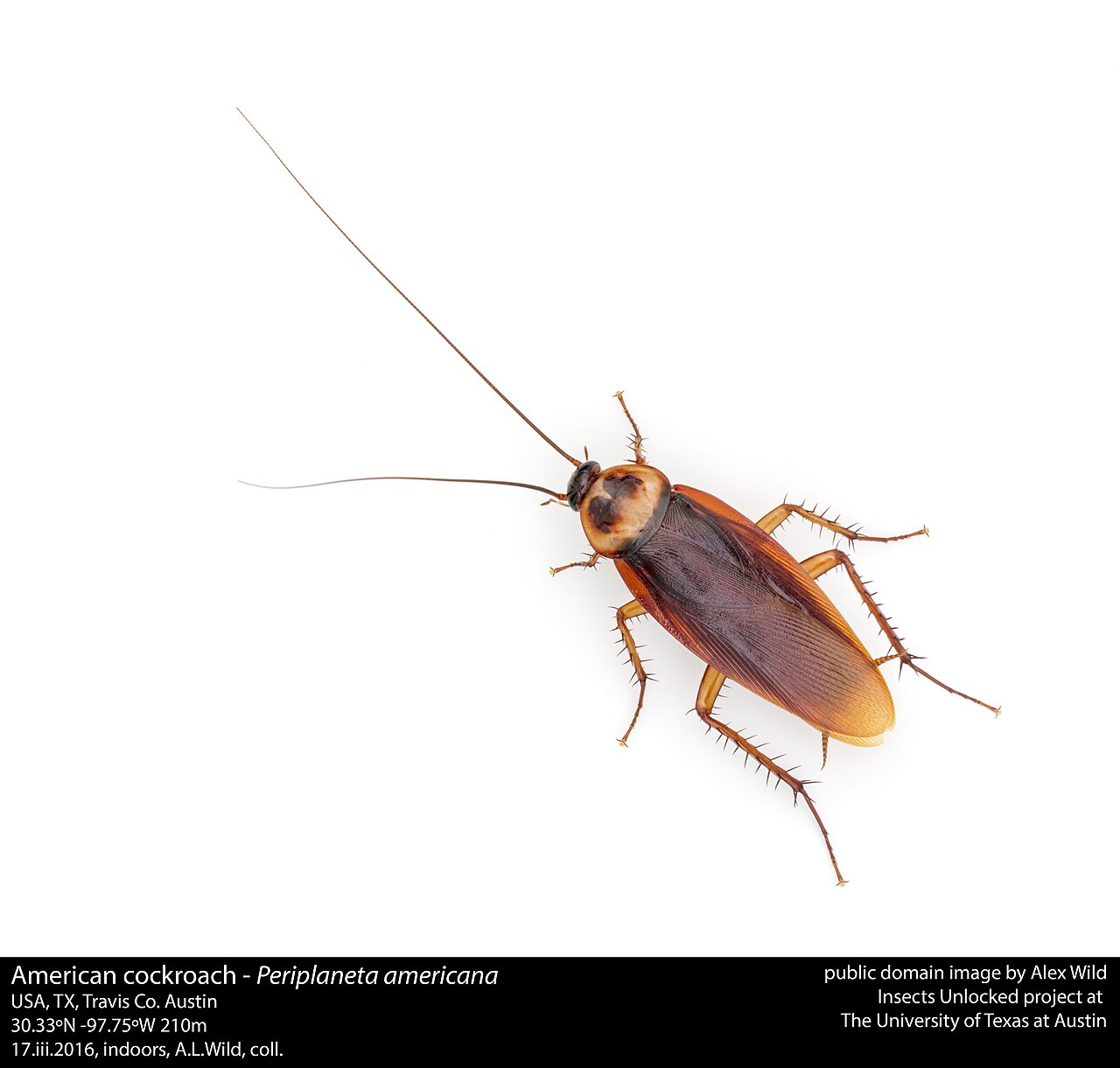
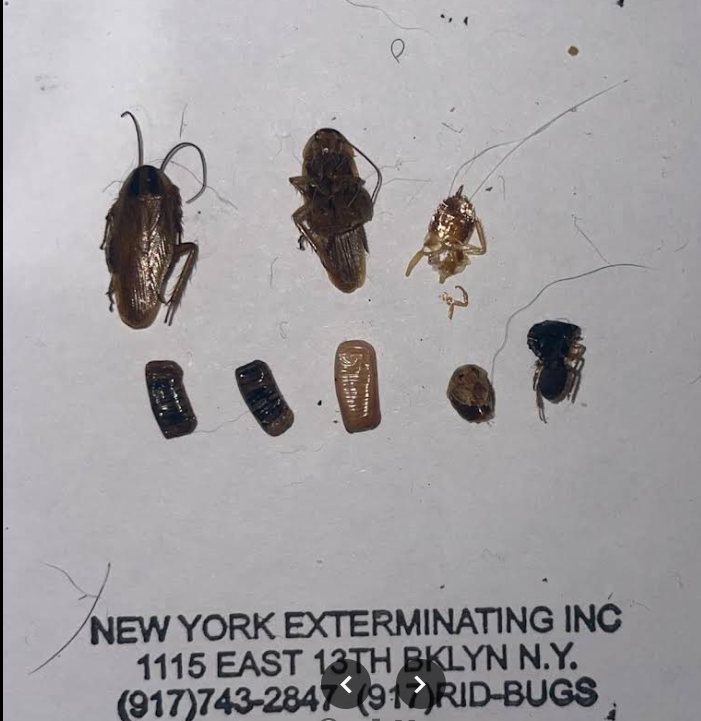
| Feature | German cockroach | American cockroach |
|---|---|---|
| Adult length | About 1/2 to 5/8 inch (12 to 16 mm) | About 1.5 to 2 inches (34 to 53 mm) |
| Color | Light brown to tan | Reddish-brown |
| Markings | Two dark parallel stripes on the shield behind the head | Pale yellow-tan band edging the shield behind the head |
| Wings | Has wings, rarely flies | Has wings, flies, especially on warm nights |
| Where it lives | Kitchens, bathrooms, dishwashers, behind refrigerators, inside cabinets | Basements, boiler rooms, laundry rooms, drains, sewer-connected spaces |
| Egg case | Light tan, about 6 to 9 mm, carried by the female until just before hatching, roughly 30 to 40 eggs | Dark brown, about 8 mm, glued to a hidden surface, roughly 14 to 16 eggs |
| Time to adult | Roughly two to three months indoors | Many months to over a year |
| Breeds inside your apartment? | Yes, this is the species that infests apartments | Rarely; usually a visitor from the building |
| How we treat it | Trio Protocol: microinjection, non-repellent plus IGR, targeted gel bait | Seal entry points, treat basement and drain areas, remove moisture |
| NYE price | $299 to $699 | From about $250 |
German cockroach — the kitchen breeder
This is the species that earns NYC its reputation. German cockroaches live inside the apartment, almost always in the kitchen and bathroom, clustered around the warmth and moisture of appliances — the refrigerator motor, the stove, the dishwasher, the microwave. They reproduce faster than any other house-infesting roach, which is why a few become many in weeks and why DIY sprays rarely keep up. Because the population hides in tight harborage (including inside appliance housings), an effective approach reaches those voids directly. Our signature microinjection protocol places a non-repellent, oil-based pyrethrin into the harborage and pairs it with a triple-active insect growth regulator (Tekko Trio) that disrupts reproduction. See our German cockroach service and our guide to the approach to German cockroaches in NYC.
German cockroaches are also a recognized indoor allergen and asthma trigger — their droppings and shed skins affect indoor air quality, a particular concern for children in dense housing. A single female’s egg case (the ootheca) holds roughly 30–40 eggs, which is why a handful of roaches becomes an infestation within weeks, and why disrupting reproduction with a growth regulator matters more than spraying visible adults.
American cockroach — the big “water bug”
The large reddish-brown roach that darts across the kitchen floor at 2am is usually the American cockroach. In NYC it does not typically breed inside your apartment — it travels up from the basement through cold-water risers, floor drains, and pipe penetrations. That is why a spotless apartment can still get them: the source is the building’s plumbing geography, not your housekeeping. Control focuses on sealing those pathways, addressing moisture, and treating the basement and riser routes — not kitchen gel bait.
Oriental cockroach — the true “water bug”
Dark, almost black, and sluggish, the Oriental cockroach is the species the “water bug” nickname fits best. It loves cool, wet places — basements, floor drains, cellars — and tolerates cold better than the others. Like the American, it is a building-pathway problem, controlled through exclusion, moisture reduction, and harborage treatment in the common areas it comes from. We cover the “water bug” question in depth in water bug or American cockroach?
The roach that gets misdiagnosed: brown-banded
New York has a fourth indoor cockroach that is easy to mistake for a German cockroach: the brown-banded cockroach (Supella longipalpa). It is similar in size, but it lives in different places: high and dry, in bedrooms, living rooms, upper cabinets, behind frames and inside electronics, instead of around kitchen and bathroom moisture. Treat it like a German cockroach and the products go where the roaches are not.
The fastest field check is the pronotum, the shield behind the head. German: two dark parallel stripes. Brown-banded: dark and unstriped, with light bands across the wings or body, most visible on females and nymphs.
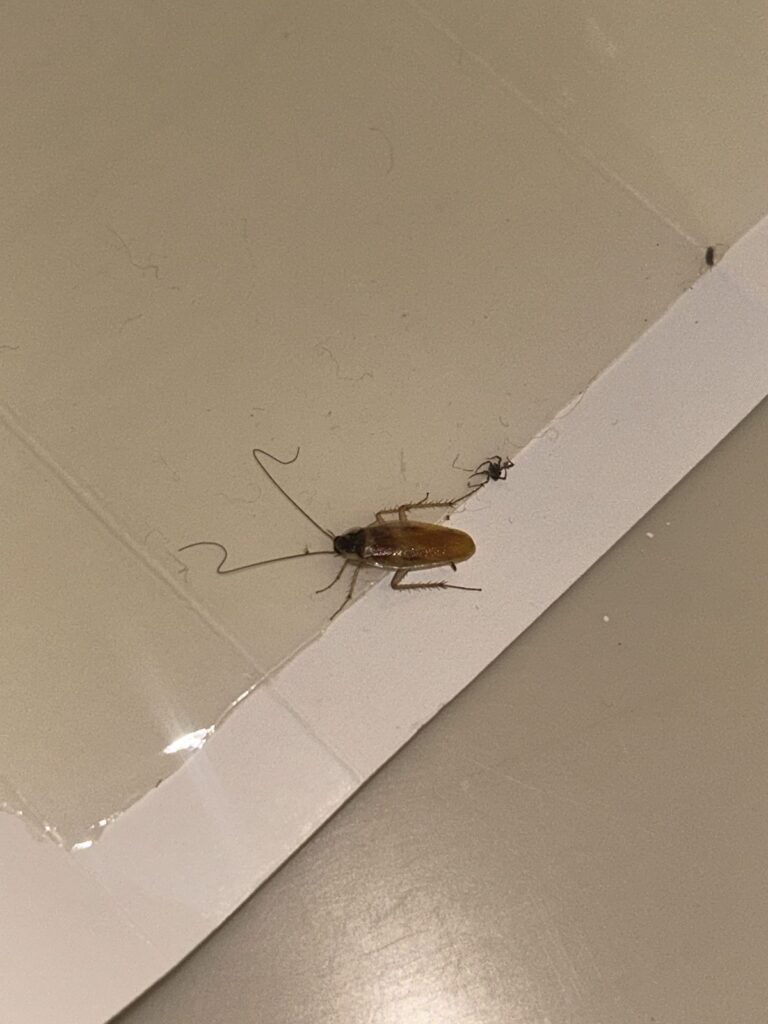
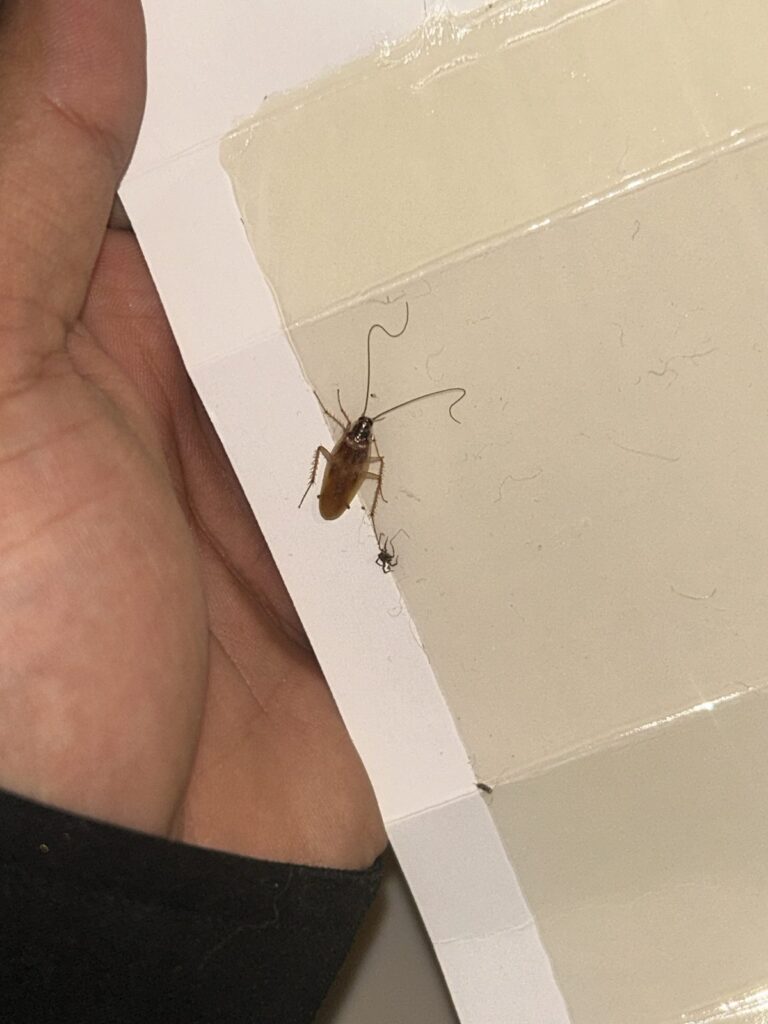
Full guide: brown-banded cockroach identification and control in NYC.
Why behavior differs in your building
The key insight for NYC: German cockroaches are an in-unit problem and American/Oriental cockroaches are usually a building problem. That single distinction determines the entire plan. Bringing kitchen-roach tools to a basement-roach problem (or vice versa) treats the symptom and ignores the source — which is exactly why people feel like roaches are unkillable. They are not; they are just being fought in the wrong place. A correct identification points to the right battlefield.
Also in NYC: the brown-banded cockroach — a fourth species found high on walls and in furniture rather than kitchens.
NYC Cockroach Identification FAQ
What is the difference between a water bug and a cockroach in NYC?
“Water bug” is a nickname New Yorkers use for the large American and Oriental cockroaches. They are cockroaches — true water bugs are aquatic insects. The large ones usually come up from the building’s basement and plumbing rather than breeding in your apartment.
Which NYC cockroach is hardest to get rid of?
The German cockroach, because it breeds rapidly inside the unit and hides in tight harborage like appliance housings. It typically needs a targeted approach reaching the harborage plus a growth regulator, not surface sprays.
Why do I only see big roaches at night?
American and Oriental cockroaches are nocturnal and moisture-seeking. They move at night from basement and drain areas up toward occupied apartments, which is why the 2am kitchen sighting is so common.
Does seeing one cockroach mean an infestation?
For a large American cockroach, possibly just a wanderer from the basement — but repeated sightings indicate an active pathway. For a small German cockroach, even one is worth acting on quickly, because they breed fast and a few become an infestation.
Can I treat all cockroaches the same way?
No — and that is the most common mistake. German cockroaches need in-unit harborage treatment; American and Oriental cockroaches need building exclusion and moisture work. Using one strategy on the other species is why roaches seem to keep returning.
Not sure which roach you have? An Associate Certified Entomologist will identify the species and target the right source. New York Exterminating serves all five boroughs, no contracts. Call (347) 210-4646 or see our cockroach control service.
Reviewed by Jorge Bedoya, Associate Certified Entomologist (ACE), New York Exterminating.
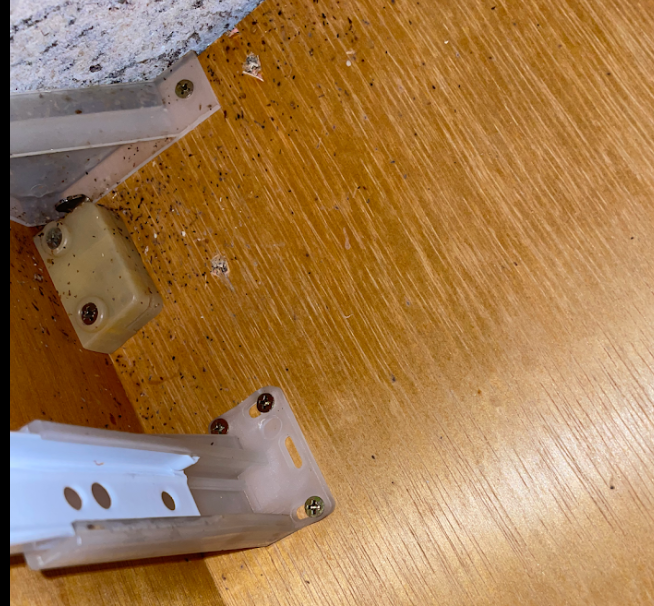
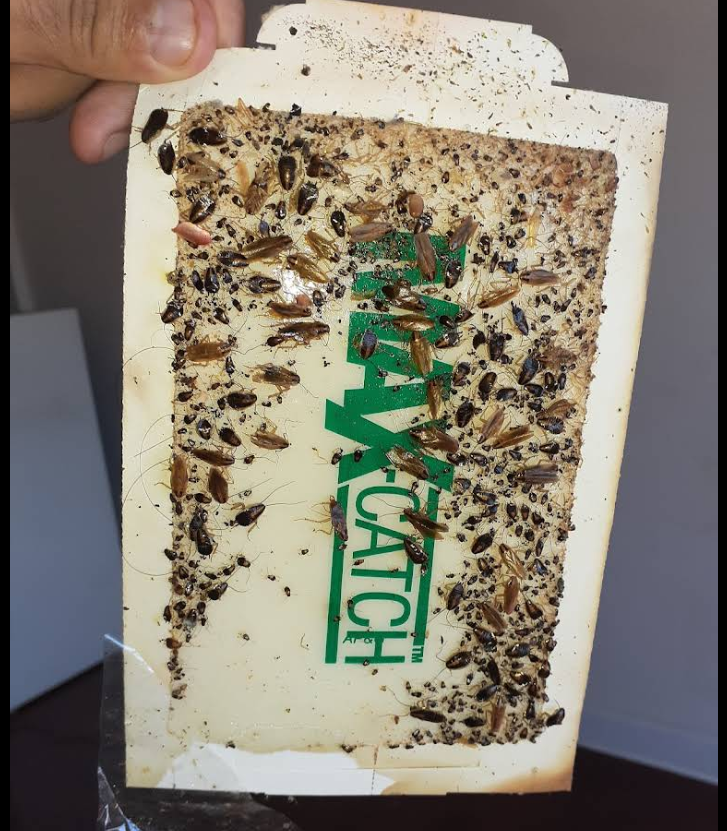
Related: What German cockroach activity actually looks like — real photos of the signs and the science behind controlling them.
Correct identification is the first step — see the full range of NYC pest control services from New York Exterminating.