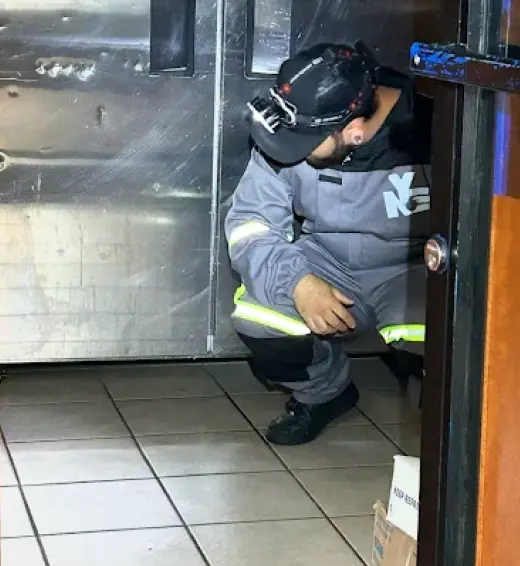
Straight answers from a licensed New York exterminator and Associate Certified Entomologist (ACE) — serving all five boroughs, in English and Spanish.
Get a Free Estimate →⏱ 7 min read
Reviewed by Jorge Bedoya, ACE (Associate Certified Entomologist, NYSDEC #15140). Last updated October 2026.
Why rats are different from every other NYC pest
A Norway rat needs a gap of only about half an inch — a quarter-size hole — to enter, and it can gnaw through wood, plastic, rubber door sweeps and foam sealant. Rats live in organized colonies in burrows, basements and wall voids, follow scent-marked runways, and are deeply suspicious of new objects, which is why a snap trap that worked on mice can sit untouched by rats for days. Any plan that does not account for neophobia, burrows and gnawing is a plan to feed rats, not remove them. For telling rats from mice in the first place, see rat vs mouse and our droppings identification guide.
Step 1: Find how they are getting in
Walk the perimeter and the utility paths with a flashlight. The entry points we find most often in NYC buildings:
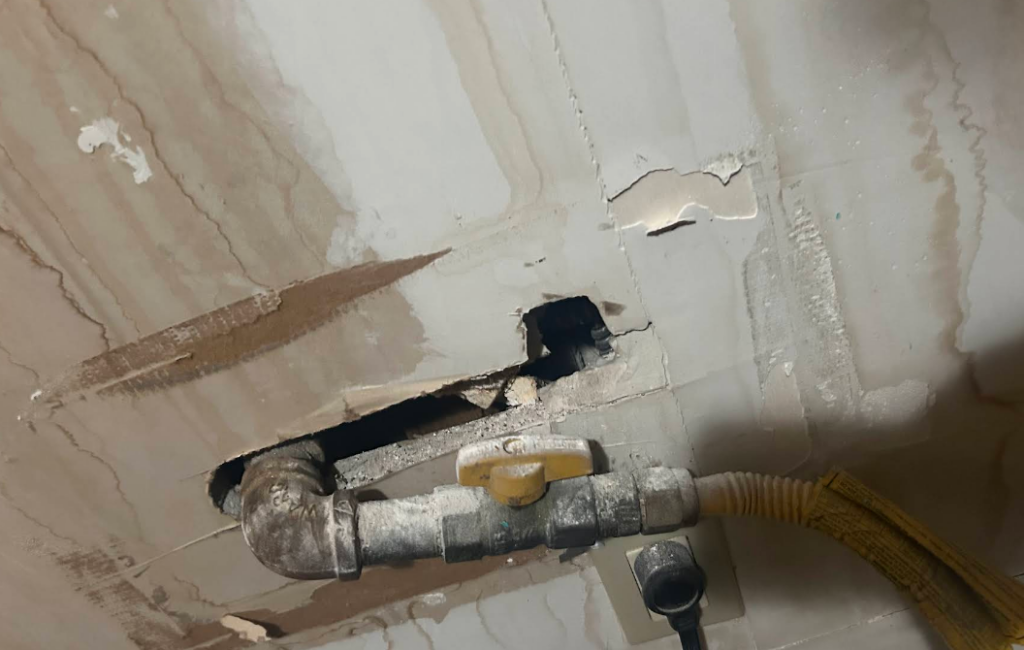
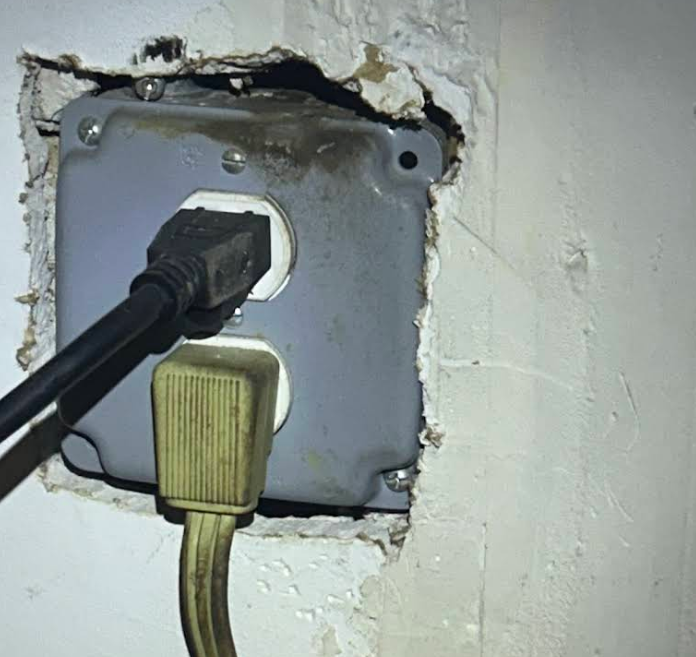
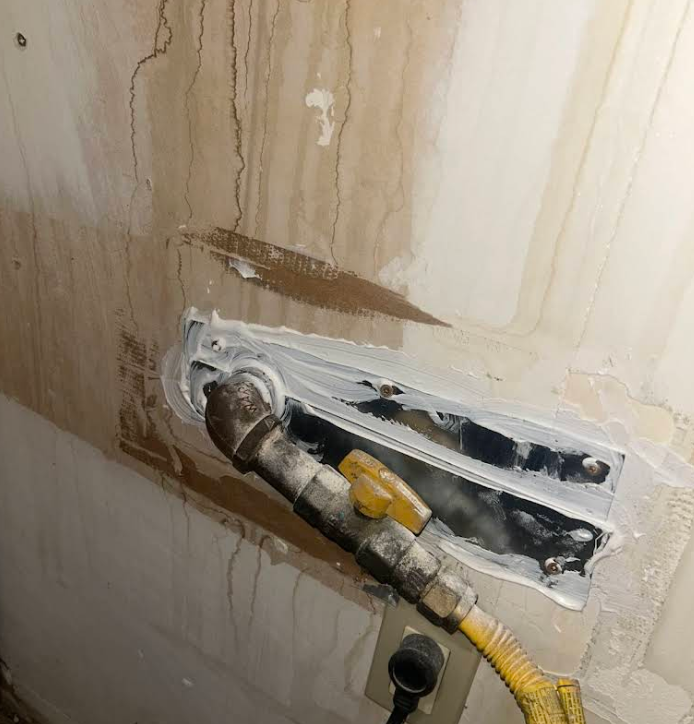
- Gaps where gas, water and electrical lines enter through foundation walls
- Broken basement window frames, vents and unscreened drains
- The gap under street-level doors — a worn door sweep is a rat door
- Burrow holes along foundations, under sidewalks, in tree pits and under yard slabs
- Openings around AC sleeves, dryer vents and old pipe chases between floors
Grease-stained rub marks, droppings 12–19 mm long, and gnawed edges confirm an active route. Most “mystery” reinfestations trace to one or two openings nobody checked — a pattern we documented in the entry point five companies couldn’t find.
Step 2: Seal with metal, never foam
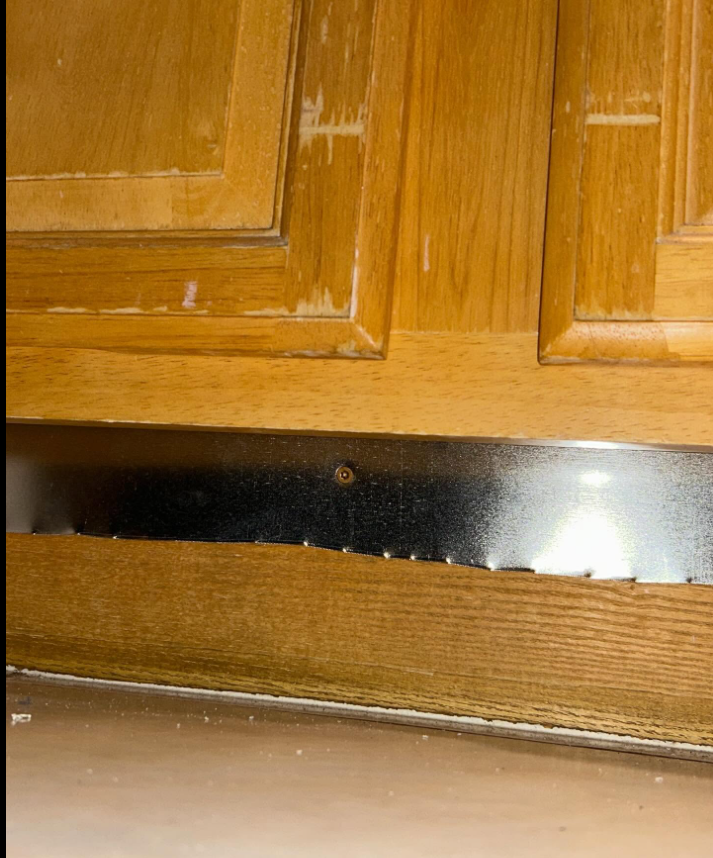
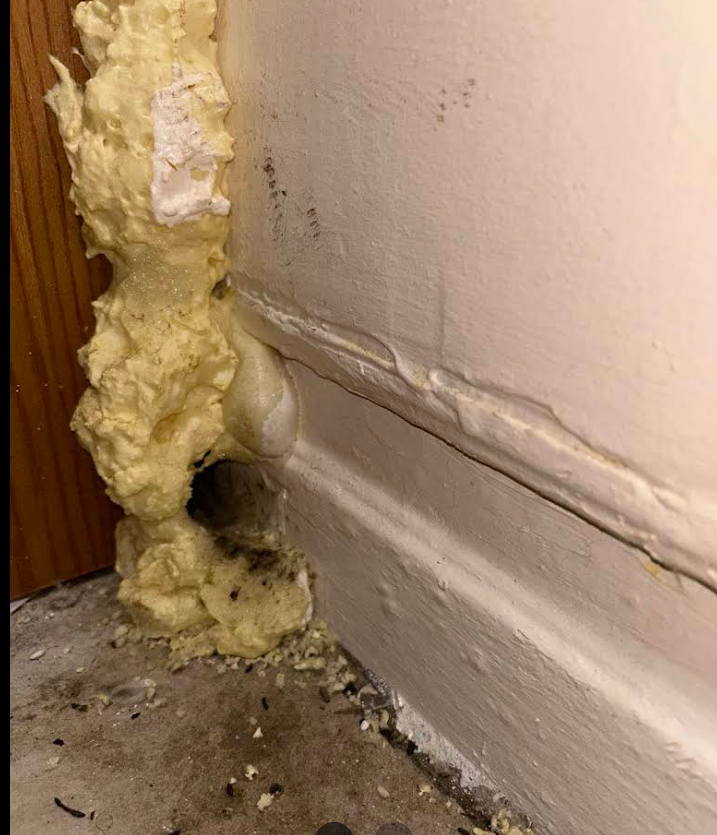
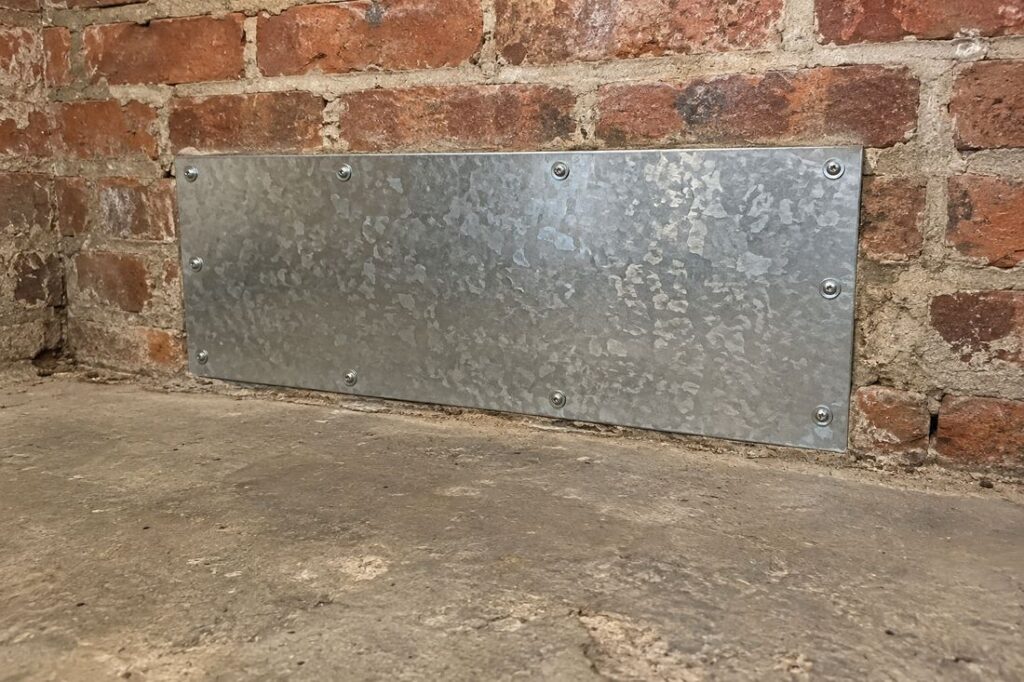
Rats chew through expanding foam in a night. Durable exclusion uses stainless-steel wool backed with sealant, galvanized hardware cloth (quarter-inch), sheet-metal kick plates, concrete patching for burrow entrances and masonry gaps, and door sweeps rated for rodents. This is construction-grade work — our rodent jobs are roughly 90% exclusion and 10% trapping, because sealing is what makes the result permanent. The full comparison is in foam vs metal exclusion.
Step 3: Remove what feeds them
Rats need about an ounce of food and water daily, and NYC supplies both generously: unsecured trash, pet food, bird seed, grease under grills, leaking pipes, pet waste. Move garbage to hard-sided cans with tight lids (now required for most NYC buildings under the containerization rules), fix drips, store dry goods in metal or glass, and clear clutter that shelters runways. Sanitation alone will not remove an established colony — but a colony cut off from food takes baits and traps far faster.
Step 4: Trap the rats already inside
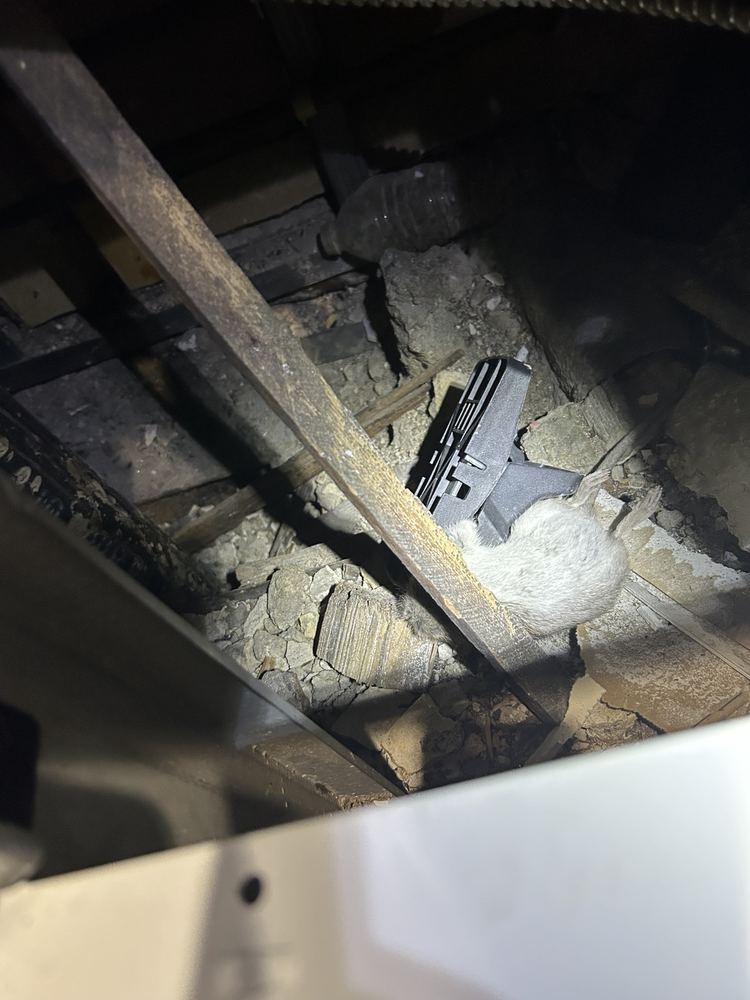
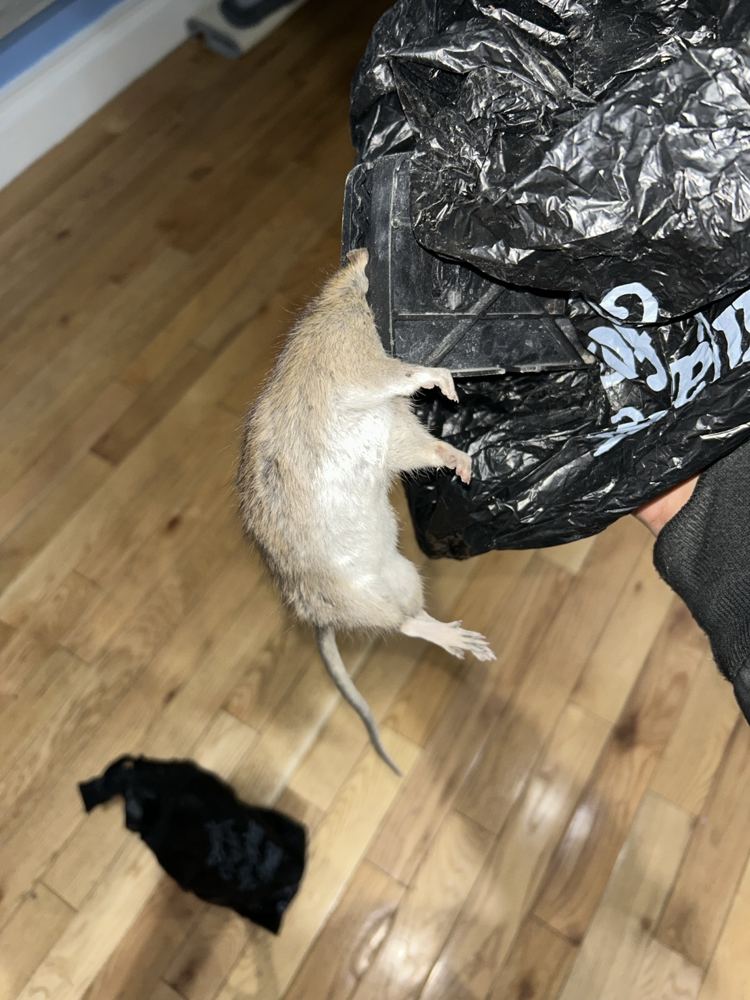
Once entries are sealed, trapping clears the remaining population with proof — you count the catches, unlike poison where rats die unseen in walls. What works against rat neophobia: heavy-duty snap traps placed unset and baited for several nights so rats accept them, then set all at once; placement tight along walls and runways with the trigger facing the wall; peanut butter, bacon or nesting material as bait depending on what the colony is feeding on. Expect the main knockdown in one to two weeks.
Why poison-first fails in apartments
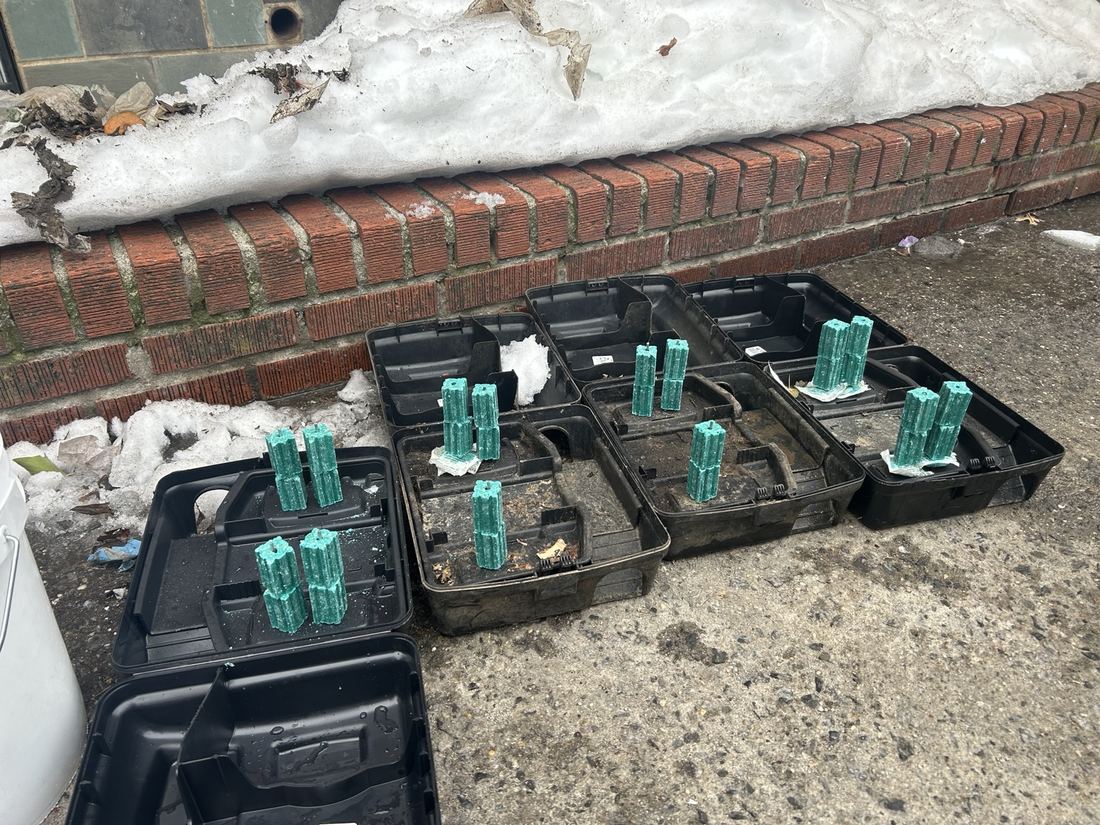
Rodenticide has a place in exterior bait stations and burrow programs run under license. As the whole plan inside a building, it fails: rats die in wall voids (see how long dead-rodent smell lasts), the colony is replaced through open entries, secondary exposure endangers pets and wildlife, and bait shyness builds. Monthly bait-box service that never seals anything is rat management as a subscription — the model we built our exclusion-first service to replace.
What it costs and how we do it
Our rat work starts at $320 for treatment; full exclusion is quoted like construction, based on the number and difficulty of openings after inspection. The sequence: inspection and entry-point mapping, metal-and-masonry sealing, interior trapping with scheduled rechecks, and exterior burrow treatment where the yard or tree pits are the source. Same ACE-led team, English and Spanish, all five boroughs plus Nassau and Westchester. Details on the rodent control and exclusion service, or call (347) 210-4646. Renters: your landlord’s obligations are covered in rodents, your lease and NYC law. If you need help now, see our rat exterminator service in NYC or our mouse exterminator service.
Timing matters: see when rats move indoors in NYC — the September–October window to seal before winter.
Problem keeps coming back? See how we handle chronic infestations — source first, verification instead of re-spraying.
A Brooklyn-based, NYSDEC-registered company (Reg. #15140) led by Jorge Bedoya, an Associate Certified Entomologist (ACE). For rats and mice, NYE provides rodent exclusion that seals the entry points, not just trapping. ACE-led work comes with a client portal of service reports and photos, fully bilingual service, and no long-term contract.
How to get rid of rats FAQ
How do I get rid of rats in the walls?
Find where they enter the wall system — usually a basement or exterior gap — seal everything but one active hole, trap at that opening, then seal it after catches stop. Drilling or baiting blindly into walls creates odor problems without ending entry.
Can I get rid of rats overnight or in one day?
No method clears an established colony overnight. A realistic professional timeline is one to three weeks: sealing first, then a trapping knockdown that peaks in the first two weeks. Anyone promising overnight results is describing poison, which only moves the problem into your walls.
How do I get rid of rats without poison?
Exclusion plus trapping — the core of our method. Seal with metal and masonry, remove food, then snap-trap the remainder. It is also the approach that avoids dead-rat odor and risks to pets.
Does one rat mean an infestation?
Treat one rat as a colony until proven otherwise. Rats rarely travel alone, and a single daytime sighting usually means pressure on the burrow — check for droppings, rub marks and gnawing the same day. Our data study on NYC’s rattiest neighborhoods shows how local pressure varies block to block.
Who is responsible for rats in an NYC apartment — me or the landlord?
Rodents are a Housing Maintenance Code condition the landlord must correct in multi-unit buildings, and tenants can call 311 if nothing happens. Your own prevention still matters, but structural sealing is the owner’s job.