Straight answers from a licensed New York exterminator and Associate Certified Entomologist (ACE) — serving all five boroughs, in English and Spanish.
Get a Free Estimate →⏱ 6 min read
Quick answer: In NYC apartments, tiny black bugs are most often German cockroach nymphs in the kitchen, phorid flies on lights and walls, carpet beetles on windowsills, fungus gnats around plants, or pantry beetles in dry food. Where you see them identifies them. Roach nymphs and phorid flies mean a source inside the building and need professional treatment; the rest you can usually handle yourself.
“Tiny black bugs everywhere” is one of the most common calls we get, and color alone does not identify anything. As an Associate Certified Entomologist (ACE), I sort them by where they turn up and how they move, because that tells you what they are and what to do next.
Sort them by where you see them
| Where you see them | Likely bug | How to tell | Who should handle it |
|---|---|---|---|
| Kitchen cabinets, stove, fridge, bathroom, mostly at night | German cockroach nymphs | Wingless, dark with a pale stripe down the back, fast runners | Professional treatment |
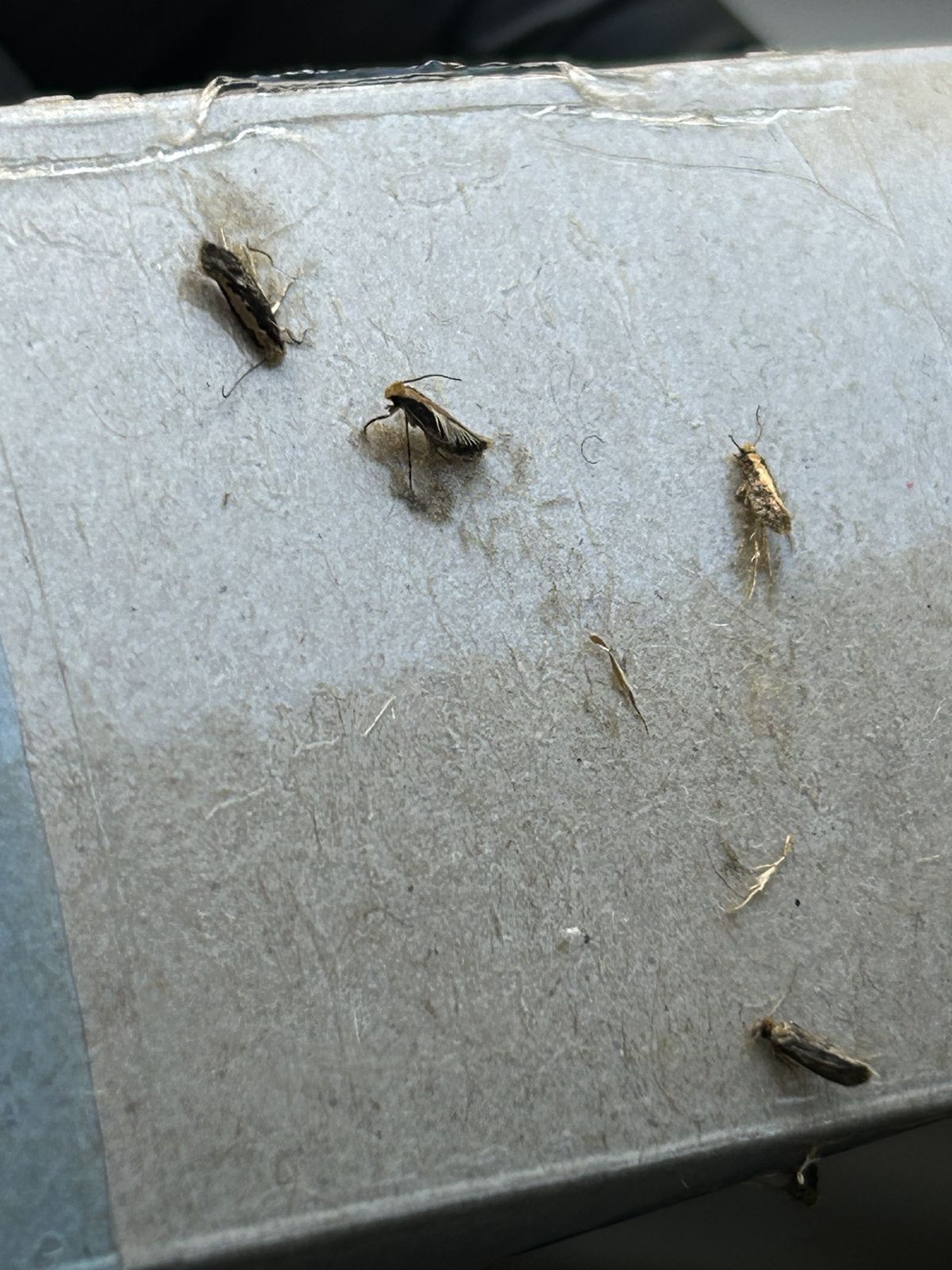
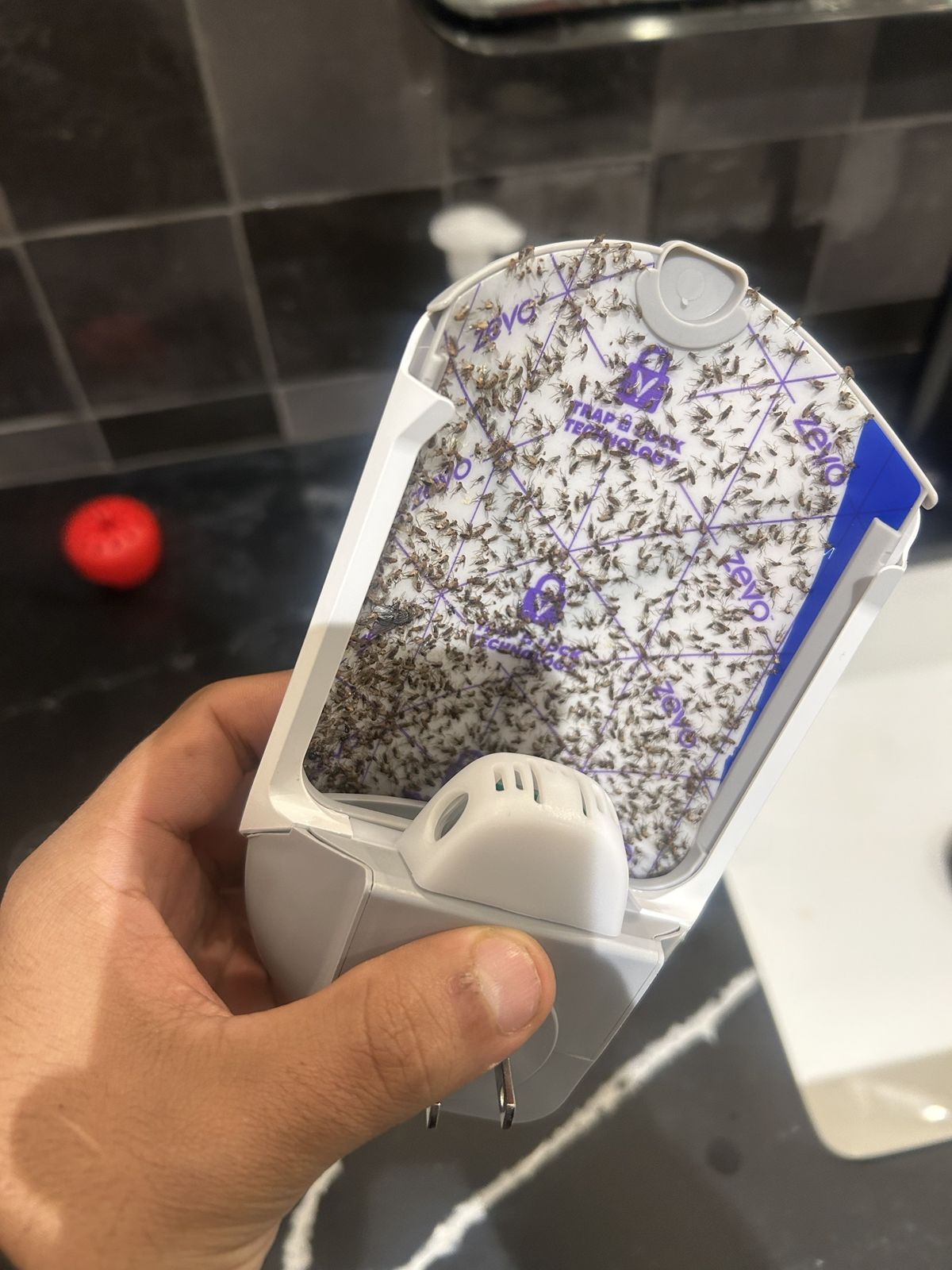
| On lights, windows, around the fridge; walls near the floor | Phorid flies | Tiny humpbacked flies that run in short bursts | Professional source investigation |
| Resting on walls next to sinks, tubs and floor drains | Drain flies | Fuzzy, gray-brown, moth-like wings | Usually you: clean the drain |
| Drifting slowly around houseplants | Fungus gnats | Delicate, long legs, weak flight | You: dry the soil, sticky cards |
| Windowsills, closets, near wool and rugs | Carpet beetles | Small, round, hard shell; fuzzy larvae nearby | Usually you; call if fabrics are damaged |
| Inside flour, rice, spices, pet food | Pantry beetles, weevils | Tiny beetles in or on the food | You: discard and seal |
| Marching in a line | Small ants | Trails to food or water | Either |
| Mattress seams, headboard, black dots on sheets | Bed bugs (droppings look black) | Reddish-brown bugs, ink-like dots | Professional treatment |
In the kitchen: tiny black bugs are usually German cockroach nymphs
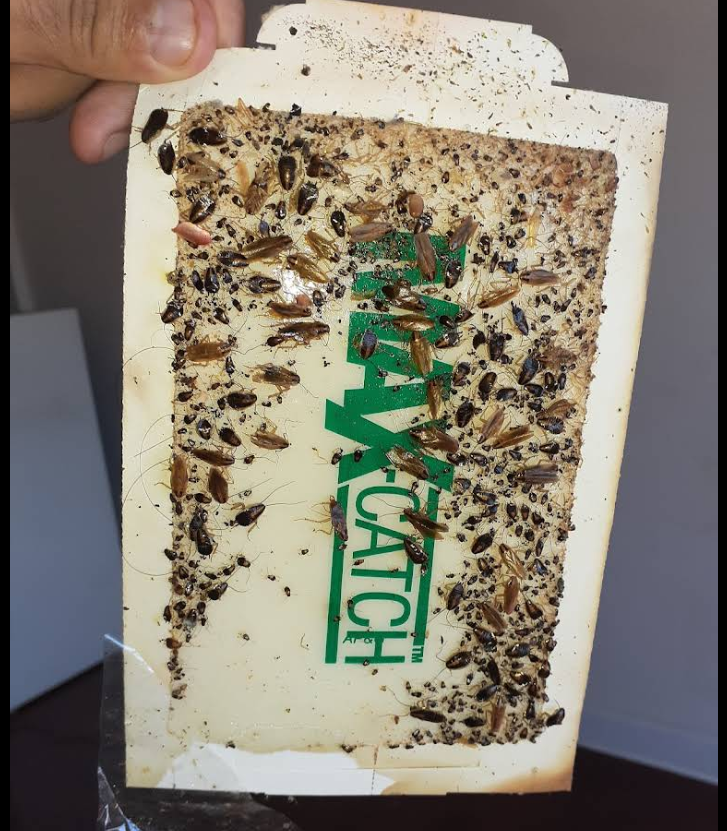
This is the identification that matters most in New York. Young German cockroaches are dark brown to nearly black, have no wings, measure about 3 to 10 mm, and carry a single pale stripe down the middle of the back. People often describe them as “tiny black bugs” or “baby bugs” and do not realize they are cockroaches.
They hide in cabinet hinges, behind the stove and fridge, and inside motor housings, and come out at night. Seeing nymphs means the colony is reproducing inside your kitchen, not wandering in from the hallway. Sprays from the store usually scatter them deeper into the walls. See what baby cockroaches look like at every stage, or how we treat them with the Trio Protocol.

Tiny black flies: phorid flies, fungus gnats or drain flies
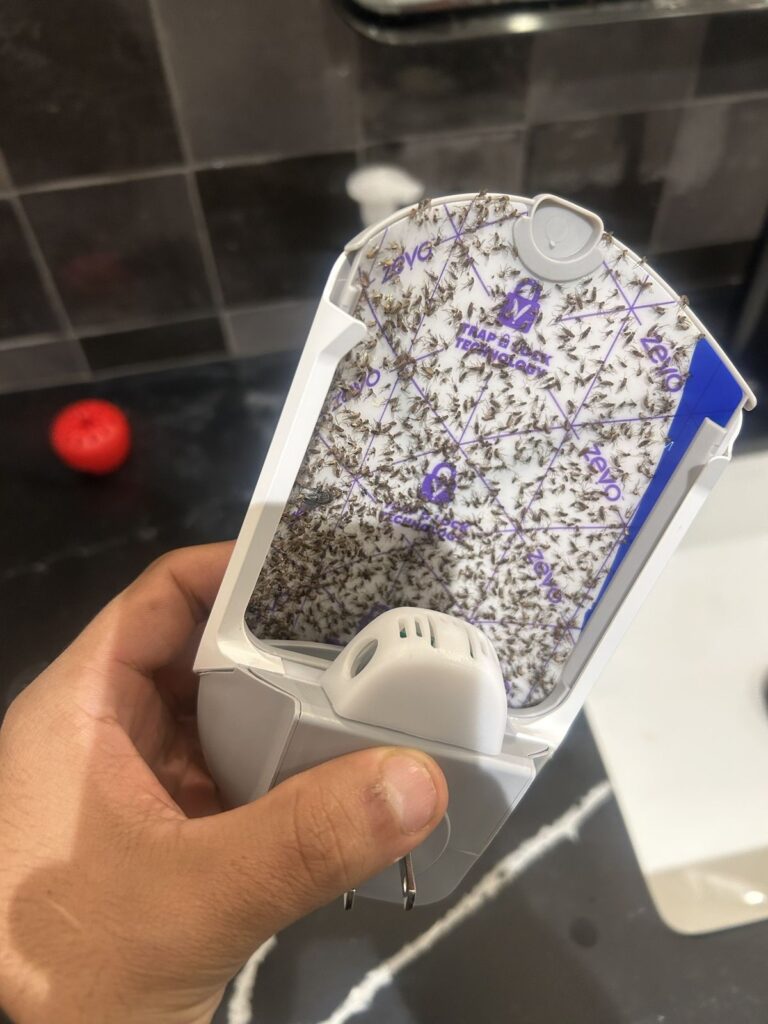
Three small flies cause most “tiny black flies” calls, and each one breeds somewhere different:
- Phorid flies are humpbacked and run in short bursts instead of flying away. They are strongly drawn to light, so they collect on windows, light fixtures and plug-in UV traps, and around refrigerators. They often seem to come out of the walls or floor because they breed in hidden sources: a broken drain line, soil under the slab or a dead animal in a wall. Cleaning will not stop them. Full guide: phorid flies in NYC.
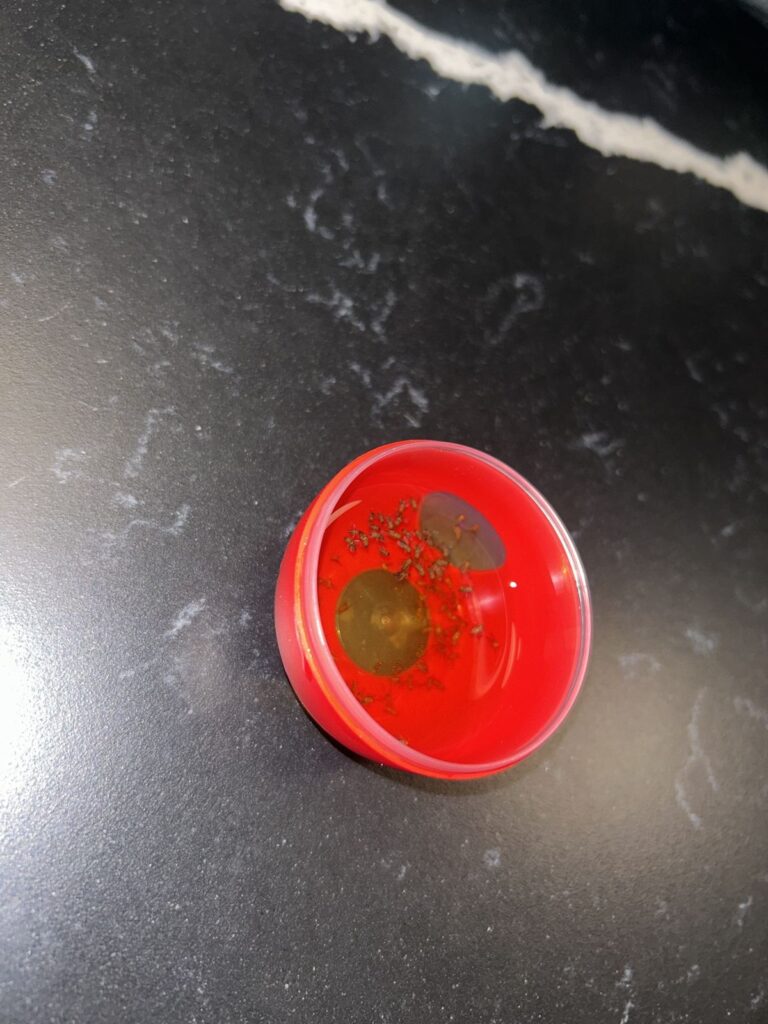
- Fungus gnats are delicate, long-legged and drift slowly around houseplants. They breed in damp potting soil.
- Drain flies are fuzzy and moth-like, more gray than black, and rest on bathroom and kitchen walls near drains. Compare them in drain flies vs fruit flies vs gnats.
Carpet beetles: the windowsill and closet bug
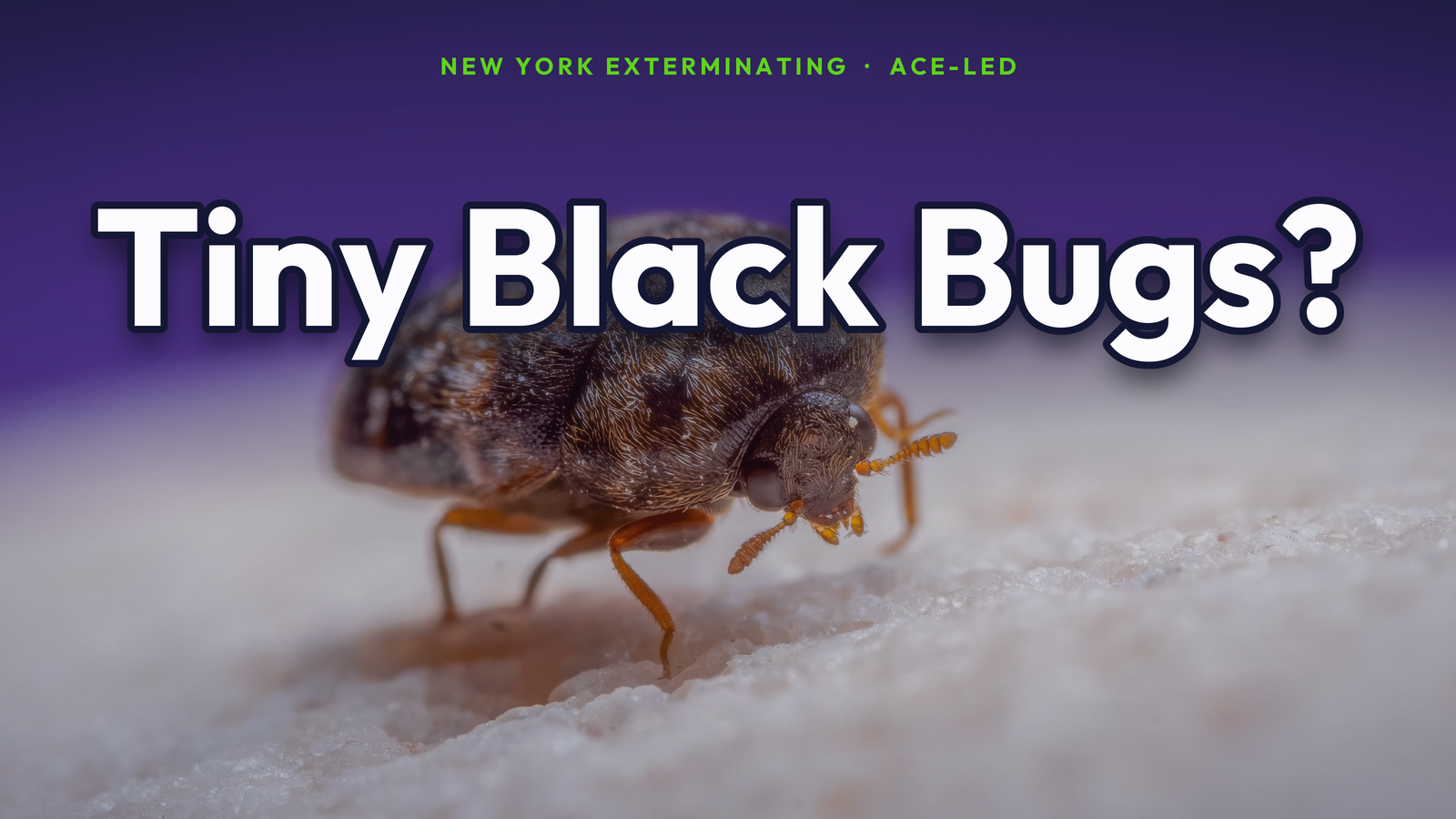
Adult carpet beetles (Attagenus and Anthrenus) are small, round and hard-shelled. They fly toward light, so you find them on windowsills. The damage comes from their fuzzy larvae, which feed on wool, fur, feathers, lint and pet hair in closets, under rugs and along baseboards. Vacuum edges and closets thoroughly, and check stored wool. If you also see holes in clothing, read carpet beetle vs clothes moth to work out which one is doing it.
Pantry beetles, spider beetles and small ants
Tiny beetles in flour, rice, spices or pet food are usually drugstore beetles, cigarette beetles or weevils. Spider beetles look like tiny round spiders and turn up in older buildings with stored food or debris in walls. Check every opened dry good, throw out anything infested, vacuum the shelves and store food in sealed glass or hard plastic. Small black ants that march in a line are following a trail to food or water; find the entry point rather than spraying the trail.
Rule out bed bugs
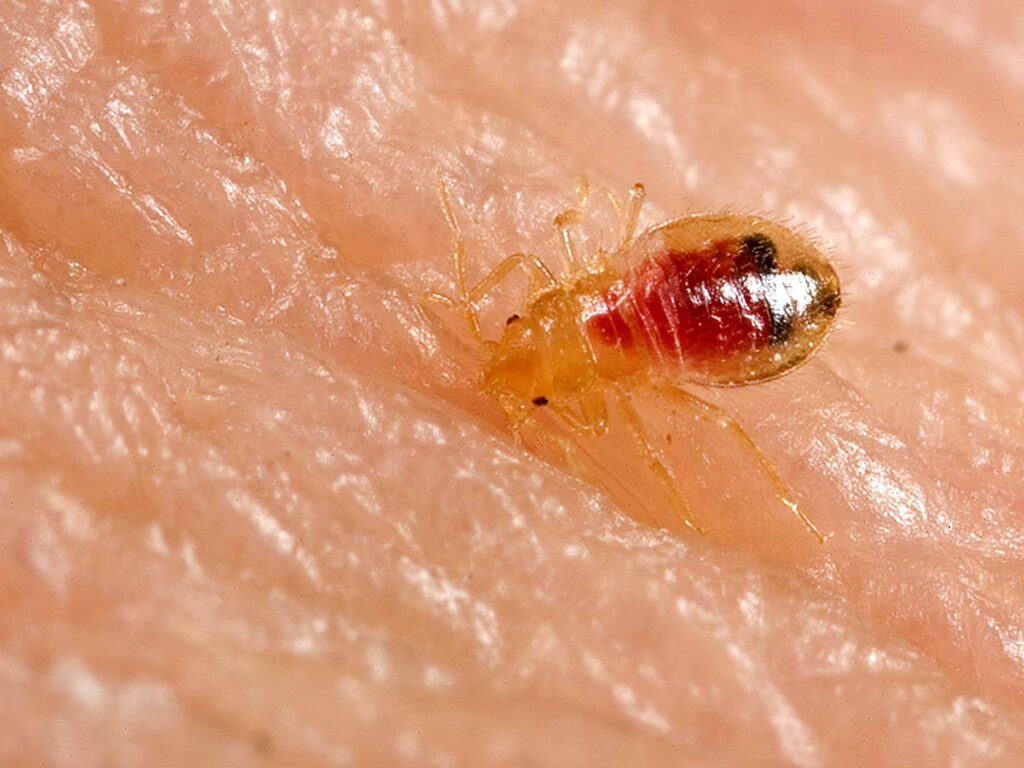
Bed bugs are reddish-brown, not black, but their droppings are: small black dots that bleed like ink into fabric. If you find those dots along mattress seams, the box spring or the headboard, or you are waking up with bites, look for live bugs and shed skins. Bed bugs do not go away on their own. See our bed bug treatment in NYC.
How to identify yours in two minutes
- Catch one on clear packing tape and stick it to a white index card.
- Photograph it next to a coin for scale, in good light, from directly above.
- Write down where and when you see them: room, surface, day or night, flying or crawling.
- Look for the source the table points to: cabinets, drains, plant soil, food, closets or the bed.
Not sure what you have? Send that photo when you call (347) 210-4646. Correct identification comes first on every job, because the treatment for a roach nymph and a fungus gnat have nothing in common.
A Brooklyn-based, NYSDEC-registered company (Reg. #15140) led by Jorge Bedoya, an Associate Certified Entomologist (ACE). For pests in your home or building, NYE provides IPM-based, low-exposure control matched to the exact pest and verified with a follow-up. ACE-led work comes with a client portal of service reports and photos, fully bilingual service, and no long-term contract.
Tiny black bugs FAQ
Are the tiny black bugs in my kitchen baby cockroaches?
Often, yes. German cockroach nymphs are dark brown to almost black, wingless, 3 to 10 mm long, with a pale stripe down the middle of the back. If you see them near cabinets, the stove or the fridge, especially at night, the colony is breeding inside your kitchen and it will grow until it is treated.
What are the tiny black flies coming out of the wall or floor?
Usually phorid flies. They are small, humpbacked and run in short bursts on walls and counters. They gather on lights and around refrigerators and breed in hidden sources such as a broken drain line, soil under the slab or a dead animal in a wall, which is why cleaning does not stop them.
What are the tiny black bugs on my windowsill?
Most often carpet beetles: small, round and hard-shelled, with fuzzy larvae nearby in closets, rugs or lint. The adults fly to windows; the larvae feed on wool, fur, feathers and lint.
What are the tiny black flies around my houseplants?
Fungus gnats. They are delicate flies with long legs that drift slowly around plants and breed in damp potting soil. Let the soil dry out between waterings and use yellow sticky cards.
There are tiny black bugs in my flour. What are they?
Usually drugstore or cigarette beetles, or weevils. Check every opened dry good, throw out what is infested, and store the rest in sealed glass or hard plastic.
Could tiny black dots on my mattress be bed bugs?
The bugs themselves are reddish-brown, but the small black dots that bleed like ink on fabric are bed bug droppings. Check mattress seams, the box spring and the headboard. If you find live bugs, shed skins or those dots, call before the problem spreads to other rooms.
Do tiny black bugs bite?
Most do not. Carpet beetles, gnats, phorid flies and pantry beetles do not bite. Cockroach nymphs do not bite people in normal conditions. If you are getting bites, check for bed bugs first.