Straight answers from a licensed New York exterminator and Associate Certified Entomologist (ACE) — serving all five boroughs, in English and Spanish.
Get a Free Estimate →⏱ 7 min read
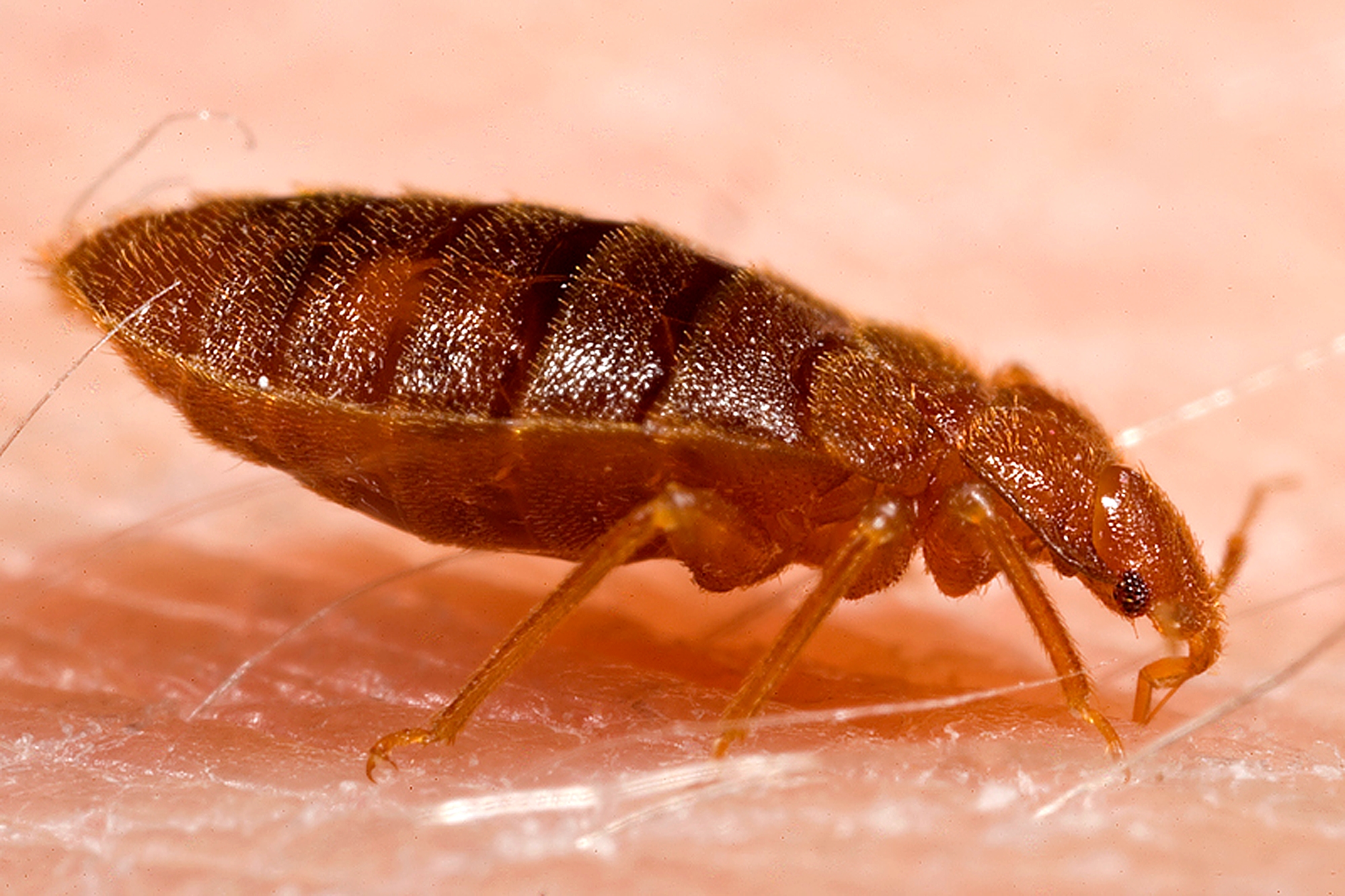
The bugs most often mistaken for bed bugs are carpet beetles, bat bugs (Cimex adjunctus, a close relative of the bed bug Cimex lectularius), spider beetles, booklice, baby cockroaches (Blattella germanica), fleas (Ctenocephalides), and ticks. True bed bugs are flat, oval, reddish-brown, wingless, about the size of an apple seed, with short antennae, and live within a few feet of where you sleep. If your bug has a hard shell, jumps, has eight legs, is fuzzy, or lives away from the bed, it’s probably one of the look-alikes below.
A small brown bug near the bed is alarming — but many harmless or unrelated insects get blamed on bed bugs every day, which leads to the wrong treatment. This guide breaks down the most common bed bug look-alikes and how to tell each one apart. Written and reviewed by Jorge Bedoya, an Associate Certified Entomologist (ACE).
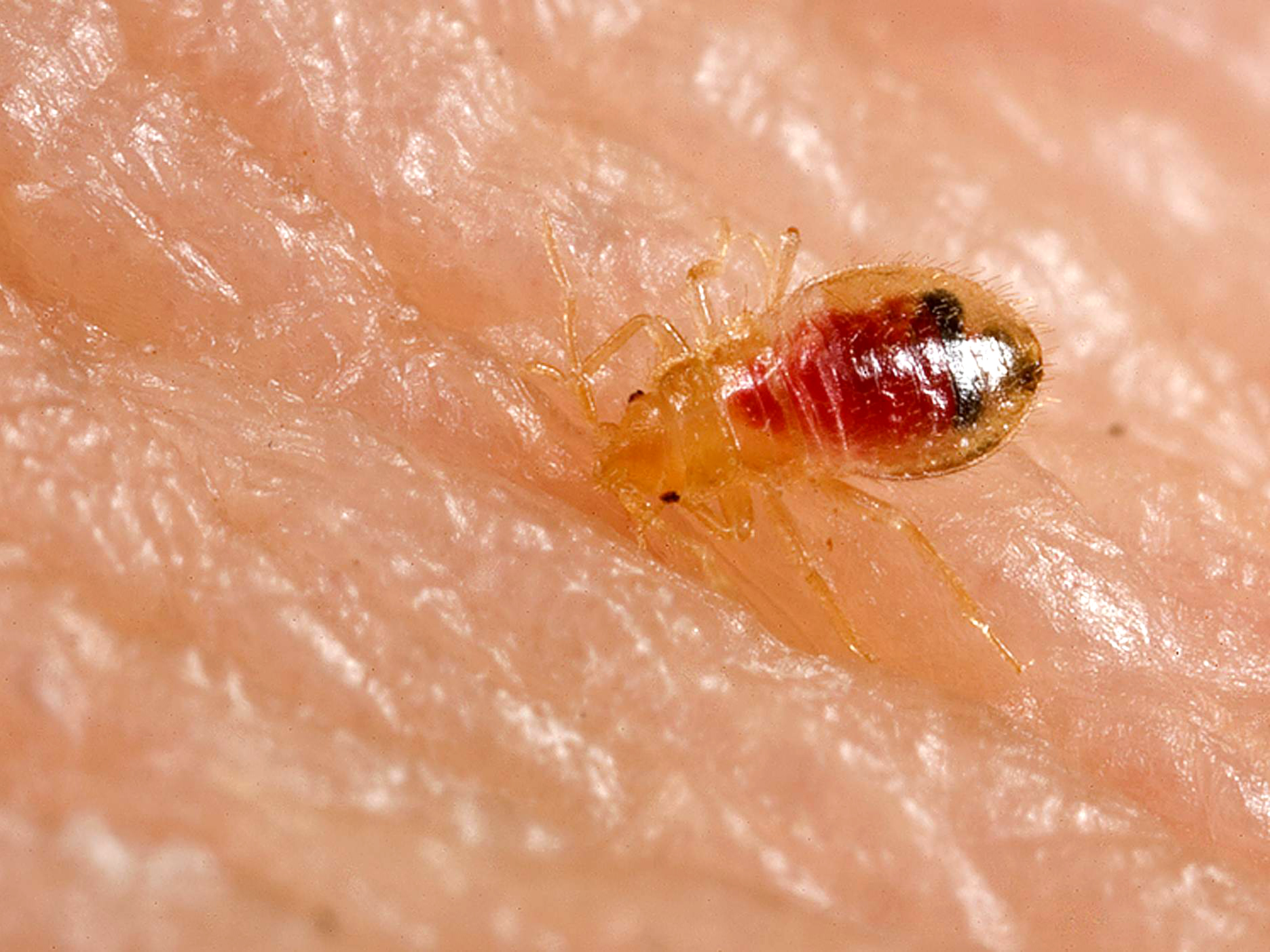
Flat, oval, wingless, reddish-brown, about 1/5″ (apple-seed size), short antennae, and found in mattress seams and crevices near where you sleep. Compare anything you find against that baseline — or see what baby bed bugs look like.
The 7 bugs most often mistaken for bed bugs
1. Carpet beetles
The #1 bed bug look-alike. Adult carpet beetles are oval like a bed bug but are patterned black, white, and orange with a hard shell, and their larvae look like tiny fuzzy, bristly caterpillars. They feed on natural fibers, so you’ll find them near rugs, closets, wool, and stored clothing — not in the mattress. They don’t bite, though their larval hairs can irritate skin.
2. Bat bugs
Nearly identical to bed bugs and the hardest to tell apart by eye — the giveaway is longer hairs on the pronotum (the shield behind the head), visible under magnification. Bat bugs are tied to bats roosting in attics or wall voids, so location is the practical clue. Confirming bat bug vs. bed bug usually takes a trained eye.
3. Spider beetles
Often mistaken for an unfed bed bug because of their reddish-brown color, but spider beetles have a round, shiny, globular abdomen and long legs/antennae that make them look like a tiny spider. They’re smaller (about 1.5–3.5 mm) and are found in pantries and stored food, not the bed.
4. Booklice (psocids)
Much smaller than bed bugs (under 1/16″), soft, pale gray or translucent, and found in humid spots near books, wallpaper, and damp surfaces. They don’t bite and feed on mold, not blood.
5. Baby cockroaches
German cockroach nymphs are small and brown but have a long, cylindrical body and antennae nearly as long as the body, and they dart fast. Bed bugs are flat ovals that crawl slowly. See our baby cockroach guide.
6. Fleas
Fleas do bite and live indoors, but they are flattened side-to-side (not top-down), dark, and they jump — bed bugs cannot jump or fly. Flea bites cluster around the ankles and lower legs, and pets are usually involved.
7. Ticks
Ticks are sometimes confused with engorged bed bugs, but ticks have eight legs (bed bugs have six) and are arachnids. They’re picked up outdoors and on pets, not from bedding.
Quick comparison
| Bug | Fastest tell | Where |
|---|---|---|
| Bed bug | Flat oval, reddish-brown, 6 legs, no wings | Mattress seams, near the bed |
| Carpet beetle | Patterned shell / fuzzy larva | Rugs, closets, fabric |
| Bat bug | Longer hairs on the pronotum | Near bat roosts/attics |
| Spider beetle | Round globular shiny body | Pantry, stored food |
| Booklice | Tiny, pale, soft | Damp, near books/walls |
| Baby cockroach | Cylindrical, long antennae, fast | Kitchen, bathroom |
| Flea | Jumps; flattened side-to-side | Pets, ankles |
Still not sure? Confirm before you treat
Treating for the wrong insect wastes money and lets a real problem grow. If the bug is flat, oval, reddish-brown, and living near your bed, treat it as a possible bed bug and confirm it. Our What’s Biting Me? identifier helps narrow it down, and an ACE inspection — including K-9 detection for low-level cases — gives you a definitive answer. See our bed bug treatment service.
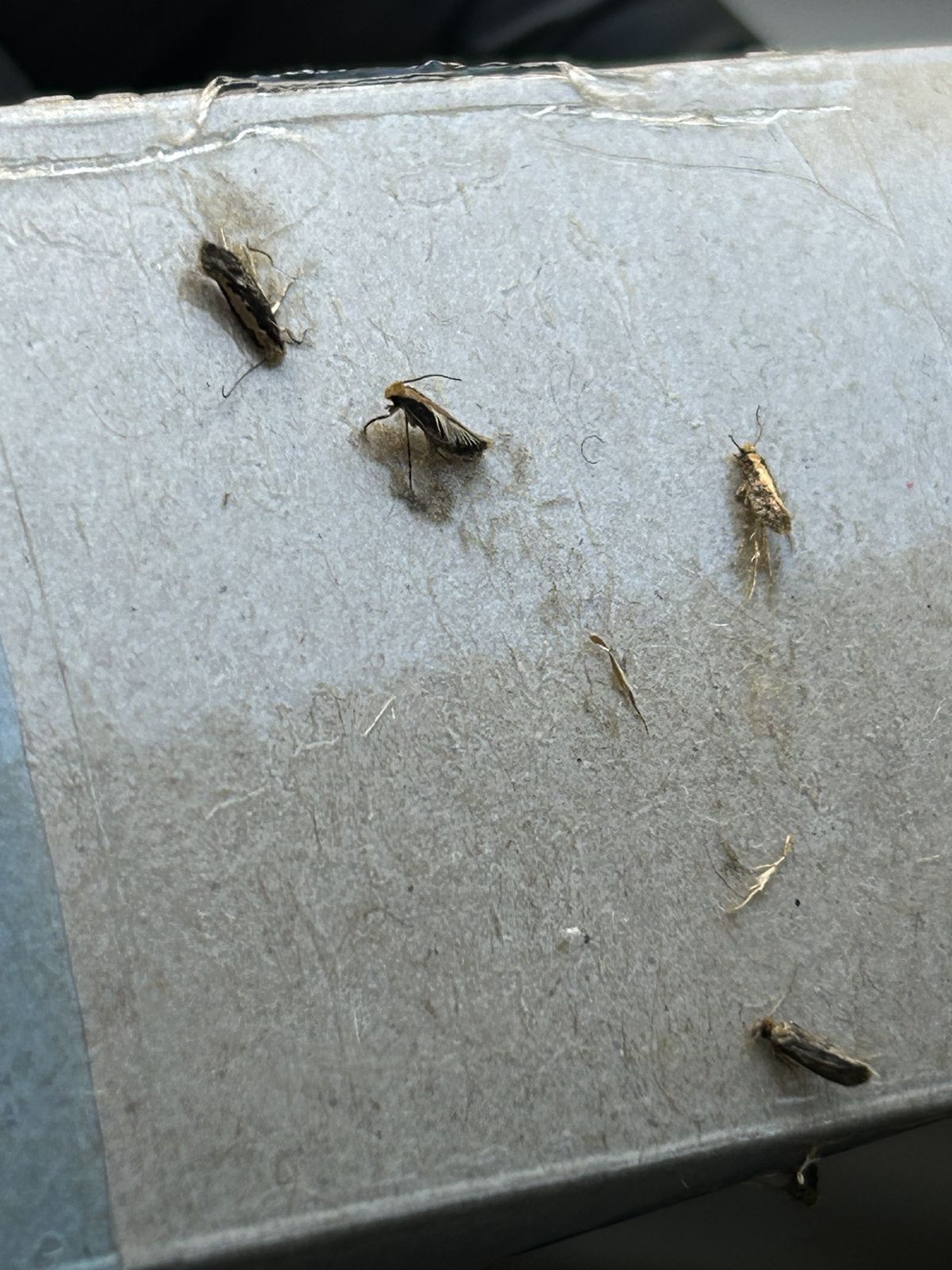
If the specks are pale rather than brown, they are more likely the harmless tiny white bugs of a damp apartment; if dark, see tiny black bugs in your NYC apartment.
A Brooklyn-based, NYSDEC-registered company (Reg. #15140) led by Jorge Bedoya, an Associate Certified Entomologist (ACE). For bed bugs, NYE provides discreet bed bug treatment (heat and targeted options) verified with a follow-up visit. ACE-led work comes with a client portal of service reports and photos, fully bilingual service, and no long-term contract.
Bed bug look-alike FAQ
What bug looks exactly like a bed bug?
Bat bugs look almost identical and are the hardest to tell apart — the difference is longer hairs on the pronotum, usually confirmed under magnification. Carpet beetles and spider beetles are the next most common mix-ups.
What looks like a bed bug but isn’t?
Carpet beetles, spider beetles, booklice, baby cockroaches, fleas, and ticks are all commonly mistaken for bed bugs. Body shape, legs, location, and whether it jumps are the quickest ways to tell.
How do I know if it’s a bed bug or a carpet beetle?
Carpet beetles have a patterned hard shell (black, white, orange) and fuzzy larvae, and they live near fabric and rugs. Bed bugs are solid reddish-brown, flat, and live near the bed.
Do any bed bug look-alikes bite?
Fleas and ticks bite; carpet beetles, spider beetles, and booklice do not. Carpet beetle larvae can cause skin irritation from their hairs, which is sometimes mistaken for bites.
Can a bug be a bed bug if it jumps or flies?
No. Bed bugs cannot jump or fly. A jumping bug is likely a flea; a flying one is something else entirely.
How can I be sure what I have?
Use a clear photo and our online identifier, then confirm with a professional inspection. K-9 detection and a trained inspector reliably distinguish bed bugs from look-alikes.
Send a photo or book a same-day inspection. Get a free estimate or call (347) 210-4646.
About the author: Written and reviewed by Jorge Bedoya, an Associate Certified Entomologist (ACE) at New York Exterminating.
Why New Yorkers choose NYE
Led by an ACE
Every job is overseen by Jorge Bedoya, an Associate Certified Entomologist (ESA) — not a call center.
No contracts
One thorough treatment with an optional 50%-off verification visit. No auto-renewal, no lock-in.
Elimination, not spraying
Resistance-aware methods — including our signature microinjection — that target the source, with documentation.
Licensed & local
NYSDEC Reg. #15140, serving all five boroughs since 2010. Fully bilingual (EN/ES).
Backed by science, not guesswork. Your treatment is led by Jorge Bedoya, an Associate Certified Entomologist (ACE) credentialed by the Entomological Society of America — correct pest ID, resistance-aware products, and a documented plan.
What happens after you call
- Fast response. Call (347) 210-4646 — same-day appointments are often available, including after-hours emergencies.
- Inspection & ID. We confirm the pest and find the source, not just where you saw it.
- Targeted treatment. A resistance-aware plan matched to the pest, explained before we start.
- Verification & prevention. Optional follow-up to confirm zero activity, plus reports and photos in your client portal.