NYE Private Client · By appointment only
Clothes Moth Treatment for Estate Wardrobes — Long Island, the Hamptons and Westchester
Clothes moths in a wardrobe you spent years building.Handled privately, in one visit, by an ACE.
A private assessment of every closet, rug and storage room. Garments processed on site, so nothing leaves your home. A written report your insurer, your tailor and your house manager can use. No more than ten programs a month.
 Jorge Bedoya, ACEUpdated November 1, 202616 min read
Cashmere, vicuña, silk and wool, assessed piece by pieceHeat chamber with probe-verified readingsFreezing for heat-sensitive garmentsRugs, furs and archives included on requestDiscretion is the baseline, not a featureAssociate Certified Entomologist on every programServing Nassau, Suffolk and Westchester from Brooklyn since 2010
No dry cleaning is required: heat and steam do the work, and cleaning is optional, mainly for soiled pieces before storage. A plant-based option (OMRI Listed pyrethrum and a plant-oil residual) is available on request, and we provide certificates of insurance for co-op and condo boards.
If cedar, lavender, traps and the dry cleaner have not worked,
that is expected. They cannot reach the larvae.
By the time most people call us they have spent weeks on it. The sachets are in every drawer. The traps are full, then full again. Two coats went to the cleaner and came back with a new hole. A general exterminator sprayed the closet and the moths were back in a month.
None of that was wrong. It just never touched the problem. Adult moths do not eat fabric. The larvae do, and larvae live in folds, seams, linings, the back of a shelf and the underside of a rug, where repellents, sprays and a quick inspection do not reach. Cedar and lavender bother adults slightly and larvae not at all. A pheromone trap catches males and leaves the females, the eggs and every larva exactly where they were.
One more thing, because people apologize to us for it: clothes moths are not a housekeeping issue. They follow keratin fibre, which means the finer the wardrobe, the more there is for them to eat. The cleanest houses we treat on the North Shore and in Scarsdale have the worst infestations, for exactly that reason.
Seven steps.Every one of them verifiable.
Clothes moth treatment that takes on your whole wardrobe: every piece inspected, heat-treated or hand-steamed in your home, and protected for seven months after. No dry cleaning. Nothing leaves.
Every piece inspected
Garment by garment, plus closets, drawers, rugs and shoes, by a crew of two to three.
Heat chamber, in your home
Three to six batches for a three-bedroom apartment, each held above 120°F at the core for four hours. Published research puts complete kill of every life stage at about 106°F.
Dry steam for delicates
Superheated steam, rated up to 180°C at the nozzle and spread wide, for cashmere, wool, shoe interiors and jacket linings.
Sealed treatment
Electronics and the most fragile pieces are sealed in bags or bins for a vapor treatment, where the label allows.
Rugs and carpets
Steamed, then HEPA vacuumed, edges and fringe included.
Seven months of protection
A labeled larvicide in closet joints, baseboards and voids stays active for seven months, catching eggs that hatch after we leave. Your clothes are never sprayed.
Nothing leaves, nothing to dry clean
Led by an Associate Certified Entomologist (ACE). About ten programs a month across New York and the tri-state.
| Typical moth service | NYE Wardrobe Protocol | |
|---|---|---|
| Clothes | Sent to the dry cleaner, or left alone | Every piece treated in your home |
| Eggs | Sprayed surfaces only | Heat at the core of the load, verified by probe |
| Delicates | Your risk | Hand-steamed or frozen, chosen by fabric |
| Shoes | Ignored | Treated inside, where larvae live |
| After the visit | Traps and hope | Seven-month larvicide in the closet structure |
| Who does it | A technician with a sprayer | An ACE-led crew of two to three |
Nothing leaves your home.
Here is exactly what happens on the day.
The usual moth job sends your clothes to a cleaner, your rugs to a restorer and your closets to an exterminator, and you live out of bags for two weeks while the three of them fail to coordinate. We do all of it in your house, in one visit, with the same crew of two to three from start to finish.
Private assessment
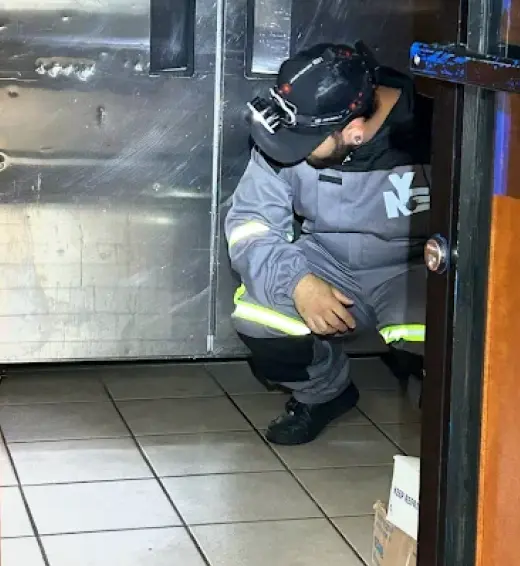
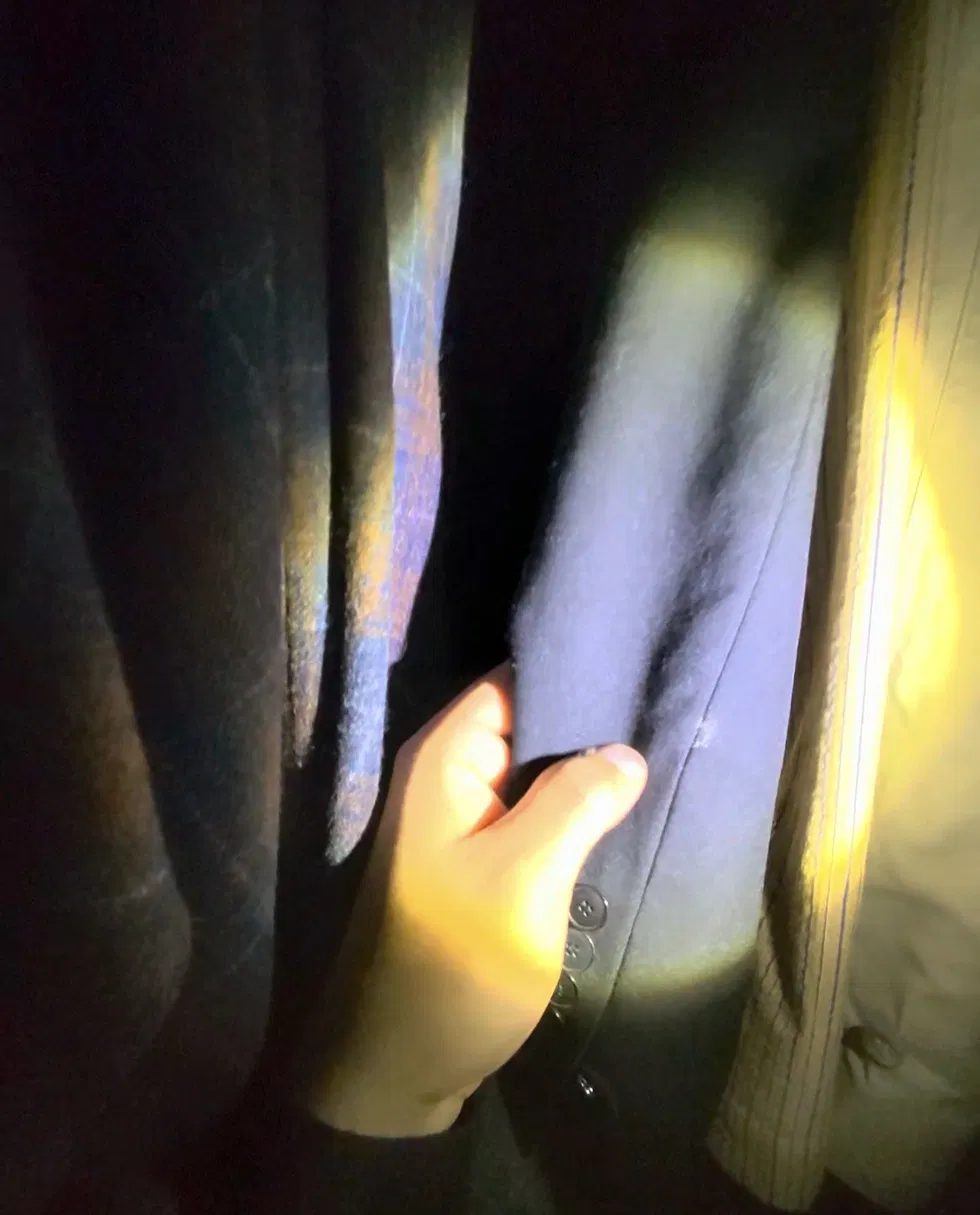
Jorge walks every closet, dressing room, cedar room, attic and rug with a headlamp and a hand lens. Each garment is checked for casings, grazing and frass and logged as clear, at risk or infested, with a photo. You receive the inventory and a fixed program price. The assessment is $750 and is credited to the program.
Set-up and separation
Two to three technicians arrive in an unmarked vehicle. Garments are sorted by the care rating from the assessment: heat-safe, steam or freeze, or specialist-only. Hangers are kept with their garments and closet order is photographed so everything goes back where it was.
Heat chamber, probe verified
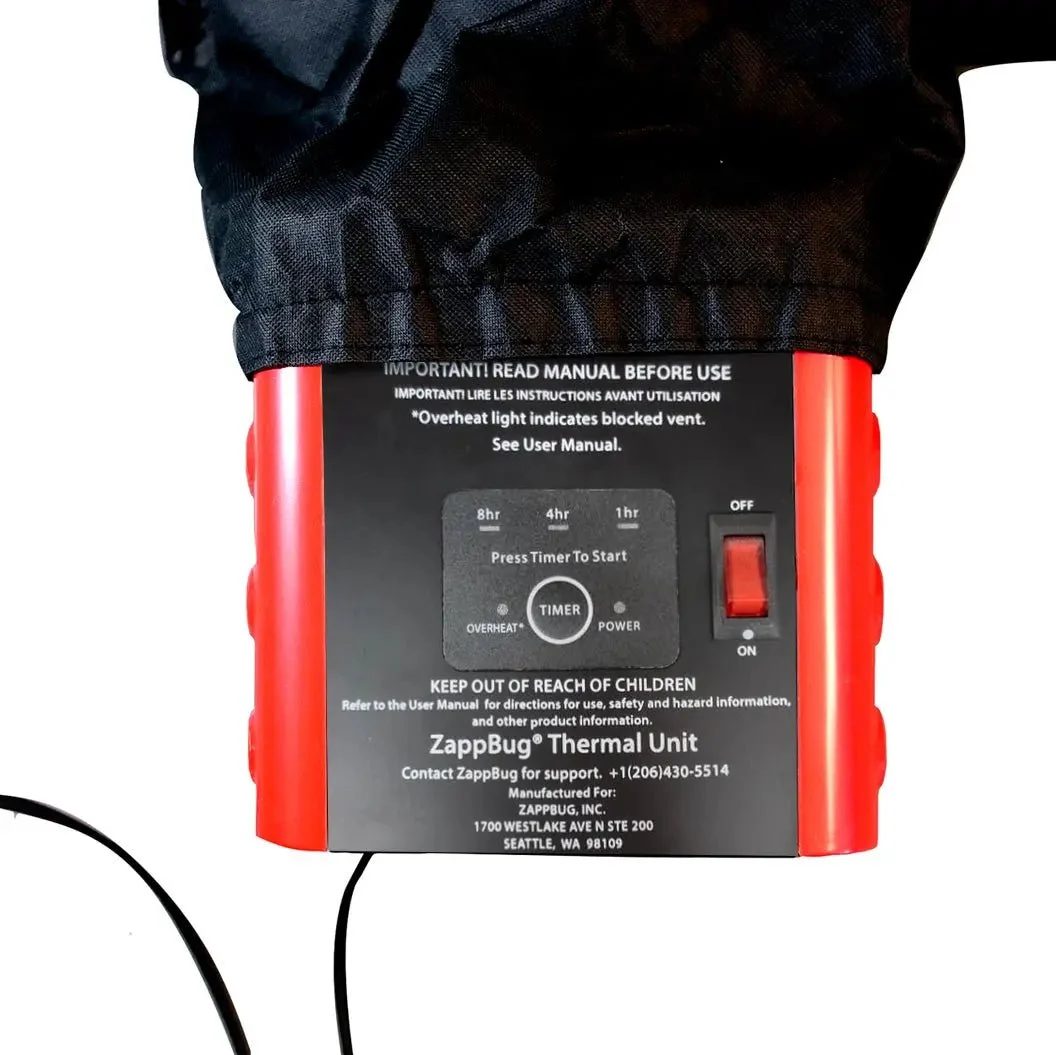
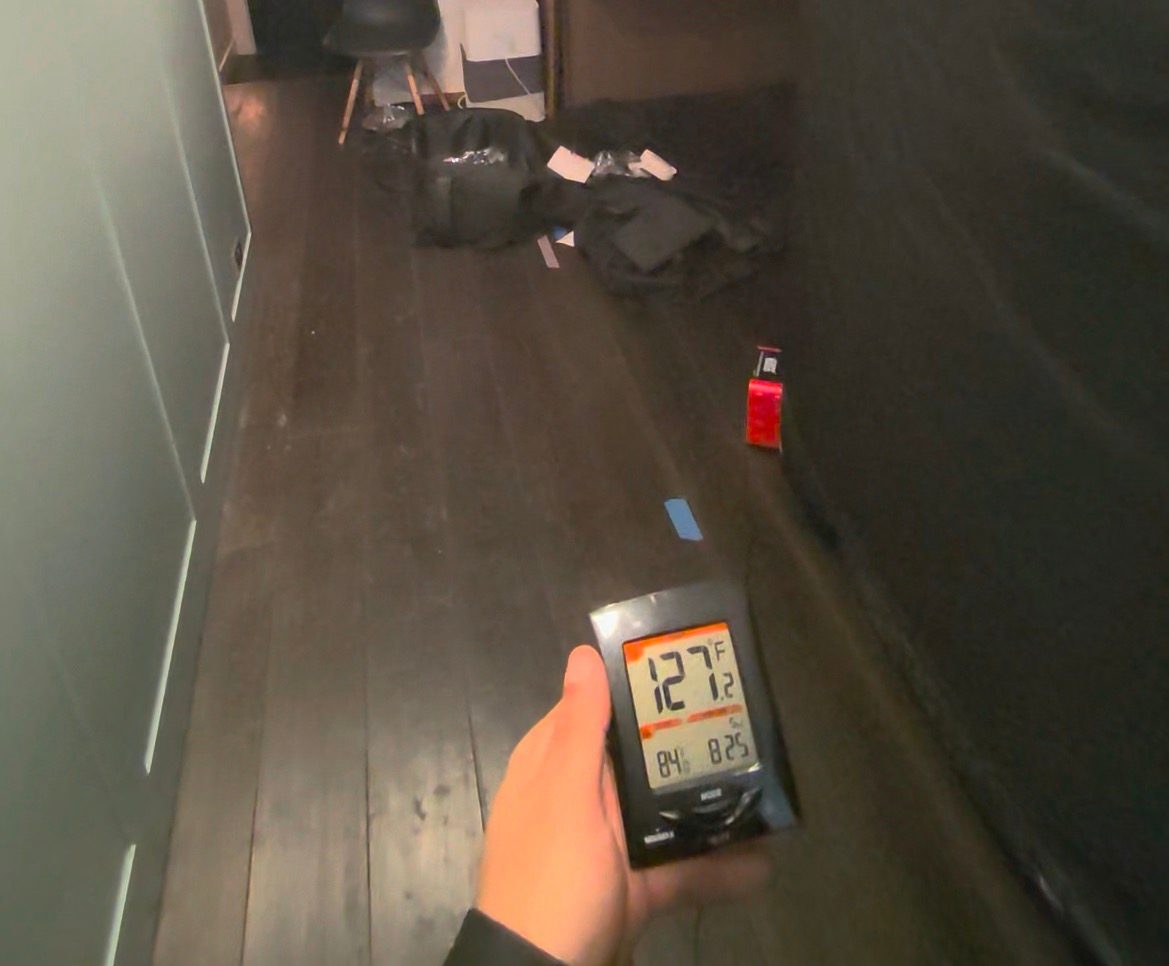
Heat-safe garments go into our ZappBug chamber in spaced rows. A probe thermometer sits in the most insulated spot of the load and the hold is logged until the core reaches lethal temperature for every life stage. The reading goes in your report.
Steam or freezing for the delicate pieces
Cashmere, vicuña, silk, bouclé and anything with glue, beads or fur trim is inspected by hand and treated with superheated dry steam, or sealed in archival bags and frozen in a deep freezer installed in your home (an add-on), then thawed slowly. Couture that needs a conservator is set aside and we coordinate the hand-off with your specialist.
Closets, rugs and rooms
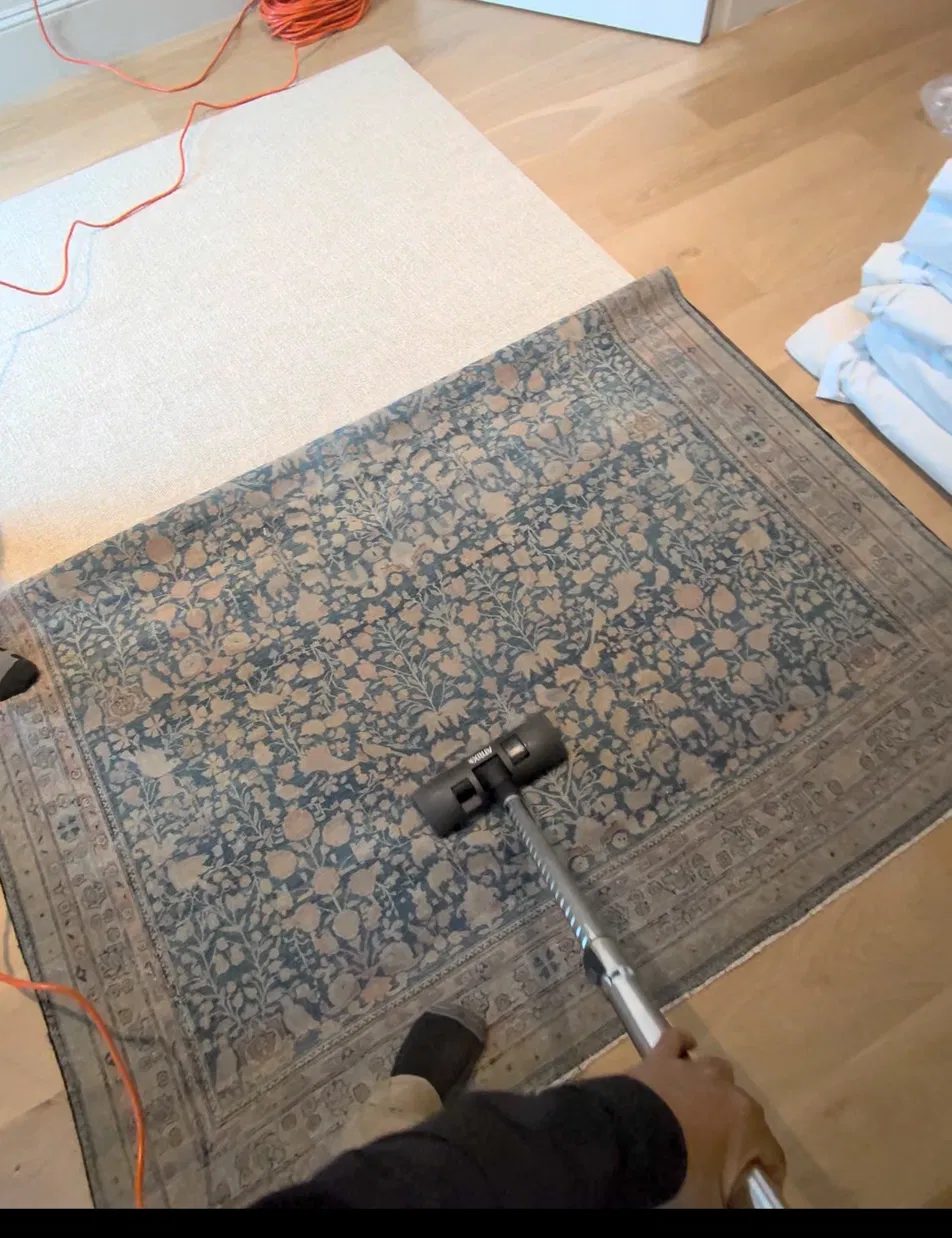
Empty closets are HEPA-vacuumed shelf by shelf, including rails, baseboards and the carpet edge under the kick plate. A residual crack-and-crevice treatment goes into the structure, never onto clothing. Rugs are inspected on both sides, fringe and edges vacuumed, and treated or frozen according to size.
Reset, protect, verify
Garments return to the closet in their original order. Where the label allows, a vapor strip is hung on the closet rail, clear of all fabric, with the door closed. Pheromone monitors go into every treated room and we return at 30, 60 and 90 days to read them. Those visits are verification only.
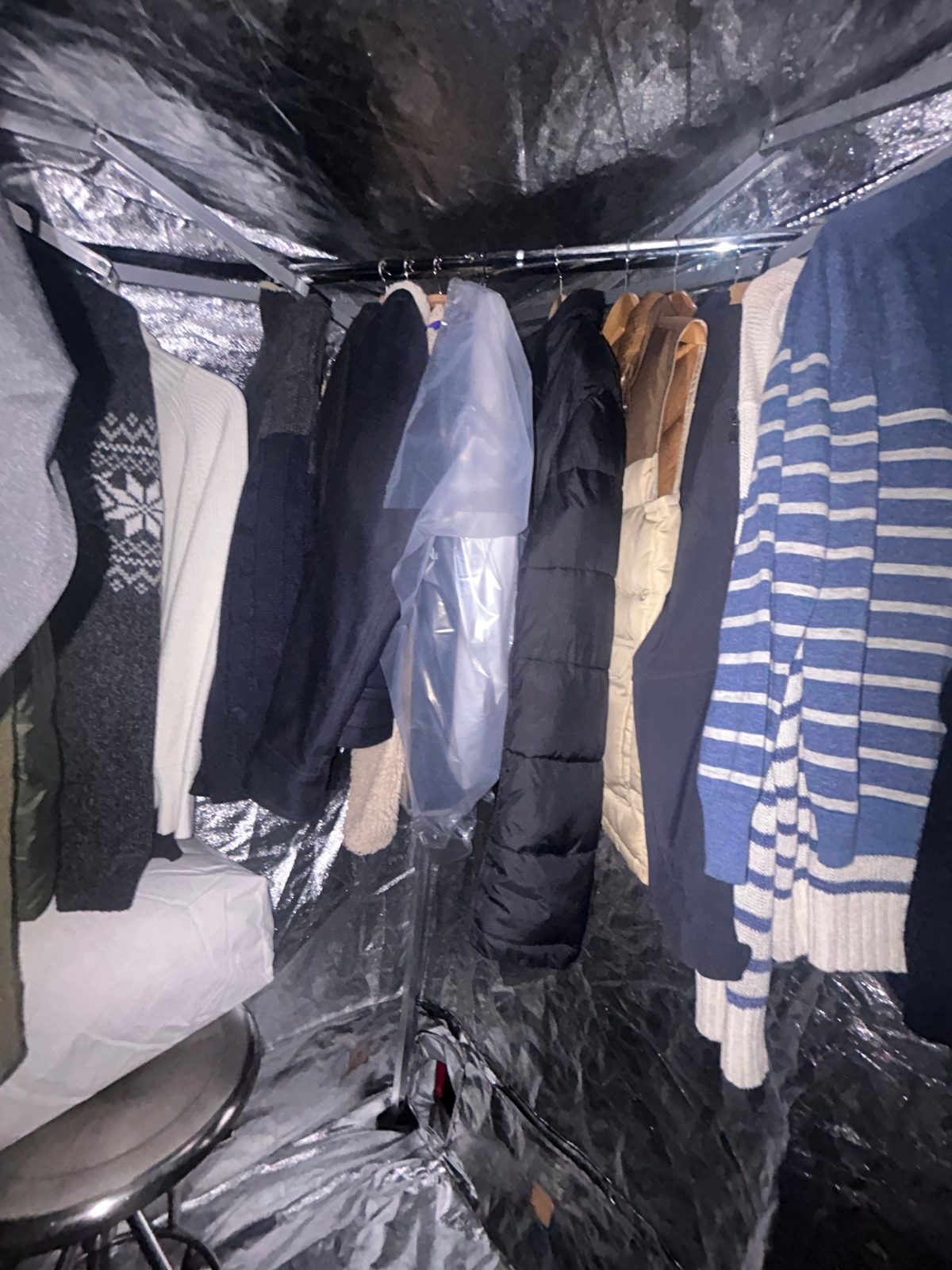
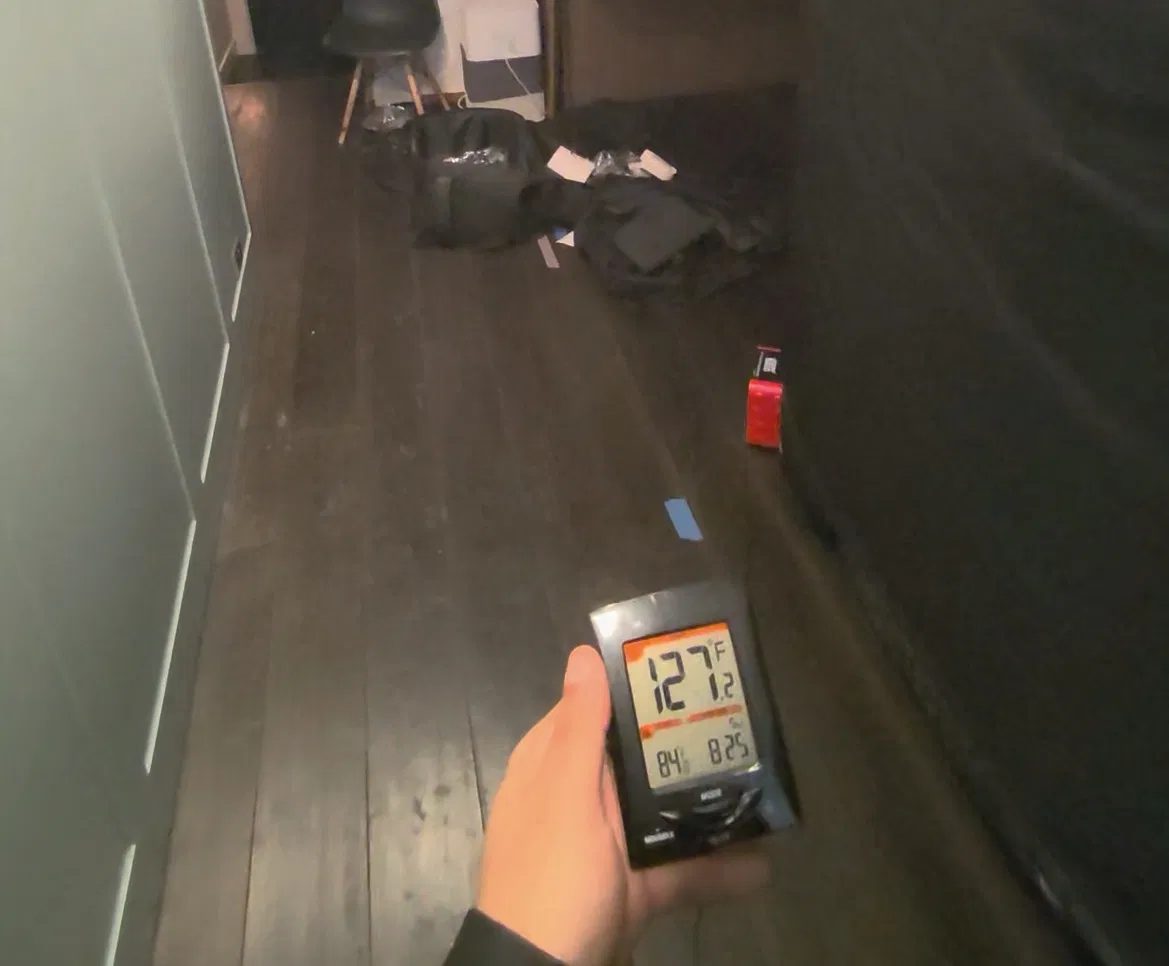
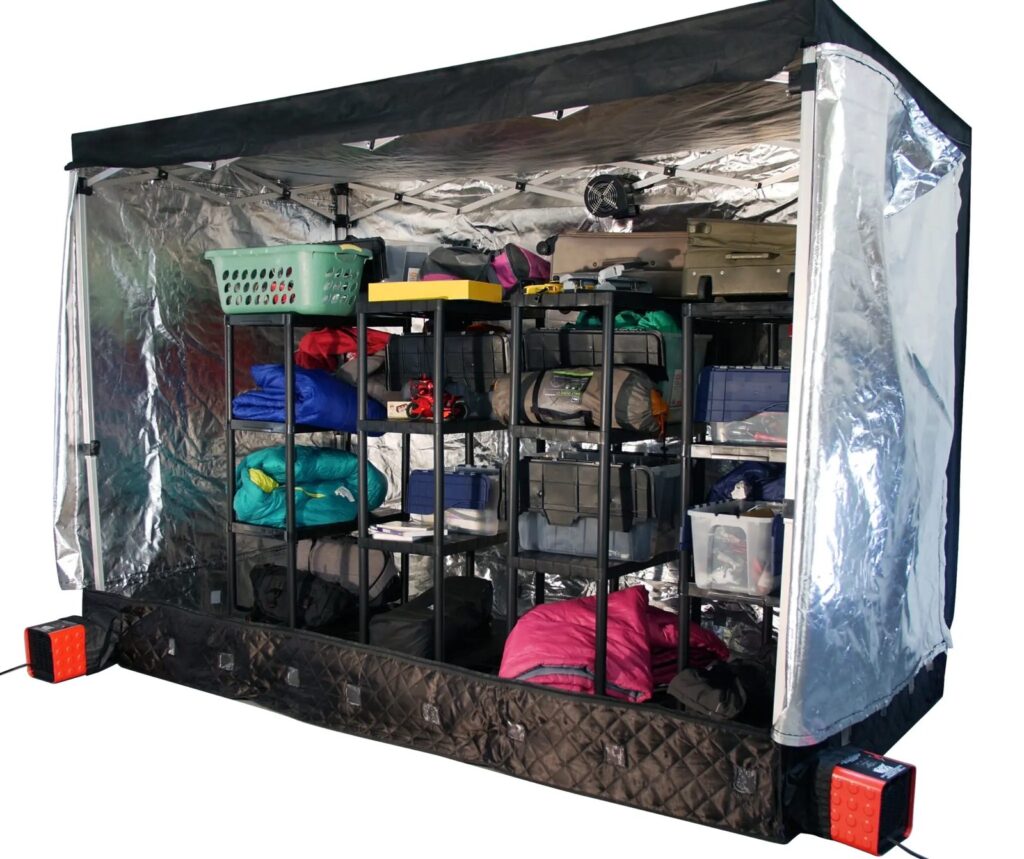
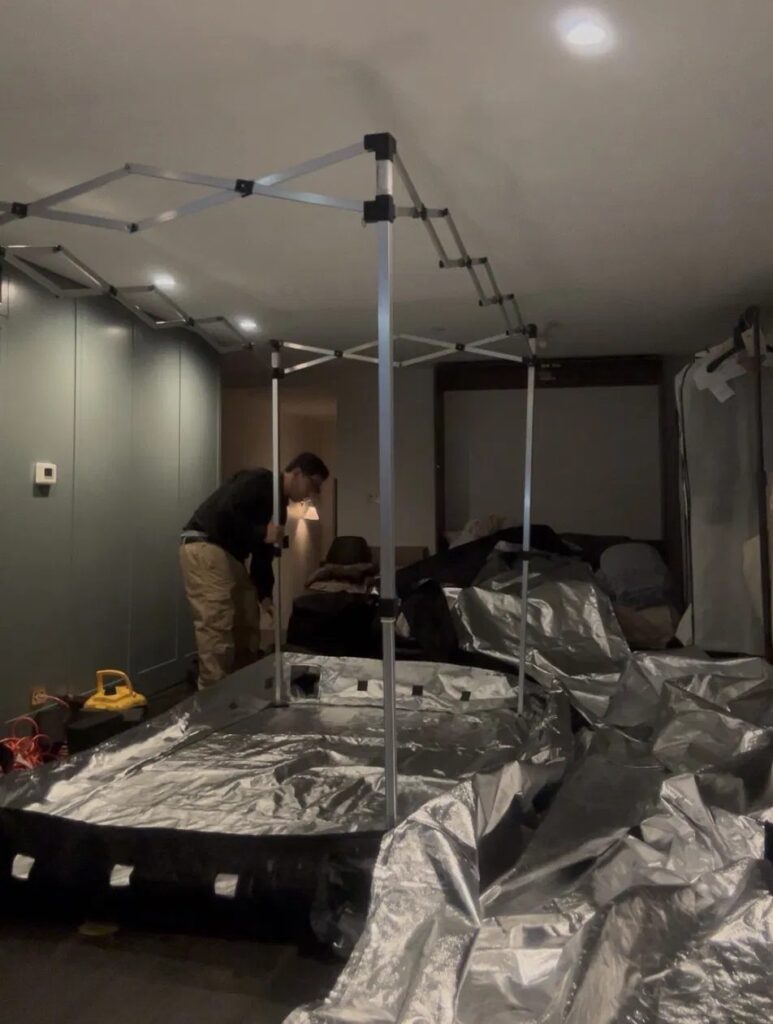
A ZappBug Room, set up in your home.
Not a van, not a warehouse.
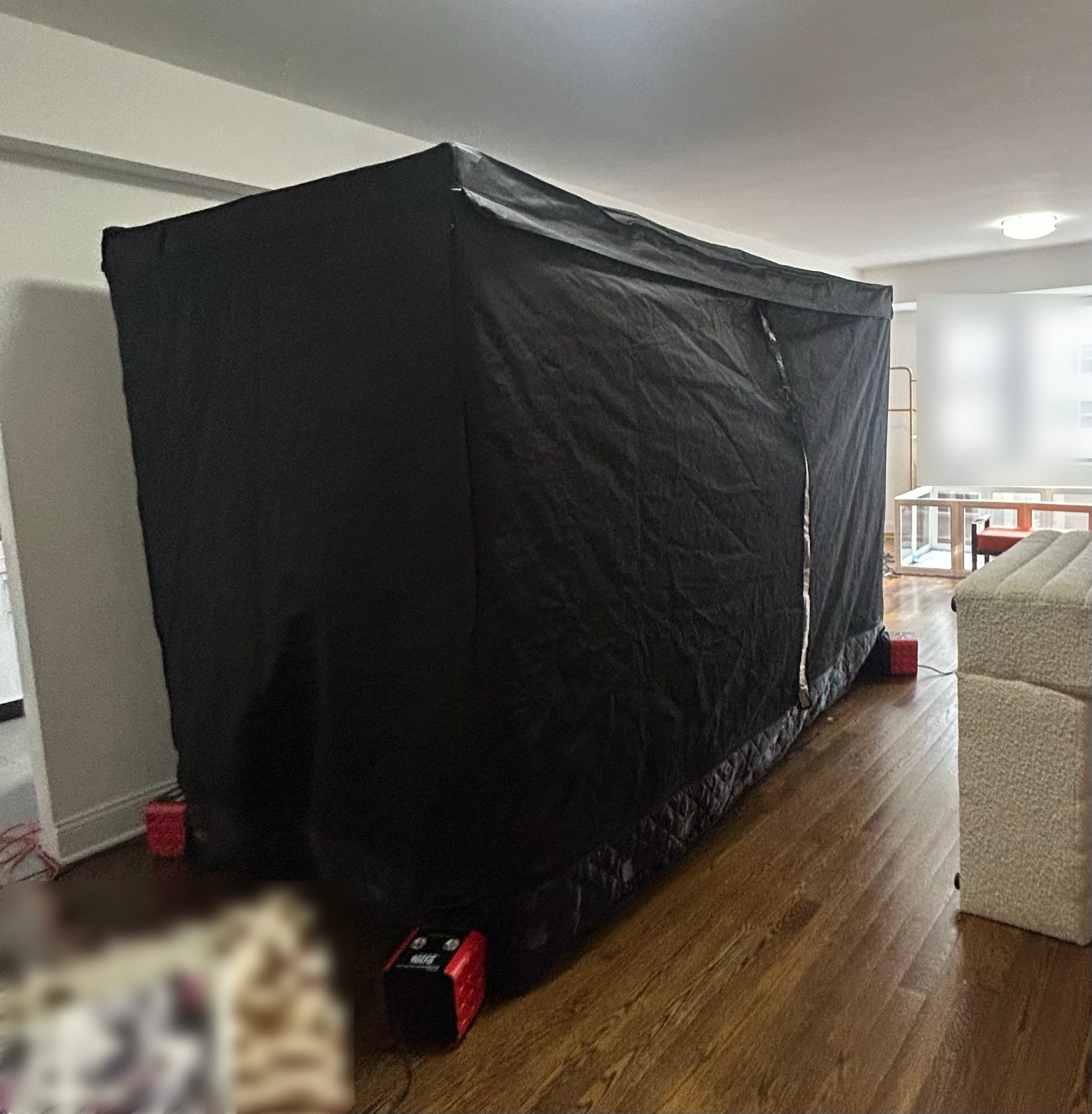
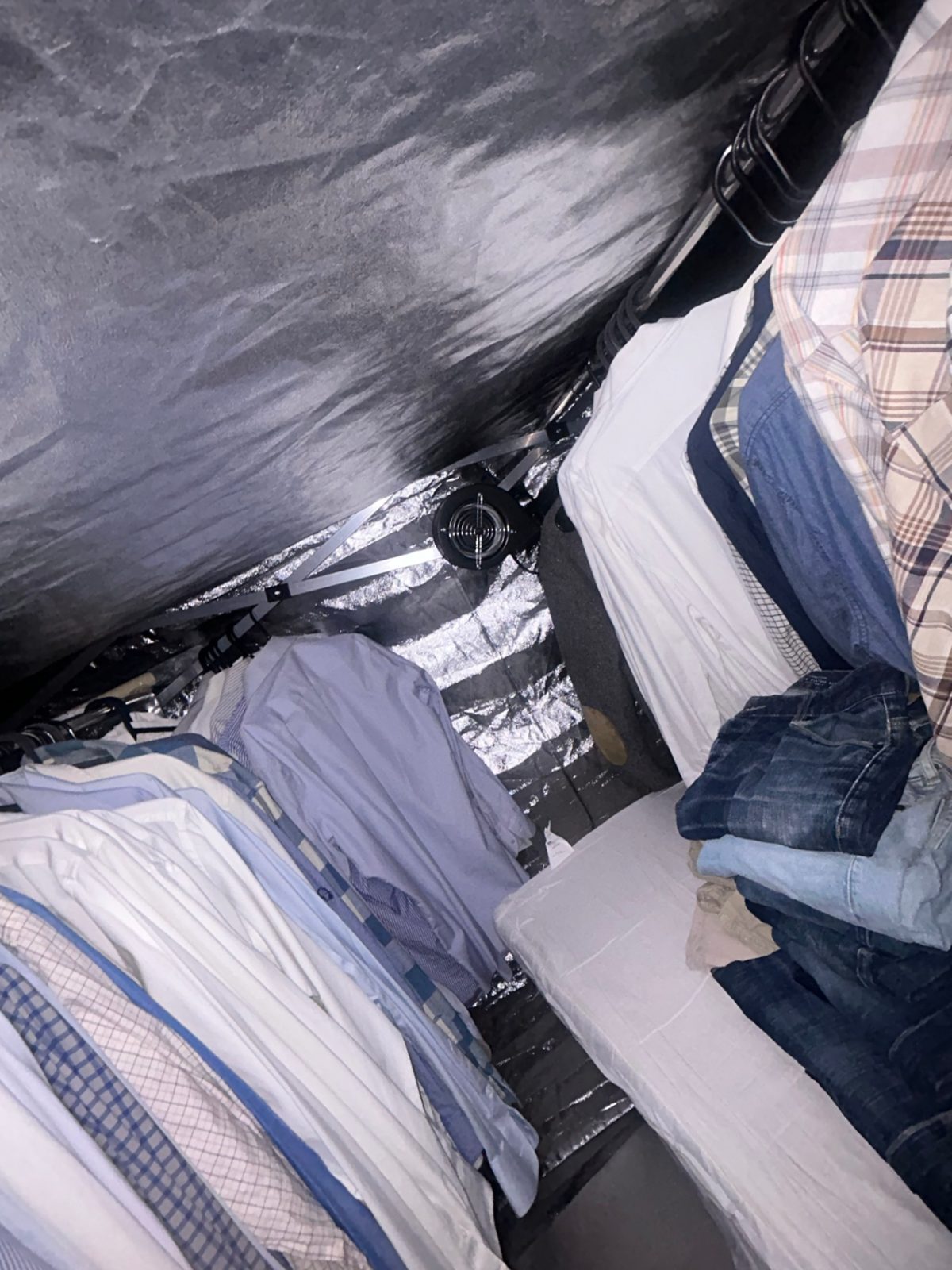
The chamber is an insulated, portable heat room that assembles in about twenty minutes in a dressing room, garage or guest room. Garments hang in spaced rows, shelves hold folded knits and shoes that pass the care index, and a thermal heater brings the whole load to a verified temperature while a probe in the thickest item confirms the core got there. It leaves with us at the end of the day.
Every material gets its own method,not the same treatment as the closet next to it.
Before anything is treated, each piece is assessed for fibre, lining, dyes and glued or bonded parts. That assessment decides whether it goes in the chamber, gets steamed by hand, is sealed, or is frozen.
Wide, low-moisture steam
We use Polti superheated dry steam with the concentrating nozzle removed, so the steam is spread wide instead of focused on one point. Distance and movement are set by the fabric, folds, seams and linings get the most attention, and every piece is checked as it dries. In our own field use on wool and cashmere we have seen no shrinking, distortion or change in texture.
Heat inside the shoe
The toe box and heel cavity hold heat, which is where larvae and eggs shelter. Steam is directed inside the shoe while sensitive exterior finishes stay out of the direct stream. Each pair is checked first for adhesives and bonded parts, and not every shoe is a candidate.
Vacuum outside, steam inside
The leather exterior is HEPA vacuumed, not steamed. Steam goes only to the lining and inner seams, where larvae feed, and the piece is checked for heat reaching the leather or its adhesives.
Four hours above 120°F
Heat-tolerant garments go through the chamber with a probe in the core of the load, held above 120°F for four hours. Published research puts complete kill of every life stage at about 106°F for four hours, so we run hotter and longer than the minimum.
Freezing, as an add-on
Some silks, metallic yarns and fused interlinings should not take heat at all. For those, freezing is available with a deep freezer installed in your home.
Judgment, not blanket promises
The steamer is rated up to 180°C at the nozzle; the fabric surface is cooler, which is why technique matters. Our results come from field experience, not a laboratory, and no method suits every garment. That is why every piece is assessed first.
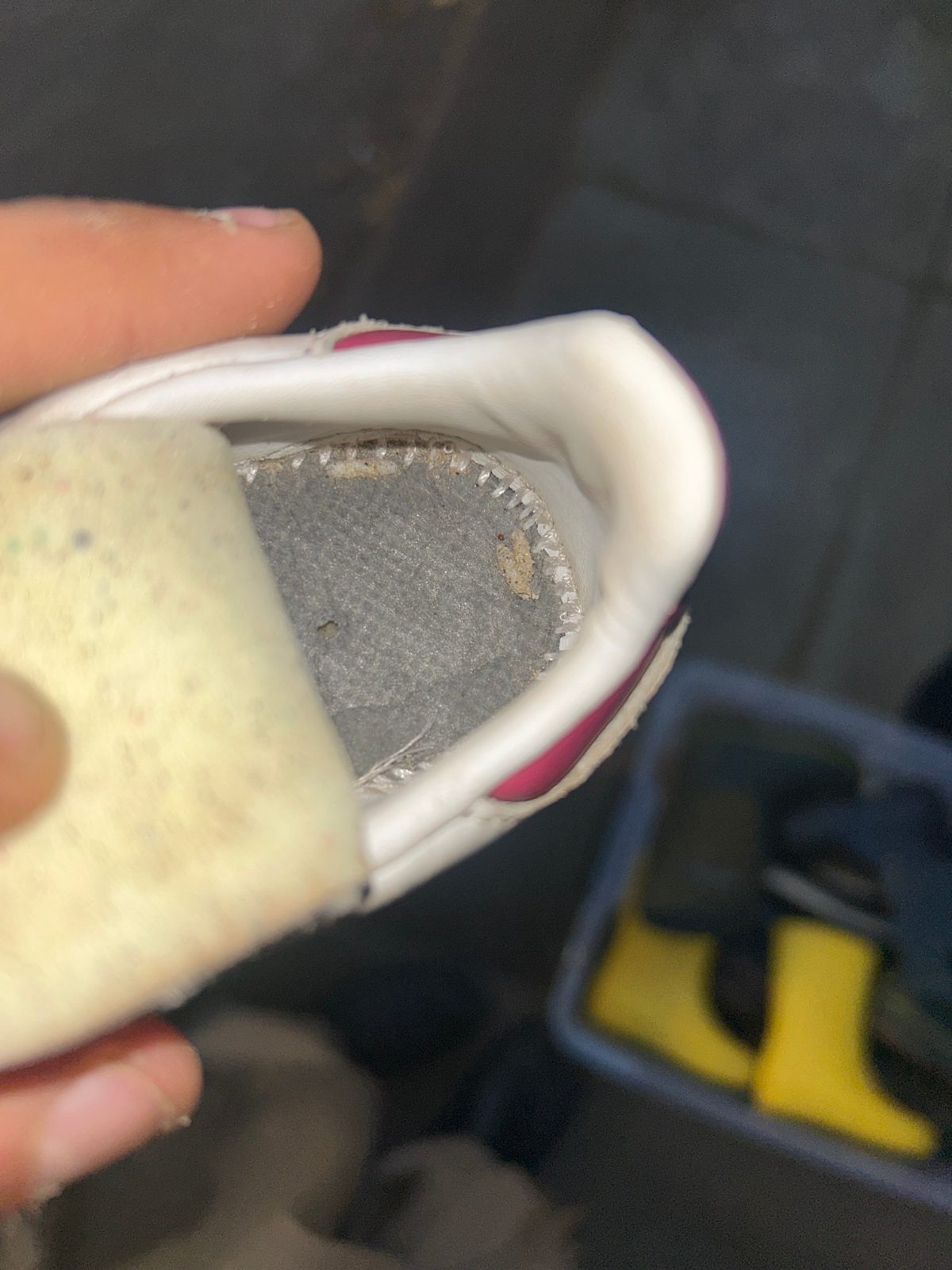
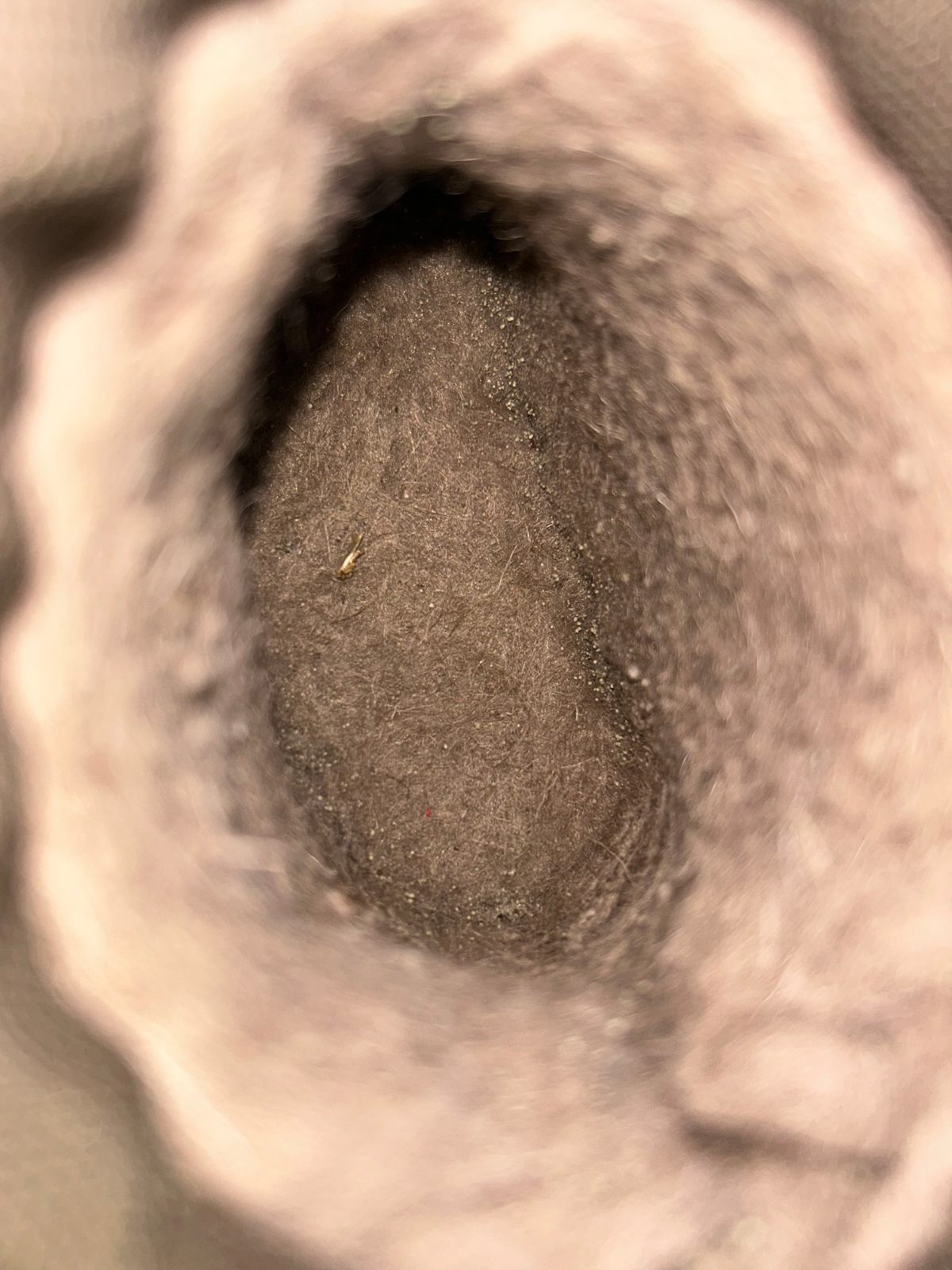
How we steam cashmere without damaging it, and why eggs are the stage that matters: Can steam kill clothes moth eggs without damaging cashmere?
What equipment we use, why, and what it costs: clothes moth treatment equipment and cost
A brand tells us the fibre, the lining and the glue.
That decides how each piece is treated.
Most pest companies do not know the difference between a boiled-wool coat and a bonded trench, and most cleaners cannot treat a house. We keep a working care index for the garments that actually get eaten in estate wardrobes, and the assessment rates every item against it before anything is decided.
| Garment or maker | Why moths want it | Rating | How we handle it |
|---|---|---|---|
| Vicuña, baby cashmere, fine cashmere knits (Loro Piana, Brunello Cucinelli, The Row) | The finest keratin fibres and the costliest damage per hole | Freeze | Never heat. Sealed and frozen, thawed slowly, refolded in acid-free tissue. |
| Wool bouclé and tweed jackets (Chanel-style, Max Mara) | Open weave hides larvae; chain weights, braid and beading are heat-sensitive | Freeze | Freeze. Lining and trim inspected separately. |
| Bespoke and canvassed tailoring (Savile Row, Neapolitan, Brioni) | The horsehair canvas inside the chest is keratin too, so larvae feed inside the jacket where you cannot see | Heat, probed | Canvas inspected; chamber with a core probe; fused or glued collars checked first. |
| Hermès-type silk carrés, ties, silk blouses | Silk is a protein fibre and larvae graze it | Freeze | Frozen flat between tissue. Never pressed, never heated. |
| Shearling, fur, fur-trimmed outerwear (Moncler, Canada Goose trim) | Animal fibre on hide; heat stiffens and cracks skin | Specialist | Inspected and bagged. Cold storage or your furrier. We never put these in the chamber. |
| Waxed and bonded coats (Barbour, Burberry gabardine) | Wool linings attract larvae; wax and bonding fail under heat | No heat | Lining inspected, body frozen if needed. Hard decline for the chamber. |
| Heavy wool blankets, Pendleton, equestrian coolers | Dense wool is the preferred food and is stored for months untouched | Heat, probed | Chamber with a core probe, because thick piles lag the air temperature by hours. |
| Persian, Tibetan and silk rugs | Wool pile and fringe are the single most common larval site in large homes | Case by case | Both sides inspected; treated in place, or frozen by size. Antique and silk rugs go to your restorer with our findings. |
| Vintage couture, beaded gowns, archive pieces | Often untouched for years; glues and beads fail under heat or cold | Specialist | Inspection and documentation only. We coordinate with your conservator. |
| Cotton, denim, pure synthetics | Not moth food. Larvae only pass through on the way to wool. | Heat | Routine chamber load. We ask why they are in the infested closet, because the answer usually points to the source. |
Brand names are used to describe fibre, construction and care. New York Exterminating is not affiliated with any of the makers named. Care ratings follow the maker’s own published care guidance and the fabric in hand, never the label alone.
The full Luxury Fabric and Brand Care Index, sixty entries from vicuña to piano felt, with the storage guidance and the seasonal check we ask house managers to run, is published as its own page. If you own something that is not on it, bring it to the assessment and Jorge will rate it in front of you.
The Private Client Report.
Proof, not reassurance.
Every program ends with a document, because a wardrobe of this value deserves a record and because you may need to show someone what was done. The report is written for three readers: you, your insurer and whoever cares for the clothes after us.
Findings
Where larvae, casings and grazing were found, room by room, with photographs. The likely source and how long it has probably been active.
Garment inventory
Every item assessed, its care rating, what was done to it and its condition after. Damaged pieces are listed separately with photos for an insurance claim or a tailor.
Treatment log
Chamber probe readings and hold times for each load. Freezer temperatures and durations, where the deep-freeze add-on is used. Products applied to the structure, with EPA registration numbers, as New York State requires.
Monitoring and next steps
Trap counts at 30, 60 and 90 days, storage recommendations by garment type, and a seasonal check schedule for second homes.
The North Shore, the Hamptons and Westchester,
from a Brooklyn company that has done this since 2010.
We built this program for houses with more than one dressing room, a cedar closet, an attic of stored wool and rugs worth more than the car in the driveway. Those houses are not in Midwood. They are in Manhasset, Old Westbury, Locust Valley, Cold Spring Harbor, Scarsdale, Rye, Purchase, Armonk, Bedford and the East End, across the state line in Greenwich, Darien and Westport, and across the river in Alpine, Short Hills, the Somerset Hills and Rumson, and we drive to them.
Manhasset to Mill Neck
Large walk-in dressing rooms, fur and cashmere-heavy wardrobes, and staff-run households. One-day programs, booked Tuesday to Thursday.
Cold Spring Harbor, Lloyd Harbor, Huntington
Waterfront humidity makes seasonal storage the usual source. One-day programs.
Scarsdale, Rye, Purchase, Armonk, Chappaqua, Bedford
Pre-war Tudors with built-in cedar closets, which slow moths and do not stop them. One-day programs.
Southampton to East Hampton
Closed-house moth cycles between seasons. Two-day programs timed to spring opening and fall closing, booked as overnight trips.
Second residences, pied-à-terres in Manhattan and family houses in Brooklyn are covered under the same program and the same report. If you have a house manager, they can book and brief us directly; many of our clients never meet us, and that is fine.
Moths or carpet beetles?
The assessment answers it before anything is treated.
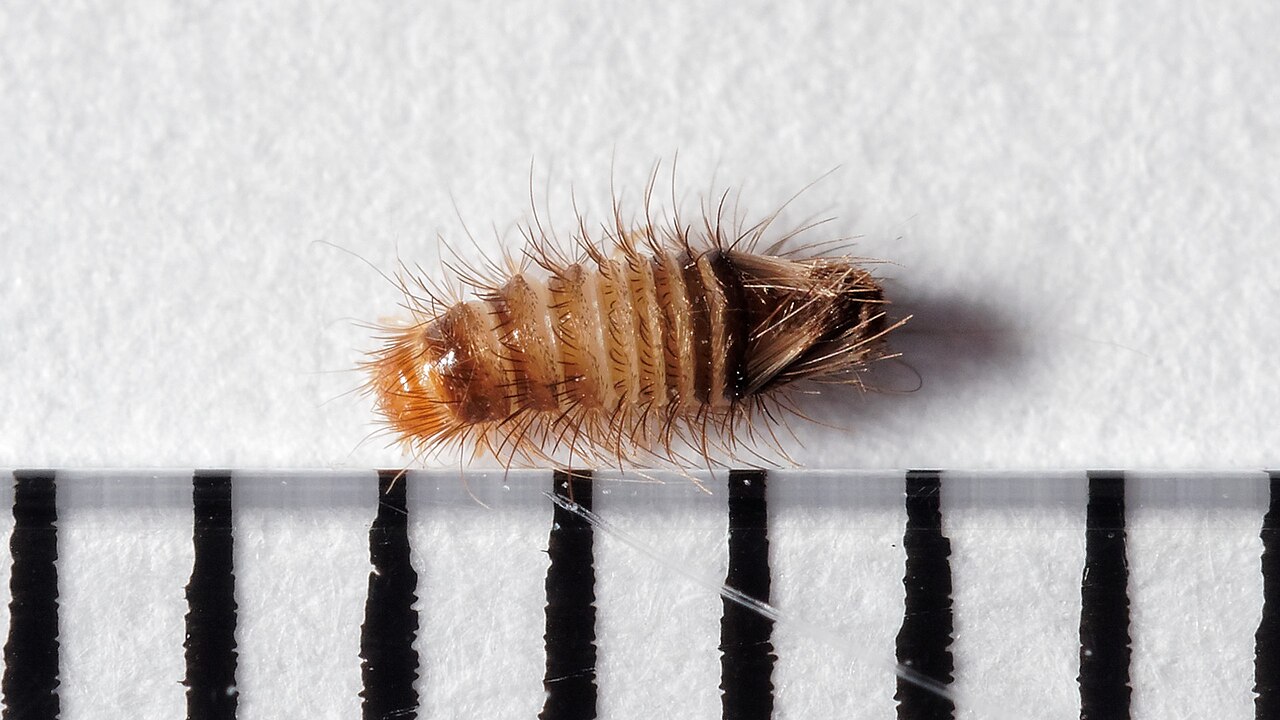
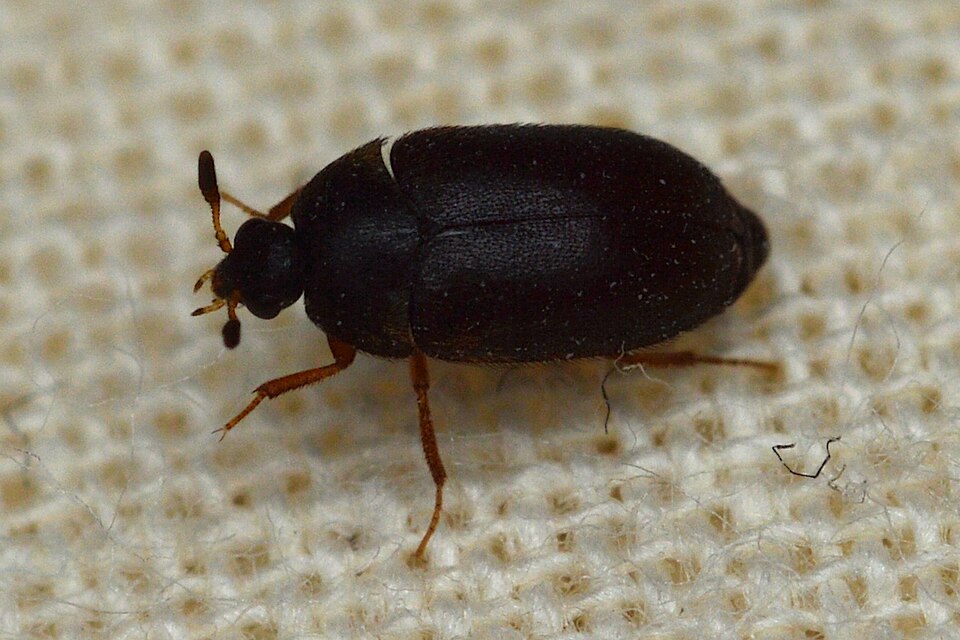
A wardrobe described as a moth problem often turns out to show the signs of carpet beetles instead, or as well. The two are processed the same way on the day, heat, freezing, steam and HEPA, but they live in different places, and a program written for the wrong one leaves the colony where it was.
Silk webbing and rice-grain casings
Webbing clothes moth larvae spin silk tubes and leave a scatter of frass the colour of the garment. Damage is in the closet, on worn collars and cuffs, under folds. Small gold moths that flutter rather than fly to light.
Shed skins and bare patches
Carpet beetle larvae are bristled and leave papery, striped shed skins behind, with no webbing. Damage is a clean bald patch on a rug or a sweater fold. The source is usually outside the wardrobe: a bird’s nest, carpet padding, a dead rodent, horsehair upholstery.
One house, two sources
Moths in the dressing room and beetles under the library rug is a single program with two sources, and the report says which was which. In New York it is handled on the same day, under the same price.
Full detail, species by species, on our Carpet beetle treatment on Long Island, in Westchester and the Hamptons page, and a plain-English comparison in carpet beetle vs clothes moth.
Elimination over management.
That has been the whole company since 2010.
New York Exterminating does not sell monthly spray contracts. Every service is designed to resolve the problem, and follow-up visits exist to verify that it did, not to re-apply product. Our callback rate across all services is under 1%.
Every Private Client program is led by Jorge Bedoya, an Associate Certified Entomologist, with the same two to three technicians from assessment to the 90-day check. We never blame housekeeping, because moths do not care about it. We work in English and Spanish, we carry $3M in liability insurance, and we hold NYSDEC license #15140.
Three ways to engage us.
Every price is fixed before the day.
We publish prices because the alternative, a quote that appears after someone has been in your closets, is not how serious firms behave. The final program price is set at the assessment and does not change on the day.
Wardrobe Assessment
- Jorge inspects every closet, rug and storage area
- Photographed inventory of clear, at-risk and infested items
- Monitors placed in every room
- Written findings with a fixed program price
Estate Wardrobe Program
- Everything in the Assessment
- Heat chamber, dry steam and optional freezing on site
- Closet and room treatment, rugs inspected and treated
- Closet-rail protection where the label allows
- Private Client Report
- Monitor readings at 30, 60 and 90 days
Estate Wardrobe Program Plus
- Everything in the Estate Wardrobe Program
- Furs, archives and stored wool documented
- Second residence can be added at a quoted price
- Seasonal open-and-close schedule for Hamptons houses
Additional closets are $350 each and additional rugs $150 to $400 by size. Any repeat service within six months of a program is 50% of the original price. Payment plans are available for every program.
Discretion is the baseline,
not a feature we charge for.
A pest company in the driveway tells the street something. We assume you would rather it did not.
A spray in the closet and this
are not the same service.
The usual moth job
- Technician sprays the closet in twenty minutes and tells you to dry clean everything
- Clothes go to a cleaner, rugs to a restorer, and nobody coordinates the three
- Two weeks living out of bags while loads come and go
- No one knows which coat will delaminate or which jacket has canvas inside
- A van with a cockroach on the side in your driveway
- “Call us if they come back”
NYE Private Client
- An ACE assesses every garment, rug and room before a price is set
- Heat chamber, dry steam, closets and rugs all handled on site by the same crew of two to three
- Nothing leaves your home
- Each piece rated against a brand and fabric care index before it is touched
- Unmarked vehicle, one contact, paperwork sent ahead
- Monitors read at 30, 60 and 90 days, and a written report you keep
You will be the one who found us.
We make sure that reflects well on you.
Most of our Private Client work is booked by the person who runs the house, not the person who owns it. We work the way you need a vendor to work.
Vendor packet in one email
COI naming the property, W-9, NYSDEC license, protocol summary and a sample report. Send it up the chain without a second request.
No surprises on the day
Arrival window confirmed the day before. Fixed price. Two named technicians. Nothing added without your sign-off.
A report you can file
The Private Client Report goes to you first. You decide who else sees it. Monitoring dates go on your calendar, not ours.
We also handle the rest of the house under the same name: mice and rats with an exclusion-first approach, bed bugs, carpet beetles, ants and a recurring protection plan for properties that want one vendor rather than five.
“I do the assessment myself because the assessment is the job. Anyone can run a heat chamber. Knowing which jacket has horsehair canvas inside it, which coat will delaminate at 120 degrees and which rug is the actual source is what you are paying for. If I would not put a garment of my own through a step, it does not go through that step.”
Environmental scientist by training. NYSDEC #15140. What an ACE is · About Jorge
Request a private assessment.
Tell us the town, the size of the wardrobe and what you have seen. We reply the same business day with the next available assessment dates.
New York Exterminating, Inc. · 1115 E 13th St, Brooklyn, NY 11230 · NYSDEC #15140 · 4.9 stars from 82 Google reviews · English and Spanish
Luxury Fabric and Brand Care IndexSixty entries: cashmere, vicuña, tailoring, fur, rugs, and how each is treated
Clothes moth larvae: identificationWhat casings, webbing and grazing look like on wool and silk
What a full trap really meansWhy traps catch males only, and how to read one
Why clothes moths keep coming backCashmere, rugs and the storage habit that feeds them
Carpet beetle or clothes moth?The two are treated differently. Here is how to tell.
Clothes moth treatment in NYC apartmentsThe standard service, $450 to $2,500
Private Client clothes moth program: FAQ
Do you really treat the clothes inside my home, or do they go somewhere?
They stay in your home. Heat-safe garments go through our chamber in your dressing room or garage, delicate pieces are inspected by hand and treated with superheated dry steam on site, and closets and rugs are treated in place. The only items that leave are couture or furs that need a conservator or furrier, and we coordinate that hand-off with your specialist.
How do you know a garment can take the heat?
Each piece is rated at the assessment against our brand and fabric care index, using the maker’s own care guidance and the construction in hand. Fine cashmere, silk, bouclé, fur trim, waxed and bonded fabrics never go in the chamber. Tailoring and dense wool go in with a probe in the core of the load, and the reading is logged in your report.
Will there be a smell, or a chemical residue on my clothes?
No product is ever applied to clothing. Residual treatment goes into cracks, crevices and the structure of empty closets only. Where the label allows, a small vapor strip is hung on the closet rail with the door closed and the strip clear of all fabric. Clients who prefer no strip at all can choose sealed storage instead.
Can my house manager book and handle the whole thing?
Yes, and most do. We send the vendor packet, confirm the window, work from the manager’s brief and deliver the report to them first. Many owners never meet us.
How far out do I need to book?
At least twelve days. We accept no more than ten Private Client programs a month, and each one needs chamber time, archival bags and the right two to three technicians reserved for it. Hamptons programs are booked as two-day trips.
What if I see a moth after the program?
Seeing one adult in the first weeks is common; they were already pupae somewhere when we arrived and the monitors are there to catch them. We read the monitors at 30, 60 and 90 days. If activity returns within six months, any repeat service is 50% of the original price.
Do you treat the rest of the house too, or only moths?
Everything. Private Client is the way we work, not a single pest. Mice and rats, bed bugs, carpet beetles, ants and a recurring protection plan are all available under the same contact, the same paperwork and the same standards of discretion.
Is Scarsdale or Southampton too far for a Brooklyn company?
No. Nassau and Westchester have been part of our service area since 2010, and a one-day program is planned around the drive. The East End is booked as an overnight trip so the full two days are spent in the house, not on Route 27.