Straight answers from a licensed New York exterminator and Associate Certified Entomologist (ACE) — serving all five boroughs, in English and Spanish.
Get a Free Estimate →⏱ 6 min read
Why dry cleaners turn moth-infested clothes away
A dry cleaner’s shop is full of other people’s wool, silk and cashmere. One bag of infested sweaters can carry eggs and larvae onto racks that hold hundreds of garments, and the cleaner is the one who takes the blame when another customer finds holes. So many cleaners, especially the high-end ones, now say no the moment a customer mentions moths. In the past month alone, three of our clients told us their cleaner refused their clothes once they explained why they were bringing them in.
The refusal is reasonable from the cleaner’s side. It just leaves you holding bags of clothes and no plan.
What dry cleaning does and does not do
Dry cleaning can kill moths on the pieces it processes. That part is true. The problem is everything it does not touch:
- The closet itself. Larvae live in shelf corners, rails, baseboards and the edges of rugs, not only in clothes. Clean clothes go back into a closet that still has a population in it.
- The rest of the wardrobe. Most people send the pieces with visible holes. The eggs are usually already in the pieces next to them.
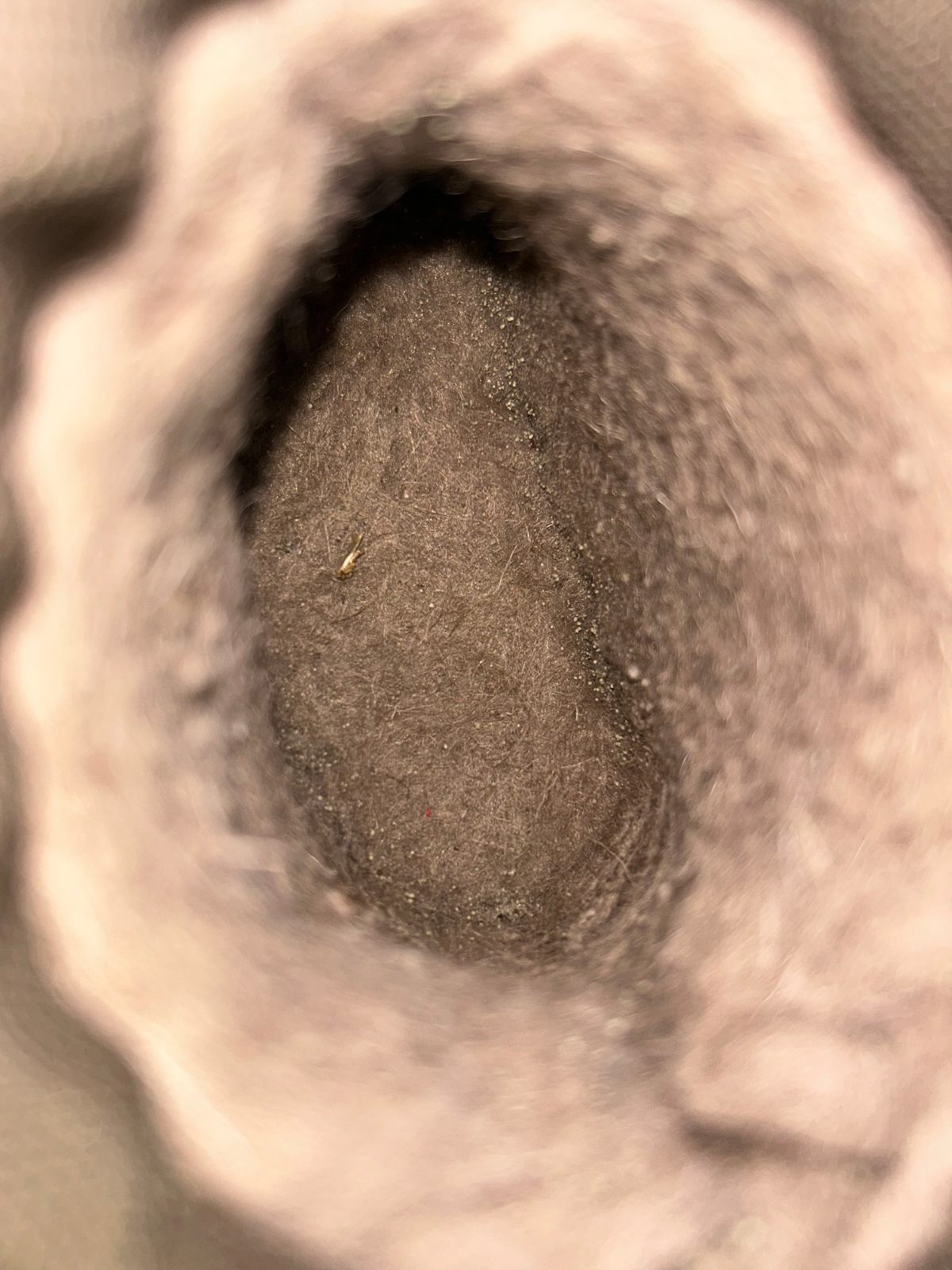
- Shoes, bags, rugs and upholstery. Wool rugs, felt, leather linings and shoe interiors are common hiding spots, and none of them go to the cleaner.
- The cost. Cleaning a full wardrobe at Manhattan prices adds up quickly, and it can cost more than treating the whole home.
That is why clothes come back from the cleaner and the holes start again a few weeks later. The source was never treated.
What to do with the clothes right now
- Stop moving them around. Carrying bags from room to room, to the car or to a storage unit spreads eggs to new places.
- Keep the bags closed and in the same room. If items are already bagged, tie them shut and leave them where they are.
- Do not spray the clothes. Household sprays do not reach eggs in seams and folds, and they can stain or damage fabric.
- Do not throw out expensive pieces yet. Most damaged garments can be treated and kept. Decide on repairs after treatment.
- Book an in-home assessment. We inspect every closet, drawer and rug, find where the population is coming from, and plan the treatment around what you own.
How we treat the whole wardrobe at home
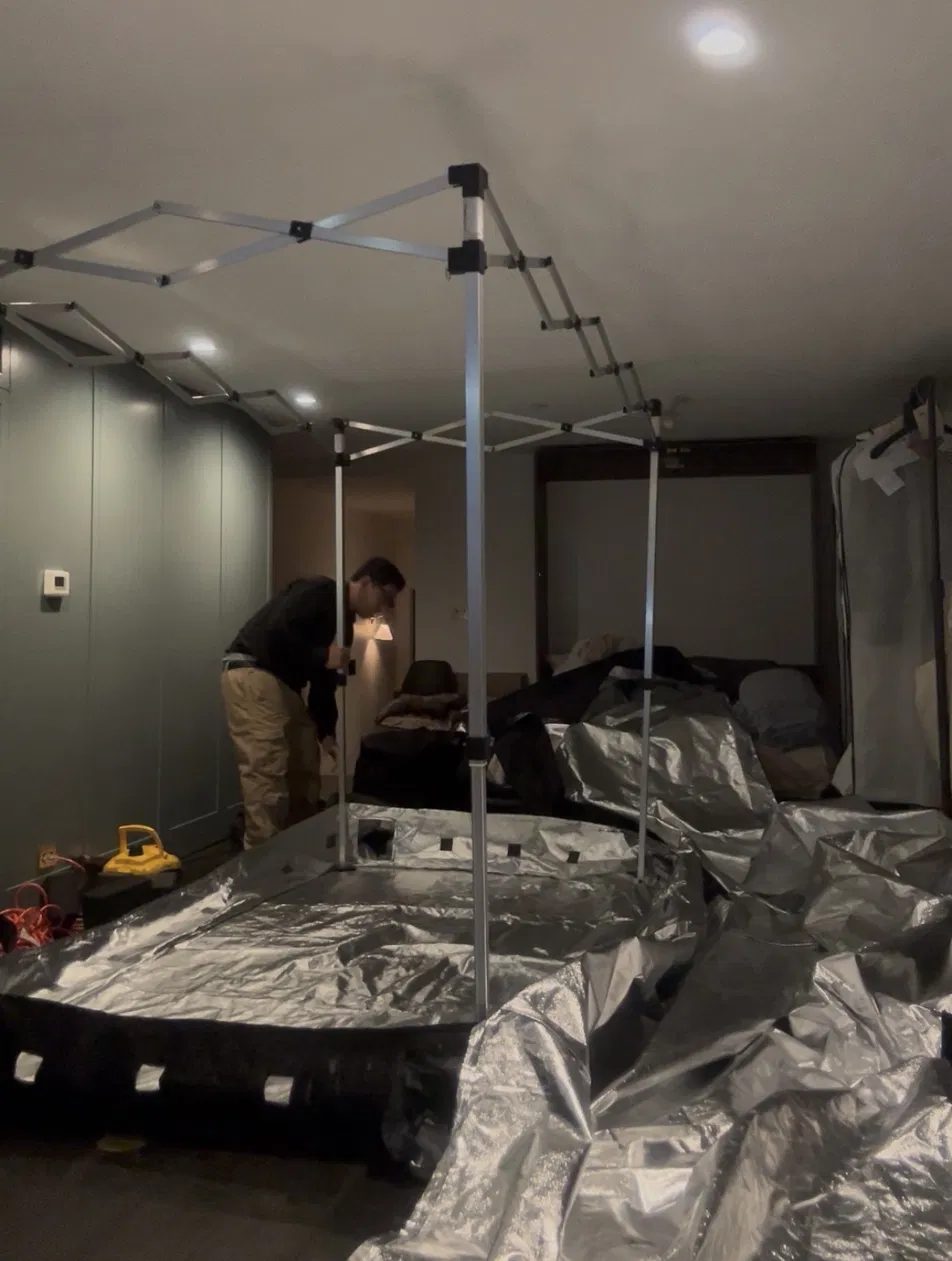
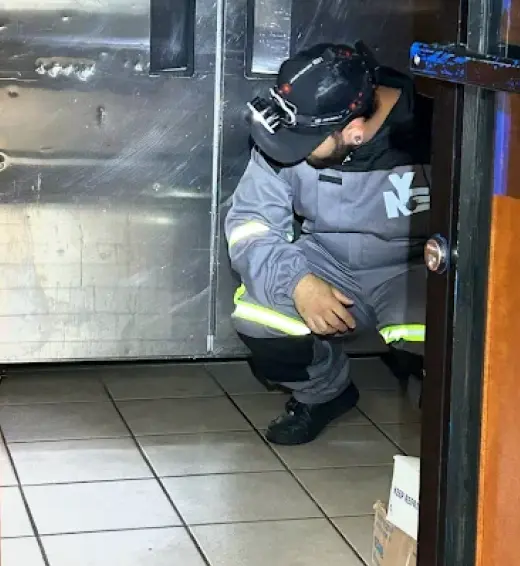
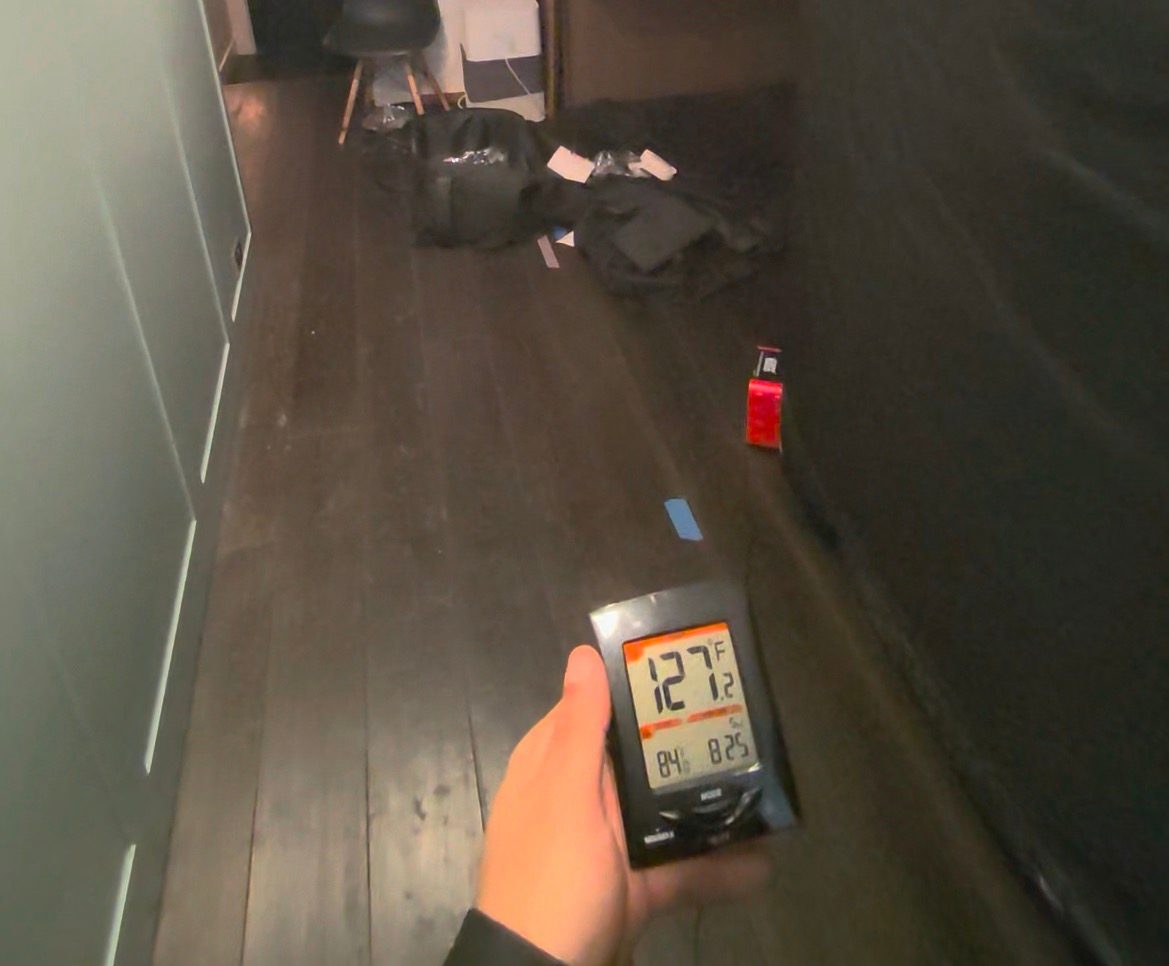
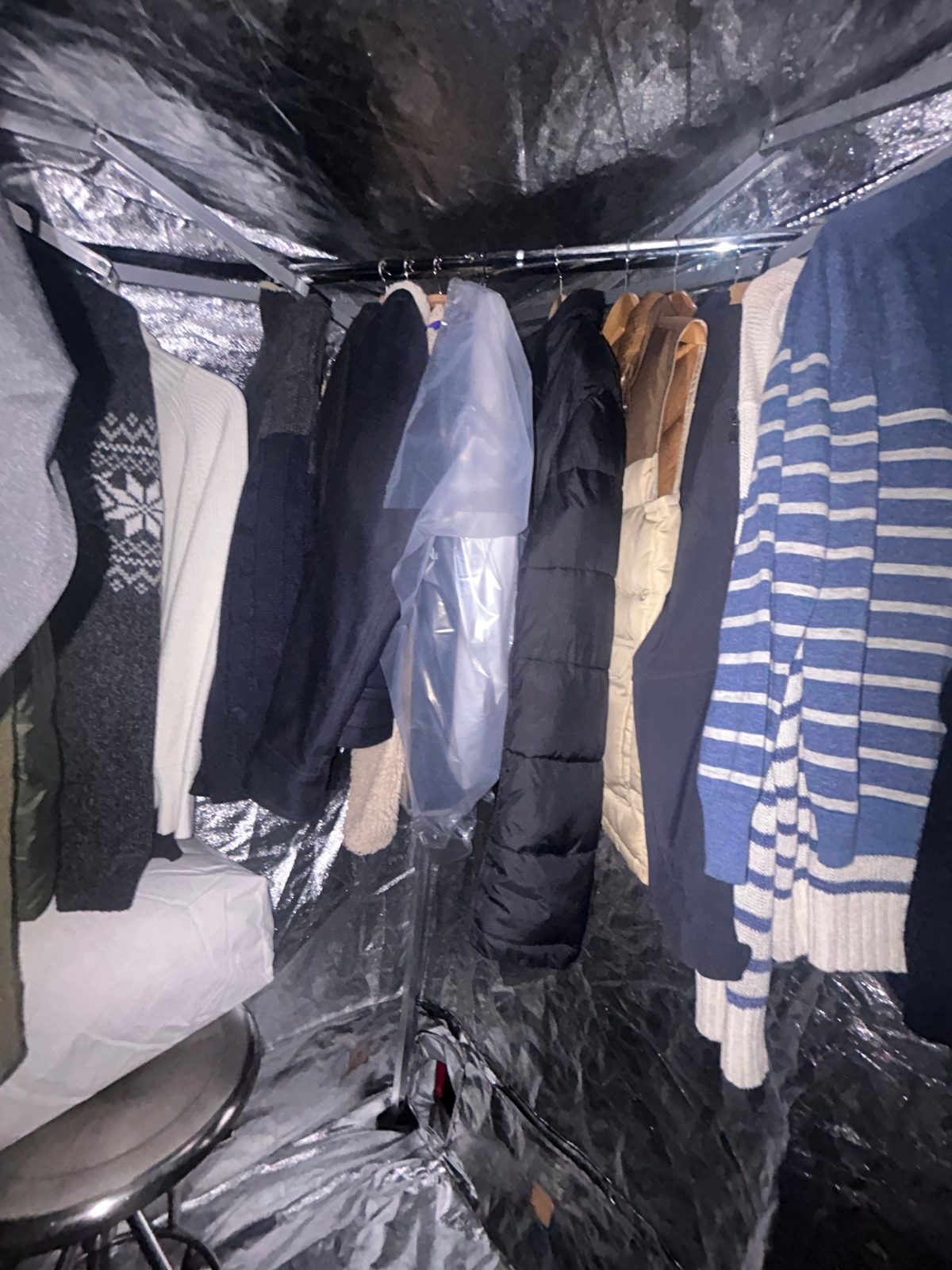
A crew of two to three, led by Jorge Bedoya, an Associate Certified Entomologist (ACE), sets up a ZappBug heat chamber inside your home. Clothing goes in by batches, usually three to six batches for a three-bedroom, 1,500 sq ft apartment. A probe sits in the core of each load, and we hold that core above 120°F for four hours. Published research found that four hours at about 106°F killed every life stage of the common clothes moth, so the margin is deliberate: the center of a packed load heats last.
Pieces that should not go in the chamber are handled one by one:
- Cashmere, wool and delicates: superheated dry steam with the nozzle off, spread wide, with distance set by the fabric. How steam kills moth eggs on cashmere.
- Shoes and leather: steam inside the shoe where larvae feed; leather exteriors are HEPA vacuumed, and only linings are steamed.
- Electronics and very sensitive items: sealed treatment in closed bags or containers.
- Rugs and carpets: superheated steam and HEPA vacuuming, edges and undersides included.
- Silks and pieces that should not take heat: freezing is available as an add-on.
Clothes are never sprayed. A plant-based option (OMRI Listed pyrethrum and a plant-oil residual) is available for clients who ask for it.
After treatment, your cleaner will take them back
Heat and steam do the killing, and dead eggs and larvae are harmless. Cleaning after treatment is optional, mostly for soiled pieces before storage, because sweat and food stains attract the next generation. Once the wardrobe has been treated, the clothes no longer carry live moths, and that is the point your cleaner cares about. Tell them the wardrobe was professionally treated and they can process it as normal.
Why clients call us instead
New York Exterminating treats the whole home, not only the garments you can see damage on. Every piece is inspected. The crew is two to three people, because a full wardrobe is a full day of work, not a five-minute spray. We take no more than ten wardrobe clients a month across Manhattan, Brooklyn, Westchester and Long Island, so each job gets the time it needs. Certificates of insurance are available for co-op and condo boards.
See the full process on our clothes moth treatment page and the private client wardrobe program, or check how specific fabrics are handled in the fabric care index.
What equipment we use, why, and what it costs: clothes moth treatment equipment and cost
Dry cleaner said no? We treat the whole wardrobe at home.
Book an in-home assessment with an ACE-led crew.
A Brooklyn-based, NYSDEC-registered company (Reg. #15140) led by Jorge Bedoya, an Associate Certified Entomologist (ACE). For pests in your home or building, NYE provides IPM-based, low-exposure control matched to the exact pest and verified with a follow-up. ACE-led work comes with a client portal of service reports and photos, fully bilingual service, and no long-term contract.
Dry cleaner and moth-infested clothes FAQ
Why won’t my dry cleaner take clothes with moths?
Because their shop holds hundreds of other customers’ garments, and moth eggs and larvae can spread from one bag to their racks. Many cleaners now refuse any item a customer says is infested.
Do moth-infested clothes need to be dry cleaned?
No. Heat kills clothes moths at every stage. A heat chamber held above 120°F at the core for four hours, plus hand steaming for delicates, treats the clothes without any cleaning. Cleaning afterward is optional.
Does dry cleaning kill clothes moths?
It can kill moths on the pieces it processes, but it does not treat the closet, rugs, shoes or the rest of the wardrobe, which is where re-infestation comes from.
Will my dry cleaner take the clothes after treatment?
Once the wardrobe has been professionally treated, the clothes no longer carry live moths. Let the cleaner know they were treated, and they can process them as normal.
Do my clothes have to leave the apartment?
No. The heat chamber, the steamer and the crew come to you, and everything is treated in your home in Manhattan, Brooklyn, Westchester or Long Island.