Why New York Exterminating
We’re built to solve your pest problem, not to lock you into a monthly contract. We don’t require monthly spray contracts or forced annual agreements, the same technician handles your property on every visit, and we never blame your housekeeping. Every job is ACE-led (Jorge Bedoya, Associate Certified Entomologist, NYSDEC #15140), bilingual in English and Spanish, and we serve all five boroughs plus Nassau and Westchester — with a callback rate under 1%.

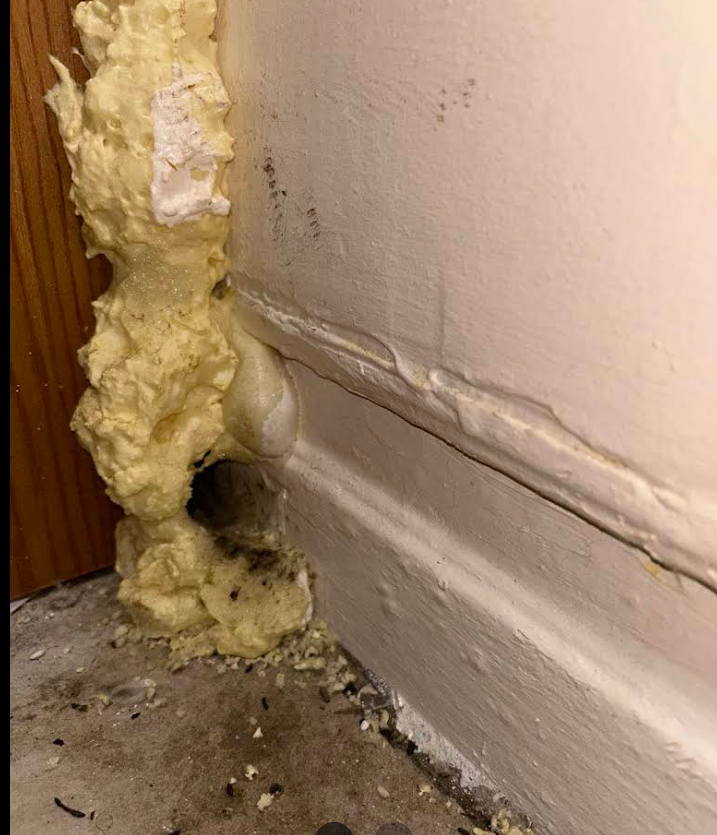
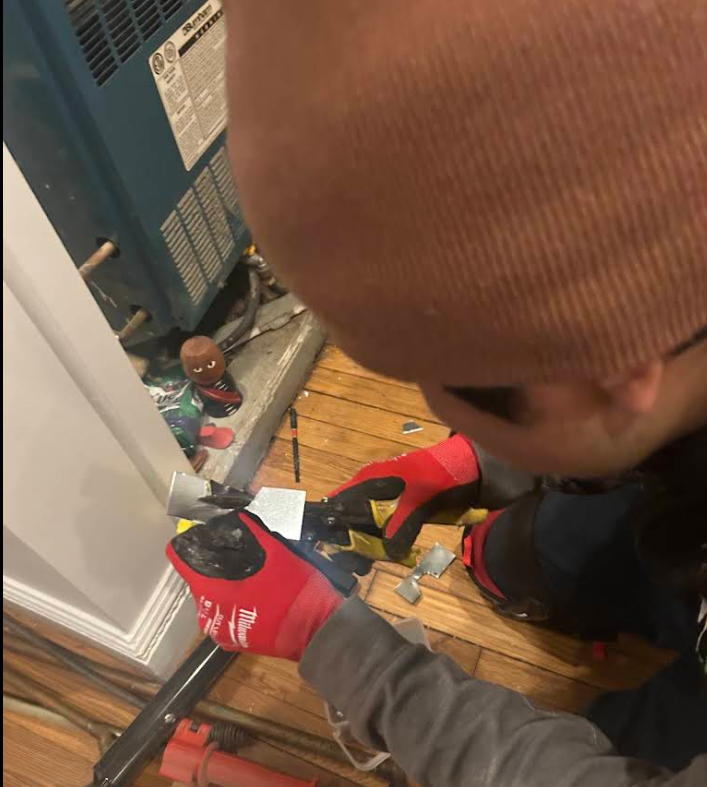
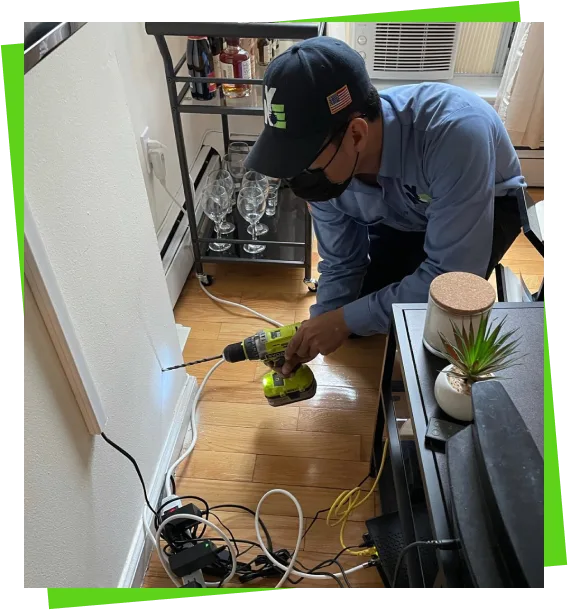
Most “rodent-proofing” fails because of the material used to seal entry points. Mice gnaw through soft fillers in days. Lasting exclusion uses finished, gnaw-resistant materials installed properly.
| Material | Holds up? | The reality |
|---|---|---|
| Expanding foam | No | Cheap and fast, but mice chew through it within days. It hides the gap; it doesn’t close it. |
| Steel wool / loose mesh | Partly | Better than foam, but it can rust, be pulled out, or leave gaps if not anchored and sealed. |
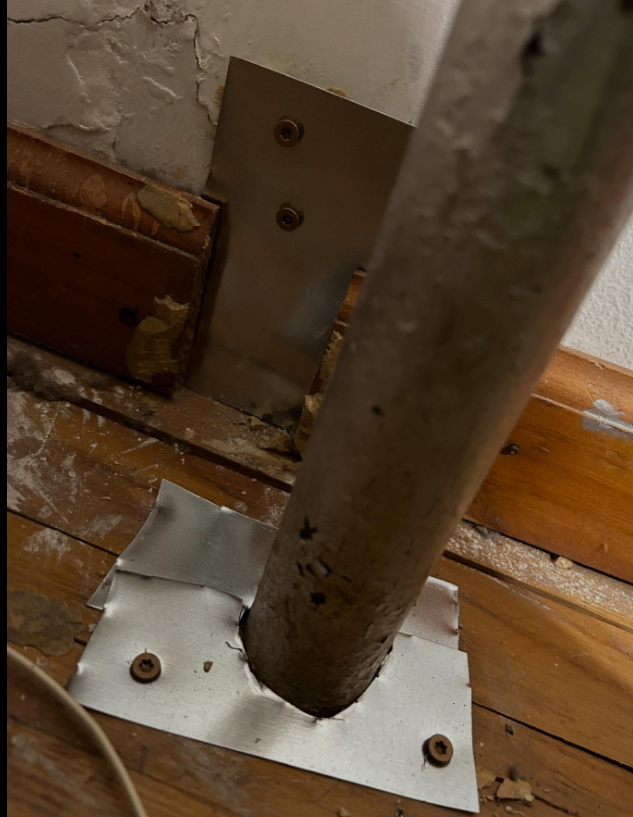
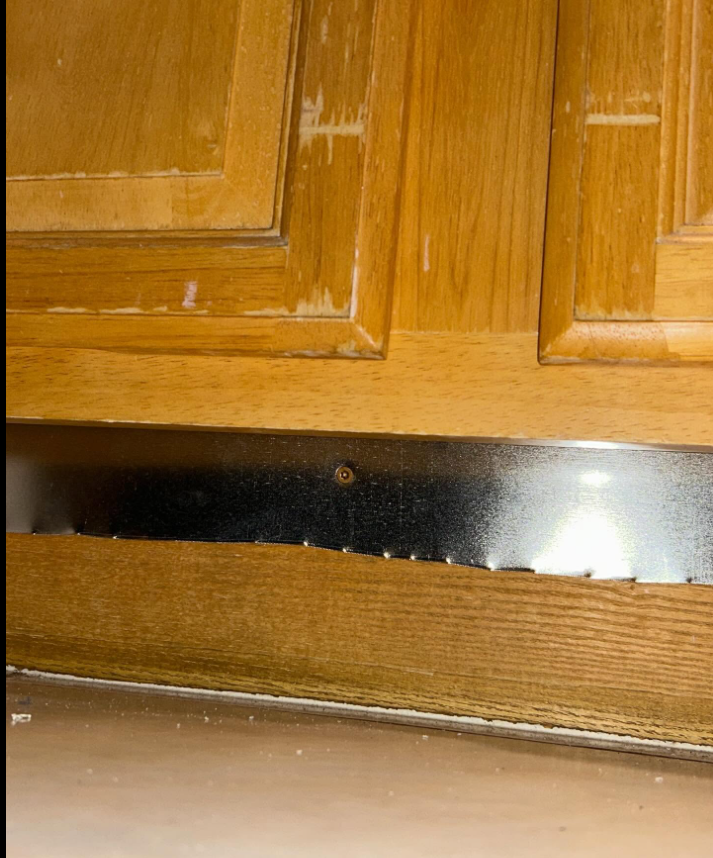
| Galvanized metal + elastomeric sealant (NYE) | Yes | Gnaw-resistant and permanent. We cut metal to the opening, anchor it, and seal with elastomeric — a finished repair, not a plug. |
During exclusion we inspect and seal the openings mice and rats actually use:
Callback rate under 1%
We fix how mice get in, not just the mice you see.
Premium pest control, made affordable. Finance your treatment with Klarna, Affirm, or Afterpay and pay over time — money shouldn’t be the reason pests stay.
Finance with Klarna, Affirm, or Afterpay. Checking your rate is a soft check — no credit impact.
Example at 14.9% APR; 0% APR plans may be available. Actual rate shown when you prequalify. New York Exterminating is not a lender.
Quick answer
Lasting rat and mouse control in NYC requires both removal and exclusion. New York Exterminating combines trapping and baiting with sealing every entry point — a mouse fits through a hole the size of a dime — so rodents can’t get back in. The service is dependable, with same-day appointments and a free estimate.
New York Exterminating provides rodent control in NYC for apartments, houses, brownstones, mixed-use properties, restaurants, commercial buildings, co-ops, condos, and multi-unit housing.
If you are searching for a mouse exterminator near you, rat control near you, or a long-term solution for rodents in New York City, the most important thing to understand is this:
Traps and poison alone do not resolve rodent problems.
They may reduce the current population. They may catch a few mice. They may kill a few rats. But if the structure is still open, new rodents will keep replacing the ones removed.
That is why our rodent work is exclusion-driven. We do not just try to kill what is visible. We identify how rodents are entering, where they are nesting, what conditions are supporting them, and what must be sealed or corrected to stop the problem from continuing.
We offer free inspections and free quotes over the phone when possible.
Call +1 (347) 210-4646 or request service online. Open 24/7. Same-day response may be available. Se habla español.
Related services and resources:
German Cockroach Control
Bed Bug Treatment
Commercial Pest Control
Brooklyn Pest Control
Queens Pest Control
Can’t wait? We offer 24/7 emergency pest control in NYC — same-day and after-hours response.
Is your area a rat hotspot? See our study of NYC’s rattiest neighborhoods (311 data) »
From Jorge’s experience — Jorge Bedoya, ACE
The biggest misconception about rats in NYC is that bait alone solves it. It doesn’t — if the entry points are still open, new rats simply replace the ones that are gone. Norway rats are also wary of anything new, so rushed trapping tends to fail. The jobs that stay solved are the ones where we seal the structure with rodent-proof metal exclusion and treat the burrows, not just set a few traps. Exclusion is the step most companies skip, and it’s the one that lasts.
Are you open now for rodent control?
Yes. New York Exterminating provides 24/7 rodent control in NYC, including urgent response for active mice and rat problems.
How do you get rid of mice permanently?
By combining population reduction with structural exclusion. Killing mice without sealing entry points does not stop reinfestation.
How much does rodent control cost in NYC?
The cost depends on whether you have mice or rats, how severe the infestation is, how many access points exist, and whether exclusion work is needed. In many cases, we can provide a free quote over the phone or after inspection.
Do you provide rat control near me?
Yes. We handle both mice and rat infestations throughout NYC for residential and commercial properties.
Why do mice keep coming back after traps?
Because the structure is still open. Traps remove individuals. Exclusion stops replacement.
Rats or mice in your home? We seal them out — dependable.
Trapping, baiting, and full exclusion so they can’t come back. Free estimate, same-day service.
Most customers call after trying the same cycle over and over:
This is not bad luck. It is bad strategy.
Rodent infestations fail to resolve when the work is limited to killing visible animals while ignoring the structure that is allowing new rodents to enter.
Cheap extermination often fails because:
Our work is built around control plus exclusion. That is the difference between temporary relief and long-term control.
What they look like: Small body, light brown to gray color, pointed nose, large ears relative to the head, thin tail as long as the body.
Where they live: Inside buildings year-round. They nest in cabinets, wall voids, insulation, boxes, appliances, closets, and storage spaces. In established infestations, multiple nesting sites may exist throughout the same property.
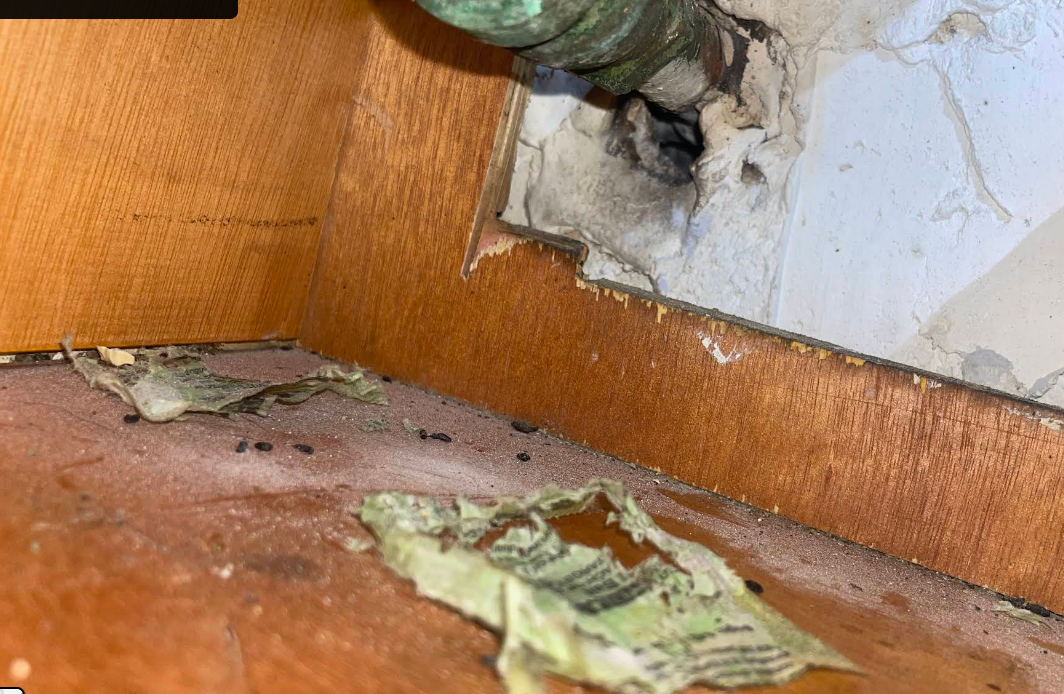
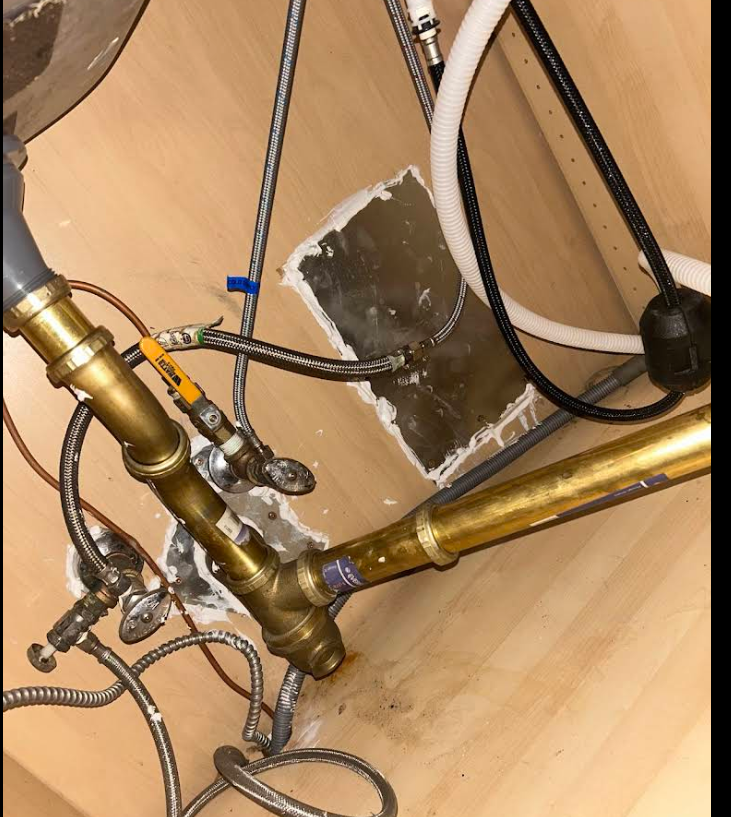
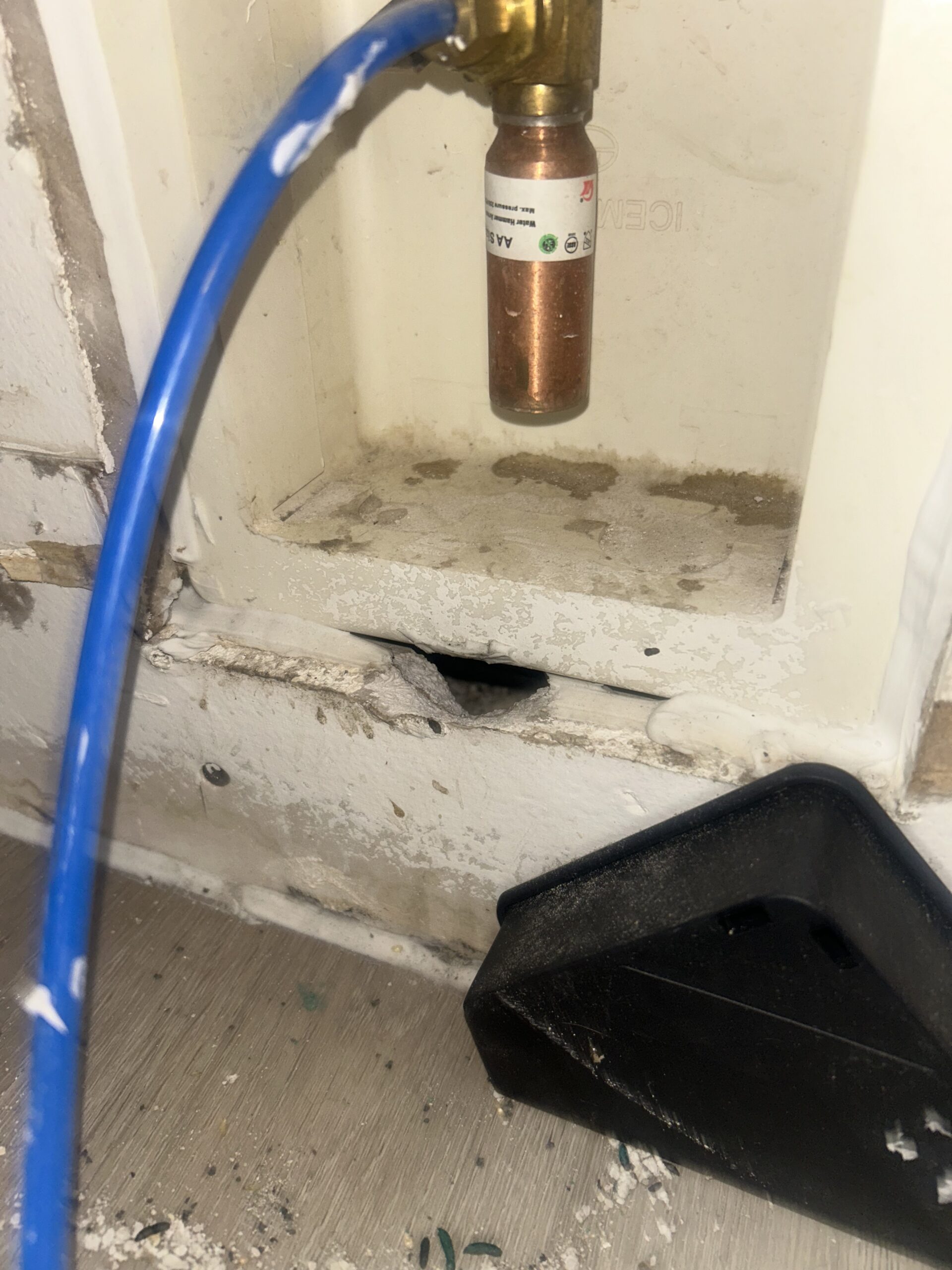
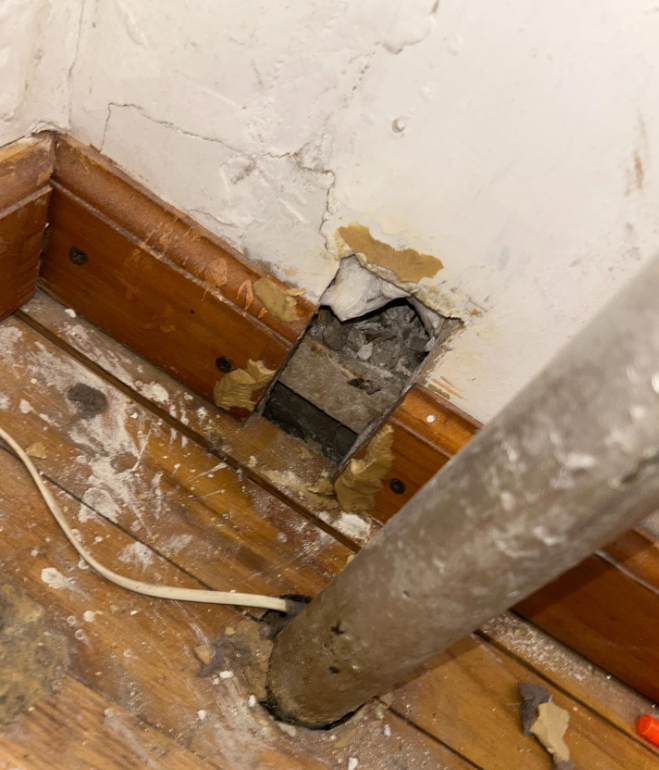
How they get in: Through openings as small as a dime. Common access points include gaps around pipes, radiator lines, electrical penetrations, damaged door sweeps, foundation cracks, vent openings, and siding or roofing defects.
Why they are dangerous: They contaminate food, spread disease, damage insulation, chew wiring, and reproduce rapidly. One small mouse problem can become a serious infestation in a short period of time.
What they look like: Larger body, heavier build, blunt nose, smaller ears relative to the head, thick tail shorter than the body.
Where they live: Usually outdoors in burrows, sewers, rubble, beneath slabs, near foundations, and in trash-heavy exterior zones. They enter buildings to forage, drink, and exploit shelter opportunities, especially at basements and ground floors.
How they get in: Through larger structural openings, foundation gaps, damaged basement access points, broken sewer-related openings, floor drain issues, utility penetrations, and deteriorated building envelopes.
Why they are dangerous: Rats are more destructive, more aggressive, and more serious from a public health standpoint. They spread disease, contaminate food and surfaces, damage property, and create severe psychological stress for occupants.
Old infrastructure with endless vulnerabilities
Much of New York City was built long before modern pest-proofing practices. Older buildings accumulate dozens of weaknesses over time: cracked mortar, open pipe gaps, broken sweeps, deteriorated vents, damaged basement access points, and utility penetrations that were never properly sealed.
Dense food environment
Rodents do not live on “dirt.” They live on access to food, water, and shelter. NYC provides all three in enormous supply through garbage, restaurant waste, residential food storage, pet food, and constant human activity.
Construction pressure
Excavation, demolition, and renovation disturb burrows and nesting zones. When outdoor harborages are disrupted, rodents move into nearby buildings.
Connected buildings and shared voids
Attached properties, shared basements, pipe chases, and utility corridors create hidden rodent highways. Your infestation may not start in your exact unit or your exact storefront. It may be traveling through the connected structure.
Warm interiors = year-round breeding
Once mice or rats establish inside a heated building, there is no meaningful seasonal shutdown.
Delayed response
Customers often wait too long. By the time they call, rodents have already established travel routes, harborages, and repeated food access patterns.
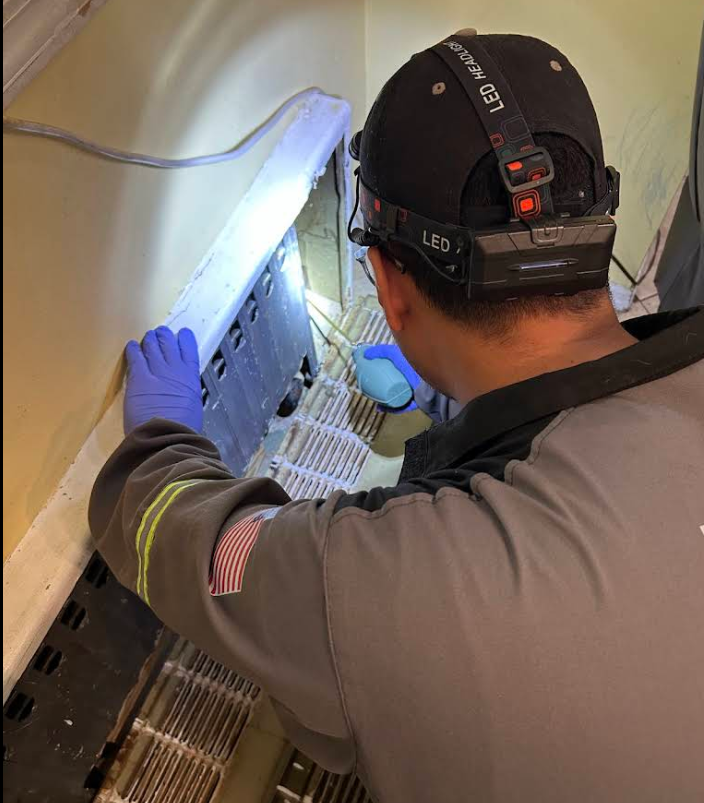
We do not just look for droppings and set traps. We inspect the property as a system.
Interior inspection includes:
Exterior inspection includes:
At the end of inspection, the goal is not a vague guess. The goal is a clear assessment of:
Once the problem is mapped, we reduce the current population using the right tools for the situation.
Trapping:
Baiting when appropriate:
We do not set traps and disappear. Population reduction only works when placements are monitored, adjusted, and interpreted correctly.
This is the most important part of the entire job.
If exclusion is skipped, the customer often ends up paying repeatedly for the same problem. That is not our approach.
We focus heavily on rodent access denial, rodent mitigation, and durable exclusion work.
Common exclusion work includes:
Common materials include:
Exclusion is where the money is, and where the long-term result is. This is exactly why exclusion-driven rodent control outperforms cheap extermination.
Even if the building is sealed, severe attractants still increase pressure. We identify what is helping rodents remain active.
Recommendations may include:
The point is not to lecture customers. The point is to remove what is supporting the infestation.
Step 5: Monitoring & Follow-Up — Rodent control is not a one-visit fantasy. We return as needed to:
Typical rodent timelines vary:
Customers who want long-term results should want follow-up. That is how serious control is done.
Droppings
Fresh droppings indicate active use of the space. Mouse droppings are smaller and pointed. Rat droppings are larger and thicker.
Scratching in walls or ceilings
Especially at night. This often indicates active travel routes or nesting inside structural voids.
Gnaw marks
On food packaging, cabinets, baseboards, doors, wires, and stored materials.
Grease marks / rub marks
Established rodent travel routes often leave oily smudges along repeated pathways.
Nesting material
Shredded paper, insulation, fabric, or other material in hidden zones.
Burrows
Especially relevant for exterior rat pressure near foundations, slabs, bushes, and debris areas.
Actual sightings
Daytime sightings usually indicate a more serious problem. By the time rodents are seen openly, the population may already be established.
Unusual pet behavior
Pets staring at walls, scratching at cabinets, or fixating on certain rooms can indicate hidden rodent movement.
Not enough traps
One or two store-bought traps do not control an established infestation.
Wrong placements
Rodents travel along edges and hidden routes, not across open floor centers.
No exclusion
This is the main failure. New rodents replace removed rodents when openings remain.
No access to hidden nesting zones
Customers cannot usually reach wall voids, basements, structural gaps, or concealed travel routes properly.
No monitoring or adjustment
Rodent control is dynamic. Trap placement and strategy must be adjusted based on response.
Unsafe or ineffective poison use
Improper rodenticide use creates safety issues and can lead to odor problems inside inaccessible spaces.
DIY is often cheaper at first and more expensive in the end.
Rodents are not just unpleasant. They create real health and property risks.
Health risks include:
Property risks include:
Authoritative references:
CDC: Rodents and Disease Risks
EPA: Rodenticides and Safe Use
NYC 311
Once the current problem is solved, prevention keeps it solved.
In multi-unit buildings, long-term success may require cooperation with management, neighboring units, and building-wide maintenance practices.
Mice: smaller, more curious, often nesting inside the structure, frequently requiring heavy interior trapping plus fine-detail exclusion.
Rats: larger, more cautious, often tied to exterior pressure, burrows, basements, and foundation-related vulnerabilities.
Treatment is not identical. Correct species identification affects inspection, baiting, trapping, exclusion priority, and timeline.
“One mouse is not a big deal.”
False. One visible mouse often means more are already present.
“Poison is the best solution.”
False. Poison alone does not solve access problems and creates its own risks.
“Clean buildings do not get rats.”
False. Rodents infest clean buildings when access exists.
“Ultrasonic devices work.”
Usually false. They do not replace trapping, inspection, or exclusion.
“Cats solve rodent problems.”
Not reliably. Rodents adapt, and cats do not seal buildings.
Rodent problems expand when ignored. They do not quietly go away.
We control the current population and seal the structure so the problem does not keep replacing itself.
Call +1 (347) 210-4646 or request service online. 24/7 service available.
Do you provide rodent control near me in NYC?
Yes. New York Exterminating provides rodent control for mice and rats throughout New York City.
Are you open now for emergency rodent service?
Yes. We are open 24/7 and may be able to respond quickly depending on demand and location.
Do you only set traps?
No. Traps are only one part of rodent control. Our core differentiator is exclusion-driven rodent mitigation.
How do you stop mice from coming back?
By identifying and sealing access points, reducing active populations, and correcting conditions that support reinfestation.
How much does rat control cost?
That depends on severity, building type, and whether exclusion work is needed. We provide free quotes when possible.
Do you work on houses, apartments, and commercial buildings?
Yes. We service residential, multi-unit, and commercial properties.
Midwood Rodent Control
Flatbush Pest Control
Kensington Pest Control
East Flatbush Pest Control
New York Exterminating, Inc.
1115 E 13th St, Brooklyn, NY 11230
Licensed & Certified Since 2010
Rodent-free buildings require control plus exclusion. We do both.
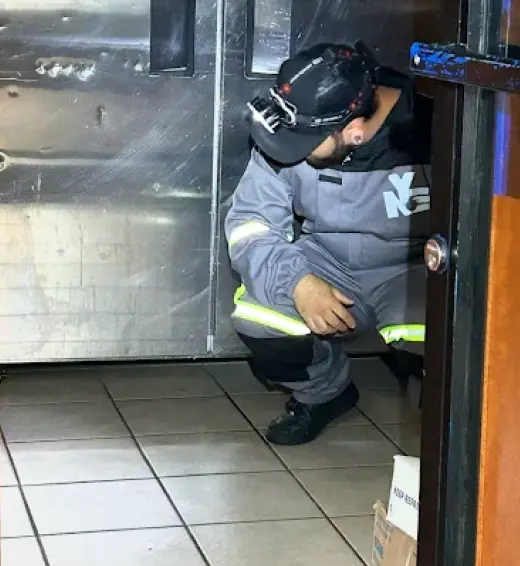
Effective rodent exclusion starts with reading a building the way a trained expert does. Our team is led by Jorge Bedoya, an Associate Certified Entomologist (ACE) credentialed by the Entomological Society of America (ESA) — so the work is done with ACE-level expertise and a formal Code of Ethics behind it, not guesswork.
Flexible payment options — pay over time
Larger job? You don’t have to pay it all at once. When you settle your invoice online you can pay by card, or split it into smaller payments with Klarna, Affirm, or Afterpay — and we still get your service started right away. Pay-over-time is subject to eligibility; terms are set by each provider.
It matters a lot. Mice are curious and nest indoors in small spaces; rats are cautious, burrow, and need more food and water. The baiting, trapping, and exclusion strategy differs for each, so we identify the species and entry pattern before treating.
We combine trapping and baiting to knock down the active population with exclusion — sealing every gap, pipe penetration, and entry point so new rodents can’t get back in. Without exclusion, rodents simply keep returning, which is why trapping alone never lasts.
Exclusion is sealing the structural gaps rodents use to get inside — around pipes, vents, foundations, and door sweeps. Mice fit through a dime-sized hole and rats through a quarter-sized one. It’s the single most important step for keeping them out permanently.
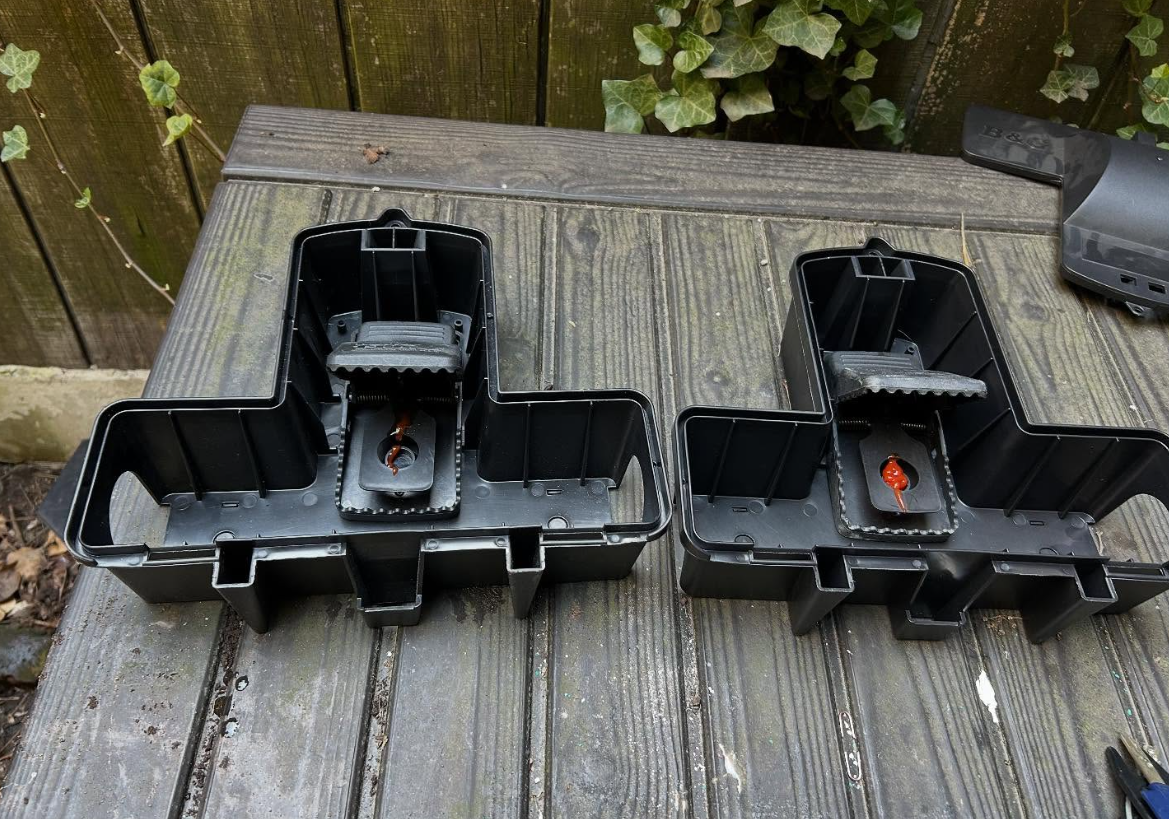
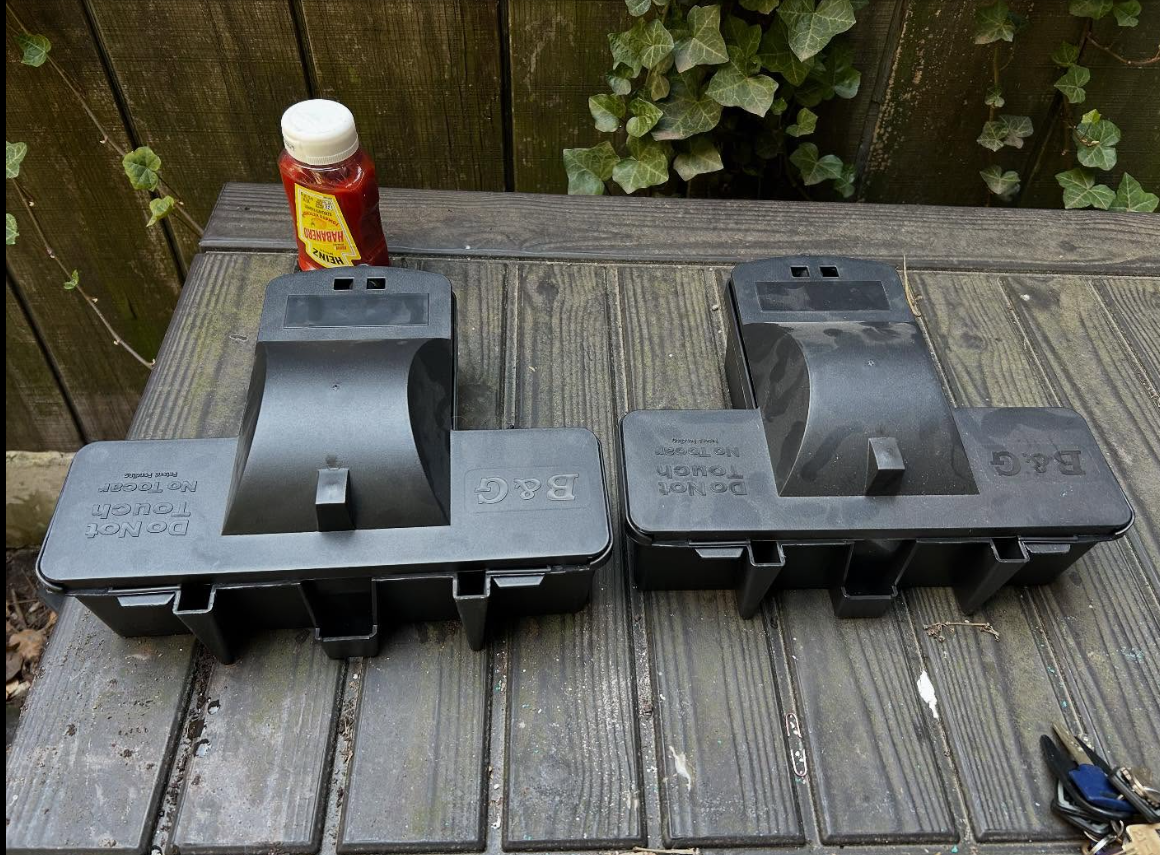
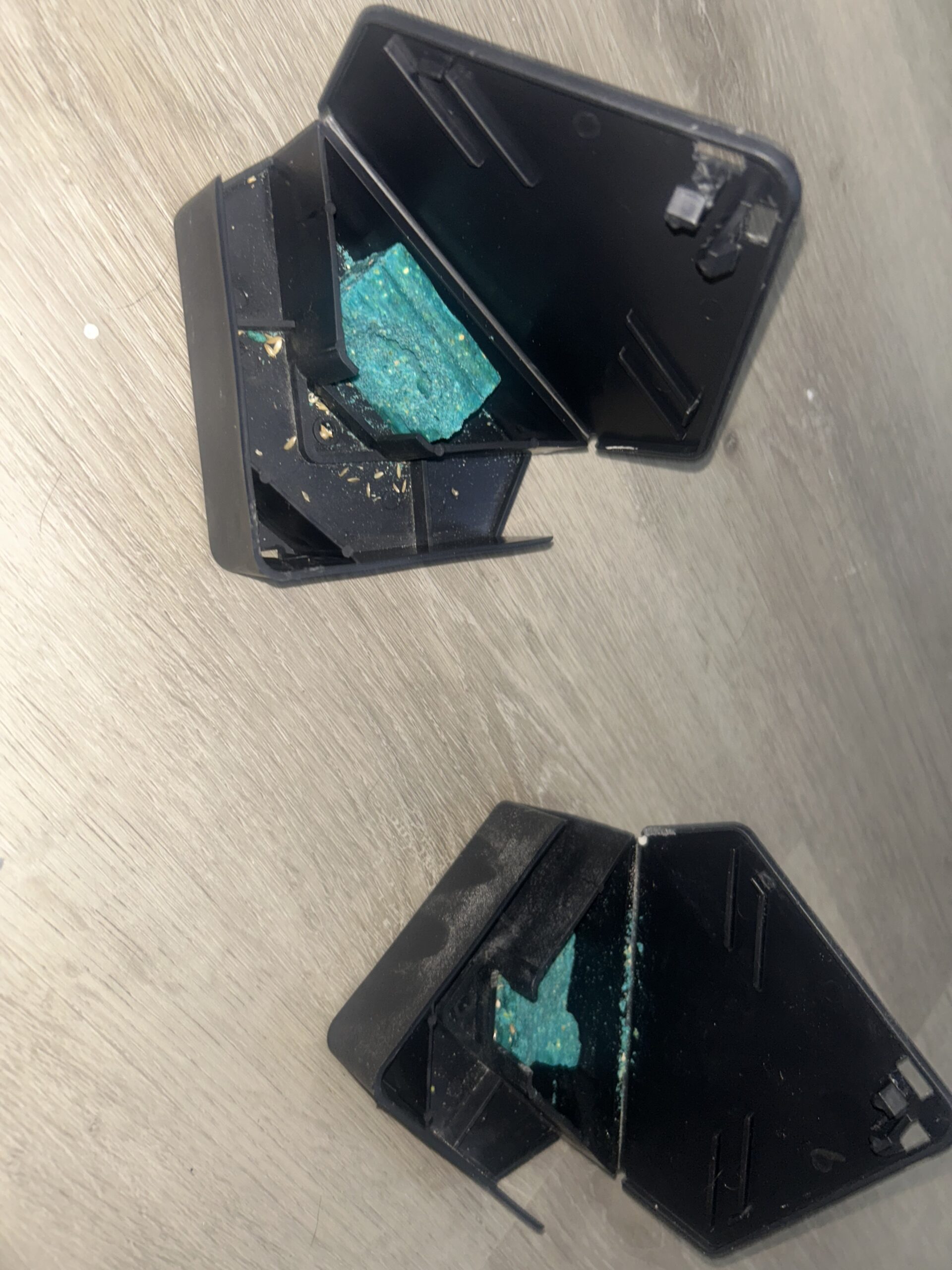
Yes. We use tamper-resistant bait stations and strategically placed traps in areas pets and children can’t access, following an integrated approach that emphasizes exclusion over open poison. We’ll review placement with you.
Rodents come for shelter, warmth, and any food or water source, and NYC’s density, shared walls, and aging buildings give them endless access. Even clean homes get them, especially in fall when they move indoors to escape the cold.
Yes. Beyond removal, we seal entry points and can advise on decontamination of droppings and nesting materials, which carry health risks. For attics and heavy infestations we offer cleanup and restoration so the space is safe again.
You’ll see activity drop within the first week or two of trapping and baiting. Full resolution depends on the infestation size and completing exclusion; heavier cases need follow-up visits to confirm the structure is sealed and clear.
No. Rodent work focuses on entry points, basements, attics, and perimeter areas, so you can stay home. We’ll point out any bait station or trap locations to keep children and pets away from.
Yes. Our rodent service is dependable — if rodents return between scheduled visits, we come back and re-treat at no extra charge. We are a licensed, ACE-certified company serving all five boroughs.
Lasting rodent control means removing the population and sealing the building so it can’t refill. Our ACE-led program combines:
Bait alone never solves a rodent problem — it just refills it. Our lead technician specializes in rodent management and documentation, so you get a sealed building and a paper trail.
Every job is led by an Associate Certified Entomologist. Meet Jorge Bedoya, ACE — the NYC Exterminator »
New York Exterminating is Brooklyn-based and covers the whole city — the same Associate Certified Entomologist–led service in every borough:
Brooklyn · Manhattan · Queens · The Bronx · Staten Island · Yonkers · White Plains · Nassau County
Rodent identification guides
Related: Rat Mitigation Zone compliance · ¿Español? Control de ratas y ratones »
No. We don’t lock you into monthly spray contracts or forced annual agreements.
Yes. The same technician services your property on every visit, so the plan and history stay consistent.
We serve all five boroughs plus Nassau and Westchester, in English and Spanish, from our Midwood, Brooklyn base.
{“@context”:”https://schema.org”,”@type”:”FAQPage”,”mainEntity”:[{“@type”:”Question”,”name”:”Do you require a monthly contract?”,”acceptedAnswer”:{“@type”:”Answer”,”text”:”No. We do not lock you into monthly spray contracts or forced annual agreements.”}},{“@type”:”Question”,”name”:”Will the same technician handle my property each visit?”,”acceptedAnswer”:{“@type”:”Answer”,”text”:”Yes. The same technician services your property on every visit, so the plan and history stay consistent.”}},{“@type”:”Question”,”name”:”What areas do you serve?”,”acceptedAnswer”:{“@type”:”Answer”,”text”:”We serve all five boroughs plus Nassau and Westchester, in English and Spanish, from our Midwood, Brooklyn base.”}}]}












Designed & Managed with 💛 By
NYC rat and mouse control done right: trapping, cleanup, and building exclusion so they can't get back in. Guaranteed.