Straight answers from a licensed New York exterminator and Associate Certified Entomologist (ACE) — serving all five boroughs, in English and Spanish.
Get a Free Estimate →⏱ 9 min read
Why German Cockroach Treatments Fail in NYC Apartment Buildings (And How to Actually Eliminate Them)
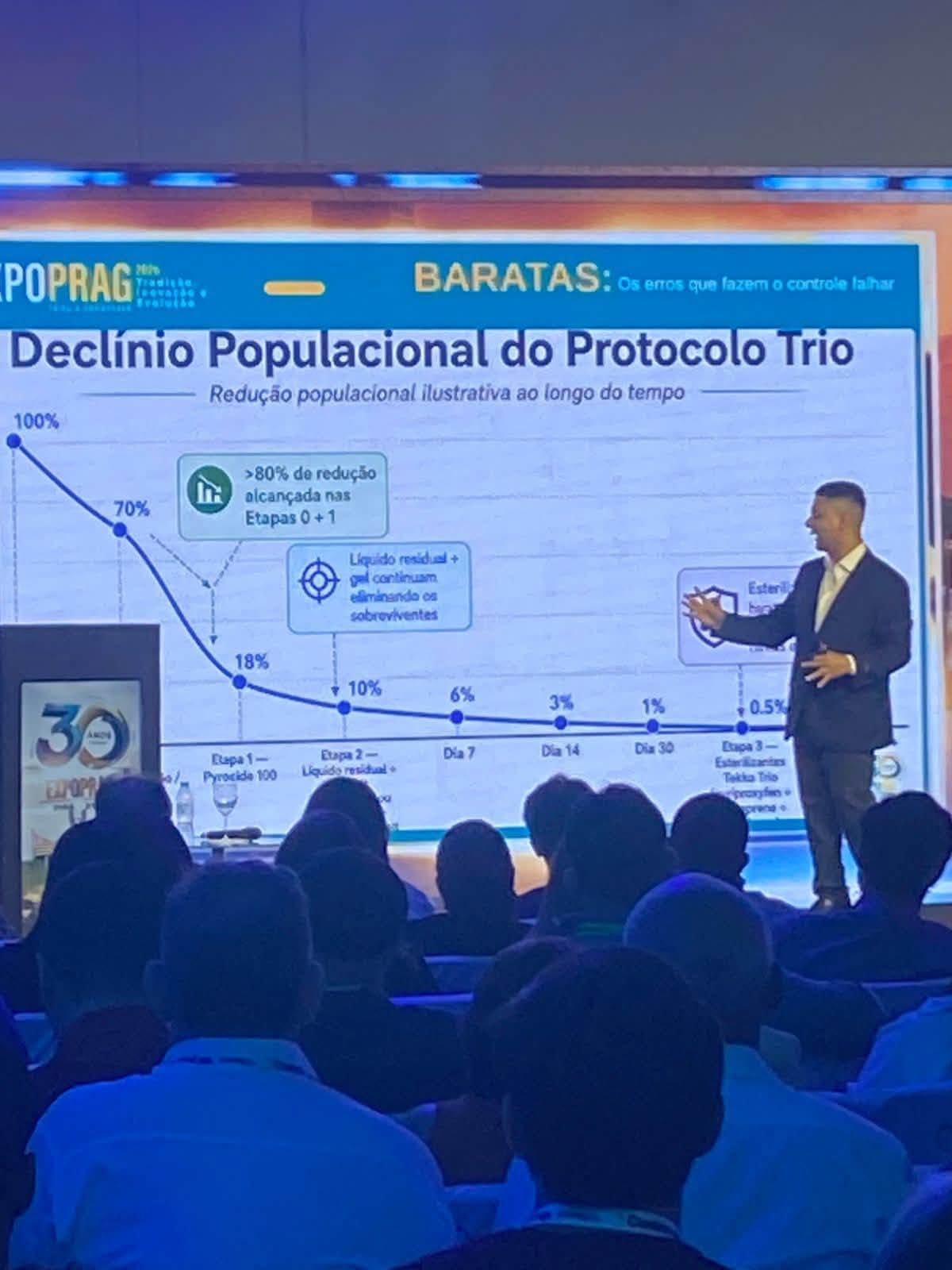
If you live in a New York City apartment building and your German cockroach problem keeps coming back, you are not alone.
In most cases, the issue is not that the exterminator “did nothing.” The issue is that the wrong strategy was used.
German cockroach infestations in NYC multi-unit buildings are fundamentally different from infestations in single-family homes because apartments are connected, populations migrate, and “spray-only” work rarely shuts down reproduction.
Need help now? If you’re dealing with reinfestation issues, our professional German Cockroach Extermination in NYC program is designed specifically for multi-unit buildings.
Quick Answer: Why German Roaches Keep Coming Back in NYC Apartments
- Migration: roaches move between units through shared plumbing and wall voids.
- Repellent-heavy spraying: shortens exposure time and reduces bait contact.
- Reproduction: one ootheca can produce 30–40 offspring—rebound happens fast if reproduction isn’t disrupted.
- Elimination requires: life-cycle disruption, non-repellent exposure/transfer, monitoring, and source containment when needed.
What You’ll Learn in This Article
- Why apartment-building infestations behave differently than single-family homes
- Why spray-only approaches fail (and sometimes make things worse)
- Why reproduction control is the real “make-or-break”
- How to diagnose whether your roaches are local vs. migrating
- Why verification (a second visit) separates elimination from temporary control
The Real Problem: NYC Apartment Buildings Are Connected
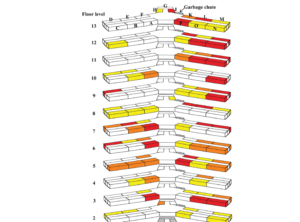
In high-rises, condominiums, and attached homes with shared kitchen walls, apartments are structurally connected through:
- Shared plumbing lines
- Electrical conduits
- Wall voids
- Ceiling and floor penetrations
German cockroaches use these pathways to migrate between units. Treating one apartment without addressing migration often results in reinfestation weeks later.
Bottom line: In a connected building, you’re not only treating “your kitchen.” You’re treating a system.
If you want elimination (not repeated callbacks), start with a program built for NYC buildings: German Cockroach Extermination in NYC.
Why Spray-Only Cockroach Treatments Fail
Many pest control companies rely heavily on repellent spray applications. In NYC apartment buildings, this often underperforms because it does not create enough repeated exposure where German roaches actually live.
Repellents can:
- Shorten exposure time (avoidance behavior)
- Push roaches deeper into cracks and voids
- Reduce gel bait contact and feeding
- Interfere with life-cycle disruption when exposure is inconsistent
This creates temporary quiet — not elimination. In multi-unit buildings, repellent overuse can even push cockroaches into neighboring apartments and back again.
German Cockroach Biology: Why Reproduction Matters
A single German cockroach ootheca can produce 30–40 offspring. If reproduction is not disrupted, one roach can quickly become dozens.
Effective elimination in NYC buildings requires:
- Life-cycle disruption (stop growth + stop reproduction)
- Repeated exposure in aggregation zones (where roaches naturally cluster)
- Proper chemistry selection (surface and resistance awareness)
- Migration detection (identify source vs. migrants)
What Actually Works in NYC Apartment Buildings
A proper elimination protocol includes:
- Crack-and-crevice treatment in aggregation zones (not baseboard theater)
- Non-repellent residual strategy selected by surface type
- Professional gel bait placement where roaches feed and share exposure
- Life-cycle disruption (IGR strategy) to prevent rebound
- Follow-up monitoring to confirm elimination and detect migration
Non-repellents allow repeated exposure and transfer. Life-cycle disruption prevents rebound. Monitoring confirms whether remaining activity is local or migrating from adjacent units.
This is why our NYC program is built for elimination, not “spray and manage”: German Cockroach Extermination in NYC.
How Migration Is Detected (Local vs. Migrant Roaches)
After treatment, monitoring patterns tell the real story.
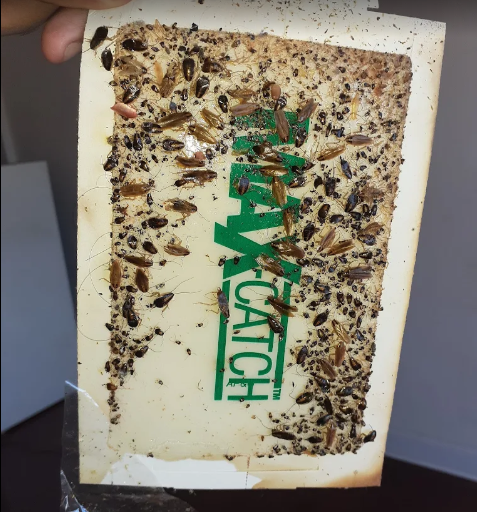
- If repeated captures show fully developed normal adults—especially males— migration from neighboring units may be occurring.
- If developmental disruption is observed over time, exposure occurred within the treated unit and the breeding population is being pressured.
This diagnostic step is critical in multi-family housing. It’s how you stop reinfestation cycles and achieve true elimination.
Why Two Visits Are Often Necessary
In NYC apartment buildings, verification matters. A second visit allows:
- Confirmation of life-cycle shutdown
- Evaluation of migration pressure
- Retargeting of remaining hotspots
- Activation of source-containment if neighbors are driving reinfestation
Without verification, elimination cannot be confirmed. In multi-unit buildings, “one and done” claims are often what keeps people stuck in repeat infestations.
The Bottom Line
German cockroach elimination in NYC apartment buildings requires more than spraying.
It requires:
- Biology-driven strategy
- Non-repellent exposure
- Migration detection
- Coordinated containment when necessary
If you are dealing with recurring German cockroach infestations in Brooklyn or anywhere in NYC, the issue may not be effort. It may be strategy.
If you’re ready to stop the cycle of reinfestation, schedule a German Cockroach Extermination in NYC inspection today.
Action Plan: What to Do If Roaches Keep Coming Back
- Stop using repellent sprays that push roaches deeper and reduce bait contact.
- Reduce food and water availability (wipe grease, seal food, fix leaks).
- Focus on hot zones: under sinks, behind stove/fridge, cabinet hinges, appliance voids.
- Use monitoring traps to track activity and identify patterns.
- Get a program designed for multi-unit buildings that includes verification and migration detection.
A Brooklyn-based, NYSDEC-registered company (Reg. #15140) led by Jorge Bedoya, an Associate Certified Entomologist (ACE). For cockroaches, NYE provides a non-repellent microinjection protocol for German cockroaches, placed at the harborage, plus a triple-active IGR. ACE-led work comes with a client portal of service reports and photos, fully bilingual service, and no long-term contract.
FAQs: German Cockroach Treatments in NYC Apartment Buildings
Why do German cockroach treatments fail in NYC apartment buildings?
Most treatments fail because they rely on repellent-heavy spraying and ignore migration between units. In multi-unit buildings, cockroaches move through shared plumbing and structural voids. If reproduction is not disrupted and neighboring sources aren’t addressed, reinfestation is likely.
Can German cockroaches migrate from my neighbor’s apartment?
Yes. German cockroaches migrate through shared plumbing lines, electrical conduits, wall voids, and ceiling/floor penetrations. In NYC buildings, what appears to be “your infestation” may actually be pressure from adjacent units.
Why does spraying sometimes make roaches worse?
Repellent sprays can push cockroaches deeper into voids, shorten exposure time, and reduce gel bait contact. This often creates temporary quiet followed by rebound activity.
How fast do German cockroaches reproduce?
A single egg case (ootheca) can produce 30–40 offspring. In warm kitchens, development can be rapid. Without life-cycle disruption, populations expand quickly.
What is the difference between elimination and management?
Management reduces visible activity temporarily. Elimination shuts down reproduction, collapses the breeding population, and addresses migration sources. In multi-unit buildings, elimination requires verification and source containment when needed.
Why are two visits often recommended in apartment buildings?
The second visit verifies that reproduction has been disrupted and helps confirm whether remaining activity is local or migrating from adjacent units. Verification is critical in multi-family housing.
How do you know if roaches are coming from another unit?
Monitoring patterns provide diagnostic clues. Repeated captures dominated by fully normal adults (often males) can indicate maturation occurred in an untreated unit and migration is present. When migration is suspected, structural adjacency and neighboring sources should be evaluated.
How long does it take to eliminate German cockroaches in NYC apartments?
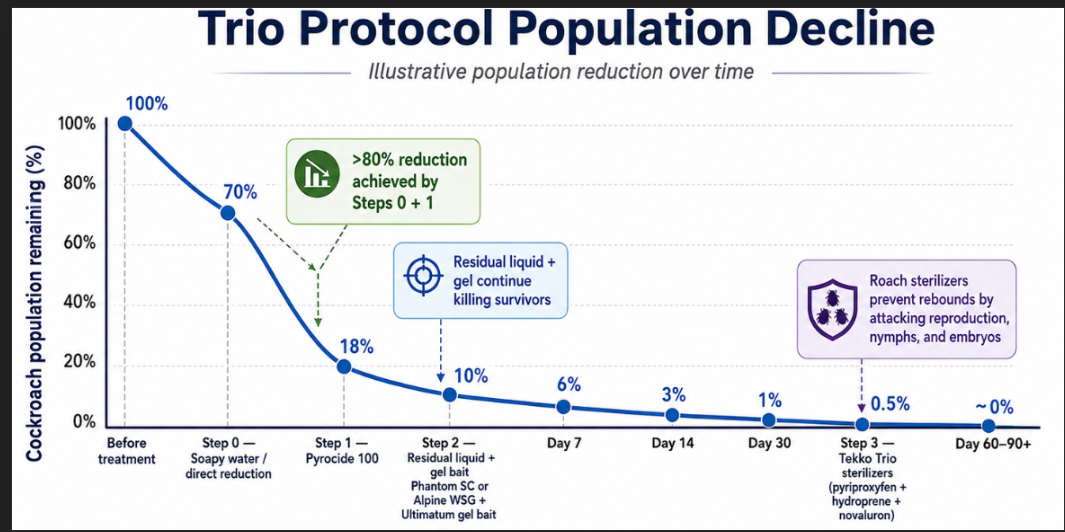
Many properly prepared units see significant reduction within 7–10 days. Full elimination typically occurs within 2–4 weeks, depending on preparation, sanitation, clutter, and migration pressure from surrounding units.
Do over-the-counter products work for German cockroaches?
DIY sprays often scatter cockroaches deeper into walls and interfere with professional baiting strategies. Without proper chemistry selection and life-cycle control, infestations frequently rebound.
When should I call a professional German cockroach exterminator in NYC?
If you are seeing daytime activity, repeated reinfestation, or roaches returning weeks after treatment, professional intervention is recommended—especially in apartment buildings where migration is common.
Need Professional German Cockroach Elimination in NYC?
New York Exterminating Inc.
1115 E 13th St, Brooklyn, NY 11230
Call 347-210-4646
Service page: German Cockroach Extermination in NYC
Dealing with this pest now? See our cockroach control — ACE-led, no contracts, all five boroughs. Call (347) 210-4646 for a free estimate.
Why New Yorkers choose NYE
Led by an ACE
Every job is overseen by Jorge Bedoya, an Associate Certified Entomologist (ESA) — not a call center.
No contracts
One thorough treatment with an optional 50%-off verification visit. No auto-renewal, no lock-in.
Elimination, not spraying
Resistance-aware methods — including our signature microinjection — that target the source, with documentation.
Licensed & local
NYSDEC Reg. #15140, serving all five boroughs since 2010. Fully bilingual (EN/ES).
Backed by science, not guesswork. Your treatment is led by Jorge Bedoya, an Associate Certified Entomologist (ACE) credentialed by the Entomological Society of America — correct pest ID, resistance-aware products, and a documented plan.
What happens after you call
- Fast response. Call (347) 210-4646 — same-day appointments are often available, including after-hours emergencies.
- Inspection & ID. We confirm the pest and find the source, not just where you saw it.
- Targeted treatment. A resistance-aware plan matched to the pest, explained before we start.
- Verification & prevention. Optional follow-up to confirm zero activity, plus reports and photos in your client portal.