Straight answers from a licensed New York exterminator and Associate Certified Entomologist (ACE) — serving all five boroughs, in English and Spanish.
Get a Free Estimate →⏱ 35 min read
A complete, step-by-step guide to treating clothes moths the way they should be treated, from someone who is obsessive about them. Every garment screened, every probe logged, every stage of the life cycle accounted for.
Written by Jorge Bedoya, ACE · NYSDEC #15140 · New York Exterminating, Midwood, Brooklyn
- The method, in pictures
- Not sure what you have? Send photos to an ACE
- Why October through spring is moth season in NYC
- Brownstones, pre-war co-ops and rentals: what is different in New York
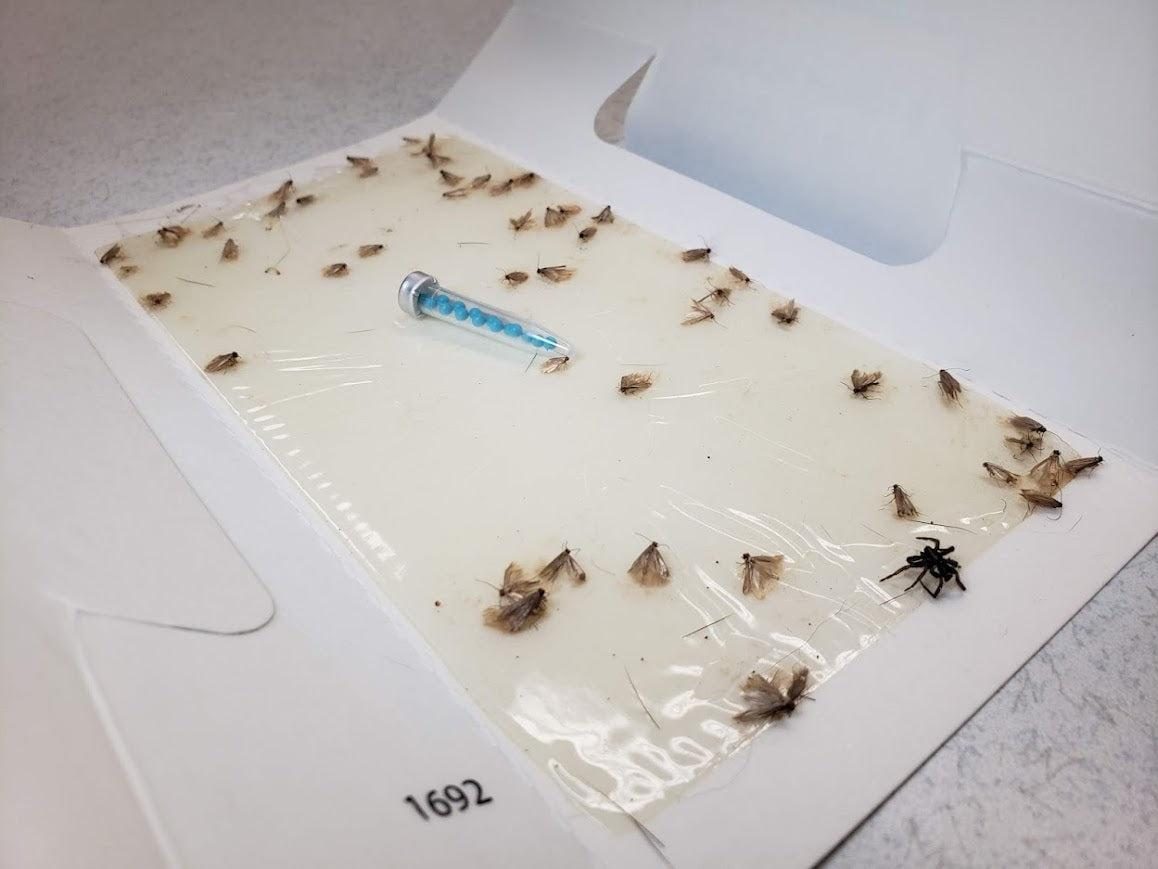
- How clothes moths live, and why traps mislead
- How heat actually kills them
- What can and can’t go in the chamber
- Can it go in the chamber? Check your item
- Brand-by-brand screening guide
- Fabric and material guide
- Never in the chamber: the complete list
- How a load is verified
- The layered NYE protocol
- Fire alarms, detectors and sprinklers: the pre-job plan
- Nuvan strip compatibility: what the contained vapor step can and cannot go near
- Base-oil aerosol knockdown for adults
- The service day, step by step
- Heat vs freezing vs dry ice vs vapor
- What to expect, week by week
- Prep checklist
- Cost and what drives it
- Add-ons: rugs, furniture and carpet beetles
- The storage-season program
- Your treatment report: proof for your building and your insurer
- Myths, questions people ask, and troubleshooting
- Glossary and sources
- Related moth guides
- Clothes moth heat treatment FAQ
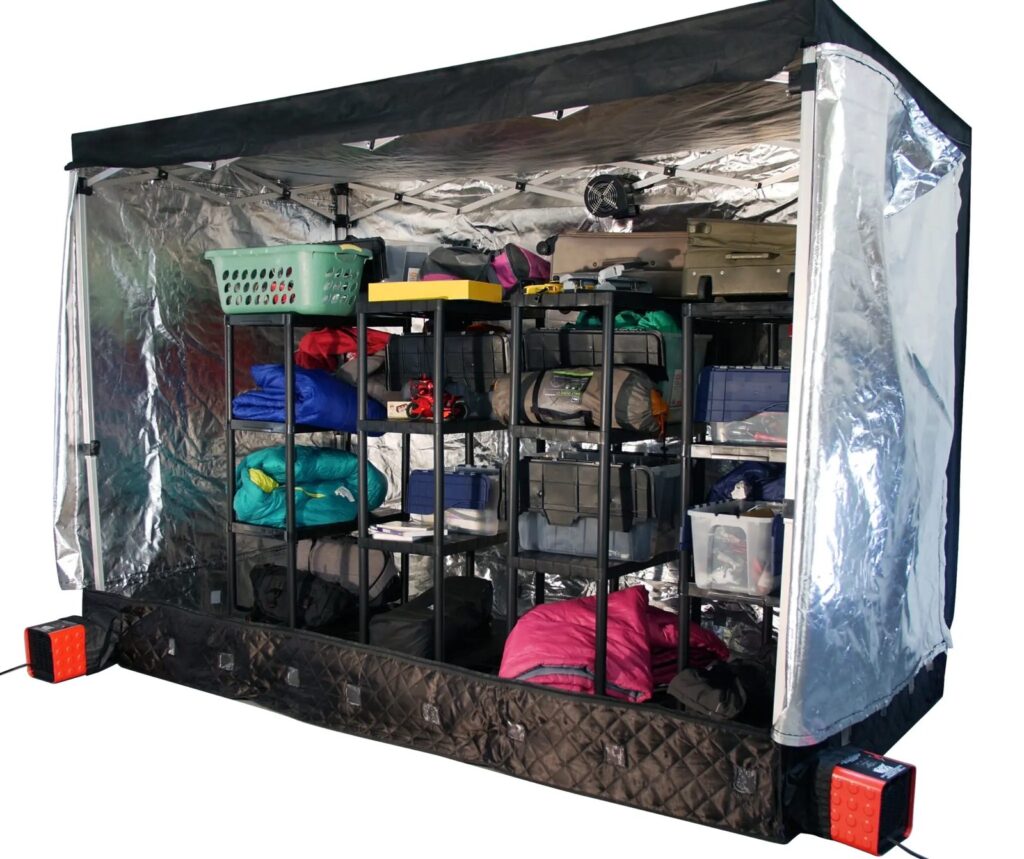
1 The method, in pictures
NYE Private Client
Estate wardrobes on Long Island and in Westchester are handled under our appointment-only Private Client moth program: every garment assessed by an ACE, processed on site so nothing leaves your home, and documented in a written report. Programs from $3,000 in Manhasset, Old Westbury, the Gold Coast, Scarsdale and Rye and Purchase.
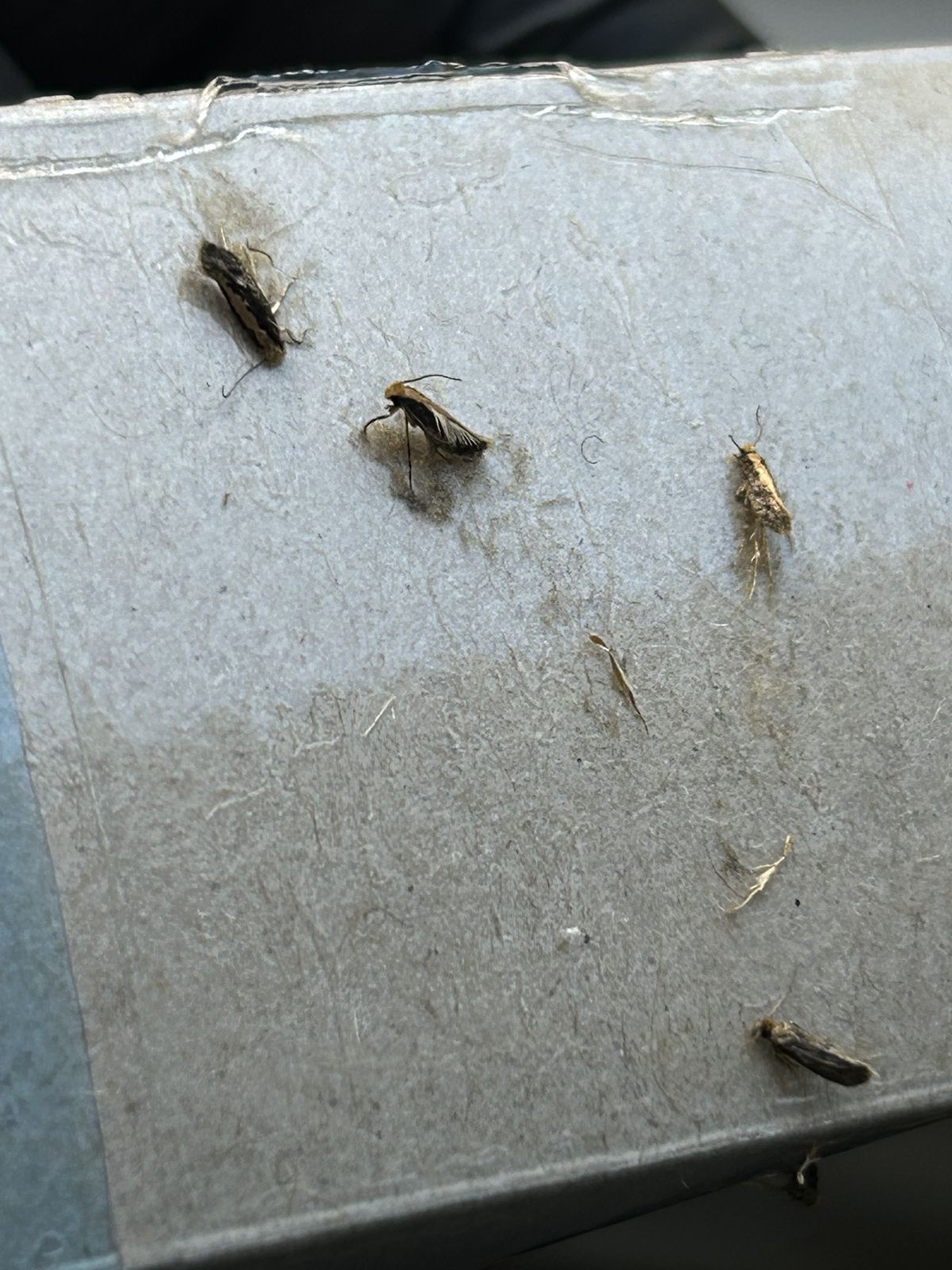
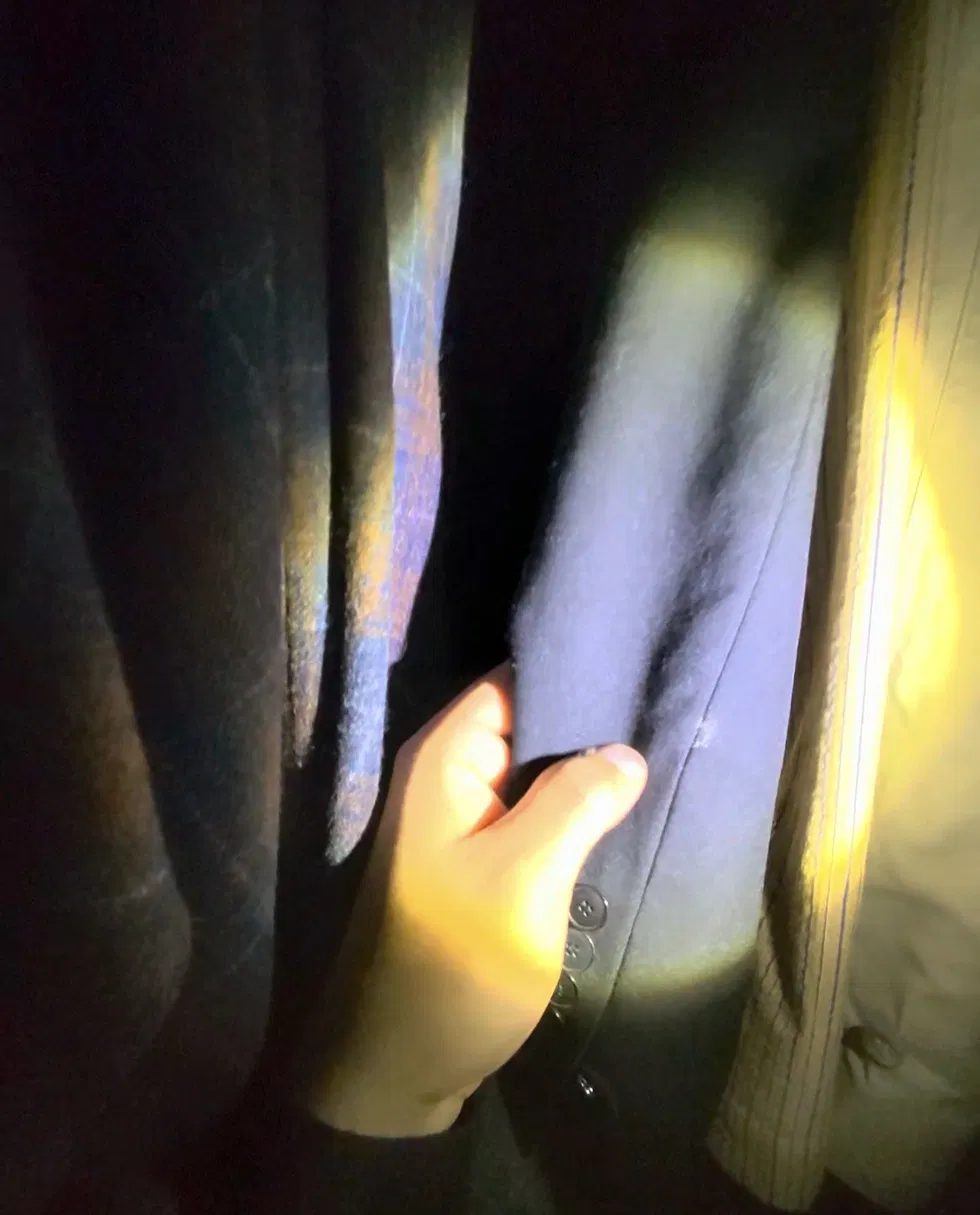
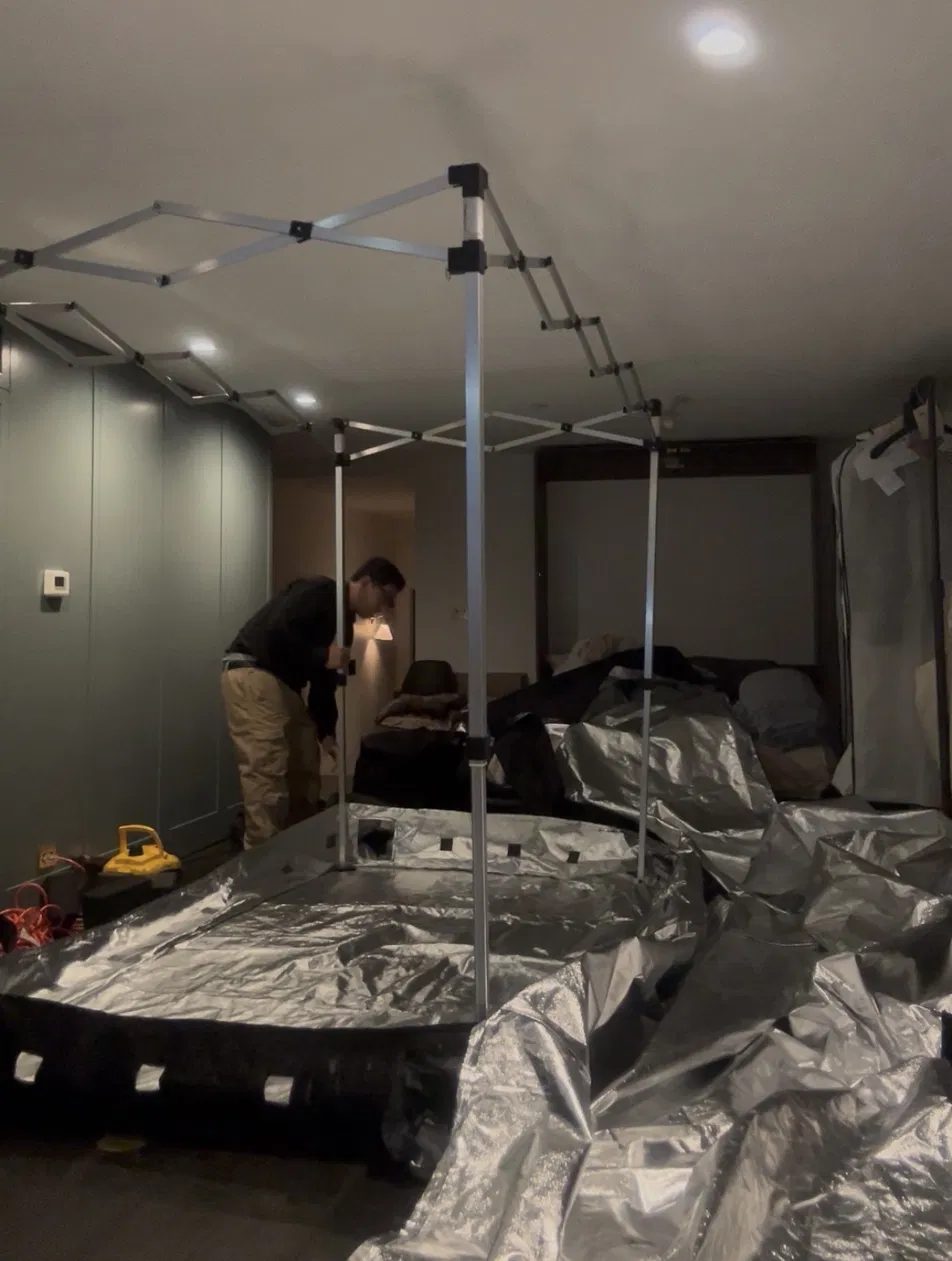
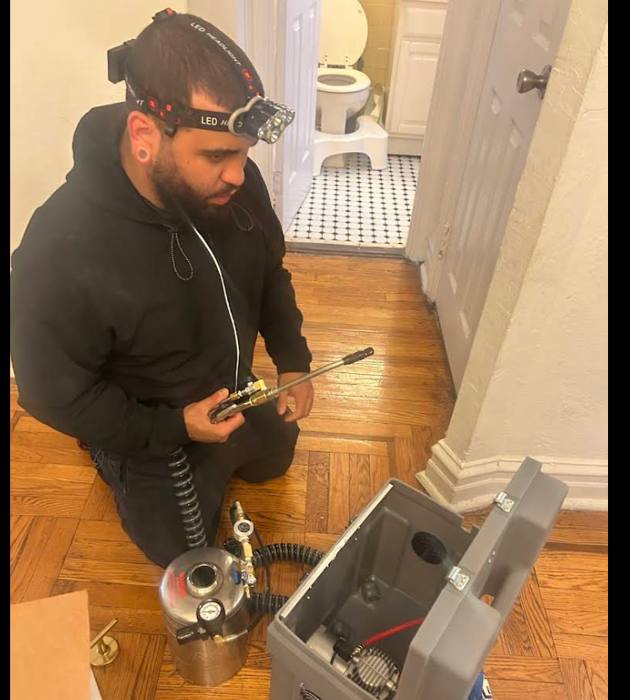
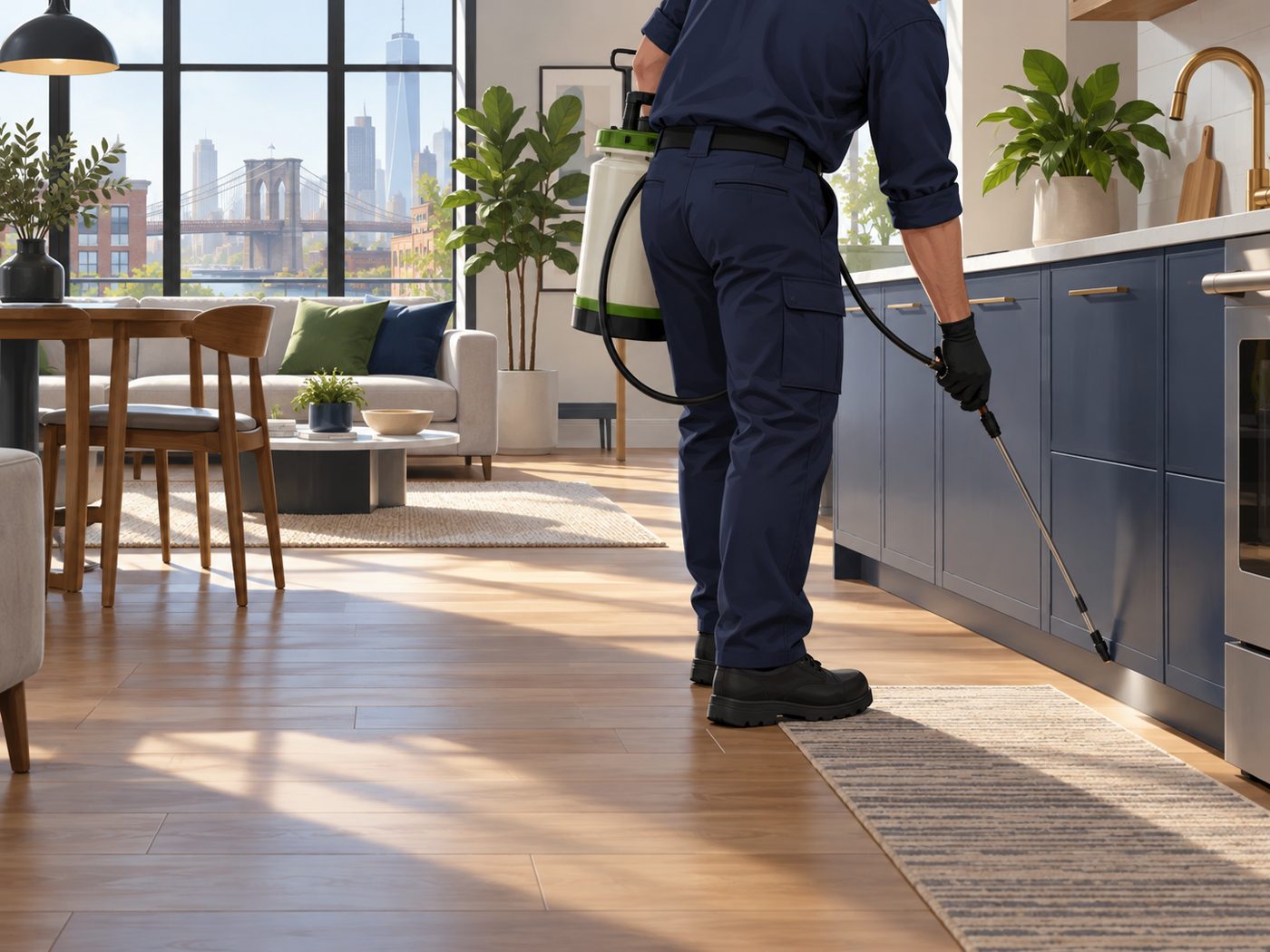
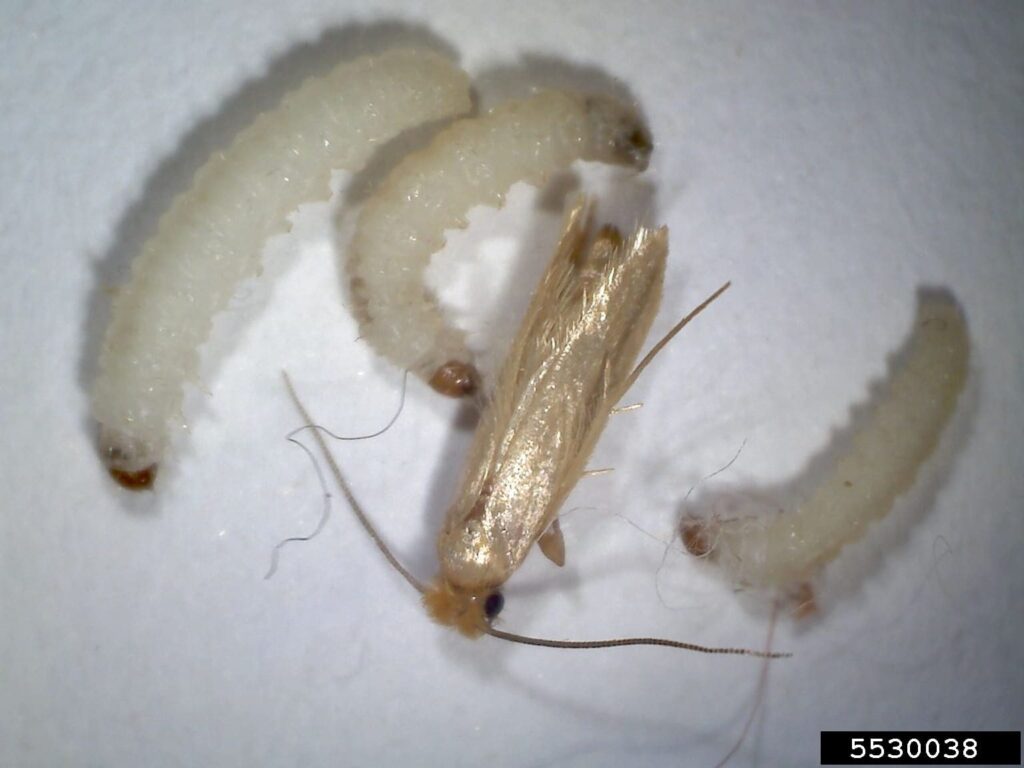
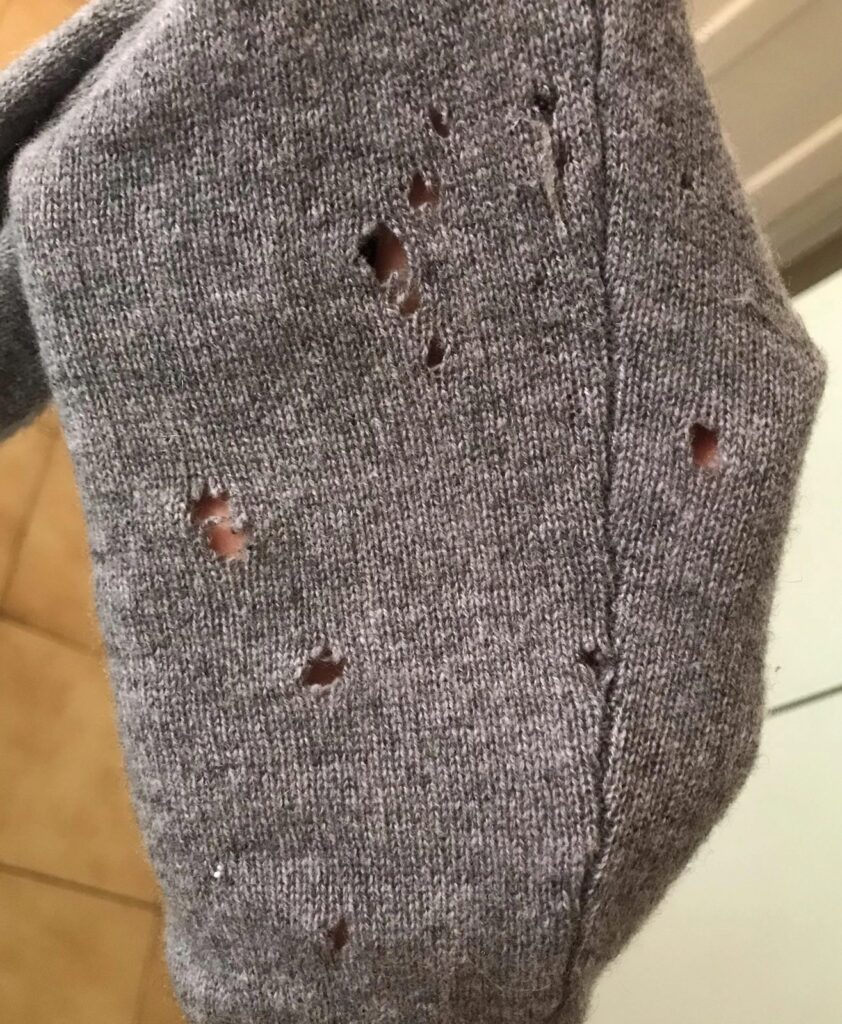
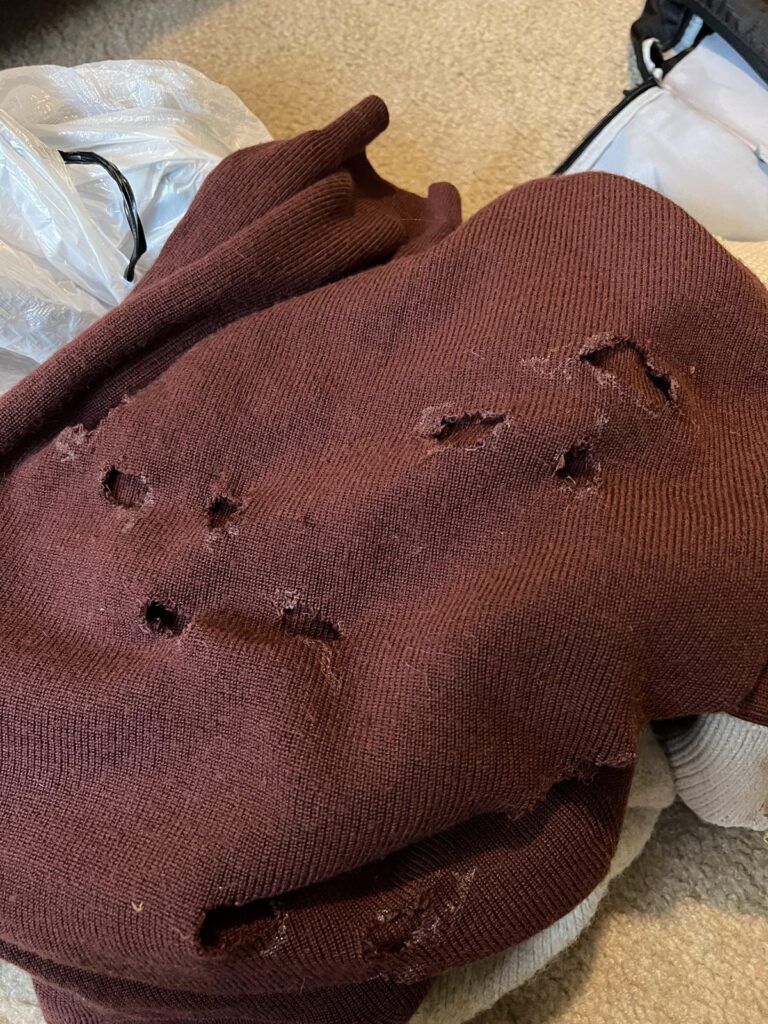
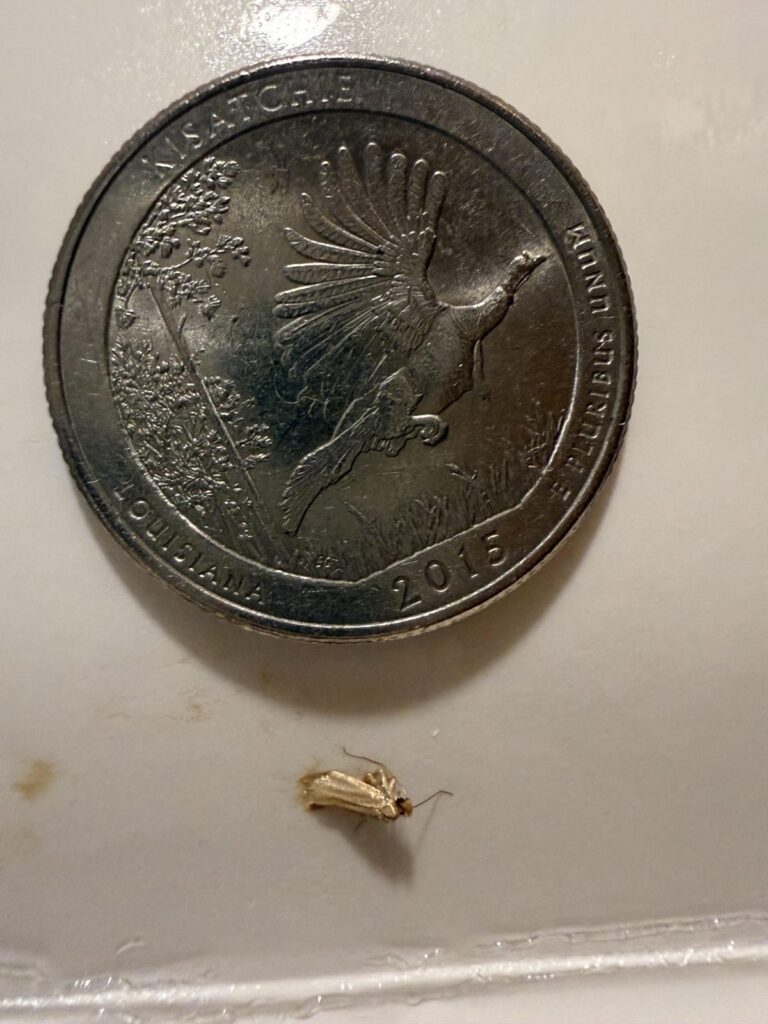
Most pages describe moth treatment in the abstract. Here is every stage as we actually run it, in a real Brooklyn brownstone.
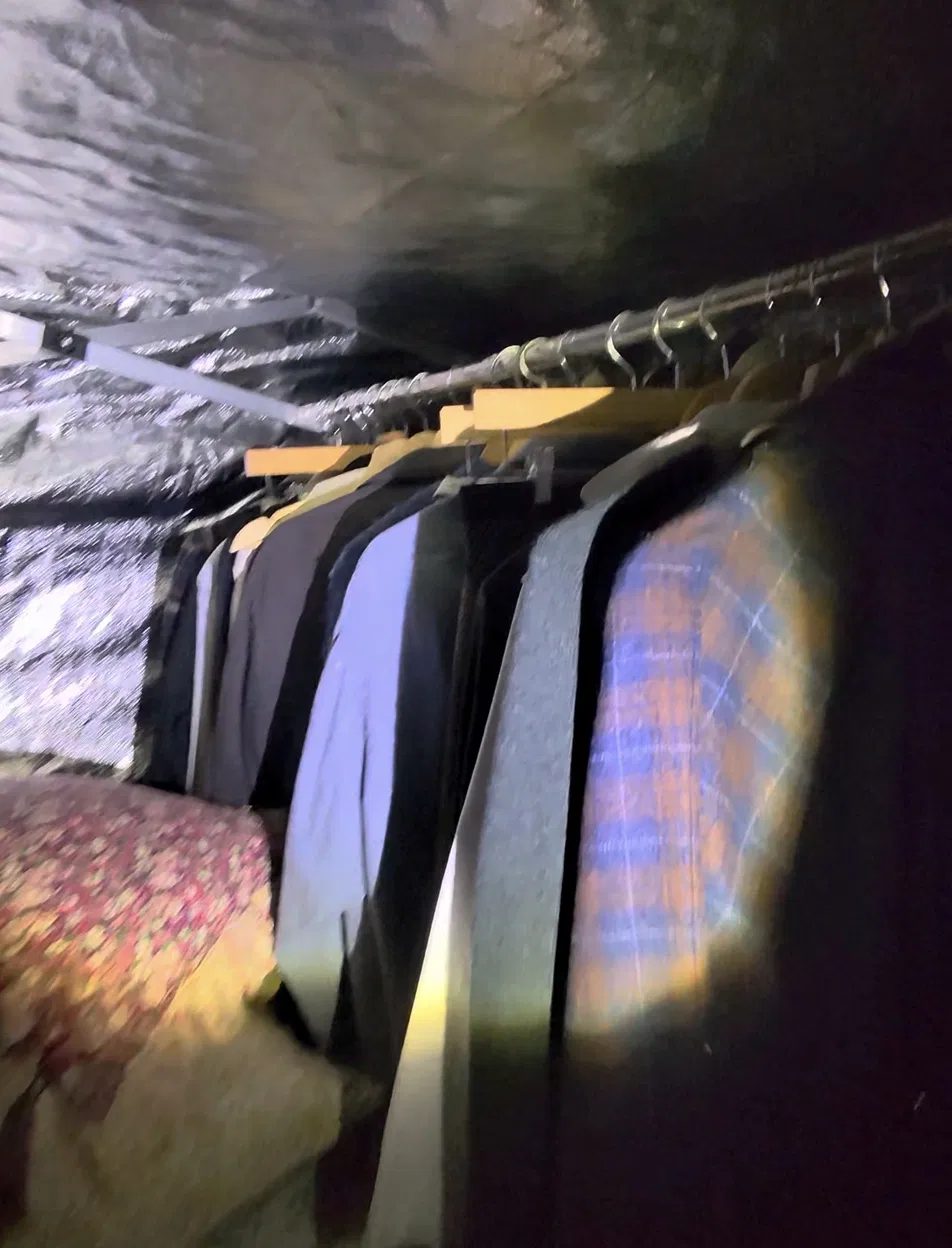
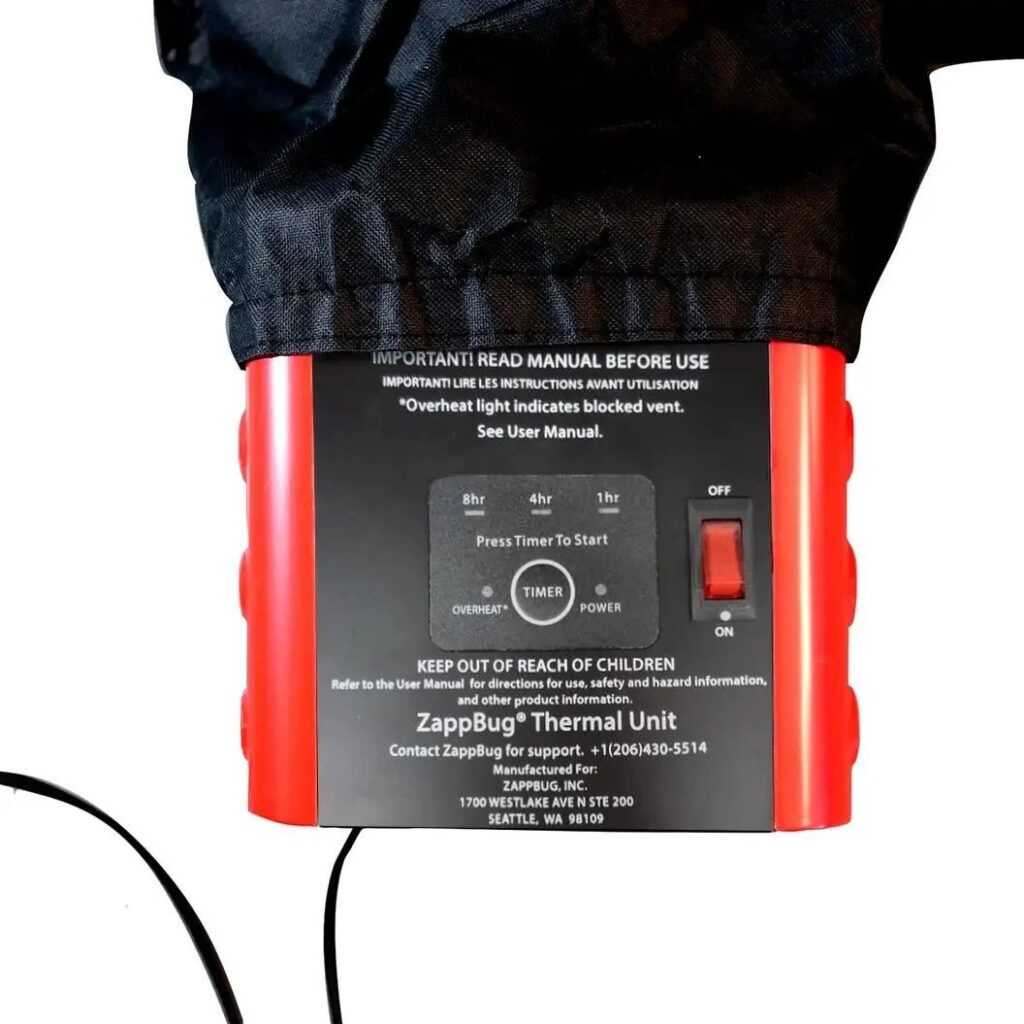
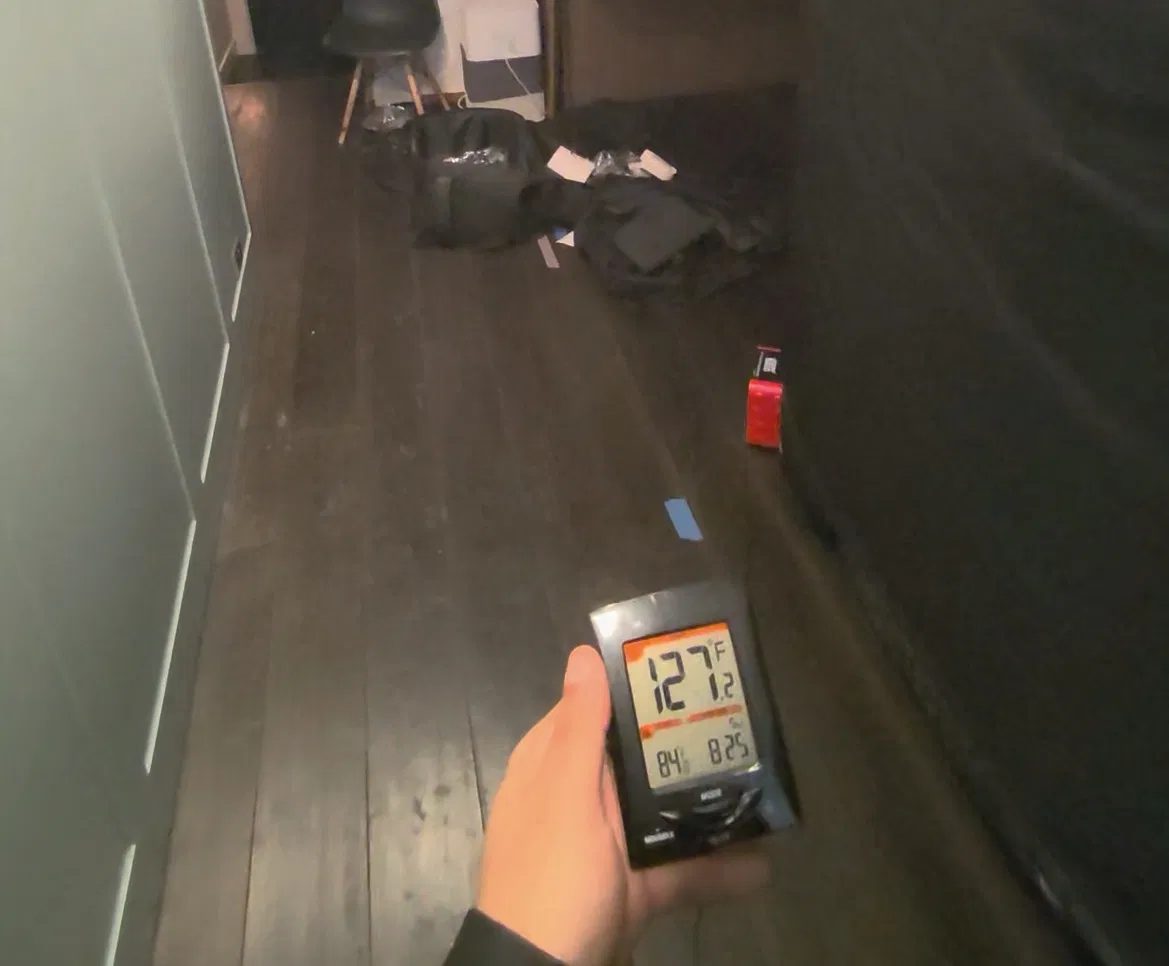
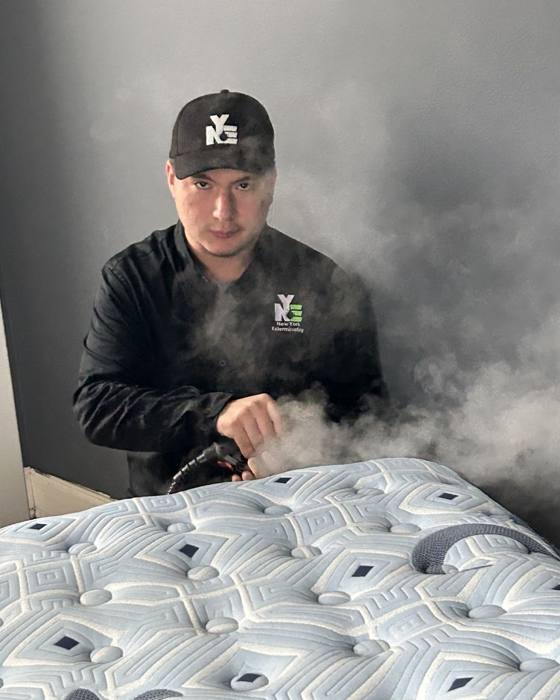
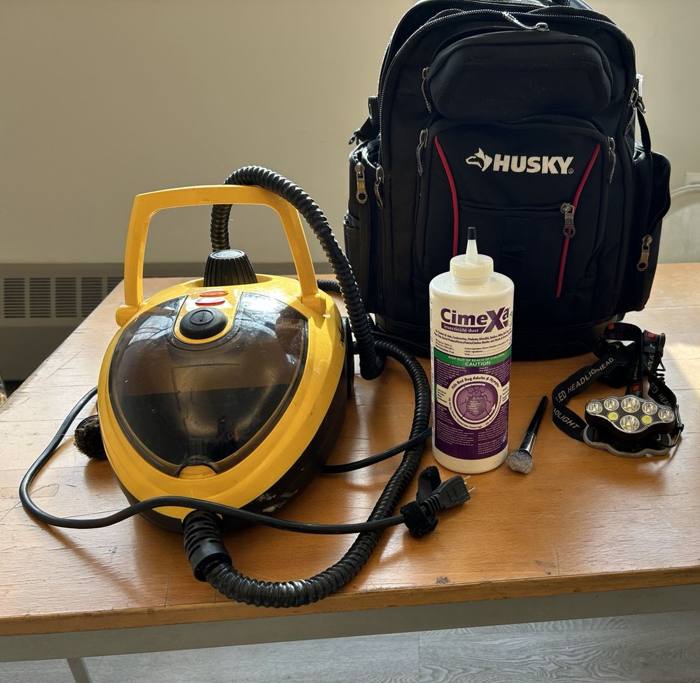
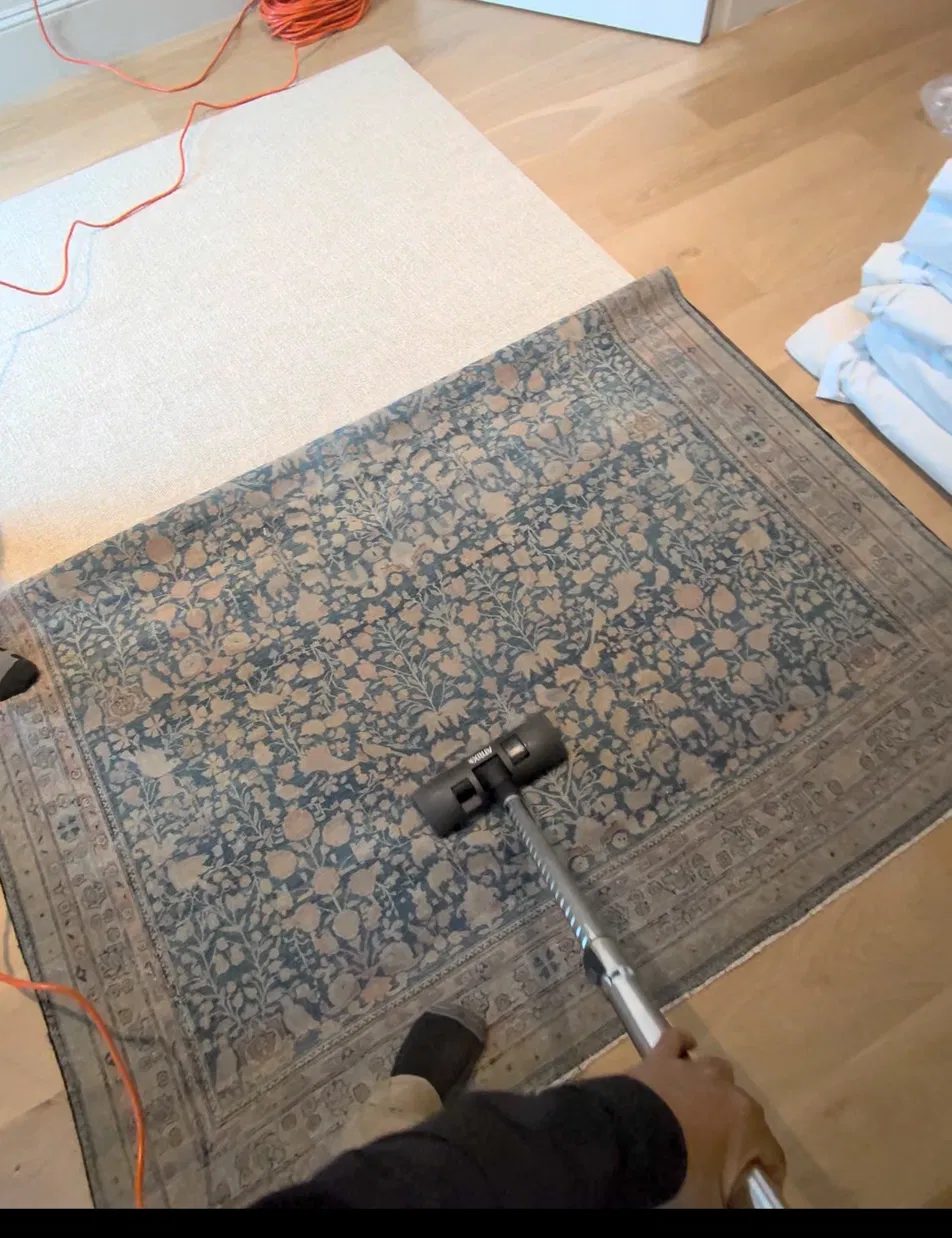
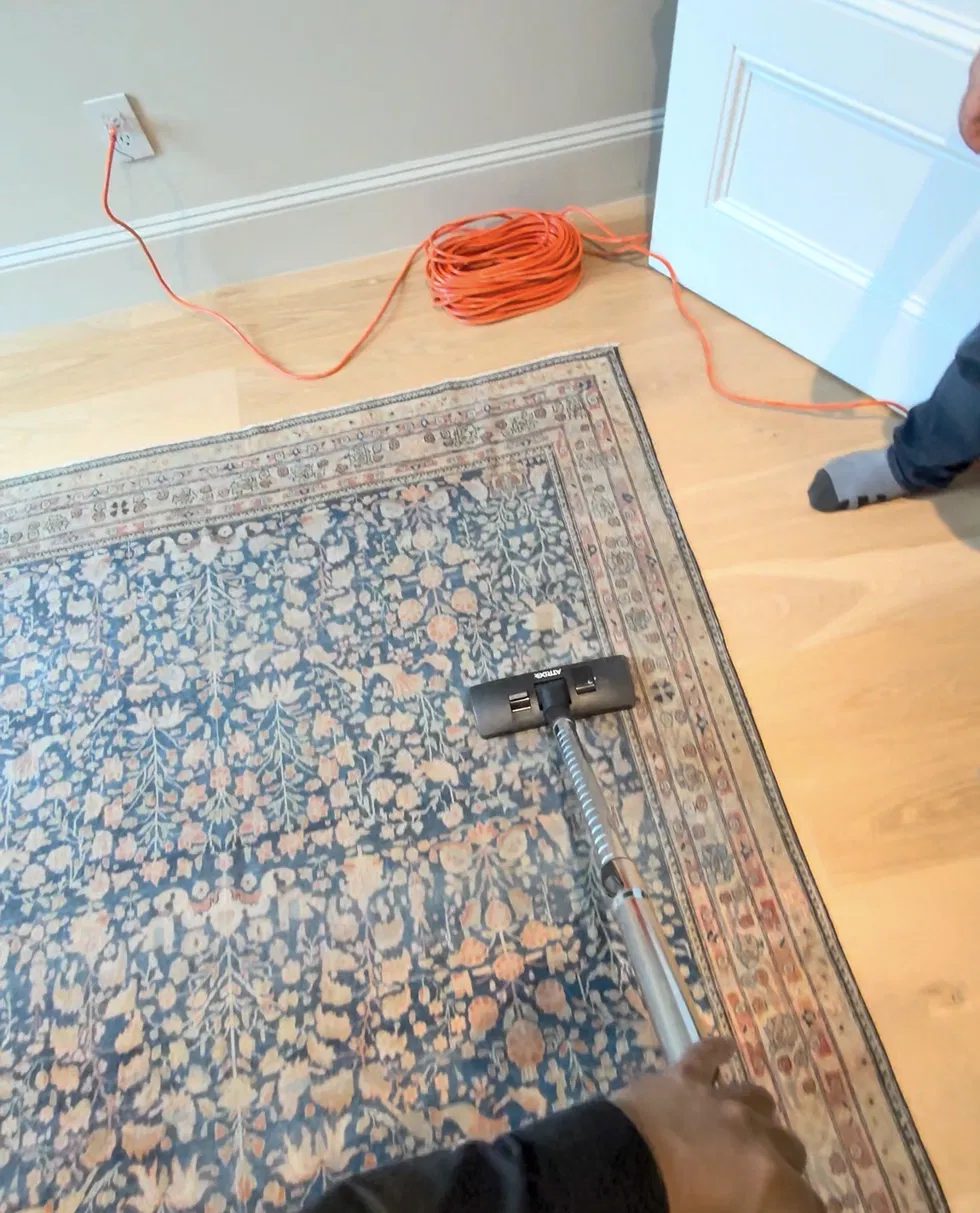
What we are treating
2 Not sure what you have? Send photos to an ACE
Text, WhatsApp or email a few photos of the holes, any casings or webbing, and the garment labels. An ACE will tell you what it is and what to do next, before you spend a cent.
Text photosWhatsApp photosEmail photos
3 Why October through spring is moth season in NYC
Heated New York buildings keep clothes moths active all winter, and the calendar works against you: summer clothes get packed away, winter wool comes out of storage, and anything that went away unwashed carries eggs with it. Webbing clothes moths can be found year-round in a warmed building, and larvae damage speeds up with warmth.
4 Brownstones, pre-war co-ops and rentals: what is different in New York
New York moth jobs are rarely a single closet. Pre-war buildings concentrate exactly what larvae eat: stored seasonal wool, antique and Oriental rugs, natural-fiber upholstery and rooms that stay shut for months. Reservoirs often sit outside your unit: wool carpet and padding next door, pet hair and lint in vents and voids, pigeon nests on air-conditioner units that fill traps with look-alike moths.
- Brownstones and townhouses: multi-floor closets, cedar rooms, stored furs and rugs; we plan chamber placement and stair carries up front.
- Co-ops and condos: board and managing-agent rules, elevator reservations, work-hour limits and alarm notification; we handle the paperwork with you.
- Rentals: shared walls and vents mean a source next door can reseed you; we document findings so your landlord has a record.
5 How clothes moths live, and why traps mislead
Only larvae eat fabric. That is why the stage that matters is the one you rarely see.
6 How heat actually kills them
Insects die from a combination of temperature and time. Eggs tolerate the most heat of any stage, so the hold is designed around eggs.
7 What can and can’t go in the chamber
Sections 9, 10 and 11 below give the full brand-by-brand, material-by-material and never-in-the-chamber tables.
8 Can it go in the chamber? Check your item
9 Brand-by-brand screening guide
People ask about brands because a brand predicts materials, linings and adhesives. A brand does not predict whether a specific garment tolerates heat: that is decided by the fabric, the construction and the care label in your hands.
| Brands | What they make | NYE default | Why |
|---|---|---|---|
| Canada Goose, Moncler, Patagonia, The North Face, Arc’teryx | Down or synthetic fill in coated nylon shells; some have real fur trim and taped seams | ORANGE | Patagonia’s own care page says machine dry on no to low heat and warns high heat can ruin down. A chamber hold at 120°F core is outside that. Fur trim is a separate decline. Default: freeze, or heat only with the maker’s tolerance in hand. |
| Loro Piana, Brunello Cucinelli, Max Mara, Hermès, The Row | Fine cashmere, vicuña, silk blends, fine knits | ORANGE | Labels typically read dry clean or hand wash cool; care sources agree to avoid heat. These are the garments moths prefer and the ones with the most to lose. Default: professional freezing or specialist cleaning. |
| Uniqlo, J.Crew, Everlane, Gap (cashmere and merino basics) | Mass-market merino and cashmere knits | YELLOW | Often wash-cool labels. Chamber possible after a probe-controlled test load. Garment must be dry. |
| Brooks Brothers, Hugo Boss, Ralph Lauren, Theory (tailoring) | Wool suits and jackets, often canvassed with fused interlining and glued collars | YELLOW | Fusible interlinings and adhesives are the risk. Accept after inspection; verify the core by probe. |
| Levi’s, Wrangler, Lee, Carhartt, Dickies | Cotton denim, canvas, duck | GREEN | Durable cotton; rivets and buttons are fine. Check for rubber or vinyl patches and leather labels. |
| Hanes, Fruit of the Loom, Champion, Gap basics | Cotton and cotton-poly knits, fleece | GREEN | Routine load. Screen-printed or heat-transfer graphics can crack; photograph first. |
| Nike, Adidas, Lululemon, Under Armour, Gymshark | Polyester, nylon, elastane, heat-transfer logos | YELLOW | Elastane can degrade and prints can lift. Pure synthetics are rarely moth food; ask why they are in the load. |
| Nike, Adidas, New Balance, Hoka, Allbirds, Converse (footwear) | Foam midsoles, glued soles, mesh uppers | ORANGE | Glue and foam deform at chamber temperatures. Shoes are the item we most often decline. |
| Coach, Louis Vuitton, Gucci, Prada, Hermès, Chanel (bags, leather goods) | Leather, coated canvas, lacquered edges, glued handles | RED / ORANGE | Finish change and adhesive failure are irreversible. Alternative: inspection, cold treatment or specialist cleaning. |
| Burberry, Barbour (trench and waxed coats) | Cotton gabardine, waxed cotton, bonded linings | ORANGE | Wax melts and migrates; bonded linings delaminate. Waxed coats are a hard decline. |
| Pendleton, Faribault, Woolrich (blankets, wool outerwear) | Heavy wool blankets and shirts | YELLOW | Dense wool is what moths eat and tolerates heat reasonably, but thick piles need a core probe, not an air reading. |
| Persian, Oriental and silk rugs (any maker) | Wool or silk pile, natural dyes, jute or cotton foundations | ORANGE | Natural dyes and backings are unstable. Specialist conservation or cold treatment; heat only after a dye test. |
| Eileen Fisher, Vince, Madewell, Zara, H&M (mixed fashion) | Viscose, rayon, acetate, linen blends, glued trims | YELLOW | Viscose and acetate are heat sensitive. If the label says low iron, we do not run a 120°F core hold. |
10 Fabric and material guide
Larvae eat animal fibers (keratin), so the most valuable closet contents are also the most heat-sensitive.
| Material | What matters | Category | Handling |
|---|---|---|---|
| Wool (sweaters, suiting, blankets) | Eaten by larvae. Tolerates controlled heat when dry; felts with moisture plus agitation | YELLOW | Probe inside the pile; never steam a wool item you plan to heat |
| Cashmere, merino, alpaca, mohair | Preferred larval food; fine, heat-sensitive fibers | ORANGE | Freeze or specialist clean unless tolerance is known |
| Silk | Eaten by larvae; weakens and yellows with heat and with dichlorvos vapor | ORANGE | Cold or specialist; never vapor strips |
| Fur, shearling, sheepskin | Larvae feed on hair; skin dries and stiffens with heat | RED / ORANGE | Cold storage or specialist furrier |
| Leather, suede | Finish and oils shift with heat; dichlorvos darkens leather in museum reports | RED / ORANGE | No heat, no vapor; inspect and clean |
| Down and feather fill | Cold spots inside fill; shell coatings can fail | YELLOW | Probe inside the fill; low-loft items only |
| Cotton, linen, hemp | Not preferred food unless soiled; very heat tolerant | GREEN | Routine |
| Polyester, nylon, acrylic | Rarely eaten; moderate heat tolerance; elastane and prints are weak points | YELLOW | Check label; photograph prints |
| Viscose, rayon, acetate | Heat-sensitive regenerated fibers | ORANGE | Low-heat label means decline |
| Rubber, PVC, vinyl, faux leather | Soften and off-gas | RED | Decline |
| Memory foam, latex foam | Deform permanently | RED | Decline |
| Hand-dyed, natural-dye textiles | May bleed or shift | ORANGE | Spot test or specialist |
11 Never in the chamber: the complete list
| Item | Hazard | Basis |
|---|---|---|
| Aerosol cans, hair spray, dry shampoo, spray paint, insecticide cans | Pressure rupture, ignition | ZappBug manuals |
| Lighters, matches, fuels, solvents, nail polish, perfume, hand sanitizer, alcohol | Flammable vapor | ZappBug manuals; fire safety |
| Fireworks, ammunition, firearms | Explosion | ZappBug walkthrough |
| Candles, crayons, wax, lipstick, cosmetics, lip balm, sunscreen | Melt and contaminate | ZappBug walkthrough |
| Vinyl records, cassette and VHS tapes, CDs, photographs, negatives | Warp, deform | ZappBug walkthrough |
| Lithium batteries, power banks, phones, laptops, e-readers, vapes, smart watches | Thermal runaway risk | ZappBug: check maker max temp; NYE rule is stricter |
| Medications and supplements | Stability | NYE rule |
| Pearls, opals, amber, glued jewelry, plastic eyeglass frames | Crazing, adhesive failure | NYE conservative rule |
| Musical instruments, veneered or glued furniture, picture frames | Glue joints and finish | NYE rule |
| Humidifiers, plants, pets, anything alive or wet | Safety, steam, damage | NYE rule |
| Anything just treated with an oil-based aerosol or oil product | Flammable residue and vapor | NYE rule, see the aerosol section |
| Items bagged with dichlorvos strips | Release rate rises with heat | Label logic; NYE rule |
12 How a load is verified
13 The layered NYE protocol
14 Fire alarms, detectors and sprinklers: the pre-job plan
A heat job in a New York building is also a fire-safety job. Heat, steam, HEPA dust and oil-based aerosol mist can each trip a detector, and a false alarm in an occupied building brings the fire department.
| Step | Why it matters |
|---|---|
| Walk the unit and corridor first: locate smoke, heat and sprinkler heads near the chamber and the steam work. | Placement decides whether a detector can see chamber air, steam or aerosol. |
| Tell the building before the day: super, management and the alarm company. | NYC rules require a logged record when an alarm system is taken offline, who was notified and when it is restored, plus notice to occupants. Impairment is the building’s regulated process. |
| Never cover or disable a detector yourself unless the building’s authorized person approves. | Covering detectors without authorization is an impairment and may need a fire watch. |
| Place the chamber away from detectors, sprinkler heads and curtains, with clear space all round. | Chamber air at 120°F and above and heater exhaust can trip heat detectors and fusible links. |
| Keep the room ventilated: a ZappBug heater may alarm and shut off if the surrounding room is above about 99°F. | The unit has its own over-temperature safety alarm; ventilation keeps the room within its limit. |
| Keep steam and aerosol work away from detectors and time it with the building notice. | Steam and oil mist look like smoke to photoelectric detectors. |
| Restore and test: confirm the system is back, close the log, tell occupants. | Closes the legal record and prevents a silent impairment. |
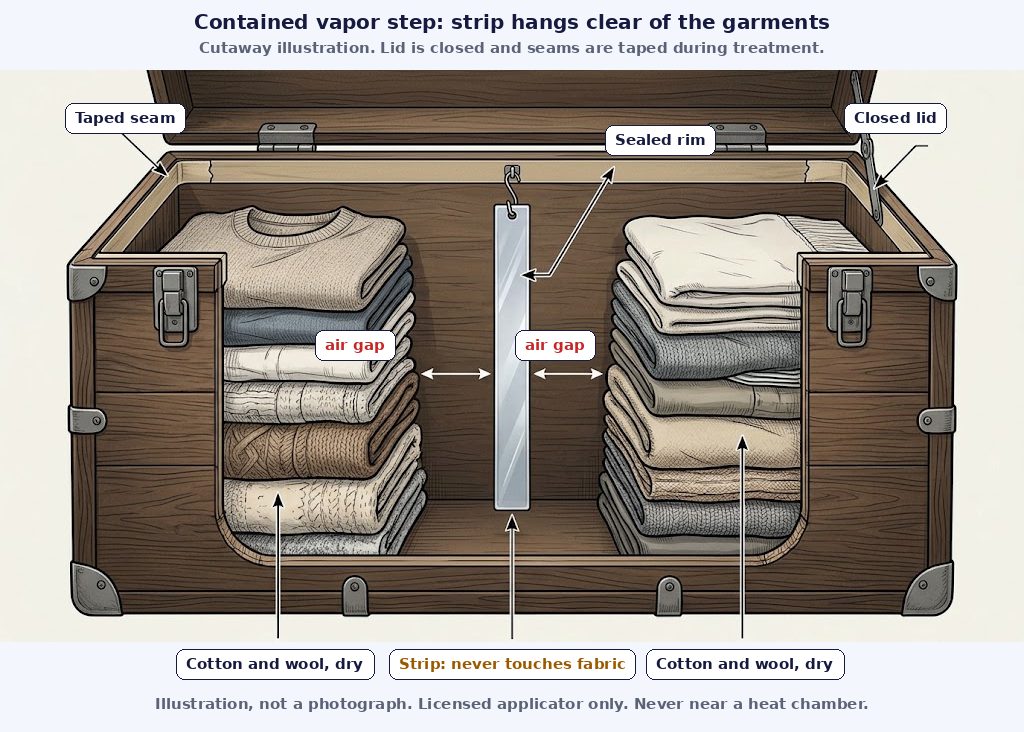
15 Nuvan strip compatibility: what the contained vapor step can and cannot go near
| Material | Reported effect | Rating | Notes |
|---|---|---|---|
| Iron, steel, brass, copper, tin, zinc, lead, silver, baked enamel | Corrosion and tarnish (museum sources) | AVOID | Zippers, buckles, jewelry, hardware, instruments |
| Silk | Yellowing and weakening (conservation newsletter) | AVOID | Never in a silk strip bag |
| Dyed wool | Fiber damage and reduced dyeability with long exposure | LIMIT | Short exposure; check dye |
| Leather, suede | Darkening, oils to surface | AVOID | |
| Dyed and printed textiles | Fading and bleaching | LIMIT | Spot test; keep the label |
| Paper, books, cellulose textiles | Weakening | LIMIT | Not for books or documents |
| Polystyrene, adhesives, glued items | Dissolves or turns tacky | AVOID | Foam, glued soles, laminated items; polystyrene containers |
| Cotton and linen, plain dyes | No specific damage reported | GENERALLY OK | Strip never touches fabric; sealed trunk, bin or bag sized to the strip rating |
16 Base-oil aerosol knockdown for adults
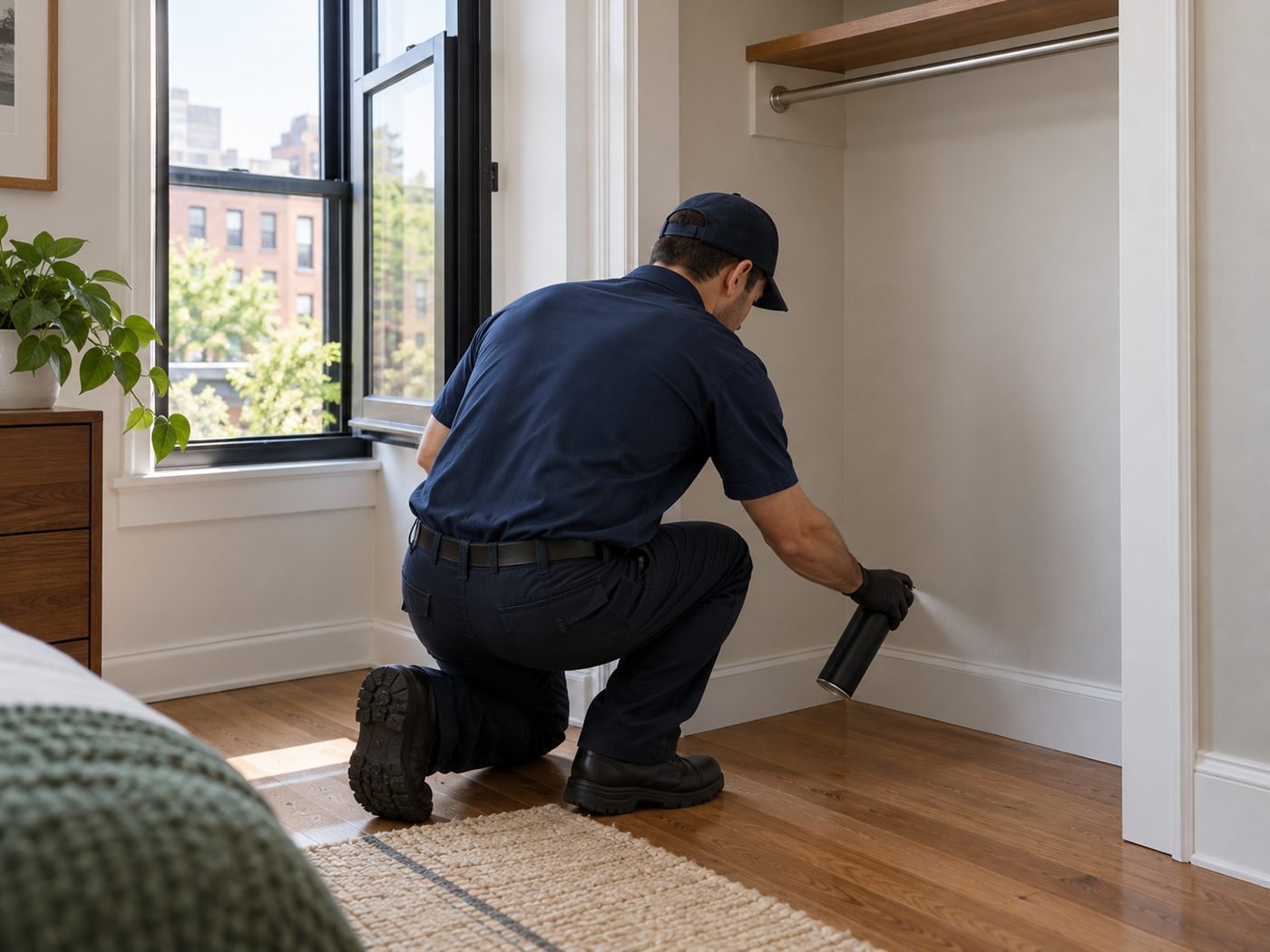
Flying adults are mostly males that never eat fabric, but they mark the population and mate. A base-oil aerosol applied to closet voids, rug edges and baseboards knocks adults down on contact and gives a fast first reduction while heat and residuals do the deeper work.
| Rule | Reason |
|---|---|
| Applied only after the chamber has cooled and loads are out | Oil-based aerosol and vapor are a fire hazard near heat |
| Applied to structure (voids, baseboards, closet frames, rug edges), not onto garments | Label sites govern; no residue on fabric |
| Ventilate, and account for detectors | Aerosol mist can trip photoelectric smoke detectors |
| Adults only; not an egg or larva treatment | Heat, steam, HEPA, residuals and larvicide handle other stages |
| Not combined with a vapor strip in the same space on the same day | Label conflicts and product-on-product exposure |
| People and pets out until dry and aired, per label re-entry | Label compliance |
17 The service day, step by step
| Time | Step | Who | Check |
|---|---|---|---|
| Before arrival | Building notice, alarm plan, customer prep list sent | Office / Jorge | Written confirmation |
| 0:00 | Walk-through, photographs, sort into red, orange, yellow, green | ACE | Labels photographed |
| 0:30 | Load the heat room; place probes in the slowest items | Tech | Probe signal confirmed |
| 0:45 to 10:00 | Heat cycle runs; core target held and logged | Tech monitors | Hold time recorded |
| 0:45 to 8:00 | Deep steaming, HEPA vacuuming, residual and larvicide to structure | Techs | Not on heated or loaded items |
| After cool-down | Base-oil aerosol knockdown to voids if indicated | Applicator | Ventilated; detectors considered |
| After cool-down | Contained vapor step only for items heat cannot take | Licensed applicator | Strip clear of fabric; sealed container; aired out |
| Close-out | Bag and separate treated items; restore alarm; photos and report | Tech | Log closed |
| Day 30 | Pheromone traps out; recheck booked | Office | Count recorded |
18 Heat vs freezing vs dry ice vs vapor
| Method | Documented schedule | Good for | Watch for |
|---|---|---|---|
| Heat chamber | Core ≥120°F, hold designed around eggs (30–60+ min published; 41°C 4 h old study) | Cotton, durable wool, bedding, bulk loads | Heat-sensitive items, cold spots in dense piles |
| Home or pro freezing | 0°F for 2 weeks (Rutgers); eggs ~15 h at −20°C for 99.99% in lab model | Items heat would harm | Condensation; warm before bagging; slow |
| Dry ice CO₂, sealed bag | 48 h at ~70°F (Rutgers) | Stuffed items, pillows | Ventilation; needs thick sealed bags |
| Dichlorvos strip, sealed trunk | Label: 16 g per 100–200 cu ft, up to 4 months. No published egg kill time for textiles | Supplement for boxed collections | Restricted-use; not with heat; airing |
| Hot wash / dry clean | Kills all stages (Rutgers) | Washable items | Shrinkage on delicates |
19 What to expect, week by week
20 Prep checklist
- Separate items by material; photograph labels and any existing damage.
- Set aside leather, fur, glued shoes, electronics, cosmetics, candles, aerosols and anything with a battery.
- Do not shake out garments; bag them where they hang.
- Keep washed and unwashed items apart.
- Tell us the approximate value of expensive pieces.
- Clear 6 by 8 feet of floor space and note where outlets and detectors are.
- Tell your building manager or super about the work date and any alarm plan.
- Arrange for pets and plants to be out of the work area.
21 Cost and what drives it
Spread the treatment over 3, 6, 12 or 24 months. One cashmere coat usually costs more than protecting the whole wardrobe. Start a payment plan
22 Add-ons: rugs, furniture and carpet beetles
23 The storage-season program
The cheapest moth treatment is the one done before the closet is shut. Book a spring visit and we treat your off-season wool in place, seal it, and set a fall recheck, so your wardrobe comes out clean in October instead of full of holes.
24 Your treatment report: proof for your building and your insurer
Every job ends with a written record, so nothing depends on memory. It helps with co-op boards, landlords and insurance, and it documents the six-month follow-up window.
Included: species identification with photos · item list with red, orange, yellow, green category for each piece · items accepted, declined and why · heat cycle log with probe locations and core temperature and hold times · steam, HEPA and residual areas treated · products used with EPA numbers and labels (Labels & SDS link) · technician and ACE sign-off · month-one trap check date · six-month follow-up terms.
Sample layout only; all values on a real report come from the job.
25 Myths, questions people ask, and troubleshooting
| Claim | Reality |
|---|---|
| “Mothballs or cedar kill moths.” | Mothballs need a sealed airtight space; cedar repels some adults but does not kill eggs or larvae. |
| “Dry cleaning solves it.” | Cleaning kills active stages but does not protect the next hatch; heat or cold plus structure work does. |
| “I still see a moth after treatment, so it failed.” | Pupae keep emerging for weeks. The month-one trap count is the meaningful reading. |
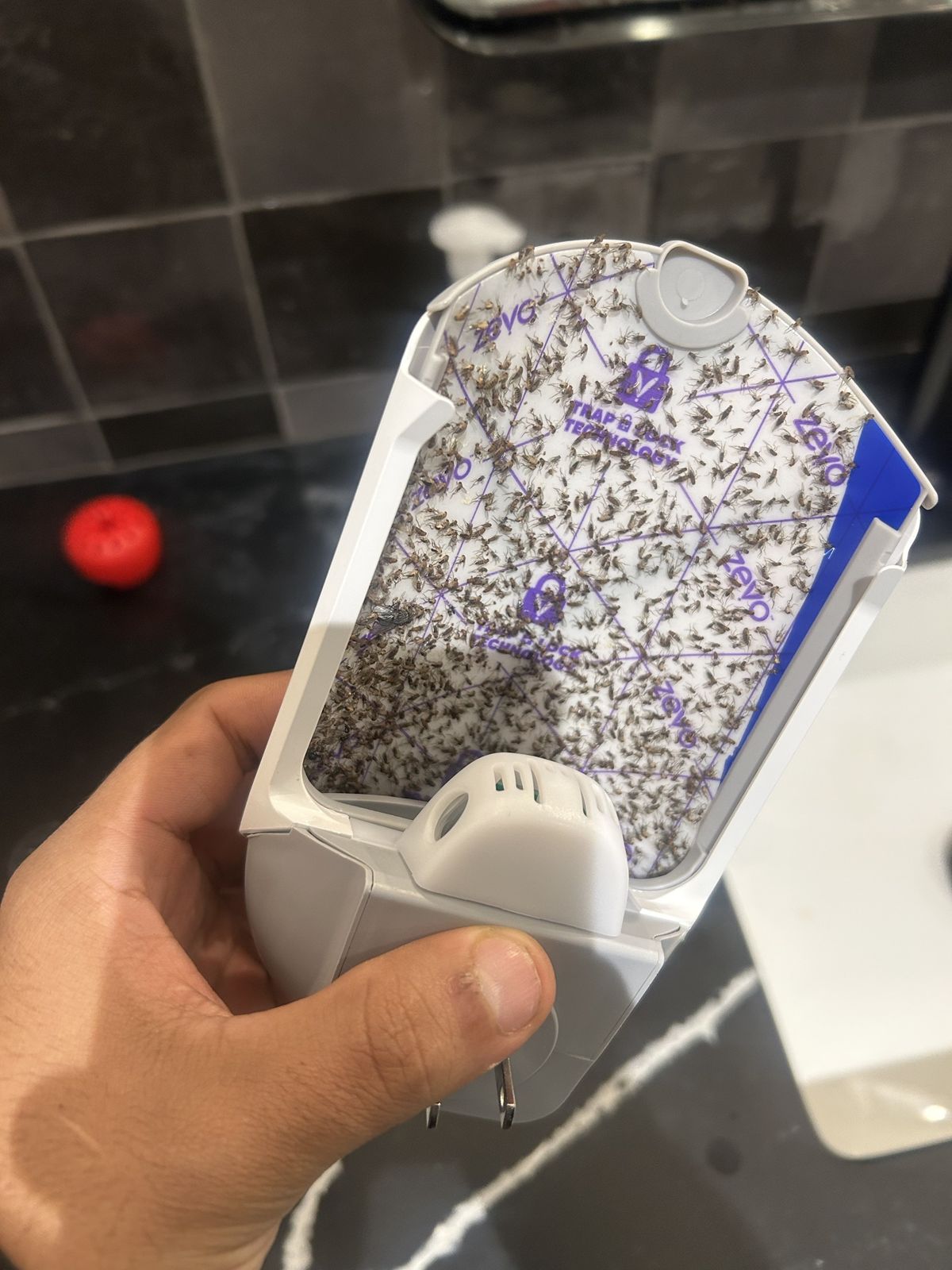
| “A fuller trap means a worse infestation.” | Traps often catch bird’s nest moths drawn by the same lure. |
| “Freeze it for a week.” | Rutgers says two weeks; a lab model for eggs shows about 15 h at −20°C. |
| “Any heat kills eggs fast.” | Eggs are the most heat-tolerant stage; holds must be designed around them. |
26 Glossary and sources
Core temperature: measured inside the slowest-heating item. Hold: verified time at or above target. Impairment: a fire-alarm system taken out of service. Residual: a treatment that keeps working on surfaces after application. DWR: durable water-repellent coating.
Sources: Rutgers NJAES FS1182; Bull. Entomol. Res. (heat); cold-tolerance model for T. bisselliella eggs; Nuvan ProStrips label copies (EPA 5481-553); NPS Conserve O Gram 2/4 (1993); Textile Conservation Newsletter (1989); MFA CAMEO; ZappBug Room manual and walkthrough; 3 RCNY § 907-01; Patagonia care guidance.
New York Exterminating runs this exact process in your home. Send photos of the label and item and an ACE will tell you which method fits. See our clothes moth treatment service.
27 Related moth guides
The work is led by Jorge Bedoya, ACE (Associate Certified Entomologist), NYSDEC #15140. New York Exterminating has served the five boroughs plus Nassau and Westchester since 2010, in English and Spanish.
A Brooklyn-based, NYSDEC-registered company (Reg. #15140) led by Jorge Bedoya, an Associate Certified Entomologist (ACE). For pests in your home or building, NYE provides IPM-based, low-exposure control matched to the exact pest and verified with a follow-up. ACE-led work comes with a client portal of service reports and photos, fully bilingual service, and no long-term contract.
28 Clothes moth heat treatment FAQ
How does clothes moth heat treatment work?
A chamber is built around the items, heated air circulates through spaced garments, and a probe placed in the slowest-heating item reads the core temperature. New York Exterminating counts the hold from the moment that slowest probe reaches target: 30 minutes for adults and larvae and 1 hour for eggs, which are the most heat-tolerant stage. The hold sits inside a full cycle of several hours.
Do you really treat the clothes inside my home?
Yes. We set up the heat chamber in your apartment or house, treat your garments where they hang, and steam, HEPA-vacuum and treat closets, baseboards and rugs during the same visit. Nothing goes to a dry cleaner, a plant or a storage unit.
How long does a clothes moth treatment take, and can I stay home?
A large job runs about ten hours, because the heat cycle, steaming, HEPA vacuuming and structure treatment run in parallel. You can stay in other rooms, but people and pets stay out of the work area until treated surfaces are dry and aired, as the product labels require.
What cannot go into the heat chamber?
Aerosol cans, lighters, fuels, candles, lipstick and cosmetics, vinyl records, photographs, batteries and electronics, medications, glued-sole shoes, foam, vinyl, and anything alive or wet stay out. Fur, leather, fine silk and fine cashmere are declined by default and routed to freezing or a specialist. Sections 9 to 11 list brands, materials and hard stops.
Will heat damage my wool or cashmere?
Not if the piece is screened first. We read the fabric, trims and care label, and we probe inside the item. Mass-market merino and cashmere can go in after a controlled test load when dry, while fine luxury cashmere defaults to freezing or specialist cleaning because its labels say to avoid heat.
Do I need to dry clean or wash everything before you arrive?
No. You do not need to dry clean the whole closet, and many pieces cannot be dry cleaned anyway. Keep washed and unwashed items apart, do not shake garments out, and bag them where they hang. Soiled clothing is more attractive to larvae, so tell us which pieces are worn and unwashed.
Why do I still see moths after treatment?
Pupae that were already sealed in cocoons keep emerging for weeks, so a few moths in the first three weeks is expected and is not by itself a failed treatment. Traps go out at about day 30, and that count is the meaningful reading.
Is heat better than freezing for clothes moths?
They are different tools. Rutgers recommends 0 degrees F for two weeks for freezing, which suits items heat would harm, while a heat chamber treats a whole load in one day. We choose the method per item and use both when a job needs it.
Is there a follow-up if moths come back?
Moth activity can return if a source was missed, so a month-one trap check is part of the process. Follow-up visits within six months are 50% off, and an ACE inspects first to find the source rather than assuming the first treatment failed.
How much does professional clothes moth treatment cost in NYC?
Treatment ranges from $450 to $2,500, quoted after inspection. Price depends on the volume of garments, the number of areas, how established the activity is, delicate materials, and rugs or upholstery. Financing over 3, 6, 12 or 24 months is available.
Are carpet beetles the same as clothes moths?
No, but they are often found together and damage the same fibers. We identify the species first and treat carpet beetles in the same visit when they are present. Our carpet beetle versus clothes moth guide shows how to tell them apart.
Do you use dichlorvos (Nuvan) strips?
Only when indicated, and never with heat. A licensed applicator places a labeled strip inside a sealed trunk, bin or bag with the strip kept clear of fabric, for items heat cannot take. Silk, leather, metal hardware, jewelry, foam and glued items never go in with a strip.
What about fire alarms and smoke detectors in my building?
Heat, steam and oil-based mist can each trip a detector, so we plan before the day. You tell the super and management, we place the chamber away from detectors and sprinkler heads, and any alarm impairment goes through the building’s authorized process. We never cover a detector ourselves.
Do you treat clothes moths in Brooklyn brownstones, co-ops and rentals?
Yes. We serve all five boroughs plus Nassau and Westchester from our Midwood, Brooklyn office, and pre-war buildings with stored wool, antique rugs and shut rooms are where we do the most chamber work. Every job ends with a written treatment report you can give your building or insurer.