Straight answers from a licensed New York exterminator and Associate Certified Entomologist (ACE) — serving all five boroughs, in English and Spanish.
Get a Free Estimate →⏱ 6 min read
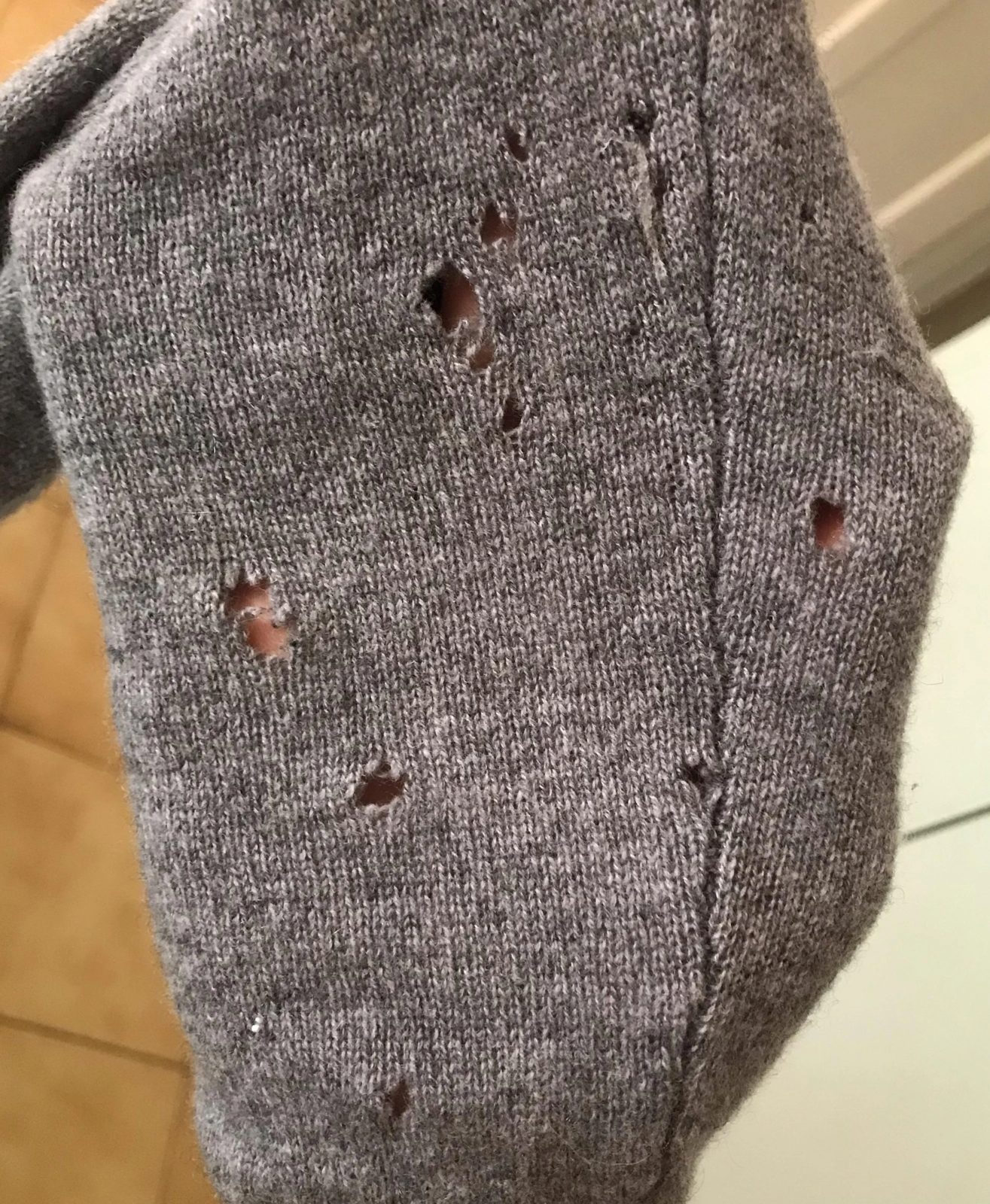
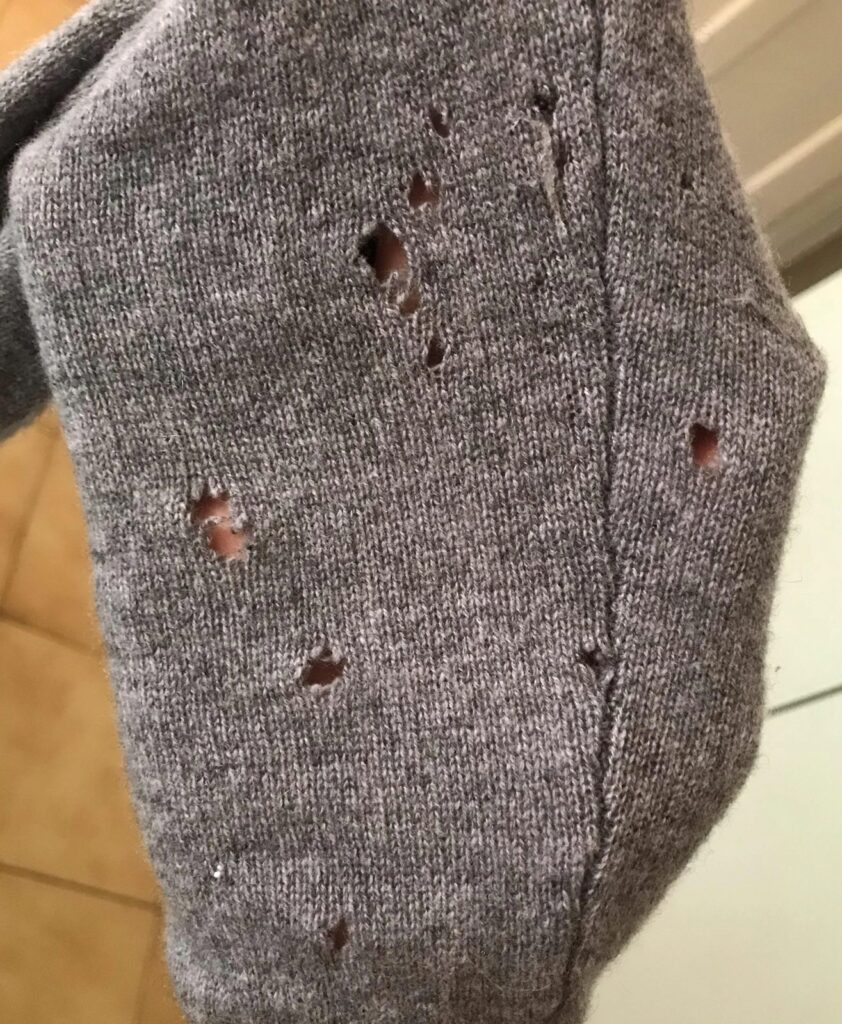
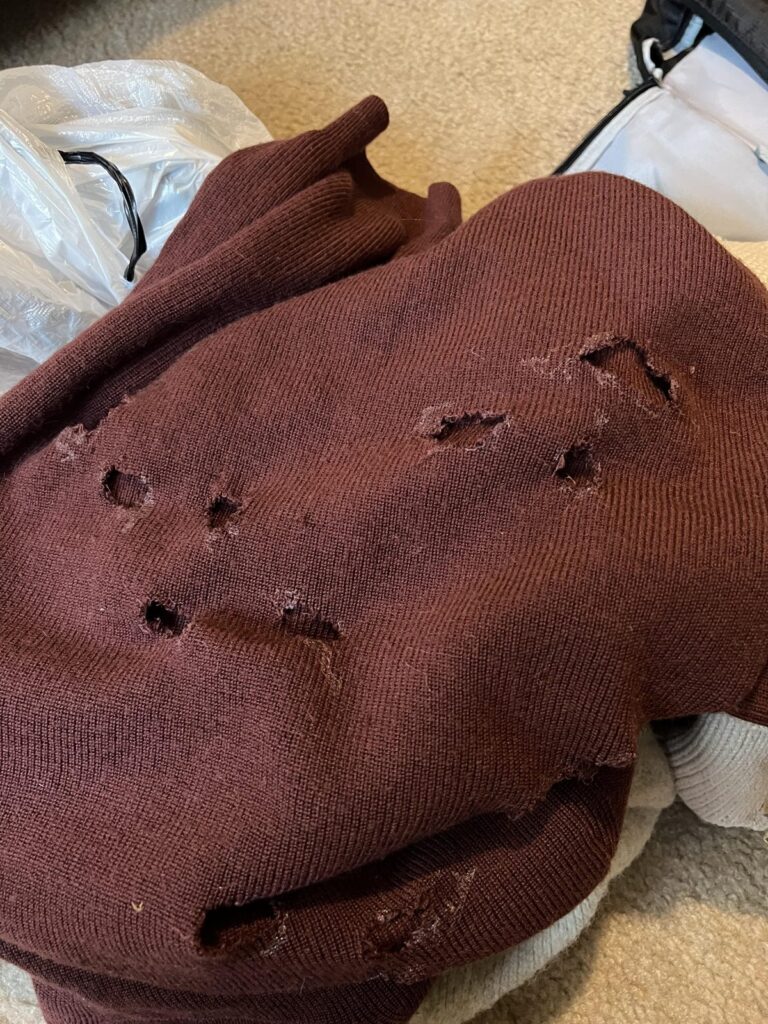
Moths eating your clothes is a solvable problem — but only if you attack the right stage of the insect in the right places. The adult moths you see are not eating anything; their larvae are, quietly, inside your wool and cashmere. Here is what causes clothes moths in New York apartments, how to stop active feeding now, and the closet routine that keeps them from coming back.
What causes clothes moths in the first place?
Clothes moths need keratin: wool, cashmere, silk, fur, felt and feathers. In NYC they typically arrive and persist because of a few predictable things:
- Secondhand and vintage textiles — a thrifted sweater or estate-sale rug can carry eggs you will never see.
- Undisturbed storage — garments that hang untouched for months are ideal nurseries. Moths avoid clothes you wear and move often.
- Soiled natural fibers — sweat, skin oils and food traces make wool far more attractive. One worn-then-stored sweater can start an infestation.
- Building reservoirs — in pre-war buildings, infested wool carpet in a neighboring unit, old carpet padding, or accumulated pet hair in vents and voids can reseed your apartment after you clean up.
Stop active feeding: the first 48 hours
- Find the epicenter. Inspect dark closet ends, under collars and cuffs, and the undersides of wool rugs. Our larvae identification guide shows exactly what you are looking for.
- Heat or clean everything in the affected zone. Hot-wash, dry-clean, tumble-dry on high for 30 minutes, or freeze sealed items for a week at 0°F. Eggs are nearly invisible, so treat the whole closet section, not just the holed garment.
- Vacuum like it matters. Closet floor and corners, baseboards, rug edges and underneath furniture — then empty the vacuum outside your home. You are removing eggs, larvae and the hair-and-lint buffet.
- Do not rely on mothballs or cedar. At real-world concentrations they repel some adults at most; they do not kill the larvae already in the fabric.
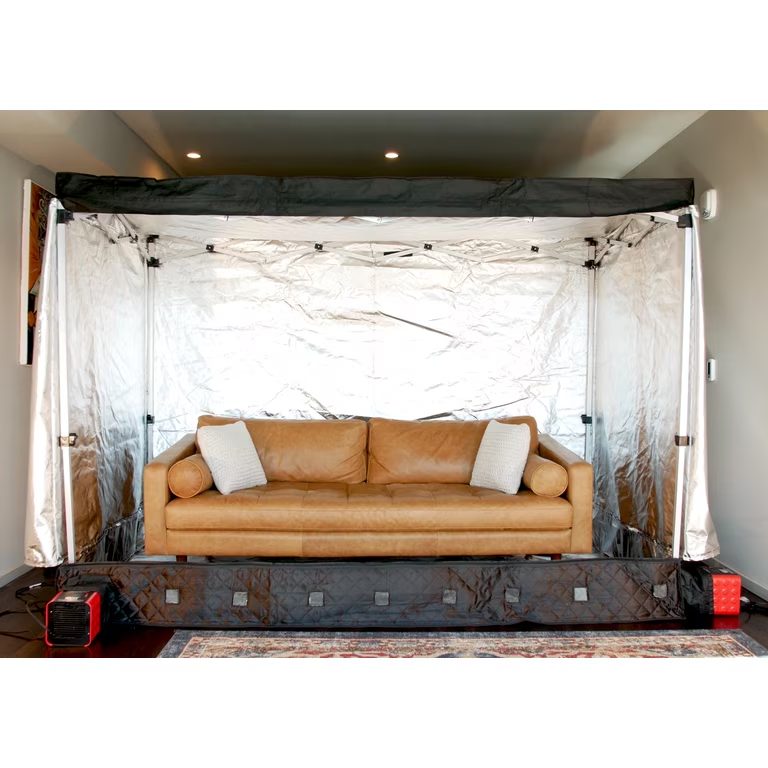
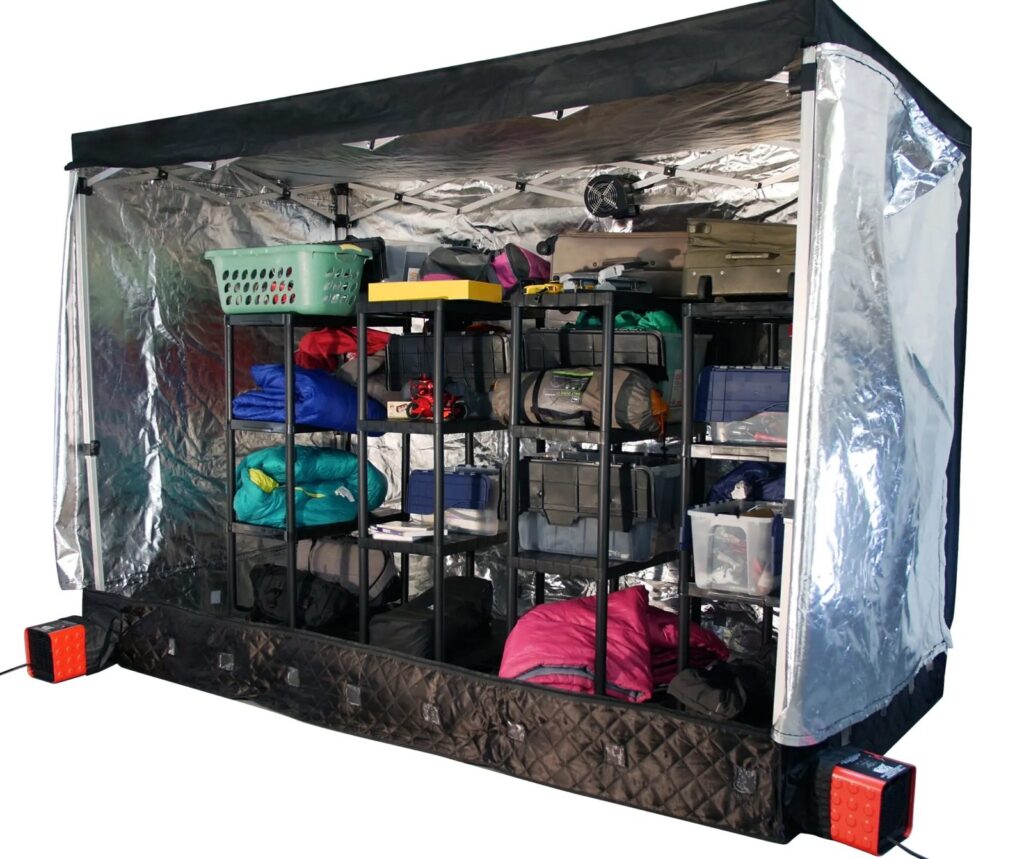
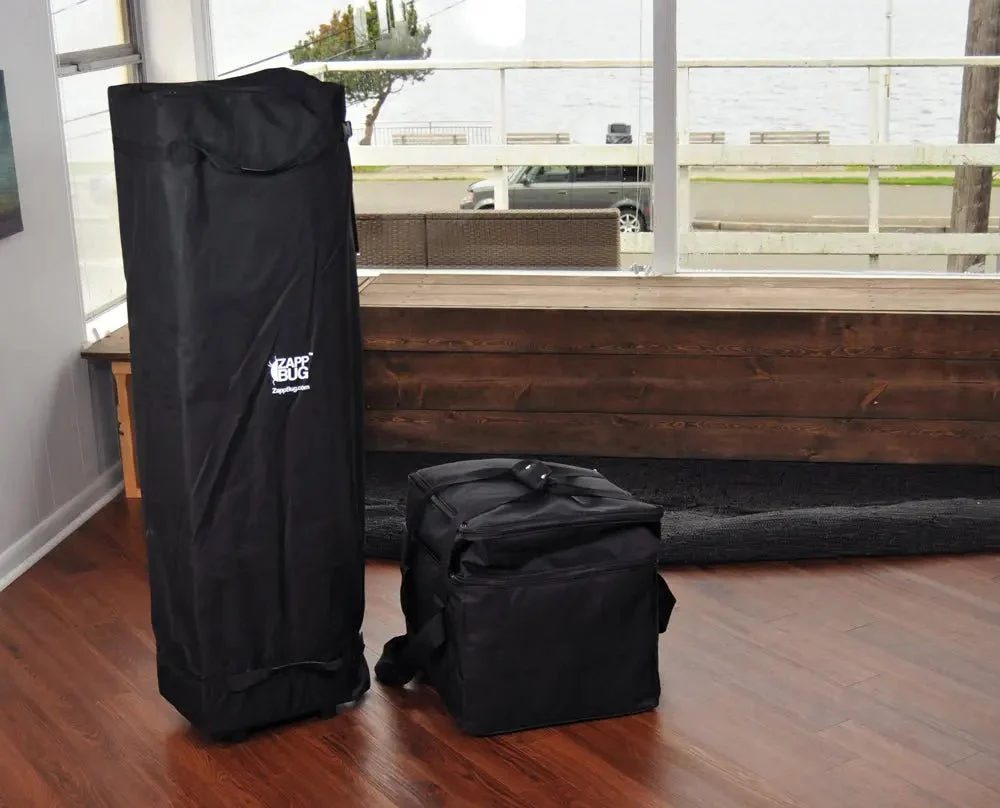
The NYC closet routine that keeps moths out
- Clean before you store. Never put a worn wool or cashmere garment away for the season. Larvae seek out soiled fibers first.
- Store in sealed containers. Off-season knits go in zip-sealed bags or gasketed bins — not open shelves or cardboard. Moths cannot lay eggs on what they cannot reach.
- Rotate and disturb. Once a month, move hangers, shake out garments at the dark end of the rod, and vacuum the closet floor. Disturbance alone breaks the life cycle in lightly used closets.
- Use pheromone traps as monitors. A trap catching webbing clothes moth males tells you activity is present and roughly where — but traps are an alarm system, not a treatment.
- Mind the rugs. Wool and silk rugs get vacuumed on both sides seasonally, and the strip under sofas and beds — where vacuums never go — is where NYC moth jobs most often start.
When prevention is too late
If you are finding fresh holes after a full cleanup, or casings keep appearing on walls and ceilings, the population is established somewhere you have not found — often a rug underside, a stored item, or a reservoir outside the closet. That is the point where our ACE-led team steps in: species confirmation, ZappBug heat treatment for garments and rugs, targeted treatment of closets and structure, and follow-up monitoring. Details on our clothes moth and textile pest service, or call (347) 210-4646 — se habla español. If moths have returned repeatedly despite treatment, read why clothes moths keep coming back.
Problem keeps coming back? See how we handle chronic infestations — source first, verification instead of re-spraying.
Moths in your trap are not always clothes moths
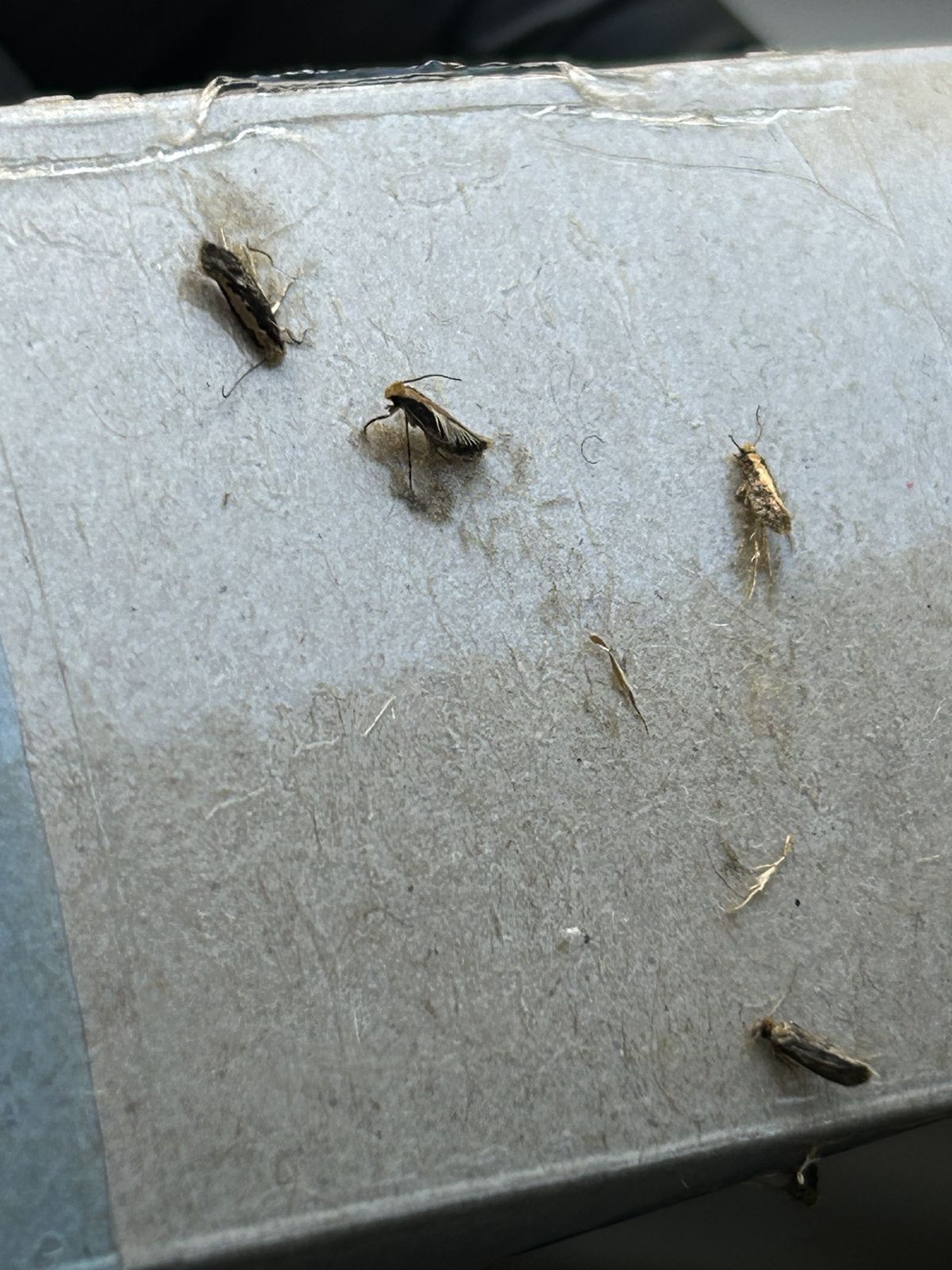
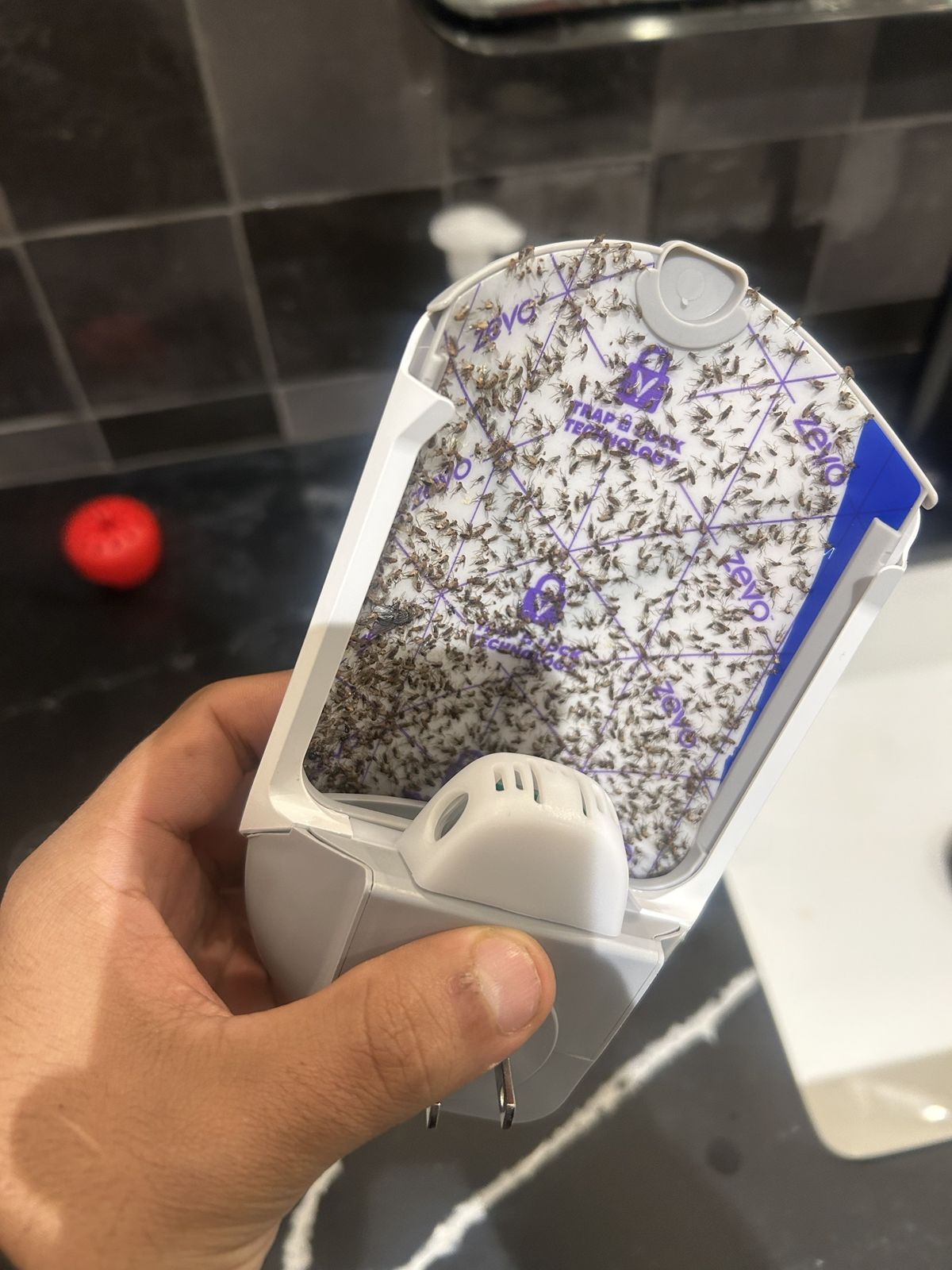
If you have hung clothes moth pheromone traps in an NYC apartment and found them covered in small dark moths, look closely before assuming your closet is infested. Very often those are bird’s nest moths (Monopis species), not webbing clothes moths.
We explain how to tell them apart on the glue, and why trap counts mislead, in our guide to clothes moth traps.
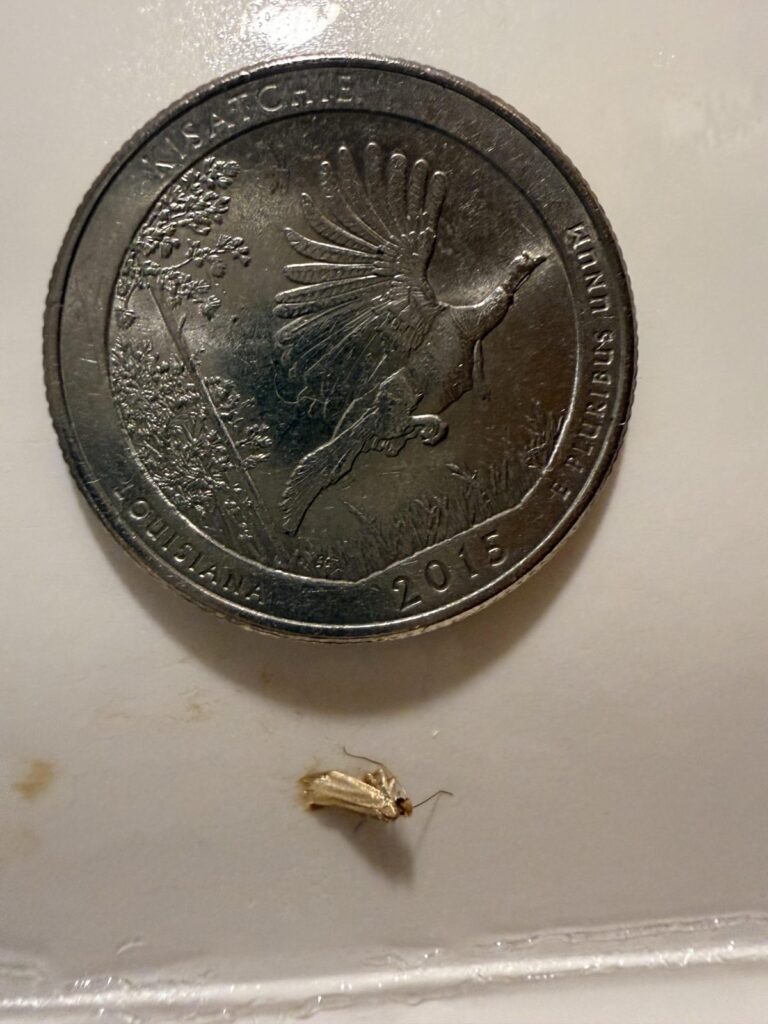
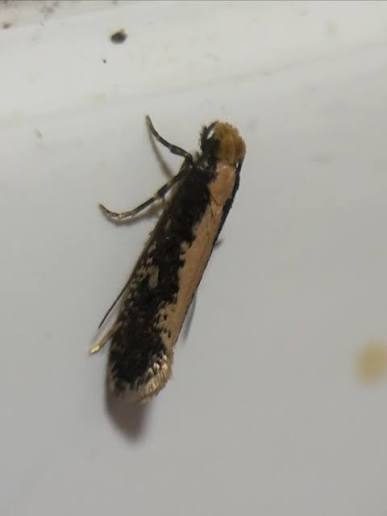
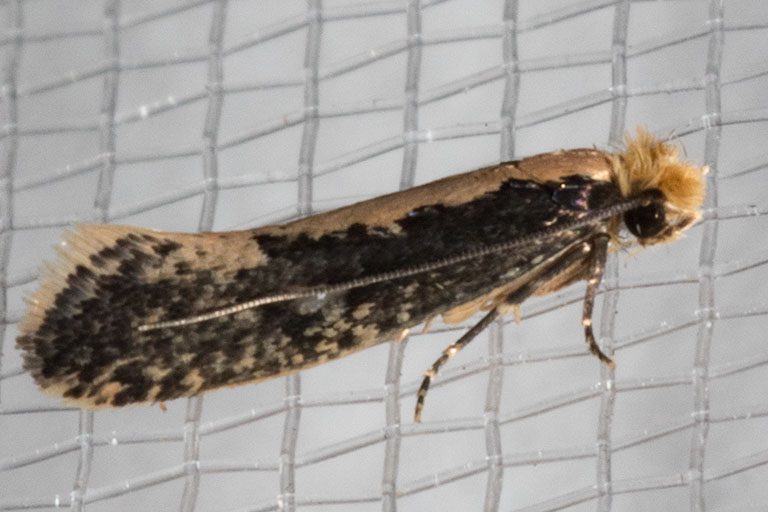
- How to tell them apart: a webbing clothes moth is plain golden-buff all over. A bird’s nest moth has dark, mottled brown-black wings, a pale stripe along the wing edge and a tufted yellow-orange head.
- Why they end up in traps: male bird’s nest moths are drawn to the same pheromone lures used for clothes moths. The more traps you hang, the more males you catch — even when nothing in the home is infested. It is very common.
- Where they actually breed: in bird and animal nests and debris — pigeon nests on air-conditioner units, ledges and window boxes are typical in NYC — not usually in clothing.
A trap full of moths is a reason to have them identified, not proof your wardrobe is infested. Species identification is the first step of our clothes moth service, and it often saves customers from treating a problem they do not have.
A Brooklyn-based, NYSDEC-registered company (Reg. #15140) led by Jorge Bedoya, an Associate Certified Entomologist (ACE). For pests in your home or building, NYE provides IPM-based, low-exposure control matched to the exact pest and verified with a follow-up. ACE-led work comes with a client portal of service reports and photos, fully bilingual service, and no long-term contract.
FAQ: moths eating clothes
Why are moths eating my clothes but I never see moths?
Webbing clothes moths avoid light and are weak fliers. Most infestations are discovered through damage, not sightings — by the time adults are visible, larvae have usually been feeding for months.
Do moths eat cotton or polyester?
Not by preference. They target animal fibers, but they will damage blends and chew through soiled synthetics sitting against wool. First confirm it is actually moths — see carpet beetle vs clothes moth.
Can I stop moths with lavender or cedar?
Scents may discourage some adults, but they do nothing to eggs or larvae already in place. Cleaning, heat, sealed storage and disturbance are what change outcomes.
How fast can moths ruin a sweater?
A handful of larvae can put visible holes in fine cashmere within a few weeks in a warm apartment. Damage speed rises with temperature, which is why heated NYC buildings see activity all winter.