If moths keep returning to your closet and your cashmere and rugs keep getting holes, you have a hidden-larvae problem — not an air problem. Here’s why, from an Associate Certified Entomologist.
Why clothes moths are chronic in NYC homes
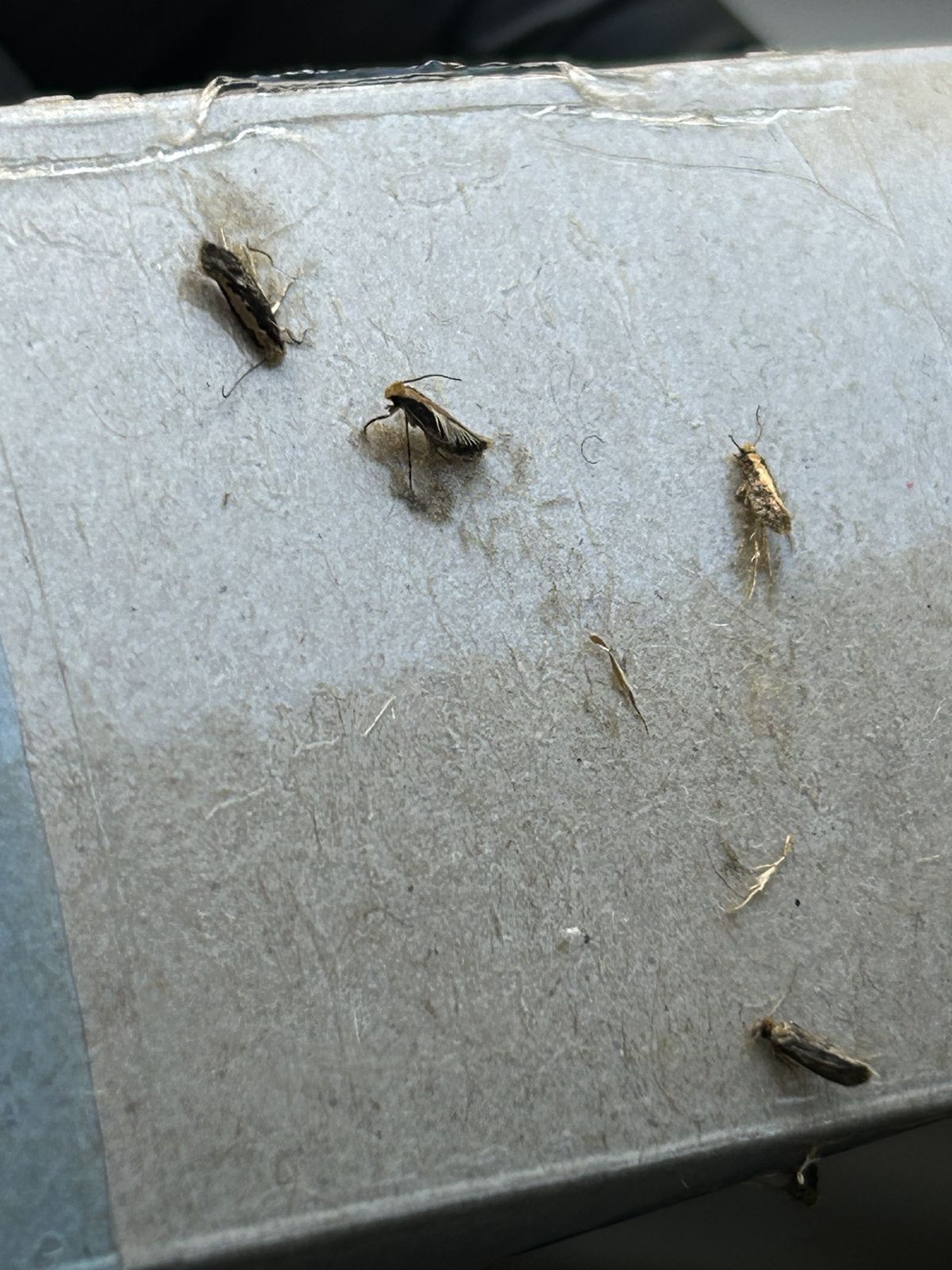
Two species do the damage in New York: the webbing clothes moth and the casemaking clothes moth. Their larvae feed on keratin — wool, cashmere, silk, fur, felt, and feathers — and they prefer quiet, undisturbed spots: closet floors, the backs of drawers, upholstery seams, and especially the undersides and furniture-covered edges of wool and silk rugs.
Pre-war apartments and brownstones concentrate exactly what they eat — stored seasonal clothing, antique and Oriental rugs, natural-fiber upholstery — often in low-traffic rooms and storage. That is why a home can look spotless and still feed a chronic infestation for months before the holes appear.
The real reason your treatments (and mothballs) keep failing
- You are treating adults, not larvae. The fluttering moth already did its damage as a larva. Spraying the air does nothing to the larvae feeding inside a rug or a folded sweater.
- Mothballs rarely reach a lethal dose. Naphthalene only works in a sealed, airtight space; an open closet dilutes it to an odor.
- Sources go unfound. A single untreated rug, stored coat, or box of woolens reseeds everything you cleaned.
— Jorge Bedoya, Associate Certified Entomologist (ACE)
How we resolve chronic clothes moths — and protect your textiles
- ACE-led inspection to locate every larval source: closets, rug undersides, upholstery, and stored items — the step most treatments skip.
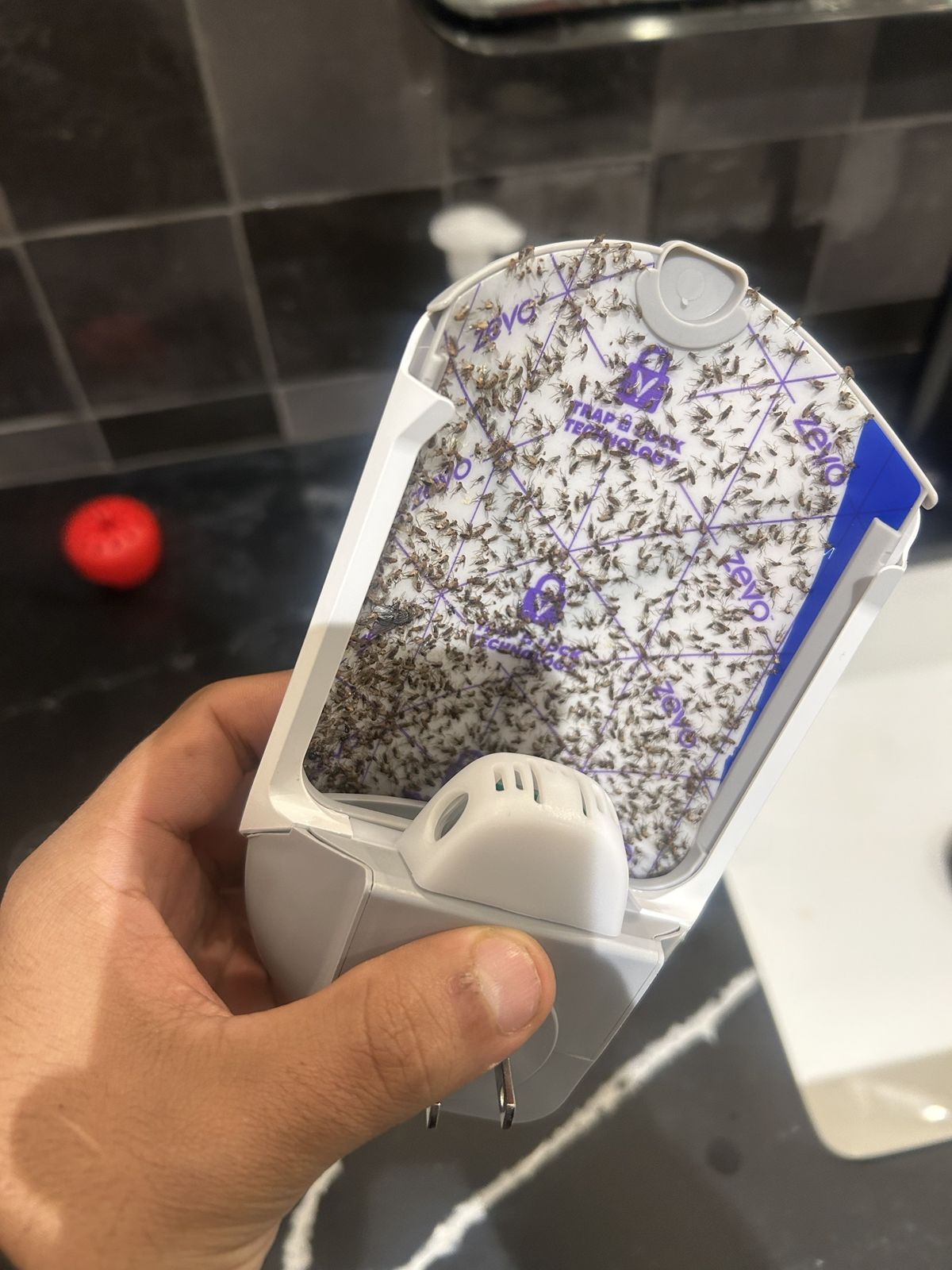
- Targeted treatment of harborage paired with pheromone monitors that confirm the population is actually collapsing.
- Valuables protection guidance — which pieces to freeze or dry-clean (both kill all stages), how to store cashmere and wool, and honest advice on what cedar and storage actually do.
The goal is to protect the investment — a wardrobe or a rug worth far more than the service — not just knock down the moths you can see. See our general pest control program for ongoing protection.
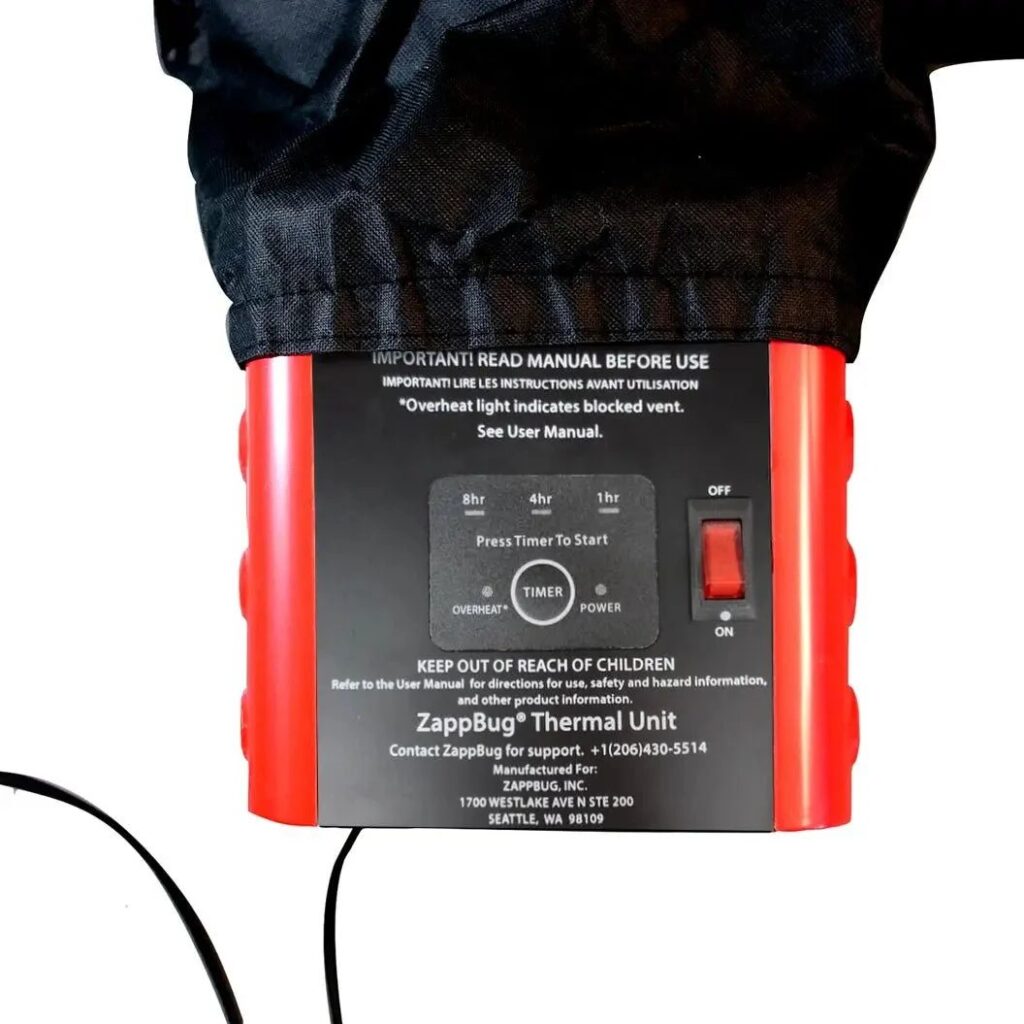
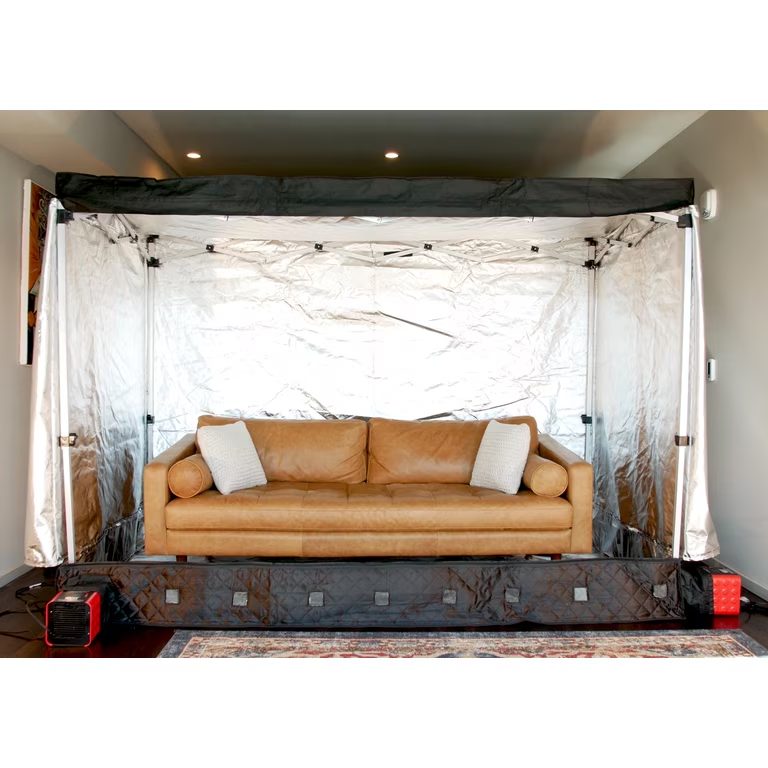
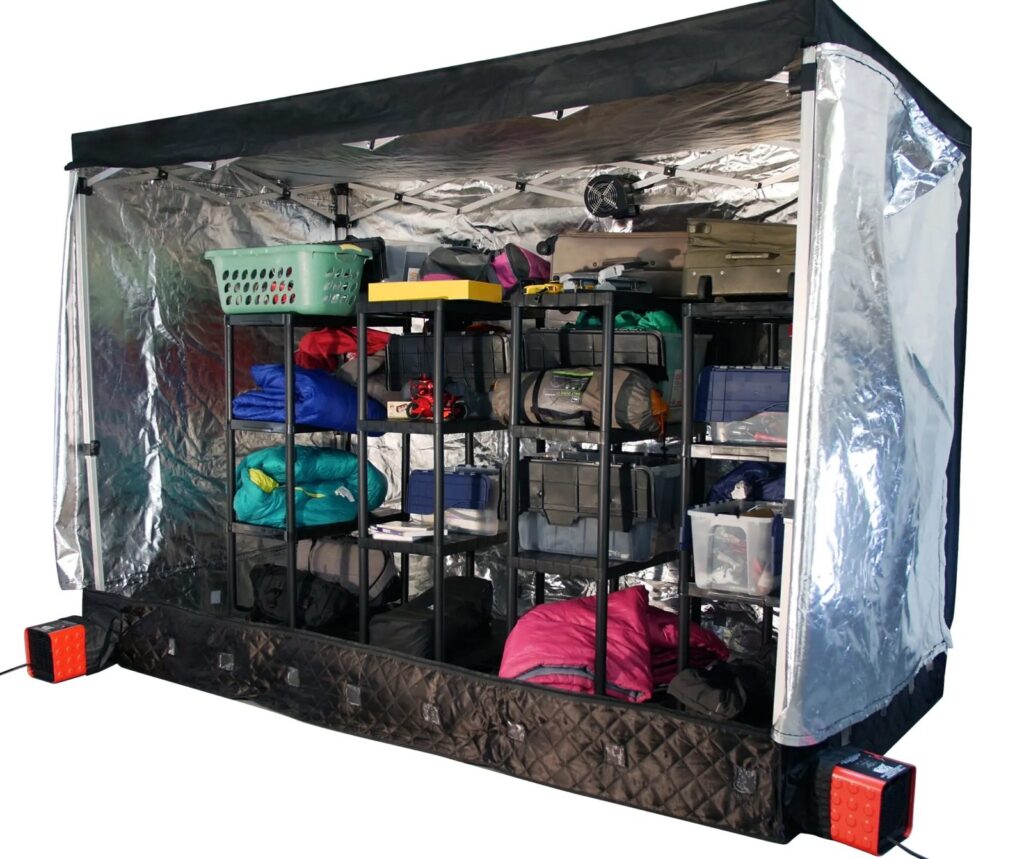
How we heat-treat clothes and textiles: ZappBug Oven and ZappBug Room
Heat is the one treatment that reaches every life stage of a clothes moth — eggs, larvae, pupae and adults — inside the fibers of a garment, and it leaves no residue on fabric you wear against your skin. We use two purpose-built heat chambers, the ZappBug Oven and the ZappBug Room, and choose between them by the size and shape of the load.
| What needs treatment | Chamber | Why |
|---|---|---|
| Bagged sweaters, wool and cashmere, shoes, handbags, scarves | ZappBug Oven | Fast, even heat for small and medium loads that fit in bags |
| Suitcases, upholstered chairs, cushions, rolled rugs, whole wardrobes | ZappBug Room | Walk-in capacity, so bulky items are treated in one cycle without disassembly |
| Items that cannot be washed or dry-cleaned | Either, by size | Heat treats the whole item, folds and linings included, with no wetting |
Clothes moths die at about 120°F within roughly 30 minutes once the core of the load reaches that temperature, so what matters is the temperature inside the pile, not the setting on the dial. We place a probe thermometer in the middle of the load to confirm it. A full cycle, including warm-up and cool-down, takes several hours.
Heat treats what goes into the chamber; it does not treat the closet. Larvae and eggs can also sit in carpet edges, baseboard cracks, and boxed storage, which is why heat is one mechanism in a larger program alongside closet-structure treatment and pheromone monitoring that confirms the result. Before we arrive, seal garments in bags without shaking them out, and tell us about anything unusual (aerosol cans, candles, vinyl records and some plastics do not belong in a heat chamber). See the full clothes moth treatment program.
What to expect
We inspect, treat every source we find, place monitors, and give you a plain-English report on which items and areas were feeding the problem — so you can protect the rest. We serve Manhattan and Brooklyn brownstones and co-ops, and work in English, Spanish, and Chinese.
Problem keeps coming back? See how we handle chronic infestations — source first, verification instead of re-spraying.
Small dark moths in your pheromone trap? They are often bird’s nest moths drawn in by the lure, not clothes moths — see how to tell them apart.
Clothes moth FAQ
What is eating holes in my sweaters?
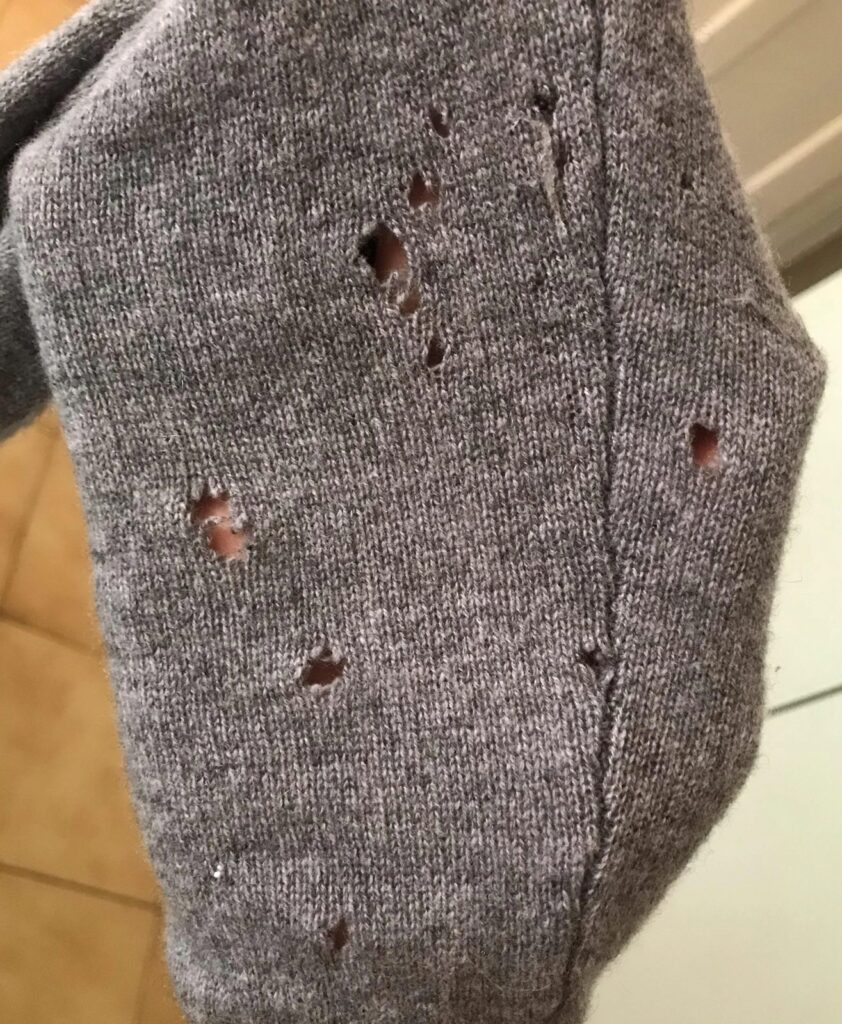
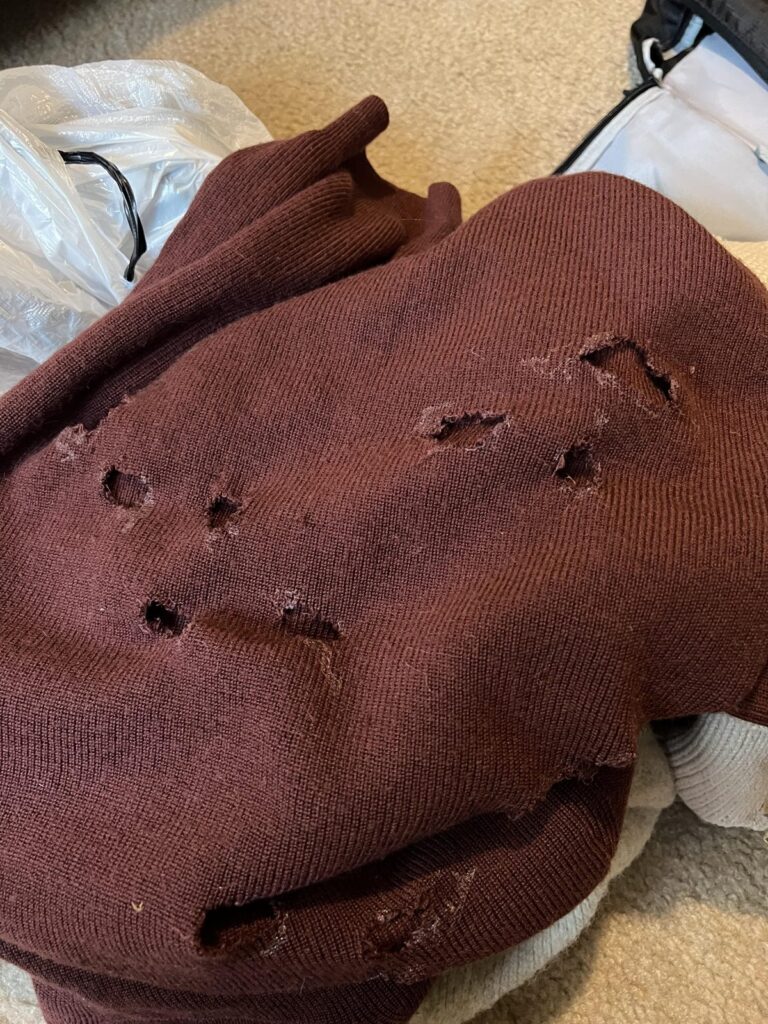
Almost always clothes moth larvae. Adult clothes moths do not eat fabric; their larvae feed on keratin in wool, cashmere, silk, fur and felt. Small irregular holes in stored or seldom-worn natural-fiber garments are the classic sign.
Do mothballs actually work on clothes moths?
Rarely in a normal closet. Mothballs only work if the vapor reaches a lethal concentration in a sealed, airtight container. An open closet almost never holds that concentration, so mothballs mostly add odor without controlling the larvae.
Can clothes moths damage my rug?
Yes. Wool and silk rugs are a favorite food source, especially the undersides and the edges hidden under furniture where larvae feed undisturbed. Rug damage is one of the most common and costly forms of clothes moth injury.
Why do clothes moths keep coming back after I clean the closet?
Because cleaning the visible closet misses the larval sources feeding elsewhere: rug undersides, upholstery, stored garments, and quiet corners. Until every source is found and treated, survivors re-infest your most valuable items.
How do I protect cashmere and wool long term?
Clean items before storing (larvae favor soiled fibers), store valuables in sealed containers or garment bags, keep vulnerable pieces in rotation, and use pheromone monitors to catch activity early. Freezing or dry-cleaning an infested item kills all stages.
Why NYC homeowners choose NYE
New York Exterminating is led by Jorge Bedoya, an Associate Certified Entomologist (ACE) — the diagnostic credential that matters when the goal is protecting valuable textiles, not just spraying. We keep our callback rate under 1% and explain exactly what we find. Call (347) 210-4646 for a clothes moth inspection.