Straight answers from a licensed New York exterminator and Associate Certified Entomologist (ACE) — serving all five boroughs, in English and Spanish.
Get a Free Estimate →⏱ 6 min read
Reviewed by Jorge Bedoya, ACE (Associate Certified Entomologist, NYSDEC #15140). Last updated October 2026.
Can cockroaches actually bite people?
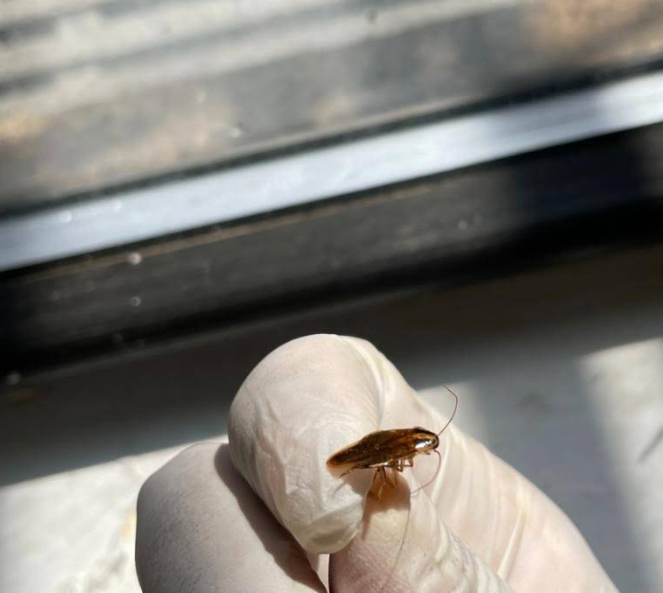
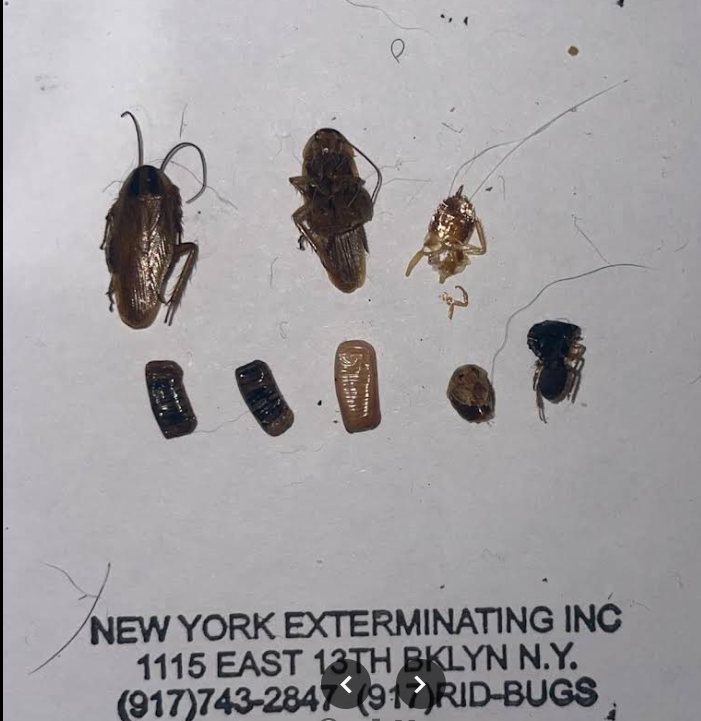
Yes, physically they can. Cockroaches have chewing mouthparts strong enough to work through food scraps, paper and dead insects, and both American and German cockroaches have been documented nibbling human skin. But unlike bed bugs, mosquitoes or fleas, cockroaches do not feed on blood and gain nothing from biting a living person. A roach will almost always flee a moving human rather than approach one. The historical reports of roaches gnawing fingernails, eyelashes and calloused skin come from extreme situations — crowded ships and heavily infested, neglected dwellings — where enormous populations had exhausted easier food.
What a cockroach bite looks like
A genuine roach bite is a small, raised red bump, usually 1–4 mm, sometimes with light scabbing from the chewing action. It typically appears on hands, fingers, feet or the face — the exposed areas that may carry food residue while you sleep. It is a single mark or a loose scatter, not a line. Itching is mild compared with bed bug reactions, though sensitive people can swell more because roach saliva and debris contain the same proteins that make cockroach allergen a major asthma trigger in NYC housing.
Waking up with bites? Check these first
In our inspections across the five boroughs, skin complaints blamed on roaches almost always trace to something else:
- Bed bugs — bites in lines or clusters of 2–3 on skin that touches the mattress. See bed bug bites or something else.
- Bird or rodent mites — intense biting after pigeons nest on the AC or after a rodent job. See mystery bites from bird and rodent mites.
- No insect at all — irritation from heat rash, dry winter skin or laundry products. Our guide to bites with no bugs found walks through the rule-out process we use on real jobs.
The real risk is not the bite
Cockroaches matter medically because of what they carry and shed, not what they chew. They track bacteria such as Salmonella and E. coli across food surfaces, and their droppings, shed skins and body fragments are a leading indoor allergen — a documented driver of childhood asthma in New York City housing. A roach population large enough for anyone to worry about bites is shedding allergen into your air every day. That is the reason to act, and it is why NYC housing law treats cockroaches as a condition landlords must address, not a housekeeping issue.
If roaches are bold enough to touch you, the infestation is severe
Cockroaches avoid humans. When they are on beds, crawling on people at night, or visible in daylight, the harborages are saturated and the population is competing for food. At that stage, foggers and store-bought sprays scatter roaches into walls and neighboring units instead of ending the problem — the pattern we see constantly in failed German cockroach treatments.
Our approach is different: we treat German cockroach work as a resolve-it-once project with the Trio Protocol — oil-based microinjection into voids, a water-based non-repellent with insect growth regulators, and targeted gel bait — designed to resolve most apartments in a single visit of 1–1.5 hours, with follow-ups for verification only and a callback rate under 1%. Same ACE-led team, English and Spanish, across all five boroughs plus Nassau and Westchester. Call (347) 210-4646, or read how to get rid of German cockroaches in NYC.
Related: cockroach allergy and asthma — the health issue that matters far more than bites.
Confirmed German cockroaches? Our German cockroach exterminator service in NYC explains the Trio Protocol visit step by step.

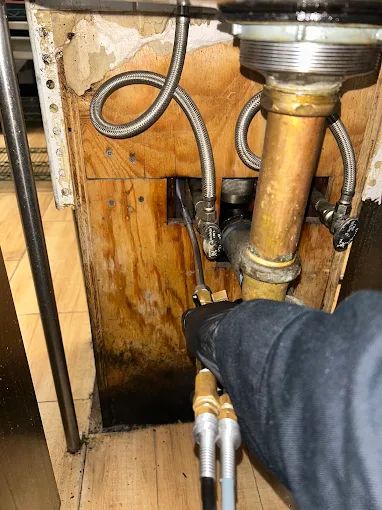
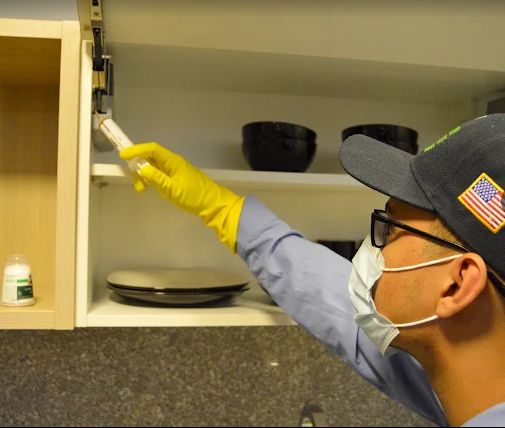
A Brooklyn-based, NYSDEC-registered company (Reg. #15140) led by Jorge Bedoya, an Associate Certified Entomologist (ACE). For cockroaches, NYE provides a non-repellent microinjection protocol for German cockroaches, placed at the harborage, plus a triple-active IGR. ACE-led work comes with a client portal of service reports and photos, fully bilingual service, and no long-term contract.
Do cockroaches bite? FAQ
Do cockroaches bite you in your sleep?
Very rarely, and only in severe infestations. A sleeping person with food residue on their hands or face is the one scenario where nibbling is documented. If you wake with marks regularly, inspect for bed bugs first — they are the blood feeders built for exactly that.
Do cockroach bites hurt or itch?
A bite can pinch for a moment and leave a small itchy red bump. Reactions are milder than bed bug bites for most people, but individuals sensitized to cockroach allergen can see stronger swelling.
Do cockroaches bite dogs or cats?
Practically never. Pets are more at risk from eating roaches — and from eating gel bait placed where it should not be, which is why our placements go inside cracks, voids and stations pets cannot reach.
Are cockroach bites dangerous?
The bite itself is minor; wash it and watch for ordinary signs of infection from scratching. The larger health issue is cockroach allergen, which is strongly linked to asthma in NYC apartments — children in high-infestation housing are sensitized at well above citywide averages.
I keep finding bites but never see any insects. What should I do?
Do not treat blindly. Follow the step-by-step process in our bites-but-no-bugs guide, or book an inspection — identifying the actual species first is the difference between one targeted treatment and months of guessing.