NYE Private Client · By appointment only
Carpet Beetle Treatment for Estate Homes in Alpine, Saddle River, Short Hills, the Somerset Hills and Rumson, New Jersey
Many “moth” calls are carpet beetles.The assessment tells them apart before anything is treated.
An Associate Certified Entomologist identifies the species, traces the colony to its source and processes the wardrobe, rugs and upholstery on site in your New Jersey home. Nothing leaves the property. Any pesticide application to the structure is performed by a New Jersey-licensed company we coordinate. Programs from $3,000.
 Jorge Bedoya, ACEUpdated November 2, 202611 min read
The varied, the black and the furniture carpet beetle.
What is actually eating the wool.
Three species do almost all of the damage in large houses, and none of them is a moth. The adults are harmless and short-lived; they fly in through open windows from April to June, feed on pollen, and lay eggs where their larvae will have keratin to eat. The larvae do the damage, for months, in the dark.
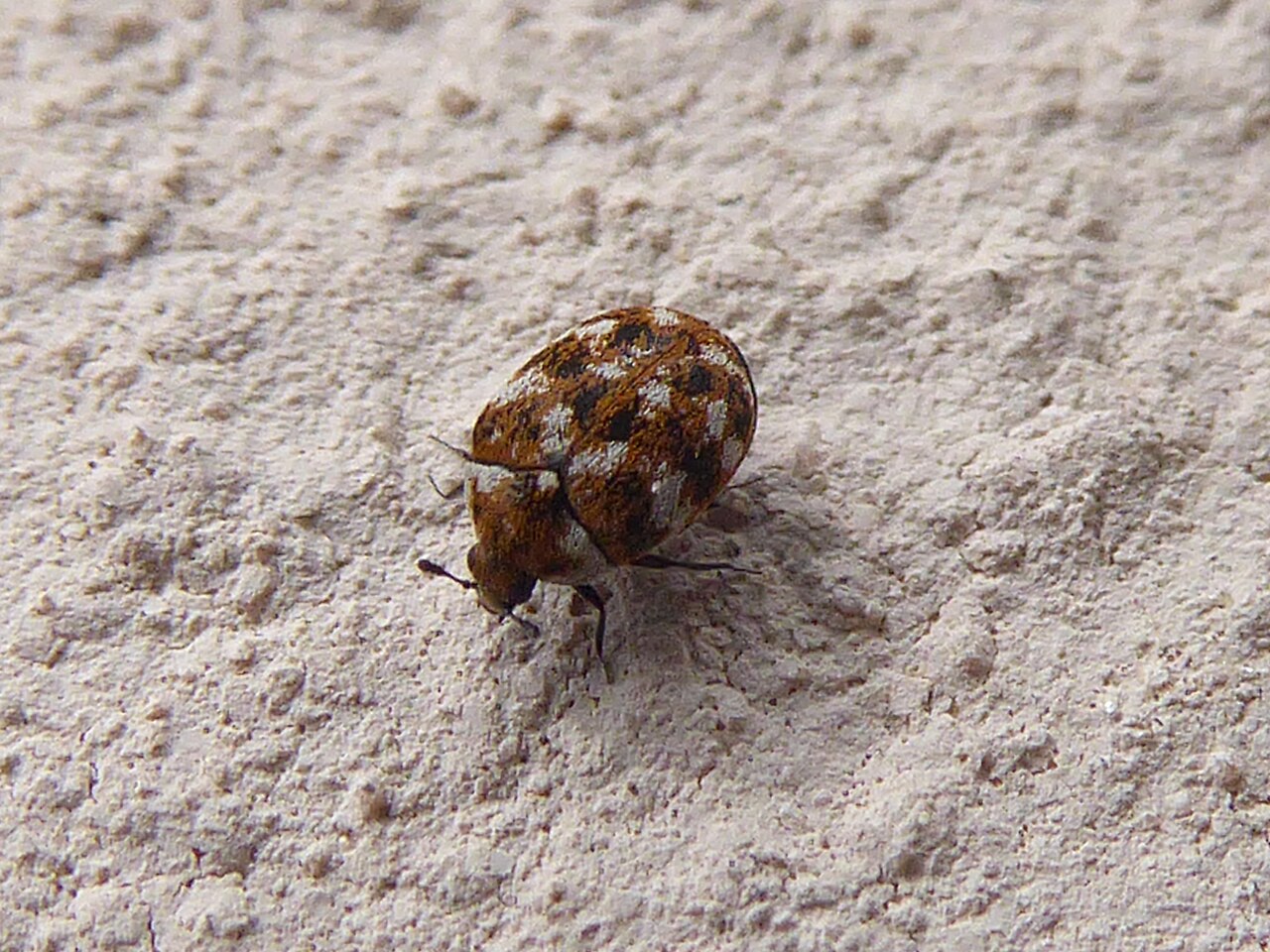
Varied carpet beetle
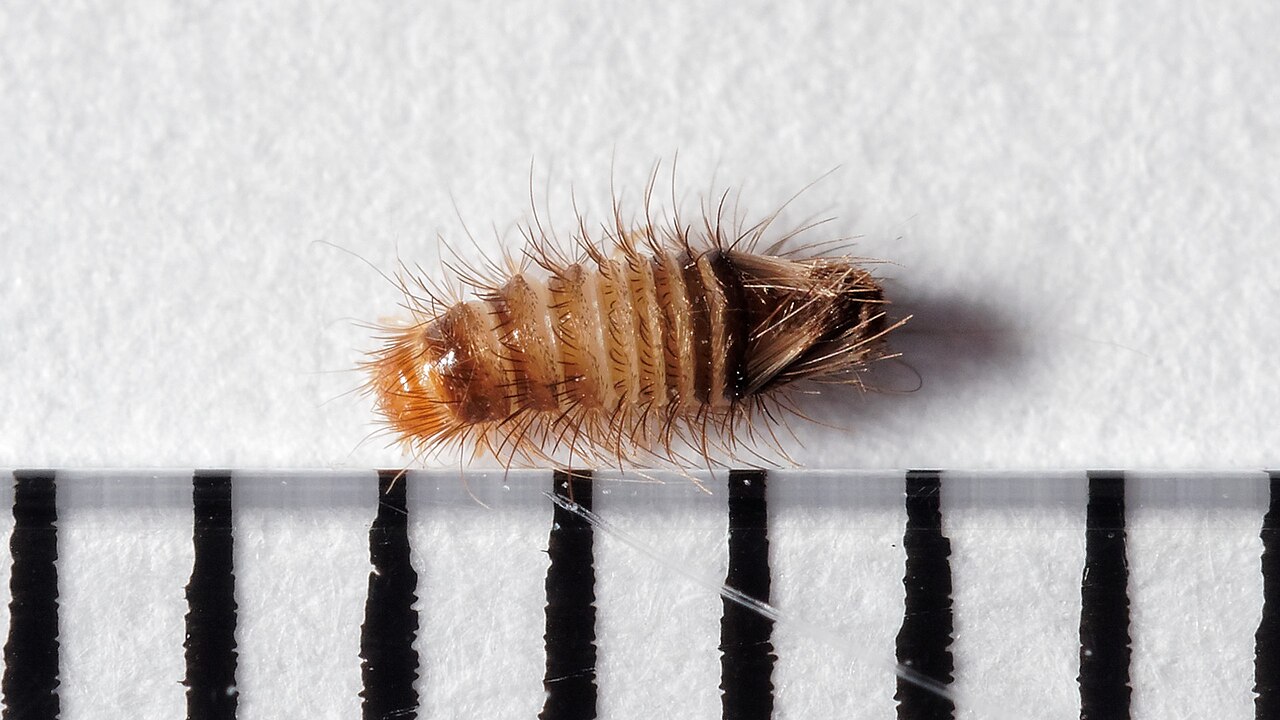
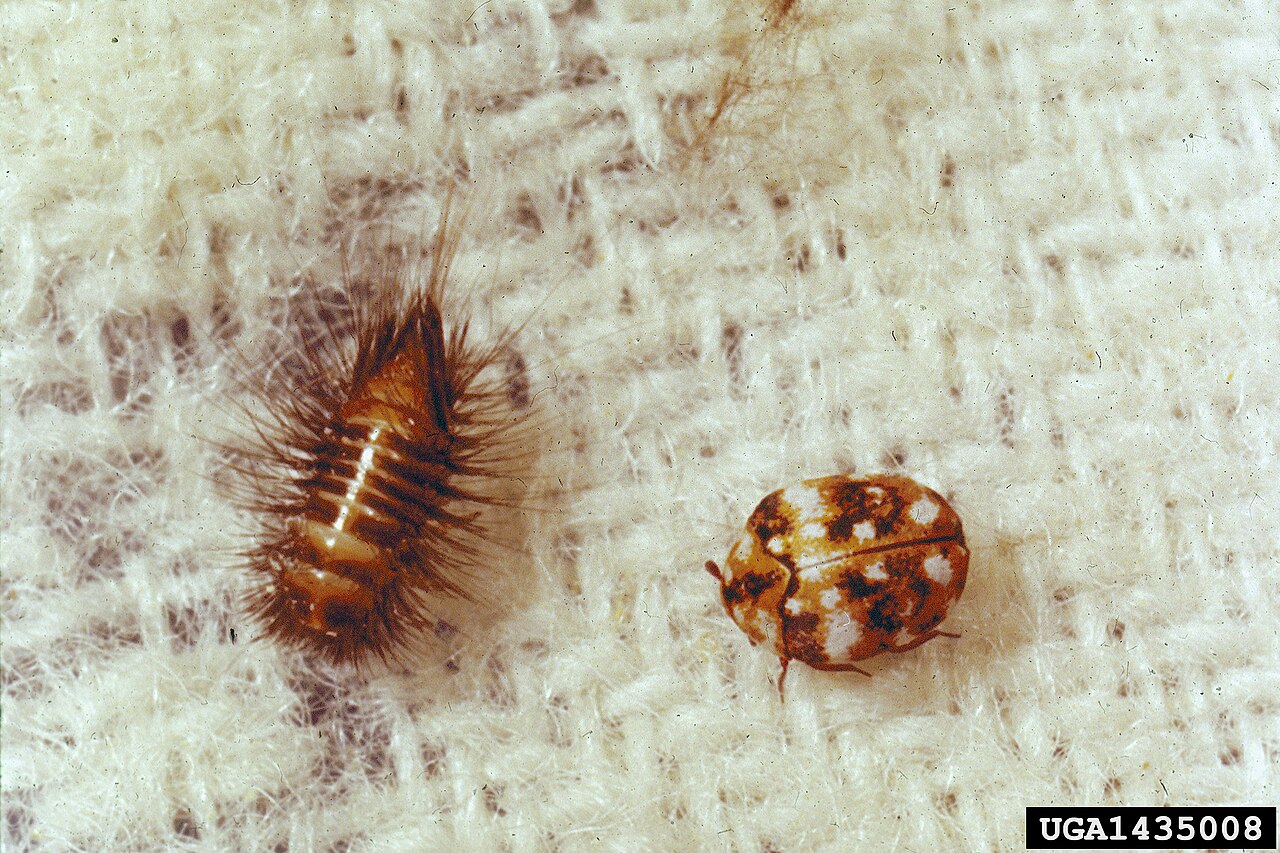
A two to three millimetre adult mottled in white, brown and yellow scales, found dead on window sills in spring. The larva is a short, bristled, carrot-shaped grub with tufts of hair at the tail that leaves a trail of shed skins behind it. The commonest beetle in wardrobes, rugs and under furniture.
Black carpet beetle
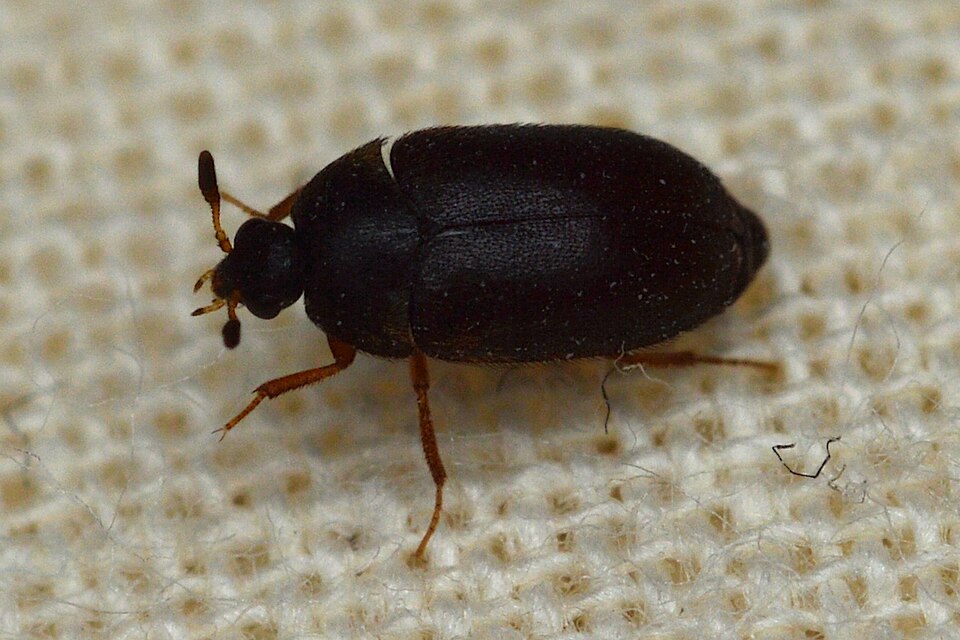
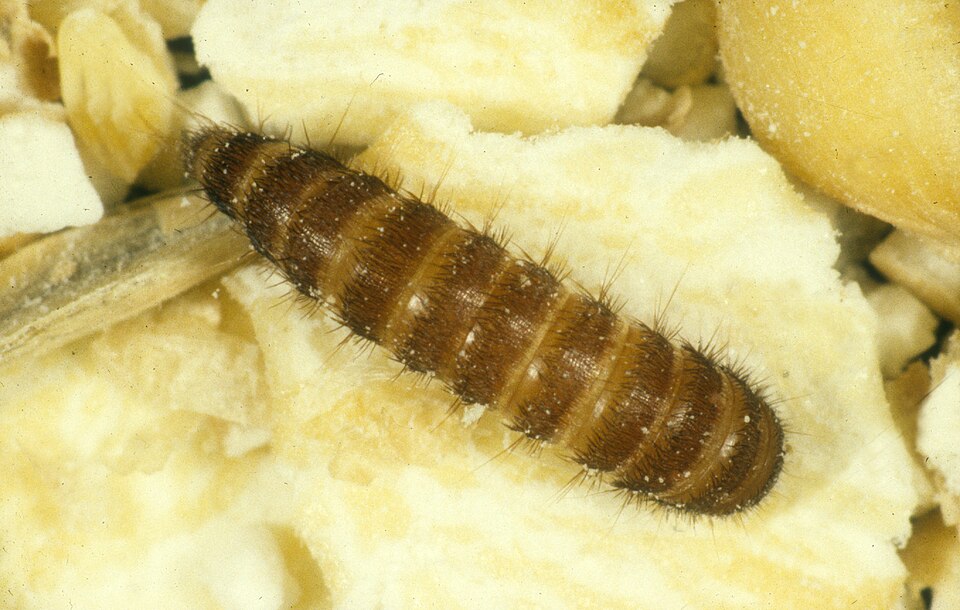
A dull black adult and a long, smooth, golden-brown larva with a tail of long hairs. The larva lives up to three years, eats wool, hair, feathers, dead insects and stored food, and is the species behind the worst damage to wool wall-to-wall carpet, felt and upholstery padding.
Furniture carpet beetle
Looks like the varied beetle, prefers upholstery: horsehair padding in antiques, down and feather cushions, the wool face of a sofa and the felt under it. Rarely diagnosed because nobody turns the chair over.
Shed skins, not webbing
Clothes moth larvae leave silk webbing, cases and pellet-like frass. Carpet beetle larvae leave translucent, bristled cast skins that look like living larvae, and clean-grazed bare patches with no silk. A house manager who finds skins on a closet floor has beetles, whatever the previous company said.

Alpine to Rumson: the Palisades estate, the pre-war Tudor, the horse farm and the shore house
New Jersey gives the carpet beetle four houses. The Bergen County estate is new, large and sealed, which hides the problem: wool carpet in the home theater and the staff apartment, down by the dozen, dried arrangements on every table, and a dryer vent or soffit that a starling has claimed. The Short Hills and Summit Tudor is the opposite, pre-war and porous: wool wall-to-wall over hair underlay that has survived three owners, horsehair in the chairs, a chimney with a nest in it, and a carpet edge under every radiator.
The Somerset Hills horse property is the richest beetle habitat in the state. A tack room with horsehair on everything, wool coolers, a trophy room of mounted heads and fox masks, a barn full of dead insects in the light fixtures and a house full of needlepoint. The black carpet beetle, which lives up to three years as a larva, is built for it. The Shore house, closed from Labor Day to Memorial Day with wool throws in the sunroom and a nest under the eaves, gives a colony seven months of silence.
The pattern is the same from Alpine to Mantoloking: a previous company treated the closets for moths, the holes continued, the shed skins kept appearing, and someone finally turned over the library rug. The assessment identifies the species from the larvae and the skins and traces the colony to its source before anything is treated.
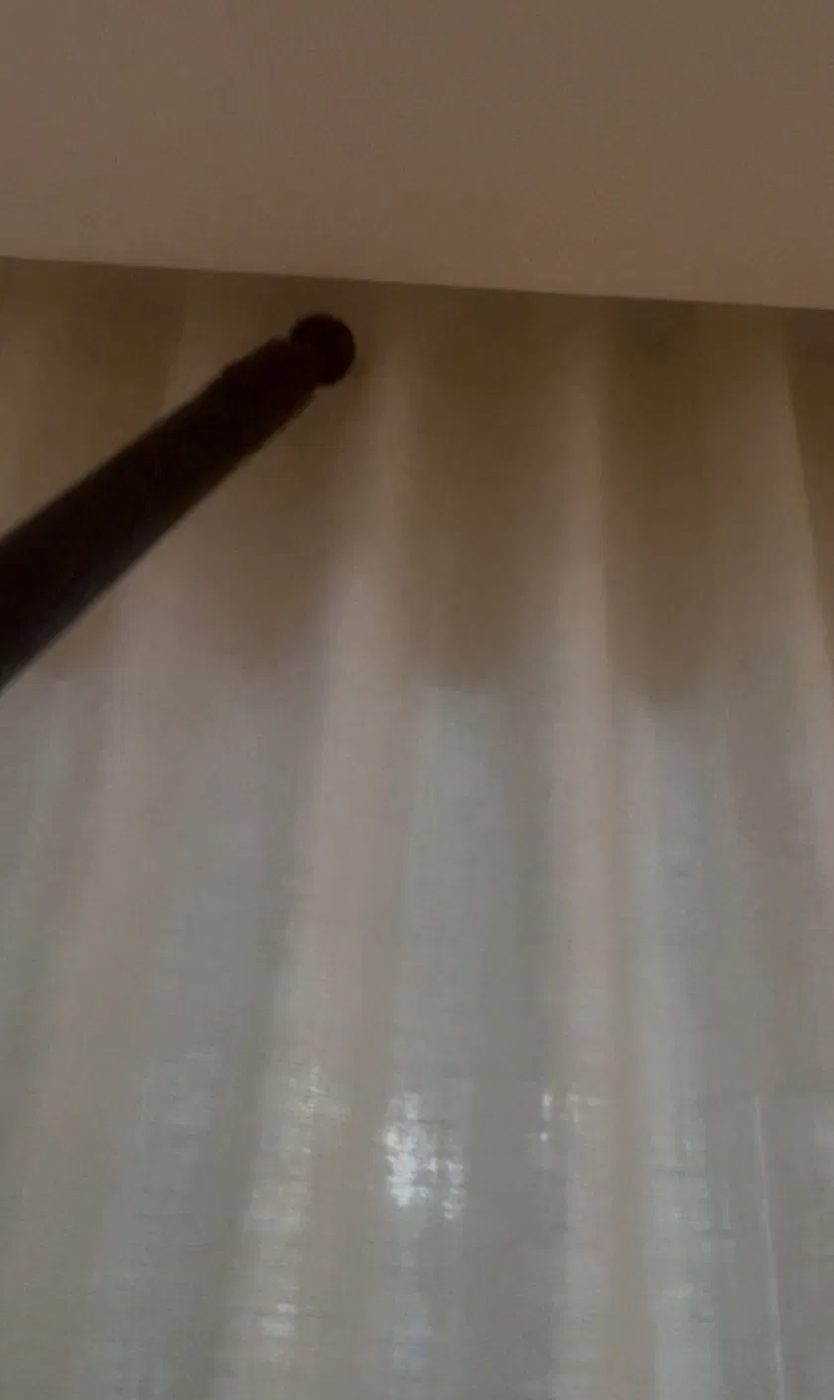
How the assessment tells them apart,
and why it changes the program.
| What you see | Clothes moths | Carpet beetles |
|---|---|---|
| On the damaged wool | Silk webbing, tube-shaped cases, sand-like frass the colour of the fabric | Translucent bristled shed skins, no silk, no frass; bare grazed patches |
| The holes | Irregular, scattered, often at collars, underarms and folds | Clean-edged, concentrated in one area, along seams and hems or in a single band |
| Where the larvae live | Inside garments, in folds, under collars, in the pile of a rug | Carpet edges under baseboards, under furniture that never moves, air returns, the felt under upholstery |
| The adults | Small tan moths that run and flutter in the dark and avoid light | Small oval beetles found dead on window sills and in light fixtures, April to June |
| The source | A stored garment, rug or trunk; a second home | Often outside the wardrobe entirely: a bird’s nest in a soffit, a dead rodent in a wall, wool carpet padding, dried flowers, pet hair under a radiator |
| Bites | Never | Never, but the larval hairs cause a rash in some people that is routinely misdiagnosed as bed bugs |
| What it changes | Process the wardrobe, treat the closets and rugs, monitor | Find and remove the source first; process the wardrobe; treat carpet edges, voids and upholstery; screen the soffit or vent the nest came through |
The two can share a house. It is common for the assessment to find moths in the dressing room and beetles in the wool carpet of the library, from two different sources, and the program is written for both.
Source first, then the wardrobe.
Nothing leaves your home.
A beetle program is a moth program with one more step at the front: finding the thing outside the closet that is feeding the colony. Treating the garments without it buys one season.
Assessment, $750
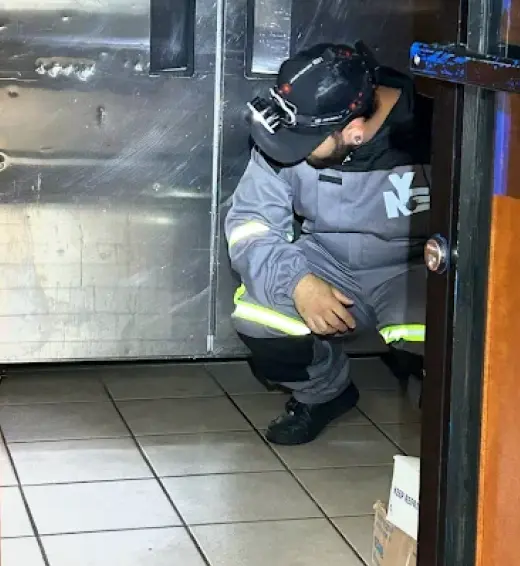
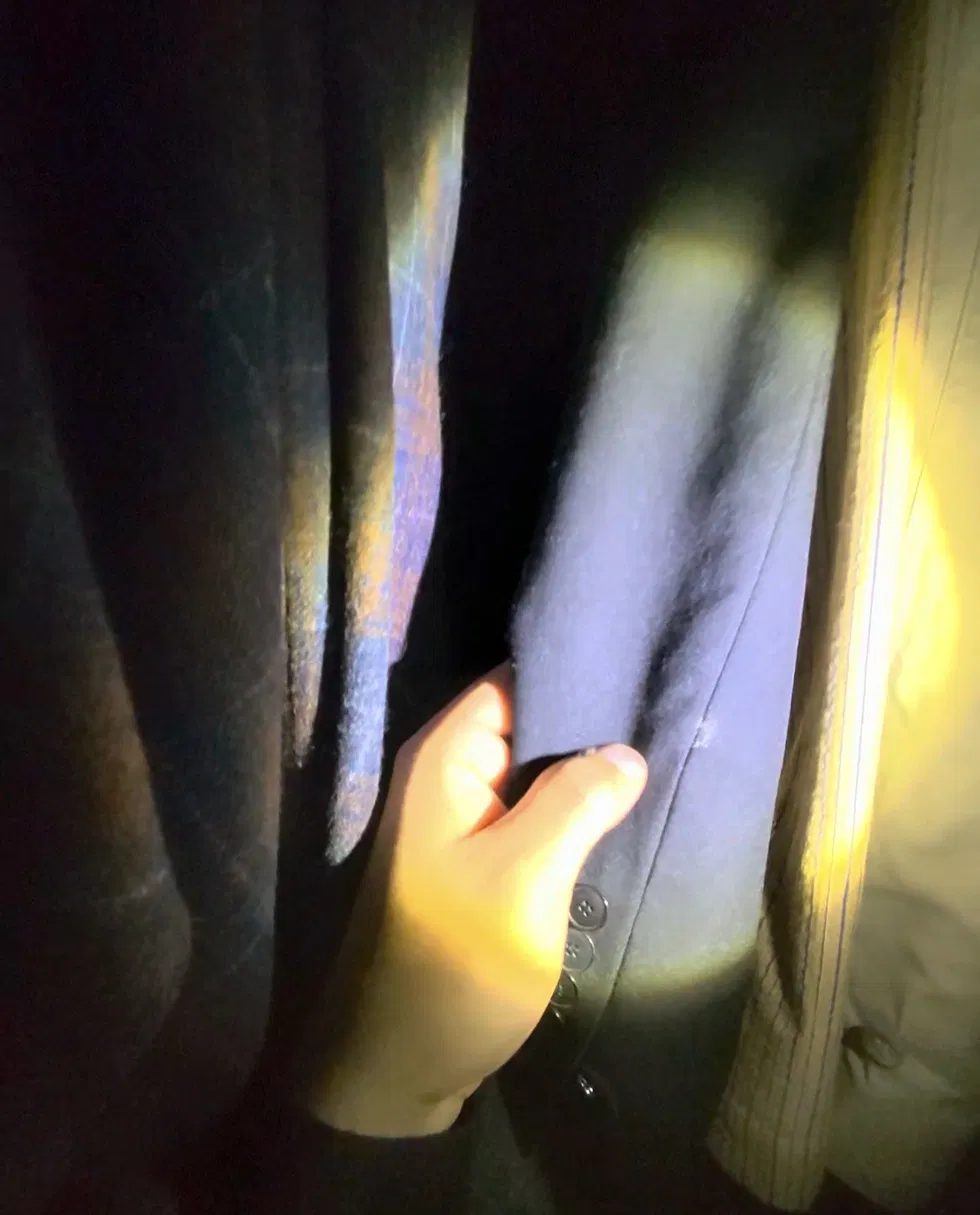
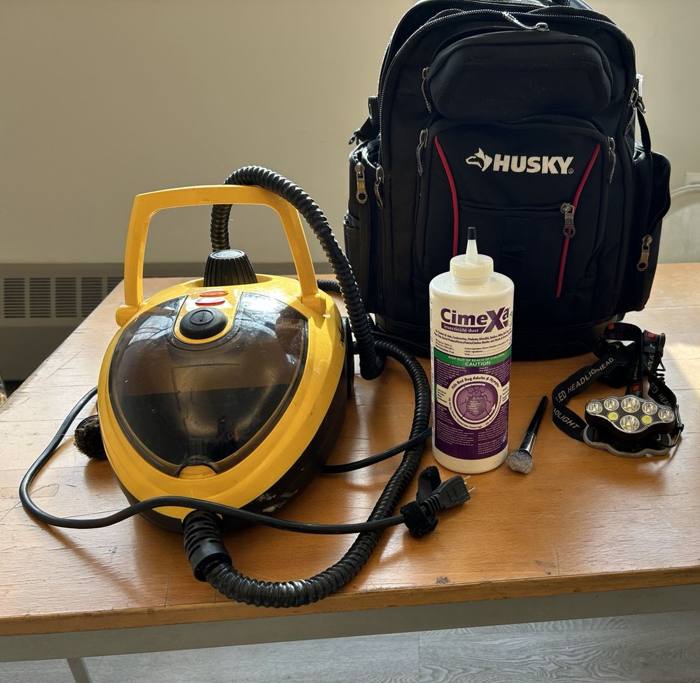
Jorge Bedoya, ACE, walks every closet, rug, piece of upholstery, attic, basement, soffit and vent with a headlamp and a hand lens, identifies the species from the larvae and skins, and traces the colony to its source. The inventory rates every garment against our Fabric and Brand Care Index, and you receive a fixed program price.
Source removal
The bird’s nest comes out of the soffit, the dead rodent out of the wall, the infested carpet padding out from under the rug, the dried arrangement out of the hall. Entry points are screened or sealed. This is the step the previous company skipped.
Wardrobe processed on site
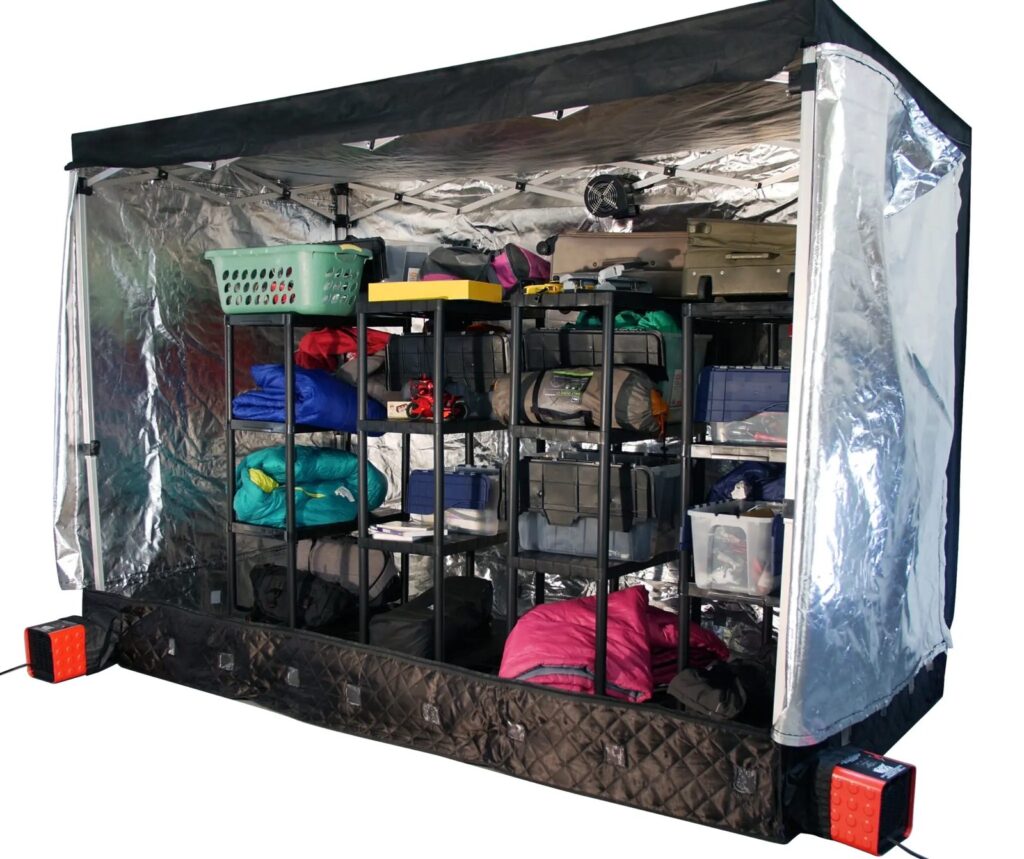
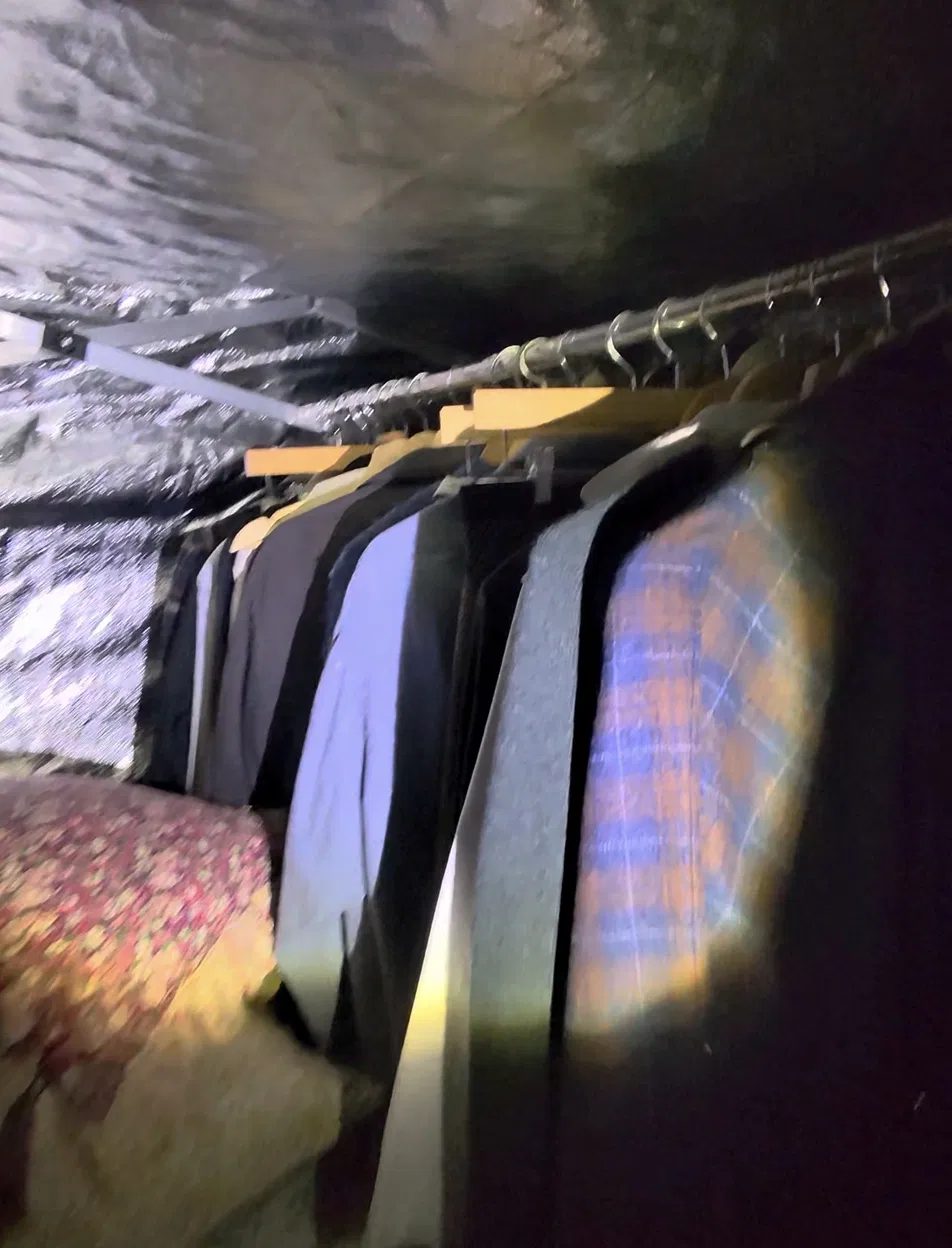
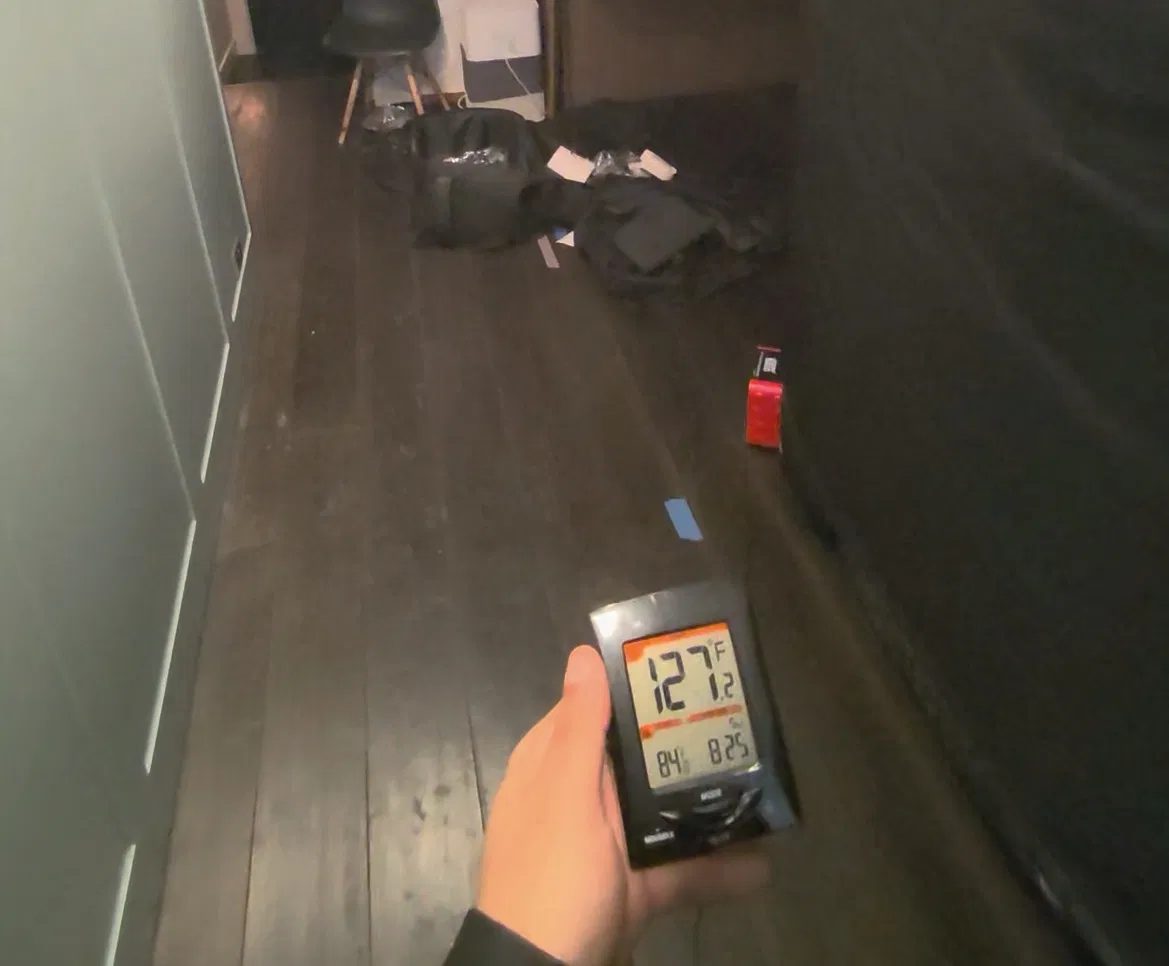
Heat-safe garments go through our chamber with a probe in the core of the load; cashmere, silk and anything delicate is frozen in our portable freezers. Furs, taxidermy and antique upholstery are documented and routed to the right specialist.
Carpet edges, voids and upholstery
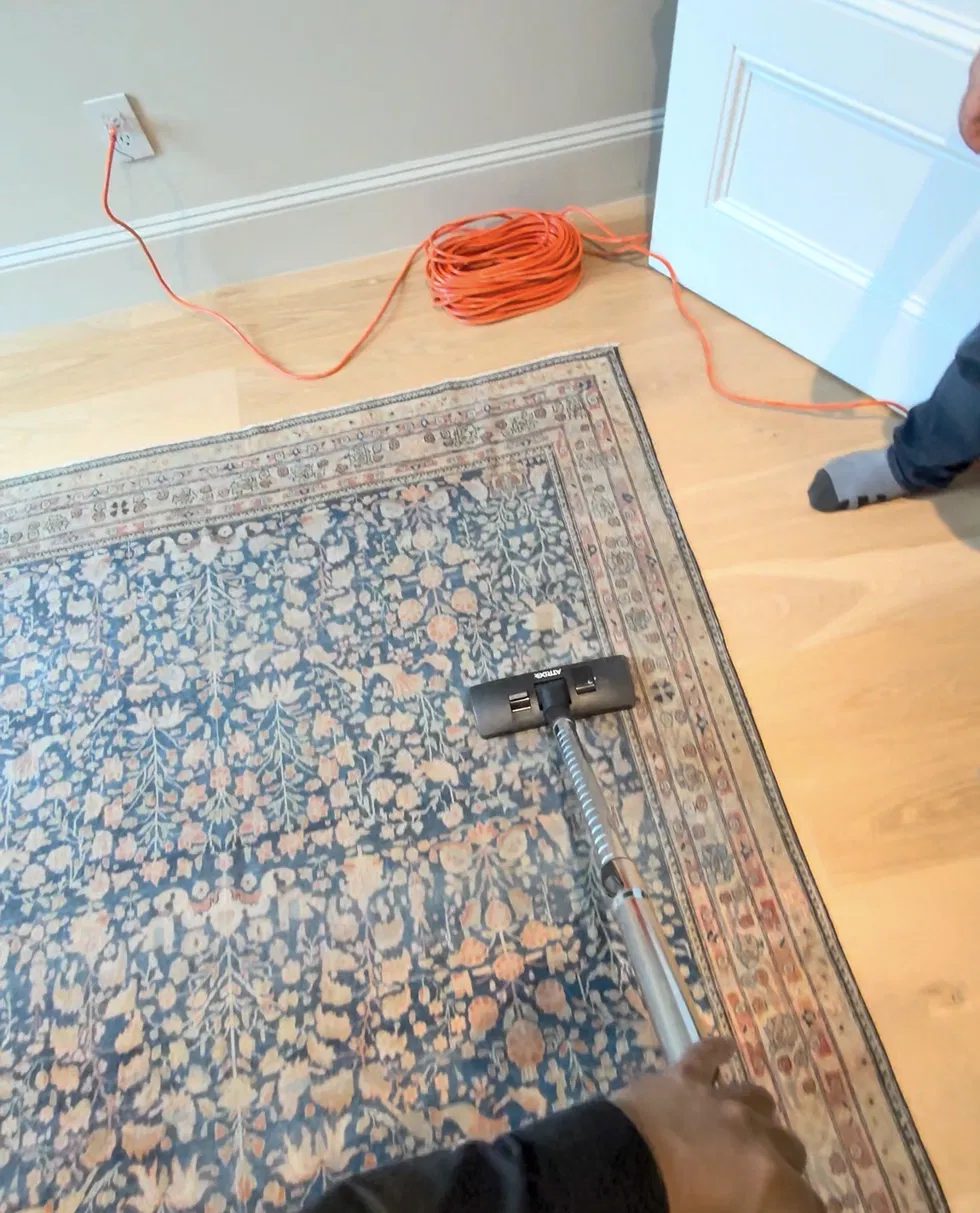
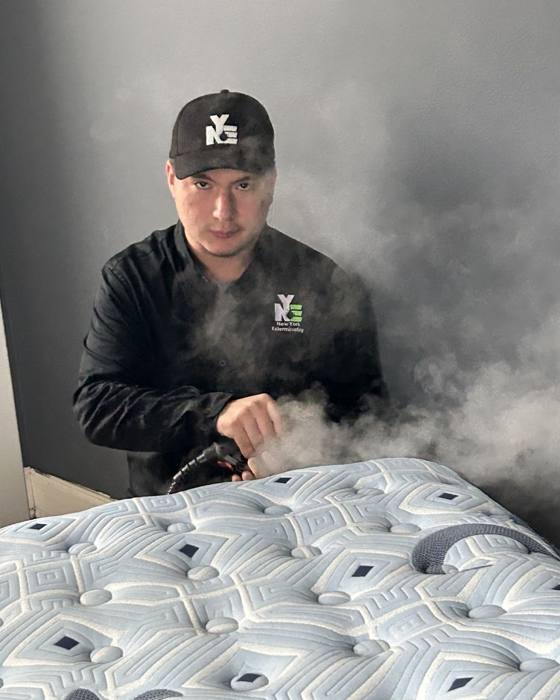
Wool carpet is lifted at the tack strip where possible, HEPA-vacuumed and steamed to the edge; upholstery is inspected underneath and treated where it stands; air returns and floor registers are vacuumed and inspected. In New Jersey, New York Exterminating performs the assessment, the on-site heat, freezing, steam and HEPA processing, nest and source removal that needs no pesticide, the monitoring and the report. Any pesticide application to the structure is performed by a New Jersey-licensed company under its own license, scheduled by us and shown as a separate line. How New Jersey is different.
Report and monitoring
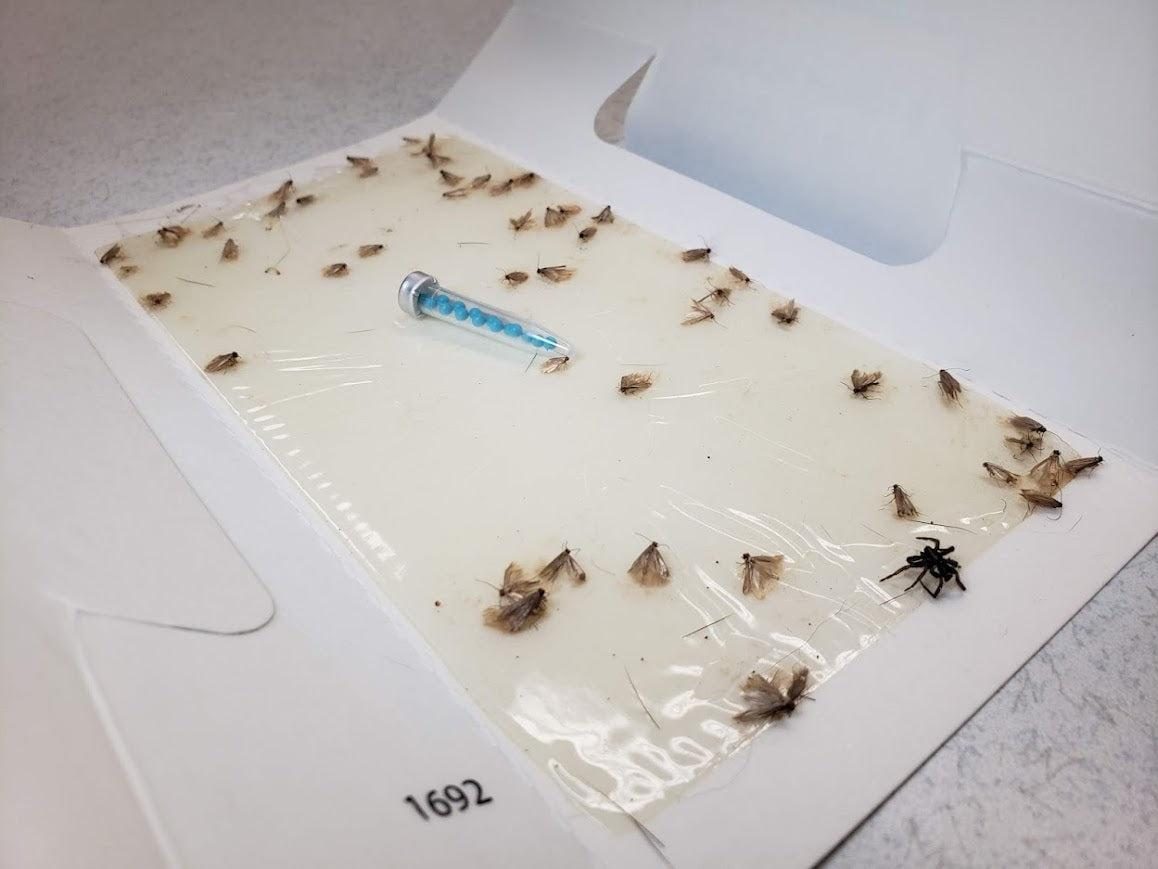
The Private Client Report records the species, the source, every garment and its condition, the probe and freezer logs and the structure work. Sticky monitors and a spring window-sill check at 30, 60 and 90 days verify the result; those visits do not re-treat.
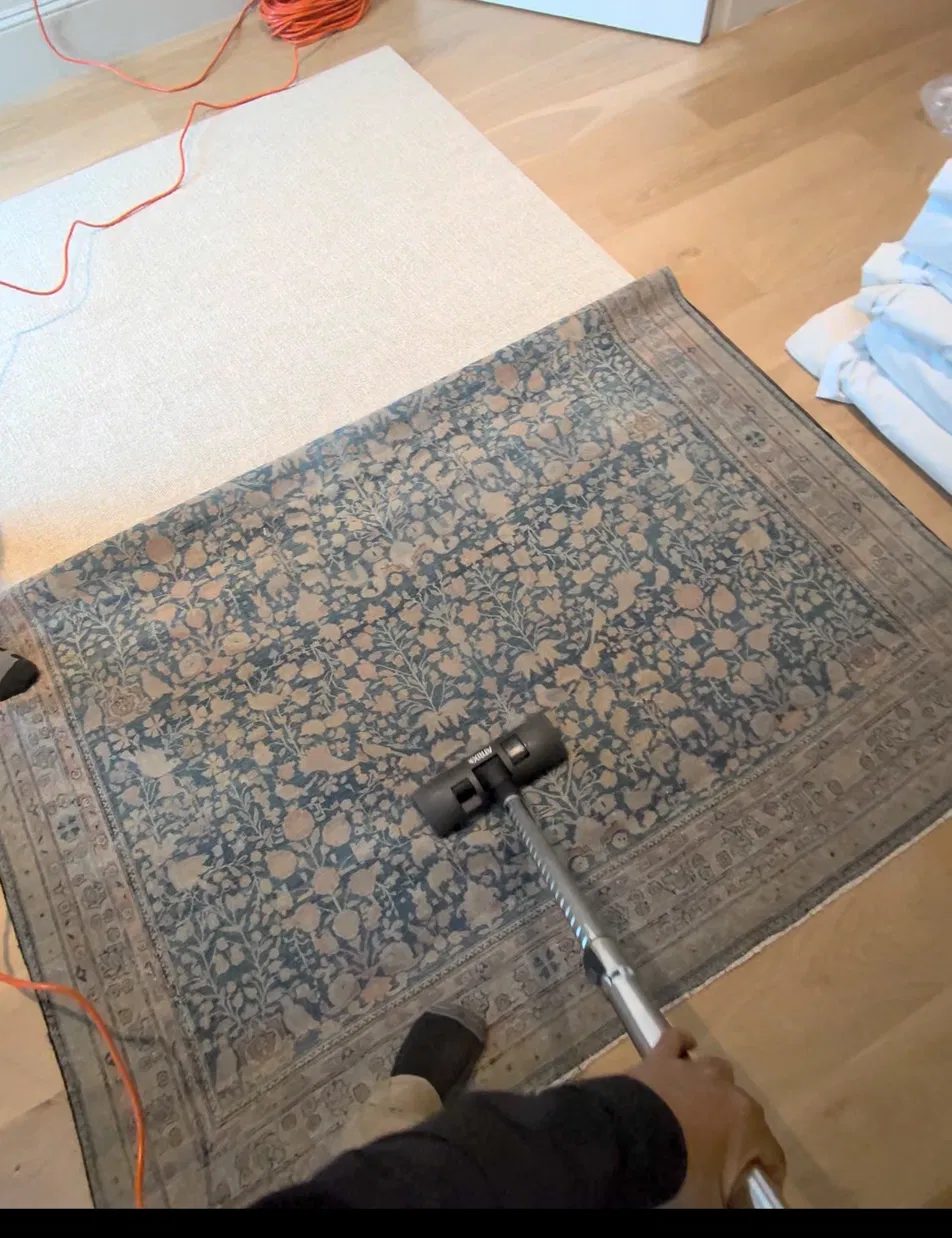
The items the assessment rates first.
| Item | Why beetles want it | Rating | How we handle it |
|---|---|---|---|
| Wool wall-to-wall carpet and felt or hair underlay | The single largest keratin reserve in the house, never lifted | Treated in place | Lifted at the tack strip where possible; edges HEPA-vacuumed and steamed; underlay replaced where infested. |
| Antique upholstery with horsehair stuffing | Horsehair is food; the frame is dark and still | Treated in place | Turned, inspected underneath, vacuumed and steamed; re-upholstery referred where the stuffing is the colony. |
| Taxidermy, feather art, hair-on hides, fox masks | Hair, feather and skin on a form, in a room closed all week | Specialist | Documented and referred to a taxidermist or conservator; a single mount can seed a whole floor. |
| Down and feather pillows, duvets, cushions | Feathers are keratin; fills are never aired | Heat, probed | Chamber with a probe in the fill; the long hold that down needs. |
| Dried flowers, pampas, seed heads, potpourri | Pollen and plant protein; the adults’ natural food, often the colony’s origin | Remove | Removed and bagged; the assessment says so plainly. |
| Cashmere, wool and silk in the wardrobe | Same food as for moths | Freeze | Frozen or heat-probed by rating, exactly as in the moth program; the index applies. |
| Pet beds, dog hair under radiators, the cat’s chair | Hair accumulations feed larvae for months | Treated in place | Vacuumed to the slot; beds processed in the chamber; the household told where hair collects. |
| Bird’s nests in soffits, chimneys, dryer vents; rodent carcasses in voids | The classic outside source of an indoor colony | Remove | Removed, the opening screened or sealed, the void vacuumed. |
The same three programs.
Moths, beetles or both.
Wardrobe Assessment
Estate Wardrobe Program
Estate Wardrobe Program Plus
Any repeat service within six months of a program is 50% of the original price. Payment plans are available. Apartments in the city are covered by our standard carpet beetle service.
Where we run the program.
Four New Jersey regions, the same assessment.
“I do the assessment myself because the assessment is the job. Anyone can run a heat chamber. Knowing which jacket has horsehair canvas inside it, which coat will delaminate at 120 degrees and which rug is the actual source is what you are paying for. If I would not put a garment of my own through a step, it does not go through that step.”
Environmental scientist by training. NYSDEC #15140. What an ACE is · About Jorge
Request a private assessment in Bergen, Essex, the Somerset Hills or the Shore.
Tell us the town, what you have found and where, and whether a previous company treated for moths. We reply the same business day.
New York Exterminating, Inc. · 1115 E 13th St, Brooklyn, NY 11230 · NYSDEC #15140 · 4.9 stars from 82 Google reviews · English and Spanish
Carpet beetles vs. clothes mothsHow to tell which one is eating your wool
Carpet beetle rash or bed bug bites?The misdiagnosis that sends people to the wrong company
Luxury Fabric and Brand Care IndexSixty entries, and how each is processed
Carpet beetles in New Jersey: FAQ
Is New York Exterminating licensed in New Jersey?
Our pesticide business registration and applicator certification are in New York State. In New Jersey we perform the assessment, species identification, source removal that needs no pesticide, the on-site heat, freezing, steam and HEPA processing, the monitoring and the report. If the structure needs a product applied, a New Jersey-licensed company performs it under its own license, scheduled by us and documented in your report. See our New Jersey page.
Where does the colony usually come from?
Outside the wardrobe. A bird’s nest in a soffit, chimney or dryer vent, a dead mouse or squirrel in a wall or attic, the hair-and-felt padding under a wool rug, a dried arrangement, pet hair under a radiator. The assessment finds it, the program removes it, and the entry point is screened.
A previous company treated us for moths and the damage continued. Why?
Because it was probably beetles, or both. A moth treatment aimed at closets does nothing for a colony living in the wool carpet padding under the library rug or in a bird’s nest in the soffit. The assessment identifies the species from the larvae and shed skins, traces the source, and the program is written for what is actually there.
Someone in the house has a rash. Is that the beetles?
It can be. The hairs on carpet beetle larvae cause a dermatitis in some people, a line of itchy welts that is regularly misdiagnosed as bed bug bites, which sends households to the wrong company for the wrong treatment. The assessment checks for bed bugs as well, so you get one answer.
Do you treat moths and beetles in the same program?
Yes. The wardrobe processing, heat, freezing, steam and HEPA, is the same for both, and the assessment covers both. A house with moths in the dressing room and beetles in the carpeted rooms is one program with two sources, and the report says which was which.
What if a piece is beyond what you can process on site?
It goes to the right specialist, and we make the call: a taxidermist or conservator for mounts and feather pieces, an upholsterer for a horsehair frame that is itself the colony, a furrier’s cold vault for furs, a rug restorer for antique rugs. Each hand-off is recorded in the report.