NYE Private Client · Reference
Luxury Fabric and Brand Care Index: How Clothes Moths Treat Cashmere, Vicuña, Silk, Fur, Tailoring and Rugs, and How We Treat Them
Every piece gets a rating before it is touched.This is the whole index.
The working reference behind every NYE Private Client assessment: what clothes moths actually eat, which makers’ pieces carry the most risk, and whether each one is heated, frozen, treated where it sits or handed to a specialist. Written for owners, house managers and the cleaners and closet designers who see the damage first.
 Jorge Bedoya, ACEUpdated November 1, 202623 min read
They are not eating your clothes.
They are eating the animal that made them.
The webbing clothes moth and the casemaking clothes moth do no damage as adults; the adult does not even have working mouthparts. The larva does all of it, and it can only digest keratin, the protein in hair, wool, fur, feathers and silk. That single fact explains almost everything in a luxury wardrobe.
Fine animal hair
Vicuña, cashmere, camel, alpaca, mohair and angora are the softest fibres because they are the finest, and fine fibres are the easiest for a larva to cut and digest. A baby-cashmere sweater is eaten before the lambswool one beside it.
Wool and silk
Suiting, flannel, tweed, felt, blankets and rug pile are the bulk of what we find damaged, simply because there is more of it. Silk is a protein fibre too; larvae graze it rather than tunnel it, which is why silk damage looks like thinning rather than holes.
Fur, feathers, hide and hair
Mink, fox, shearling, down, feather trims, horsehair canvas inside a jacket, the hair of a mohair teddy bear, the felt on a piano hammer. If it grew on an animal, a larva can live on it.
Blends, cotton and synthetics
In a wool-polyester blend the larva eats the wool and leaves the polyester threads standing. It will also chew through cotton, linen or nylon that is in its way to reach wool, so a hole in a cotton shirt that shared a drawer with sweaters is a moth sign, not a mystery.
Two things raise the appeal of any piece: soiling and stillness. Sweat, skin oils, food and perfume residues add nutrients a larva cannot get from clean fibre, so the collar, underarm and cuff of a worn-once sweater go first. And a garment that is not moved for months is a garment where a larva can finish its whole development undisturbed. That is why the damage in large houses is found in the guest-room closet, the cedar room, the attic trunk and the rug under the piano, not in the clothes worn every week.
Heat, heat with a probe, freeze, or specialist.
What each one means on the day.
Every entry in the index carries one of four ratings. They describe what we do to the piece in your home, and they are the same four columns you will see on the garment inventory in your Private Client Report.
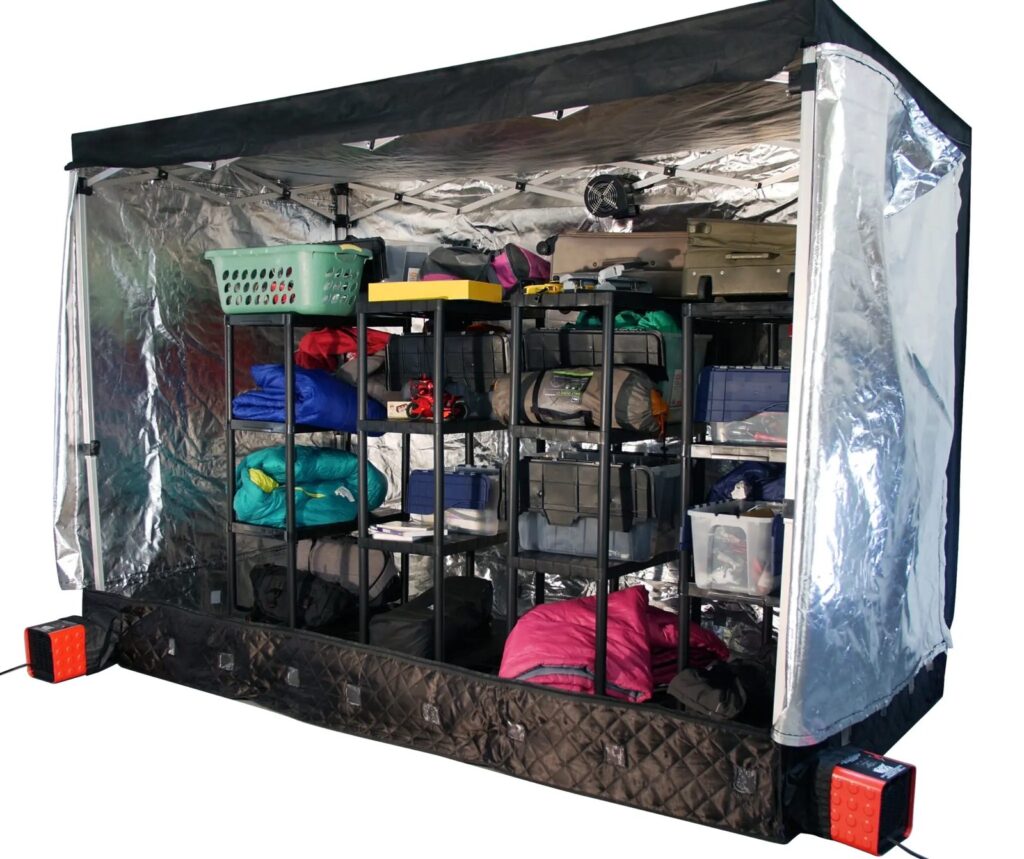
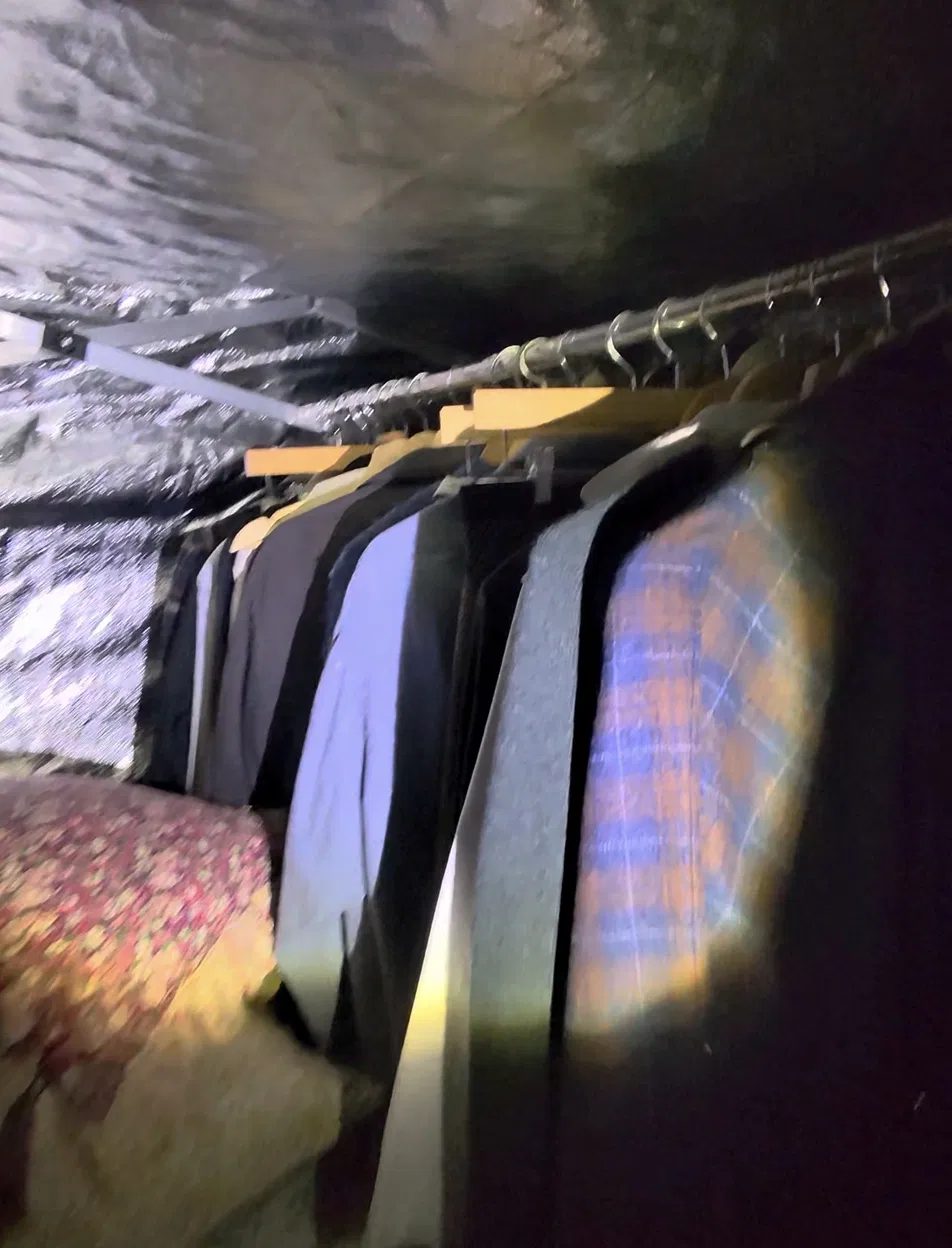
Routine chamber load. Cotton, linen, synthetics, washable wool and plain blankets. Loaded on open rails or spaced shelves in our ZappBug Room, brought to a lethal core temperature and held. The chamber is a controlled dry heat, not steam or pressing.
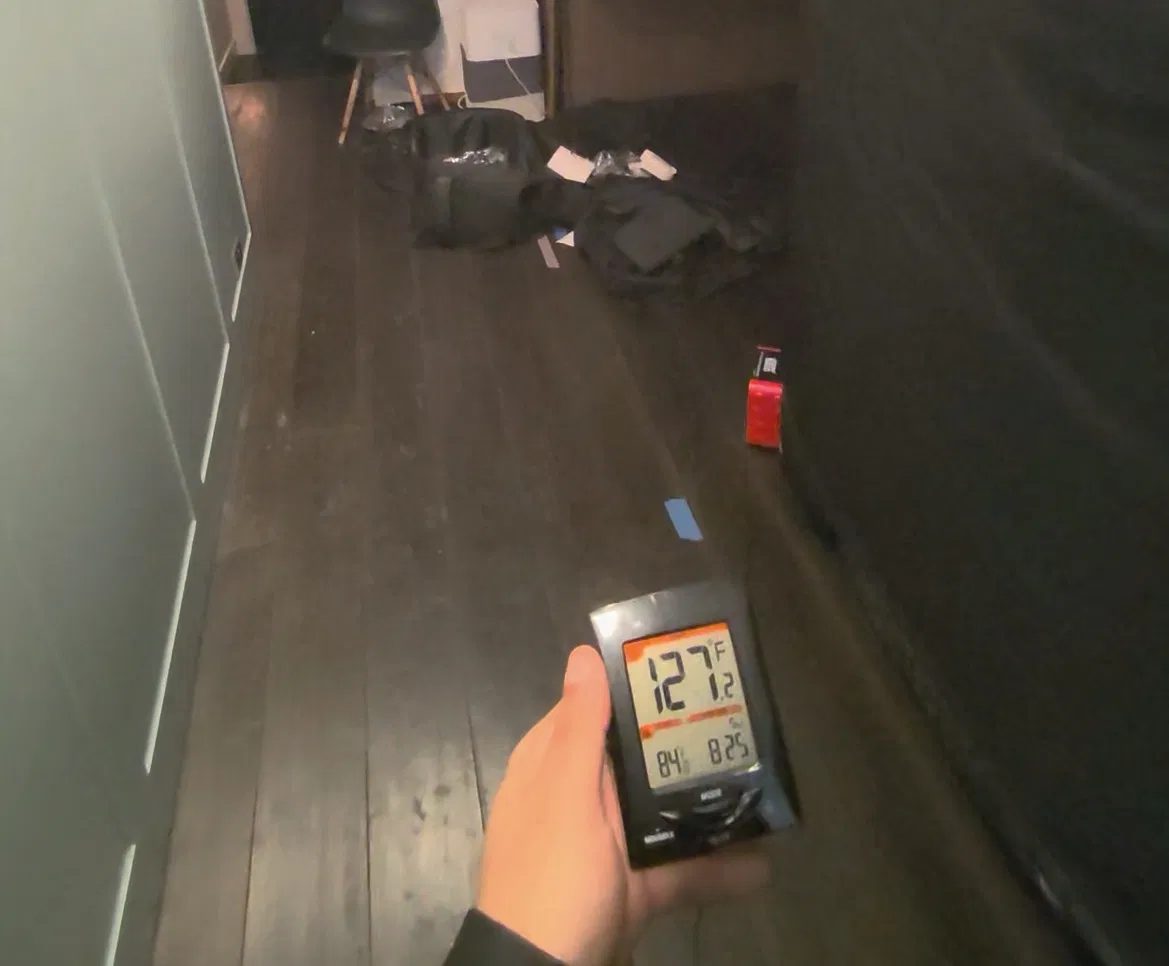
The piece can take heat, but its core lags the air by hours or its construction hides a weak point. A probe goes into the thickest part, the hold clock starts only when that probe reaches target, and the reading is logged. Dense wool, canvassed tailoring, thick knits, folded blankets, rug stacks.
Heat is declined. The piece is sealed in an archival bag, frozen in our portable chest freezers at 0°F or below, held well past the published kill time for eggs, the hardiest stage, and thawed slowly in the bag so no condensation reaches the fibre. Fine cashmere, vicuña, silk, bouclé, beading, glued trims, anything a maker says to keep away from heat.
Neither our chamber nor our freezer is the right tool. Furs, exotic skins, couture archives, antique and silk rugs, painted or lacquered pieces. We inspect, photograph, bag and document the piece, then coordinate with your furrier, conservator or rug restorer, and the hand-off is recorded in your report.
A note on the brands below. Names are used because a brand predicts fibre, lining, interfacing and glue, and that is what decides the rating. New York Exterminating is not affiliated with any maker named, and a maker’s care guidance always outranks our default. When a label and this table disagree, the label wins. When a piece has no label, the fibre in hand wins.
Knitwear and the fine fibres.
The pieces that are eaten first.
| Garment or maker | Fibre and construction | Moth risk | Rating | How we handle it |
|---|---|---|---|---|
| Vicuña coats, scarves and knits (Loro Piana, Brunello Cucinelli) | The finest commercial animal fibre; usually undyed, unlined or silk-lined | Highest | Freeze | Never heat. Sealed and frozen, thawed in the bag, refolded in acid-free tissue. Inspected under light before and after; vicuña damage is almost invisible until the fabric is held to a window. |
| Baby cashmere and fine-gauge cashmere (Loro Piana, Cucinelli, The Row, Hermès) | Under-fifteen-micron fibre, often two-ply, hand-finished | Highest | Freeze | Freeze. Checked at collar, underarm and cuff first, where soiling draws larvae. Pilling and grazing are told apart by the fibre ends. |
| Scottish and heritage cashmere (Johnstons of Elgin, Pringle, Barrie, N.Peal) | Fuller-handle cashmere, fully fashioned, sometimes felted finishes | Very high | Freeze | Freeze by default. A heavy felted cashmere can be heat-probed when the maker allows it, but we do not assume that. |
| Hand-dyed and tie-dyed cashmere (The Elder Statesman) | Chunky cashmere, hand-applied dyes | Very high | Freeze | Freeze only; hand-applied dyes are not tested for heat. Bagged singly so dyes cannot transfer during the thaw. |
| Camel hair coats and knits (Max Mara 101801, Loro Piana, Zegna) | Camel hair or camel-wool, often with a silk or viscose lining | Very high | Freeze | Freeze. The lining is inspected separately; larvae live between lining and cloth at the hem. |
| Alpaca, mohair and angora (Max Mara teddy coats, Prada mohair, Marni) | Long-staple hair with a brushed or looped pile; teddy coats are a hair pile on a silk base | Very high | Freeze | Freeze. Brushed piles trap casings; we vacuum with a soft brush through a screen before bagging. |
| Fine merino and sea-island knits (Zegna, John Smedley, Loro Piana) | Very fine, tightly knitted wool, sometimes mercerised | High | Heat, probed | Heat with a probe where the maker’s guidance allows warm drying; otherwise freeze. Fine merino shrinks with moisture, not with dry heat, so the piece must be bone dry. |
| Cashmere-silk and wool-silk blends | Two protein fibres; silk gives the drape, cashmere the hand | Very high | Freeze | Freeze. Both fibres are food and silk yellows with heat. |
| Shetland, lambswool and Fair Isle (Drake’s, Harley of Scotland, Jamieson’s) | Hairier, coarser wool, brushed or plain | High | Heat, probed | Chamber with a probe inside the folded body. Brushed Shetland holds casings; shaken out over paper and inspected first. |
| Hand-knit, crochet and knitted tweed jackets (Chanel knits, Missoni) | Open structures, often with metallic or viscose yarns | High | Freeze | Freeze. Metallic and viscose yarns do not tolerate a long hot hold; open structures hide larvae well and are inspected under magnification. |
| Boiled wool and felted knits (Loro Piana, Harris Wharf, loden) | Dense, fulled wool with no lining | High | Heat, probed | Heat with a probe; dense felt lags the air badly and the hold starts only when the core arrives. |
| Mass-market cashmere and merino (Uniqlo, J.Crew, Everlane) | Shorter-staple cashmere, often machine-washable finishes | High | Heat, probed | Chamber after a probe-controlled test load when the label allows warm drying. Still food, still inspected. |
Tailoring and the womenswear houses.
Where the risk hides inside the garment.
| Garment or maker | Fibre and construction | Moth risk | Rating | How we handle it |
|---|---|---|---|---|
| Full-canvas bespoke and Neapolitan tailoring (Savile Row houses, Kiton, Attolini, Rubinacci) | Wool cloth over a floating horsehair or wool canvas, hand-padded | High | Heat, probed | The canvas is keratin, so larvae feed inside the chest where you cannot see. Probe between cloth and canvas; chamber hold counted from that probe. Fused collars checked first. |
| Ready-to-wear tailoring (Brioni, Zegna, Tom Ford, Ralph Lauren Purple Label) | Wool, wool-mohair, wool-cashmere; full or half canvas; some fused interlinings | High | Heat, probed | Heat with a probe when no fusible interlining is found; freeze when it is, because adhesives can let go under a long hold. |
| Fused and glued tailoring (most designer suiting under the top tier) | Wool face bonded to a fusible interlining; glued collars and chest pieces | Moderate | Freeze | Freeze. A fused chest that bubbles after heat cannot be repaired. |
| Dinner suits, morning coats and tails | Barathea or mohair-wool with silk grosgrain or satin facings | High | Freeze | Freeze; silk facings mark under heat. Stored flat between tissue after processing. |
| Flannel, tweed and cord trousers; wool waistcoats | Plain wool cloth, half-lined | High | Heat, probed | Chamber with a probe in a folded stack. Pocket bags and waistband canvas inspected. |
| Chanel-style tweed and bouclé jackets | Loosely woven wool, mohair, cotton and metallic yarns; chain weights, braid, silk lining | Very high | Freeze | Freeze. The open weave hides larvae and the trims are heat-sensitive. Lining opened at the hem and inspected separately. |
| Structured wool-silk tailoring (Dior bar jackets, Akris double-face, Carolina Herrera) | Wool-silk and double-faced cloths, sometimes hand-stitched edges | Very high | Freeze | Freeze; double-face cloth cannot be re-pressed if it shifts. |
| Cashmere and wool coats (Max Mara, Hermès, The Row, Celine, Saint Laurent) | Heavy cashmere or wool cloth, viscose or silk lining, shoulder pads | Very high | Freeze | Freeze in our largest bags, flat. Shoulder pads and hem pockets are the usual larval sites. |
| Embroidered, beaded and sequinned evening wear (Valentino, Oscar de la Renta, Elie Saab, Zuhair Murad) | Silk, tulle or wool bases with glued or sewn embellishment | High on silk and wool bases | Specialist | Inspection and documentation only. Beads, sequins and glues fail under both heat and cold. We coordinate with your conservator and the piece is isolated until then. |
| Vintage and archive couture (Balenciaga, Yves Saint Laurent, Dior, Givenchy archives) | Aged silks and wools, early synthetics, degrading interfacings | Very high and often already active | Specialist | Documented and bagged. Archive pieces are the single most common source we find in large houses, because nobody opens the box. |
| Wedding dresses and christening gowns | Silk, silk satin, lace; sometimes wool for winter gowns | Moderate to high | Specialist | Inspected and documented. Silk wedding dresses go to a textile conservator or a specialist cleaner; we never process them ourselves. |
Silk, outerwear, fur and leather.
The pieces that heat ruins fastest.
| Garment or maker | Fibre and construction | Moth risk | Rating | How we handle it |
|---|---|---|---|---|
| Silk carrés and scarves (Hermès, Gucci, Ferragamo) | Silk twill, hand-rolled hems, screen-printed dyes | Moderate | Freeze | Frozen flat between tissue, never folded on the print. Never pressed, never heated; heat yellows silk and sets grazing marks. |
| Silk ties and pocket squares (Charvet, Drake’s, Hermès) | Silk shell over a wool or wool-blend interlining | High | Freeze | Freeze. The interlining is the food; larvae tunnel the inside of a tie and leave the silk intact until it collapses. |
| Silk blouses, dresses, slips and lingerie (The Row, Vince, La Perla) | Silk charmeuse, crepe de chine, georgette | Moderate | Freeze | Freeze. Grazing shows as thin patches that only appear against light. |
| Silk velvet and silk-viscose velvet | Silk or viscose pile on a silk or cotton back | Moderate | Freeze | Freeze, pile up, uncrushed. Viscose pile is heat-sensitive. |
| Membrane-laminated wool and cashmere (Loro Piana Storm System and similar bonded outerwear) | Cashmere or wool face bonded to a waterproof membrane | Very high on the face | No heat | Freeze only. A bonded membrane delaminates under a long hot hold and cannot be re-bonded. |
| Down and fur-trimmed outerwear (Moncler, Canada Goose, Herno) | Down fill in nylon shells; coyote or fox trims; taped seams | Moderate for the down; high for fur trim | Freeze | Freeze; makers warn against high heat on down and the trim is fur. Trim detached where the design allows and bagged separately. |
| Trench coats and gabardine (Burberry, Aquascutum) | Cotton gabardine shell; wool or wool-cashmere button-in liners; leather buckles | Low for the shell, high for the liner | Freeze | Liner removed and frozen; shell inspected and frozen with it when leather trim is present. |
| Waxed cotton (Barbour, Belstaff) | Waxed cotton shell, wool or cotton tartan lining, corduroy collar | Moderate | No heat | Hard decline for the chamber: wax melts and migrates. Lining inspected and the coat frozen if needed. |
| Bonded cotton raincoats (Mackintosh) | Two layers of cotton bonded with rubber | Low | No heat | Inspected only; bonding fails with heat. Not moth food unless wool-lined. |
| Shearling and sheepskin (Brunello Cucinelli, Yves Salomon, Acne) | Wool fleece still on the skin | Very high | Specialist | Inspected and bagged. Heat dries and cracks skin; freezing stresses it. Cold storage at a furrier is the right answer for the off season. |
| Fur: mink, sable, fox, chinchilla, lynx (Fendi, Dennis Basso, Yves Salomon, family pieces) | Hair on hide; silk linings; glazed finishes | Very high | Specialist | We never put fur in a chamber or a domestic freezer. Inspected, photographed, bagged in breathable cloth and sent to fur storage, which is cold and humidity-controlled for the purpose. |
| Fur-lined gloves, hats, collars and slippers | Rabbit, shearling or cashmere linings in leather | High | Specialist | Inspected; lining damage documented. The leather side rules out both heat and long cold. |
| Leather and suede jackets (Hermès, Saint Laurent, Bottega Veneta) | Lamb, calf or suede; often wool, cashmere or silk linings | Low for the skin, high for the lining | No heat | Lining inspected; the jacket is never heated. A wool lining that is active is treated by freezing only after a maker tolerance check, otherwise by a specialist cleaner. |
| Handbags and small leather goods (Hermès, Chanel, Louis Vuitton, Gucci) | Leather, coated canvas, lacquered edges, glued construction; some wool or shearling bodies | Low unless wool or shearling | No heat | Inspected and documented. Finish change and glue failure are irreversible. Wool-bodied and shearling bags are isolated and referred. |
| Exotic skins (crocodile, ostrich, python) | Tanned skin with lacquer or matte finish | Low | No heat | Inspection only. Not food; included because they share closets with what is. |
Hats, shoes, accessories and the children’s floor.
Small pieces, long storage.
| Garment or maker | Fibre and construction | Moth risk | Rating | How we handle it |
|---|---|---|---|---|
| Fur-felt hats (Borsalino, Lock & Co., Stetson) | Rabbit or beaver felt, grosgrain band, leather sweatband | Very high | Specialist | Inspected; felt is a favourite. Neither heat nor cold suits the block, so active hats go to a hatter. Stored in a hat box with a monitor afterwards. |
| Wool berets, caps and beanies | Wool, cashmere or merino knit or felt | High | Heat, probed | Chamber for plain wool; cashmere caps are frozen with the knitwear. |
| Cashmere scarves, gloves, wraps and shawls | Cashmere, pashmina, cashmere-silk | Very high | Freeze | Freeze. Folded wraps are checked in the fold, where larvae sit undisturbed. |
| Wool and cashmere socks (Pantherella, Falke, Bresciani) | Fine wool or cashmere blends with nylon | High | Heat, probed | Chamber in a mesh bag; the nylon survives the hold. Sock drawers are a common first sign. |
| Dress shoes, sneakers and boots (any maker) | Leather, glued or welted soles, foam, mesh | Low, except wool linings and felt slippers | No heat | Inspected only. Glue and foam deform in the chamber. Shoe bags made of wool flannel are food and are processed. |
| Felt and shearling slippers (Birkenstock shearling, Glerups, Mahabis) | Wool felt or shearling uppers on rubber or leather soles | High | Freeze | Freeze where the sole allows; shearling slippers are inspected and referred. |
| Wool and cashmere baby blankets, bunting and knitted sets | Fine merino or cashmere, often hand-knitted | Very high | Freeze | Freeze. Nursery pieces are usually stored for years between children, which is the whole problem. |
| Mohair and wool plush toys (Steiff, vintage bears) | Mohair or alpaca plush on a woven back; wood-wool or polyester stuffing; glass eyes | Very high | Freeze | Freeze in a bag; heat loosens old glues and eyes. Antique bears with provenance go to a conservator. |
| School uniforms and sports kit in wool or wool blends | Blazers with fused badges, wool trousers, merino base layers | High | Heat, probed | Chamber with a probe; fused badges checked first, and blazers with glued badges are frozen instead. |
| Feather fans, boas, millinery feathers and trims | Ostrich, marabou, pheasant and goose feathers, often glued | High | Specialist | Documented and referred. Feather damage looks like shedding; the quills are left behind. |
Rugs, upholstery, bedding and the rest of the house.
Where the source usually is.
In most large houses the wardrobe is the victim and something on this list is the source. The assessment covers all of it, because treating the closets and leaving the rug under the piano means the moths come back in a season.
| Item | Fibre and construction | Moth risk | Rating | How we handle it |
|---|---|---|---|---|
| Persian, Oriental and Tibetan rugs | Hand-knotted wool pile on cotton or wool foundations; natural dyes | Very high, and the single most common source | Case by case | Both sides inspected; larvae and casings live in the foundation and under furniture legs. Treated in place, or frozen by size when a freezer can take it. Antique and natural-dyed rugs go to your restorer with our findings. |
| Silk rugs (Hereke, Qum) and silk-highlighted rugs | Silk pile on silk or cotton foundation | Moderate | Specialist | Inspection and documentation; never heated or wet. Referred to a rug conservator. |
| Moroccan, Beni Ourain and shag rugs | Long, undyed wool pile, loosely knotted | Very high | Heat, probed | Deep pile is inspected to the base. Treated in place with the pile parted, then monitored; the pile hides larvae better than any closet. |
| Needlepoint, tapestry and Aubusson panels | Wool on canvas or linen; sometimes silk highlights | Very high | Specialist | Documented and referred to a textile conservator. Needlepoint damage is irreversible because the canvas goes with the wool. |
| Wool wall-to-wall carpet and wool carpet padding | Wool pile; felt or hair padding | High at the edges | Treated in place | Edges under baseboards and beneath furniture are where larvae settle. Lifted at the tack strip where possible, HEPA-vacuumed and treated in the structure. |
| Wool and mohair upholstery (Kvadrat, Maharam wool, mohair velvet) | Wool or mohair face on cotton back; horsehair or wool padding in antiques | High | Treated in place | Seams, welting and the underside inspected; antique horsehair stuffing is food. Treated where it stands and monitored. |
| Cashmere and wool throws (Hermès Avalon, Loro Piana, Johnstons) | Cashmere, wool-cashmere, fringed | Very high | Freeze | Freeze. Fringe is checked strand by strand; throws left folded on a sofa arm are a classic site. |
| Wool blankets and coolers (Pendleton, Faribault, Hudson’s Bay, equestrian wool) | Dense woven wool, whipped or bound edges | High | Heat, probed | Chamber with a probe inside the fold; thick wool lags the air by hours. Tack-room coolers come in with the wardrobe when the house has horses. |
| Wool and down duvets, wool mattress pads, wool-filled pillows | Wool or down fill in cotton cases | High | Heat, probed | Chamber with a probe in the fill; down and wool fills take a long time to reach temperature. |
| Felt: piano hammers, under-felts, billiard cloth, hat blocks | Dense wool felt | Very high and almost never checked | Treated in place | A piano’s hammer felts and under-felts are a known larval site; we open the lid and inspect under light, and refer any action work to a piano technician. Billiard cloth is treated in place. |
| Taxidermy, mounted heads, feather art, hair-on hides | Hair, feathers and skin on a form | Very high | Specialist | Inspected and documented; referred to a taxidermist or conservator. A single mount can seed a whole floor. |
| Wool and silk lampshades, passementerie, curtain interlinings | Wool or silk fabrics, wool bump interlining, silk fringe | High | Treated in place | Interlinings and the back of fringe inspected; curtains treated where they hang or frozen by panel. |
| Yarn, fleece and craft stashes; spinning fibre | Raw or spun wool, alpaca, mohair | Very high | Heat, probed | Chamber in open mesh. A yarn basket is a frequent source in houses where someone knits. |
| Merino sport and ski base layers (Icebreaker, Smartwool, Falke) | Fine merino, sometimes with nylon core | High | Heat, probed | Chamber when the label allows warm drying; these are the sweat-soaked garments larvae find first in a mud room. |
| Down sleeping bags, wool tents and camp blankets | Down in nylon; wool | Moderate | Heat, probed | Chamber with a probe in the fill at a reduced hold where the maker allows; otherwise freeze. |
| Cotton, linen, denim and pure synthetics | Plant and petroleum fibres | Not food | Heat | Routine chamber load. We ask why they were in the infested closet, because the answer points to the source. |
Brand names describe fibre, construction and care only. New York Exterminating is not affiliated with any maker named. Ratings follow the maker’s published care guidance and the piece in hand; a care label that says low heat or do not tumble dry means no chamber, whatever the brand.
What works between seasons,
and the folklore that does not.
Folklore
- Cedar closets and cedar blocks. Fresh cedar oil deters some adults; it does not kill eggs or larvae, and the oil is gone from the surface within a year or two. A cedar room full of wool is a warm, dark, undisturbed room full of wool.
- Lavender, rosemary and sachets. Pleasant, and irrelevant to a larva already inside a sweater.
- Mothballs. Naphthalene and paradichlorobenzene only work in a sealed, airtight space, they leave an odour that cashmere never gives up, and they are not something to keep in a dressing room.
- Vacuum-sealed bags for knitwear. They crush fine fibres and set creases. Acceptable for blankets and plain wool, not for cashmere or tailoring.
- Pheromone traps as treatment. A trap catches male webbing moths. It is a monitor, and a useful one. It is not a control.
What we recommend
- Clean before storage. Larvae are drawn to soiling, and a professionally cleaned garment goes into storage with no eggs on it. The one garment that does not need cleaning is the one that has just been through our chamber or freezer.
- Breathable cotton or Tyvek bags with a closure, one garment or one folded stack per bag. Plastic dry-cleaner bags trap moisture and tear.
- Knits folded in acid-free tissue, never hung. Tailoring on shaped hangers, in bags, with the pockets emptied.
- Furs and shearling to cold storage for the off season. A furrier’s vault is cold and humidity-controlled; a domestic closet is neither.
- One monitor per closet and one per storage room, dated, checked monthly, replaced on schedule. A rising count is information; the report tells you what to do with it.
- Move things. Open the cedar room, turn the rug, take the archive box down twice a year. Larvae finish their development in what nobody touches.
The seasonal changeover check.
Twenty minutes that catches most problems early.
Most Private Client calls start with a house manager, a dry cleaner or a closet installer who noticed something. This is the check we ask partners to run at every spring and fall changeover, and the page we ask them to forward when they find something.
Look where larvae live
Collars, underarms, cuffs and the inside of folds on knitwear. Hems and pocket bags on coats. The back of ties. The fringe and the underside of rugs. The corners of drawers and the carpet edge under the baseboard.
Know the three signs
Irregular holes with clean edges on wool or cashmere; silky webbing or small rice-shaped cases that match the colour of the fabric they were made from; and a sand-like dust of droppings the same colour as the garment. Adult moths flying in a closet mean a population is established, not starting.
Do not shake, do not scatter
Bag the affected piece where it hangs, note the closet, and leave the rest of the closet undisturbed. Shaking garments out over the carpet moves larvae and eggs to the next floor. Then send us the photograph and this page.
Partners who refer a Private Client program receive the same report their client does, with the inventory and the care ratings, so the cleaner or the closet designer knows what was done to every piece before they touch it again. Ask us for the printed version of this index for the counter.
Where the index is applied.
Three ways to engage us.
Wardrobe Assessment
Estate Wardrobe Program
Estate Wardrobe Program Plus
Programs run across the North Shore of Nassau, Cold Spring Harbor and Huntington, southern and northern Westchester and the Hamptons. Apartments in the city are covered by our standard clothes moth service, and we handle mice and rats, bed bugs, carpet beetles and recurring protection for the same houses under the same standards of discretion.
The index, applied house by house.
Eight regional pages.
“I do the assessment myself because the assessment is the job. Anyone can run a heat chamber. Knowing which jacket has horsehair canvas inside it, which coat will delaminate at 120 degrees and which rug is the actual source is what you are paying for. If I would not put a garment of my own through a step, it does not go through that step.”
Environmental scientist by training. NYSDEC #15140. What an ACE is · About Jorge
Own something that is not on the list?
Bring it to the assessment and it is rated in front of you. Tell us the town, the size of the wardrobe and what you have seen; we reply the same business day with the next available dates.
New York Exterminating, Inc. · 1115 E 13th St, Brooklyn, NY 11230 · NYSDEC #15140 · 4.9 stars from 82 Google reviews · English and Spanish
The Complete Guide to Treating Clothes Moths ProperlyMethod, chamber science, screening rules and the service day
Clothes moth larvae: identificationCasings, webbing and grazing on wool and silk
Carpet beetle or clothes moth?The two insects that eat wardrobes, told apart
Why clothes moths keep coming backCashmere, rugs and the storage habit that feeds them
Fabric and brand care: FAQ
Will freezing damage cashmere or vicuña?
Not when it is done properly. The garment is sealed in a bag before it goes in, so no frost forms on the fibre, and it is thawed slowly in the same bag so condensation forms on the plastic and not on the knit. Museums use the same method for wool and silk textiles. What damages cashmere is heat, moisture with agitation, and a larva.
Can a cashmere coat go in the heat chamber if the label allows warm drying?
If the maker’s own guidance permits it and the piece has no lining, interfacing or trim that disagrees, it can be heat-probed. In practice most luxury cashmere labels say dry clean or hand wash cool, and we treat that as a no. Freezing works just as well on the moth and carries no risk to the fibre, so there is rarely a reason to argue with the label.
Does dry cleaning kill clothes moths?
Yes, cleaning kills the eggs and larvae on that garment. It does nothing for the closet the garment came from, the rug beneath it or the twenty garments beside it, which is why a wardrobe that was dry cleaned last spring is infested again by fall. Cleaning before storage is good practice; it is not a treatment.
Why are there holes in cotton shirts and synthetic jackets?
Larvae cannot digest cotton or polyester, but they chew through whatever is between them and the wool they can smell. A hole in a cotton shirt that shared a drawer with sweaters, or in the polyester lining of a wool coat, is a moth sign. The food is nearby.
Are mothballs acceptable for a fur or a wool rug in storage?
We advise against them. Naphthalene and paradichlorobenzene only work as a vapour in a sealed, airtight container, the odour binds to hair and wool and is very hard to remove, and neither belongs in a room people use. Furs belong in cold storage. Rugs belong clean, rolled in breathable cloth and inspected twice a year.
Do you process garments on their own, without treating the house?
Rarely, and we explain why. The garments are the damage; the source is usually a rug, a stored item or a closet structure. Processing the wardrobe and leaving the source means the moths return in a season. The assessment finds the source first, and the program treats both. Nothing leaves your home either way.