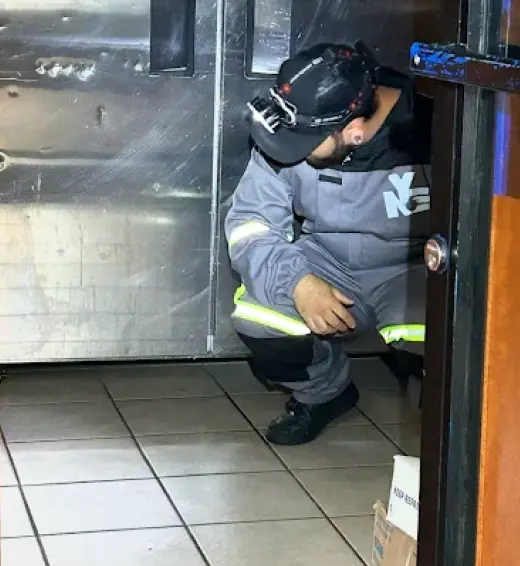
Trusted extermination services to keep your home, business, and customers pest-free
Quick answer
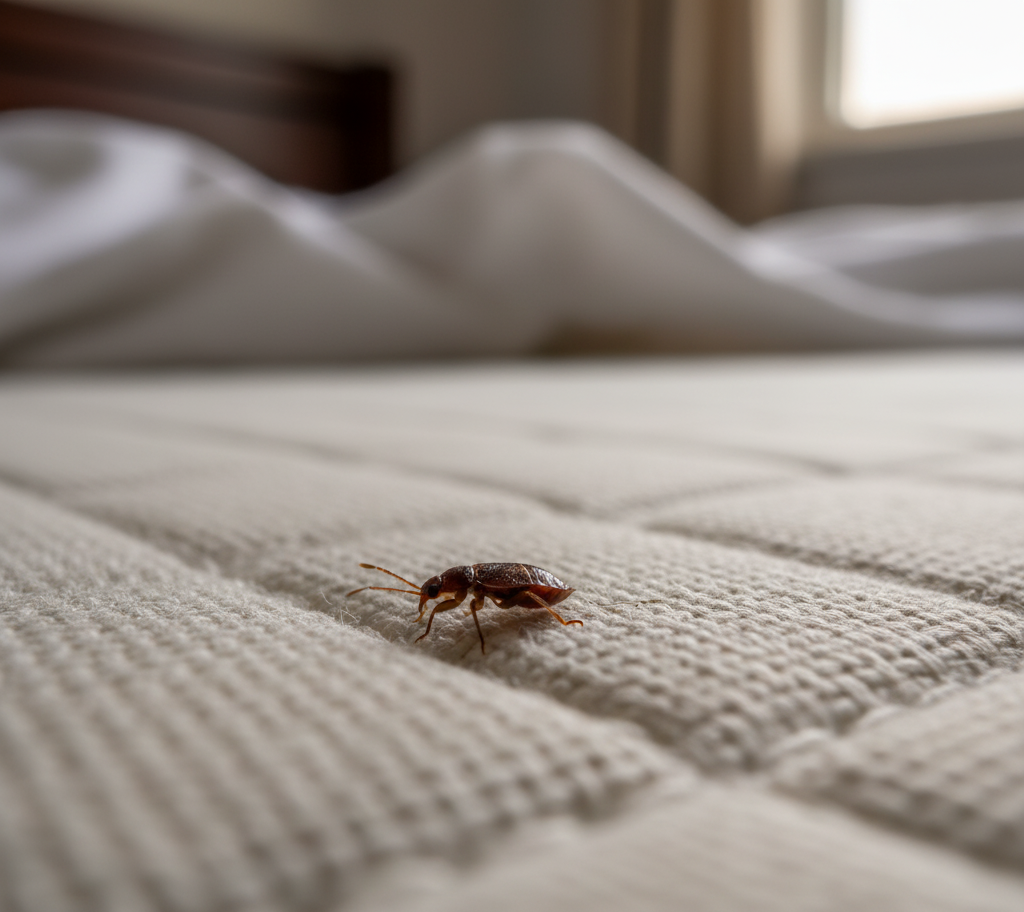
To get rid of bed bugs in NYC, New York Exterminating combines a thorough inspection — including K-9 scent detection — with heat treatment that kills bed bugs and eggs at every life stage, plus targeted follow-ups. Service is guaranteed, same-day appointments are available across all five boroughs, and every job starts with a free estimate.
Finding bed bugs is embarrassing. People assume it means you’re dirty or living in a “bad” building. That’s completely wrong.
Bed bugs infest luxury Manhattan penthouses, five-star hotels, brand-new condos, and million-dollar brownstones. They hitchhike on luggage, clothing, bags, furniture, and public transportation. You can bring them home from a Broadway theater, a subway ride, or a friend’s house.
They’re not attracted to dirt—they’re attracted to body heat and carbon dioxide. If you sleep there, bed bugs can live there.
We’ve treated bed bugs in every type of NYC property since 2010. No judgment, no shame—just effective treatment that eliminates them.
or request service online. We use heat and organic treatments that kill bugs and eggs without harsh chemicals.
Bed bugs in your home? We’ll get rid of them — guaranteed.
Same-day service across all five boroughs. Free, no-obligation estimate.
Extreme population density — Eight million people in 300 square miles. More people means more opportunities for bed bugs to spread. High-rise buildings, crowded subways, packed theaters—everywhere people gather closely, bed bugs can transfer.
Constant travel and tourism — NYC is a global destination. Hotels, Airbnbs, hostels—travelers bring bed bugs from around the world. Tourists take them home, spreading infestations internationally. Business travelers bring them to hotels, then home to their own beds.
Public transportation — Subways, buses, commuter trains—millions of people sitting in close quarters daily. Bed bugs crawl onto clothing, bags, and belongings. One infested person on the morning commute can spread bugs to dozens of others.
High tenant turnover — People move constantly. Used furniture on sidewalks. Moving trucks carrying belongings between apartments. Each move is an opportunity to transport bed bugs to new locations. Landlords inherit infestations from previous tenants.
Multi-unit housing — Bed bugs travel through walls, electrical conduits, and plumbing chases. Treat one apartment, but if neighbors have infestations, bugs migrate back. Many buildings have low-level chronic infestations that never fully clear.
Second-hand furniture and goods — NYC has a huge market for used furniture, clothing, and household goods. Thrift stores, online marketplaces, sidewalk freebies—all potential sources of bed bug introduction. One infested couch brings thousands of bugs into your home.
Delayed treatment — People don’t recognize bed bugs initially. They assume bites are from mosquitoes or spiders. By the time they realize it’s bed bugs, the infestation is established. Early infestations (10-20 bugs) are much easier to eliminate than severe ones (thousands of bugs).
Pesticide resistance — NYC’s bed bug populations have been exposed to pesticides for decades. Many populations are resistant to pyrethroid insecticides (the most common class). Chemical-only treatments often fail. Heat and organic treatments work better.
We use heat treatment and organic solutions—not chemical sprays. Here’s why:
Heat treatment kills all life stages instantly — Bed bugs die when exposed to temperatures above 120°F for 30+ minutes. Heat penetrates mattresses, furniture, walls, and belongings, killing bugs and eggs everywhere. No chemicals, no resistance, no repeat visits for eggs.
Organic treatments are safer and effective — We use plant-based products (like diatomaceous earth and natural pyrethrins) that kill bed bugs through physical action, not chemical poisoning. Bugs can’t develop resistance. Safe for families with kids, pets, and chemical sensitivities.
Chemical resistance is widespread in NYC — Many NYC bed bug populations are resistant to synthetic pyrethroids. Chemical treatments often fail, requiring multiple retreatments. We skip the chemicals and use methods that actually work.
Success rate — 95-98% elimination with proper preparation. Failures usually result from neighboring infestations (in multi-unit buildings) or re-introduction.
Organic Treatment Option — For customers who prefer non-heat methods or for properties where heat isn’t feasible:
Success rate — 85-90% with two treatments. May require third treatment for severe infestations.
Bed bug elimination is achievable, but requires thoroughness. Half-measures don’t work.
Store-bought sprays don’t reach hidden bugs — Bed bugs hide deep in mattress seams, inside box springs, behind baseboards, and in wall voids. Surface sprays don’t penetrate these areas. You kill exposed bugs, but the hidden population survives and reproduces.
Bug bombs (foggers) make it worse — Foggers disperse bugs into new areas and don’t penetrate hiding spots. They cause bugs to scatter into walls and neighboring units. They create resistance and make professional treatment harder.
Chemical resistance is widespread — Most consumer products use pyrethroids. NYC bed bugs are highly resistant. Products that worked 20 years ago don’t work now.
Eggs aren’t killed by most treatments — Even if you kill all adult bugs and nymphs, eggs hatch 6-10 days later. You need follow-up treatment or a method that kills eggs (like heat).
Incomplete treatment allows re-establishment — Miss one pregnant female, and the infestation returns. Miss a few eggs, and nymphs mature and start reproducing. Bed bug treatment requires 100% thoroughness.
Throwing out furniture spreads bugs — Discarding infested furniture on the sidewalk lets others take it, spreading bed bugs. Bugs also scatter when furniture is moved, infesting other rooms and neighboring apartments.
— False. Bed bugs feed on blood, not dirt. They infest pristine homes just as easily as messy ones. Cleanliness doesn’t prevent or eliminate bed bugs.
— False. Adult bed bugs are visible to the naked eye (apple seed size). You can spot them if you know where and when to look (nighttime, near sleeping areas).
— False. They prefer areas near where people sleep, but infest couches, chairs, walls, electrical outlets, clothing, and bags. Heavy infestations spread throughout entire rooms.
— Mostly false. While bed bugs carry pathogens, there’s no confirmed disease transmission to humans in real-world conditions. Their main health impact is itching, anxiety, and sleep loss.
— False. Bed bugs can survive 6-12 months without feeding. Leaving your home for weeks or months won’t eliminate them.
— Partially true. Freezing below 0°F for several days kills bed bugs, but home freezers and cold weather rarely reach or maintain temperatures low enough. Not a reliable DIY method.
Look, bed bugs are awful. They disrupt sleep, cause anxiety, and spread easily. But they’re treatable with the right methods.
We use heat and organic treatments—not outdated chemical sprays. Heat kills everything in one day. Organic treatments are safe and effective when applied properly.
Call us at +1 (347) 210-4646 — or request service online. We’ll inspect, explain your options, and schedule treatment within a week.
1115 E 13th St, Brooklyn, NY 11230
Licensed & Certified Since 2010
Bed bug work is one of Jorge’s core specialties, from accurate identification to targeted remediation. Our team is led by Jorge Bedoya, an Associate Certified Entomologist (ACE) credentialed by the Entomological Society of America (ESA) — so the work is done with ACE-level expertise and a formal Code of Ethics behind it, not guesswork.
The clearest signs are itchy bites in lines or clusters, small rust-colored blood spots on sheets, tiny dark fecal specks along mattress seams and headboards, and shed skins. We confirm with a thorough inspection and, when needed, K-9 detection.
We pair a detailed inspection with targeted treatment — including heat treatment that raises the room to a lethal temperature — reaching bugs and eggs hidden in mattresses, frames, baseboards, and electronics. Follow-up visits confirm the infestation is fully gone.
Yes. Bed bugs and their eggs die at sustained temperatures above about 120°F. Heat penetrates the cracks and crevices where they hide and kills every life stage in a single session, with no lingering chemical residue.
Trained detection dogs pinpoint live bed bugs and viable eggs by scent, far more accurately than a visual check. We use K-9 inspection to confirm whether bugs are present, locate exactly where they hide, and verify a home is clear after treatment.
Yes. Heat treatment uses no chemicals at all, and any conventional products are applied precisely to harborage areas under an integrated approach. We give you clear re-entry guidance so your family and pets return safely.
We provide a specific prep checklist — typically laundering and bagging linens and clothing, reducing clutter, and pulling furniture from walls. Good prep is essential, and we walk you through exactly what to do.
Not when the infestation is fully eliminated and reintroduction is prevented. We treat all life stages, schedule follow-ups to catch survivors, and advise on monitoring. Our bed bug service is guaranteed.
It depends on the size of the home, the severity and spread of the infestation, and whether heat or conventional treatment fits best — so we give a free, no-obligation estimate up front after inspecting.
Yes. Bed bugs can’t wait, so we offer fast scheduling and same-day service across all five boroughs. Our treatment is guaranteed — if they return, we come back and re-treat at no extra charge.
See how homeowners and businesses rate our pest control services across New York.
Posted onTrustindex verifies that the original source of the review is Google. So let’s start with professionalism, great! Communication, great! Results, great!!! I was recommended to this company by a friend who experienced great results and i decided to give them a try. Everything there after exceeded my expectations. They have officially become my annual exterminator by choice.Posted onTrustindex verifies that the original source of the review is Google. Estoy muy satisfecha , un trabajo muy profesional , dedico mucho tiempo y es una persona muy pasientePosted onTrustindex verifies that the original source of the review is Google. Gorge did what he is supposed to do exterminated the rodents. Not only does he possess the skills necessary to get the job done but he has the needed customer service skills of Courtesy, Professional, and Respect. Muchas gracias for a job well done.Posted onTrustindex verifies that the original source of the review is Google. Jorge is sweet, patient, communicative and honest. Had a company try to quote me $2500 for a job, luckily I contacted Jorge right in time and he did the same job for me for $220. HIGHLY recommend.Posted onTrustindex verifies that the original source of the review is Google. Showed up on short notice, found the problem and provided guidance to assist with resolving our issue. Thank you!!Posted onTrustindex verifies that the original source of the review is Google. Jorge was really thorough and did an excellent job. Thank you 🙏Posted onTrustindex verifies that the original source of the review is Google. Today I had an appointment with Jorge. He was on time. Explained me everything. Perfectly did his work. Very nice and knowledgeable man. I can highly recommend him if you need an exterminator.Posted onTrustindex verifies that the original source of the review is Google. George is outstanding! He came out in the middle of the night when we had an urgent issue and handled everything with professionalism and care. He was patient, thorough, and fully committed to solving the problem, taking the time to explain what he was doing and making sure the job was done right. It’s rare to find someone so dependable and dedicated—George is the person you want to call if you need an exterminator you can trust.Posted onTrustindex verifies that the original source of the review is Google. Jorge was fast, responsive, and knowledgable. I recommend him.

Our expertise goes beyond simple extermination. Backed by certified specialists and proven methods, we combine science, precision, and care to deliver pest solutions that last. Every treatment is designed with your safety, comfort, and environment in mind.
Many of our clients have remained with us since 2010, demonstrating strong trust and long-term satisfaction.


Licensed by NYSDEC – Reg. #15140
Serving property managers, senior facilities, shelters, affordable-housing programs, and businesses across NYC since 2010 — many long-term clients trust our work.
Botanical/organic options, German-cockroach elimination and rodent-exclusion programs, full bilingual support (EN/ES), plus a client portal with reports, photos, and chemical logs for total transparency.
NYSDEC Registered — Reg. #15140 — with fully licensed technicians (Jorge Bedoya, Tomas Cusati, Jason Mendoza). We follow all regulations for safe, legal treatments.
Led by an Associate Certified Entomologist (Jorge Bedoya) and technicians trained in urban entomology, we use IPM and proven methods for lasting results.
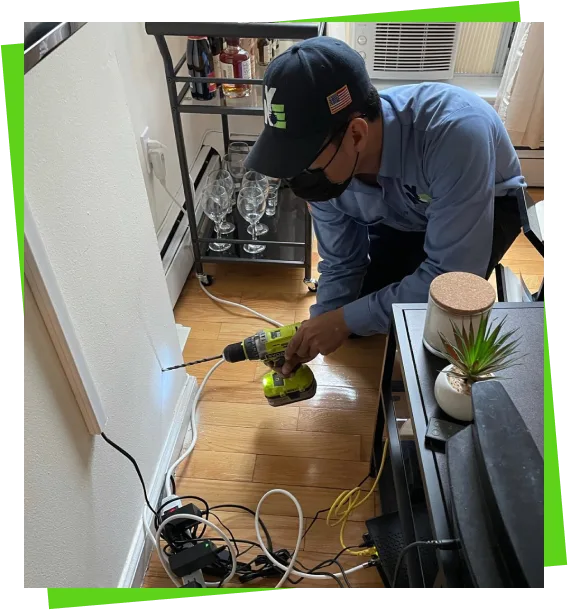
From first inspection to final follow-up, our science-based process ensures every pest problem is solved with precision, safety, and lasting protection
Find quick answers to common questions about our services, safety practices, and customer support
Yes. We use eco-friendly and low-toxicity treatments designed to protect your family, pets, and the environment.
Yes. We offer bilingual services in English and Spanish to ensure clear communication and support for all our clients across New York City.
We proudly serve all five boroughs of New York City — Brooklyn, Queens, Manhattan, the Bronx, and Staten Island — as well as surrounding areas.
You can access all your service reports, invoices, and treatment details through our secure online Client Portal. Simply log in anytime to view records, photos, and chemical logs for full transparenc
We specialize in removing rodents, insects, raccoons, and other common pests, providing thorough inspections and effective solutions to keep your home or business pest-free.
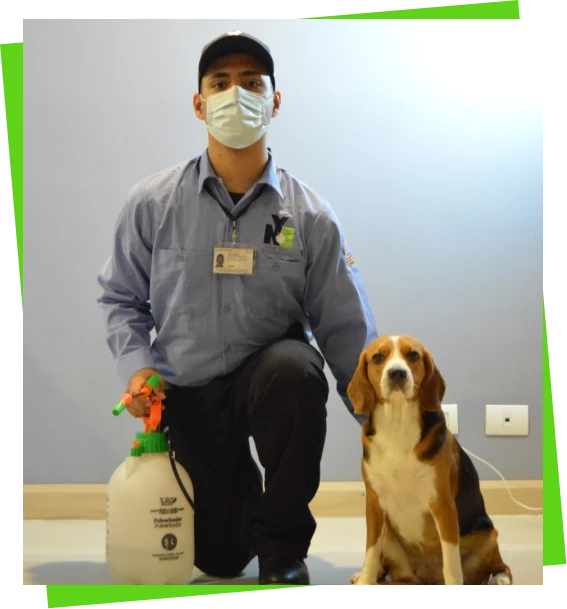
We proudly serve residential, commercial, and institutional clients throughout:
Providing reliable pest control solutions for homes, businesses, and institutions across the NYC metro area


Designed & Managed with 💛 By
Discreet, same-day bed bug extermination with heat treatment and K-9 detection across all five NYC boroughs. Results guaranteed.