Straight answers from a licensed New York exterminator and Associate Certified Entomologist (ACE) — serving all five boroughs, in English and Spanish.
Get a Free Estimate →⏱ 6 min read
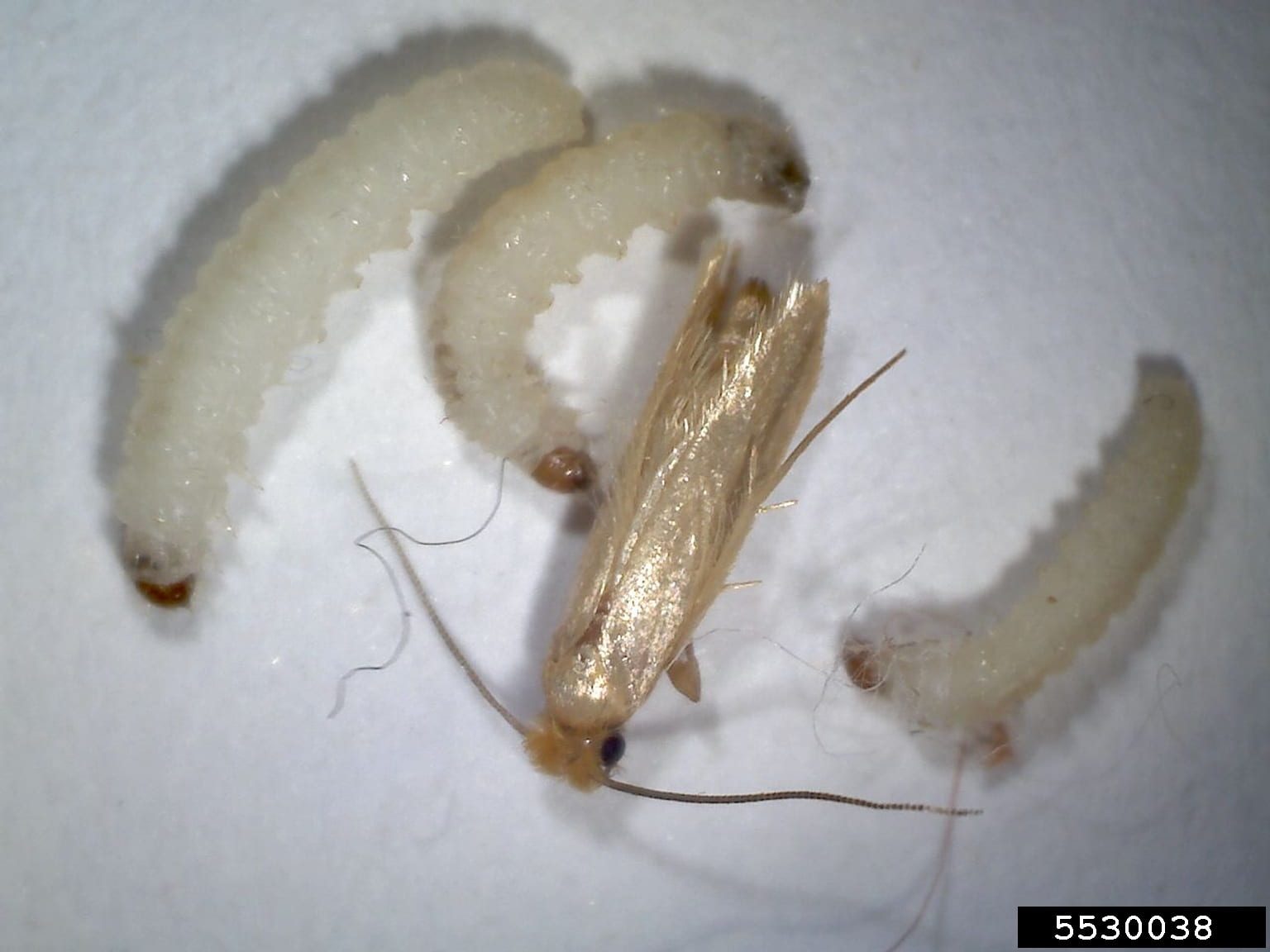
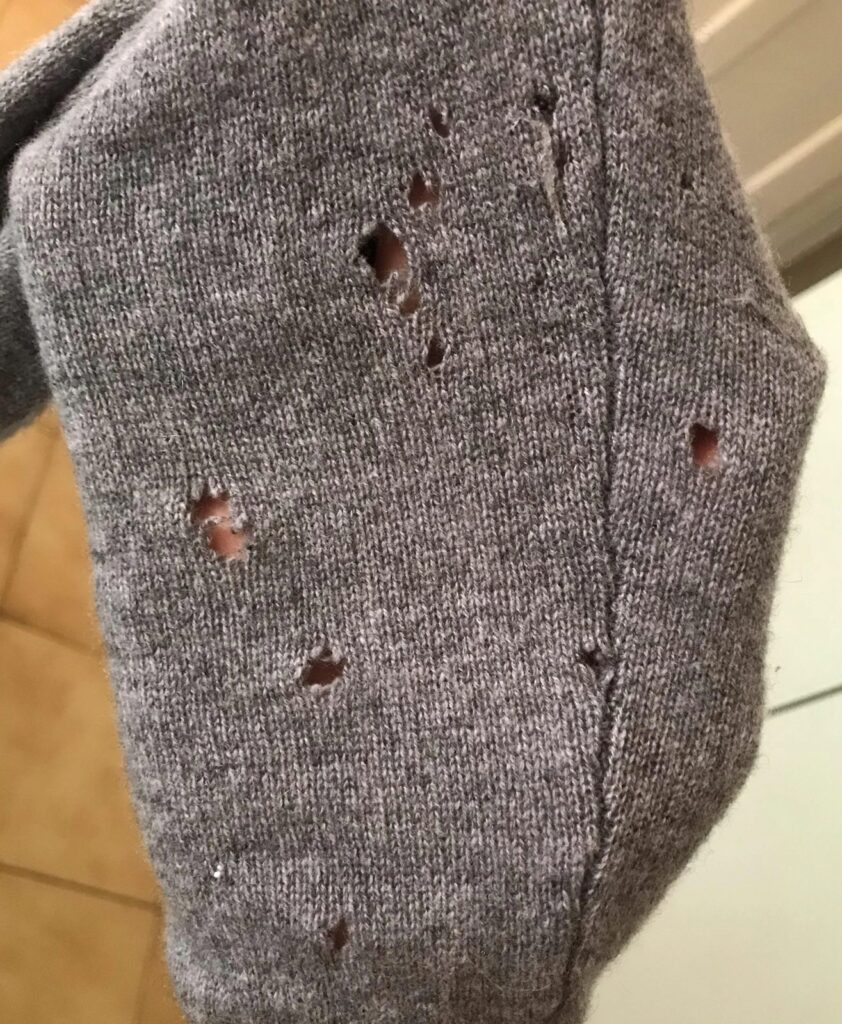
If you have found small holes in a sweater, the moth you occasionally see fluttering out of the closet is not the one doing the damage. Adult clothes moths do not eat at all. The feeding stage is the clothes moth larva — a small, cream-colored caterpillar that lives inside your wool, cashmere, silk and fur, often for months before anyone notices. This guide shows you exactly what clothes moth larvae look like, where to find them, and what actually works against them in NYC apartments.
What do clothes moth larvae look like?
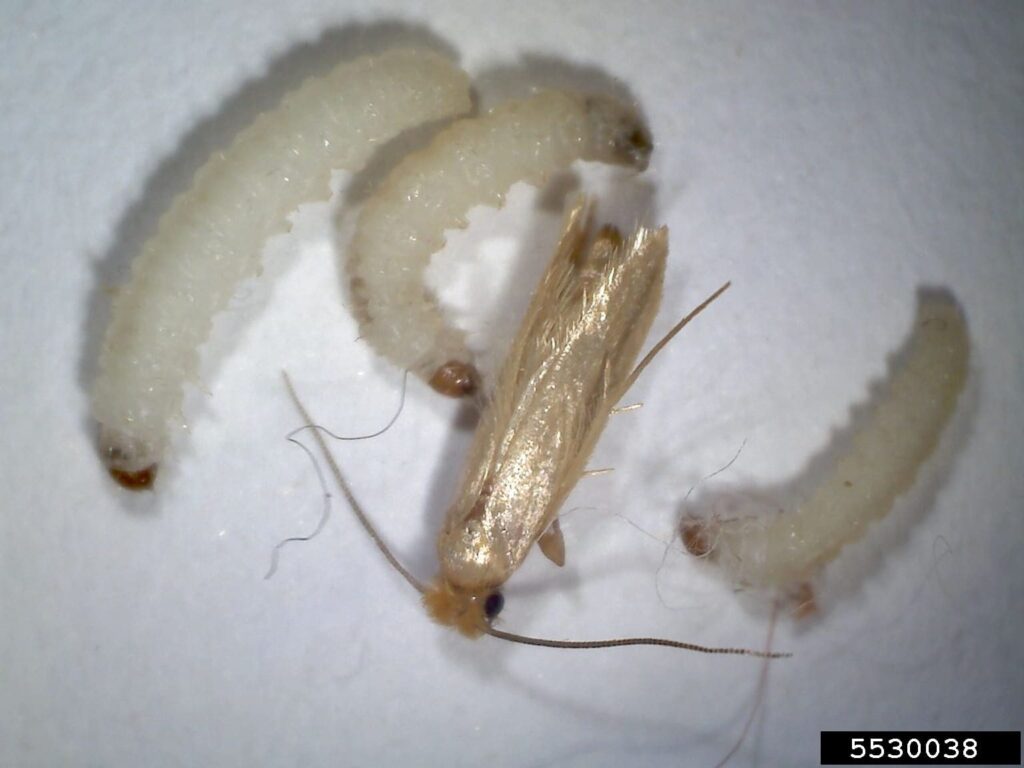
Clothes moth larvae are small caterpillars, usually 1 mm long when newly hatched and up to 12 mm (about half an inch) when fully grown. They are creamy white to ivory with a darker, golden-brown head capsule. They have no stripes, no bands of color, and no visible bristles — a key difference from carpet beetle larvae, which are bristly and banded.
- Color: ivory or cream body, brown head
- Size: 1–12 mm depending on age
- Movement: slow; they rarely travel far from their food
- Location: on or inside natural-fiber textiles, often under collars, in folds, or on the underside of rugs
Webbing clothes moth vs. case-bearing clothes moth larvae
NYC homes see two species, and the larvae leave different evidence behind.
Webbing clothes moth larvae (Tineola bisselliella, the more common species in New York) spin silken feeding tubes and patches of webbing directly onto fabric. If you see irregular silky mats, loose silk threads, or tube-like tunnels on a wool garment or along the edge of a rug, that is webbing clothes moth activity.
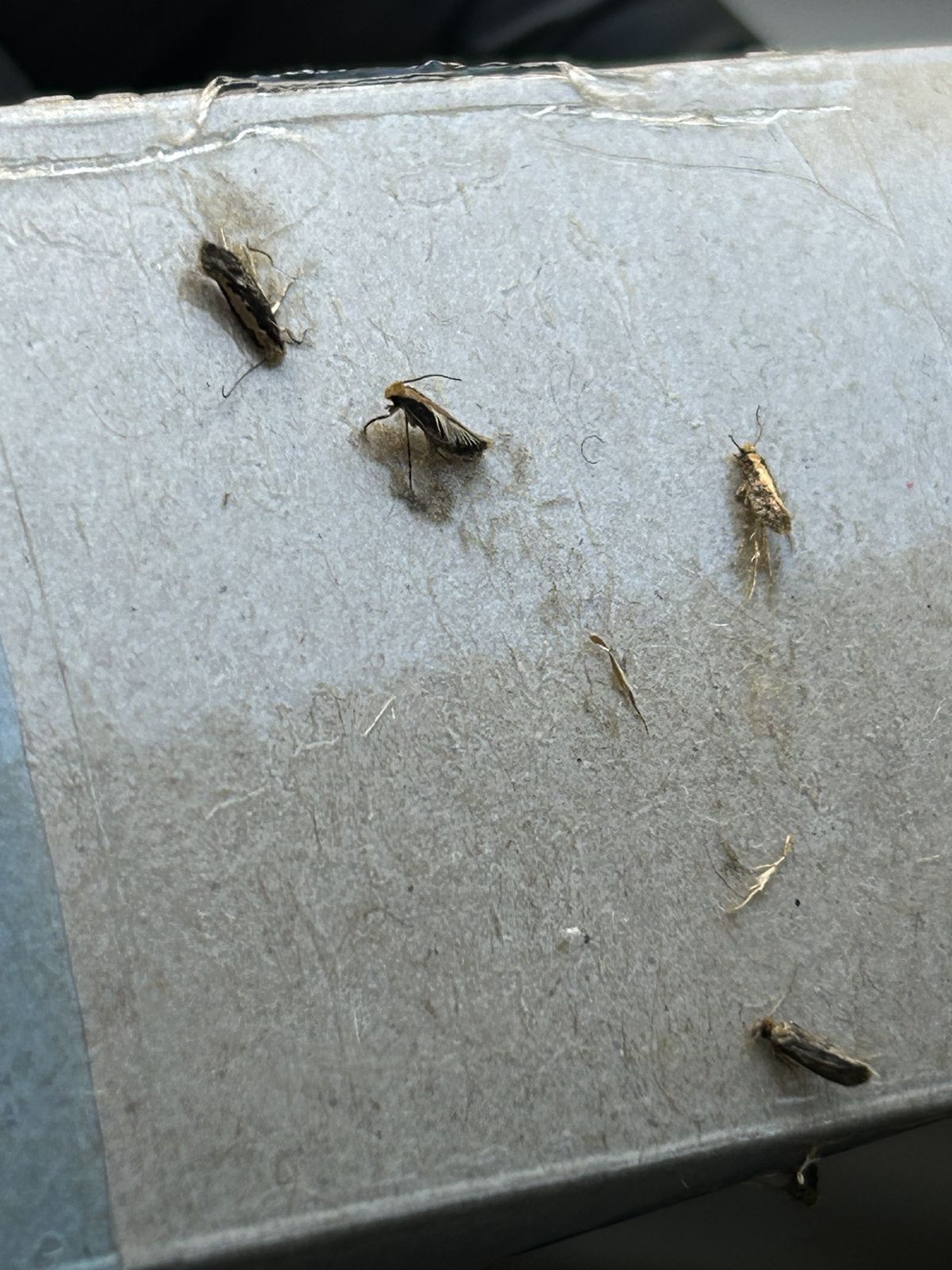
Case-bearing clothes moth larvae (Tinea pellionella) build a portable case — a flattened, open-ended tube of silk and chewed fibers that the larva drags around and hides inside. The case takes on the color of whatever the larva has been eating, so a case-bearer that fed on a navy sweater carries a navy case. These cases are often mistaken for seeds, rice grains or lint stuck to walls and ceilings near closets.
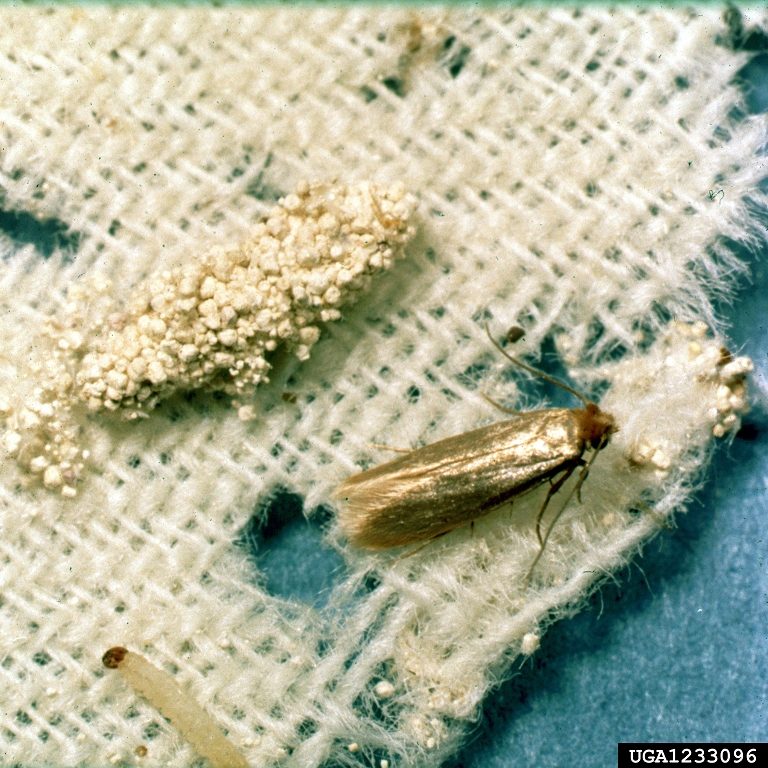
Larvae casings and shells: what that rice-like debris means
Finding small, fiber-colored tubes or husks on shelves, along baseboards or stuck high on closet walls usually means case-bearing larvae are present and mature larvae are wandering to pupate. Empty casings mean a generation has already completed — the adults that emerged have likely laid new eggs nearby. Treat casings as a sign of an established population, not a finished one.
Where to look for clothes moth larvae
Larvae avoid light and movement, which is why infestations build in exactly the places people do not check:
- Under collars, cuffs and seams of stored wool and cashmere
- Garments at the dark ends of closet rods, worn least often
- The underside of wool and silk rugs, especially under furniture
- Felt pads under furniture legs, piano felts, taxidermy and wall hangings
- Closet corners, carpet edges along baseboards, and air vents where pet hair and lint collect
A flashlight inspection of these zones once a season catches most infestations early. Fresh damage shows clean-edged grazing and threadbare patches; you may also see frass — gritty droppings the same color as the fabric.
What kills clothes moth larvae?
Larvae are the stage you must stop, and they are protected inside fibers where sprays and cedar scent do not reliably reach. What works:
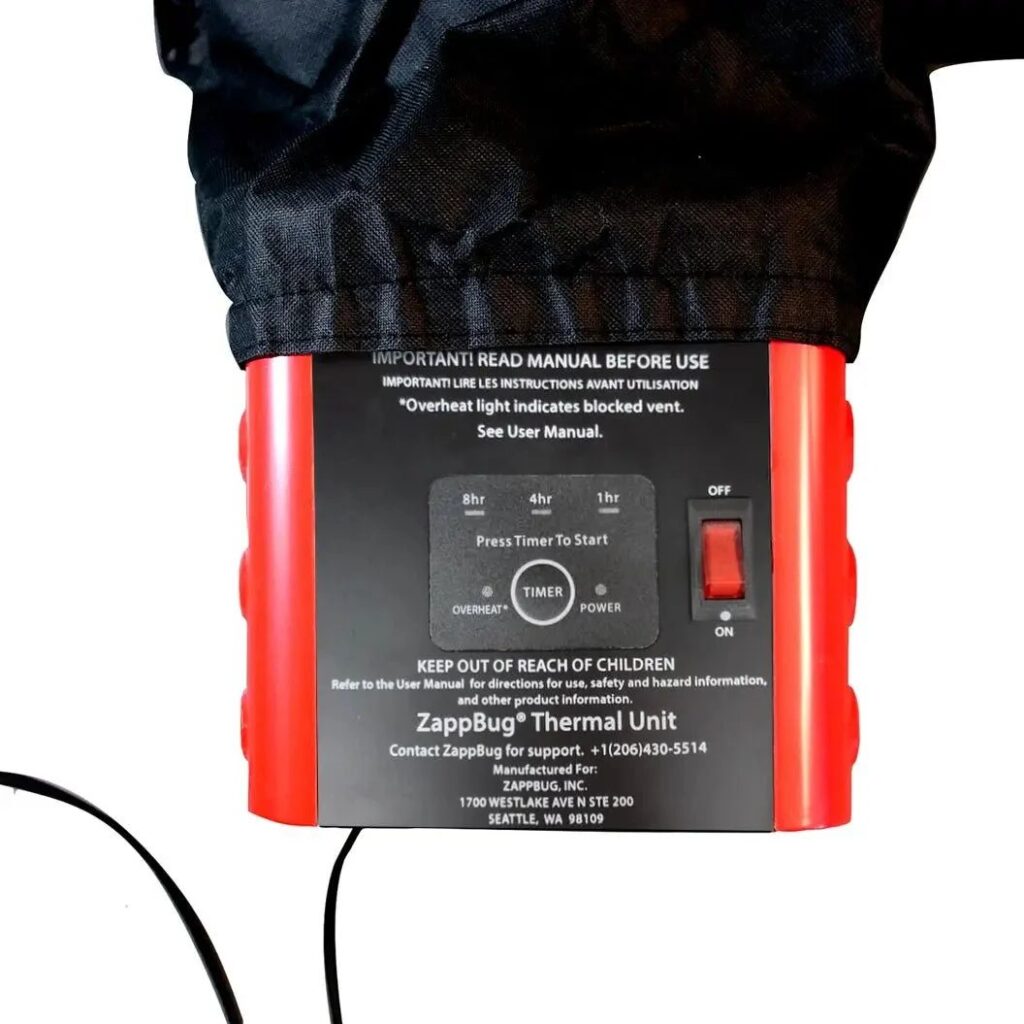
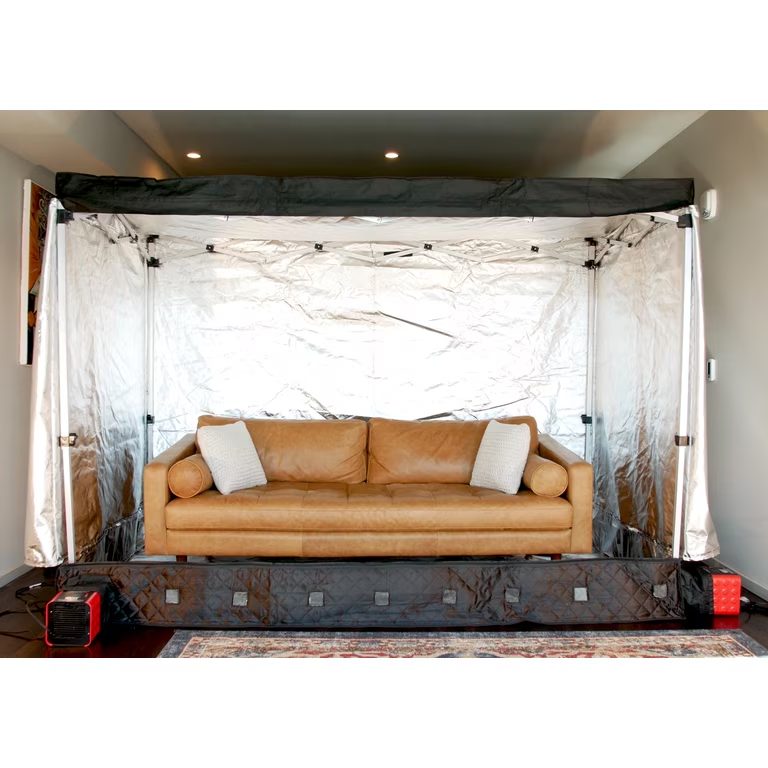
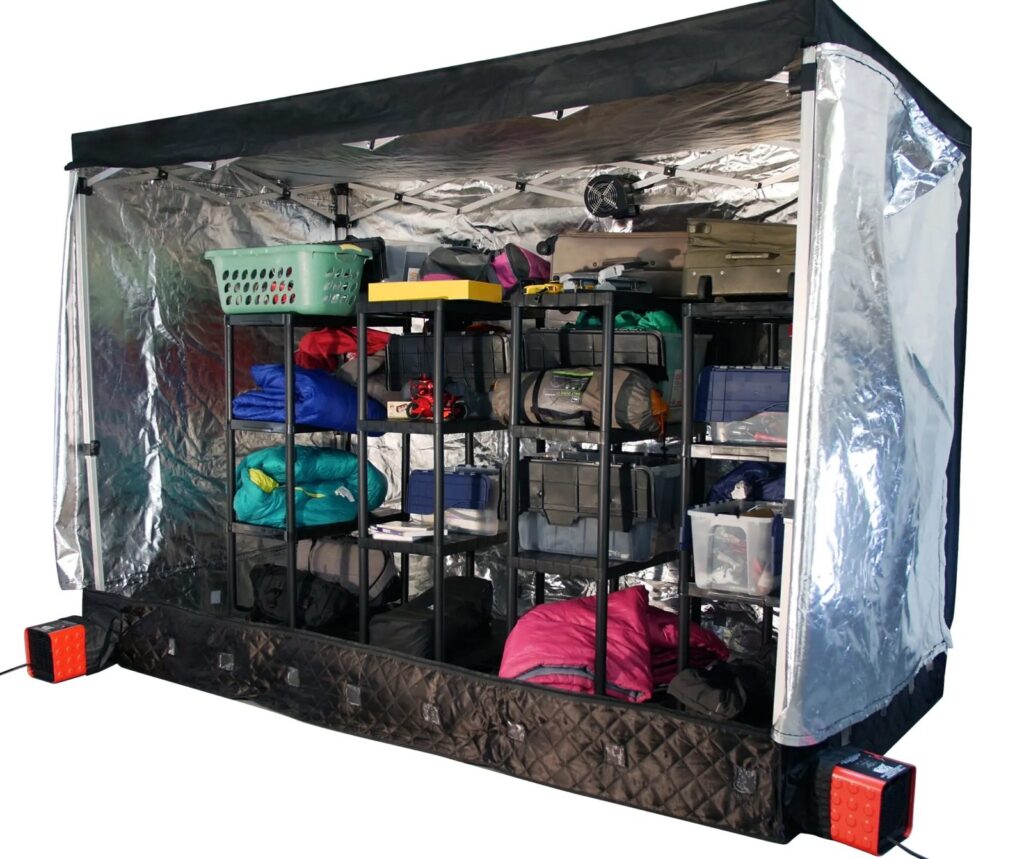
- Heat: sustained temperatures above 120°F kill larvae and eggs through the full depth of a garment. This is why we run infested textiles through dedicated ZappBug heat chambers rather than relying on sprays.
- Freezing: a week at 0°F in a chest freezer, with the item sealed in a bag, kills larvae in small items.
- Hot-water washing and dry cleaning: both kill all stages on washable or cleanable garments.
- Targeted treatment of the structure: rug edges, closet interiors and cracks where wandering larvae pupate need professional attention — this is the part DIY consistently misses, and the reason moths return.
Mothballs and cedar blocks mostly repel adults at high concentrations; they do not kill larvae already inside your clothes.
When the larvae keep winning, bring in a specialist
Our ACE-led team treats clothes moths across NYC, Westchester and Nassau with a textile-first protocol: inspection and species confirmation, heat treatment of infested garments and rugs in ZappBug chambers, and targeted treatment of the closet and structure so the cycle actually breaks. Read about our clothes moth and textile pest service, or call (347) 210-4646 — se habla español.
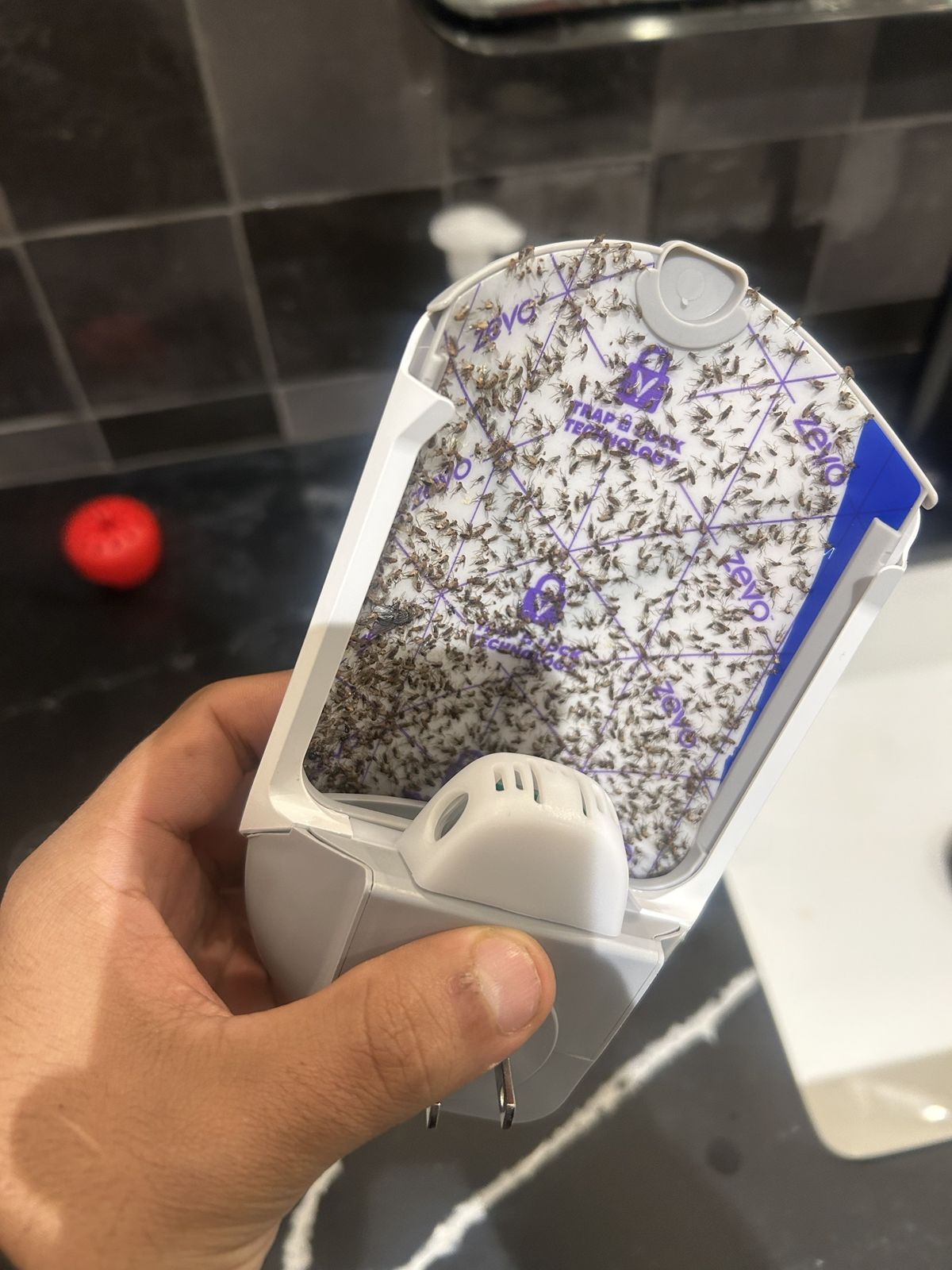
Caught small dark moths in a pheromone trap? They may be bird’s nest moths rather than clothes moths — see how to tell them apart.
A Brooklyn-based, NYSDEC-registered company (Reg. #15140) led by Jorge Bedoya, an Associate Certified Entomologist (ACE). For pests in your home or building, NYE provides IPM-based, low-exposure control matched to the exact pest and verified with a follow-up. ACE-led work comes with a client portal of service reports and photos, fully bilingual service, and no long-term contract.
Clothes moth larvae FAQ
Are clothes moth larvae harmful to people or pets?
No. They do not bite or carry disease. The harm is to textiles — and in NYC apartments the damage is often concentrated in the most expensive items you own: cashmere, tailored wool and hand-knotted rugs.
How long do clothes moth larvae live?
Anywhere from about 35 days to over two years, depending on temperature and food. In a heated New York apartment they breed year-round, which is why a small problem in spring is a wardrobe problem by fall.
Can clothes moth larvae eat cotton or synthetics?
They target keratin — wool, cashmere, silk, fur, feathers and felt. They will chew through cotton-wool blends and soiled synthetics to reach food, so blends and sweat-stained garments are not safe either.
I found larvae on one sweater. Is the rest of the closet infested?
Assume nearby items are exposed. Eggs are nearly invisible, so the safe move is to heat-treat, wash or dry-clean everything from that closet section and inspect the rug it sits above. Related reading: our full clothes moth guide and why clothes moths keep coming back.