Quick answer: Clothes moths are small buff-colored moths whose larvae feed on wool, silk, fur, feathers, and other natural fibers, leaving holes and silk. They avoid light and hide in closets, drawers, and stored garments. Getting rid of clothes moths means cleaning and isolating infested items, thorough vacuuming, and proper storage of vulnerable clothing.
What do clothes moths look like?
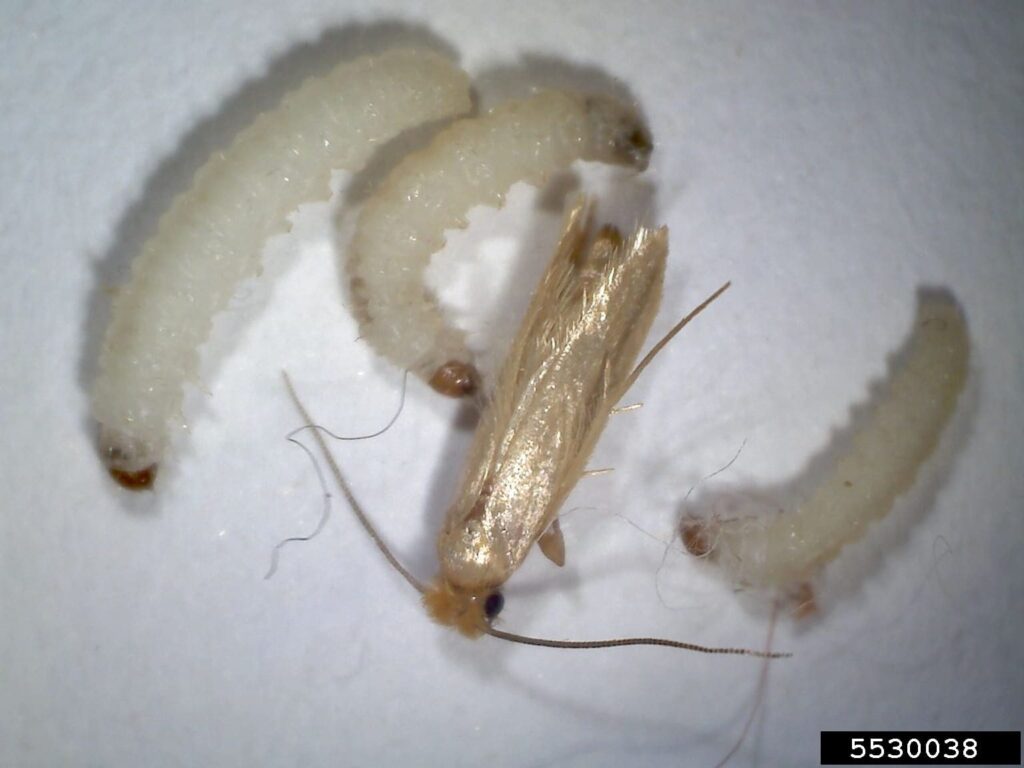
Clothes moths are small, buff to golden moths about 1/4 to 1/2 inch across. Unlike moths drawn to lights, they avoid light and scurry into dark corners. The damage is caused by their small white larvae, which may spin silk tubes or cases on the fabric.
Signs of clothes moths
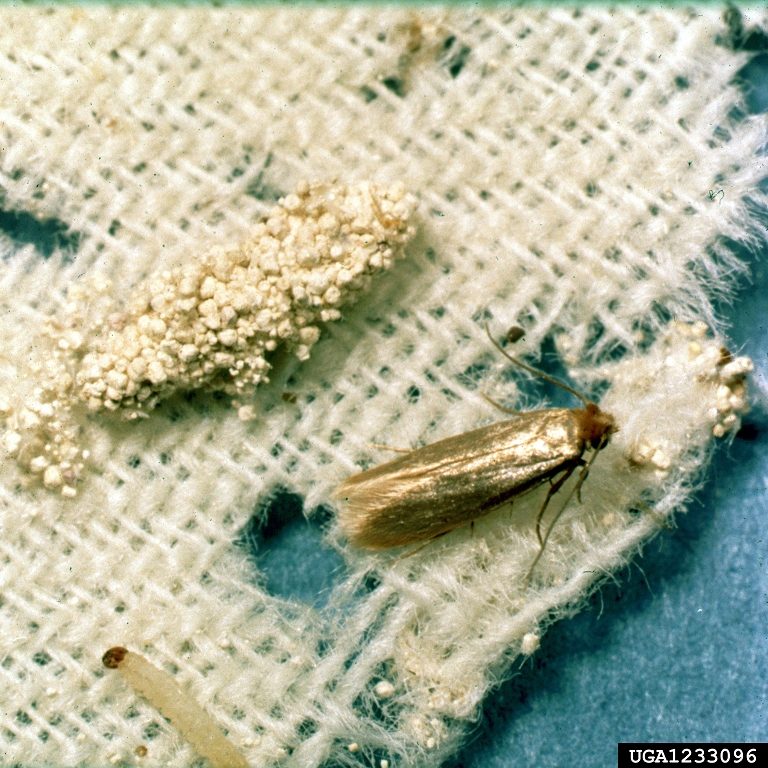
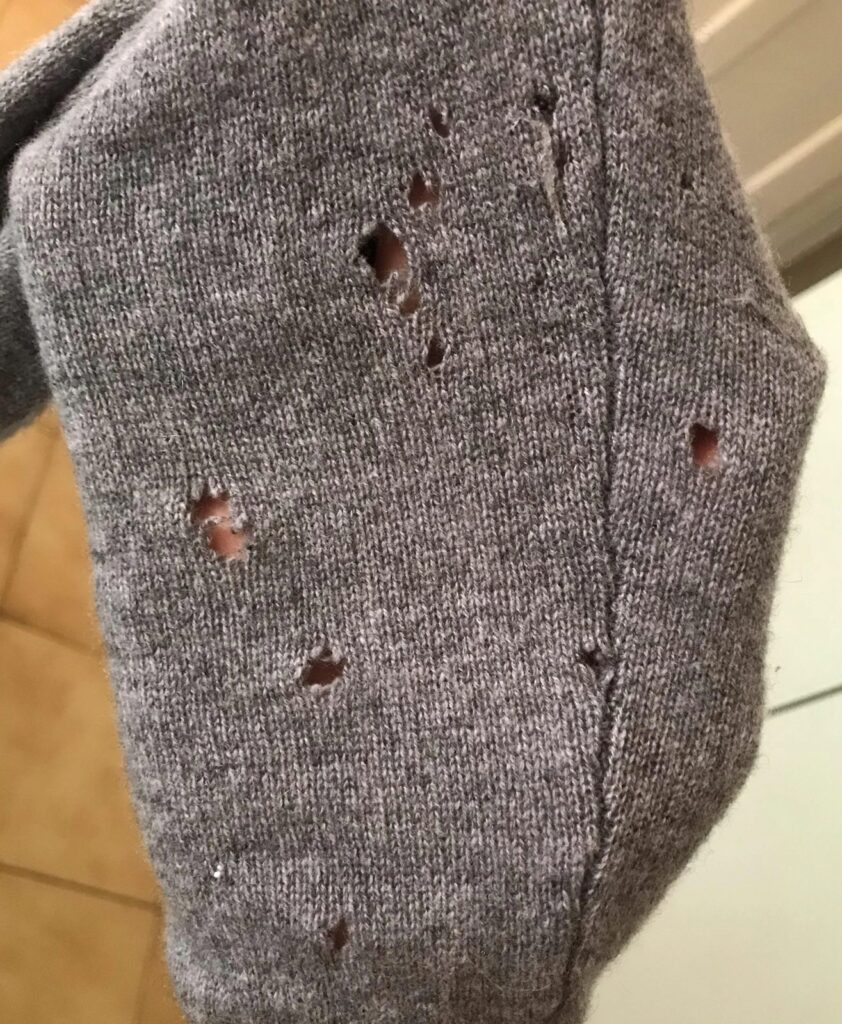
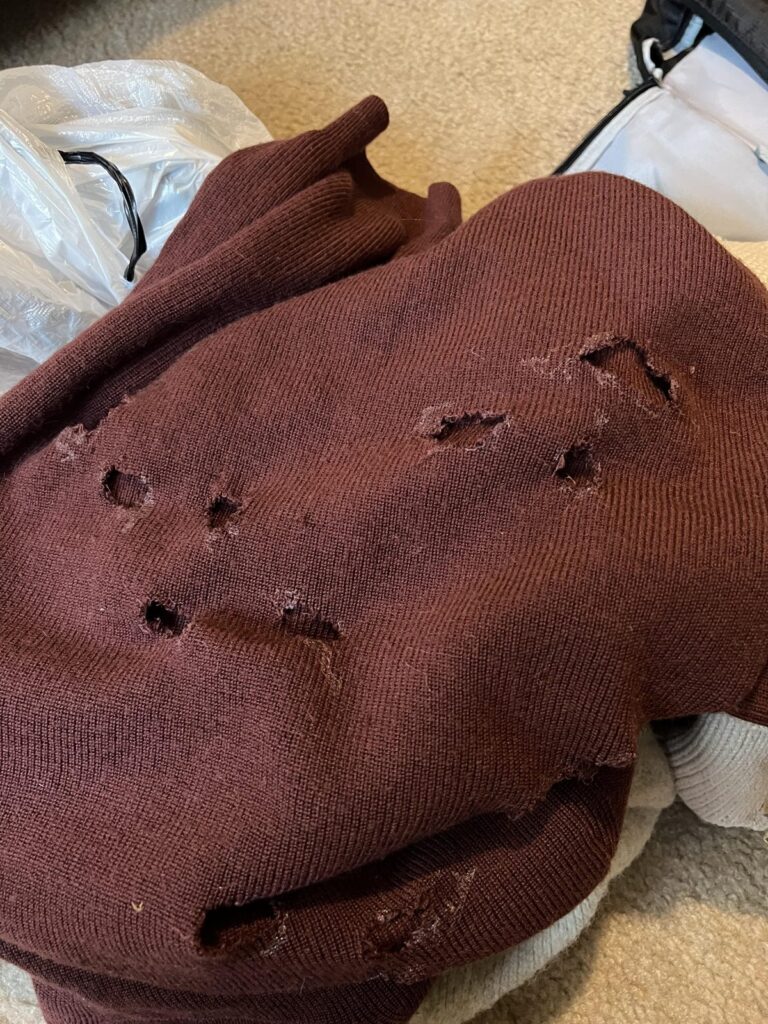
Look for irregular holes in wool, silk, or fur; silk webbing, cases, or sand-like frass on garments; and small moths flitting in dark closets and drawers. Damage often concentrates on soiled or stored items.
What they feed on
Larvae digest keratin in natural fibers — wool, silk, fur, feathers, and hair — and are especially attracted to items soiled with sweat, body oils, or food. Clean synthetics are generally safe unless blended or stained.
How to get rid of clothes moths
Control combines cleaning, treatment of items, and storage: isolate and clean infested garments by laundering, dry cleaning, or freezing; vacuum thoroughly in closets, drawers, cracks, and along baseboards, and under furniture and rugs; and store clean vulnerable clothing in sealed containers. Check wool rugs and upholstery, which are common hidden sources. Cedar and repellents have limited effect and do not replace cleaning and storage.
How we heat-treat clothes and textiles: ZappBug Oven and ZappBug Room
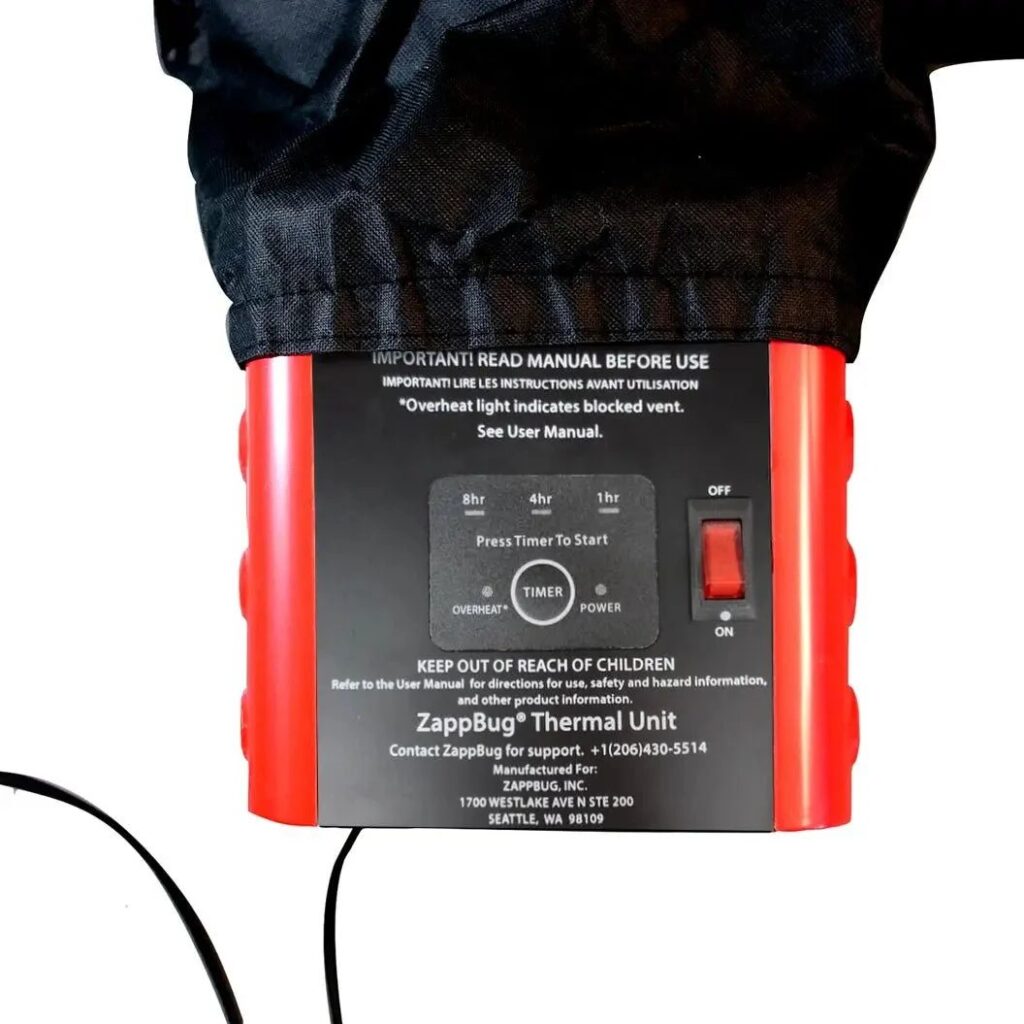
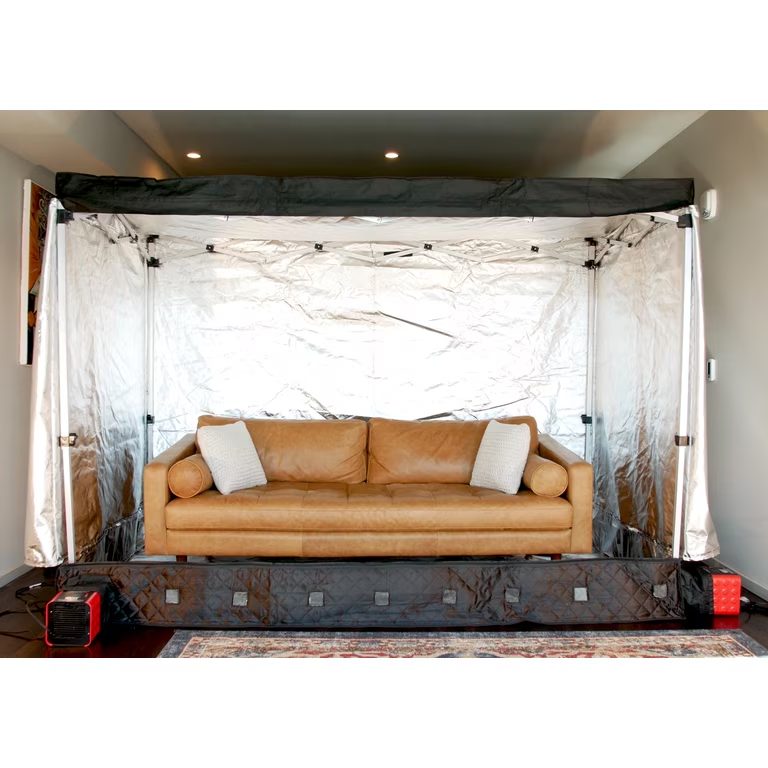
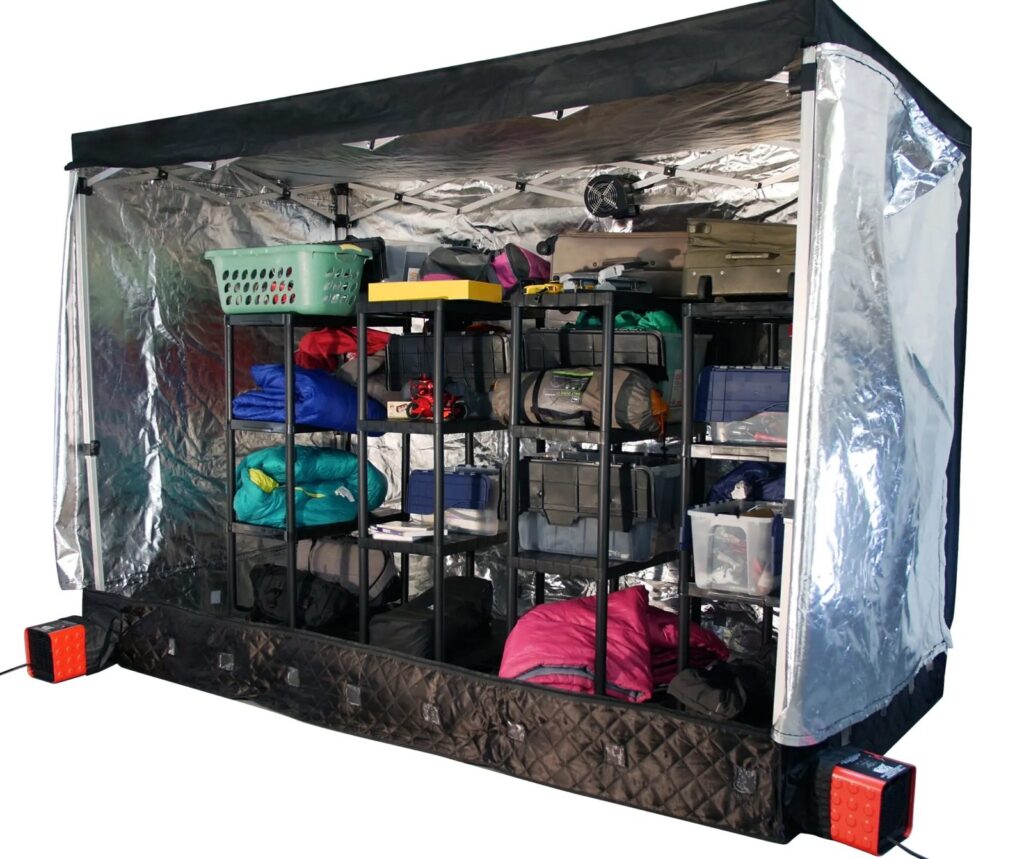
Heat is the one treatment that reaches every life stage of a clothes moth — eggs, larvae, pupae and adults — inside the fibers of a garment, and it leaves no residue on fabric you wear against your skin. We use two purpose-built heat chambers, the ZappBug Oven and the ZappBug Room, and choose between them by the size and shape of the load.
| What needs treatment | Chamber | Why |
|---|---|---|
| Bagged sweaters, wool and cashmere, shoes, handbags, scarves | ZappBug Oven | Fast, even heat for small and medium loads that fit in bags |
| Suitcases, upholstered chairs, cushions, rolled rugs, whole wardrobes | ZappBug Room | Walk-in capacity, so bulky items are treated in one cycle without disassembly |
| Items that cannot be washed or dry-cleaned | Either, by size | Heat treats the whole item, folds and linings included, with no wetting |
Clothes moths die at about 120°F within roughly 30 minutes once the core of the load reaches that temperature, so what matters is the temperature inside the pile, not the setting on the dial. We place a probe thermometer in the middle of the load to confirm it. A full cycle, including warm-up and cool-down, takes several hours.
Heat treats what goes into the chamber; it does not treat the closet. Larvae and eggs can also sit in carpet edges, baseboard cracks, and boxed storage, which is why heat is one mechanism in a larger program alongside closet-structure treatment and pheromone monitoring that confirms the result. Before we arrive, seal garments in bags without shaking them out, and tell us about anything unusual (aerosol cans, candles, vinyl records and some plastics do not belong in a heat chamber). See the full clothes moth treatment program.
When to call a professional
For recurring damage or valuable textiles, a professional can locate hidden sources (rugs, upholstery, wall voids with animal nests) and treat harborage that home cleaning cannot reach.
Related guides: what clothes moth larvae look like, carpet beetle vs clothes moth, and how to stop moths eating your clothes.
Small dark moths in your pheromone trap? They are often bird’s nest moths drawn in by the lure, not clothes moths — see how to tell them apart.
Clothes Moth FAQ
How do I identify clothes moths?
Adults are small (about 1/4 to 1/2 inch across), buff or golden, and avoid light, preferring dark closets rather than flying to lamps. The damage is done by small white larvae that feed on natural fibers.
What do clothes moths eat?
The larvae feed on keratin in natural fibers: wool, silk, fur, feathers, and hair, especially items that are soiled with sweat or food. They do not eat synthetics except where blended or soiled.
How do you get rid of clothes moths?
Isolate and clean infested items (laundering, dry cleaning, or freezing), vacuum closets and drawers thoroughly including cracks, and store clean vulnerable garments in sealed containers. Address hidden sources like rugs and upholstery.
Where do clothes moths hide?
In dark, undisturbed places: the backs of closets, drawers, storage boxes, under furniture, and in wool rugs and upholstery.
Why do they target stored clothes?
Stored, undisturbed natural-fiber garments, especially if soiled, give larvae an undisturbed food source. Regular use and cleaning disrupt them.
More in our Pest Library · Not sure what you have? Try the NYC Pest Identifier. Reviewed by Jorge Bedoya, ACE.