Chronic Infestation Specialists in NYC
German cockroaches, phorid flies, clothes moths, mice, rats and bed bugs that keep coming back after other treatments. We find the source other treatments missed, treat it with a method built for that pest, and verify the result instead of re-spraying.
- Scientist-led
- ACE & PCQI
- NYSDEC #15140
- Callback rate under 1%
- Since 2010
- English and Spanish
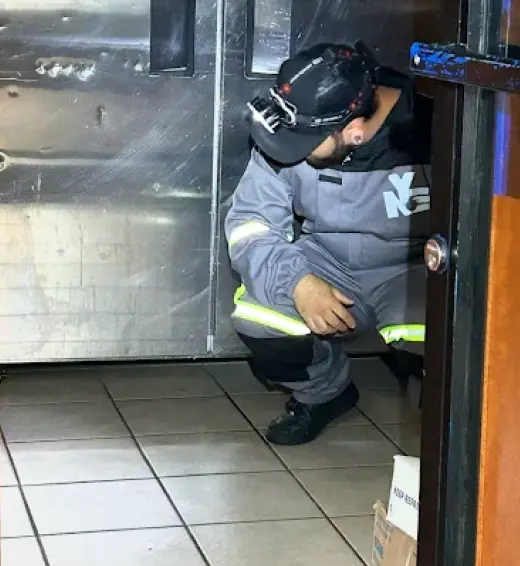
New York Exterminating, Inc. specializes in chronic infestations — the pests that keep coming back after other treatments. A pest becomes chronic when treatment hits the symptom instead of the source: the wrong species, a hidden breeding site, an open entry point, resistance, or spread through shared walls. We identify the source first, treat it with methods built for that pest, and verify the result. Scientist-led by Jorge Bedoya — environmental scientist, Associate Certified Entomologist (ACE) and PCQI — Brooklyn-based since 2010.
Why infestations become chronic
A chronic infestation is rarely a mystery pest. It is almost always a treatment that never reached the cause. The same six patterns repeat across NYC apartments, brownstones, restaurants and multi-family buildings.
The wrong diagnosis
Brown-banded roaches treated like German roaches, carpet beetles treated like clothes moths, phorid flies treated like fruit flies. Each lives somewhere different, so the treatment lands in the wrong place.
A hidden source
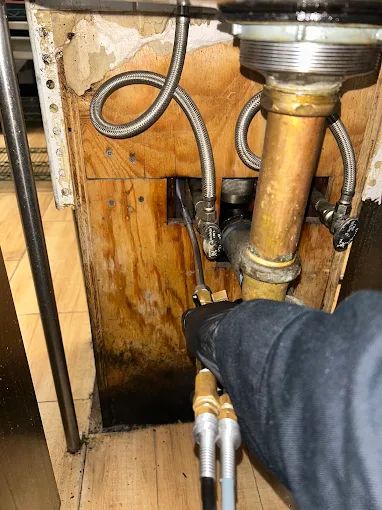
A broken drain line under the slab, a dead rodent in a wall, an infested wool rug under the sofa, an unsealed pipe chase. Cleaning and spraying the visible area cannot reach it.
Sprays that scatter
Store foggers and routine perimeter sprays push German cockroaches and bed bugs deeper into voids and into neighboring units — then they return.
Resistance
NYC German cockroach and bed bug populations carry resistance to common pyrethroid sprays. Repeating the product that failed produces the same result.
Building-level spread
Shared walls, plumbing stacks and radiator risers move pests between apartments. Treating one unit in isolation invites reinfestation.
Blaming sanitation
Tenants and kitchen staff get told to clean harder while the actual source — structural, plumbing or building-wide — is never investigated.
The Trio Protocol: treat the colony where it lives
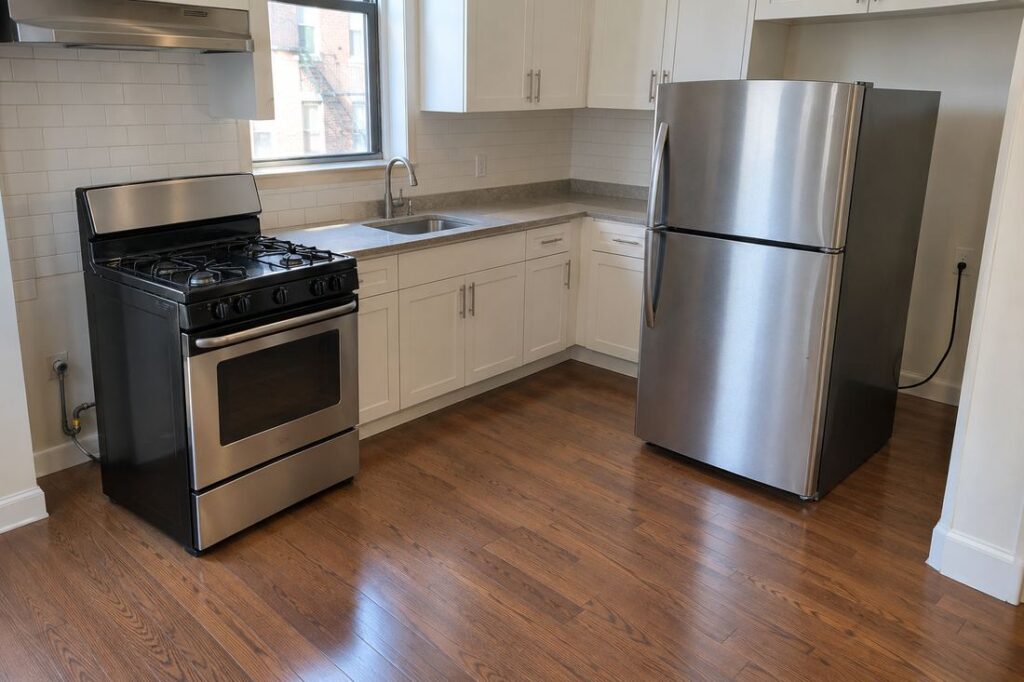
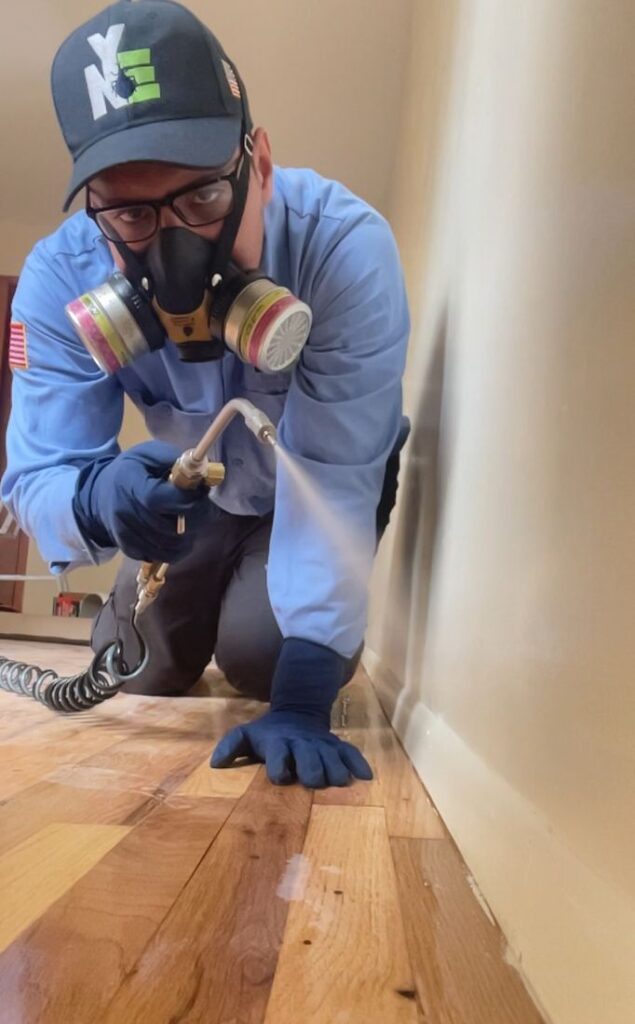
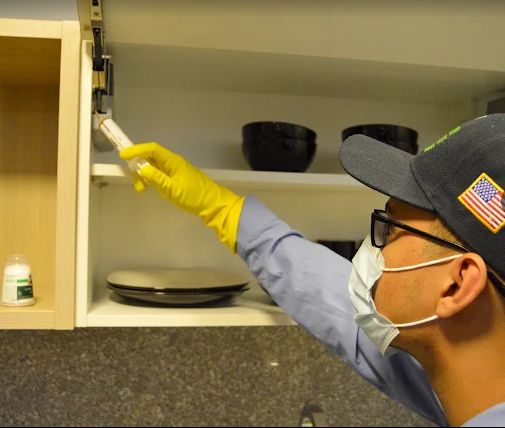
Why they keep coming back: German cockroaches live and breed inside wall voids, cabinet hinges, appliance motors and electrical boxes — not on the counters that get sprayed. Repellent products scatter them into neighboring units, many NYC populations resist common sprays, and egg cases hatch weeks after a surface treatment wears off.
How we end it: three methods in one visit, each reaching a different part of the infestation. Each apartment takes 1–1.5 hours, the work is designed to resolve most infestations in a single visit, and follow-ups are verification only — never chemical re-application.
Related reading: why German cockroach treatments fail · roaches moving between apartments · German cockroach resistance · clean apartment, still roaches · chronic roaches in Chinatown · brown-banded vs German
Coming out of the walls, not out of the trash
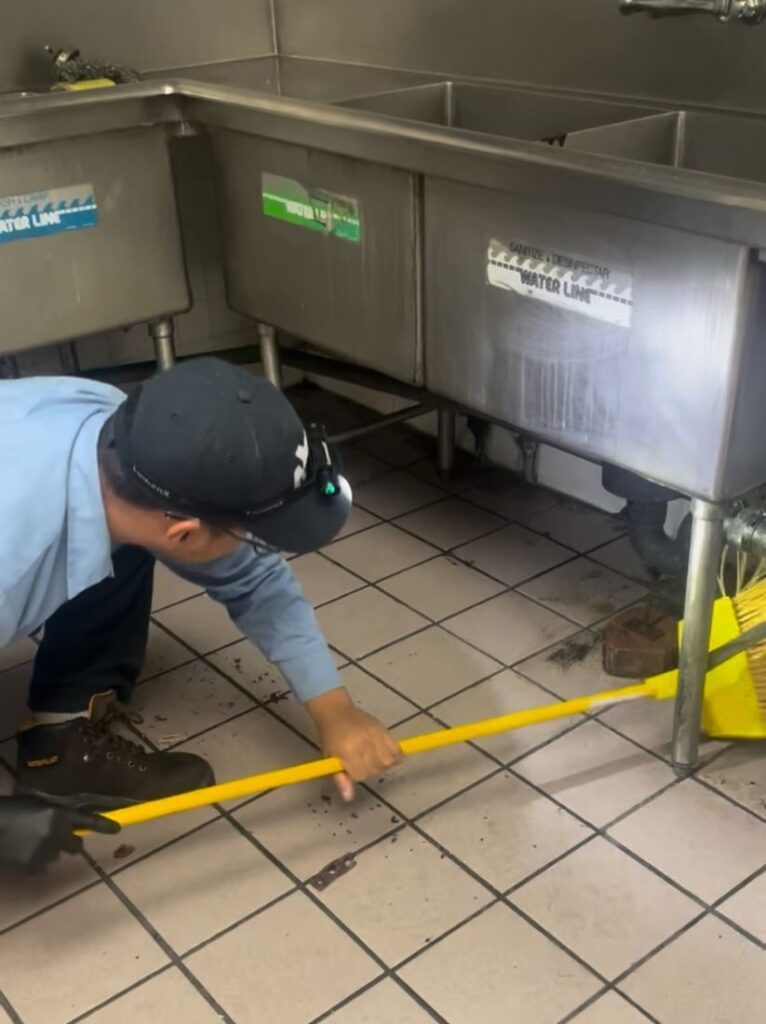
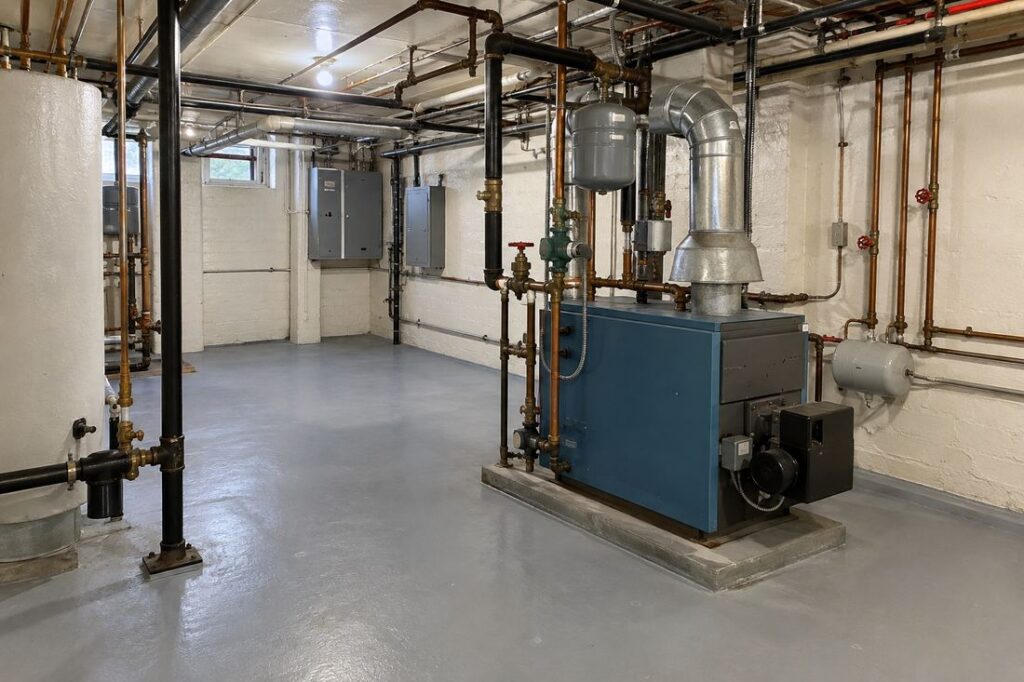
Why they keep coming back: phorid flies that persist in a clean kitchen or bathroom usually breed in a broken drain or sewer line under the slab or inside a wall, in sewage-soaked soil, or in a dead animal in a void. Telling the tenant or kitchen staff to clean harder cannot reach any of those, and sprays only kill adults that already emerged.
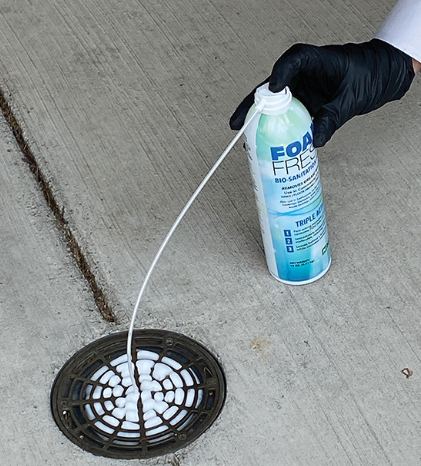
How we end it: we investigate the source instead of spraying the symptom.
- Confirm the species — phorid, drain fly, fruit fly or fungus gnat each points somewhere different.
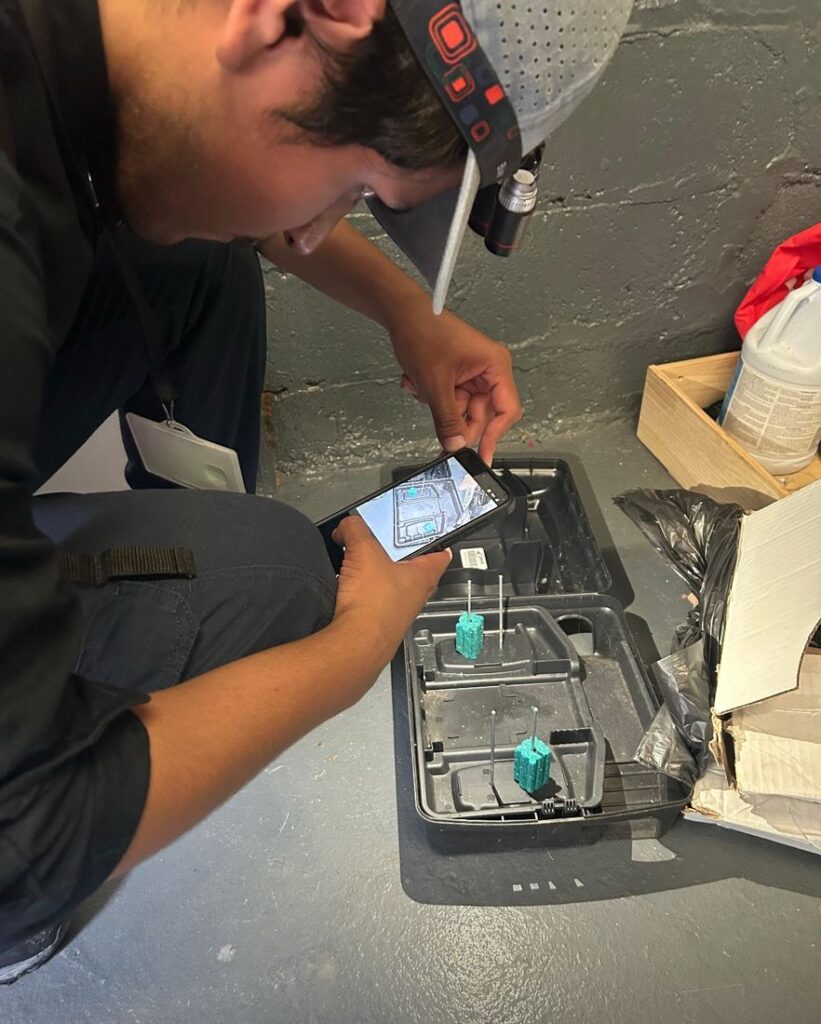
- Map where they emerge with monitors and covers over drains, cracks, grout lines and pipe penetrations.
- Trace the breeding site behind it and document it so the plumbing repair or carcass removal actually happens.
- Treat what remains with targeted larvicide and growth regulators, then monitor until emergence stops.
Related: fly control · drain fly treatment · drain flies vs fruit flies vs gnats
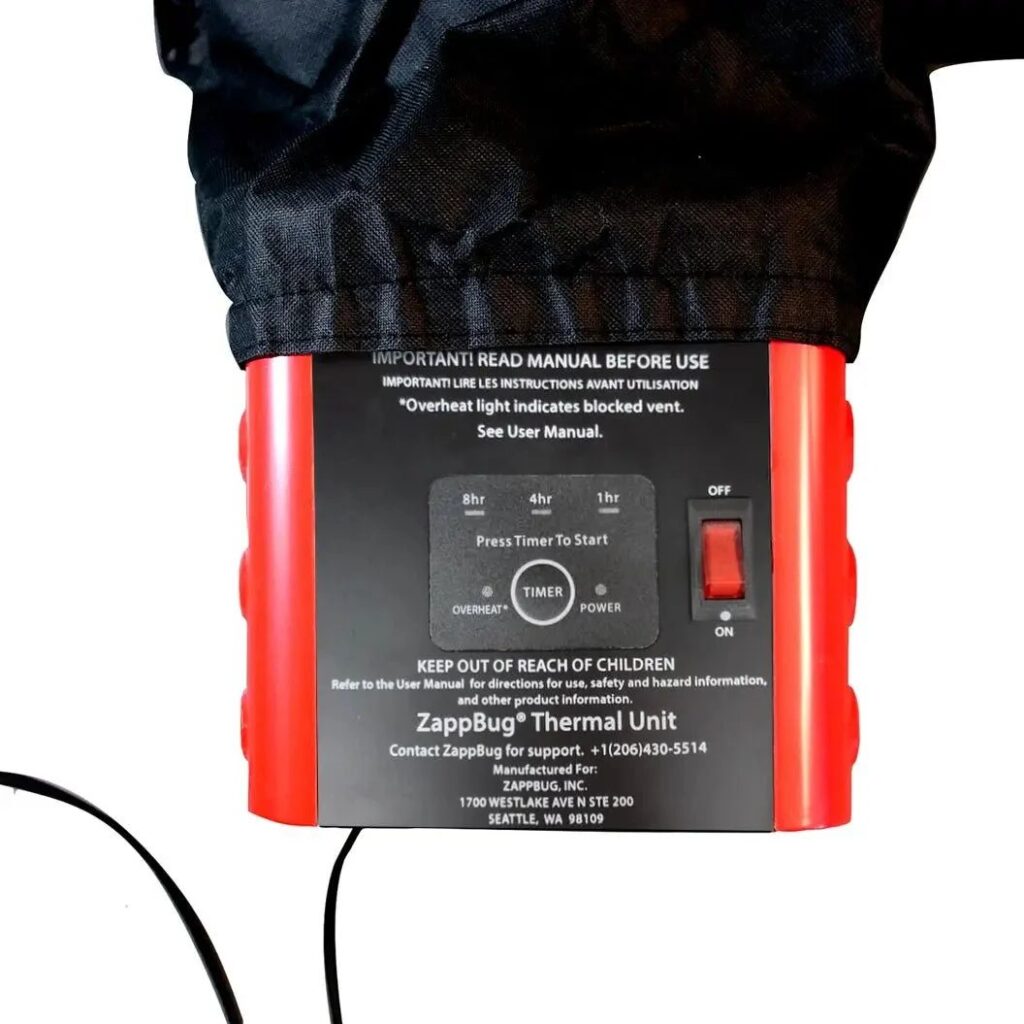
ZappBug heat chambers and larvicides
Why they keep coming back: the larvae, not the adults, eat wool, cashmere and silk, and they live inside the fibers — under collars, in folds and on the undersides of rugs. Mothballs, cedar and sprays do not reach larvae and eggs already in the fabric, and a single infested rug or stored garment reseeds the closet.
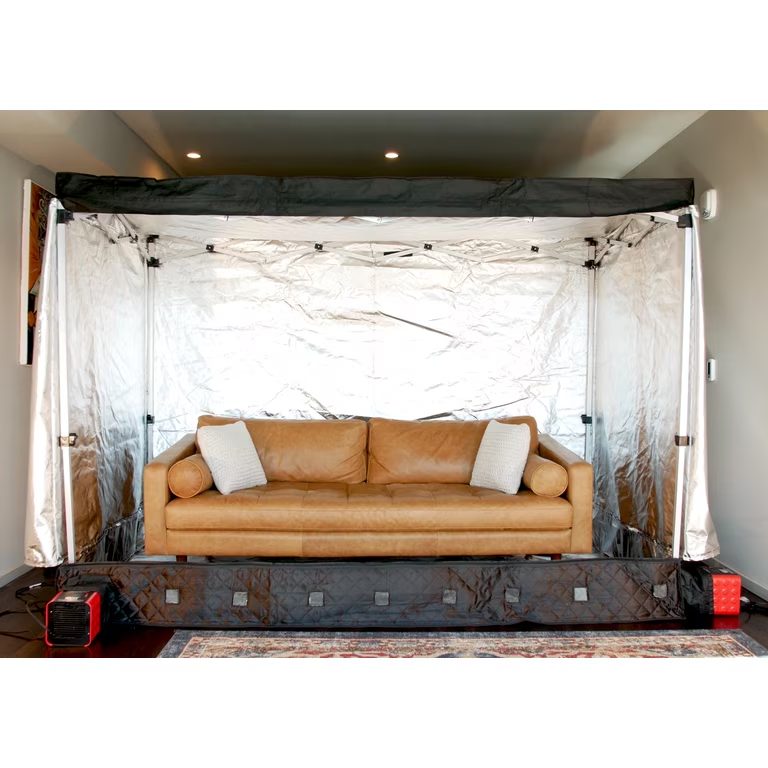
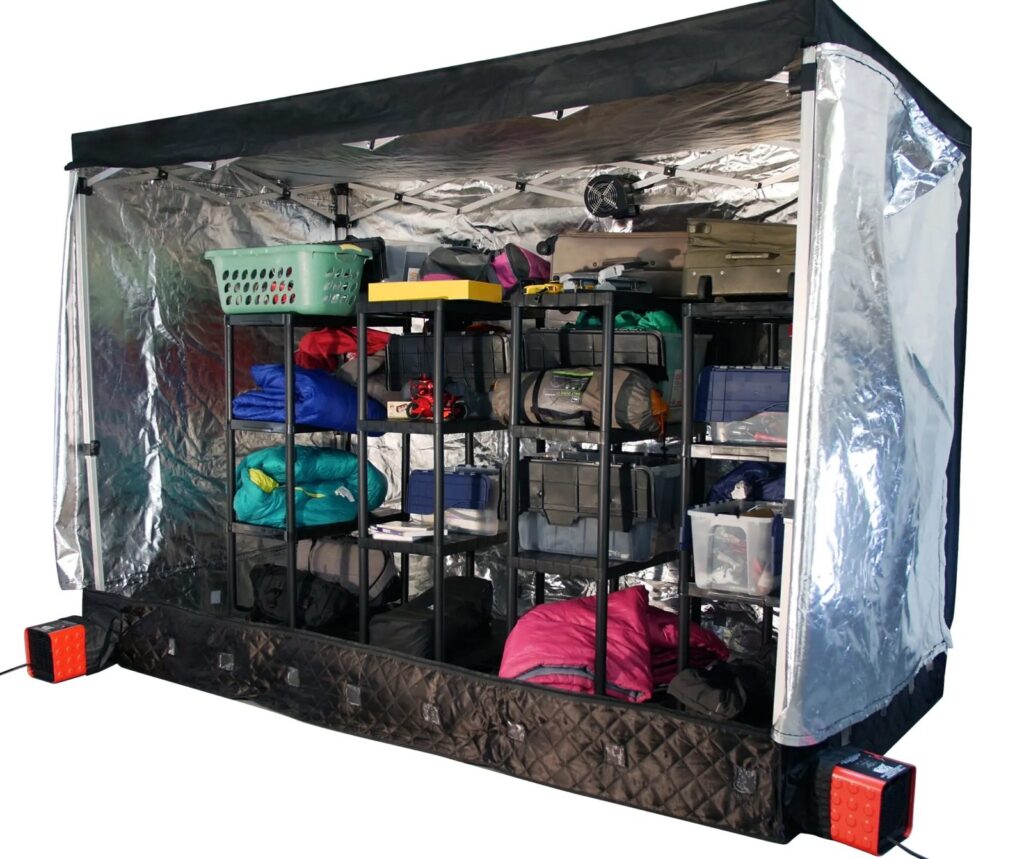
How we end it: infested textiles go through our heat chambers, which reach every life stage with no residue on what you wear. Closets, rug edges and structural harborage get targeted larvicide treatment, so the cycle breaks in the home, not only in the clothes.
| Treatment | Used for | Why it works |
|---|---|---|
| ZappBug Oven | Bagged sweaters, wool and cashmere, shoes, handbags, scarves | Fast, even heat through every fold and lining |
| ZappBug Room | Rolled rugs, upholstered chairs, cushions, suitcases, whole wardrobes | Walk-in capacity — bulky items treated in one cycle without disassembly |
| Larvicide treatment | Closet interiors, rug edges, baseboards, cracks where larvae wander to pupate | Stops the generation developing in the structure, which clothes-only treatment misses |
| Inspection & ID | Confirming clothes moth vs carpet beetle vs pantry moth | Each needs a different plan — misidentification is a top cause of failure |
Related: why clothes moths keep coming back · clothes moth larvae ID · carpet beetle vs clothes moth · stop moths eating clothes
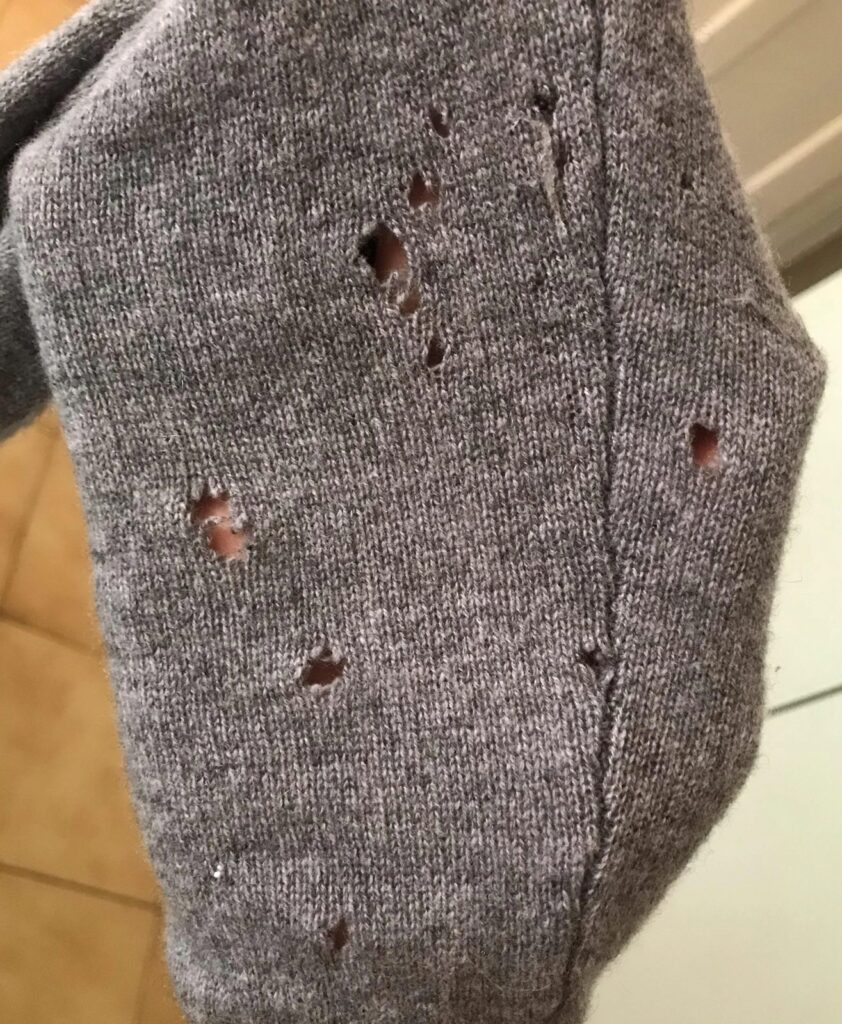
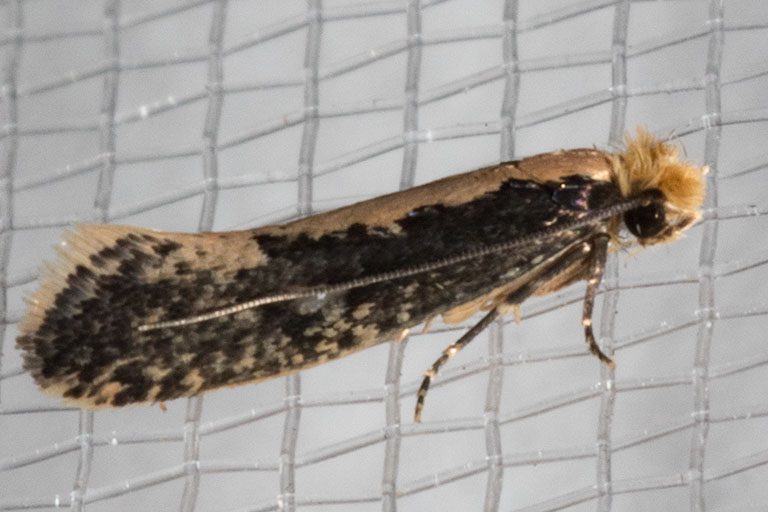
A trap full of moths is not always a clothes moth problem
Many NYC customers call us after finding pheromone traps covered in small dark moths. Very often those are bird’s nest moths (Monopis), not webbing clothes moths. Males are drawn to the same lure — the more traps, the more you catch — but they breed in bird and animal nests, like pigeon nests on air-conditioner units, not usually in clothing.
That is why every moth case starts with identification. Treating a closet for a moth that is not living in it is the kind of misdiagnosis that turns into a “chronic” problem.
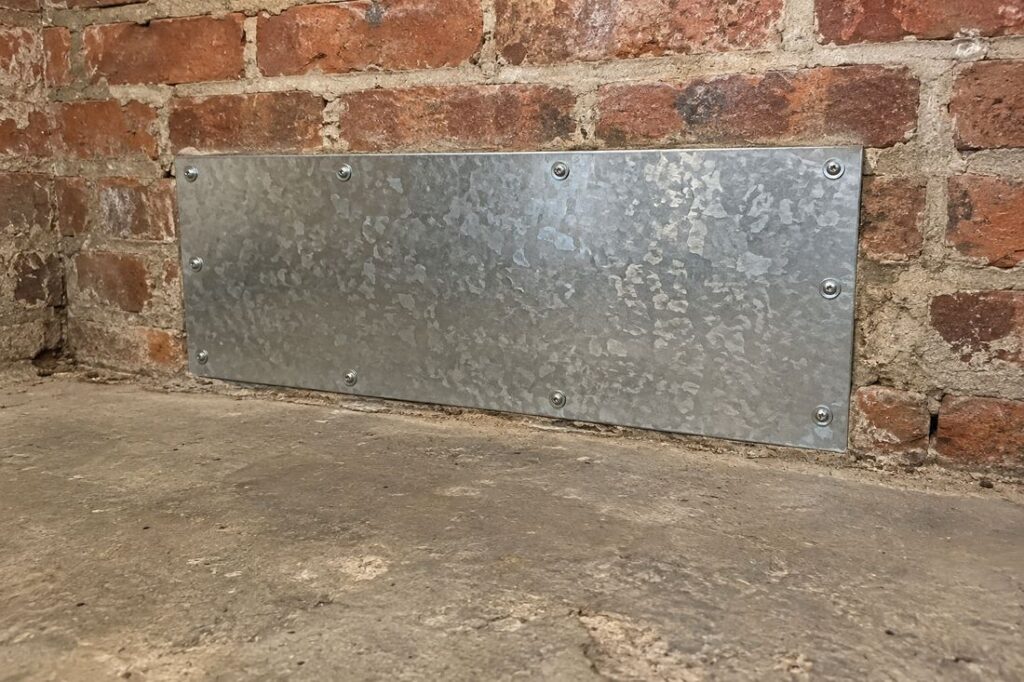
Full exclusion with metal — never foam
Why they keep coming back: mice fit through a dime-sized gap and rats through a quarter-sized one, and both chew through expanding foam overnight. Monthly bait-box service never closes the entry points, so the population is replaced from outside — and rodents that die in walls create odor and fly problems of their own.
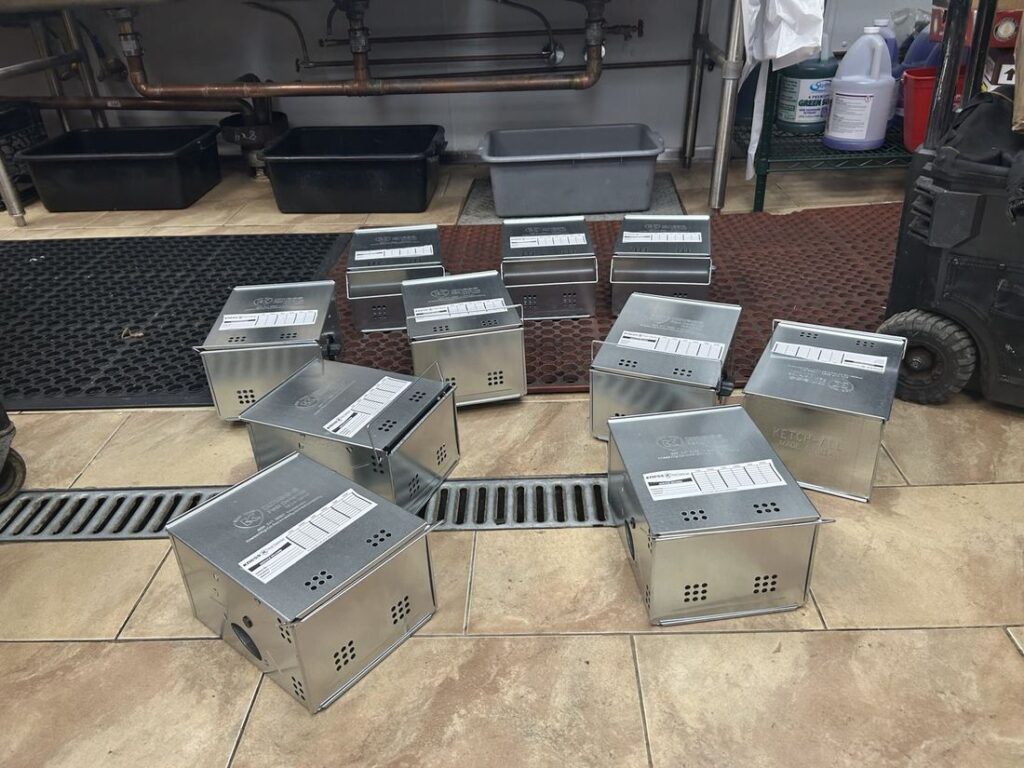
How we end it: every entry point mapped and sealed with metal and masonry — stainless steel with sealant, galvanized hardware cloth, sheet-metal kick plates, concrete for burrows. Then trapping removes the animals already inside, with proof you can count.
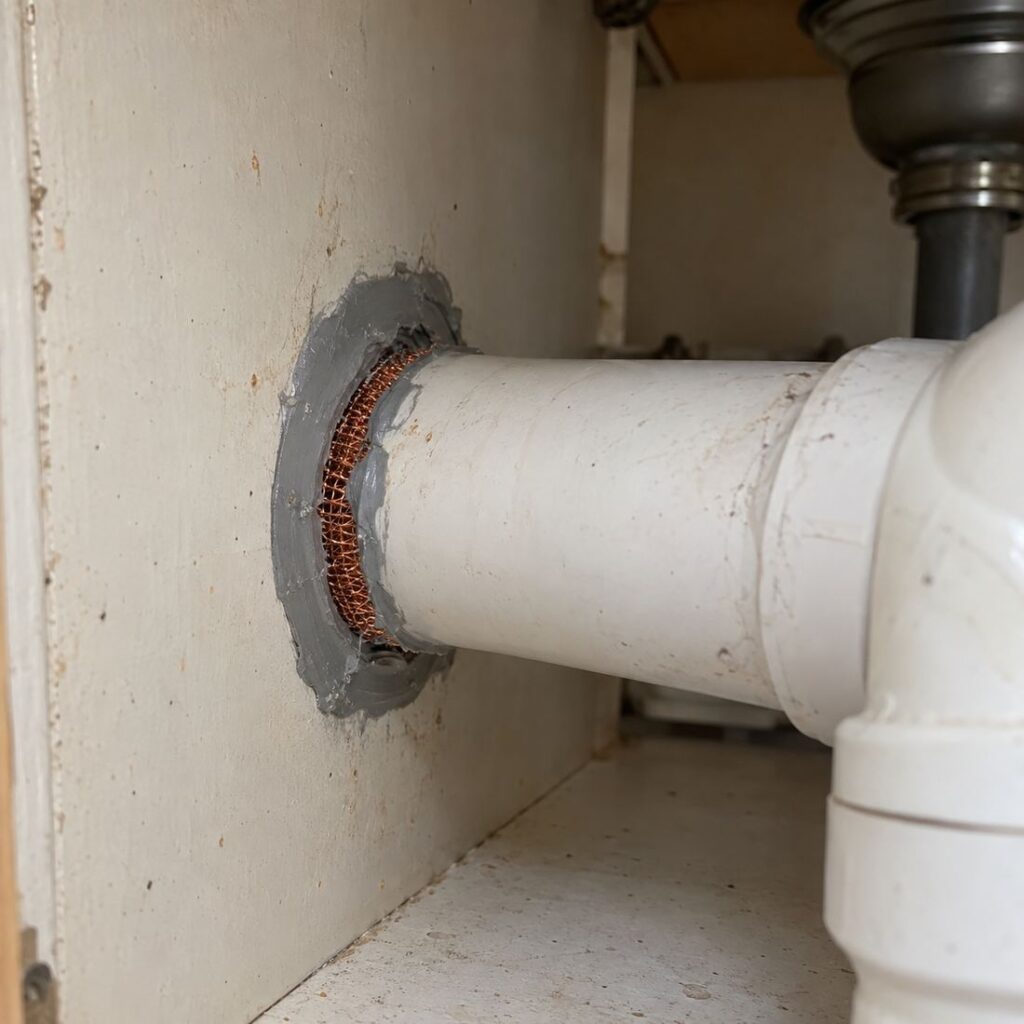
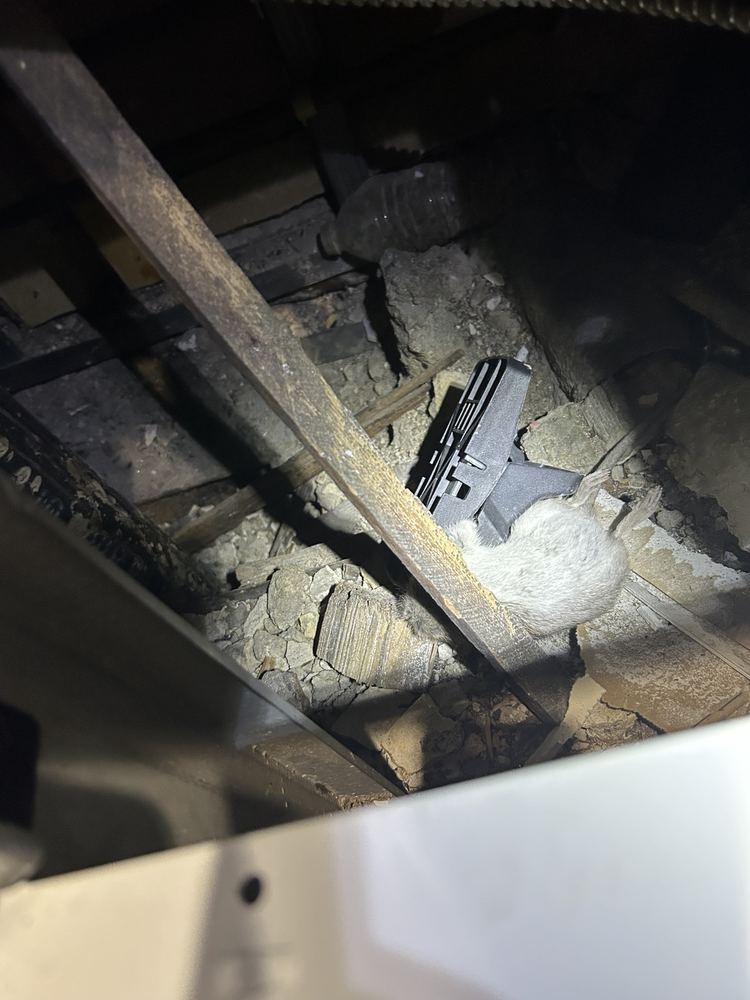
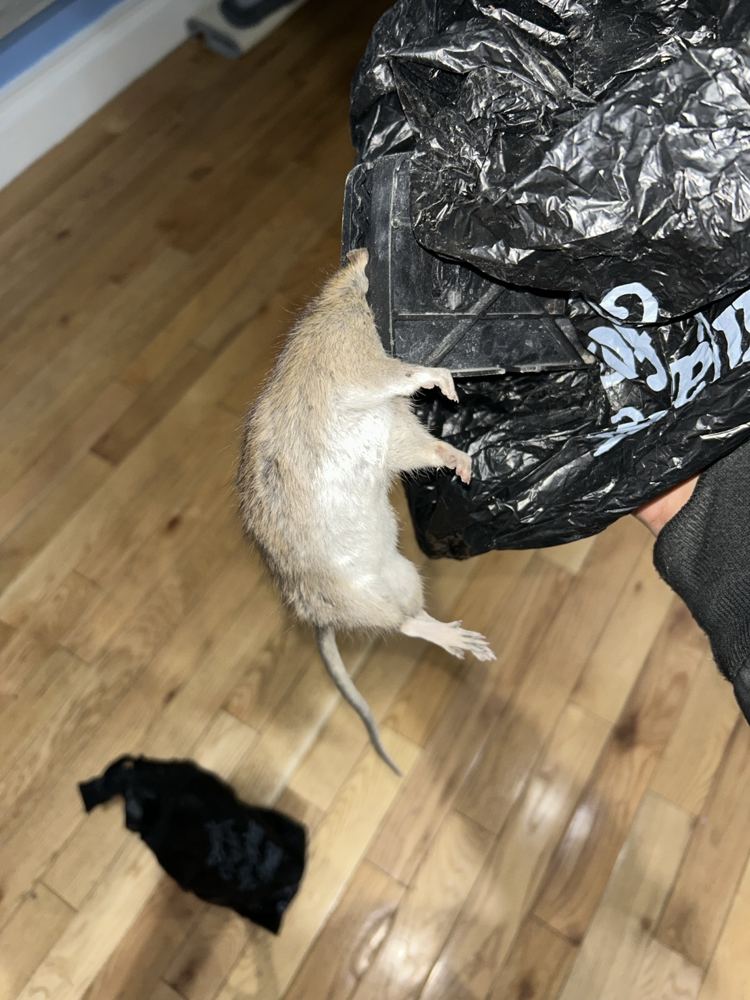
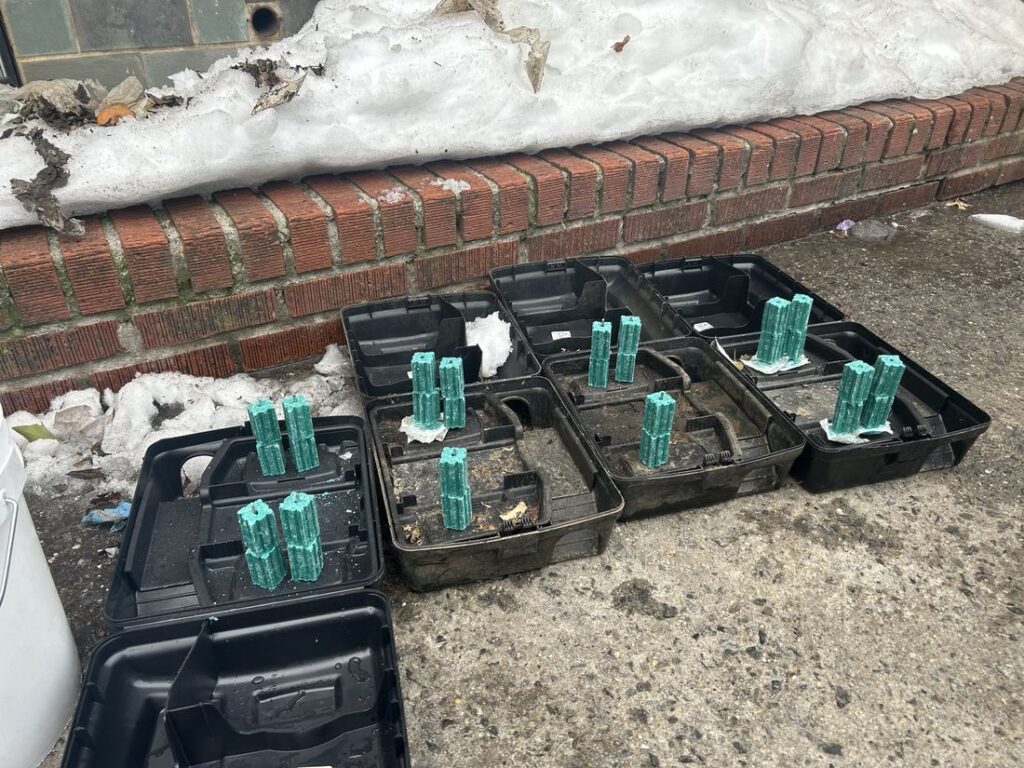
Related: the entry point five companies couldn’t seal · foam vs metal exclusion · how to get rid of rats in NYC · when rats move indoors
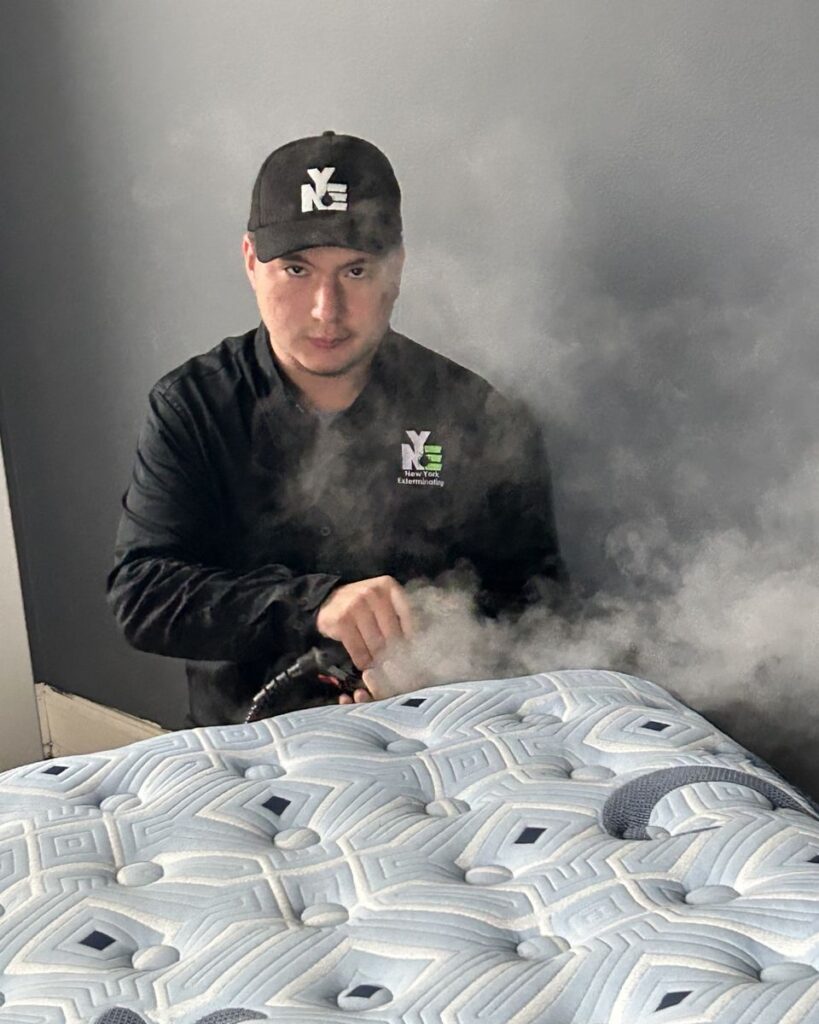
A four-mode protocol instead of one spray
Why they keep coming back: NYC walls, floors and furniture are porous, so single-spray treatments soak in and die off. Pyrethroid-resistant bed bugs survive them, eggs hidden in voids hatch after the product is gone, and pre-war buildings with shared walls let survivors rebuild.
1. Suspended formulations
Micro-encapsulated actives that stay active on porous surfaces instead of soaking in.
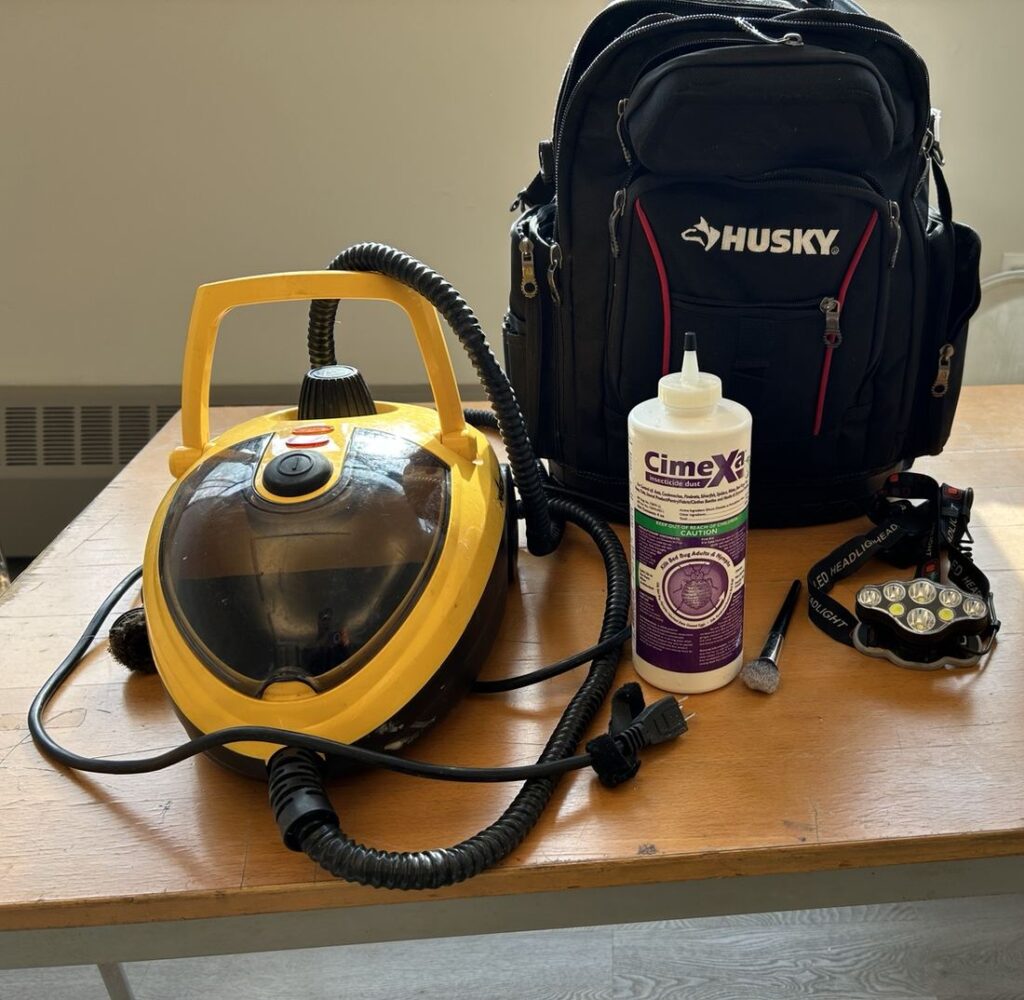
2. Silica-dioxide desiccant
A mechanical dust bed bugs cannot build resistance to, including resistant strains.
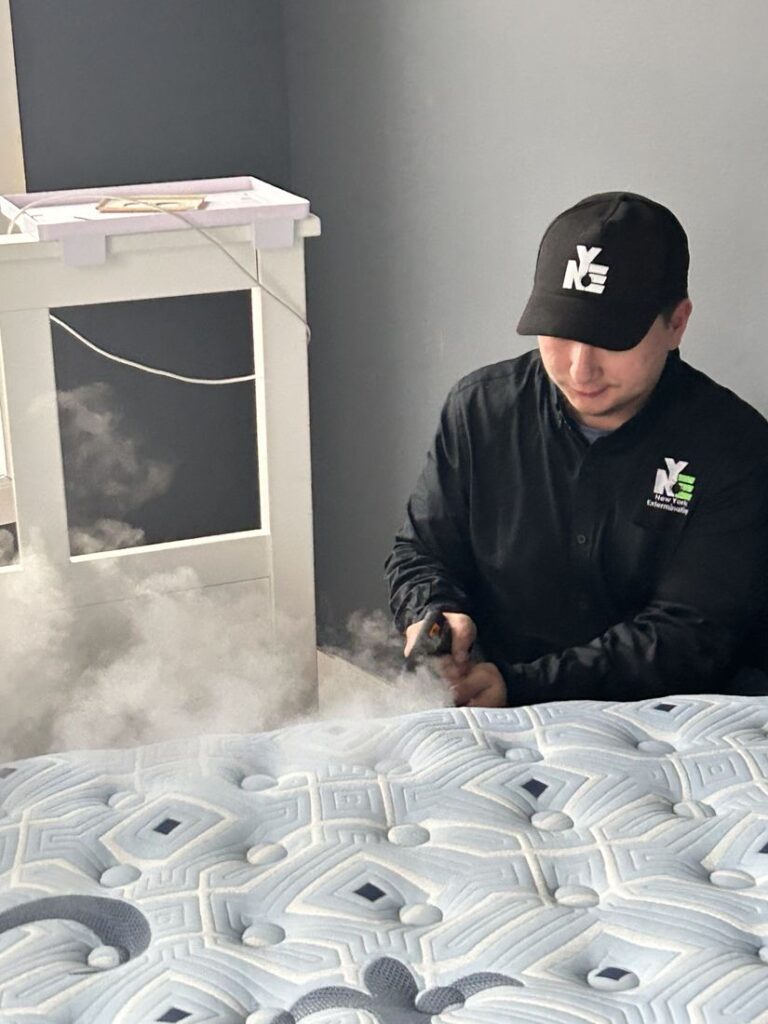
3. Heavy steam
Chemical-free knockdown of bugs and eggs on contact.
4. Biopesticide band
Apprehend Beauveria bassiana spores that keep working after we leave.
Furniture, luggage and belongings that cannot be steamed go through our ZappBug heat chambers, so they do not carry survivors back in.
Related: chronic bed bugs on the Lower East Side · carpet beetles vs bed bugs · bites but no bugs found
When the problem is the building, not the apartment
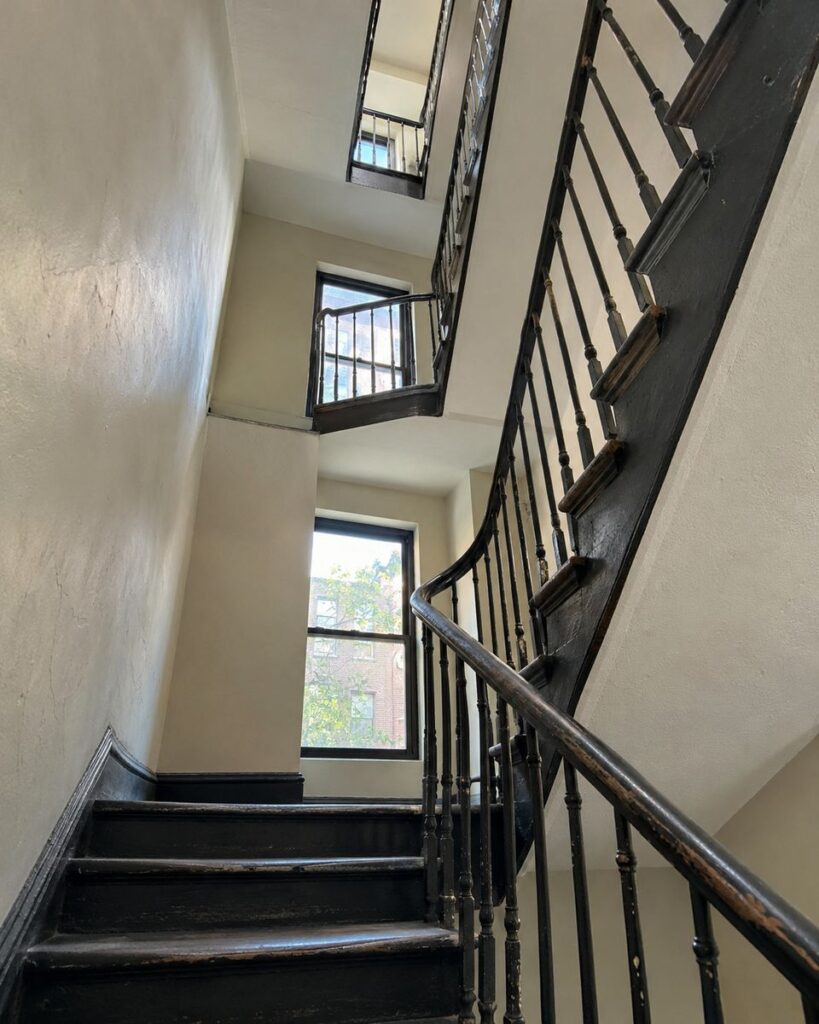
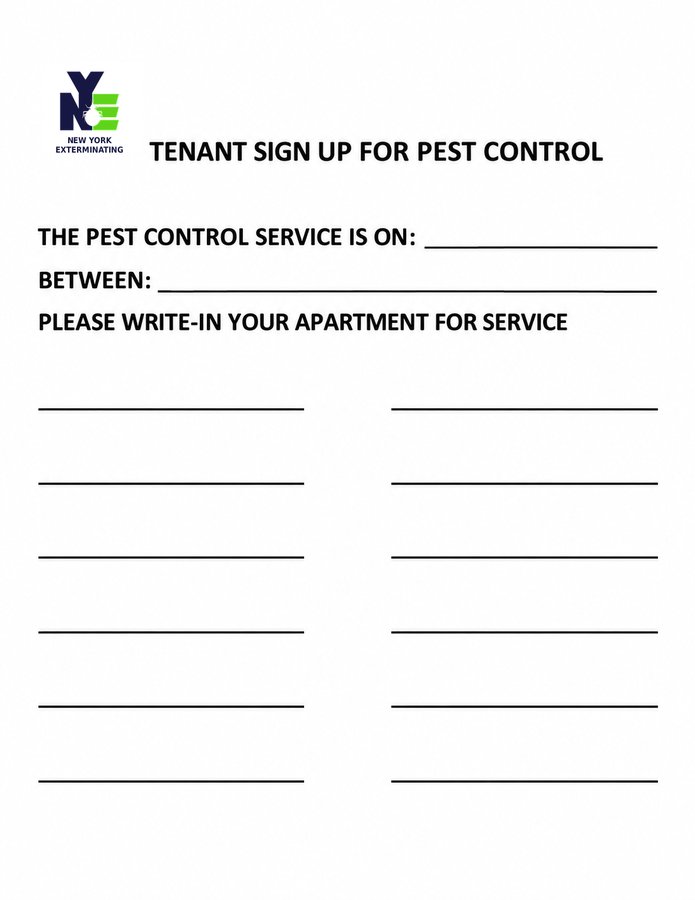
In multi-family buildings, German cockroaches, bed bugs and mice travel through shared walls, plumbing stacks and radiator risers. Treating one apartment at a time keeps reinfesting it from the units next door. We plan building-wide service days, post tenant sign-up sheets in advance, treat adjoining units and common areas in the same window, and document every unit for the owner and for NYC housing requirements.
German cockroach treatment for apartment buildings
Our process, step by step
Every chronic case follows the same documented sequence, whatever the pest.
1. History first
What was done before, by whom, with what, and what you still see. Past treatments tell us what the source is not.
2. Inspect & identify
An ACE confirms the species and maps activity, harborage, entry points and breeding sites room by room.
3. Find the source
Voids, pipes, entry points, infested items, neighboring units — the reason it came back.
4. Treat with the right method
Microinjection, growth regulators, heat chambers, metal exclusion, four-mode bed bug work — matched to the pest.
5. Document everything
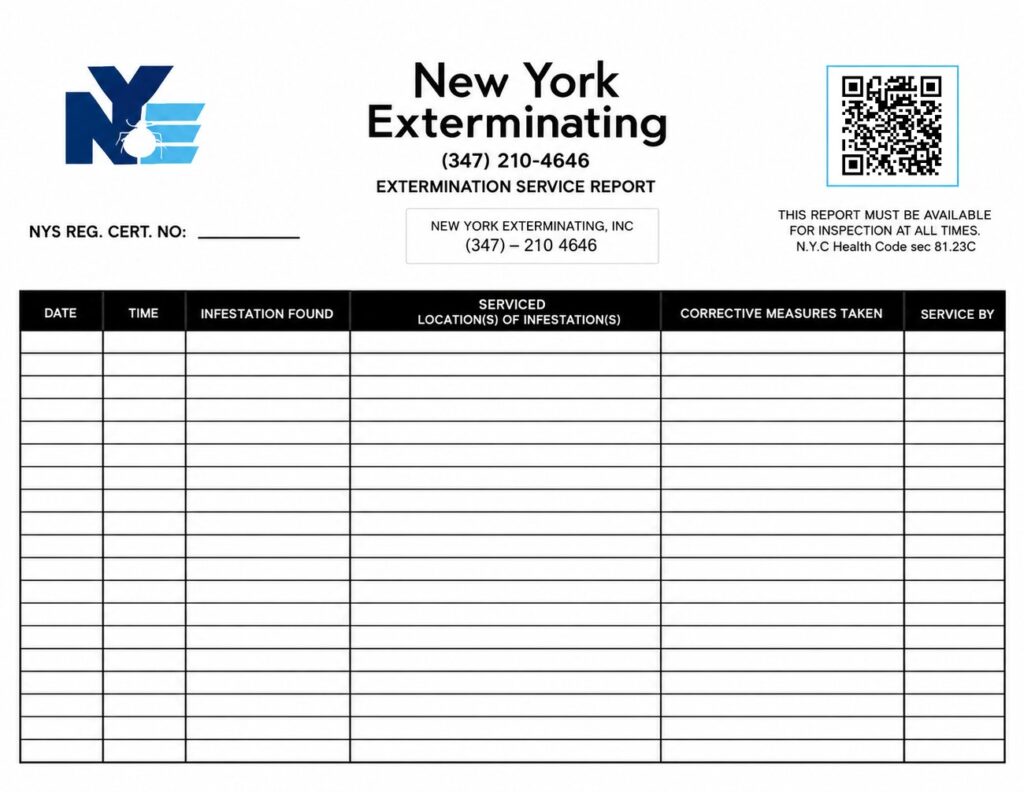
A written report, dated monitors and photos, so you, your landlord or your inspector can see what was done.
6. Verify, don’t re-spray
Follow-ups confirm the result. They are not chemical re-application.

Scientist-led, start to finish
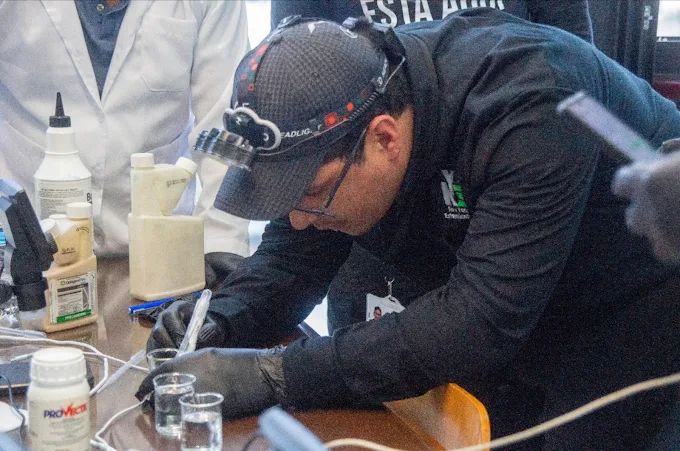
Chronic cases are led by Jorge Bedoya, co-owner and operations manager of New York Exterminating: an environmental scientist, an Associate Certified Entomologist (ACE) through the Entomological Society of America, and a Preventive Controls Qualified Individual (PCQI) for food-safety environments, working under NYSDEC license #15140.
Jorge trains every NYE technician personally, and the same technician handles your home whenever possible — in English or Spanish, across all five boroughs plus Nassau and Westchester.
- Environmental scientist
- ACE — Entomological Society of America
- PCQI
- NYSDEC #15140 (7A, 7F, 8)
Chronic infestations: FAQ
What is a chronic infestation?
An infestation that keeps returning after treatment, usually because the treatment never reached the source: the wrong species was treated, a breeding site or entry point was missed, the product was one the population resists, or pests keep moving in from neighboring units.
Why do pests keep coming back after an exterminator?
Most often because the previous work treated visible activity instead of the source: sprays on surfaces while German cockroaches live in voids, bait boxes while rodent entry points stay open, adult-fly sprays while phorid flies breed in a broken drain line.
Is a recurring infestation my fault for not cleaning?
Usually not. Clean homes and restaurants get chronic German cockroaches, phorid flies and mice because the sources are structural: wall voids, plumbing, entry points and shared walls. We investigate the source instead of blaming housekeeping.
How is your approach different from a monthly pest control contract?
Monthly contracts manage activity with repeat applications. We identify the source, treat it with a method built for that pest, and verify the result. Follow-ups are verification, not re-spraying, and our callback rate stays under 1%.
Do you treat clothes and rugs for moths?
Yes. Infested garments and textiles go through our ZappBug Oven and ZappBug Room heat chambers, which reach every life stage without residue, and closets and rug edges get targeted larvicide treatment.
Do you fix the broken pipes behind phorid flies?
We find and document the source and coordinate with your plumber or building, who camera-inspects and repairs the line. We then treat the breeding sites and emergence points and monitor until the flies stop.
Who leads chronic infestation cases at New York Exterminating?
Jorge Bedoya: an environmental scientist, Associate Certified Entomologist (ACE) and Preventive Controls Qualified Individual (PCQI), working under NYSDEC license #15140.
What areas do you serve?
All five NYC boroughs plus Nassau County and Westchester, from our base in Midwood, Brooklyn, in English and Spanish.
Tell us what was done before
Call or text with what you are still seeing and what has been tried. We start by finding the source. Se habla español.
(347) 210-4646 Request an inspection