Straight answers from a licensed New York exterminator and Associate Certified Entomologist (ACE) — serving all five boroughs, in English and Spanish.
Get a Free Estimate →⏱ 4 min read
Premium pest control, made affordable. Finance your treatment with Klarna, Affirm, or Afterpay and pay over time.
Finance with Klarna, Affirm, or Afterpay. Checking your rate is a soft check — no credit impact.
Example at 14.9% APR; 0% APR plans may be available. Actual rate shown when you prequalify. New York Exterminating is not a lender.
Quick answer: How you prepare your home before a bed bug treatment is one of the biggest factors in how well that treatment works. Proper prep gives your technician access to every hiding spot, protects your belongings, and helps prevent bed bugs from being pushed into untreated areas. Below is the exact preparation checklist our Associate Certified Entomologist (ACE)–led team gives New York City clients before a heat or conventional treatment.
Why preparation matters so much
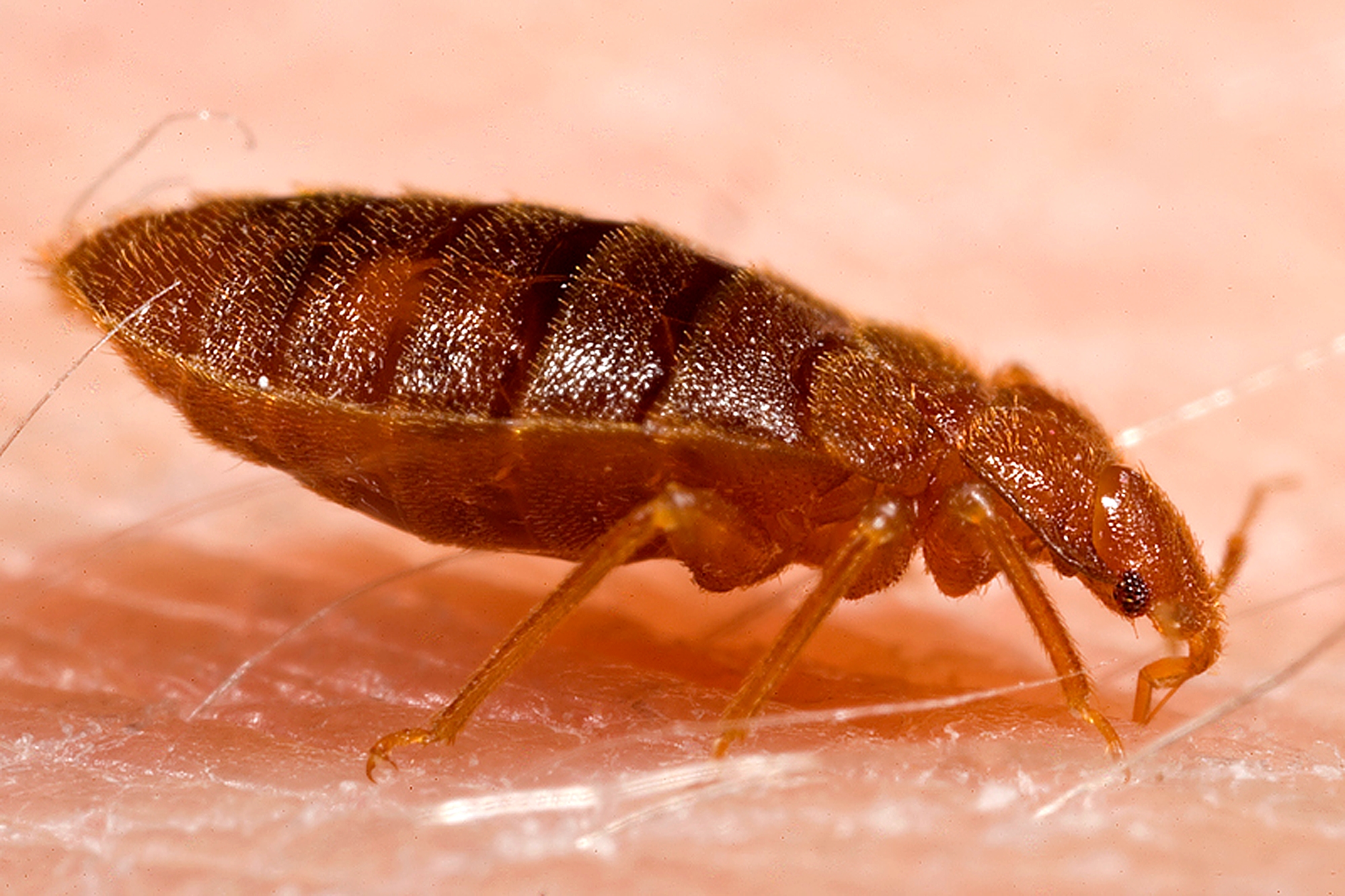
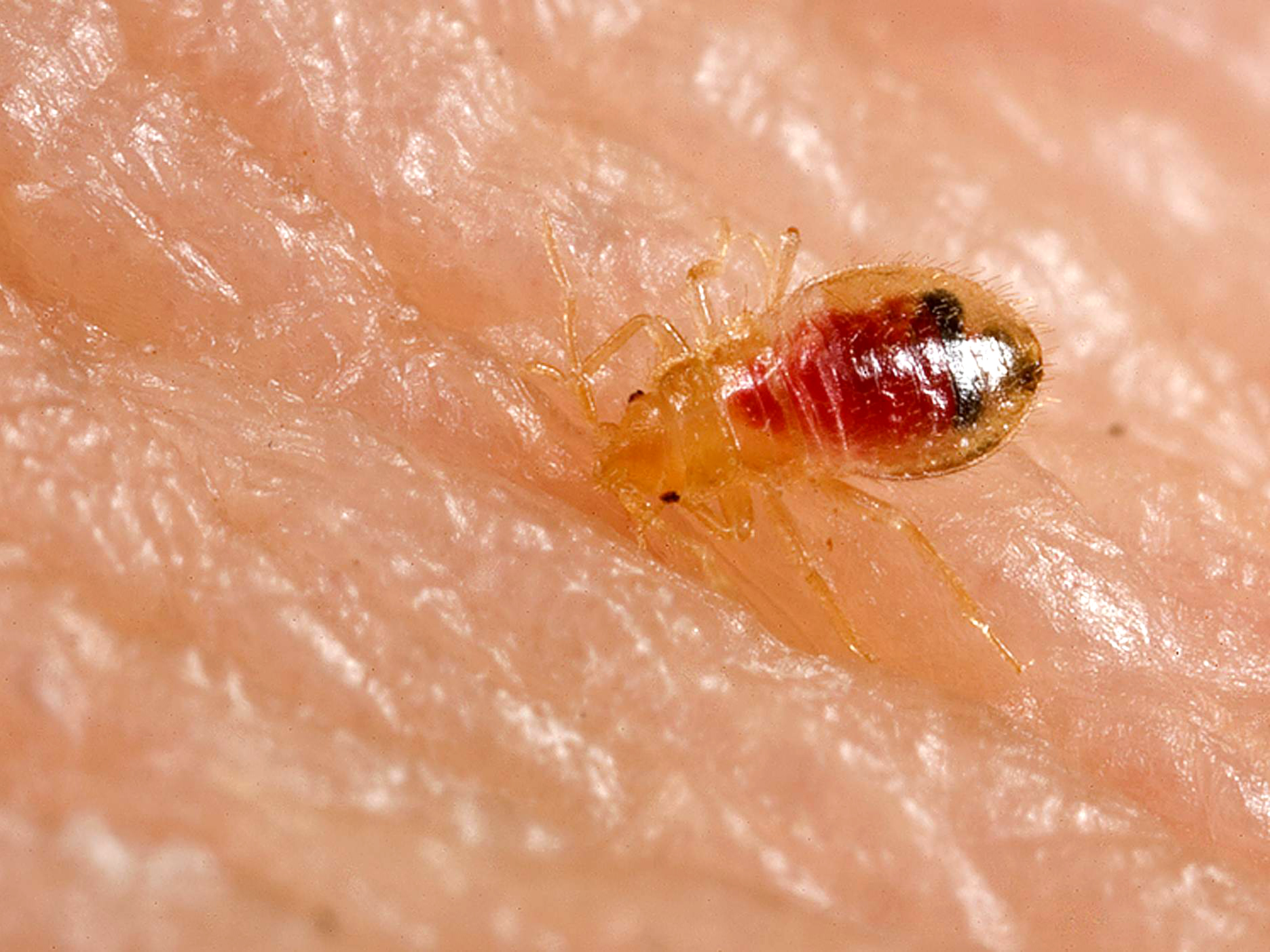
Bed bugs hide in tiny cracks — seams of mattresses, behind baseboards, inside furniture joints, under loose wallpaper. A treatment can only reach the bugs the technician can access. When a home is cluttered or items are moved at the wrong time, bed bugs can survive in untreated pockets or be carried into clean rooms. Thoughtful preparation is what lets a licensed treatment do its job.
Important: Prep differs depending on the method. Confirm with your technician whether you are receiving a heat treatment or a conventional (low-toxicity) treatment, because the steps are not identical. When in doubt, ask before you start.
Before treatment day (start 2–3 days ahead)
Laundry and fabrics
Wash and dry all bedding, clothing, curtains, and soft items on the hottest setting the fabric allows; the heat of a dryer cycle is what matters most. Place cleaned items in sealed plastic bags and keep them out of the treatment area until your technician says it is safe to return them. Do not pile dirty laundry on the floor — bag it and treat it the same way.
Declutter (do not relocate)
Remove clutter from floors, under beds, and around baseboards so the technician can reach hiding spots. Bag small items rather than carrying them into another room — moving things to a “clean” room is one of the most common ways an infestation spreads. Keep everything in the affected room until treatment is done.
Furniture and beds
Strip beds and leave mattresses and box springs in place unless told otherwise. Pull furniture a few inches from the walls if you can do so safely. Empty dressers and nightstands and bag the contents. Do not throw out furniture — most items can be treated, and dragging an infested couch through the building spreads bugs to hallways and neighbors.
Heat treatment vs. conventional prep
For a heat treatment, you will usually remove heat-sensitive items (candles, aerosols, certain electronics, medications, pets’ items, houseplants) because the room is brought to a high temperature. For a conventional treatment, the focus is on clearing clutter and laundering, and you may need to stay out of treated areas until they are dry. Your technician will give you a method-specific list — follow it closely.
People, pets, and plants
Plan for everyone — including pets — to be out of the home during treatment and for the re-entry window your technician specifies. Remove fish tanks or cover and shut off their pumps per your technician’s guidance, and take houseplants out of the treatment zone. If anyone in the home has medical sensitivities, mention it in advance.
What NOT to do
- Do not spray store-bought pesticides before a professional visit — it can scatter bed bugs and make treatment harder.
- Do not move mattresses, bags, or furniture into other rooms or the hallway.
- Do not throw out furniture without talking to your technician first.
- Do not start sleeping in a different room — that can spread bugs to a new area.
Treatment-day checklist
- Laundry washed, dried hot, and sealed in bags
- Floors and surfaces cleared; small items bagged (not relocated)
- Furniture moved slightly off walls if safe
- Heat-sensitive items removed (for heat treatments)
- Pets, people, and plants ready to leave for the full re-entry window
- Clear path to beds, baseboards, and closets for the technician
After treatment
Wait for the re-entry time your technician gives you before returning. Most bed bug jobs include a follow-up visit about two weeks later to address any eggs that hatch after the first treatment — keep that appointment even if you stop seeing bugs. Reduce clutter going forward, inspect secondhand items before bringing them in, and check your luggage after travel. For the full picture of how treatment works, timelines, and what to expect, see our bed bug exterminator NYC guide, and for budgeting see bed bug treatment cost in NYC.
Need help in NYC? New York Exterminating is a family-owned, ACE-certified team serving all five boroughs with heat treatment and K-9 bed bug inspection. Call (347) 210-4646 for a free assessment.
A Brooklyn-based, NYSDEC-registered company (Reg. #15140) led by Jorge Bedoya, an Associate Certified Entomologist (ACE). For bed bugs, NYE provides discreet bed bug treatment (heat and targeted options) verified with a follow-up visit. ACE-led work comes with a client portal of service reports and photos, fully bilingual service, and no long-term contract.
Bed Bug Preparation FAQ
How long does bed bug treatment prep take?
Most households need a day or two to wash and bag laundry, declutter, and clear access. Starting a few days ahead keeps it from becoming stressful.
Do I have to throw away my mattress?
Usually no. Mattresses and most furniture can be treated. Throwing items out can spread bed bugs through your building, so always ask your technician first.
Should I prepare differently for heat treatment?
Yes. Heat treatments require removing heat-sensitive items such as candles, aerosols, some electronics, medications, and plants. Your technician will give you a method-specific list.
Can I just spray and skip the prep?
Store-bought sprays often scatter bed bugs and make professional treatment harder. Prep plus a licensed treatment is far more dependable than DIY spraying.