
Straight answers from a licensed New York exterminator and Associate Certified Entomologist (ACE) — serving all five boroughs, in English and Spanish.
Get a Free Estimate →⏱ 7 min read
Quick answer: The German cockroach is the most common indoor cockroach and the hardest to control. Adults are light brown, about half an inch long, with two dark stripes behind the head. They breed rapidly in warm, humid kitchens and bathrooms, contaminate food surfaces, and are a leading trigger of childhood asthma. The keys to getting rid of them are sanitation, harborage reduction, and gel baiting — repellent sprays often make the problem worse by scattering them.
What do German cockroaches look like?

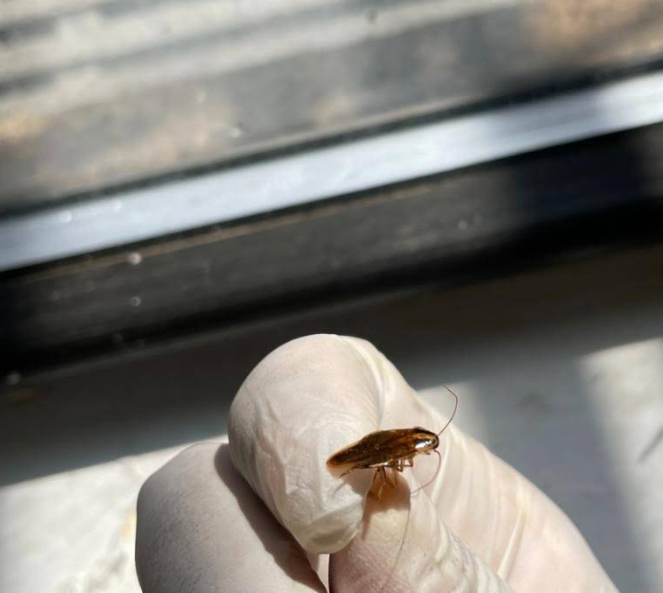
Adult German cockroaches are light tan to brown and about 1/2 to 5/8 inch long, with two dark parallel stripes running behind the head on the pronotum. They have long antennae and wings but rarely fly. Nymphs are smaller, darker, and wingless but show the same stripes. This species is smaller than the American or Oriental cockroach and is the one almost always responsible for indoor kitchen and bathroom infestations.
Where they hide and the signs of an infestation
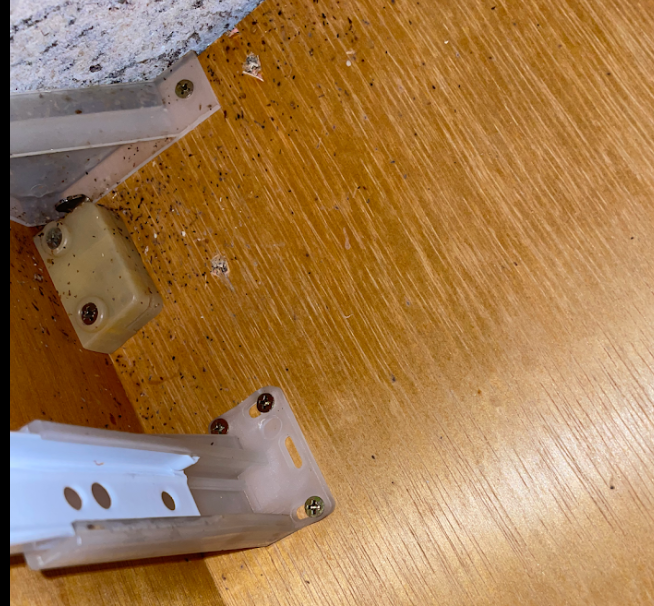
German cockroaches are thigmotactic — they wedge into tight, warm, humid cracks near food and water. Inspect behind and under refrigerators, stoves, and dishwashers; inside motor housings; under sinks and around plumbing; and in cabinet voids and cracks. Telltale signs are small pepper-like fecal specks, shed skins, tan egg cases, and, in heavy infestations, a musty oily odor. Seeing roaches in the open during the day usually signals a large, crowded population.
Are German cockroaches dangerous?
They do not bite, but they matter for two health reasons: they mechanically carry bacteria such as Salmonella from filth to food-contact surfaces, and — more significantly — their droppings, saliva, and shed skins contain potent allergens that trigger asthma and allergic reactions, a well-documented problem in inner-city children.
Biology and why they spread fast
German cockroaches develop through incomplete metamorphosis and reproduce faster than any other common roach. The female carries her egg case (ootheca) — holding roughly 30 to 40 eggs — until it is nearly ready to hatch, protecting the eggs from many insecticides. Warm temperatures speed development, so a few roaches can become a major infestation within weeks.
How to get rid of German cockroaches
The proven approach is integrated: sanitation to remove food, grease, and moisture; harborage reduction and clutter removal; and gel baiting placed in small dabs near harborage and rotated among active ingredients to counter resistance and bait aversion. Insect growth regulators reduce reproduction, vacuuming gives fast knockdown and removes allergen debris, and follow-up visits control nymphs that hatch afterward. Crucially, avoid repellent sprays near baits — they drive roaches away from the bait and can cause the population to scatter.
When to call a professional
Because German cockroaches breed so quickly and hide so well, small problems become large ones fast. A professional inspection, targeted baiting program, and follow-up are the reliable way to clear an infestation and keep it from returning.
The NYE Trio Protocol — most German cockroach jobs done in one visit
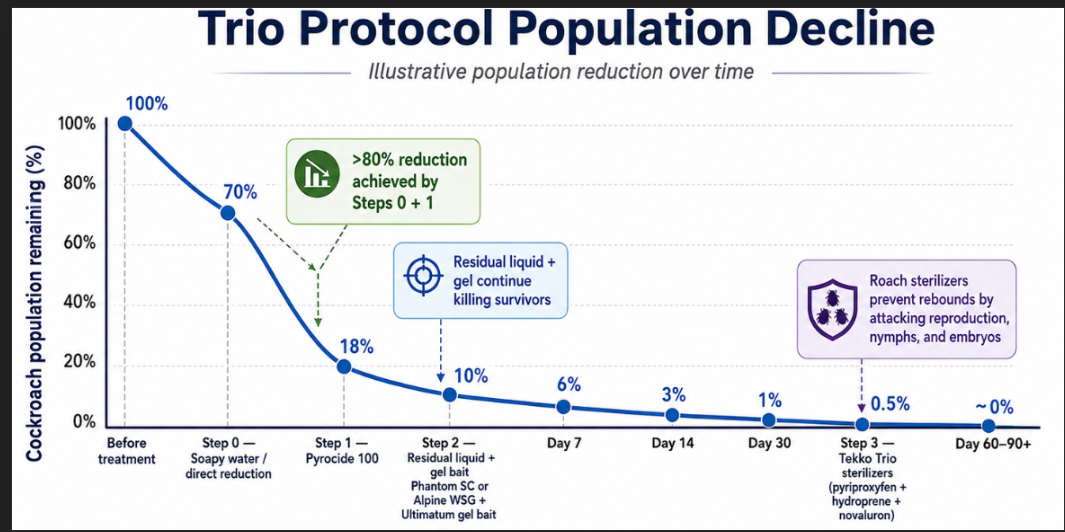
We don’t just spray baseboards. Our ACE-led Trio Protocol hits the colony three ways in a single visit: non-repellent microinjection into harborage, insect growth regulators that stop the next generation, and targeted gel baiting to finish it — with a callback rate under 1%.
What a real German cockroach elimination visit looks like
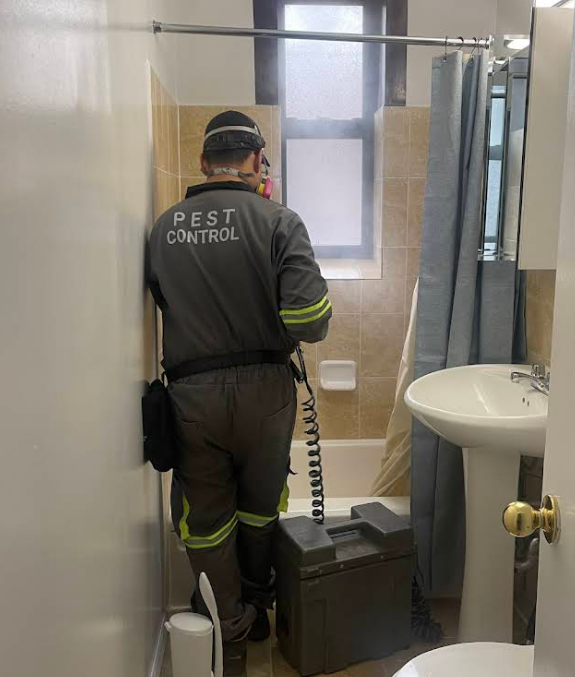
Most pest visits for German cockroaches last about five minutes: a technician sprays the baseboards and leaves. That is not elimination — it is what keeps a building on a monthly contract. A real elimination visit takes an hour to an hour and a half per apartment. It starts with an ACE-level inspection to find the harborage — behind and inside appliances, in wall and cabinet voids, around plumbing — then treats those exact points with non-repellent microinjection, insect growth regulators, and targeted gel bait. At New York Exterminating this is our Trio Protocol, and it resolves the large majority of jobs in a single visit with a callback rate under 1%.
How to know the treatment actually worked
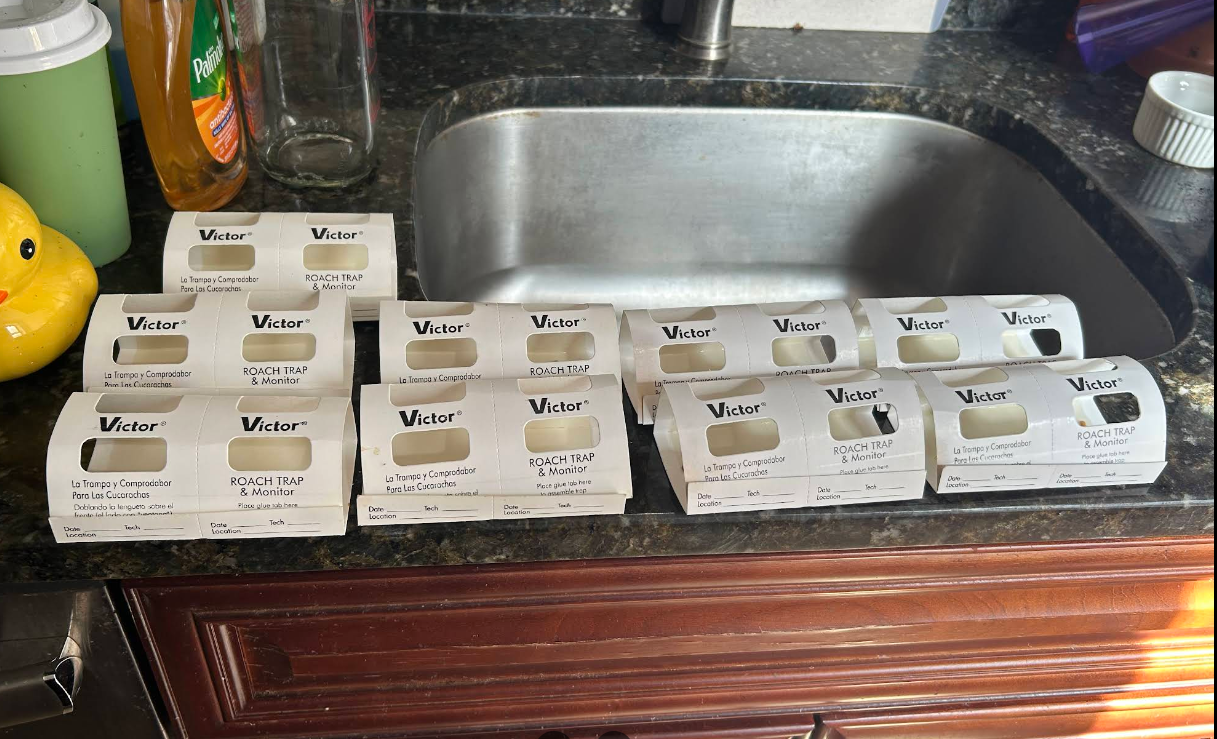
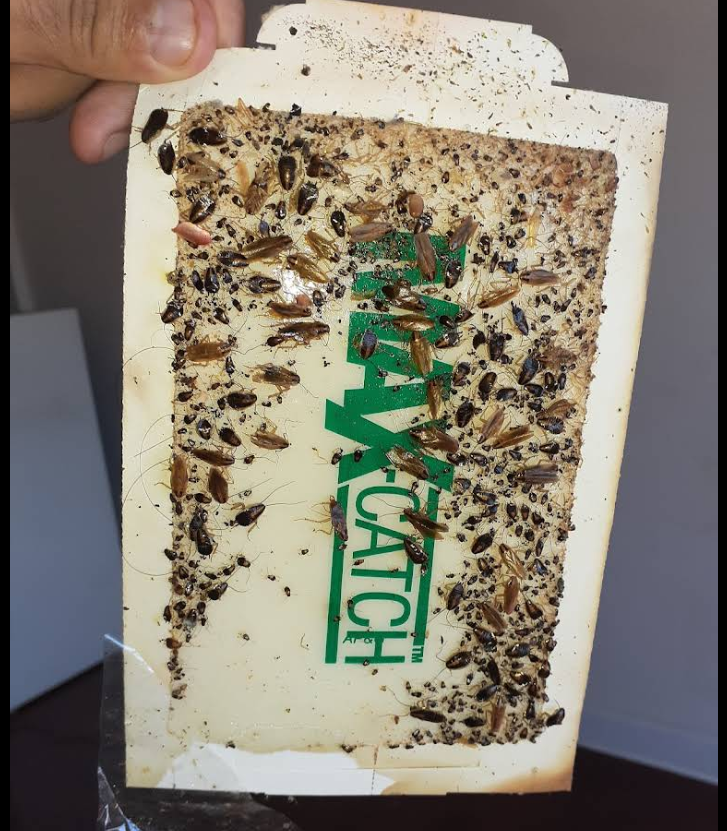
After a correct treatment, live activity should drop sharply within days and be gone within two to three weeks as the last nymphs hatch and die. The way to verify it is sticky monitors placed at harborage: if the monitors stay clean, the colony is gone. This is also why we treat follow-up visits as verification only — if the first visit worked, there is nothing left to spray. If a company keeps coming back to re-apply product every month, that is management, not elimination.
Why NYC apartments are especially prone to German cockroaches
German cockroaches thrive in NYC’s older, multi-family housing stock because shared walls, plumbing risers, and trash rooms give them warmth, water, and travel routes between units. That is why treating a single apartment rarely holds in a building — and why the fix is a coordinated, building-wide program, not a one-unit spray. If you are in Brooklyn, our Midwood-based team handles this every day.
A Brooklyn-based, NYSDEC-registered company (Reg. #15140) led by Jorge Bedoya, an Associate Certified Entomologist (ACE). For cockroaches, NYE provides a non-repellent microinjection protocol for German cockroaches, placed at the harborage, plus a triple-active IGR. ACE-led work comes with a client portal of service reports and photos, fully bilingual service, and no long-term contract.
German cockroach FAQ
How do I know if I have German cockroaches?
Signs include live roaches (especially at night), tiny pepper-like fecal specks near hinges and in cracks, shed skins, egg cases, and a musty, oily odor in heavy infestations. Sticky monitors under sinks and behind appliances confirm and locate them.
Are German cockroaches dangerous?
They do not bite or sting, but they mechanically spread bacteria to food surfaces and are a major source of allergens that trigger asthma, especially in children.
How do you get rid of German cockroaches?
Combine sanitation (remove food, grease, and water), harborage reduction, and gel baiting rotated among active ingredients. Insect growth regulators, vacuuming, and follow-up visits complete the job. Avoid repellent sprays, which scatter roaches and undermine baits.
Why do German cockroaches keep coming back?
Their protected egg cases hatch after treatment, food and moisture sources sustain them, and they can arrive in cardboard and grocery deliveries. Sanitation, exclusion, and follow-up prevent recurrence.
Do German cockroaches mean my home is dirty?
Not necessarily. They exploit any available food, water, and warmth, and often arrive in packaging or from adjacent units. Sanitation helps control them but even clean homes can get infestations.
More in our Pest Library · Not sure what you have? Try the NYC Pest Identifier. Reviewed by Jorge Bedoya, ACE.
Based in Brooklyn, New York Exterminating provides ACE-certified Brooklyn pest control for German cockroaches and other pests across every neighborhood.